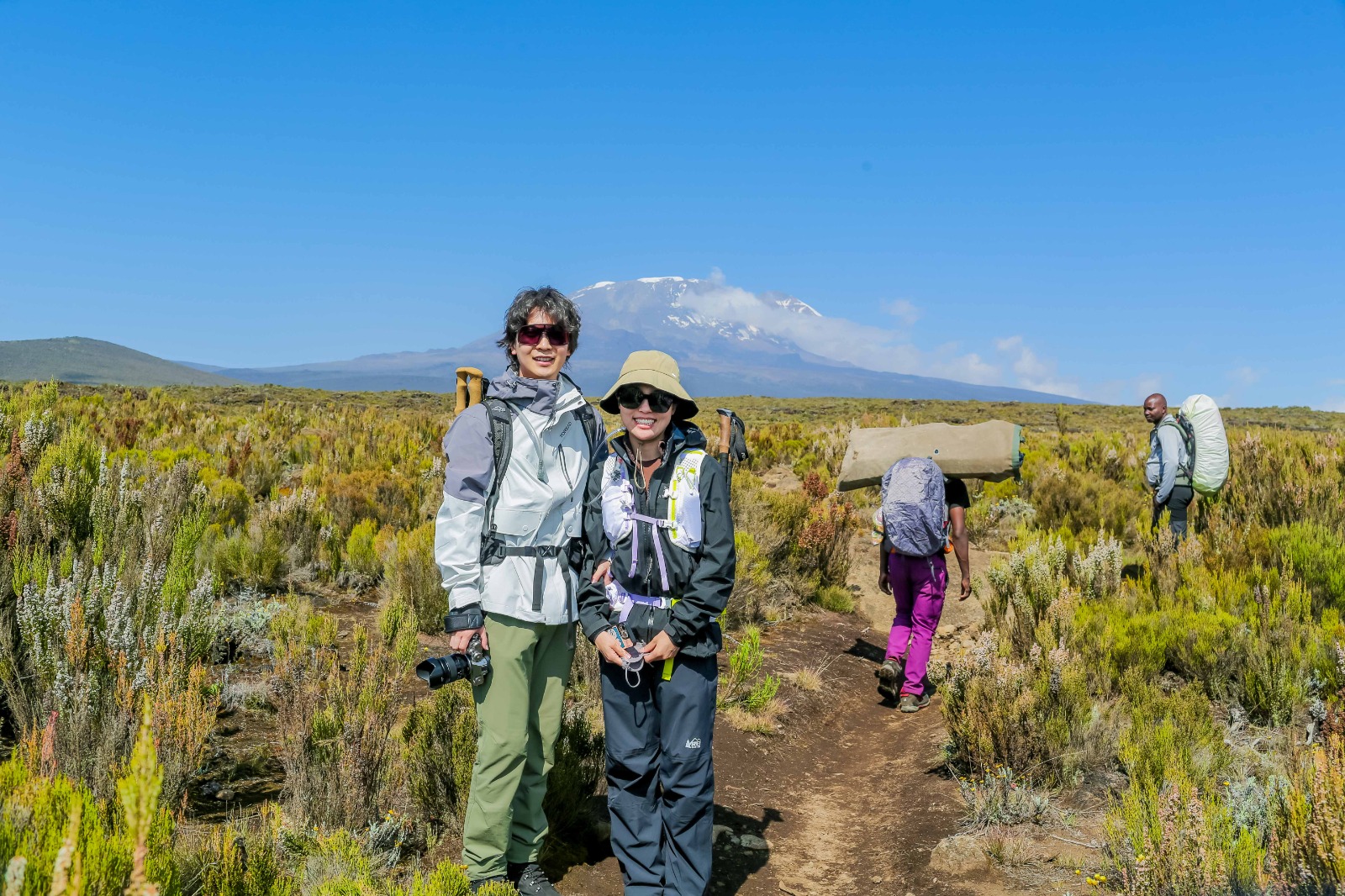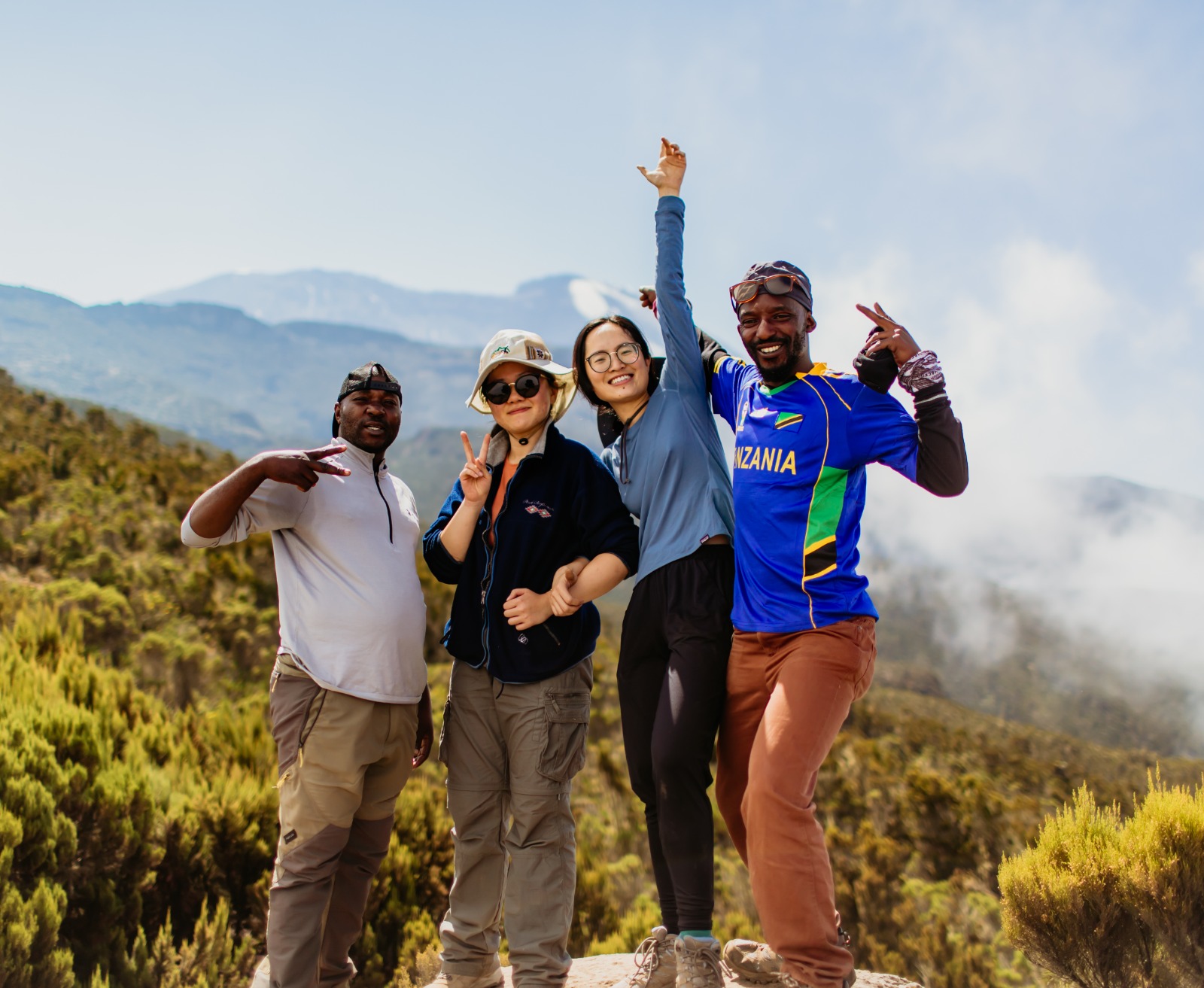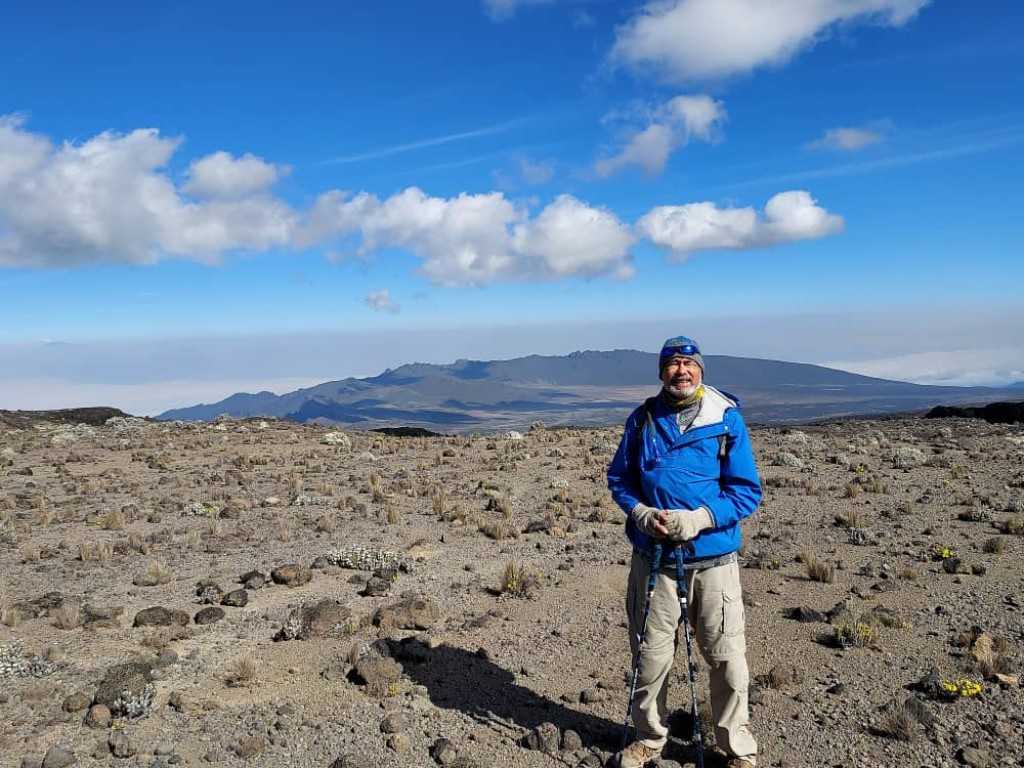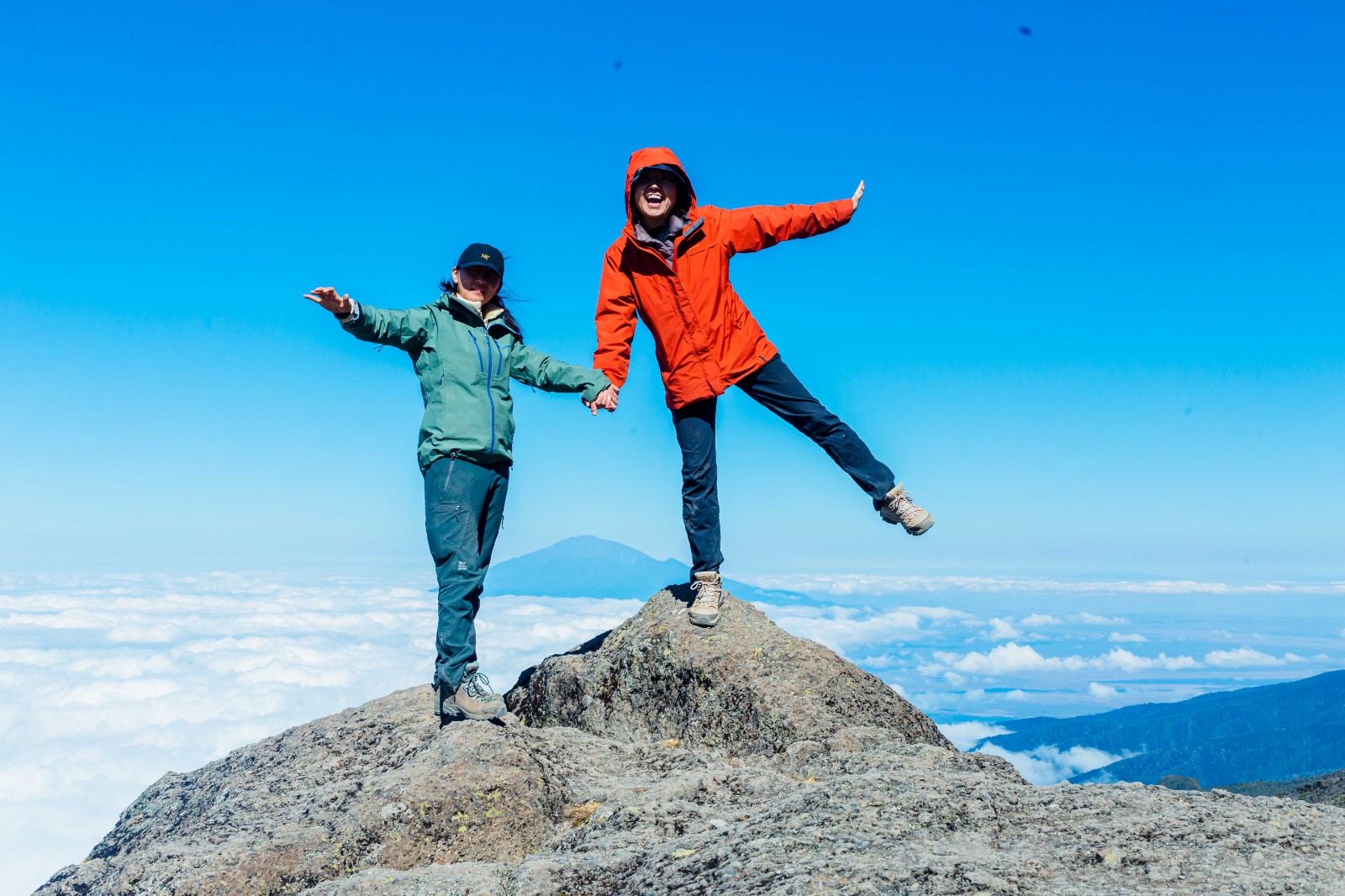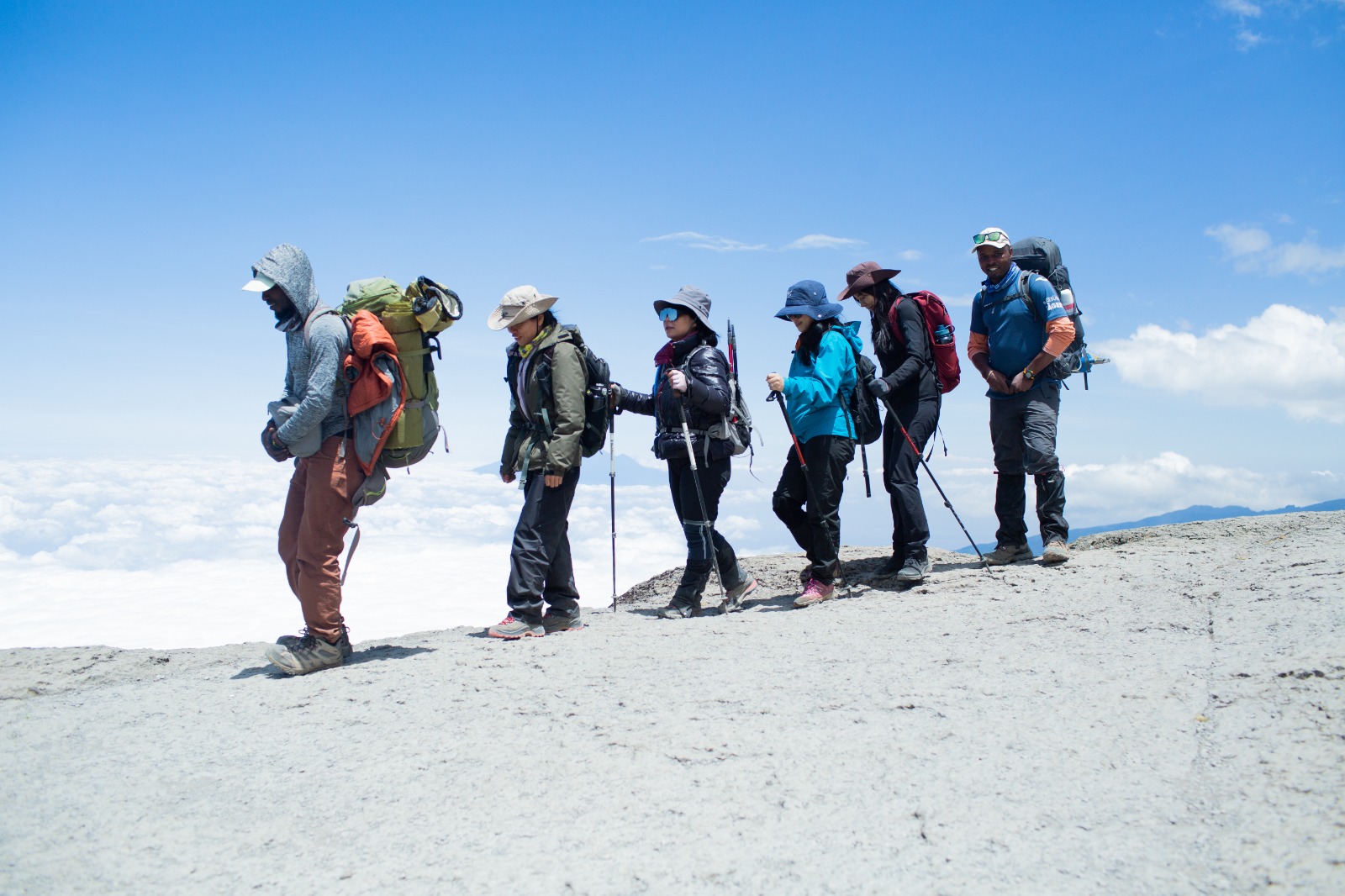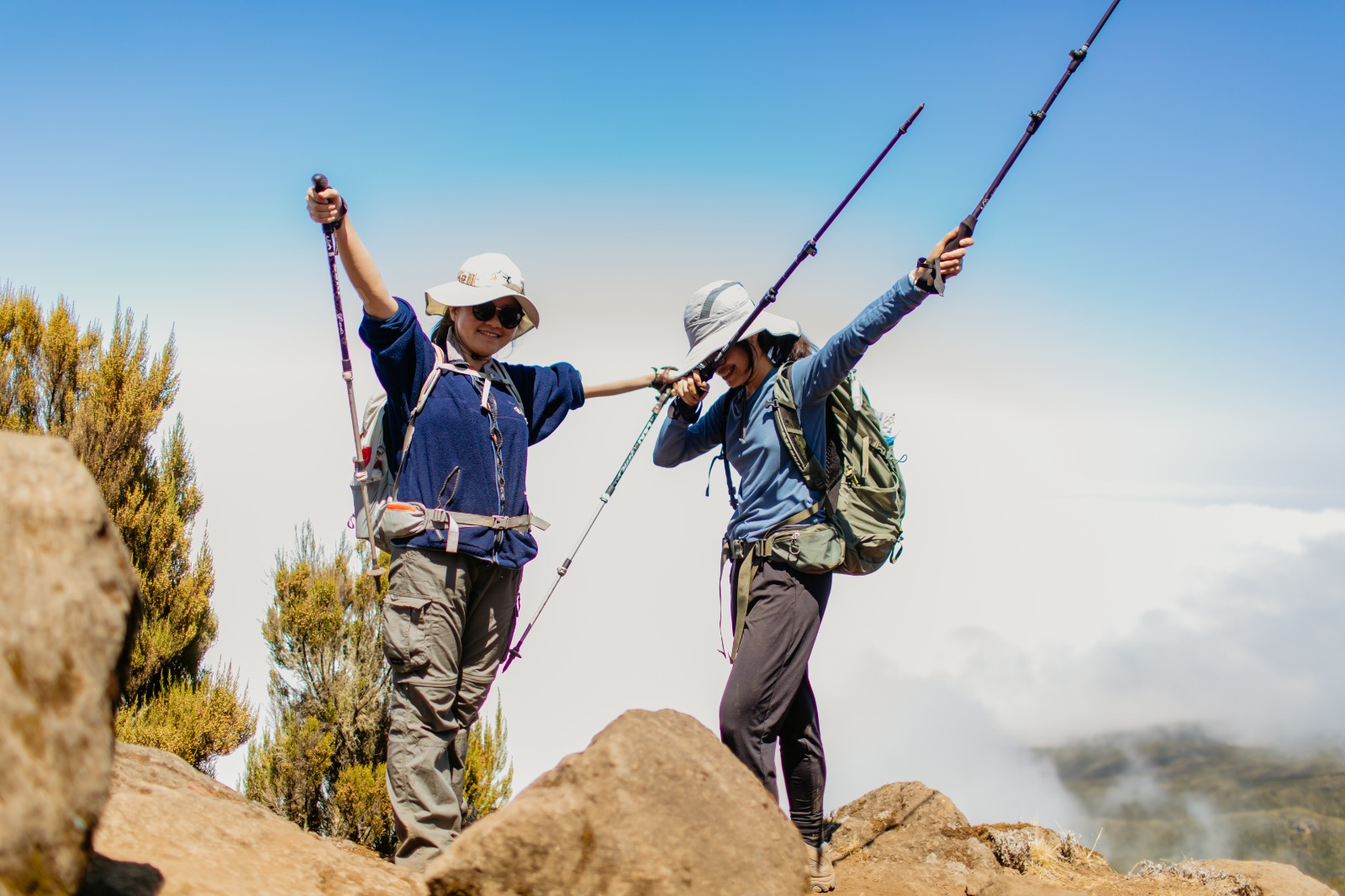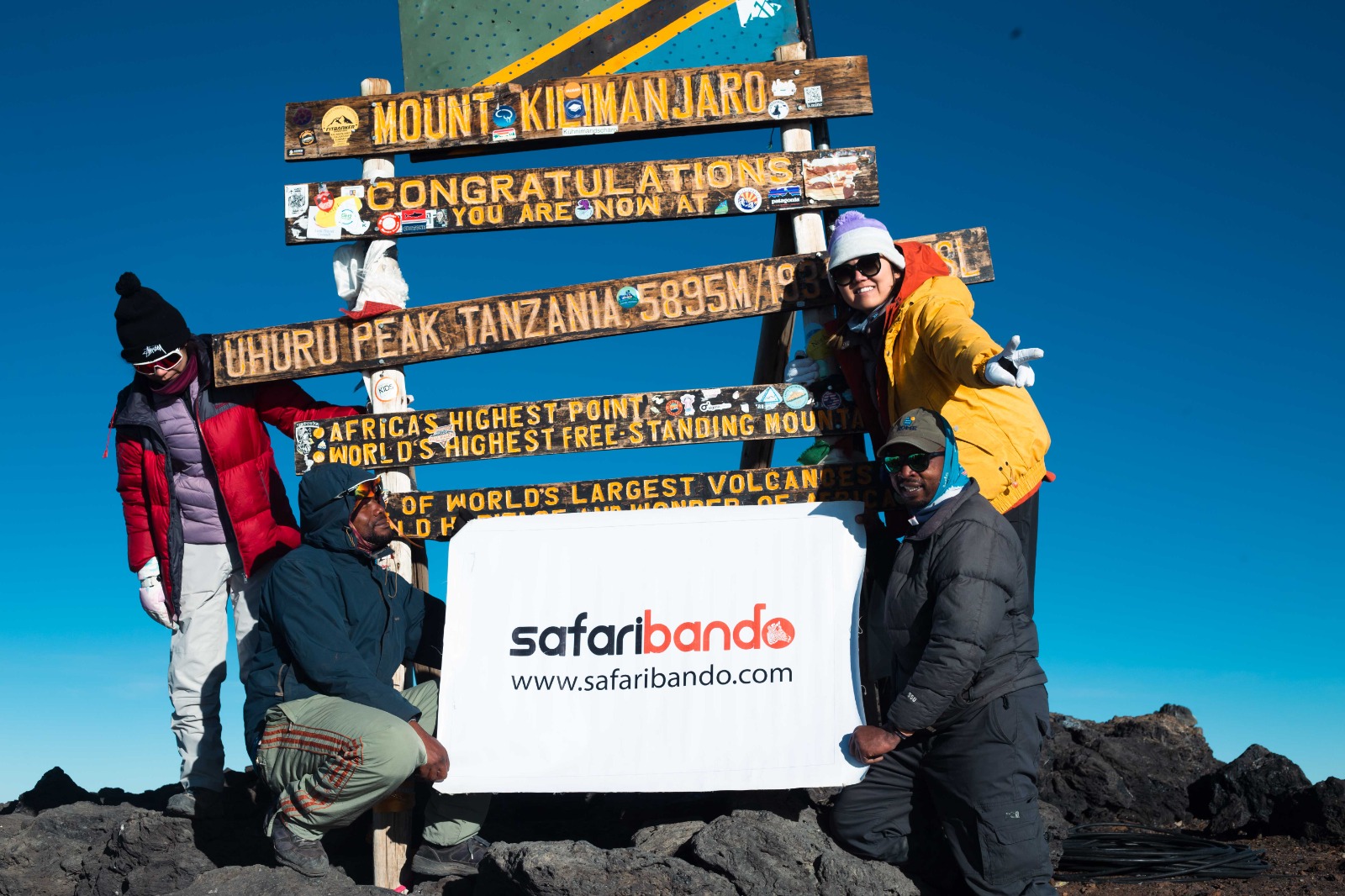
Climbing Mount Kilimanjaro is one of the most iconic adventures in the world. Standing at 5,895 meters above sea level, it is the highest mountain in Africa and one of the famous Seven Summits. However, not every climber who starts the journey reaches the summit at Uhuru Peak.
The success rate of reaching the top of Kilimanjaro depends heavily on the route you choose, the number of days on the mountain, acclimatization time, and your preparation. If you are planning a climb, understanding the summit success rate of each route can help you choose the best option for your adventure. For a complete overview of the mountain, see the Kilimanjaro Climbing Guide.
What Determines Kilimanjaro Summit Success?
Several factors influence whether climbers reach the summit or turn back before Uhuru Peak.
Acclimatization time is the most important factor. Routes with more days allow the body to adjust to altitude better.
Route profile also matters. Gradual routes with better altitude gain tend to have higher success rates.
Physical preparation and training before the climb improve endurance and altitude tolerance.
Weather conditions on the mountain can affect summit attempts.
Professional guides and pacing strategy also increase the chances of success.
For preparation tips, read How to Prepare for a Kilimanjaro Trek and Kilimanjaro Altitude Sickness Guide.
Kilimanjaro Success Rate by Route
Below are the approximate summit success rates for the most popular Kilimanjaro climbing routes.
Lemosho Route Success Rate
The Lemosho Route has one of the highest success rates on Mount Kilimanjaro. This route starts on the western side of the mountain and offers excellent acclimatization due to its longer itinerary.
Average summit success rate: 85% – 90%
Reasons for high success:
-
Longer climb (7–8 days)
-
Gradual altitude gain
-
Excellent acclimatization profile
-
Less crowded early stages
Explore routes such as the 7 Day Lemosho Route Kilimanjaro Climb and 8 Day Lemosho Route Kilimanjaro Climb.
Machame Route Success Rate
The Machame Route, also known as the “Whiskey Route,” is one of the most popular ways to climb Kilimanjaro. It offers beautiful scenery and good acclimatization when done over seven days.
Average summit success rate: 80% – 85%
Reasons climbers choose Machame:
-
Scenic route with diverse landscapes
-
Good acclimatization profile
-
Popular and well-established route
See options like the 6 Day Machame Route Kilimanjaro Climb and 7 Day Machame Route Kilimanjaro Climb.
You can also compare routes in the detailed guide Machame vs Lemosho vs Marangu Route.
Rongai Route Success Rate
The Rongai Route approaches Kilimanjaro from the northern side near the Kenya border. It is quieter than other routes and experiences less rainfall.
Average summit success rate: 70% – 80%
Advantages of Rongai:
-
Drier climate
-
Fewer crowds
-
Gradual ascent
See itinerary examples such as the 6 Day Rongai Route Kilimanjaro Climb and 7 Day Rongai Route Kilimanjaro Climb.
Marangu Route Success Rate
The Marangu Route is often called the “Coca-Cola Route” because it is the only Kilimanjaro route with hut accommodations instead of camping. It is considered one of the easier routes technically, but its shorter duration reduces acclimatization.
Average summit success rate: 60% – 70%
Why the success rate is lower:
-
Usually completed in 5 days
-
Faster altitude gain
-
Less time for acclimatization
See climbing options like the 5 Day Marangu Route Kilimanjaro Climb and 6 Day Marangu Route Kilimanjaro Climb.
Umbwe Route Success Rate
The Umbwe Route is the steepest and most direct route on Kilimanjaro. It is recommended only for experienced climbers because of its rapid altitude gain.
Average summit success rate: 50% – 60%
Reasons for lower success:
-
Steep ascent profile
-
Rapid altitude gain
-
Less time for acclimatization
You can see the itinerary here: 6 Day Umbwe Route Kilimanjaro Climb.
Kilimanjaro Success Rate Table
| Route | Typical Duration | Average Success Rate |
|---|---|---|
| Lemosho | 7–8 days | 85–90% |
| Machame | 6–7 days | 80–85% |
| Rongai | 6–7 days | 70–80% |
| Marangu | 5–6 days | 60–70% |
| Umbwe | 6 days | 50–60% |
For a broader overview of success statistics, visit Kilimanjaro Success Rate.
Which Kilimanjaro Route Has the Highest Success Rate?
The Lemosho Route generally has the highest summit success rate because it allows excellent acclimatization and usually takes 7–8 days to complete.
The Machame Route also performs very well when climbed over seven days.
Routes with fewer days, such as the five-day Marangu route, tend to have lower success rates due to faster altitude gain.
To understand the differences between routes, read the full Kilimanjaro Routes Guide.
How to Increase Your Chances of Reaching the Summit
If your goal is to reach Uhuru Peak, there are several strategies that significantly improve success.
Choose a longer itinerary (7–8 days) to allow proper acclimatization.
Climb with experienced guides who monitor health and pacing.
Train with hiking, cardio, and altitude preparation if possible.
Stay hydrated and follow the “pole pole” slow climbing pace.
Choose the right season for climbing.
For seasonal guidance, read Kilimanjaro Weather by Month and Best Time to Climb Kilimanjaro.
Final Thoughts
Reaching the summit of Mount Kilimanjaro is an incredible achievement, but choosing the right route plays a major role in your success. Routes like Lemosho and Machame offer the best balance of scenery, acclimatization, and summit success rates.
If your main goal is to reach Uhuru Peak, consider choosing a 7 or 8 day itinerary and preparing properly before the climb.
To start planning your adventure, explore the available itineraries in Kilimanjaro Trekking Tours.