
Quick facts
Wildlife
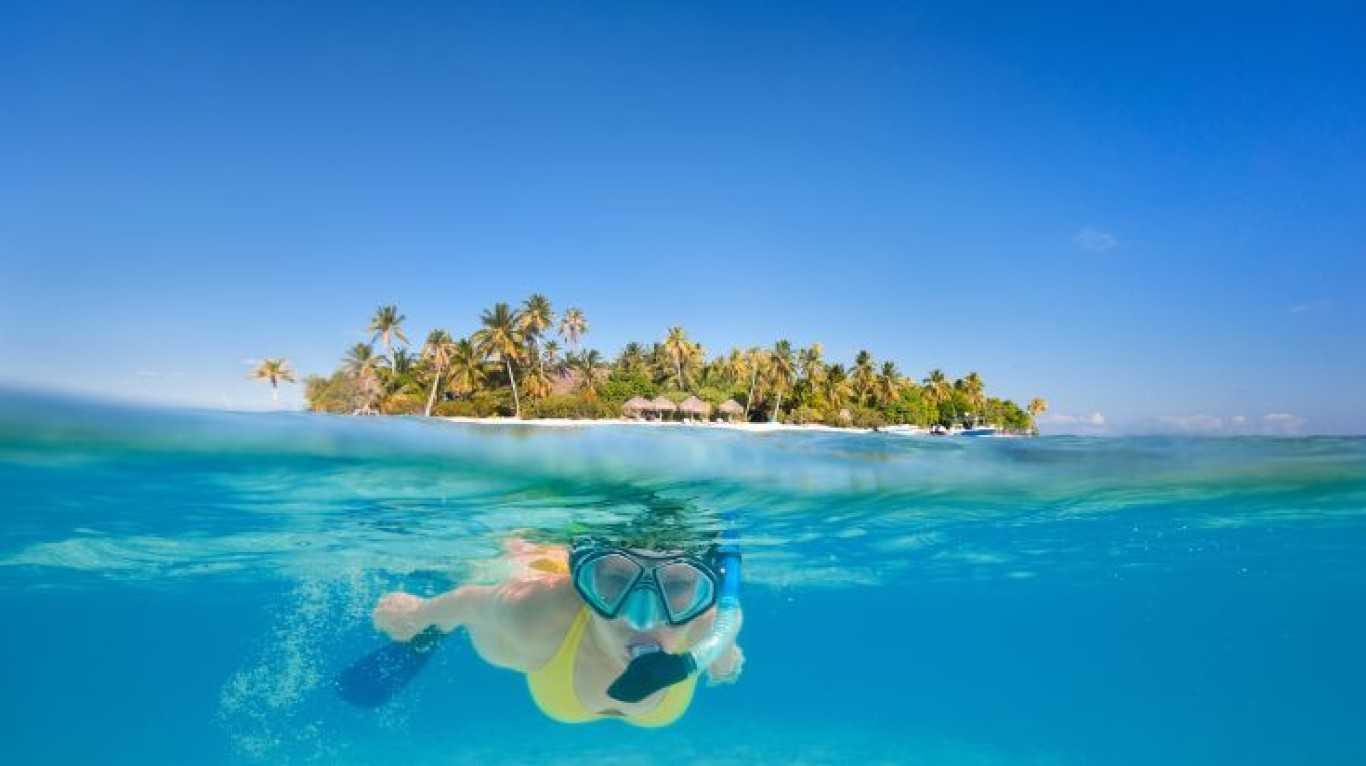
Nakupenda is a marine nature reserve and the surrounding waters are good for snorkelling with reef fish, sea turtle and occasional spinner dolphin. The sandbank itself appears and disappears with the tide — at low tide a pristine white sand spit extends from the water, creating a surreal swimming environment. Sea turtle are commonly seen resting in the shallow waters around the sandbank. The reef surrounding the area has reasonable coral cover with parrotfish, wrasse and various reef species accessible on a mask and snorkel.
Top activities
Sandbank picnic and swimming — the primary activity. Trips are timed to arrive at low to mid tide when the sandbank is above water. Fresh seafood lunch served by local vendors who arrive by boat with portable grills — grilled lobster, kingfish and prawns at the water's edge. Snorkelling on the surrounding reef. Sunset return crossing to Stone Town. Photography — the combination of turquoise water, white sand and Stone Town's silhouette visible on the horizon creates one of Zanzibar's most distinctive photography settings. Prison Island combination trip — some boat operators visit both on the same excursion.
About Nakupenda Beach Nature Reserve
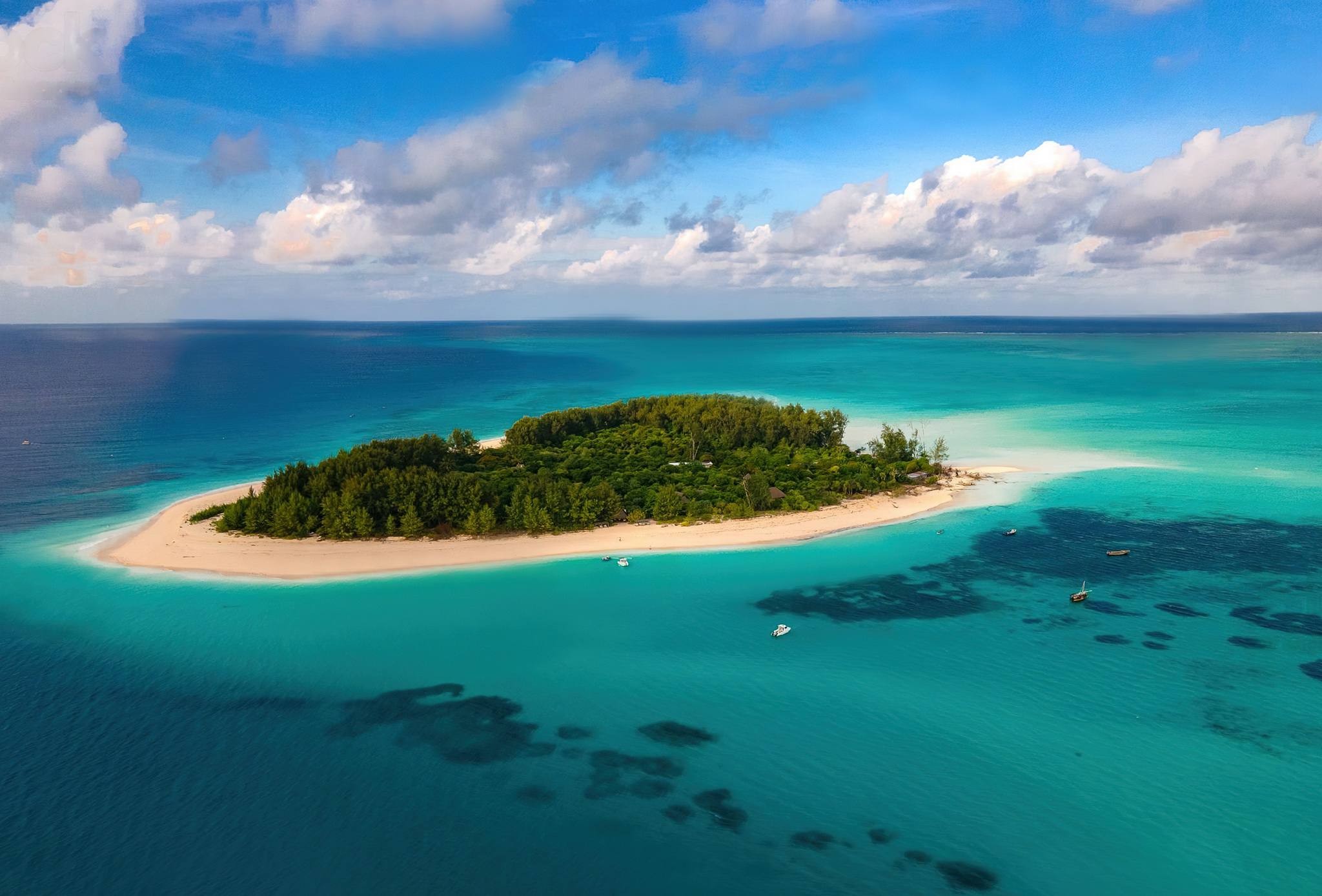
Nakupenda means “I love you” in Swahili. The name is apt: this pristine white sandbank island in the Zanzibar Channel, 10 minutes by boat from Stone Town’s waterfront, has a habit of provoking strong emotion from visitors who arrive to find it exactly as described — a crescent of immaculate sand rising from turquoise water, with no buildings, no permanent infrastructure and no sound except the Indian Ocean.
Nakupenda Beach Nature Reserve is a tidal sandbank — it is only visible above water at low to mid tide, which adds an element of now-or-never urgency to the trip. At high tide, it disappears beneath the surface. That impermanence is part of the appeal.
How the trip works
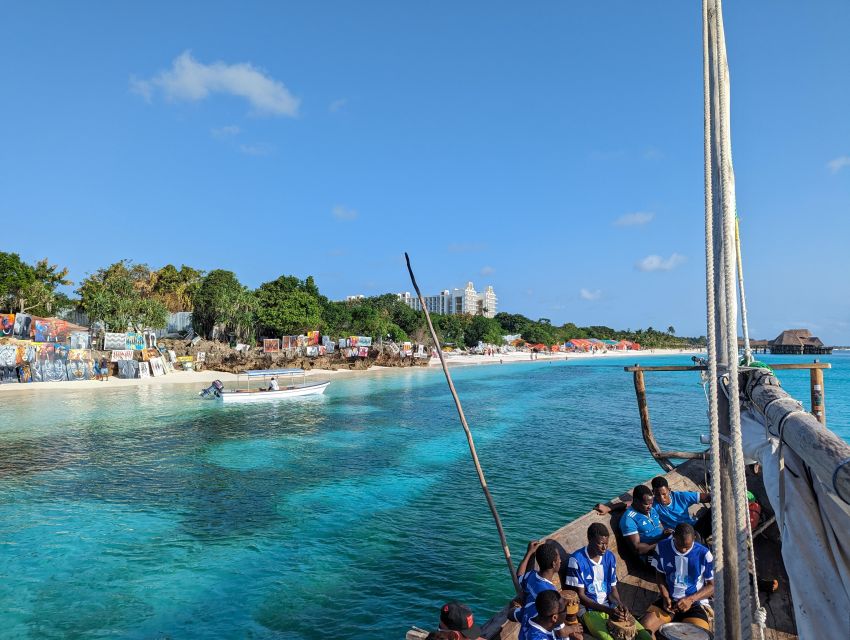
Trips depart from the Stone Town waterfront by boat (10–20 minutes depending on vessel). The timing is set by the tide — any reputable operator books departures timed to arrive as the sandbank is fully emerged and stay for 3–4 hours before the tide reclaims it. On the sandbank, there are no facilities — vendors arrive by boat with fresh seafood for grilling and soft drinks on ice. Snorkelling equipment is typically provided.
Standard half-day trips include the boat crossing, 2–3 hours on the sandbank with lunch, snorkelling and the return crossing. Some operators combine Nakupenda with a stop at Prison Island for the giant tortoises.
The seafood
Lunch at Nakupenda is grilled over a portable charcoal fire on the sand: lobster, crab, kingfish, snapper, prawns and octopus, seasoned with coconut, lime and Zanzibar spice. It is consistently cited by visitors as some of the best seafood they eat in Tanzania, the combination of fresh catch, open-fire cooking and the setting doing work that any restaurant would struggle to match.
Snorkelling
The sandbank is surrounded by a marine nature reserve; the reef has reasonable coral cover and reef fish diversity — not Mnemba Island quality, but a worthwhile snorkel for the protected nature of the area. Sea turtle are frequently seen resting in the shallow water. The visibility is best in the Kaskazi (December–February) period.
Combine with…
- Prison Island — many operators combine both on the same half-day trip.
- Stone Town — always the departure point; a Stone Town walking tour either side of the sandbank trip makes a full day.
Frequently asked questions about Nakupenda
What happens if it rains on the day?
Brief showers rarely cancel trips; rough seas might delay or redirect. Reputable operators monitor conditions and communicate in advance.
Can you go at any time of day?
No — the trip must be timed to the low tide window when the sandbank is above water. Morning or afternoon depends entirely on the day’s tide schedule.
Want to visit Nakupenda Beach Nature Reserve?
Get a free custom safari plan within 24 hours.
Nakupenda Beach Nature Reserve safari tours
No fixed packages listed yet — we'll build a custom safari around Nakupenda Beach Nature Reserve for you.
Browse All ToursWant to visit Nakupenda Beach Nature Reserve?
Get a free custom safari plan within 24 hours.
Best time to visit Nakupenda Beach
June to October and December to February — Dry seasons (best crossing and sandbank conditions)
The dry seasons give the calmest crossing and the best visibility for snorkelling around the sandbank. The Kaskazi period (December–February) has the warmest water and calmest seas. The Kusi period (June–October) is cooler but also reliable.
Tidal timing — always the critical factor
The sandbank only exists above water at low to mid tide. Trips must be timed around the tide tables — reputable operators always do this correctly, but confirm when booking. At high tide, Nakupenda is submerged. Trips at low tide give 3–4 hours on the sandbank before it begins to disappear.
April to May — Long rains (rough crossing, avoid)
The sea can be rough and the crossing uncomfortable. Not recommended as a primary trip in this window.
Bottom line: Any dry-season day timed to the correct tidal window. The tide tables matter more than the month.
Where to stay in Nakupenda Beach Nature Reserve
We'll recommend accommodation across all budget levels based on your dates and preferences.
Browse All LodgesWant to visit Nakupenda Beach Nature Reserve?
Get a free custom safari plan within 24 hours.
Nearby destinations
 Zanzibar
 Zanzibar
 Zanzibar
 Zanzibar
 Zanzibar
 Zanzibar