Quick facts
Wildlife
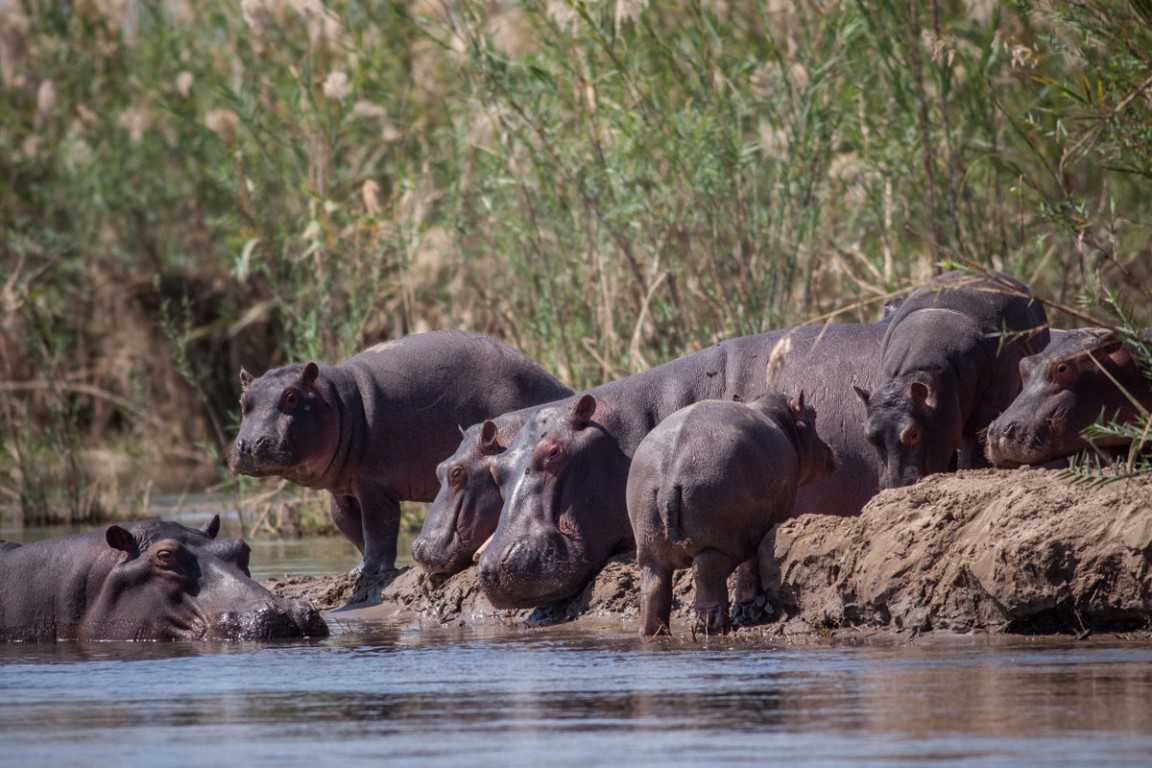
The Great Zimbabwe site is a historical monument rather than a wildlife destination. The ruins are set in low granite kopje terrain near Lake Mutirikwi (previously Lake Kyle), which holds hippo, crocodile, impala, kudu and various waterbirds. The Gonarezhou National Park is 3 hours southeast for serious game viewing. Zimbabwe Bird sculptures at the site have become the national symbol of Zimbabwe — the soapstone birds found in the Hill Complex (now replicated, originals in museums) are the most significant archaeological objects found at the site.
Top activities
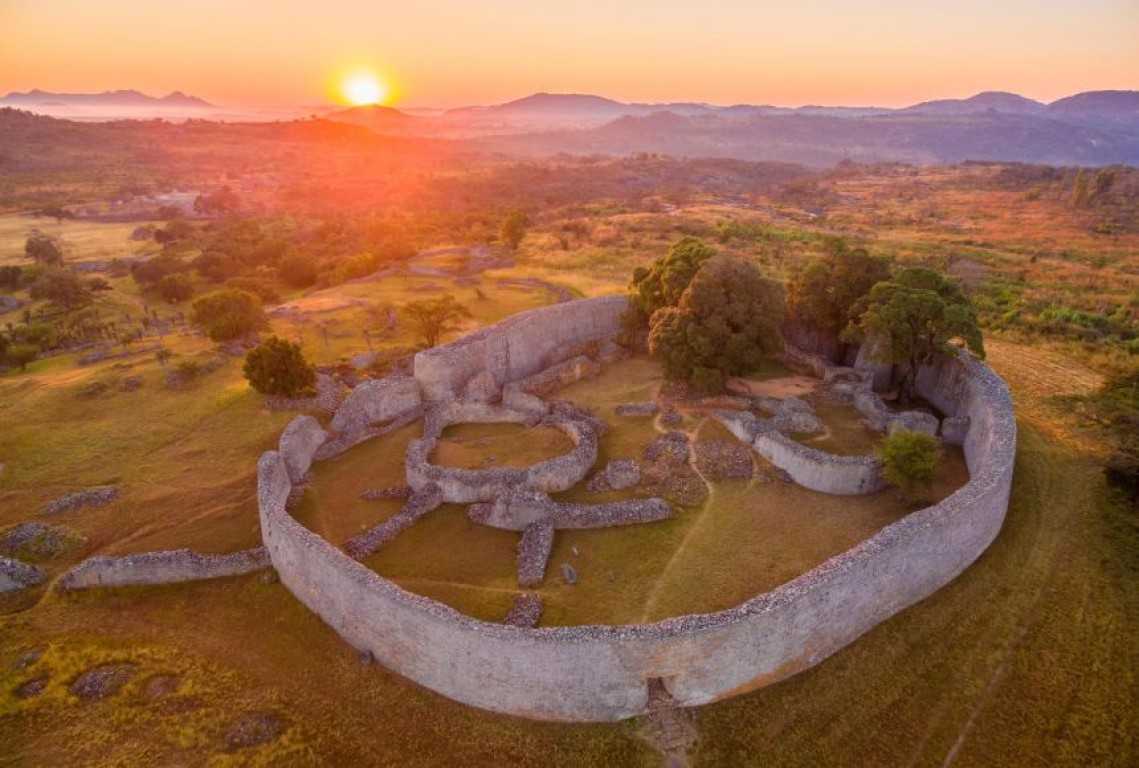
Hill Complex guided walk — the oldest section of the ruins, built on a granite kopje with original stone walls incorporating the natural rock face, with panoramic views over the valley. Great Enclosure guided tour — the monument's most dramatic structure: an elliptical outer wall 11 metres high, 5 metres thick and 250 metres in circumference, with no mortar binding. Valley Ruins exploration — the domestic quarters of the royal city. Great Zimbabwe Museum — displaying Zimbabwe Bird replicas (originals held in Harare), gold objects and historical context. Lake Mutirikwi recreation park for boating and wildlife driving.
About The Great Zimbabwe ruins
The country of Zimbabwe takes its name from this place. Great Zimbabwe — from the Shona Dzimba dza mabwe, meaning “houses of stone” — was the capital of the Rozvi Shona kingdom from approximately the 11th to the 15th century, a trading city at the intersection of the East African gold and ivory routes, and the largest stone structure in sub-Saharan Africa. At its peak it housed an estimated 18,000 people and controlled trade routes stretching from the Indian Ocean coast to the Kalahari interior.
The ruins are extraordinary not just for their scale but for their technique: the walls were constructed without mortar, using carefully selected and shaped granite blocks that interlock by weight and friction alone. The Great Enclosure’s outer wall — 11 metres high, 5 metres thick, 250 metres in circumference — is the largest ancient structure in sub-Saharan Africa. It has stood for 700 years without mortar.
Where is Great Zimbabwe?
The ruins are in Zimbabwe’s Masvingo Province, 30 km southeast of Masvingo town. From Harare: 300 km south on the A4, approximately 3.5 hours. From Bulawayo: 290 km northeast, about 3.5 hours. The nearest airport is Masvingo; international visitors typically fly Harare and drive.
The three sections
The Hill Complex
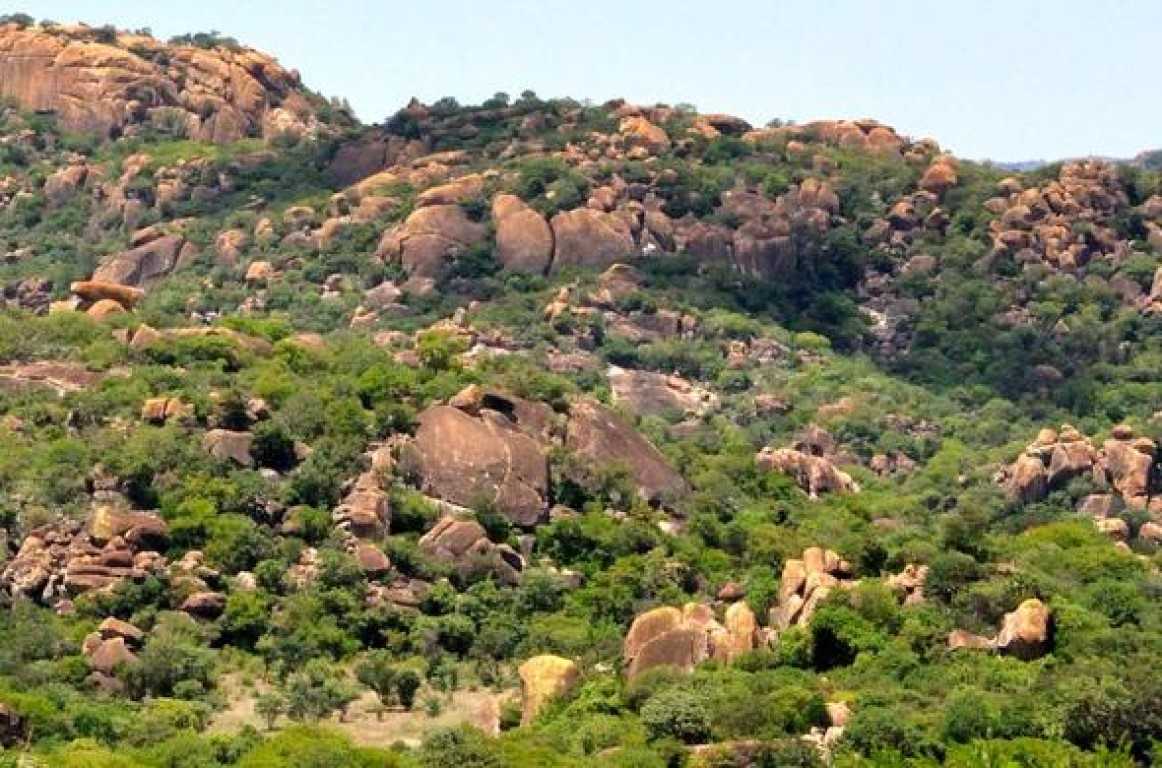
The oldest section (built around the 11th century) occupies the top of a granite kopje. The walls here incorporate the natural rock face — the builders used the existing granite boulders as part of the structure, filling gaps with shaped stone. The climb to the summit is 20–30 minutes; the views from the top over the valley and ruins below are outstanding. This section is believed to have been the royal family’s residence.
The Great Enclosure
The defining structure of Great Zimbabwe and the most photographed: an enormous elliptical enclosure whose outer wall reaches 11 metres in height and contains an estimated 15,000 tonnes of granite. Inside the enclosure is a conical tower of solid stone, 9 metres high and 5.5 metres in diameter at the base, whose function is still debated by archaeologists. No other structure like it exists in Africa.
The Valley Ruins
The domestic and commercial quarters of the city, extending across the valley floor between the Hill Complex and the Great Enclosure. The Valley Ruins housed most of the population and the workshops where gold, ivory and soapstone were worked. Most of the famous Zimbabwe Birds — eight soapstone bird sculptures found in the Hill Complex — are now in the Zimbabwe Museum of Human Sciences in Harare; replicas are displayed in the on-site museum.
The Zimbabwe Bird
The eight carved soapstone eagles found at Great Zimbabwe in the 19th century are now Zimbabwe’s national symbol — appearing on the flag and the coat of arms. They are believed to represent the bateleur eagle, an important bird in Shona spiritual tradition, and may have served as totemic objects for the royal family. The originals were removed by colonial collectors and are distributed across Harare, Cape Town and Germany; the site museum has full replicas.
The colonial denial
One of the more disturbing chapters in African archaeological history: when European colonists first encountered Great Zimbabwe in the 1860s-1880s, many refused to accept that Africans could have built such structures. Theories attributed the ruins to Phoenicians, Arabians or even the Biblical Queen of Sheba. The colonial Rhodesian government suppressed the work of archaeologists who argued correctly for indigenous Shona authorship. The scientific consensus has long since settled the question completely in favour of the Shona builders — the colonial denial is now studied as a case study in racially motivated pseudo-archaeology.
Combine Great Zimbabwe with…
- Matobo Hills — 3 hours west; another UNESCO heritage site with rhino and rock art.
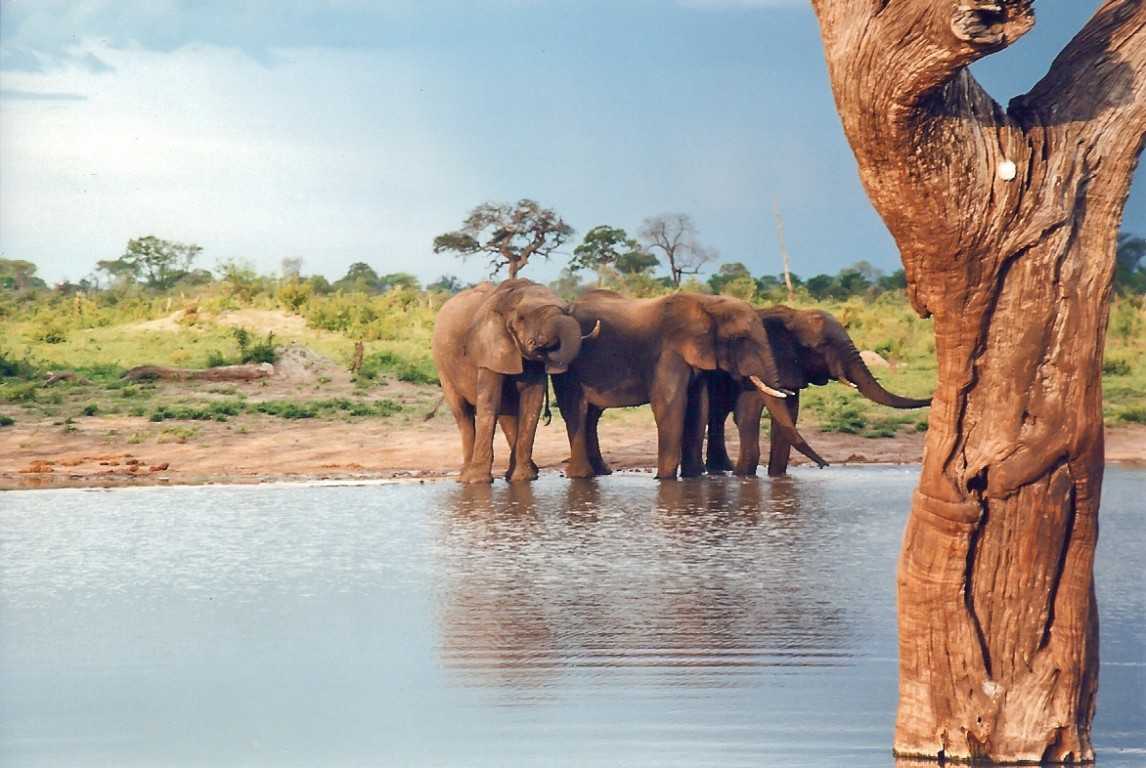
- Gonarezhou National Park — 3 hours southeast; excellent elephant and wild landscape.
- Hwange — 6 hours northwest; Zimbabwe’s Big Five safari park.
Frequently asked questions about Great Zimbabwe
How long do you need at Great Zimbabwe?
A minimum of 2 hours covers the Great Enclosure and museum. 3–4 hours allows the Hill Complex walk and all three sections properly. A full half-day is ideal.
Who built Great Zimbabwe?
The Rozvi Shona people, ancestors of the modern-day Shona who make up the majority of Zimbabwe’s population. The site was occupied from approximately 1100 CE to 1420 CE when it was gradually abandoned, probably due to soil exhaustion and the shifting of trade routes.
Is Great Zimbabwe safe to visit?
Yes — the site is well-managed, well-staffed and receives a steady flow of domestic and international visitors. Masvingo is a small, functional town with basic accommodation.
Want to visit The Great Zimbabwe ruins?
Get a free custom safari plan within 24 hours.
The Great Zimbabwe ruins safari tours

Want to visit The Great Zimbabwe ruins?
Get a free custom safari plan within 24 hours.
Best time to visit Great Zimbabwe
May to October — Dry season (most comfortable, clearest site views)
The dry season is the most practical visiting window. The kopje vegetation is thinner, giving clearer views of the stone structures. The Hill Complex walk is less slippery without wet-season rain on the granite surfaces. Temperatures are comfortable for the uphill walk to the Hill Complex (20–28°C). This is the main tourist season.
November to April — Summer (greener, occasional rain)
The landscape is lush and photogenic. The granite surfaces of the ruins stand out dramatically against the green vegetation. Occasional rain can make the Hill Complex path slippery. Lake Mutirikwi is higher and more productive for waterbirds. A quieter and cheaper period.
Bottom line: Great Zimbabwe can be visited year-round. May to October is most comfortable; avoid midday heat in January and February.
Where to stay in The Great Zimbabwe ruins
We'll recommend accommodation across all budget levels based on your dates and preferences.
Plan My Trip Browse All LodgesWant to visit The Great Zimbabwe ruins?
Get a free custom safari plan within 24 hours.
Nearby destinations
 Zimbabwe
 Zimbabwe
 Zimbabwe