Quick facts
Wildlife
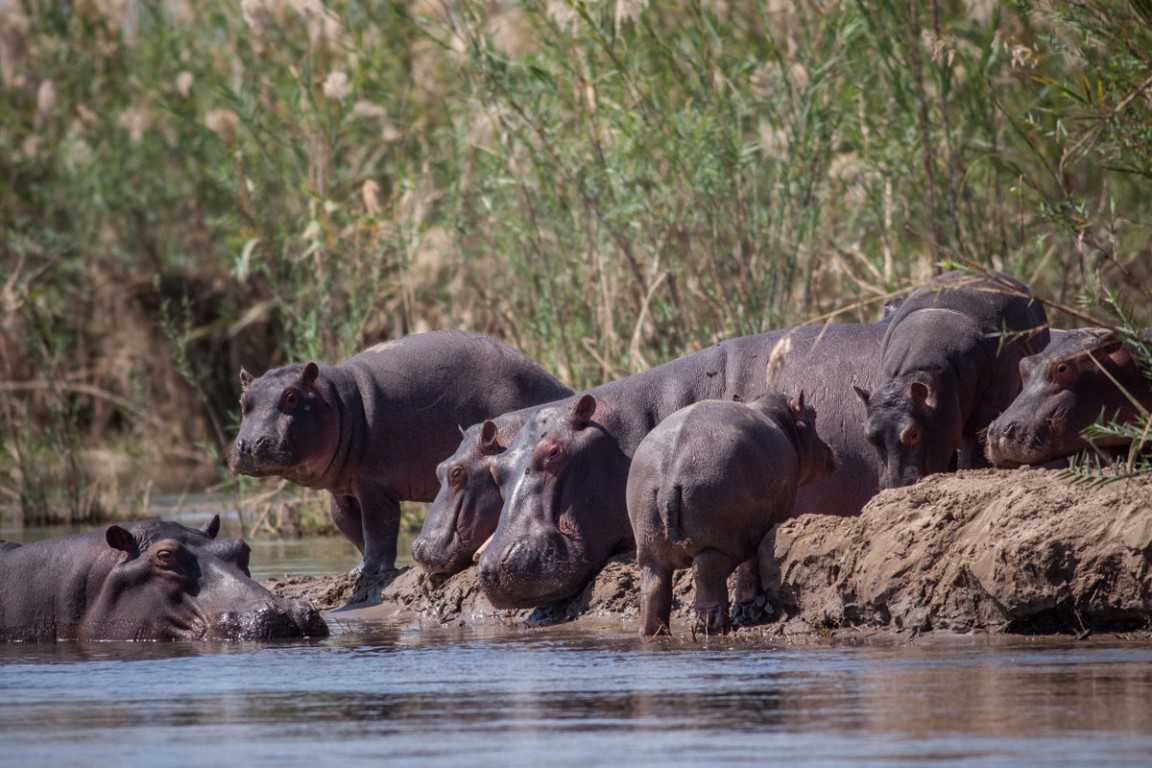
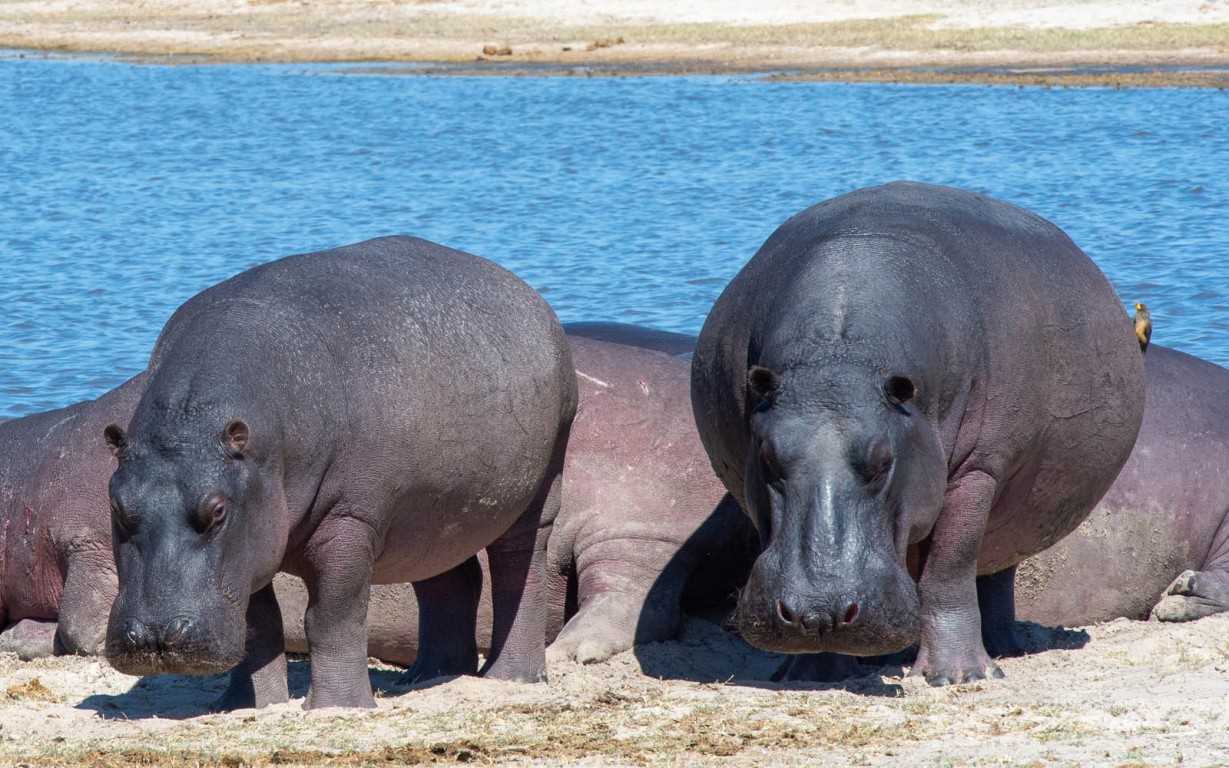
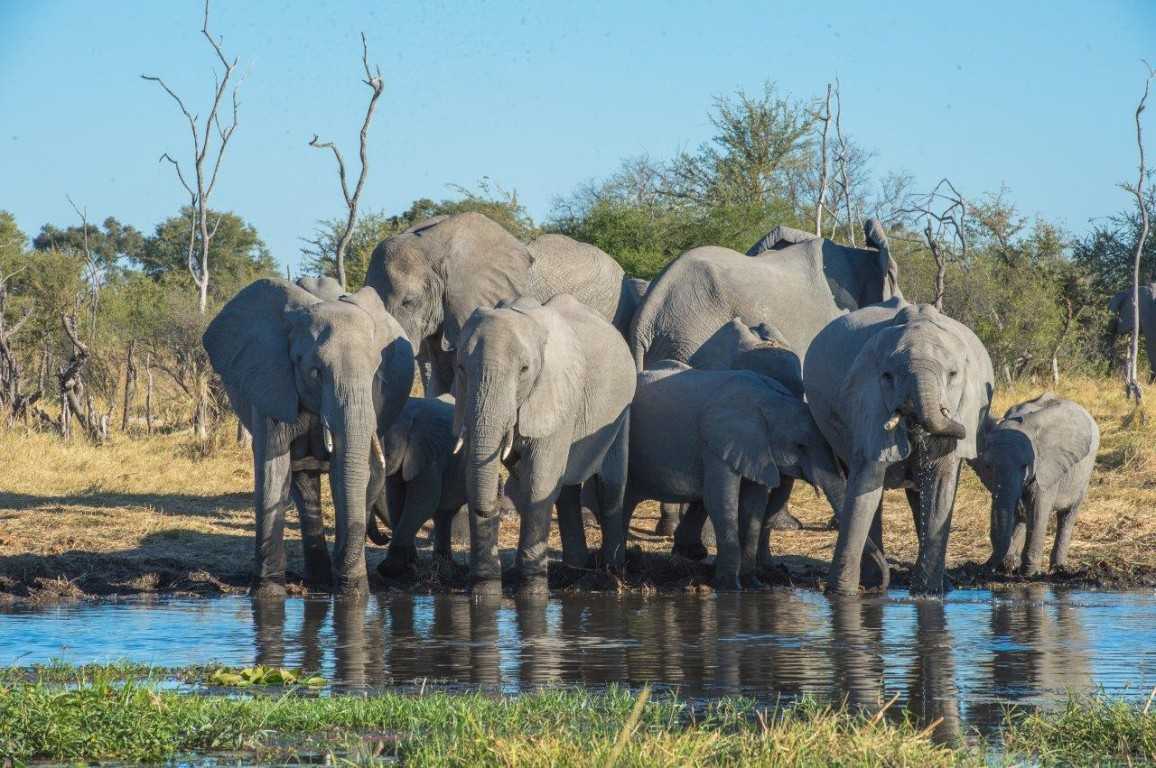
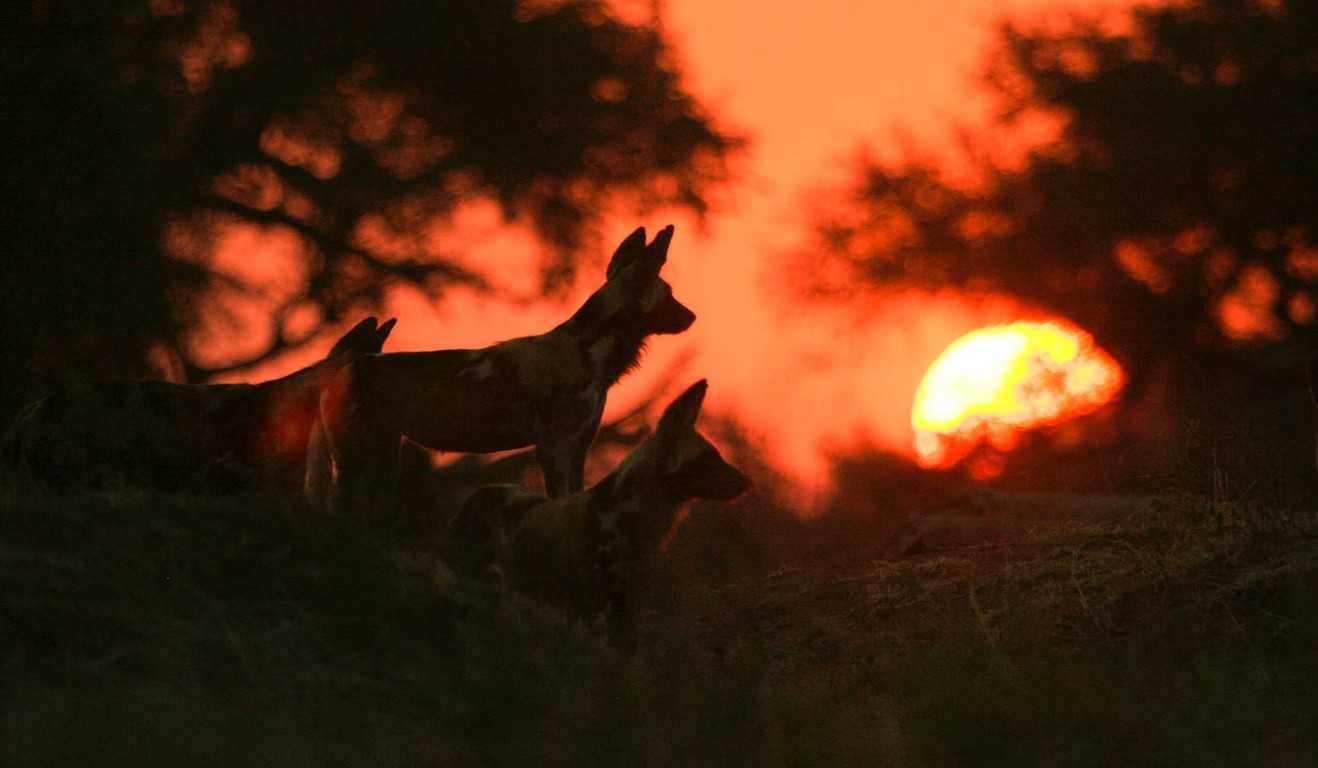
Mana Pools holds one of Africa's most extraordinary wildlife concentrations along the Zambezi floodplain. The park's famous elephants have learned to stand on their hind legs to reach the mahogany and acacia pods — a behaviour seen nowhere else in Africa. African wild dog packs range widely through the park and are frequently encountered. Lion and leopard are common on the floodplains. Hippo and Nile crocodile dominate the Zambezi pools. Buffalo herds, eland, waterbuck, kudu, zebra and impala complete the game list. Over 380 bird species, with the Zambezi productive for African skimmer, carmine bee-eater and African fish eagle.
Top activities
Walking safaris — Mana Pools is one of only two parks in Africa where unguided walking among big game is permitted (the other is Luangwa NP in Zambia). A licensed professional guide is strongly recommended but not legally required. Canoe safaris on the Zambezi — multi-day canoe trips between camps, sleeping on sand banks, paddling past hippo, crocodile and elephant. Guided game drives on the alluvial floodplains. Night drives revealing leopard, hyena and lion. Hind-leg elephant feeding at the acacia trees north of Mana Pools camp — a unique and extraordinary daily spectacle. Carmine bee-eater colony visits (August–October).
About Mana Pools National Park
There is a particular quality of freedom at Mana Pools National Park that is almost unknown in modern African wildlife tourism. In this UNESCO World Heritage Site on Zimbabwe’s Zambezi River floodplain, you can get out of the vehicle and walk. Not on a designated trail with mandatory rangers, not for a timed hour with a permit — but genuinely walk, into the bush, among elephant and lion and wild dog, with only your own judgment and the skills of your guide between you and the consequences.
This is not recklessness. It is the philosophy that built the Zimbabwean walking safari tradition, the conviction that genuine wilderness requires genuine responsibility, and that the relationship between a person walking and an animal encountered on foot — the reading of each other, the negotiation of shared space — is something no game drive vehicle can replicate.
Where is Mana Pools?
The park is in Zimbabwe’s Mashonaland West Province, on the southern bank of the Zambezi River, 370 km northwest of Harare. The access road descends the dramatic Zambezi escarpment before levelling onto the floodplain — the transition from plateau to river valley takes 45 minutes and the views are extraordinary. Charter flights from Harare to the Mana Pools airstrip (1 hour) are available through most camp operators.
The floodplain and the pools
“Mana” is the Shona word for four, and the four pools — Long Pool, Chine Pool, Chisambuk Pool and Ndungu — are what remain when the annual Zambezi flood recedes, leaving pools of water in the abandoned river channels across the floodplain. In the dry season these pools concentrate an extraordinary density of wildlife — hippo, crocodile, elephant, buffalo, lion and leopard all converge on the remaining water as the floodplain dries.
The standing elephants
Mana Pools has one of the world’s most famous elephant behaviours: individuals in the park have learned to rear up on their hind legs to reach the pods of the ana (acacia) trees — a behaviour documented nowhere else in the elephant world. A large bull standing upright, front legs off the ground, reaching 6–7 metres into the tree canopy, is one of the most extraordinary wildlife sights in Africa. The trees near Mana Pools camp are the most reliable location; the behaviour peaks in August–October when the pods are ripe.
Canoe safaris
Multi-day canoe trips on the Zambezi are the park’s other signature experience. Trips typically run 3–5 days, camping on sand banks, paddling through sections of river with hippo pods on both sides and elephant wading across upstream. The canoe forces you to slow down to the river’s pace — to notice the carmine bee-eaters launching from the bank, the crocodile sliding off the log, the lion tracks in the sand from the previous night. It is the most immersive way to experience Mana Pools.
Walking: the Mana philosophy
Mana Pools is one of only two parks in Africa (Zambia’s South Luangwa being the other) where unguided walking among dangerous game is legally permitted. In practice, anyone without significant bush experience should walk with a licensed Professional Guide (PG) or a Safari Guide — but the option to self-guide exists and defines the park’s ethos. The Zimbabwe Professional Guides who operate here are widely regarded as the finest in Africa.
Combine Mana Pools with…
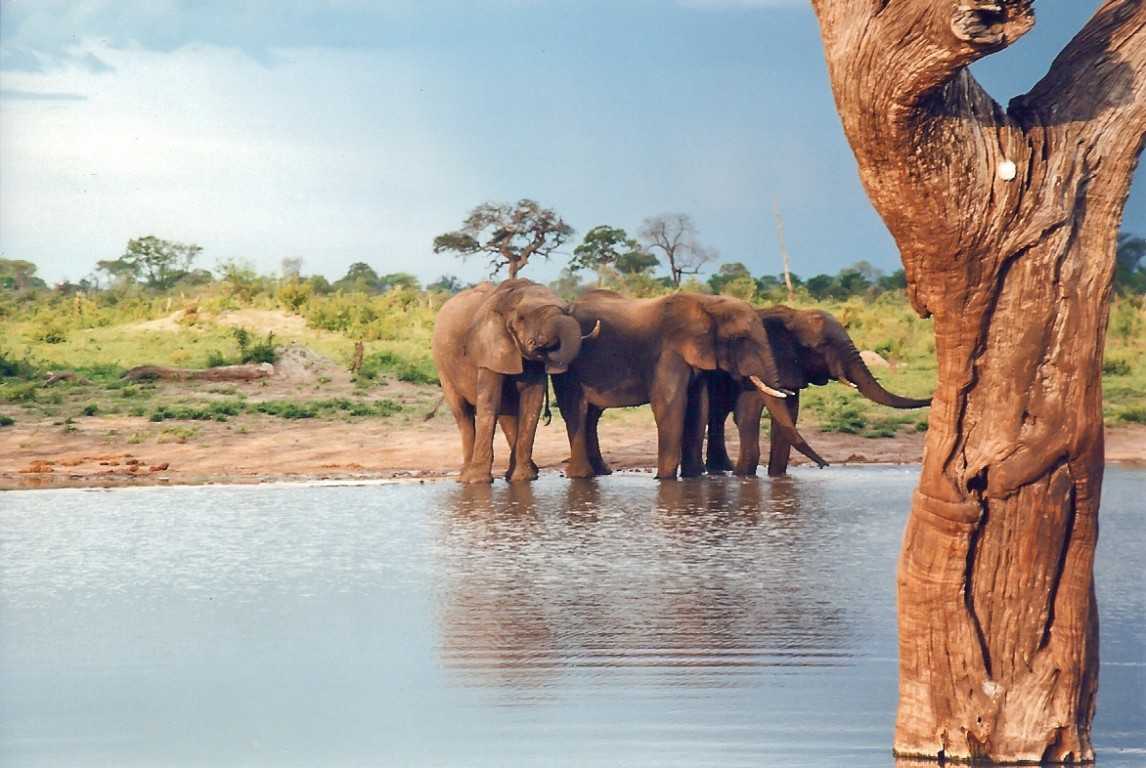
- Hwange National Park — fly west for elephant waterhole concentration.
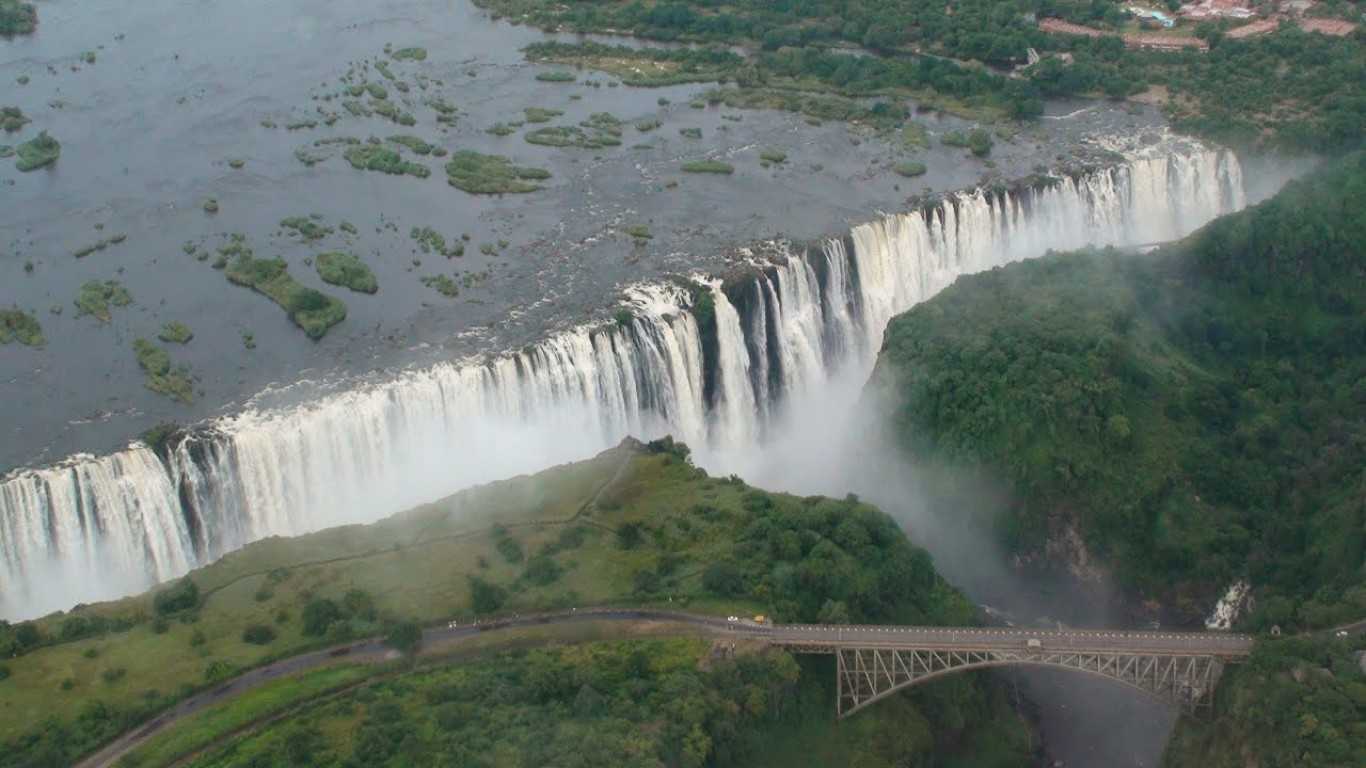
- Victoria Falls — fly northwest for the falls, rafting and bungee.
- Lower Zambezi National Park (Zambia) — the Zambian counterpart across the river, accessible by boat.
Frequently asked questions about Mana Pools
Is walking without a guide really allowed at Mana Pools?
Legally, yes — Zimbabwe National Parks does not require a licensed guide for self-sufficient walkers in Mana Pools. In practice, going alone without significant African bush experience and knowledge of dangerous game behaviour is genuinely dangerous. Engage a licensed Professional Guide.
When does Mana Pools open and close?
The park typically opens in May and closes in November when the floods arrive. Some camps operate a slightly longer or shorter season depending on water levels; confirm with your specific camp.
Is Mana Pools suitable for first-time safari visitors?
Yes — if staying at an established camp with professional guides. The camp-based game drives and guided walks are entirely accessible to any experience level. The un-guided walking element is only for those with relevant experience.
Want to visit Mana Pools National Park?
Get a free custom safari plan within 24 hours.
Mana Pools National Park safari tours
Want to visit Mana Pools National Park?
Get a free custom safari plan within 24 hours.
Best time to visit Mana Pools
August to October — Peak dry season (wildlife at maximum concentration)
This is when Mana Pools becomes extraordinary. As the Zambezi drops and the floodplains dry to a mosaic of parched grass and bare earth, every animal in the ecosystem converges on the remaining pools. Elephant densities on the floodplain are astonishing; wild dog packs range in from the escarpment; lion prides claim the drainage lines; leopard are reliably seen in the fever trees at night. The heat (38–43°C) is serious but the game viewing is unparalleled. The carmine bee-eater colony — thousands of scarlet-and-blue birds nesting in the Zambezi sandbanks — is at peak activity in September and October.
June to July — Early dry season (excellent, cooler)
The transition into dry season. Wildlife is excellent and temperatures are considerably more comfortable than the October peak (25–32°C). The walking and canoe conditions are good. A slightly quieter period with lower camp rates.
November to April — Wet season (park closed or restricted access)
Mana Pools closes completely from approximately November to May as the Zambezi floods the floodplains and the access tracks become impassable. No visits are possible during this period. The park resurfaces in May with the floodplain in extraordinary green condition and wildlife dispersed but productive.
Bottom line: August to October for the most dramatic wildlife concentration. June to July for a cooler, slightly quieter experience. May when the park first reopens for a lush, relatively quiet first-of-season window.
Where to stay in Mana Pools National Park
We'll recommend accommodation across all budget levels based on your dates and preferences.
Browse All LodgesWant to visit Mana Pools National Park?
Get a free custom safari plan within 24 hours.
Nearby destinations
 Zimbabwe
 Zimbabwe
 Zimbabwe