Quick facts
Wildlife
Nairobi's defining wildlife attraction is Nairobi National Park — 117 sq km of unfenced savanna abutting the city's southern boundary, with lion, leopard, cheetah, black rhino, buffalo, hippo and over 400 bird species. The Sheldrick Wildlife Trust nursery at the park's main gate rehabilitates orphaned elephants with a daily public viewing window. The Giraffe Centre in Karen hosts the endangered Rothschild's giraffe up close. Nairobi also has a functional wildlife corridor that allows wildebeest and zebra to seasonally move between the park and the wider Kitengela plains.
Top activities
Nairobi National Park morning game drive — lion, black rhino and the Nairobi skyline in the same frame. Sheldrick Elephant Nursery public viewing (11am–12pm daily). Giraffe Centre in Karen — hand-feed Rothschild's giraffe from a raised platform. Karen Blixen Museum — the farmhouse from Out of Africa, now a national museum. Nairobi Railway Museum — colonial steam engines and the history of the Kenya-Uganda Railway. Wilson Airport bush craft market. Karura Forest mountain biking and walking. Dinner at Nairobi's Westlands or Karen restaurant strip.
About Nairobi
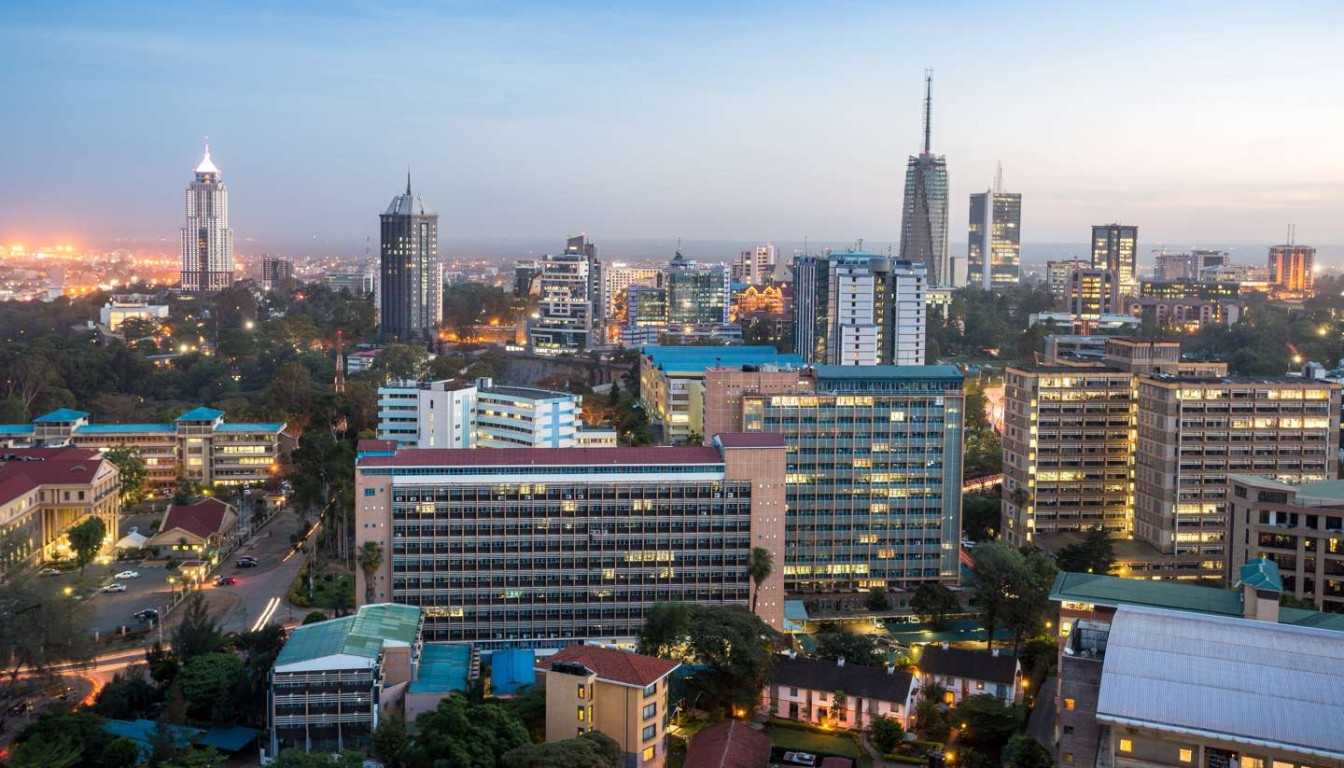
Nairobi is the only capital city in the world with a national park on its boundary. On a clear morning you can look south from Nairobi’s glass-and-steel CBD and see giraffe moving across the open plains of Nairobi National Park. It is a juxtaposition that has become the city’s defining image — and it is completely real.
Kenya’s capital of 4.4 million people is the operational hub of East African safari travel — virtually every Kenya and northern Tanzania safari begins and ends here. But Nairobi is increasingly worth time in its own right: a city with a serious food scene, excellent museums, a growing arts community and enough wildlife-related attractions for a full day or two without leaving the city boundaries.
Getting to Nairobi
Jomo Kenyatta International Airport (NBO) is Kenya’s main international hub, served by direct flights from London (British Airways, Kenya Airways), Amsterdam, Dubai, Doha, Addis Ababa, Johannesburg, Dar es Salaam and many more. It is 18 km from the city centre — allow 45 minutes to 2 hours for the transfer depending on traffic. Wilson Airport, 6 km south of the centre, is the departure point for all light aircraft and scheduled flights to the national parks.
Nairobi National Park
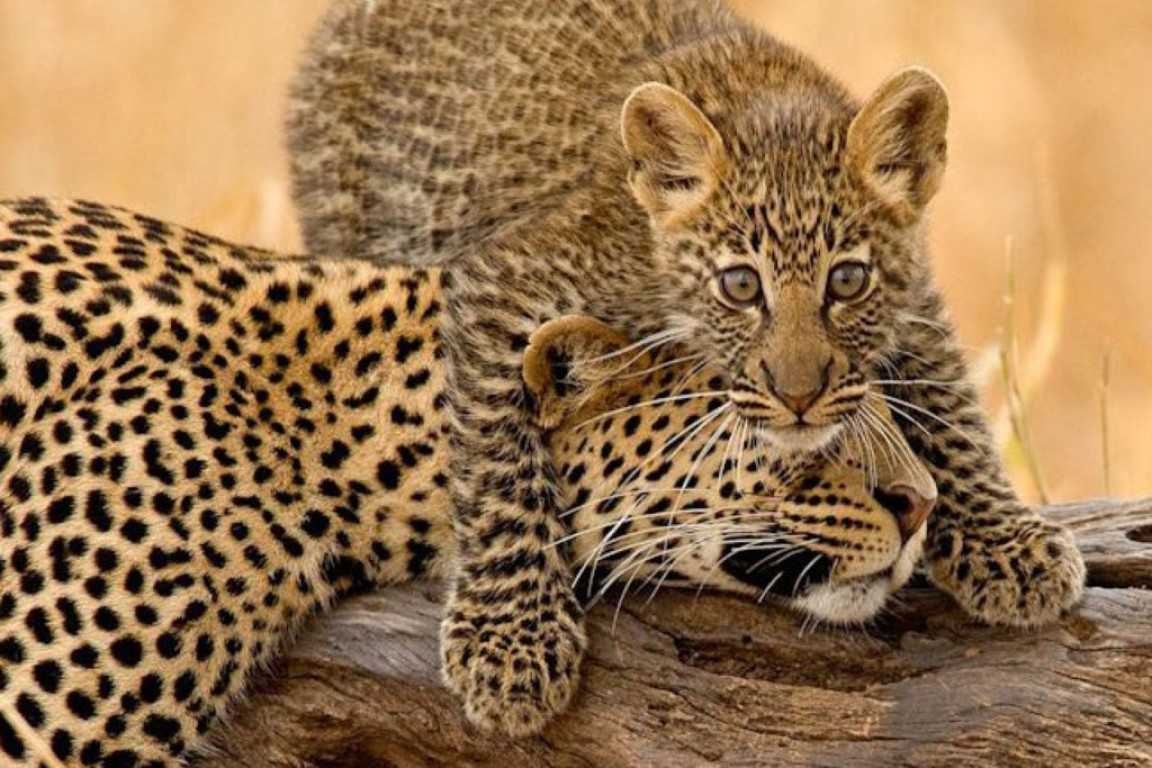
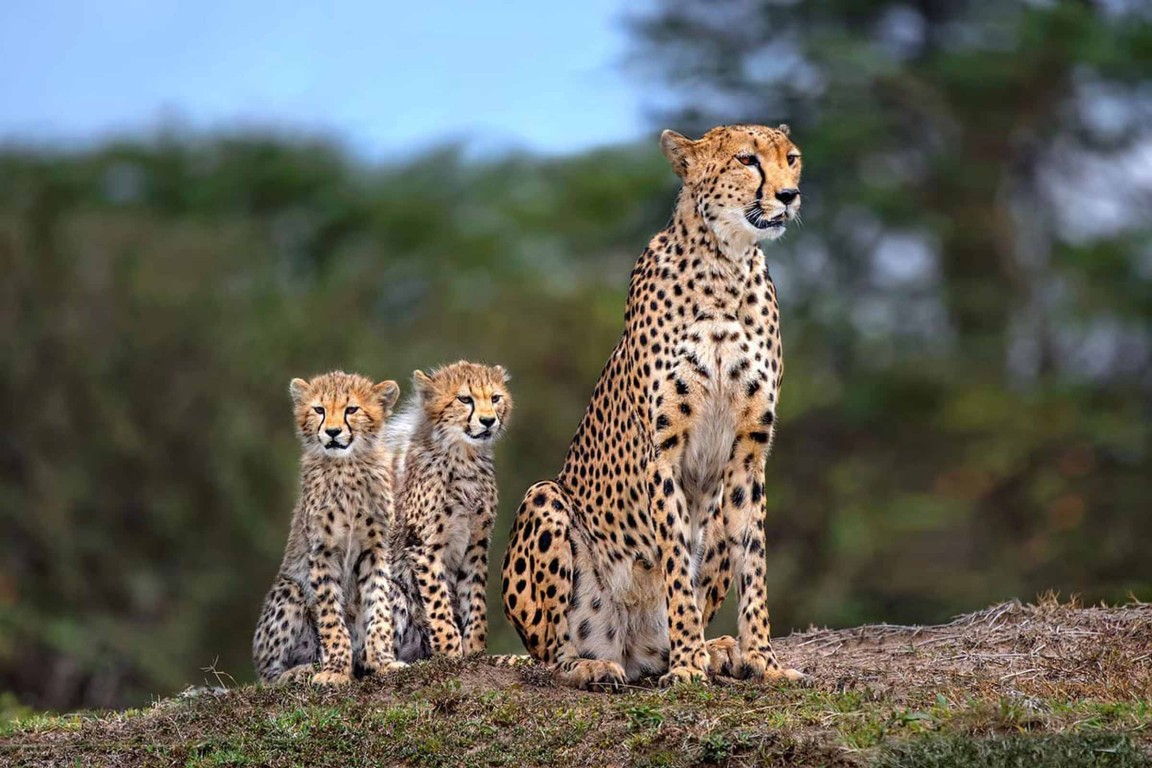
Seven kilometres from the city centre, Nairobi National Park is the world’s only capital-city national park with a genuine Big Five (well, Big Four — no elephant). Black rhino, lion, leopard, cheetah and buffalo all roam the 117 sq km unfenced savanna, with the Nairobi skyline visible behind them. Morning drives here are one of safari travel’s great incongruities: wildebeest under a flyover, rhino with apartment blocks in the background. Do not skip this.
Sheldrick Wildlife Trust Elephant Nursery
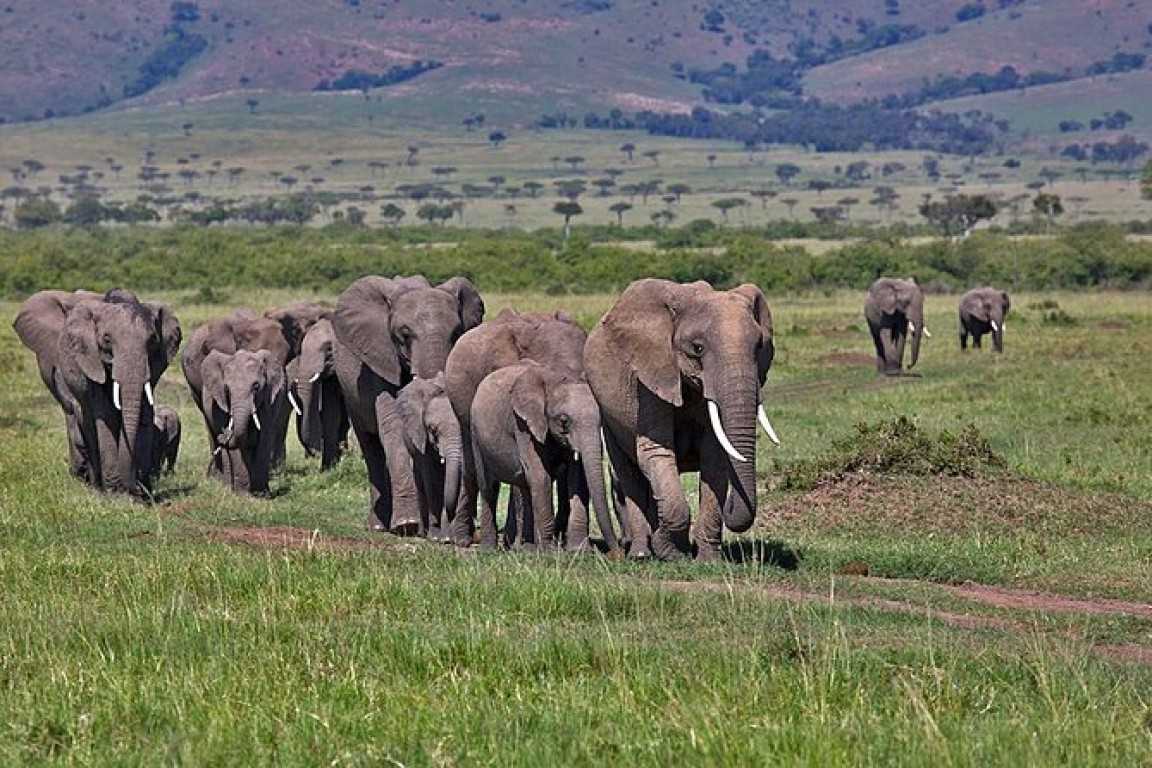
At the main gate of Nairobi National Park, the David Sheldrick Wildlife Trust runs Kenya’s most famous elephant orphan rehabilitation programme. The daily public viewing hour (11:00–12:00) brings baby elephants from the nursery for a mud bath and feeding — an experience that consistently overwhelms first-time visitors. Arrive by 10:45; it fills up in peak season.
Giraffe Centre
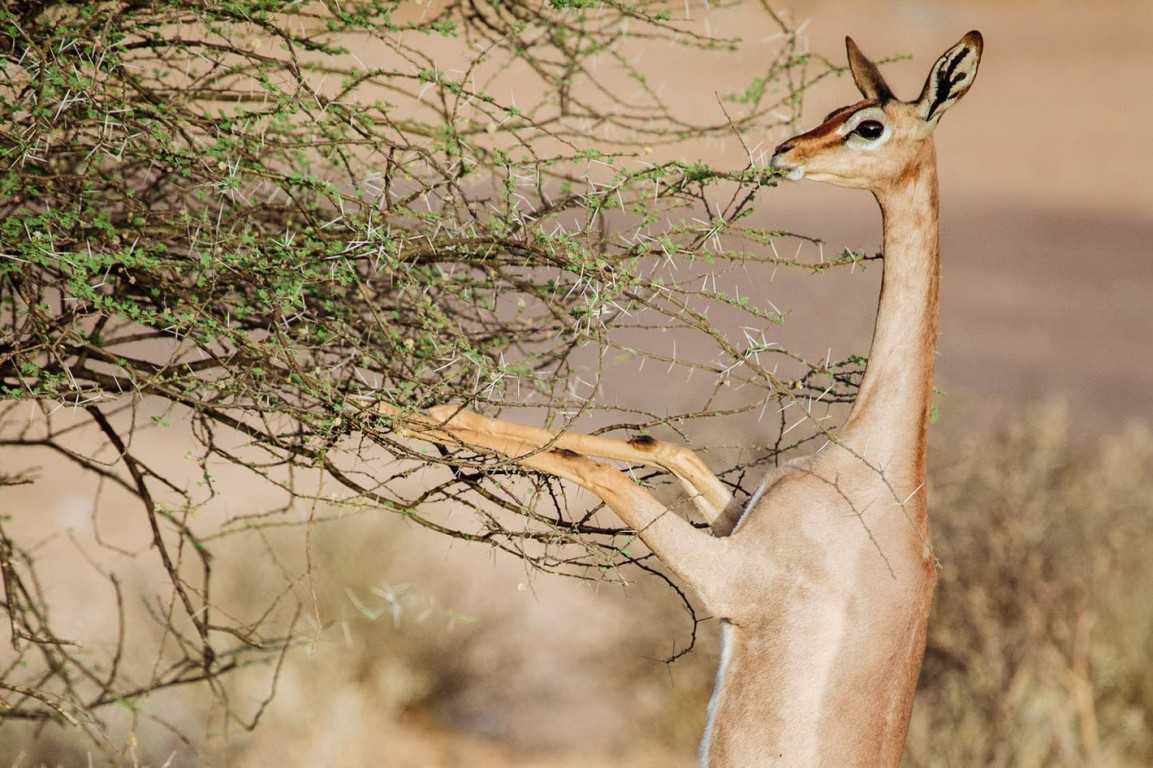
In Karen, 20 minutes from the city centre, the African Fund for Endangered Wildlife Giraffe Centre breeds Rothschild’s giraffe — one of Africa’s most endangered subspecies — for reintroduction to wild areas. Visitors feed the giraffe from a raised platform, getting eye-level with animals whose tongues are longer than a human forearm. A consistently delightful experience for all ages.
Karen Blixen Museum
The farmhouse where Danish author Karen Blixen (pen name Isak Dinesen) lived from 1914 to 1931 and wrote Out of Africa is now a national museum in the suburb named after her. The house has been preserved close to its 1930s state, with period furniture, photographs and Blixen’s personal effects. The garden and Mount Ngong Hills backdrop make it one of Nairobi’s most beautiful and contemplative visits.
The food and neighbourhoods
Nairobi’s restaurant scene has matured significantly. Westlands is the main dining and nightlife district — Ethiopian, Lebanese, Japanese, Indian, Kenyan fusion and continental options within walking distance. Karen is quieter, more suburban and has excellent upscale restaurants. Kilimani has the city’s best coffee shops. Karura Forest in the north of the city offers urban mountain biking and walking trails — free to enter, well-maintained and remarkably peaceful for a city of this size.
Combine Nairobi with…
- Masai Mara — 45 minutes by air or 5 hours by road.
- Amboseli — 45 minutes by air, 4 hours by road.
- Lake Naivasha — 1.5 hours by road for a day trip.
- Serengeti and Kilimanjaro — daily flights from Wilson and JKIA to Tanzania.
Frequently asked questions about Nairobi
Is Nairobi safe for tourists?
The main tourist areas (Westlands, Karen, Gigiri, Upper Hill) are generally safe by day. Nairobi has a street crime reputation that requires standard precautions: don’t walk with phones or cameras visible, use app-based taxis (Bolt, Uber) rather than street cabs, and follow your hotel’s advice on which areas to avoid after dark.
How many days should I spend in Nairobi?
One full day covers the park, the Sheldrick nursery and the Giraffe Centre. Two days adds Karen Blixen Museum, Karura Forest and a proper evening out in Westlands. More than two days is only necessary if Nairobi is itself the destination rather than a gateway.
Do I need a visa for Kenya?
Kenya operates an Electronic Travel Authorisation (eTA) system. Apply at etakenya.go.ke before travel. Most nationalities qualify. Processing takes 3–5 business days; apply at least 2 weeks before departure.
Want to visit Nairobi?
Get a free custom safari plan within 24 hours.
Nairobi safari tours

Want to visit Nairobi?
Get a free custom safari plan within 24 hours.
Best time to visit Nairobi
Nairobi is a year-round destination as Kenya’s capital, but two considerations affect the visitor experience: Nairobi National Park game viewing, and the comfort of arriving before or after a longer safari.
June to October — Dry season (best park game viewing)
The park is at its best for game viewing. The vegetation thins, rhino and big cats are easier to spot, and the wildebeest migration corridor brings additional animals south from the Athi–Kapiti plains. City temperatures are cool and pleasant (18–24°C). Peak safari season means Nairobi’s hotel infrastructure is operating at its most efficient.
January to February — Short dry season (warm, clear, good value)
Excellent park game viewing with fewer tourists. Warm days (22–26°C), clear skies and the city at its most comfortable. A good window for a relaxed Nairobi stopover.
March to May and November — Rainy seasons (city operational, park harder)
The long rains (March–May) bring frequent afternoon showers. The park becomes lush but wildlife is harder to spot. City life is unaffected. The short rains (November) are briefer and more manageable.
Bottom line: Nairobi works as a safari gateway city year-round. For the best Nairobi National Park experience, aim for June–October or January–February.