Quick facts
Wildlife
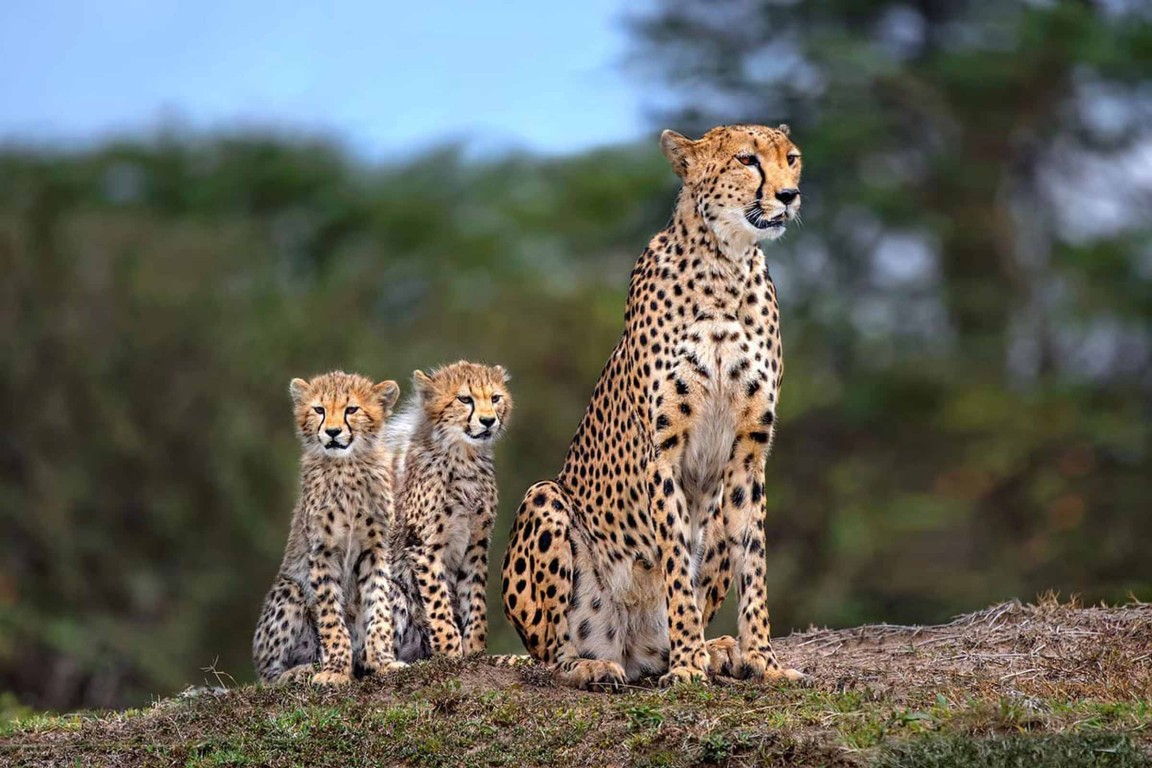
Moshi itself is an urban environment, but the surrounding landscape is rich in accessible wildlife. Kilimanjaro National Park begins 15 km from town, with colobus monkey, buffalo, elephant, leopard and eland in the forest zones. Lake Chala, 45 km east, has a small crocodile population and rich birdlife. The Mkomazi National Park is 110 km south with black rhino, African wild dog and dry-country antelope. Coffee and banana plantation walks regularly yield sunbird, weaver and raptor sightings.
Top activities
Kilimanjaro climb briefing and gear hire — Moshi has Tanzania's best concentration of licensed operators and rental shops. Coffee farm tours on the Kilimanjaro slopes — visit roasting, processing and taste local single-origin Arabica. Lake Chala day trip (45 km east) for kayaking, crater rim hiking and supervised swimming. Mkomazi National Park day safari (110 km south). Materuni Waterfall and cultural village walk on the Kilimanjaro foothills. Kikuletwa (Chemka) Hot Springs — crystal-clear hot spring pool 60 km west.
About Moshi
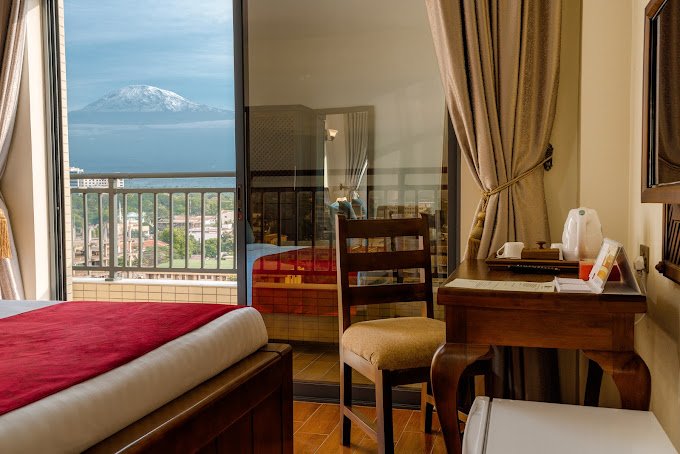
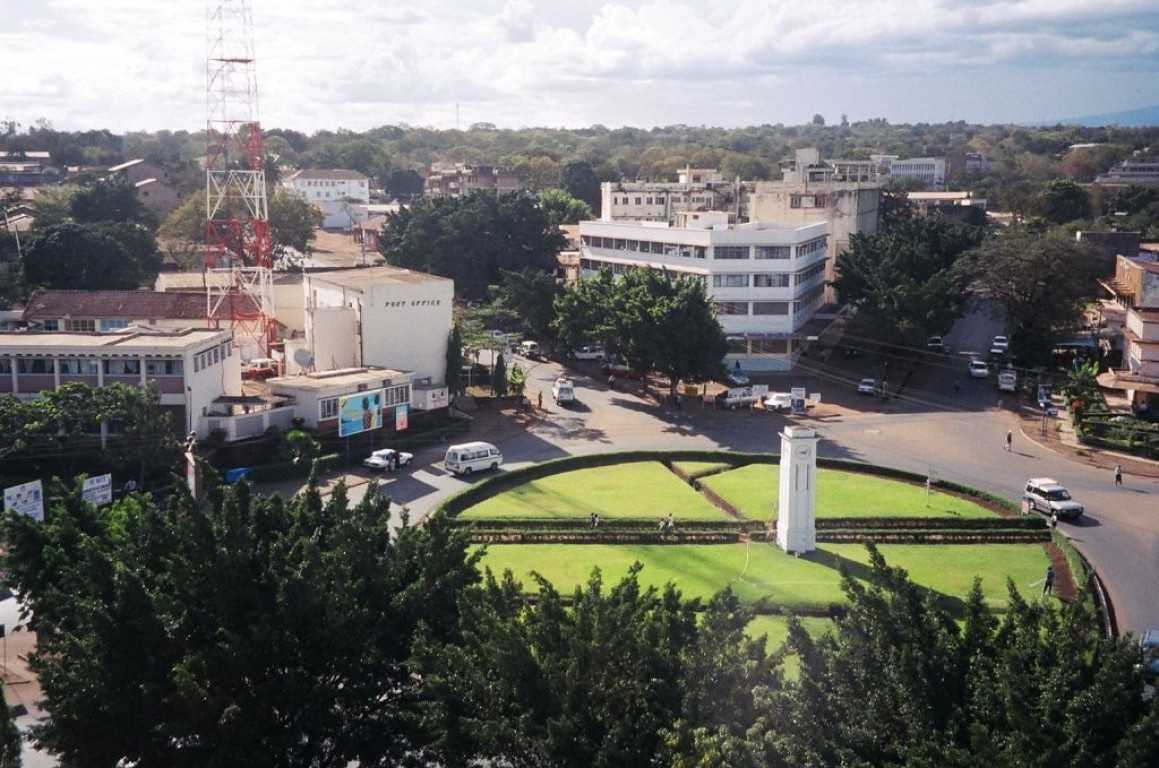
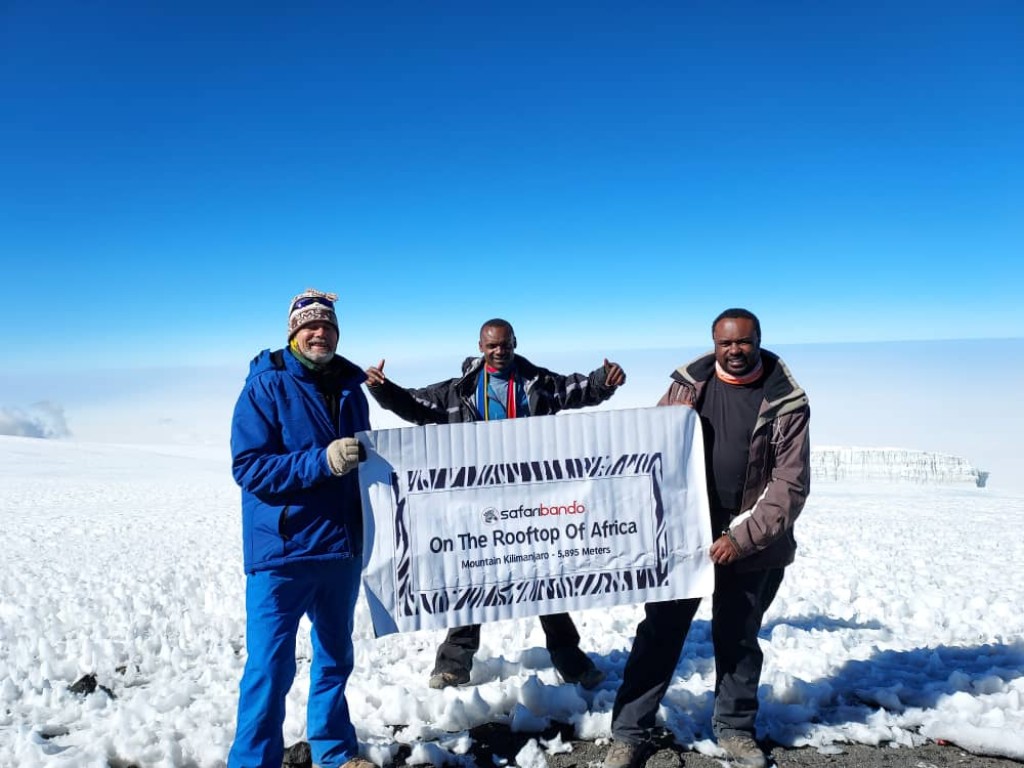
Every Kilimanjaro climb begins and ends in Moshi. Tanzania’s Kilimanjaro Regional capital sits at 800 metres above sea level, close enough to the mountain that on a clear morning you step outside your guesthouse and the ice-capped dome of Kibo fills the entire northern sky. The city of roughly 220,000 people is compact, walkable, safe by East African urban standards, and entirely oriented toward the mountain that towers above it.
But Moshi is more than a transit stop. The slopes above town are covered in some of Tanzania’s finest Arabica coffee farms, producing beans that appear in specialty cafes from Berlin to Brooklyn. The surrounding landscape includes hot springs, a hidden crater lake, a waterfalling river and a gateway to the dry-country wildlife of Mkomazi National Park to the south. A day or two in Moshi before or after a climb is time well spent.
Getting to Moshi
Kilimanjaro International Airport (JRO) is 50 km from Moshi — about 45 minutes by road. It handles direct international arrivals from Amsterdam, Doha, Addis Ababa and Nairobi, plus domestic connections from Dar es Salaam and Zanzibar. Arusha is 80 km west along the Arusha–Moshi highway, about 1.5 hours by shared taxi or private transfer.
Kilimanjaro operations
Moshi has the highest concentration of licensed Kilimanjaro operators in Tanzania — ranging from long-established companies with dedicated summit teams to newer boutique operators. It also has the best selection of gear rental shops for those who don’t want to transport full high-altitude kit. If you are climbing and have not pre-arranged gear, plan a half-day in Moshi for fitting boots, hiring layering systems and buying last-minute supplies.
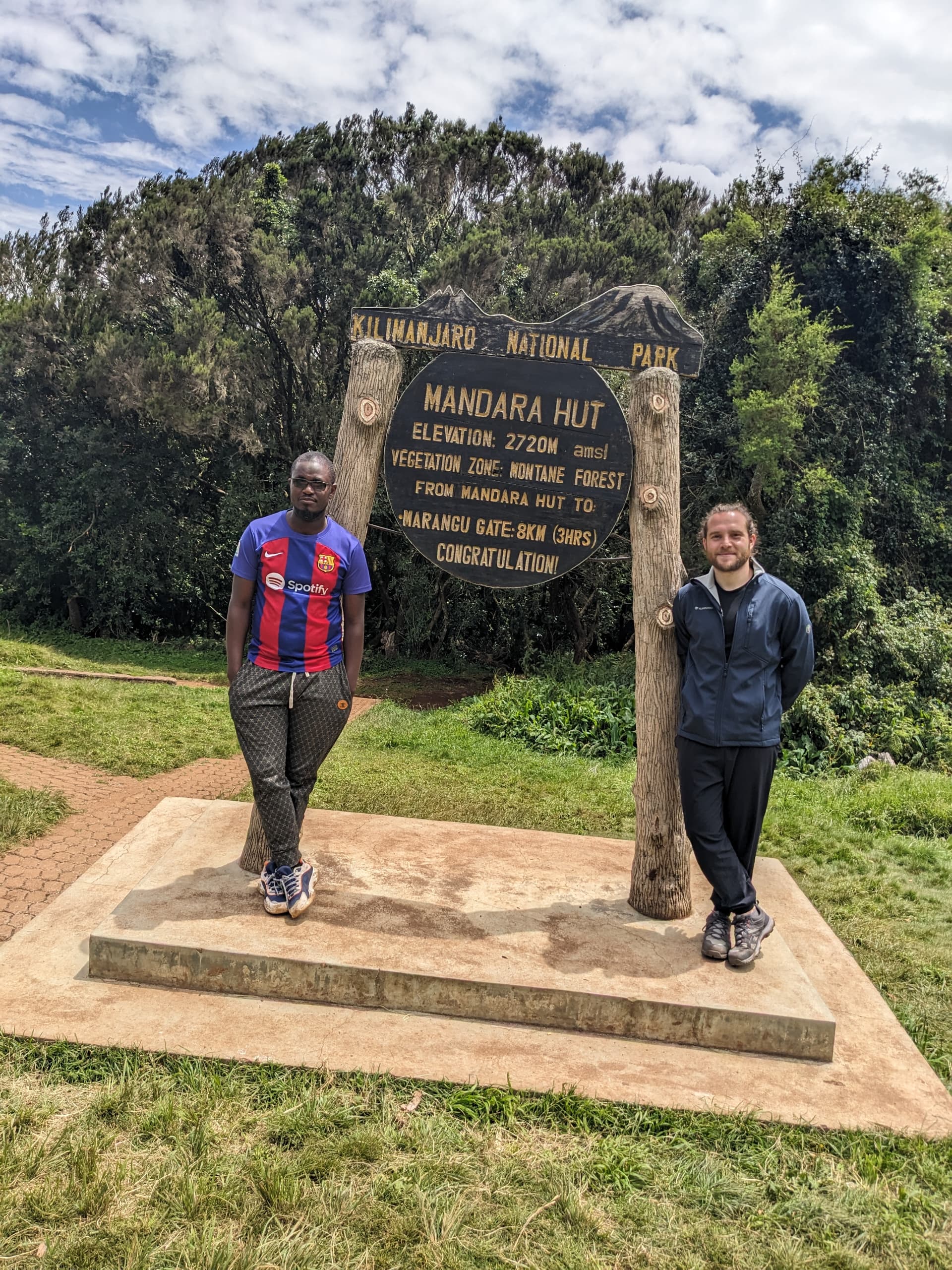
Standard Kilimanjaro routes depart from Marangu Gate (45 minutes north, for the Marangu/Coca-Cola route) or Londorossi Gate and Machame Gate (1–1.5 hours west, for Machame, Lemosho and Northern Circuit). Most operators include Moshi hotel collection in their transfer.
Coffee farm tours
The Kilimanjaro slopes between 1,200 and 1,800 metres produce some of Tanzania’s finest Arabica coffee. The volcanic soil, altitude and rainfall combine to create complex, fruity beans that score consistently well at international cupping competitions. Half-day and full-day farm tours visit working Chagga family farms — walking through shaded rows of coffee plants, watching hand-picking and wet processing, and ending with a cupping session in a traditional Chagga homestead. The tours also include banana beer tasting, which is more of an acquired taste.
Day trips from Moshi
Lake Chala (45 km east)
A perfectly circular crater lake on the Kenya–Tanzania border, fed by underground springs from Kilimanjaro. Kayaking, crater rim hiking and supervised swimming in 92-metre-deep emerald water with Kilimanjaro visible above the rim.
Materuni Waterfall
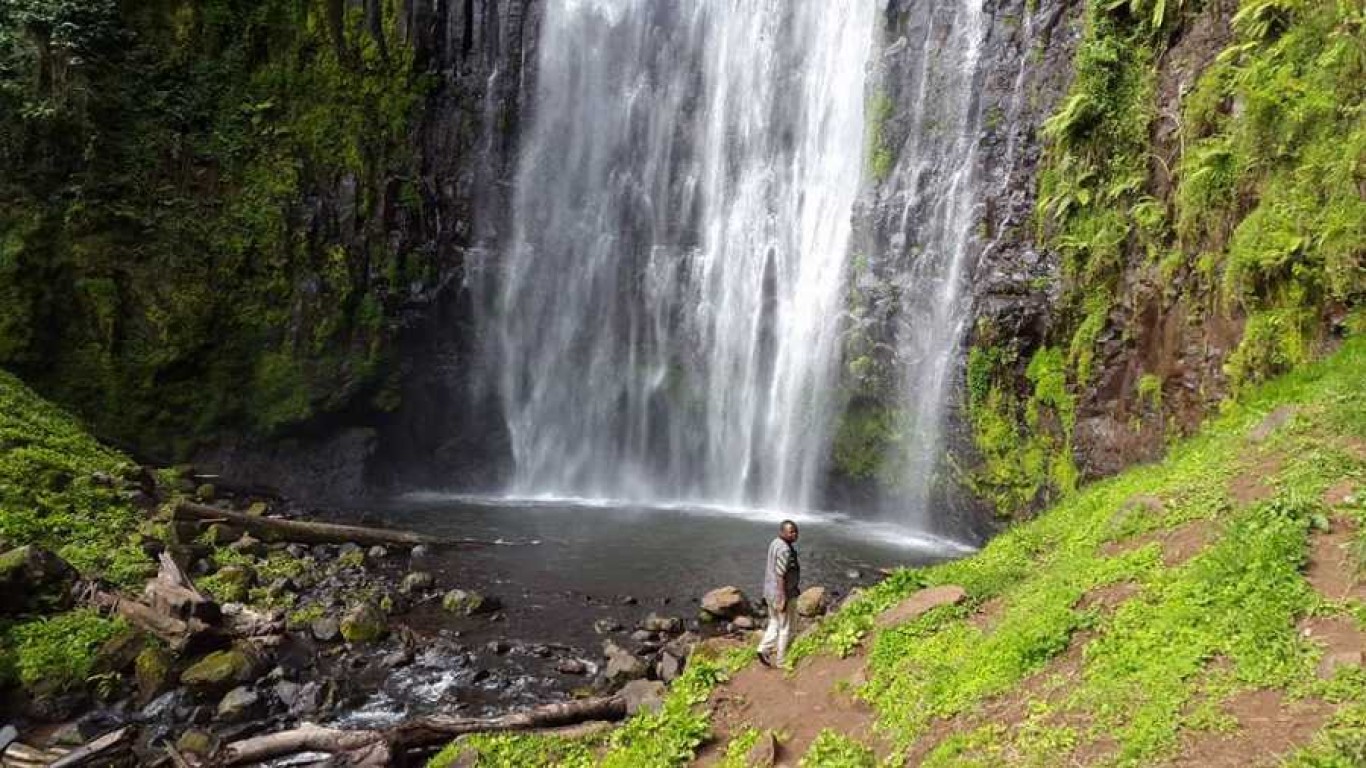
A 2–3 hour hike through Chagga villages and coffee farms on the lower Kilimanjaro slopes to a 70-metre waterfall. Usually combined with a coffee tour and local lunch. One of the best half-day cultural hiking experiences near Moshi.
Kikuletwa (Chemka) Hot Springs (60 km west)
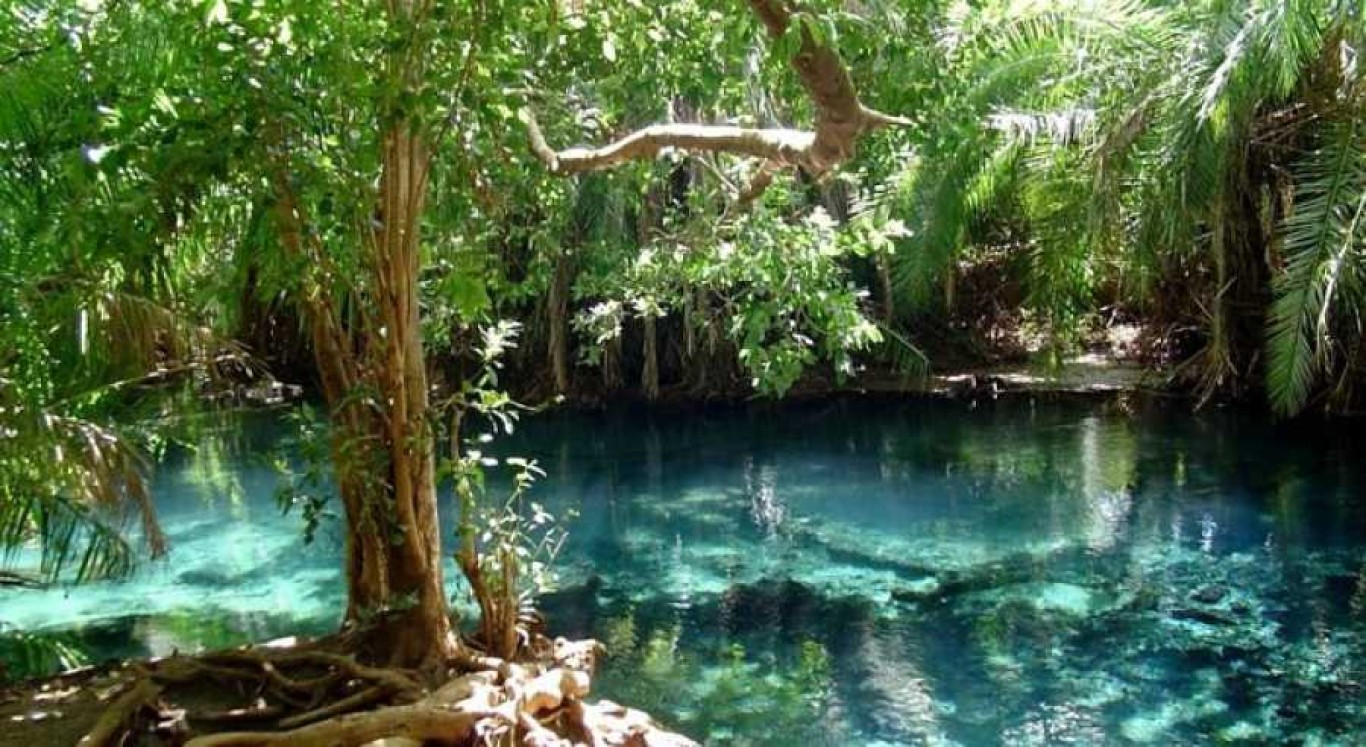
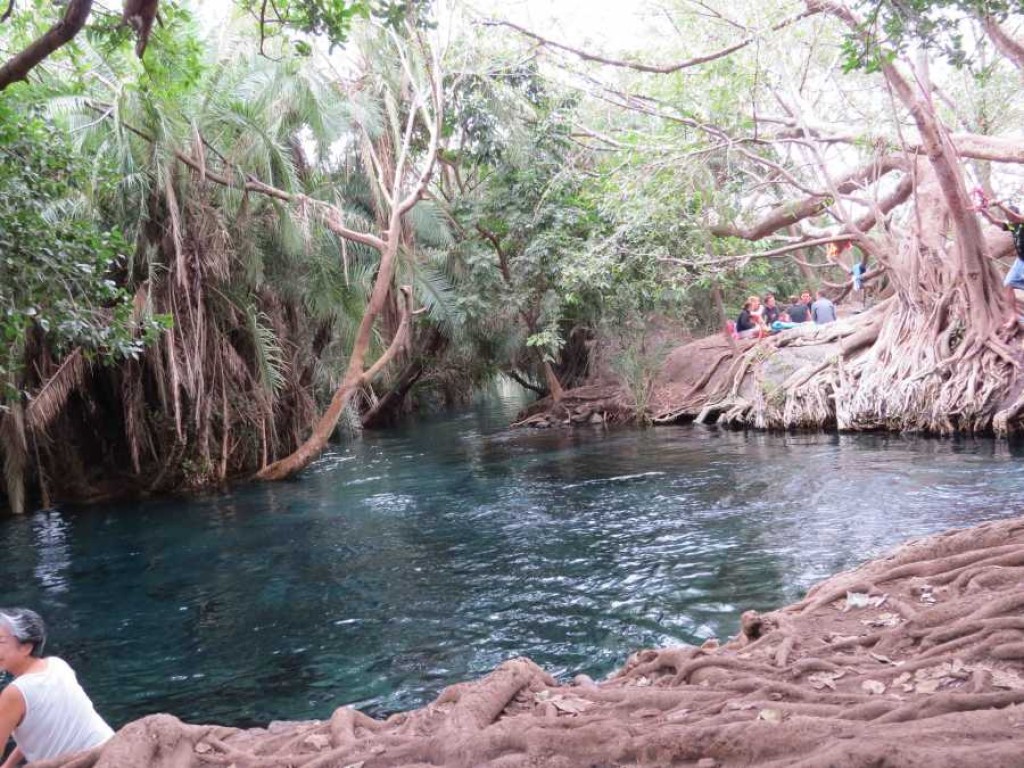
Crystal-clear warm springs in the dry Maasai Steppe, surrounded by palm trees — an incongruous oasis that makes for a half-day swimming and picnicking escape. Popular with Moshi residents on weekends; best visited midweek.
Mkomazi National Park (110 km south)
A full-day safari to Tanzania’s least-visited major national park, with black rhino sanctuary, African wild dog and dry-country antelope. The park shares its northern boundary with Kenya’s Tsavo.
Where to stay
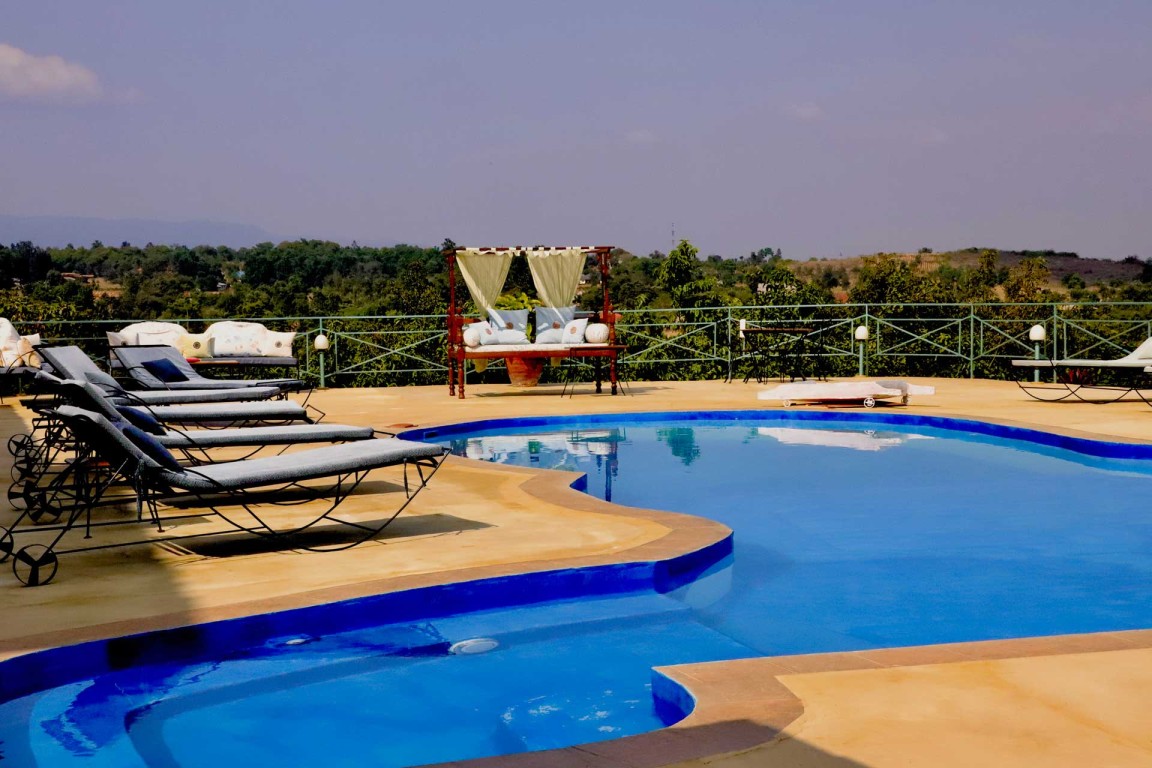
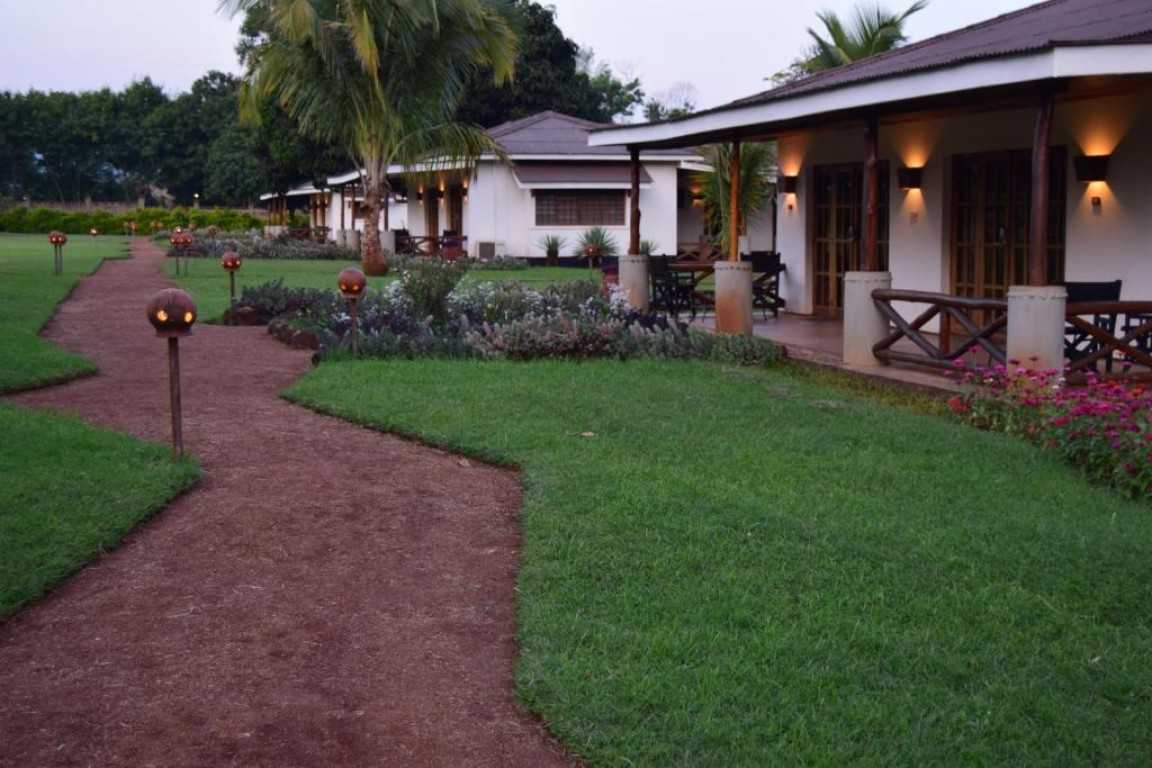
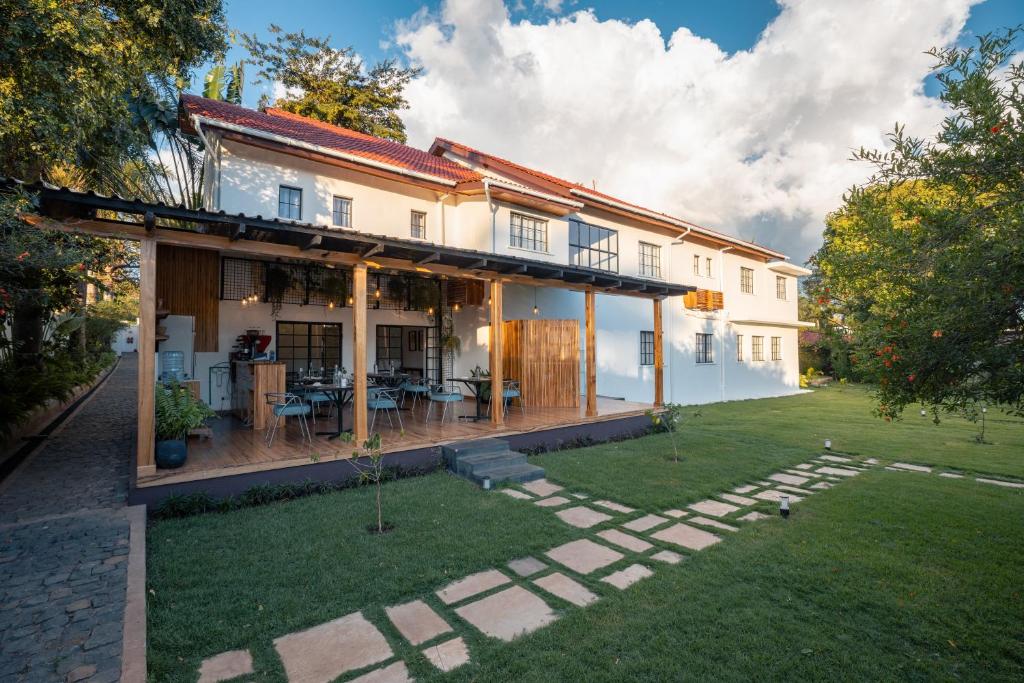
Moshi has a wide spread of accommodation from basic backpacker guesthouses (USD 15–30/night) to mid-range boutique hotels (USD 80–150/night) with mountain-view rooms. Most Kilimanjaro operators include two nights of Moshi accommodation in their packages. For self-arranged stays, the Shantytown Road area has the highest concentration of recommended guesthouses.
Combine Moshi with…
- Kilimanjaro climb — the primary reason most visitors come.
- Arusha — 1.5 hours west for the Northern Circuit safari departures.
- Lake Chala — the 45-minute crater lake day trip.
- Mkomazi National Park — full-day wildlife extension.
Frequently asked questions about Moshi
Is Moshi or Arusha a better base for Kilimanjaro?
Moshi is closer to the mountain (45 minutes to the Marangu gate vs 1.5+ hours from Arusha) and has a more focused climbing-town character. Arusha has better restaurants, more accommodation variety and is the Northern Circuit safari hub. If Kilimanjaro is your sole focus, Moshi. If combining with safaris, Arusha.
Is Moshi safe to walk around?
Yes — Moshi is one of Tanzania’s most visitor-friendly towns. The central area around the clock tower and market is lively and safe by day. Standard precautions with valuables apply after dark.
Can you see Kilimanjaro from Moshi?
Yes, on clear mornings — the mountain towers above the town to the north. The best views are before 09:00, before cloud builds around the upper slopes. January and February produce the most consistently clear dawn views.
Want to visit Moshi?
Get a free custom safari plan within 24 hours.
Moshi safari tours
Want to visit Moshi?
Get a free custom safari plan within 24 hours.
Best time to visit Moshi
Moshi is primarily a Kilimanjaro gateway town, so the best time to visit mirrors the best time to climb the mountain.
January to mid-March — Short dry season (warm, clear, excellent for Kili views)
The clearest window for views of Kilimanjaro from Moshi itself — the mountain is most reliably cloud-free in January and February at dawn. Warm temperatures and dry conditions make this an excellent climbing window and a good period for coffee farm tours and day trips. Hotels are less busy than the June–October peak.
June to October — Long dry season (peak climbing season, busiest)
The main Kilimanjaro season. Moshi is at its most animated, with climbers arriving and departing daily. The town’s gear shops, operators and restaurants are fully operational. Hotel rates are at their highest and booking ahead is essential. The dry season also makes the Lake Chala and Materuni day trips most comfortable.
Late March to May — Long rains (avoid for climbing, local life continues)
The heavy rains suppress Kilimanjaro climbing activity. Moshi is quieter and cheaper. Coffee harvest falls in May–June, so farm visits are particularly rewarding in this transition period.
Bottom line: January to March and June to October for climbing. June to October for the widest range of day trip and safari options from Moshi.