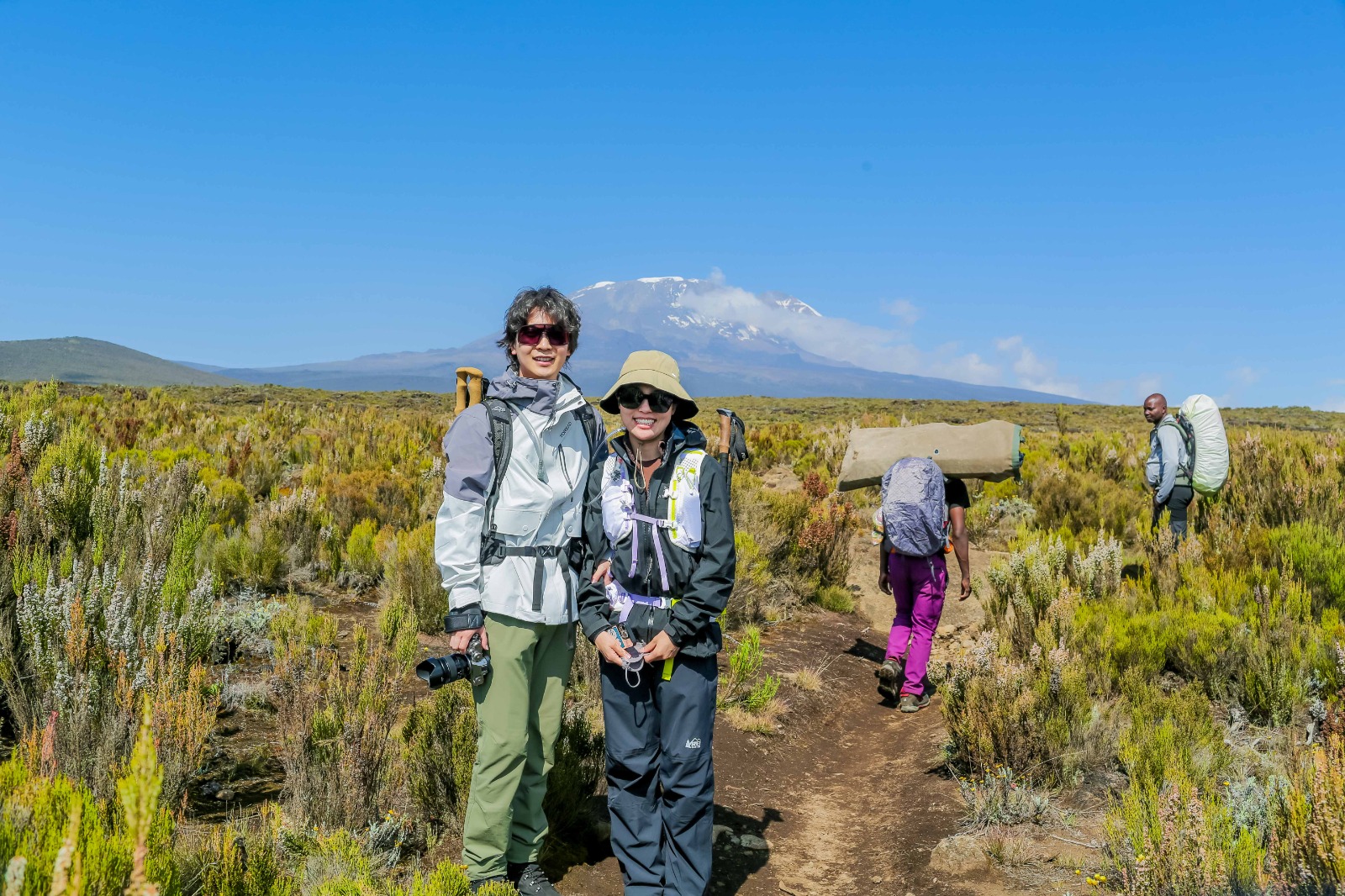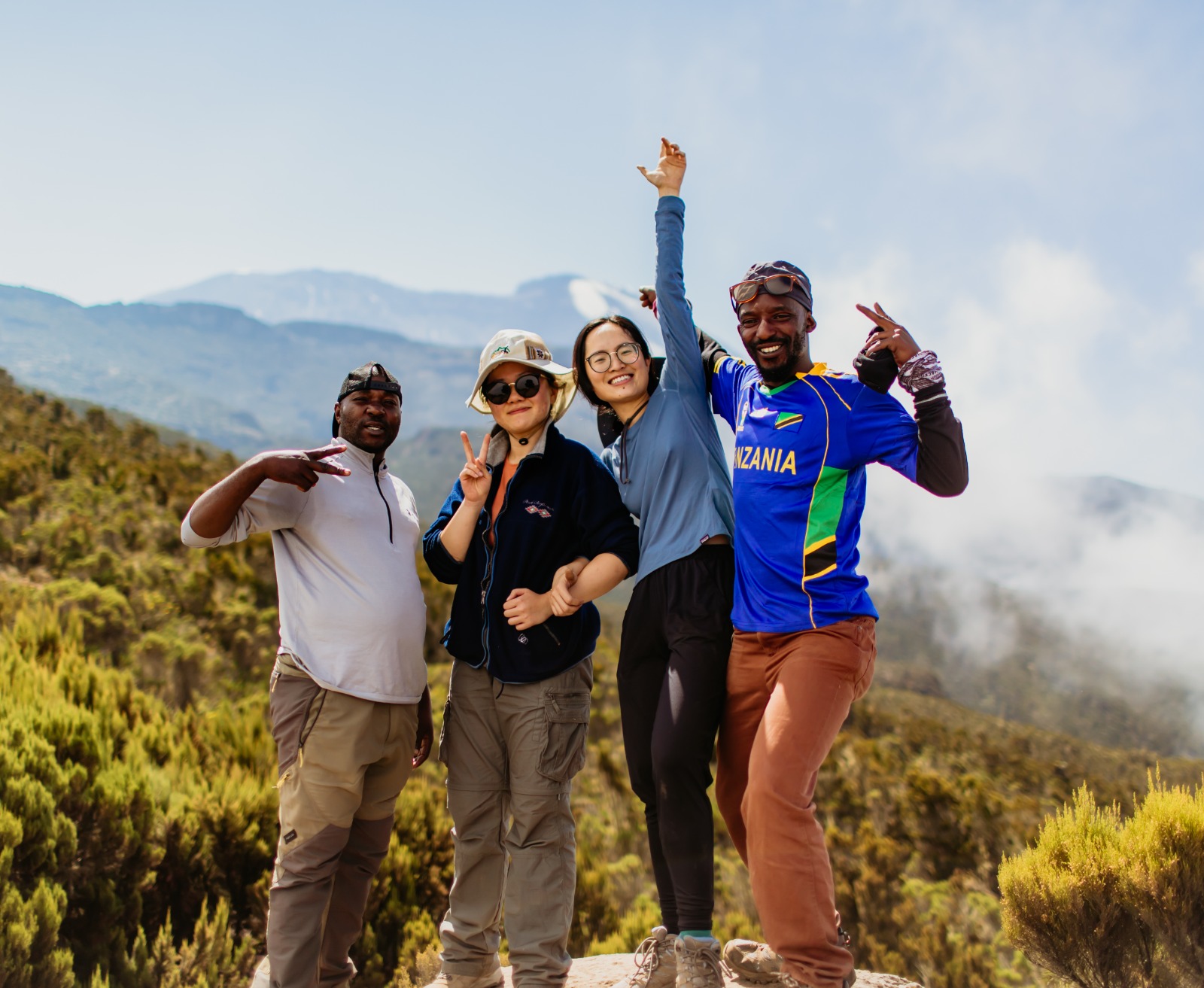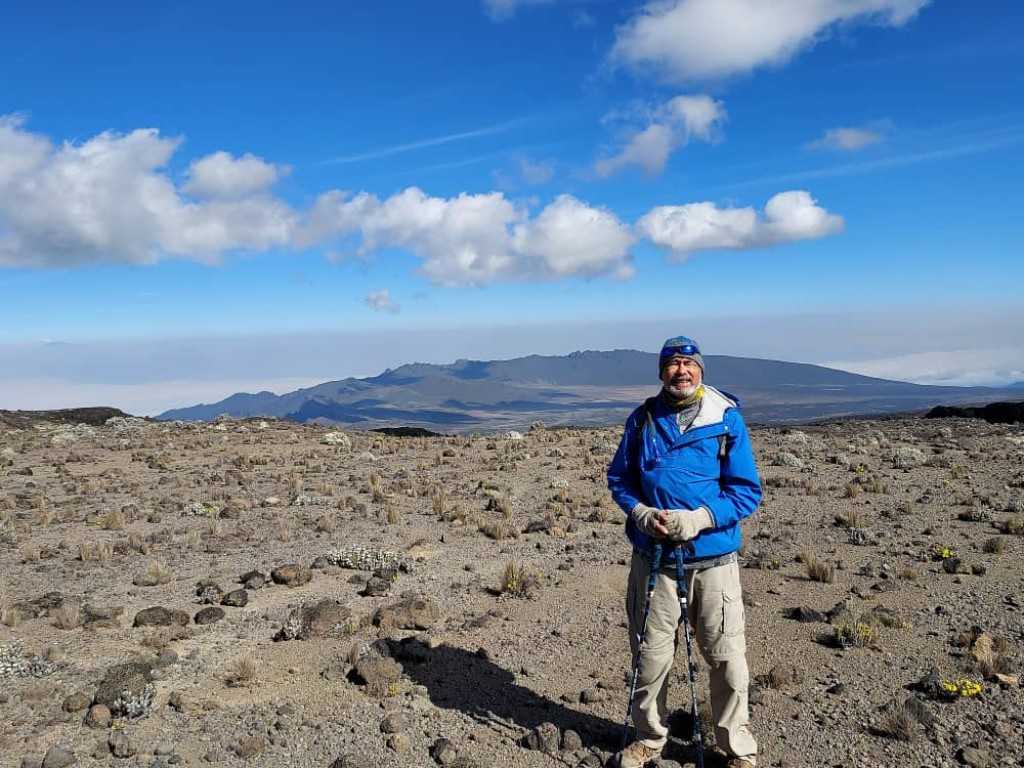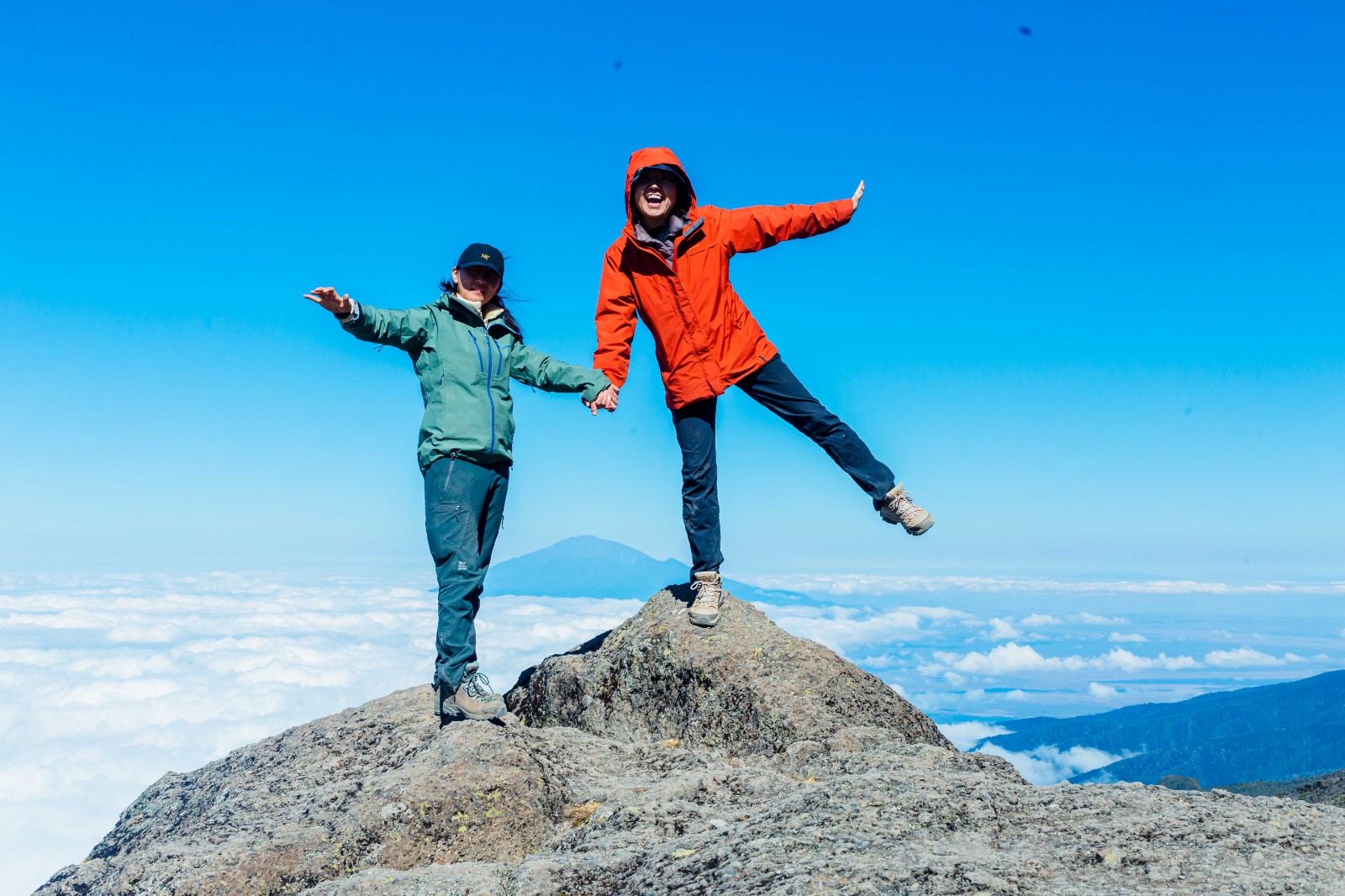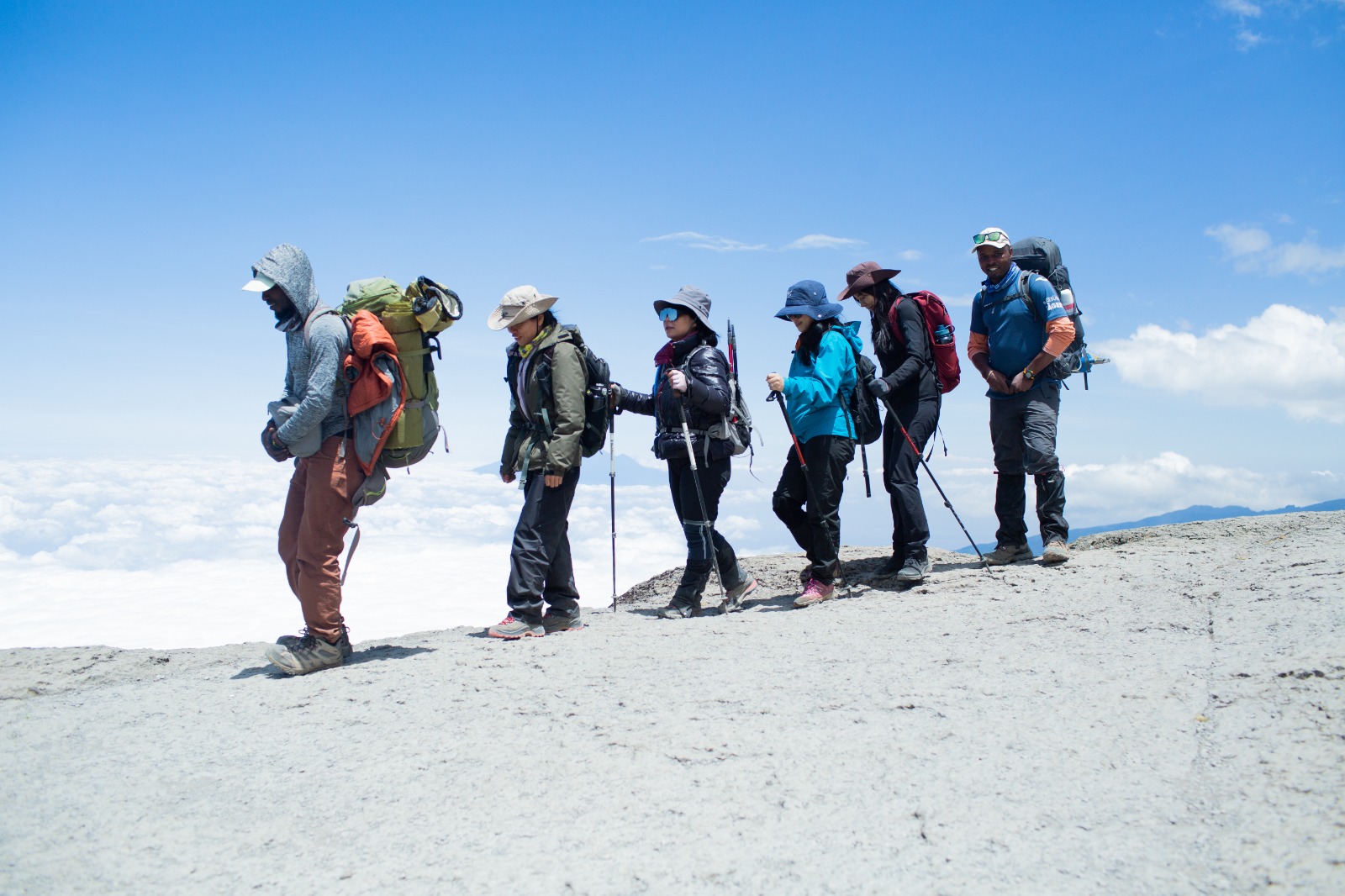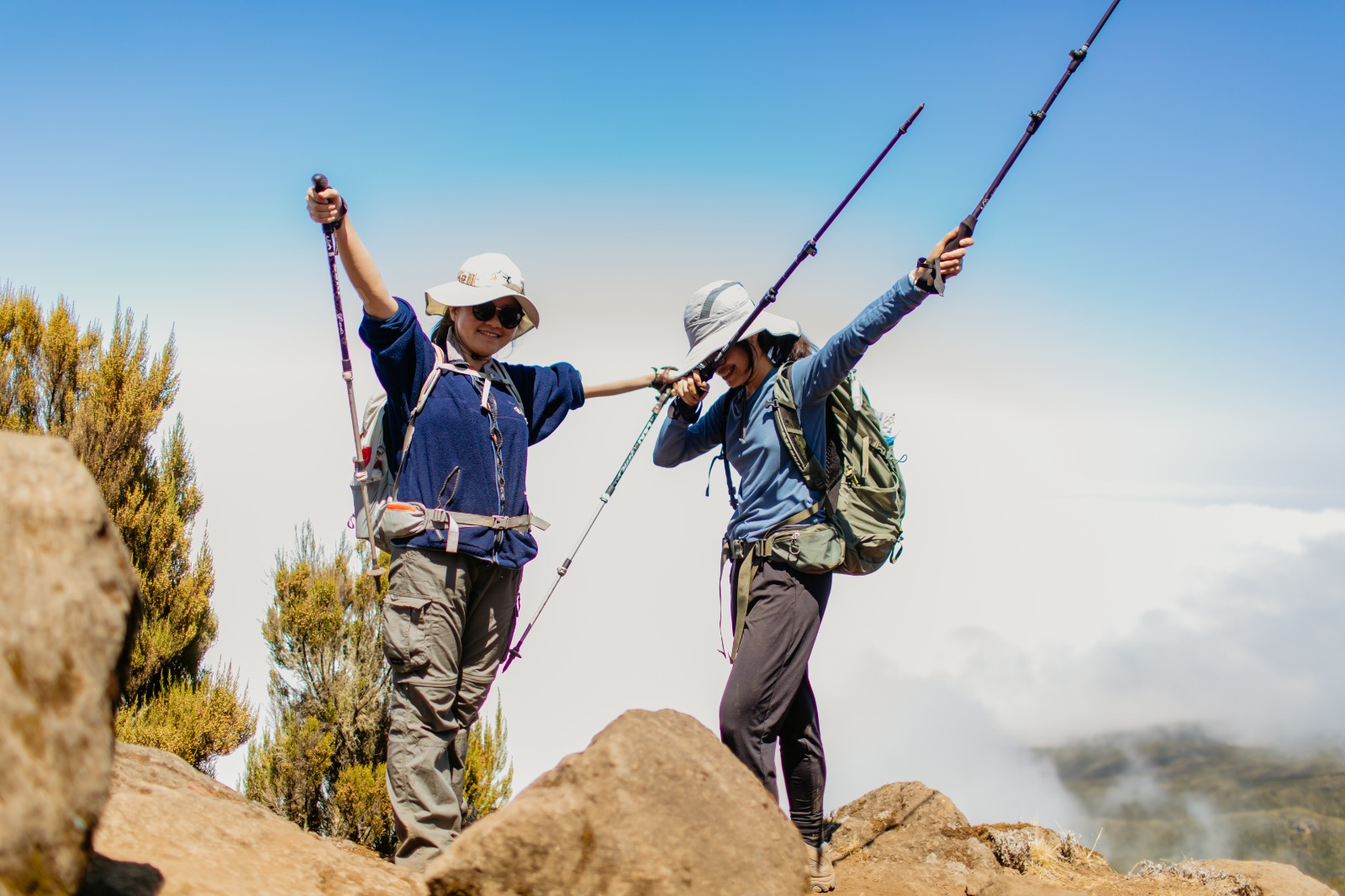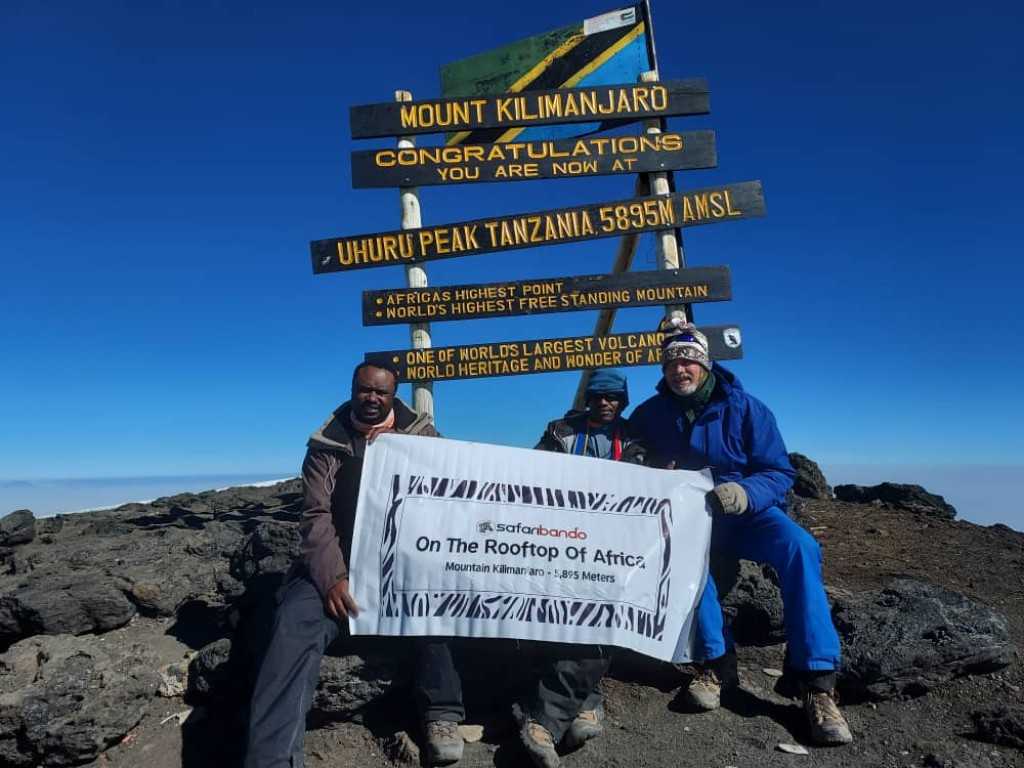
Climbing Mount Kilimanjaro is a dream adventure for many travelers. Standing at 5,895 meters (19,341 feet) above sea level, it is the highest mountain in Africa and one of the most popular trekking destinations in the world.
Before planning a trek, many climbers have questions about preparation, routes, cost, and safety. This Kilimanjaro FAQ answers the most common questions about climbing the mountain.
If you are planning a trek, explore professionally guided Kilimanjaro Trekking Tours with experienced guides and full mountain support.
What is the height of Mount Kilimanjaro?
Mount Kilimanjaro stands at 5,895 meters (19,341 feet) above sea level. The highest point is called Uhuru Peak, located on the Kibo volcanic cone.
You can learn more about the mountain’s elevation in How Tall is Mount Kilimanjaro.
How difficult is climbing Kilimanjaro?
Kilimanjaro is considered a non-technical trek, meaning climbers do not need ropes or advanced mountaineering skills. However, the altitude makes it physically demanding.
The biggest challenge for climbers is altitude sickness, which can occur when ascending too quickly.
For a detailed explanation, read How Difficult is the Kilimanjaro Climb.
How long does it take to climb Kilimanjaro?
Most climbers take 6 to 8 days to reach the summit and descend safely. Longer itineraries improve acclimatization and increase summit success rates.
You can learn more in How Long Does It Take to Climb Kilimanjaro.
What is the best time to climb Kilimanjaro?
The best months to climb Mount Kilimanjaro are usually during the dry seasons:
- January to March
- June to October
These months offer clearer skies and better trekking conditions.
See the full guide in Best Time to Climb Kilimanjaro.
What are the main Kilimanjaro climbing routes?
Kilimanjaro has several official routes leading to the summit.
Popular routes include:
- Machame Route
- Marangu Route
- Lemosho Route
- Rongai Route
- Umbwe Route
For example:
6 Day Machame Route Kilimanjaro Climb
6 Day Marangu Route Kilimanjaro Climb
7 Day Lemosho Route Kilimanjaro Climb
You can compare all routes in the Kilimanjaro Routes Guide.
What is the success rate of climbing Kilimanjaro?
The summit success rate varies depending on the route and number of days spent on the mountain.
Average success rates:
- 5 day climbs: 50–60%
- 6–7 day climbs: 65–80%
- 8+ day climbs: 85–95%
Read more in Kilimanjaro Summit Success Rate by Route and Kilimanjaro Success Rate.
Can beginners climb Kilimanjaro?
Yes. Many first-time trekkers successfully climb Kilimanjaro every year.
Although technical climbing skills are not required, good physical preparation is important.
You can learn how to prepare in How to Prepare for a Kilimanjaro Trek.
Do you need a guide to climb Kilimanjaro?
Yes. Tanzanian law requires all climbers to trek with a licensed guide and registered operator.
This ensures safety and protects the environment of Kilimanjaro National Park.
Read more in Can You Climb Kilimanjaro Without a Guide.
How cold is the summit of Kilimanjaro?
Summit temperatures can drop to -20°C or colder, especially during summit night.
Climbers must prepare with proper cold-weather clothing.
You can learn more in Kilimanjaro Summit Temperature.
What should you pack for Kilimanjaro?
Climbers must pack proper clothing and equipment for extreme temperature changes.
Important gear includes:
- Warm insulated jacket
- Waterproof clothing
- Hiking boots
- Gloves and hat
- Sleeping bag
See the full Kilimanjaro Packing Checklist.
What food is served on Kilimanjaro?
During the climb, mountain cooks prepare fresh meals designed to provide energy for trekking.
Meals often include:
- Soup and vegetables
- Rice, pasta, or potatoes
- Meat or vegetarian options
- Fruits and snacks
Learn more in Kilimanjaro Food on the Mountain.
What are the park fees for Kilimanjaro?
Kilimanjaro National Park fees are included in most climbing packages and cover:
- Conservation fees
- Camping fees
- Rescue fees
- Guide and porter permits
You can read more in Kilimanjaro Park Fees.
Can I combine Kilimanjaro with a safari?
Yes. Many climbers combine a Kilimanjaro climb with a wildlife safari or a Zanzibar beach holiday.
Popular options include:
You can also explore wildlife experiences in the Tanzania Safari Guide.
Final Thoughts
Climbing Mount Kilimanjaro is an unforgettable adventure that attracts trekkers from around the world. With proper preparation, the right route, and experienced guides, reaching Uhuru Peak is an achievable goal for many climbers.
If you are planning your trek, explore available Kilimanjaro Trekking Tours and start preparing for your journey to the Roof of Africa.