Kilimanjaro Climbing Experience
Climbing Mount Kilimanjaro is one of the most extraordinary adventures in Africa. Standing at 5,895 meters (19,341 feet), Kilimanjaro is the highest mountain on the African continent and the tallest free-standing mountain in the world. Reaching its summit, Uhuru Peak, is a life-changing achievement that attracts trekkers, adventure travelers, and mountain lovers from across the globe.
Unlike many high-altitude mountains, Mount Kilimanjaro can be climbed without technical mountaineering skills. However, the journey requires determination, proper preparation, and experienced guides to successfully reach the summit.
The Kilimanjaro climbing experience takes trekkers through diverse ecosystems, dramatic landscapes, and breathtaking scenery. Many travelers combine the climb with wildlife adventures such as Tanzania Wildlife Safaris or relaxing coastal escapes through Safari and Beach Holidays.
Why Climb Mount Kilimanjaro
Climbing Kilimanjaro is considered one of the world’s most iconic trekking experiences. The journey to the summit is not only a physical challenge but also an unforgettable exploration of nature.
Africa’s highest mountain
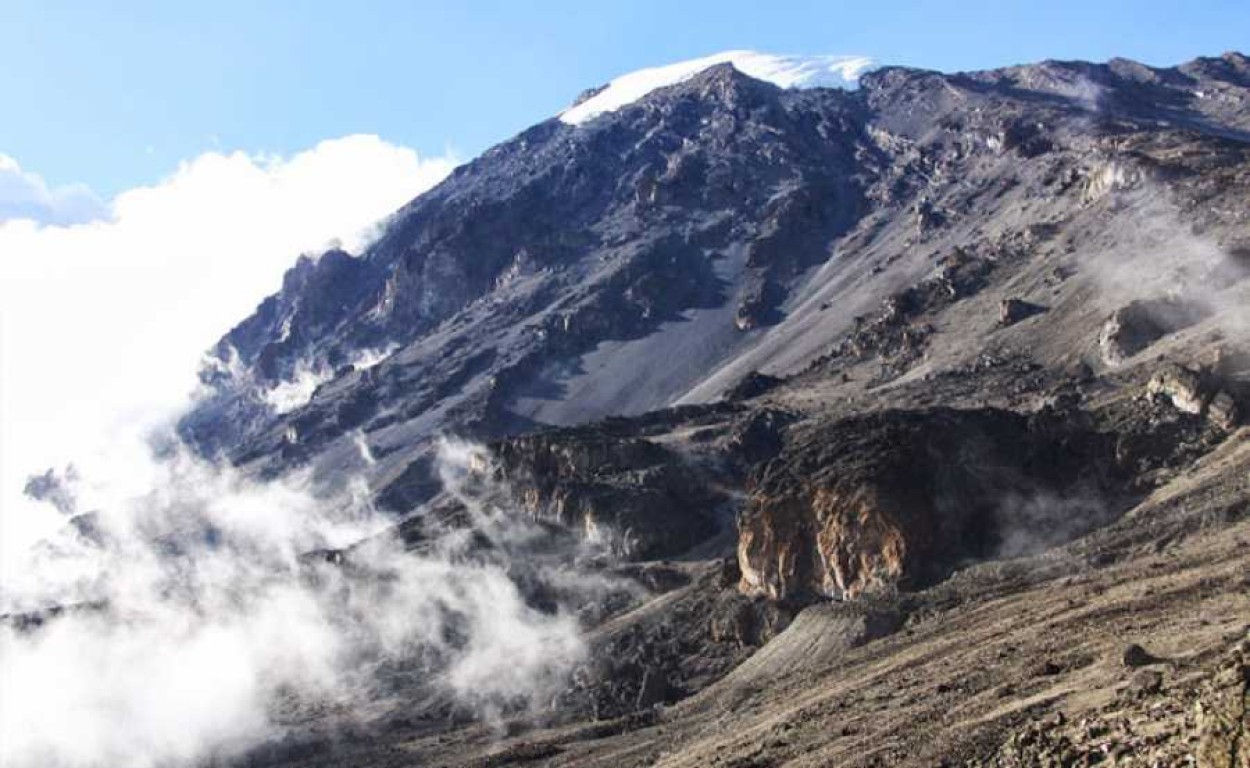
Mount Kilimanjaro rises above the surrounding plains of northern Tanzania and dominates the landscape with its snow-capped summit.
Diverse ecosystems
The trek passes through five distinct climate zones including rainforest, moorland, alpine desert, and glacial summit landscapes.
Accessible high-altitude adventure
Unlike many major mountains, Kilimanjaro does not require technical climbing equipment, making it accessible to many adventurous travelers.
Incredible summit reward
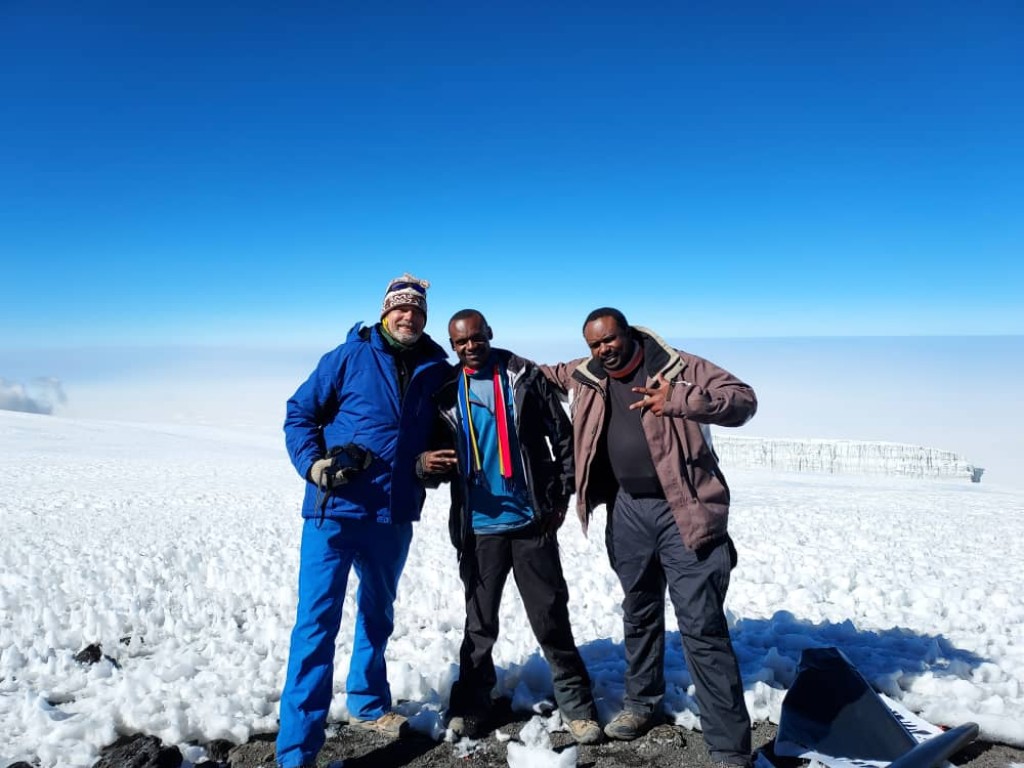
Reaching Uhuru Peak at sunrise offers breathtaking panoramic views and a deep sense of accomplishment.
Travelers planning the climb often start by exploring the Kilimanjaro Climbing Guide to understand routes, preparation, and logistics.
Kilimanjaro Climbing Routes
Several established trekking routes lead to the summit of Mount Kilimanjaro. Each route offers different scenery, difficulty levels, and success rates.
Machame Route
The Machame Route, often called the “Whiskey Route,” is one of the most popular and scenic paths to the summit. It offers beautiful landscapes and good acclimatization opportunities.
Trekkers can explore the route through 6 Day Machame Route Kilimanjaro Climb or the longer 7 Day Machame Route Kilimanjaro Climb.
Marangu Route
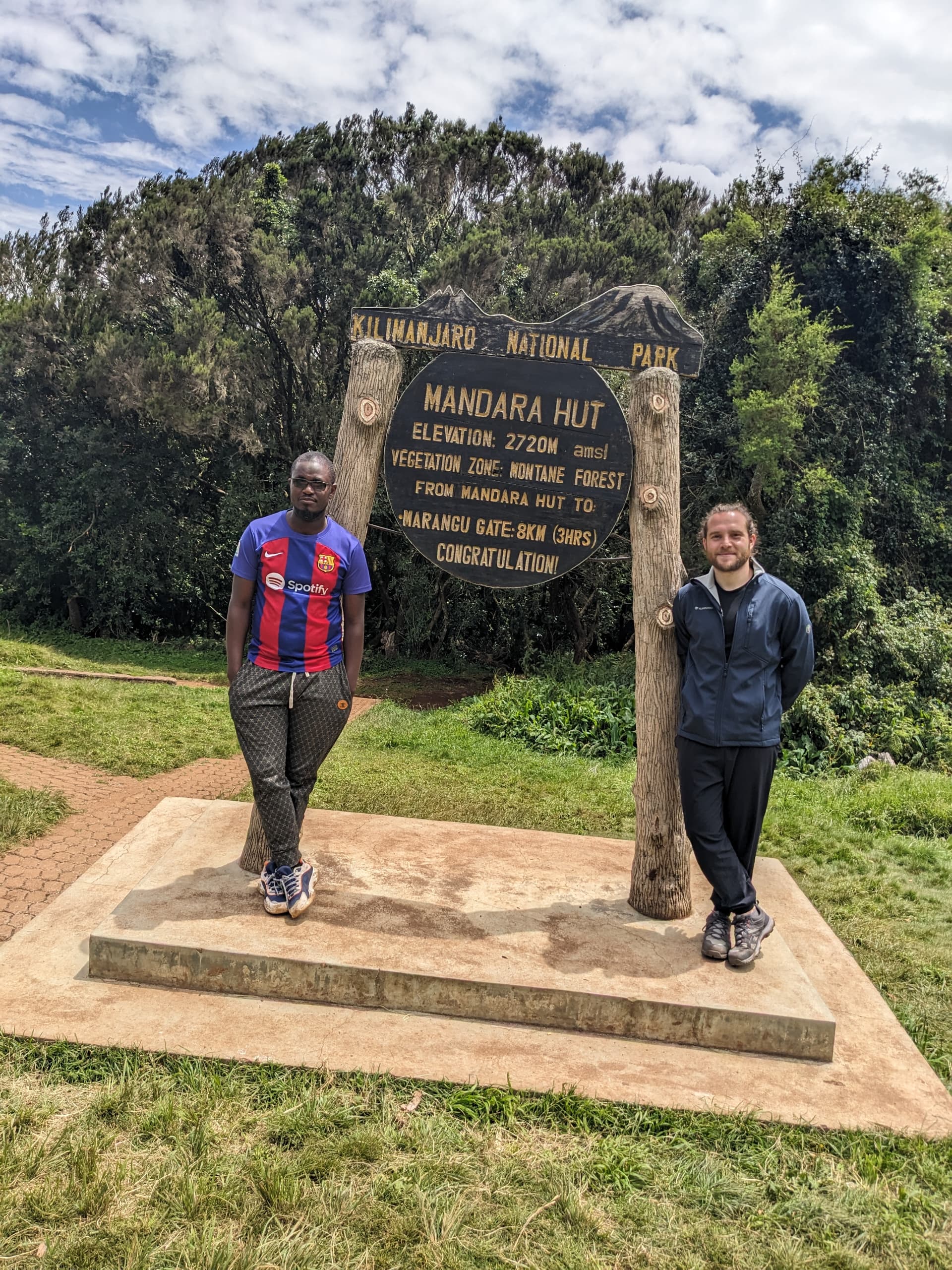
The Marangu Route is sometimes called the “Coca-Cola Route” and is known for its hut accommodations instead of camping.
Travelers can explore this route through the 6 Day Marangu Route Kilimanjaro Climb.
Lemosho Route
The Lemosho Route is considered one of the most beautiful and successful routes for reaching the summit. It begins on the western side of the mountain and offers excellent acclimatization.
Trekkers often choose 7 Day Lemosho Route Kilimanjaro Climb or 8 Day Lemosho Route Kilimanjaro Climb.
Rongai Route
The Rongai Route approaches Kilimanjaro from the northern side near the Kenyan border. It is less crowded and offers a quieter trekking experience.
Explore options such as 6 Day Rongai Route Kilimanjaro Climb or 7 Day Rongai Route Kilimanjaro Climb.
Umbwe Route
The Umbwe Route is one of the most challenging routes on Kilimanjaro and is recommended for experienced trekkers seeking a steep and adventurous climb.
Travelers interested in this route can explore 6 Day Umbwe Route Kilimanjaro Climb.
More comparisons between routes can be found in Kilimanjaro Routes Guide and Machame vs Lemosho vs Marangu Route.
Landscapes on the Kilimanjaro Trek
One of the most fascinating aspects of climbing Kilimanjaro is the dramatic change in landscapes as you ascend the mountain.
Rainforest zone
The journey begins in lush rainforest filled with giant trees, monkeys, and colorful birdlife.
Moorland zone
Higher elevations reveal open moorlands with unique plants such as giant lobelias and groundsels.
Alpine desert
The landscape becomes rocky and barren as trekkers approach the summit zone.
Arctic summit
Near the summit, temperatures drop dramatically and glaciers appear around the iconic Uhuru Peak.
These landscapes make Kilimanjaro one of the most visually diverse trekking destinations in the world.
Preparing for a Kilimanjaro Climb
Proper preparation is essential for a successful Kilimanjaro climb. Trekkers should focus on physical training, gear preparation, and altitude awareness.
Travelers preparing for their climb can learn more in How to Prepare for a Kilimanjaro Trek.
Fitness training
Cardio endurance, hiking practice, and leg strength exercises help prepare trekkers for the long days of trekking.
Acclimatization
Choosing routes with longer itineraries improves acclimatization and increases summit success rates.
Packing essential gear
Proper clothing, hiking boots, sleeping bags, and cold-weather gear are necessary for high-altitude conditions.
Travelers can review recommended gear in the Kilimanjaro Packing List and Kilimanjaro Packing Checklist.
Best Time to Climb Kilimanjaro
Mount Kilimanjaro can be climbed year-round, but some months offer better weather conditions.
The most popular climbing seasons are from January to March and June to October, when weather conditions are generally clearer and drier.
Travelers planning their climb can explore seasonal insights in Best Time to Climb Kilimanjaro and Kilimanjaro Weather by Month.
Combine Kilimanjaro with a Safari
Many travelers combine their Kilimanjaro climb with a wildlife safari to experience the best of Tanzania.
After reaching the summit, visitors often explore national parks such as Serengeti, Ngorongoro, and Tarangire through Northern Tanzania Safaris.
Some travelers also combine the adventure with a relaxing island escape in Zanzibar Holiday Packages.
Start Your Kilimanjaro Adventure
Climbing Mount Kilimanjaro is an unforgettable journey that challenges the body, inspires the mind, and rewards adventurers with breathtaking views from Africa’s highest summit.
Whether you are an experienced trekker or an adventurous traveler seeking a once-in-a-lifetime achievement, the Kilimanjaro climbing experience offers one of the greatest adventures on Earth.
Explore available climbs through Kilimanjaro Trekking Tours, browse travel ideas in Experiences, or design your adventure through Tailor Made Safari.
Tours Featuring Kilimanjaro Climbing Experience