All Tanzania Wildlife Safaris
10-Day Wildebeest Migration Safari - Tarangire, Manyara, Ndutu, Serengeti & Ngorongoro
9-Day Grand Tanzania Photographic Safari - Tarangire, Serengeti, Ngorongoro & Ruaha
9-Day Rwanda Gorilla Trekking and Tanzania Safari - Serengeti and Ngorongoro Crater
Tanzania's Wildlife: What Makes It Different
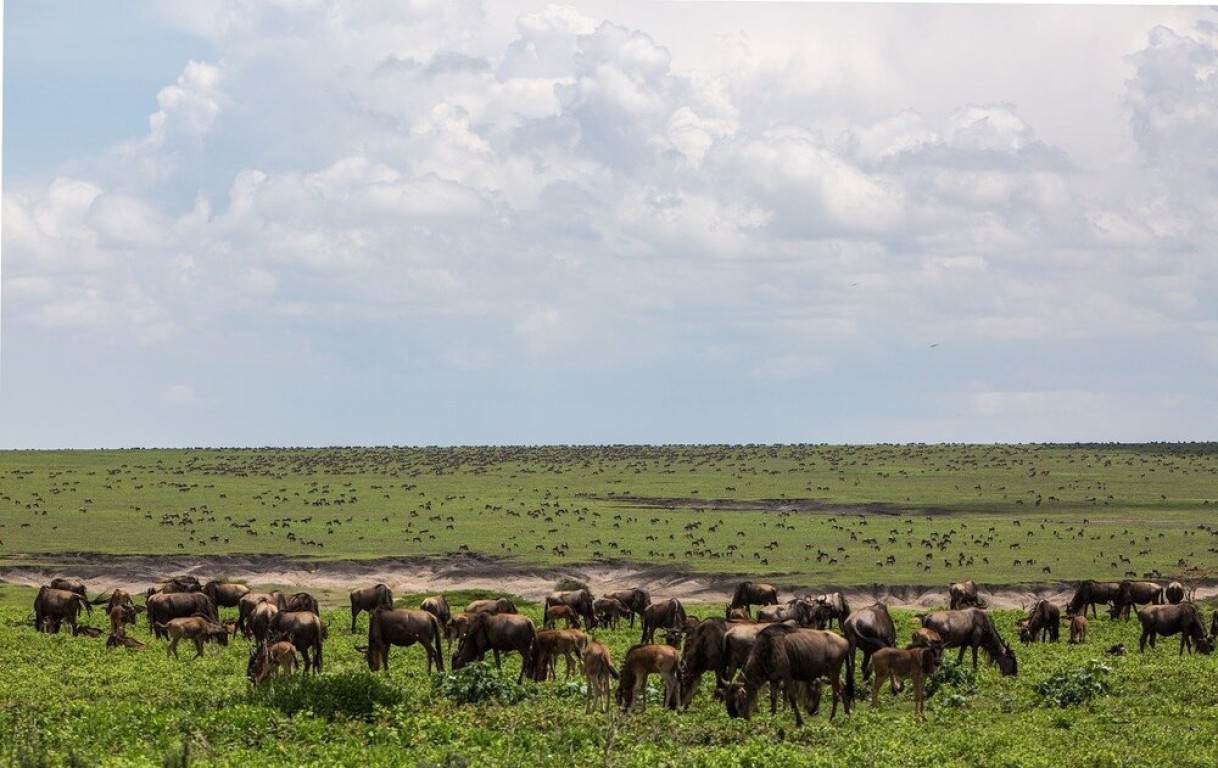
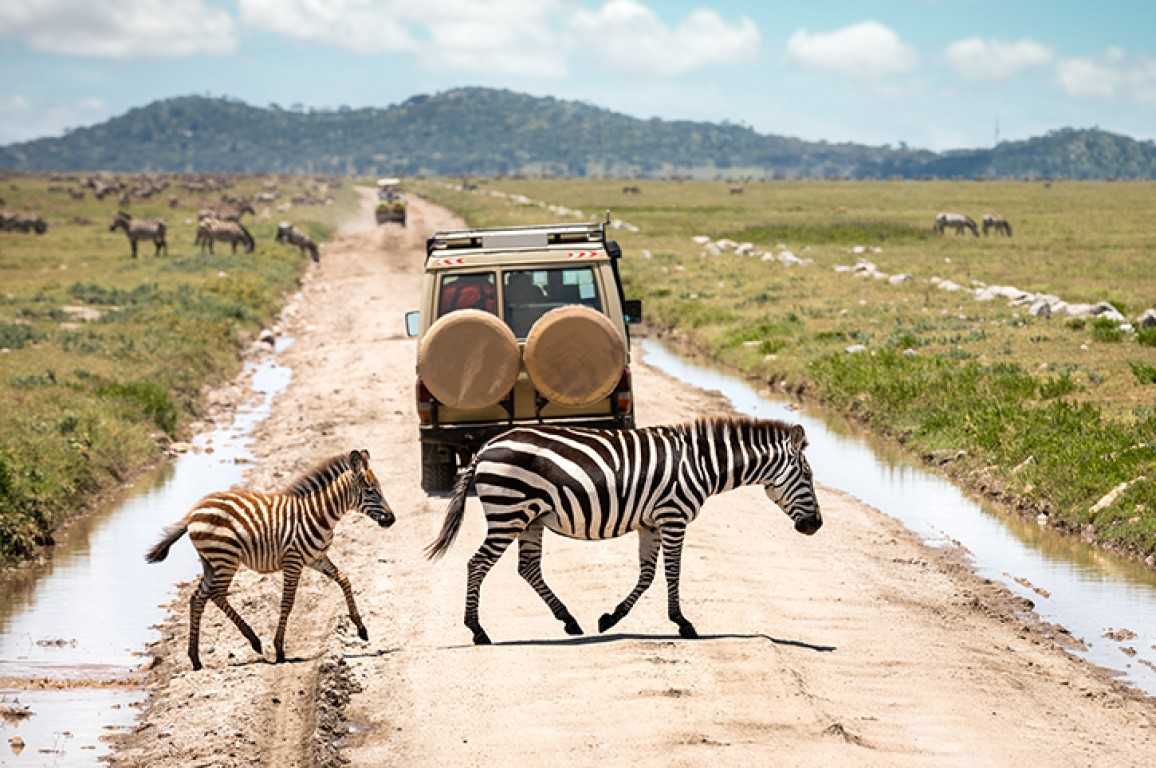
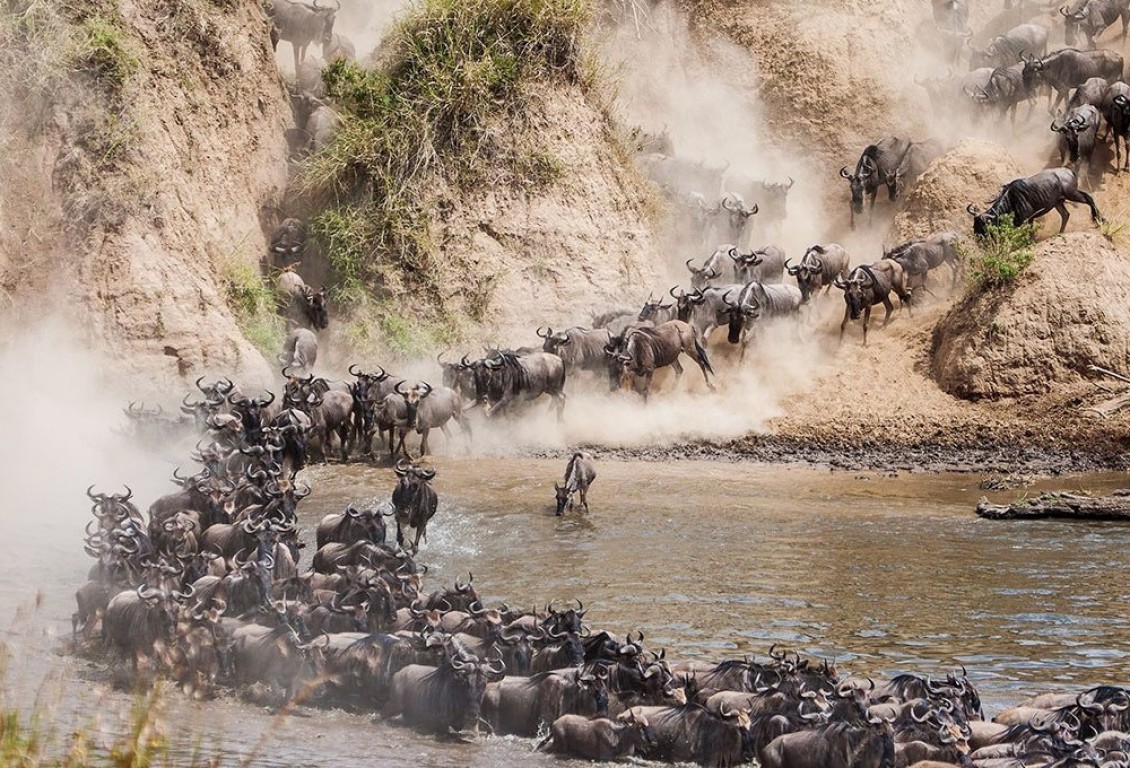
Tanzania is the only country in Africa where the full breadth of the continent's iconic wildlife exists in significant, stable, protected populations. The Big Five are present in multiple parks. The Great Migration — the largest overland animal movement on Earth — takes place entirely within Tanzanian borders before crossing into Kenya. African wild dog, one of the most endangered large predators in the world, has viable populations in both Nyerere and Ruaha. Chimpanzee trekking is available in two separate western Tanzania parks. And over 1,100 bird species have been recorded in the country — more than in Europe and North America combined.
No other single country offers this range. And unlike some destinations where wildlife viewing requires considerable luck and expert tracking, Tanzania's wildlife density means that Big Five sightings on a well-designed Northern Circuit safari are reliable rather than exceptional.
Tanzania's Big Five: Where to Find Each
Lion — most reliably in the Serengeti
The Serengeti holds the world's highest lion population density. Lion sightings on a Serengeti game drive are reliable — the Seronera Valley lion prides, the kopje-dwelling prides of the central plains and the river woodland prides are monitored daily by camp guides and their radio networks. The Ngorongoro Crater also has resident prides at high density in the enclosed caldera. Ruaha National Park in the south has some of Africa's largest pride groupings — groups of 20 to 30 lions have been documented.
Leopard — Seronera Valley, Tarangire and Ruaha
Leopard are present throughout Tanzania's major parks but are most reliably viewed in the Seronera Valley of the central Serengeti, where the riverine fever tree and acacia forest supports a dense population of habituated, individually known animals. The Seronera leopard are among the most viewable in East Africa — guided by camp staff who track them daily. Tarangire has good leopard density in the riverine woodland, and Ruaha's rocky hills and river gorges support a significant population.
Elephant — Tarangire and Nyerere
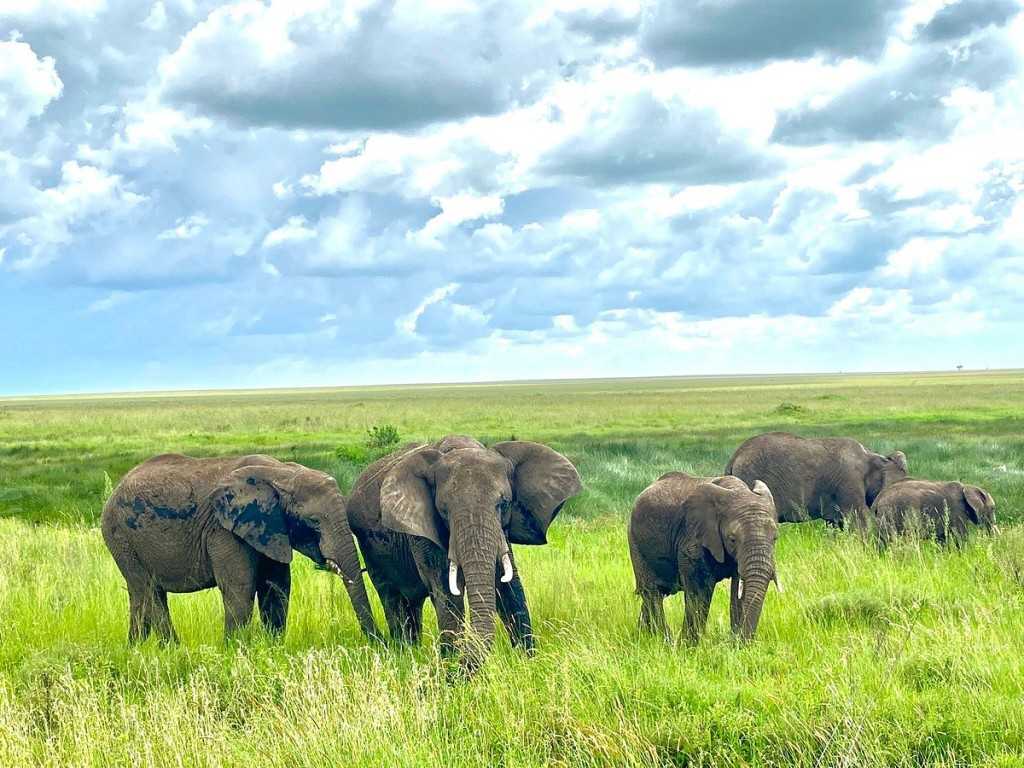
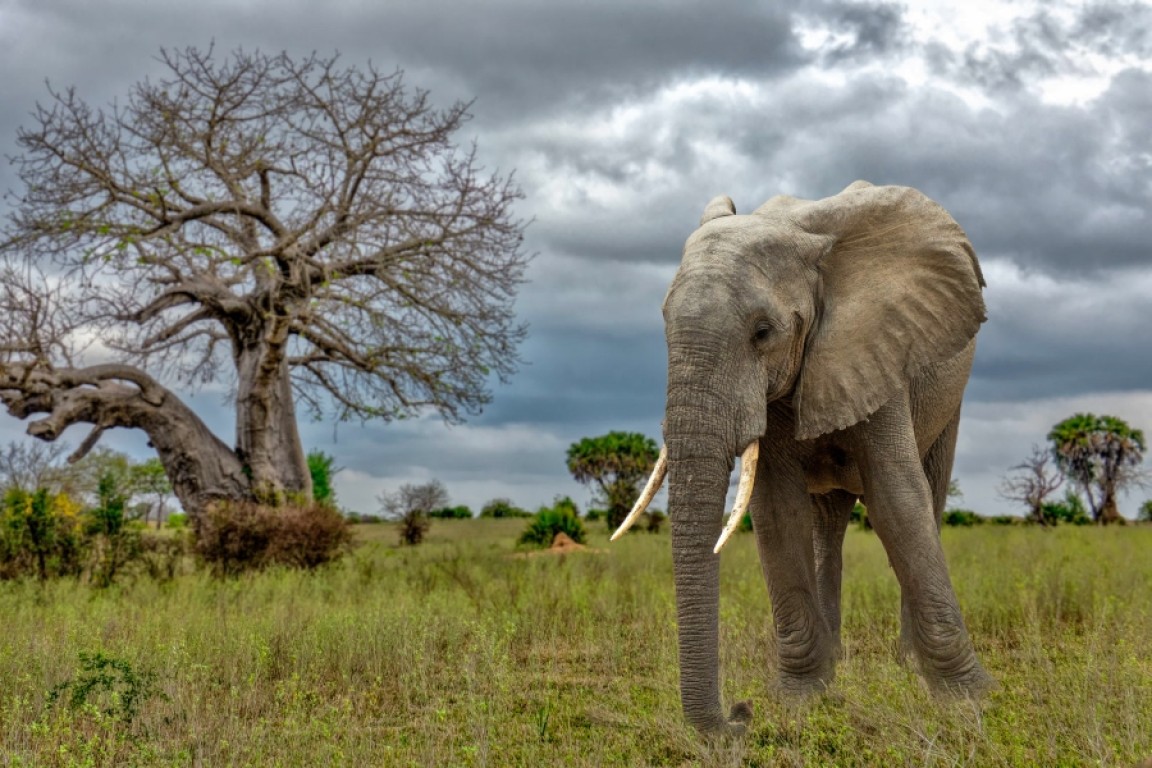
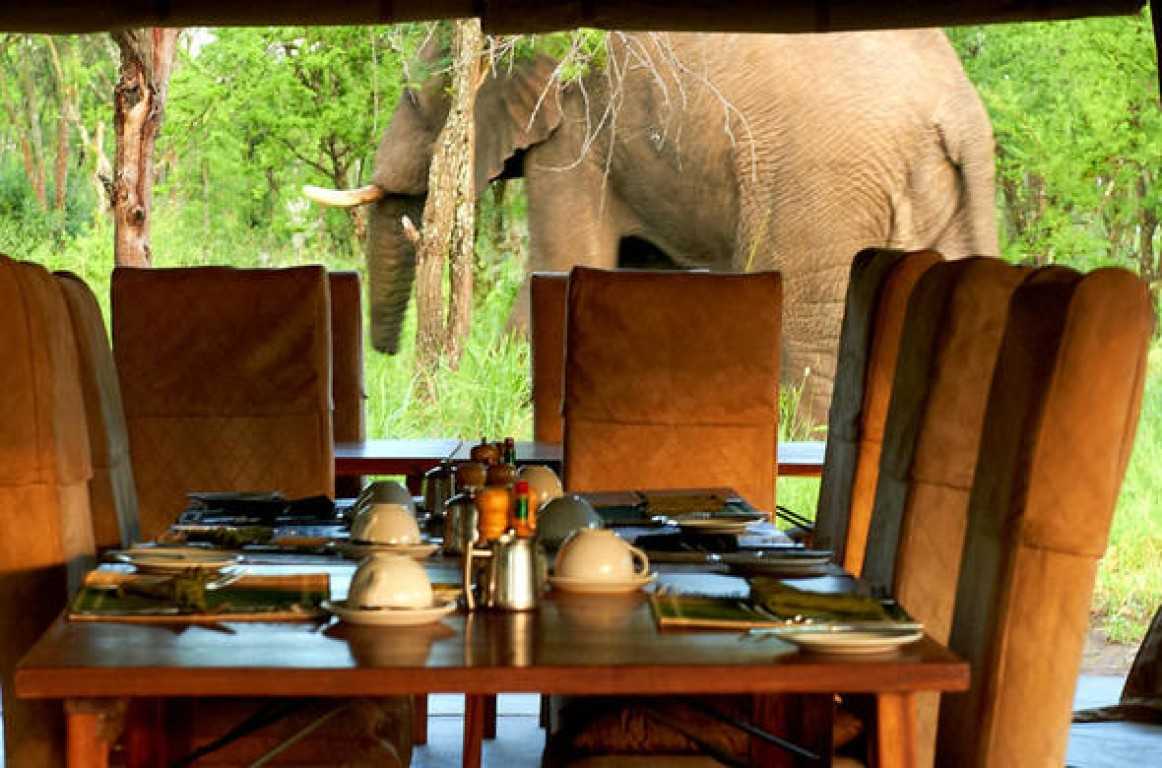
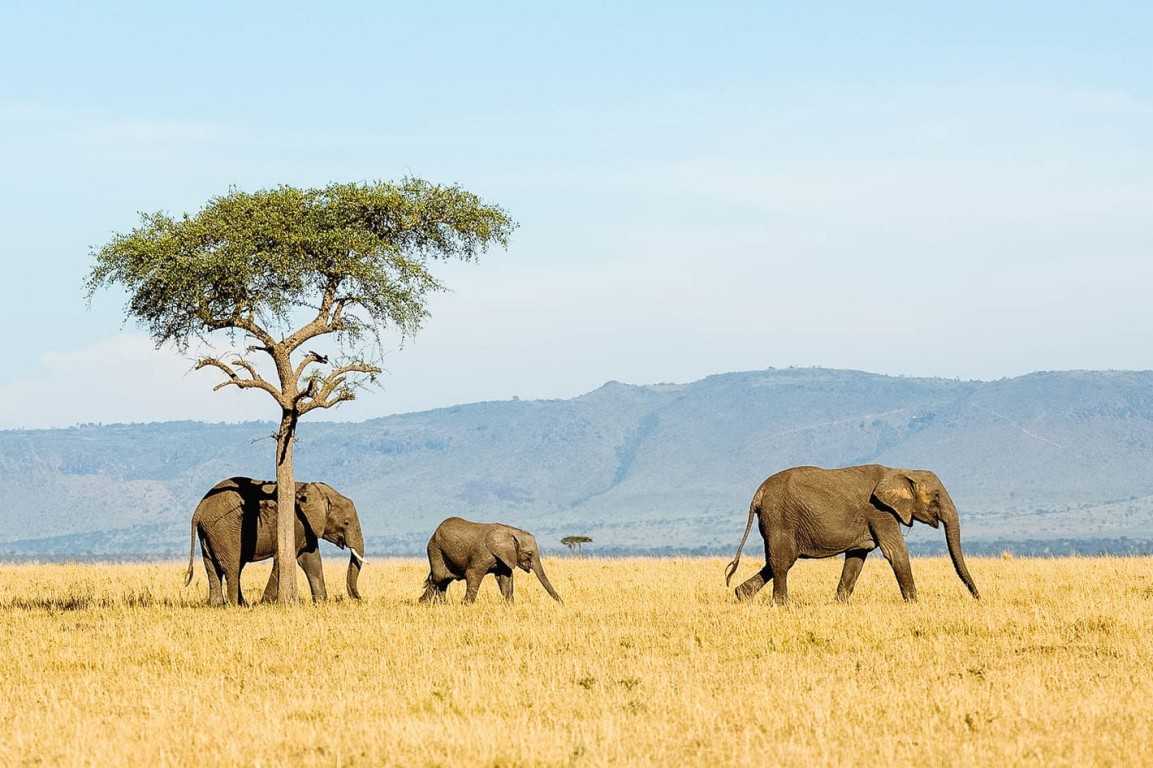
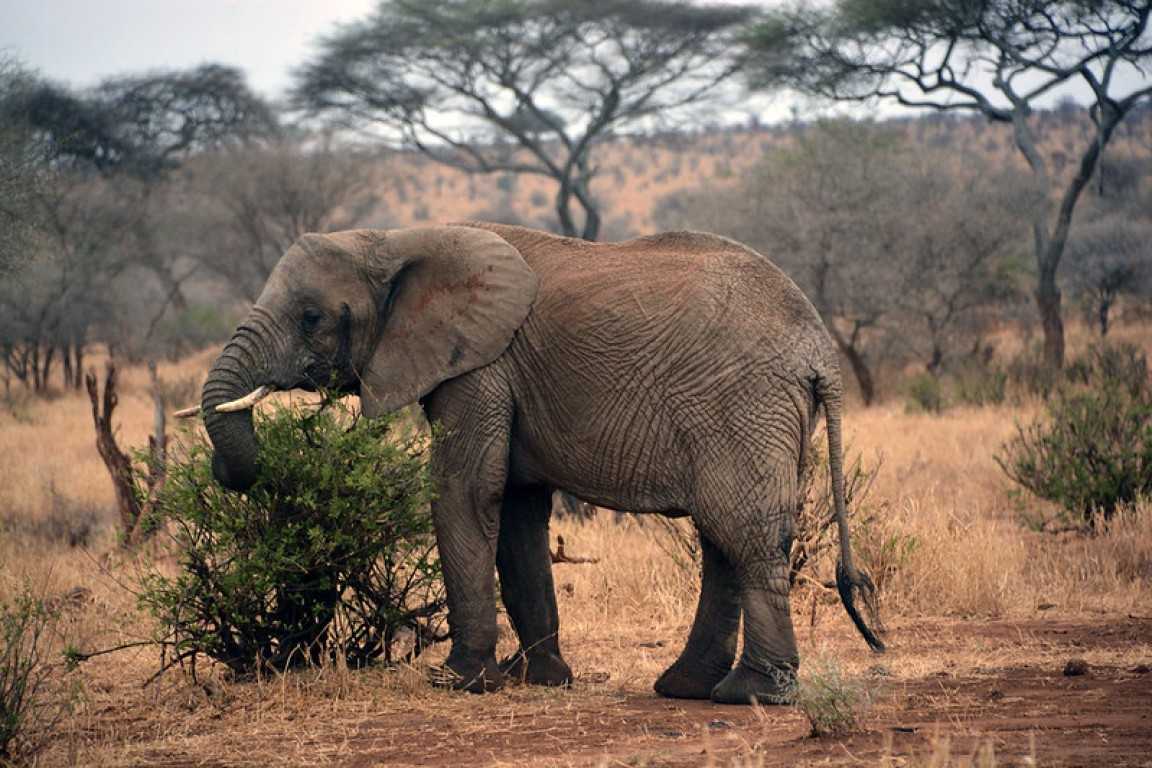
Tarangire National Park holds the largest elephant herds in northern Tanzania — groups of 30 to 100 animals are regular in the dry season. Nyerere National Park (formerly Selous) holds Africa's single largest elephant population — estimated at 50,000 or more, moving through a protected area larger than Switzerland. Both parks are essential for elephant-focused wildlife safaris.
Buffalo — Ngorongoro Crater and Nyerere
Massive buffalo herds in the Ngorongoro Crater and in the Nyerere floodplains are a reliable feature of safaris in both parks. The Ngorongoro Crater buffalo often number in the hundreds in a single herd — the largest aggregations in the Northern Circuit.
Black Rhinoceros — Ngorongoro Crater
Tanzania's most reliably viewable black rhinoceros population lives on the Ngorongoro Crater floor — 20 to 30 individuals in an enclosed 260 sq km environment. The crater rhino are the best-known population in the country and the most consistently sighted. Elsewhere in Tanzania (Serengeti, Tarangire) rhino are present in very small numbers with low sighting probability. For rhino, the Ngorongoro Crater game drive is the park to prioritise.
Beyond the Big Five: Tanzania's Most Sought-After Species
African Wild Dog
One of Africa's rarest large predators, with a continental population under 7,000. Tanzania's most reliable wild dog viewing is in Nyerere and Ruaha in the south, where packs of 6 to 20 animals are tracked regularly during the June to October dry season. Wild dog denning (June to August) concentrates the packs and dramatically improves sighting probability. Wild dog in the northern parks (Serengeti, Tarangire) exist in small numbers with lower reliability.
Cheetah
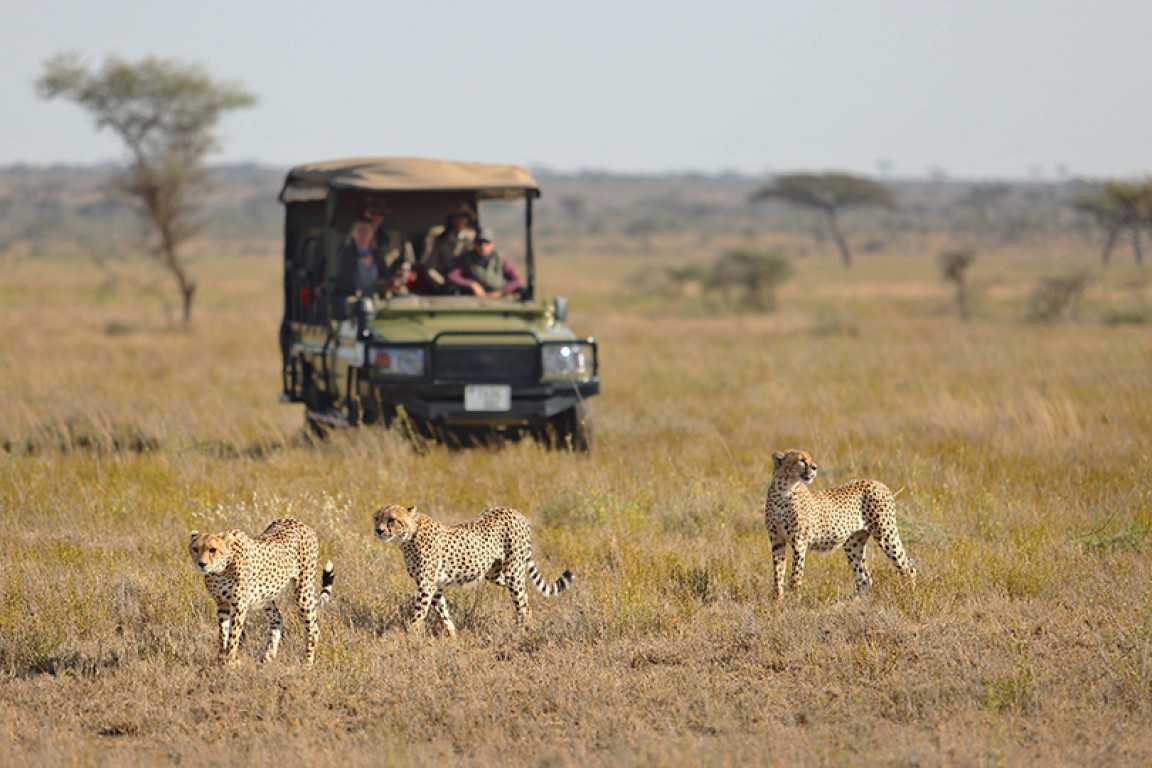
The Serengeti's open grassland plains are Africa's finest cheetah country. The short grass of the southern and central Serengeti provides both the visibility and the prey base that cheetah require. Cheetah are solitary or found in male coalitions; the guides knowledge of individual animals in the Seronera area makes sightings significantly more reliable than in parks where animals are untracked.
Chimpanzee
Tanzania's western parks — Mahale Mountains and Gombe Stream (the site of Jane Goodall's original chimpanzee research) on the shores of Lake Tanganyika — are the only places in Tanzania to see chimpanzee in the wild. Both require charter aircraft access from Arusha (2 hrs) or Kigoma. The trekking experience — following habituated chimp groups through mountain forest — is unlike any other Tanzania safari activity. See our chimpanzee trekking tours pages for specific packages.
Flamingo
The alkaline lakes of northern Tanzania — particularly Lake Natron (the world's largest flamingo breeding site) and Lake Manyara — can hold hundreds of thousands of lesser flamingo in the right season. Lake Natron's flamingo concentration (best viewed from September to December) is one of the most dramatic bird spectacles in Africa.
Frequently Asked Questions
What animals will I definitely see on a Tanzania wildlife safari?
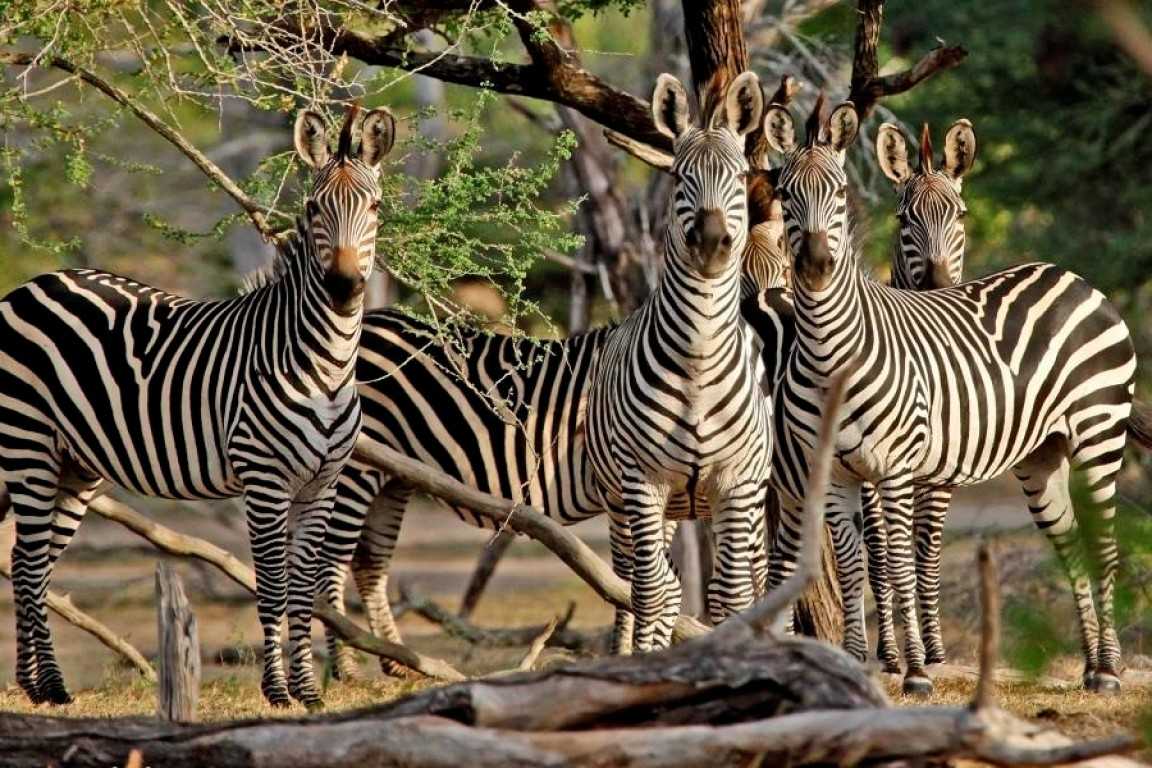
On a 5-day Northern Circuit safari in good season, the following are highly likely: elephant, giraffe, zebra, wildebeest, hippo, Nile crocodile, buffalo, impala, Thomson's and Grant's gazelle, vervet monkey, baboon, ostrich and a wide range of raptors and other birds. Lion is reliably seen in both Serengeti and Ngorongoro. Cheetah on the Serengeti plains. The Big Five (adding leopard and black rhino) on a well-guided circuit are very likely, though leopard and rhino require patience. Wild dog on the Northern Circuit requires luck; on the Southern Circuit with Nyerere or Ruaha, probability is high in the dry season.
When is the best time to see the most wildlife in Tanzania?
June to October (dry season) produces the highest concentration of wildlife at water sources and the most reliable predator sightings on the Northern Circuit. January to March produces the most intense wildlife drama in the southern Serengeti during calving. Both windows are exceptional for different reasons. There is no bad season in Tanzania — there are better and less-good windows for specific species and specific experiences.
Is Tanzania better for wildlife than Kenya?
Tanzania and Kenya share the same ecosystem (the Serengeti–Mara) and in many ways the same wildlife. Tanzania has significantly more protected land (more than double Kenya's total protected area), lower tourist density in most parks (far fewer vehicles per sq km in the Serengeti than in the Masai Mara), and wildlife species not found in Kenya (wild dog are more reliably seen in Nyerere and Ruaha). For a first East Africa safari, Tanzania is the stronger single-country choice. Combining both countries gives access to both ecosystems.
Not sure which Tanzania Wildlife Safaris is right for you?
Our team designs custom itineraries — no fee, no obligation.Explore Other Safari Types
Kilimanjaro Trekking Tours
View Tours
Tanzania Lodge Safaris
View Tours
Tanzania Honeymoon Safaris
View Tours
Tanzania Camping Safaris
View Tours
Serengeti Migration Safaris
View Tours