Quick facts
Wildlife
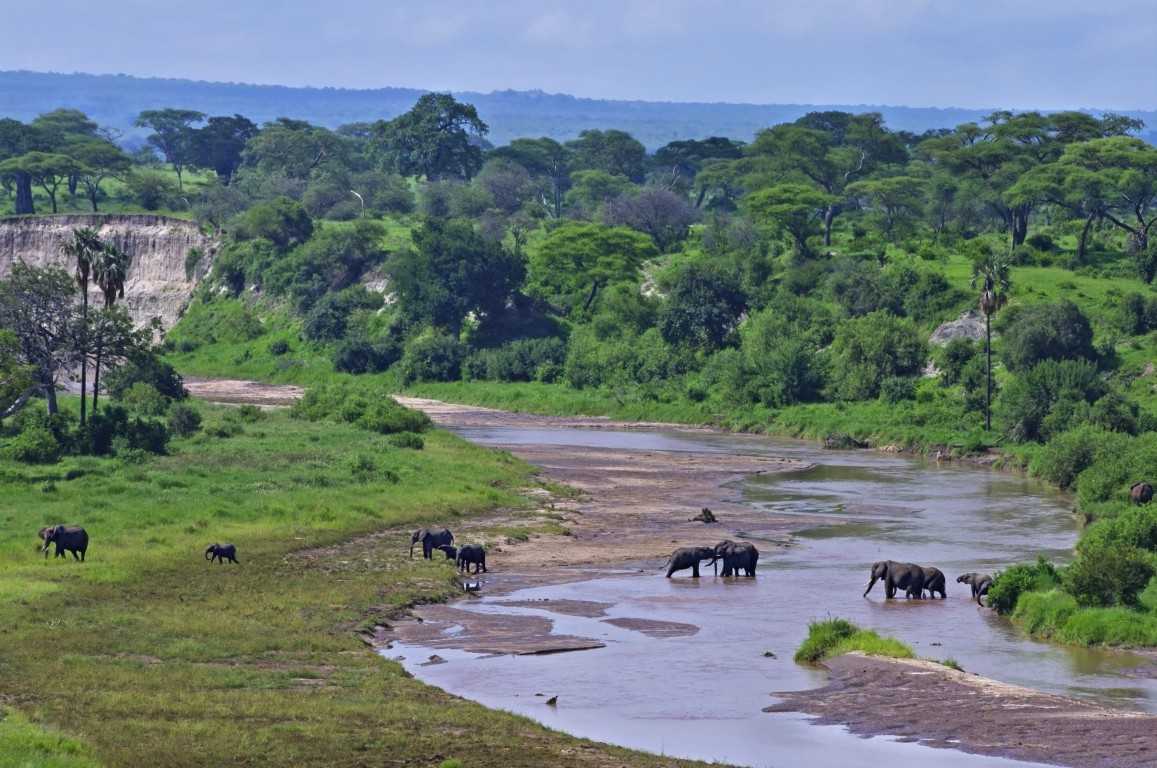
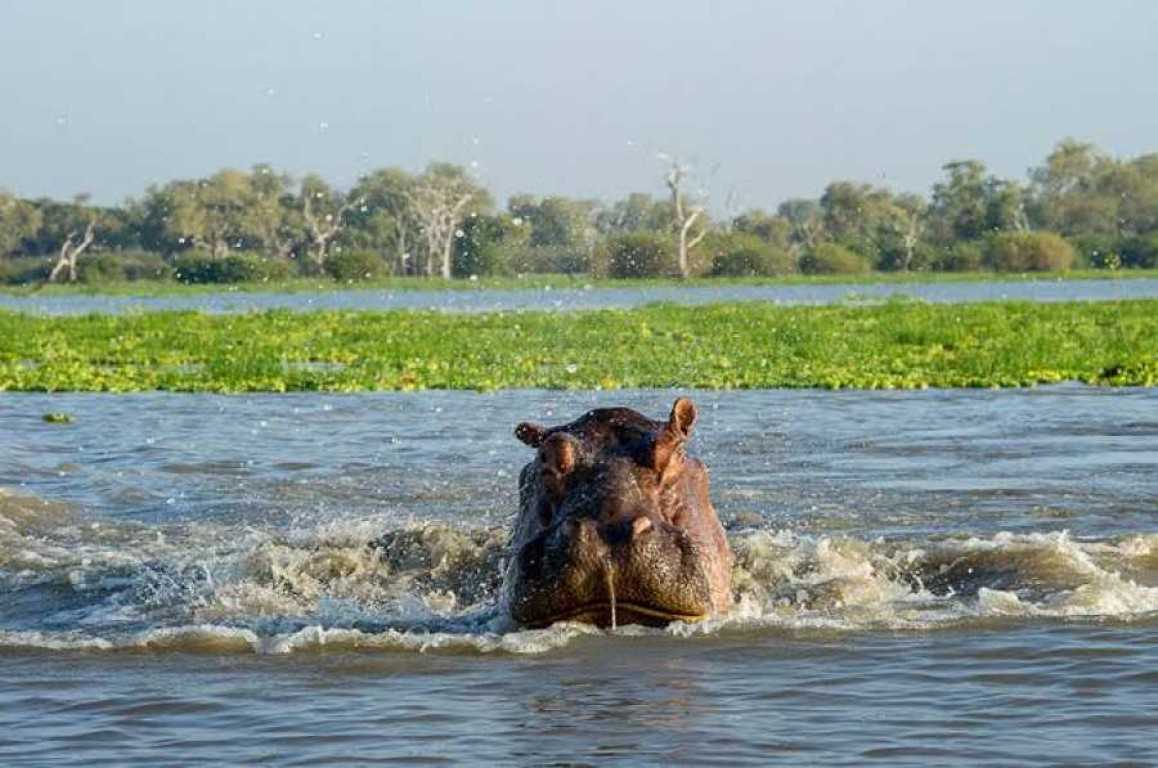
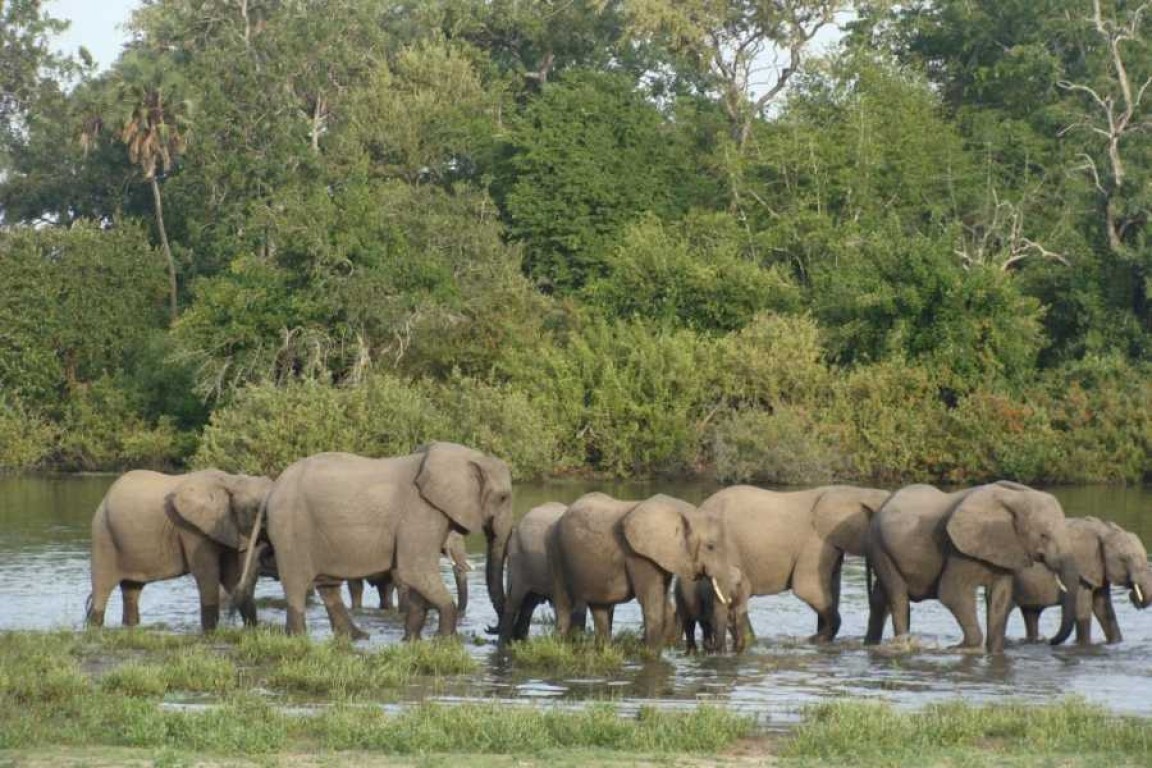
BurigiChato holds significant elephant, buffalo, lion, leopard, topi, reedbuck and Uganda kob populations. The park's wetlands and seasonal floodplains are among the best sites in East Africa for the rare shoebill stork — a prehistoric-looking waterbird with a massive shoe-shaped bill that is a target species for birders from around the world. Over 350 bird species recorded, including black crowned crane, saddle-billed stork and African fish eagle. Hippo and Nile crocodile are present in the lake and river margins.
Top activities
Game drives across the Ikorongo and Grumeti-adjacent savanna grasslands. Shoebill stork boat safaris in the Buhoro and Ikorongo swamp systems — one of the most reliable shoebill viewing experiences in East Africa. Walking safaris with armed rangers in designated areas. Birdwatching in the wetland and grassland transition zones. Photography of the vast, completely uncrowded savanna landscapes. Community visits to villages adjacent to the park boundary. Fishing on Lake Burigi in the northeastern section.
About BurigiChato National Park
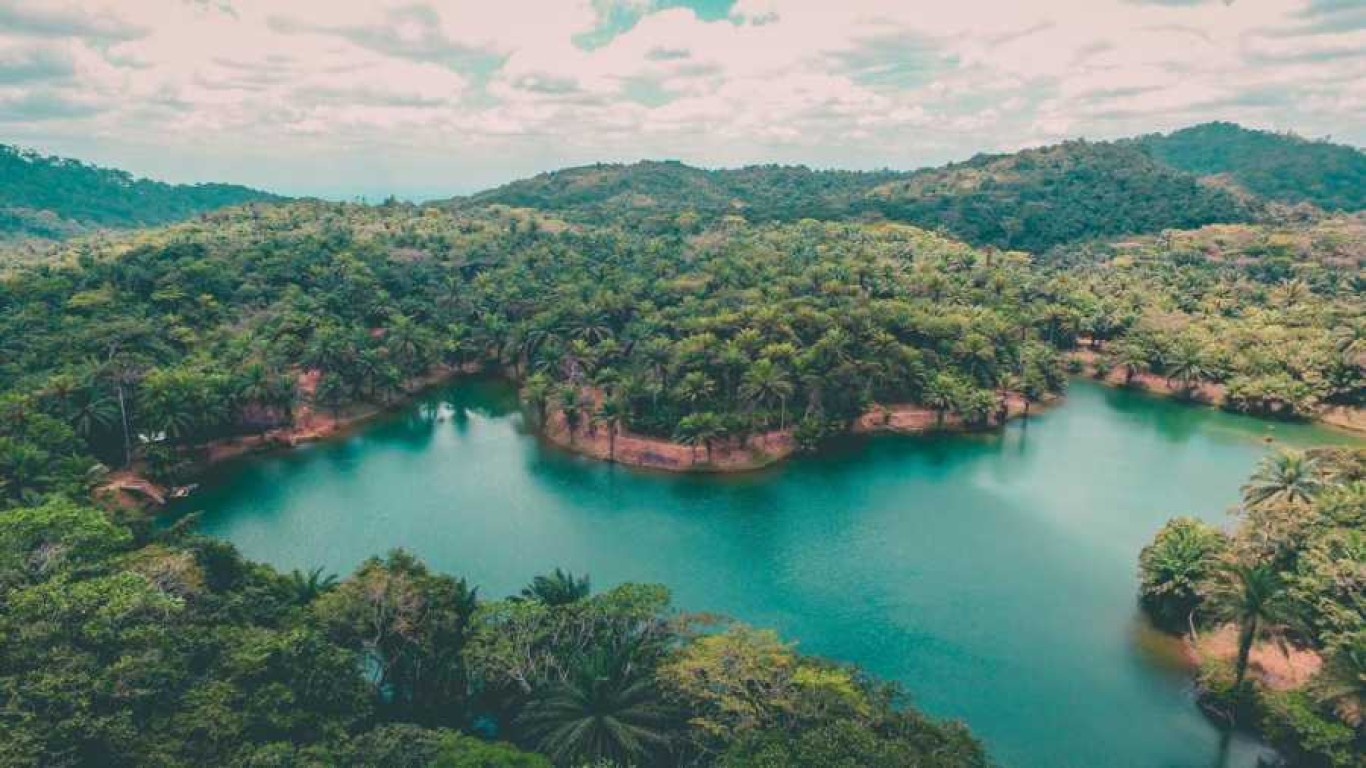
Tanzania has parks that the world knows — Serengeti, Ngorongoro, Kilimanjaro — and parks that the world has barely discovered. BurigiChato National Park sits firmly in the second category. Tanzania’s third-largest national park by area, covering over 2,200 square kilometres of Lake Victoria basin savanna and wetland in the Kagera and Geita regions of northwestern Tanzania, it receives fewer annual visitors than the Serengeti receives in a busy afternoon. For travellers seeking an authentic off-grid safari, that anonymity is the point.
The park was originally gazetted as a game reserve in the 1970s and upgraded to national park status in 2019, the same year as Nyerere. Its landscapes are a mosaic of open savanna grassland, miombo woodland, seasonal floodplains and permanent wetland channels fed by the rivers that drain into the Lake Victoria basin. It is this wetland component that gives BurigiChato its most compelling wildlife distinction: one of the most reliable sites in East Africa for the shoebill stork.
Where is BurigiChato?
The park occupies the Kagera and Geita regions of northwestern Tanzania, south of the Kagera River and north of Lake Victoria. The nearest town with accommodation is Biharamulo. Access is a 5–6 hour drive from Mwanza or by light aircraft from Mwanza to the park’s airstrip.
The shoebill stork
The shoebill (Balaeniceps rex) is one of Africa’s most sought-after birds. Named for its massive, shoe-shaped bill — which it uses to ambush lungfish and other large prey in shallow water — the shoebill is prehistoric in appearance, solitary in temperament and restricted to specific papyrus swamp and floodplain habitats in central Africa. The global population is estimated at only 5,000–8,000 individuals.
BurigiChato’s Buhoro floodplain and Ikorongo swamp system are among the most reliable shoebill sites in East Africa. In the dry season and early wet season transition, birds concentrate in accessible waterways and can be approached by boat to within viewing distance. A shoebill sighting — standing motionless in the shallows, turning its prehistoric head slowly to regard you with one yellow eye — is a top-tier birding moment anywhere on the continent.
Mammal wildlife
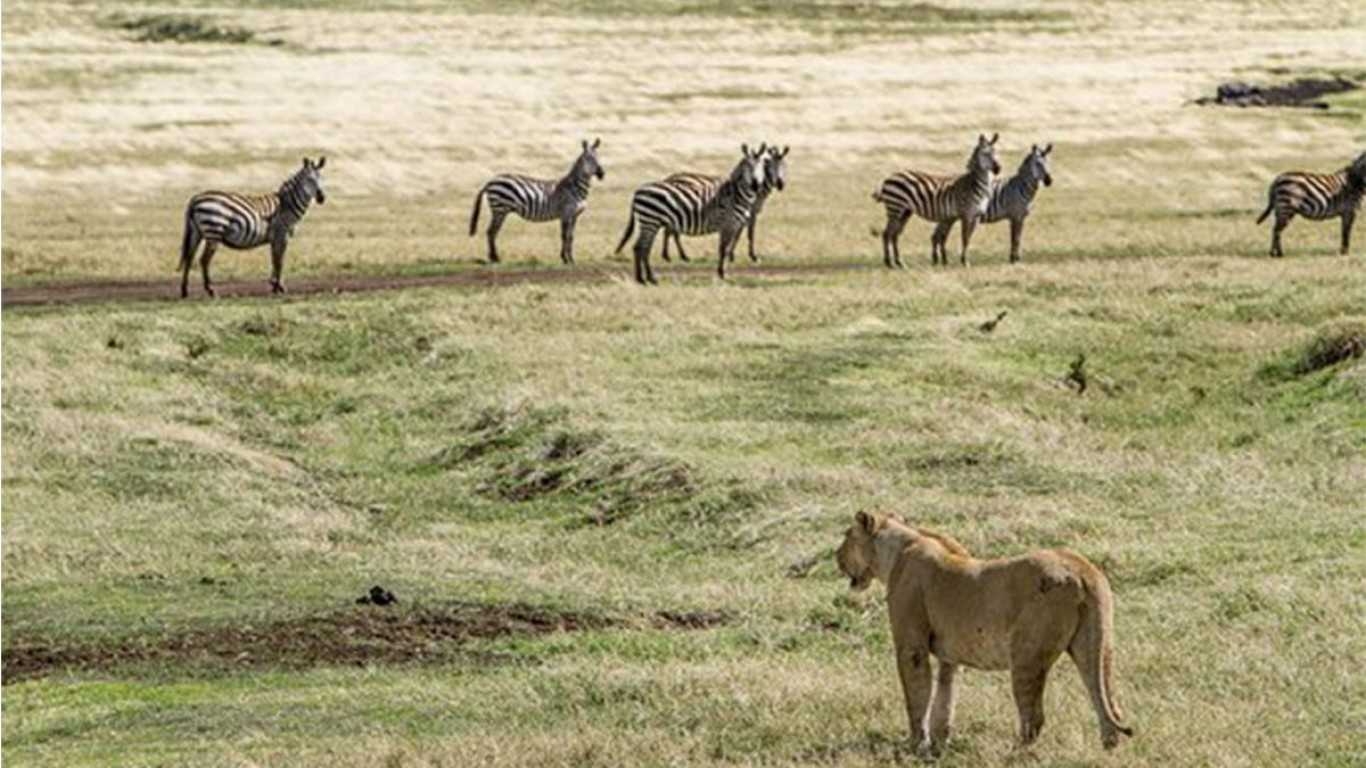
Beyond the birds, BurigiChato holds a substantial mammal fauna. Elephant herds move seasonally across the park; buffalo aggregate on the open grasslands in herds of several hundred. Lion and leopard are both present, though the thick miombo woodland can make sightings harder than in open savanna parks. Topi, reedbuck and Uganda kob graze the seasonal floodplain margins — species absent from Tanzania’s more-visited northern parks.
Combine BurigiChato with…
- Rubondo Island — a Lake Victoria island park combination.
- Mwanza — gateway city for western Tanzania.
- Serengeti Western Corridor — accessible on a northwestern Tanzania loop itinerary.
Frequently asked questions about BurigiChato
Is BurigiChato worth visiting for non-birders?
Yes — the elephant, buffalo and predator populations offer a solid game-viewing experience in a completely crowd-free setting. But the shoebill is the star; birders in particular should put this park high on their list.
How do you get to BurigiChato National Park?
Light aircraft from Mwanza to the park airstrip, or a full-day 4WD road transfer from Mwanza via Biharamulo. No public transport serves the park directly.
Where can I see a shoebill stork in Tanzania?
BurigiChato is Tanzania’s most reliable site. Shoebill have also been recorded in the Speke Gulf wetlands south of Mwanza and in a few other Lake Victoria basin wetlands, but none with the consistency of BurigiChato’s Buhoro floodplain in dry-season conditions.
Want to visit BurigiChato National Park?
Get a free custom safari plan within 24 hours.
BurigiChato National Park safari tours
No fixed packages listed yet — we'll build a custom safari around BurigiChato National Park for you.
Browse All ToursWant to visit BurigiChato National Park?
Get a free custom safari plan within 24 hours.
Best time to visit BurigiChato National Park
June to September — Dry season (best game viewing)
Wildlife concentrates around permanent water sources as the seasonal floodplains dry. Game drives produce the most reliable mammal sightings. The shoebill stork is visible in the wetland margins as water levels drop and the birds congregate in smaller areas. Road conditions are at their best.
November to December — Short rains (shoebill and waterbirds at their finest)
The short rains bring migratory waterbirds to the floodplains. The shoebill stork is highly active in rising water conditions and birding across the wetlands is outstanding. Some game tracks become muddy.
March to May — Long rains (limited access)
Heavy rains make many interior tracks impassable. The park is largely inaccessible during the long rains without specialist 4WD support. Not recommended for standard visitors.
Bottom line: June to September for game viewing; November to December for shoebill stork and waterbirds at their peak.
Where to stay in BurigiChato National Park
We'll recommend accommodation across all budget levels based on your dates and preferences.
Browse All LodgesWant to visit BurigiChato National Park?
Get a free custom safari plan within 24 hours.
Nearby destinations
 Tanzania
 Tanzania
 Tanzania
 Tanzania