Quick facts
Wildlife
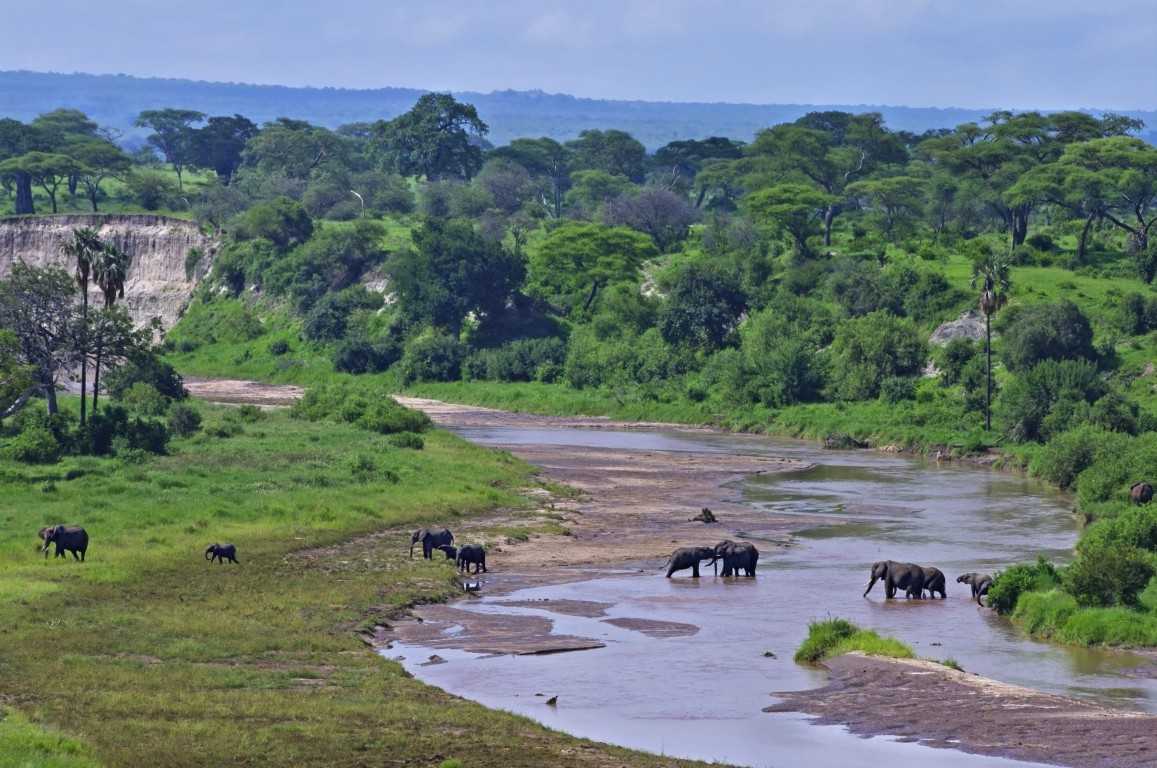
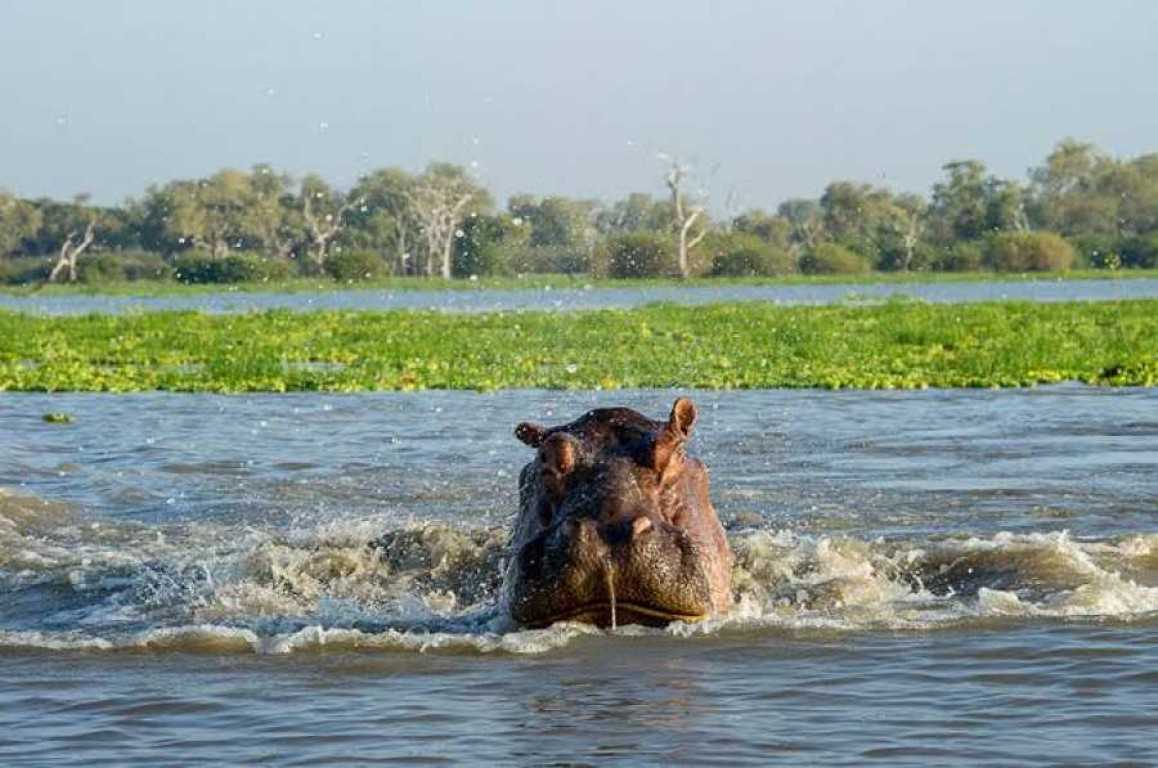
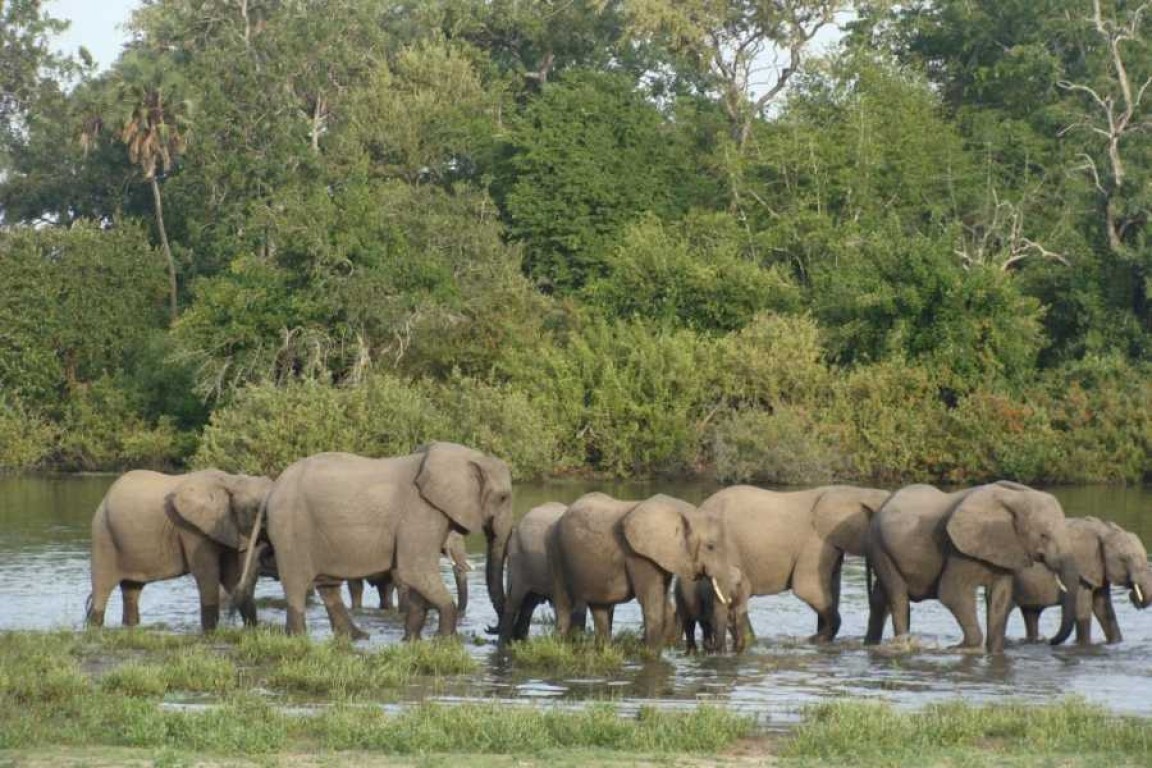
Lake Victoria was once home to hundreds of endemic cichlid species, but the introduction of Nile perch in the 1950s caused one of history's largest vertebrate mass extinctions, eliminating around 200 native cichlid species. The lake still supports hippo, crocodile, African fish eagle, hammerkop, and a range of waterbirds. Rubondo Island National Park within the lake protects chimpanzee, elephant, sitatunga, giraffe and forest birds in an island reserve setting. Otter is present in the quieter bays.
Top activities
Boat trips from Mwanza to Rubondo Island National Park for chimp trekking and forest walks. Rock hyrax watching at the Bismarck Rock formation in Mwanza harbour. Visit to the Sukuma Museum in Bujora — one of Tanzania's best ethnographic museums, documenting the culture of Lake Victoria's largest ethnic group. Nile perch sport fishing from Mwanza or Musoma. Sunset boat cruise on the lake from Mwanza waterfront. Speke Gulf bird watching for shoebill stork.
About Lake Victoria
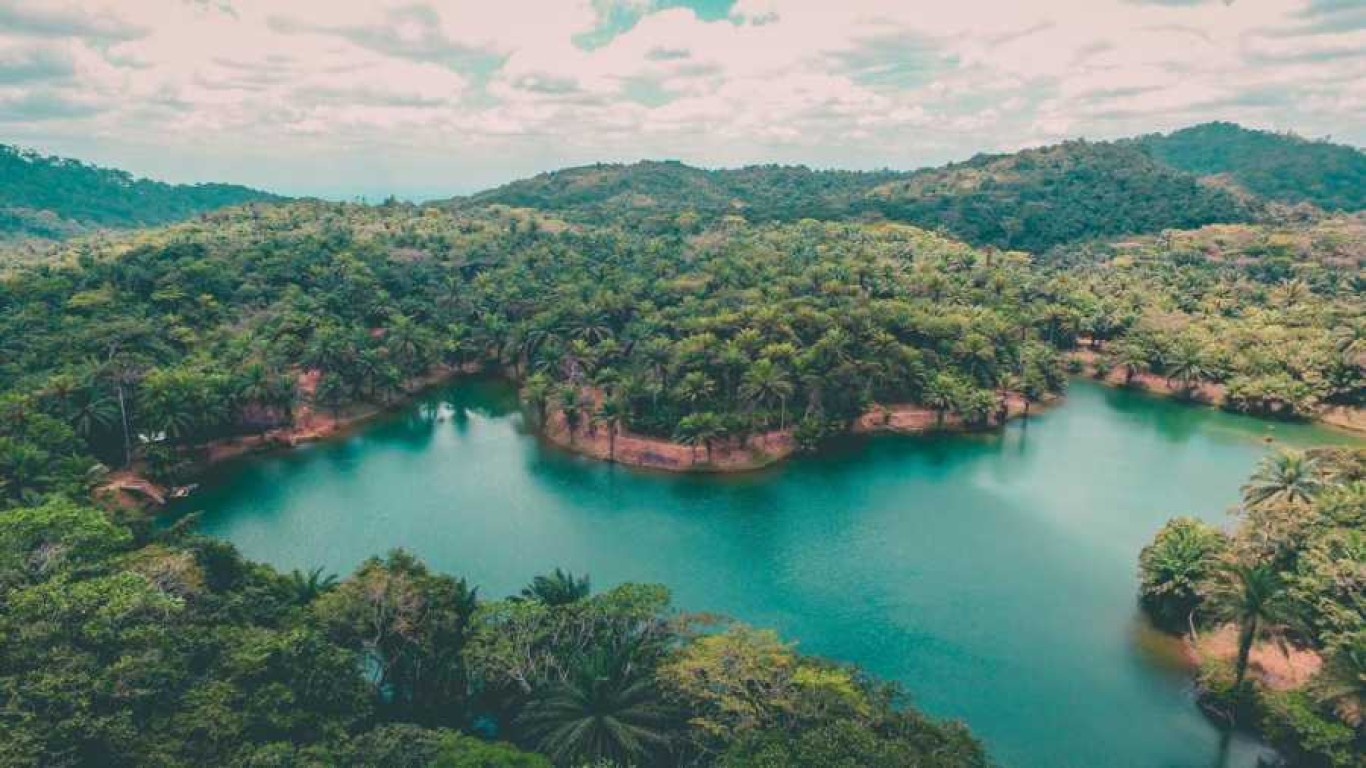
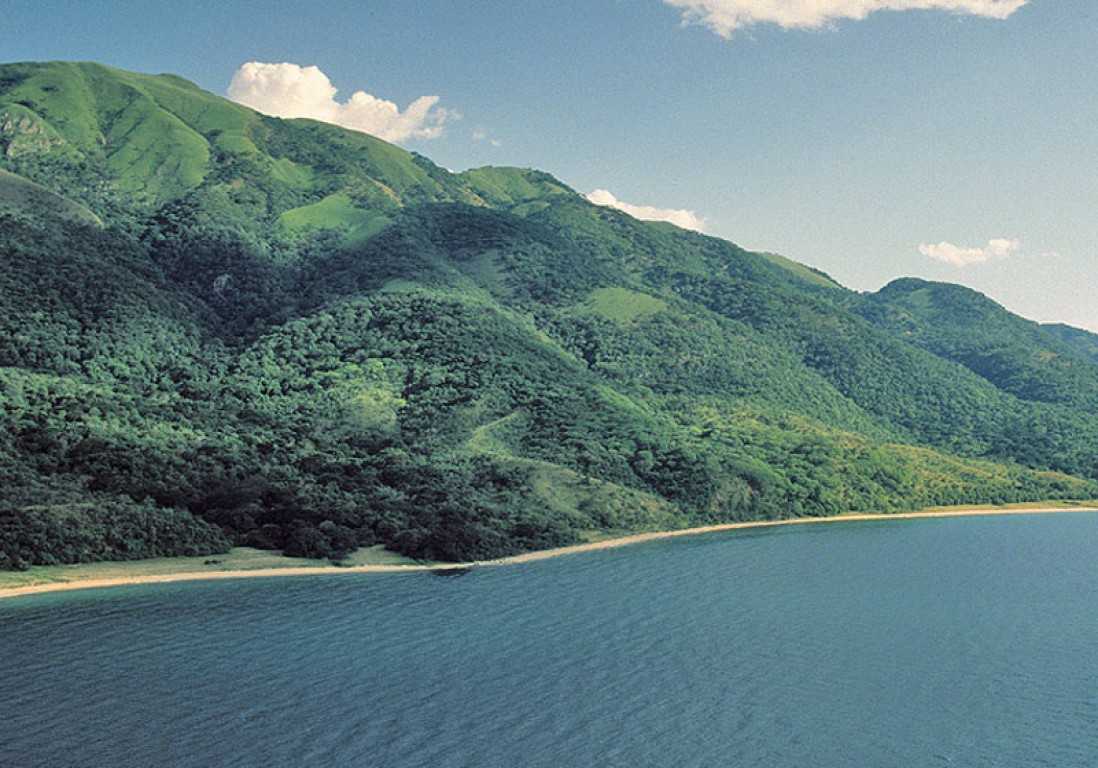
Lake Victoria is Africa’s largest lake and the largest tropical lake in the world, covering 68,800 square kilometres across the territories of Tanzania, Kenya and Uganda. The Tanzanian share of the lake — roughly half the total surface area — is anchored by Mwanza, the country’s second-largest city and its most important inland port.
Lake Victoria is the source of the White Nile — the water that leaves Jinja in Uganda and travels over 6,000 km to the Mediterranean. It sits at 1,135 metres above sea level on the East African plateau, relatively shallow by the standards of Tanganyika (maximum depth just 80 metres), but vast enough to generate its own weather systems and severe squalls that can appear with very little warning.
Where is Lake Victoria?
Tanzania’s shore runs along the lake’s southern and eastern boundaries. Mwanza, on the lake’s southern shore, is 340 km from Arusha by road and served by daily flights from Dar es Salaam and Kilimanjaro International Airport. The ferry crossing from Mwanza to Bukoba on the western shore connects southern and northwestern Tanzania without passing through Kenya.
Mwanza: the Rock City
Mwanza is a working port city defined by extraordinary granite rock formations — huge rounded boulders balanced improbably on each other, emerging from the lake and scattered across the city’s hills. The most famous, Bismarck Rock, rises from the water near the ferry terminal, decorated with cormorants and fish eagles. The city is lively, commercial and a useful transit hub for visiting Rubondo Island National Park and the western Serengeti.
The Nile perch and an ecological tragedy
Lake Victoria was once home to one of the world’s great freshwater fish faunas — an estimated 400+ cichlid species, most endemic to the lake. The introduction of the Nile perch (Lates niloticus) in the 1950s triggered one of history’s largest vertebrate extinction events: the perch predated the native cichlids to the point where around 200 species were effectively eliminated from the open lake within 30 years. The story is the subject of the acclaimed 2004 documentary Darwin’s Nightmare.
Ironically, the Nile perch also created a massive fishing economy — Lake Victoria now produces around 400,000 tonnes of fish annually, providing livelihoods for millions of people around the lake shore. The export of Nile perch fillets to Europe is a major Tanzanian industry. The ecological loss is irreversible, but the economic transformation is profound.
The Sukuma cultural heritage
The Sukuma are Tanzania’s largest ethnic group, inhabiting the southern and western shores of Lake Victoria in the Mwanza and Shinyanga regions. Their culture — centred on cattle, sorghum farming, and elaborate ceremonial traditions including the famous bugobogobo and snake-dancing ceremonies — is documented at the outstanding Sukuma Museum in Bujora village, 20 km from Mwanza. One of Tanzania’s best ethnographic museums, it was established by a Canadian missionary in the 1950s and preserves an extensive collection of ceremonial objects, oral history and living cultural practice.
Combine Lake Victoria with…
- Rubondo Island National Park — the lake’s chimpanzee island sanctuary.
- Mwanza city — the Bismarck Rock, fish market and Sukuma Museum.
- Serengeti — the western corridor of the Serengeti is accessible from Mwanza.
- Saanane Island National Park — Mwanza’s in-city lake island park.
Frequently asked questions about Lake Victoria
Is Lake Victoria safe to swim in?
Bilharzia (schistosomiasis) is present in many areas of Lake Victoria, particularly near slow-moving water and papyrus beds. Swimming is not recommended without local advice on specific safe areas. The risk is significant enough to treat seriously.
What is the source of the Nile?
Lake Victoria is the source of the White Nile — the Nile exits the lake at Jinja, Uganda. The debate about the “true source” is complex (the lake is fed by numerous rivers, the longest of which originates in Burundi), but Jinja is the accepted conventional answer.
Which country has the largest share of Lake Victoria?
Tanzania holds approximately 51% of the lake’s surface area, Kenya 6% and Uganda 43%.
Want to visit Lake Victoria?
Get a free custom safari plan within 24 hours.
Lake Victoria safari tours
No fixed packages listed yet — we'll build a custom safari around Lake Victoria for you.
Plan My Trip Browse All ToursWant to visit Lake Victoria?
Get a free custom safari plan within 24 hours.
Best time to visit Lake Victoria
June to October — Dry season (best for Rubondo Island and general travel)
The dry season is the most practical window for visiting the Lake Victoria region. Roads to Mwanza from Serengeti and Arusha are most reliable, and the boat trip to Rubondo Island is most comfortable. The lake’s frequent afternoon thunderstorms are less intense than in the wet season. Chimp trekking at Rubondo is most productive in the dry season.
December to February — Hot season (fishing peak)
The warmer months are the most active period for Nile perch and tilapia fishing, with the lake’s fishing communities at their busiest. A culturally vivid time to visit Mwanza. The Sukuma Museum and cultural sites are accessible year-round.
March to May — Long rains (difficult travel)
Heavy rains make some roads to Mwanza impassable and the lake crossing to Rubondo can be rough. Not recommended for most visitors. Birding is excellent along the lake shore, but access is the limiting factor.
Bottom line: June to October for visiting Rubondo Island and general lake tourism. December to February for the fishing culture experience.
Where to stay in Lake Victoria
We'll recommend accommodation across all budget levels based on your dates and preferences.
Plan My Trip Browse All LodgesWant to visit Lake Victoria?
Get a free custom safari plan within 24 hours.
Nearby destinations
 Tanzania
 Tanzania
 Tanzania
 Tanzania