Quick facts
Wildlife
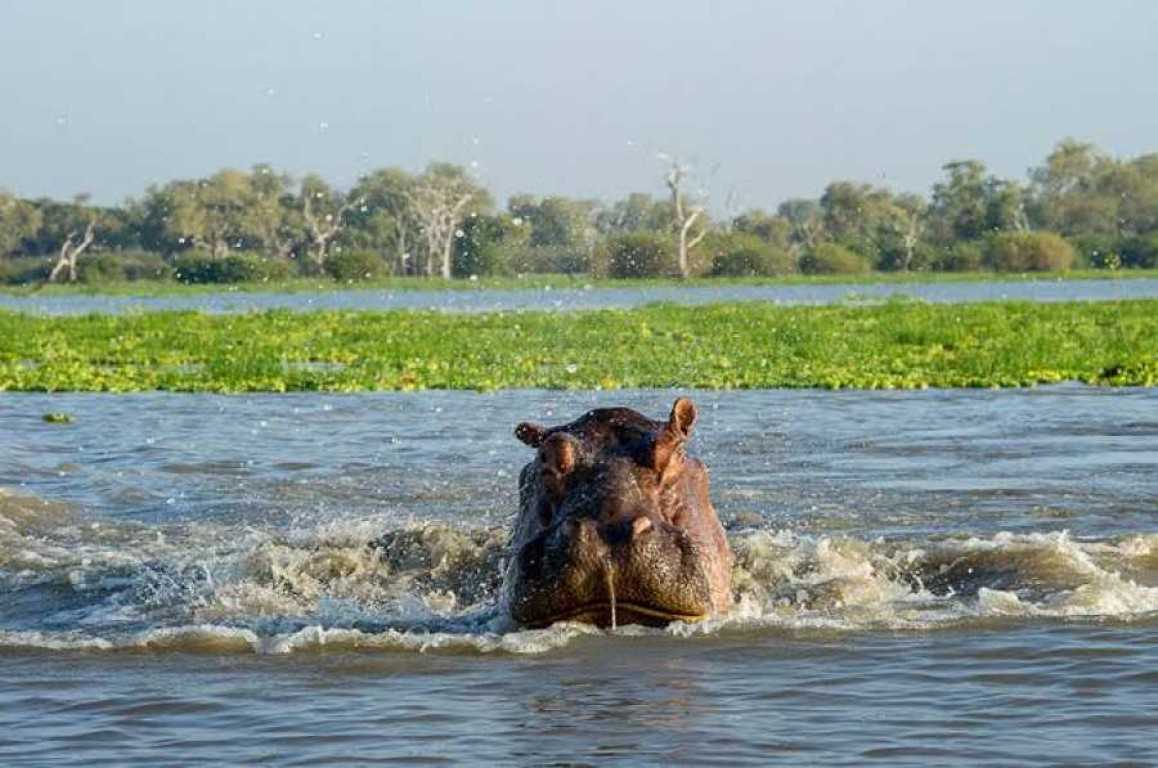
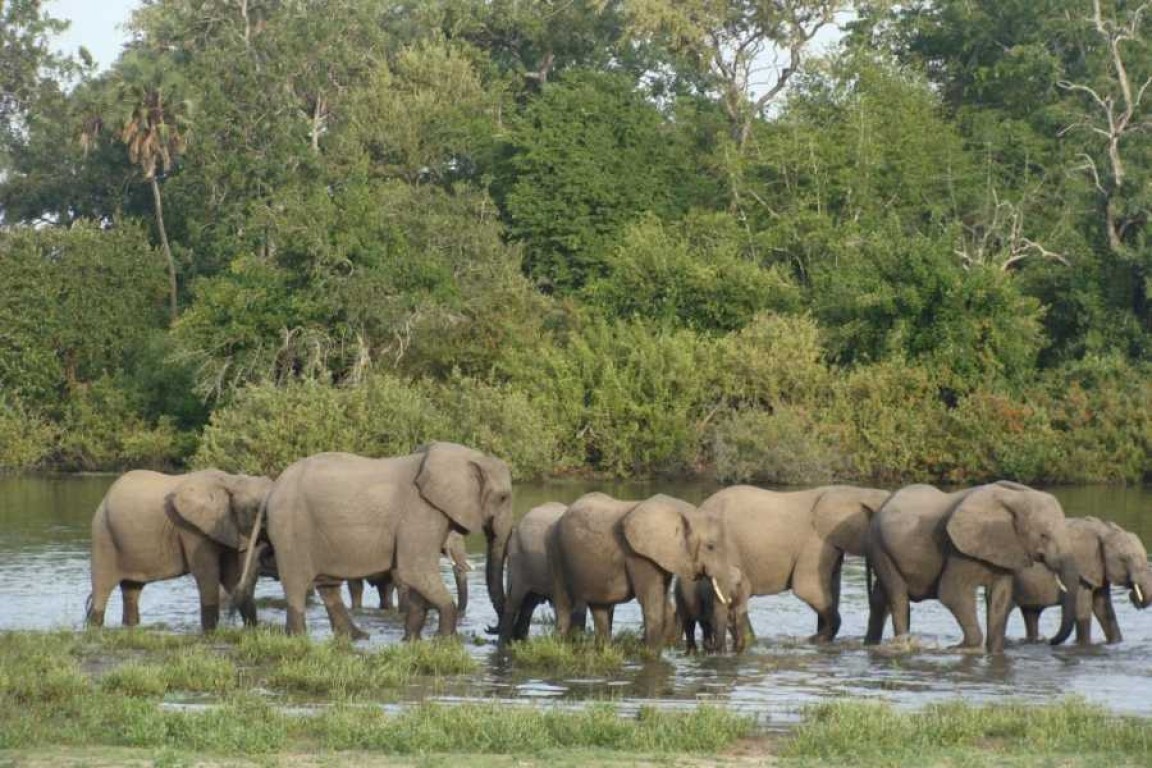
Rubondo was a reintroduction project in the 1960s–70s, receiving elephant, chimpanzee, giraffe, black-and-white colobus, grey parrot and hippopotamus from other parts of Africa and Europe. Today the island supports a thriving chimpanzee population of around 40 individuals, forest elephant, sitatunga (a semi-aquatic antelope rarely seen elsewhere in Tanzania), spotted-necked otter and a remarkable density of forest birds including 300+ species. The surrounding lake offers Nile perch, tilapia and the endemic Haplochromis cichlids.
Top activities
Chimpanzee trekking in the island forest — a small, intimate group experience with far fewer trekkers than Gombe or Mahale. Sport fishing for Nile perch (world-record fish have been taken here) and tilapia from boats. Sitatunga tracking in the papyrus marshes — one of the only places in Tanzania to reliably see this shy, semi-aquatic antelope. Guided forest walks for forest elephant, colobus and forest birds. Snorkelling in the clear lake water off the island shore. Birdwatching with 300+ species including shoebill stork in adjacent wetlands.
About Rubondo Island National Park
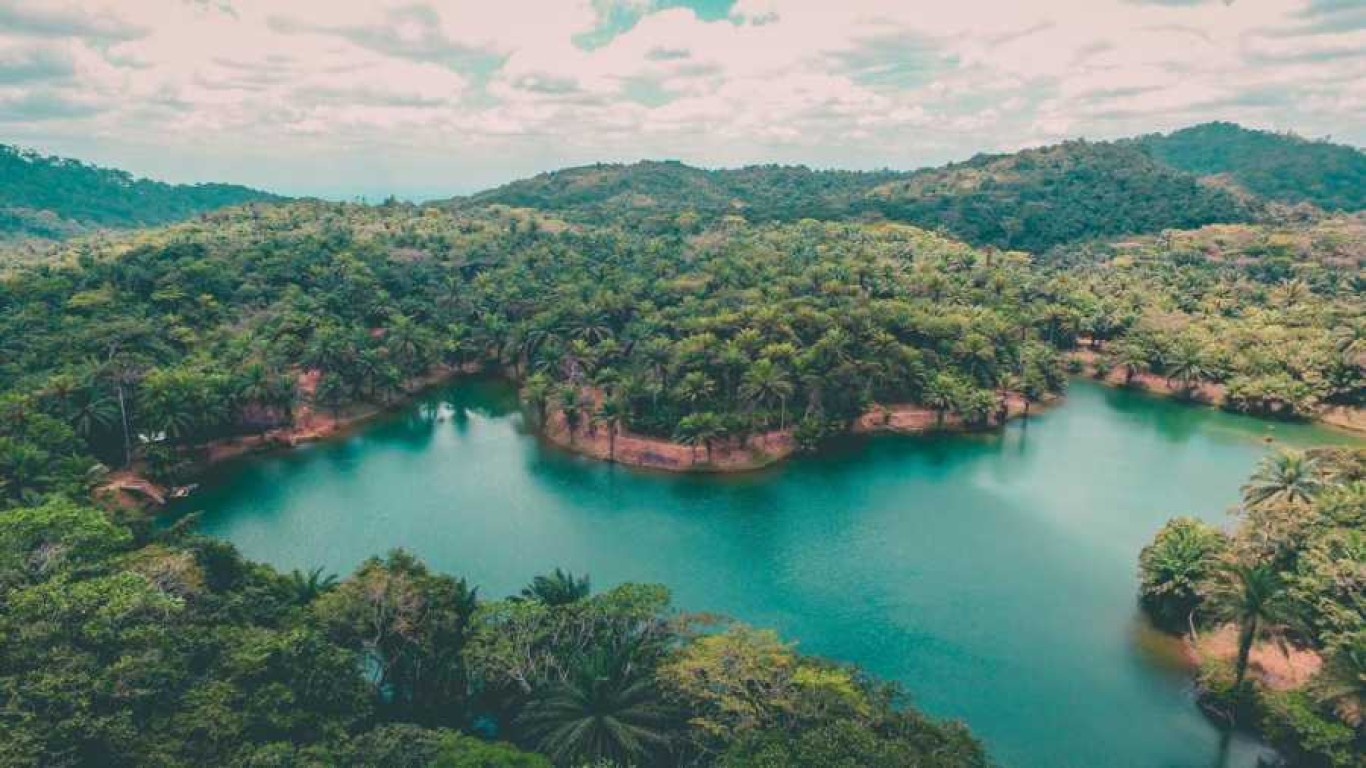
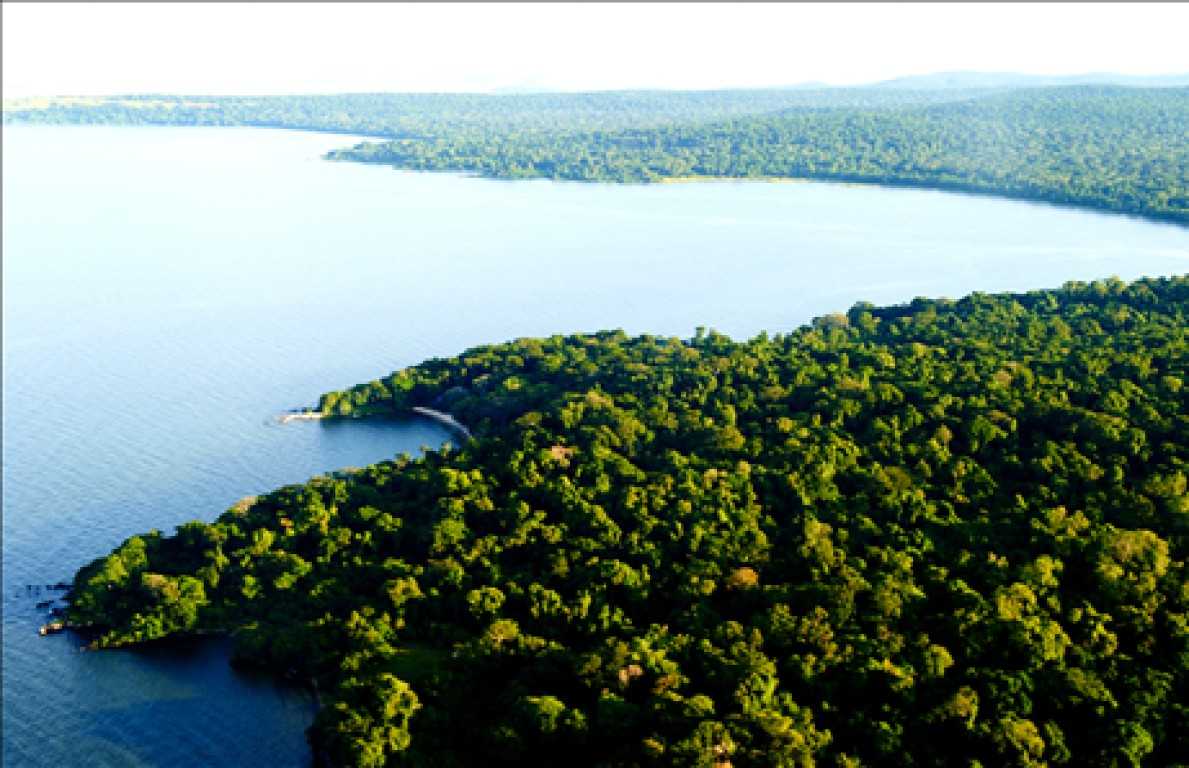
In the southwestern corner of Lake Victoria, a 240-square-kilometre forested island rises from the water in a low green silhouette. Rubondo Island National Park is one of Tanzania’s most unusual parks and, in the opinion of anglers, ecologists and slow travellers, one of its most rewarding. It was gazetted in 1977 following a series of controversial wildlife reintroductions in the 1960s that brought chimpanzees, elephants, giraffes, African grey parrots and colobus monkeys from European zoos and other African countries to repopulate an island that had been largely cleared by human settlement.
The experiment worked. The island’s chimps have established a self-sustaining population and are now partially habituated for trekking. The elephants have bred successfully. The sitatunga — a semi-aquatic antelope rarely seen anywhere in Tanzania — thrives in the island’s papyrus marshes. And the surrounding lake waters offer what many sport anglers consider the finest Nile perch fishing in East Africa.
Where is Rubondo Island?
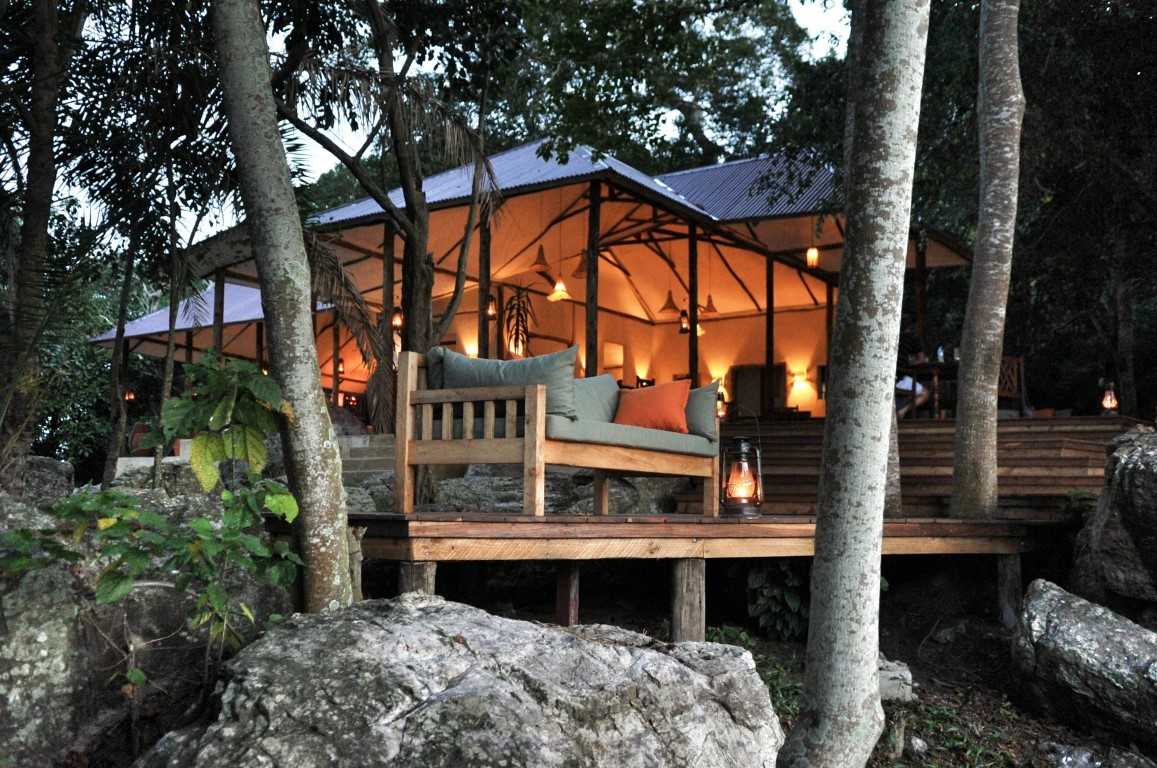
The island sits in the southwestern corner of Lake Victoria in Tanzania’s Geita Region. Access is by light aircraft from Mwanza (30 minutes, with an airstrip on the island) or by boat from Nkome or Muganza on the mainland shore. The only permanent tourist camp is Rubondo Island Camp, operated on a fully-inclusive basis.
Chimpanzee trekking
Rubondo’s chimpanzees are only partially habituated — which means the trekking experience is less predictable than at Mahale or Gombe, but when you do make contact, the encounter feels genuinely wild. Groups are small and the forest is quiet. Daily treks are offered from the camp with a limit of four visitors per group.
Sitatunga
The sitatunga is a medium-sized antelope that has evolved for life in papyrus swamps: spreading hooves that prevent sinking, a slightly hunched posture adapted to pushing through reeds, and the ability to swim between reed beds. They are rarely seen in most Tanzania parks — but Rubondo’s papyrus marshes are prime habitat and patient observation from the camp’s hide or from a slow boat along the shore will usually produce sightings.
Sport fishing
Lake Victoria’s Nile perch grow to extraordinary size — fish over 100 kg have been caught, and the lake regularly produces specimens in the 40–80 kg range. Rubondo’s isolated waters, relatively undisturbed by commercial fishing, are among the best in the entire lake for trophy Nile perch on lures and flies. The camp runs dedicated fishing programmes with specialist guides and catch-and-release encouraged.
Combine Rubondo with…
- Mwanza — the flight gateway, worth a half-day for Bismarck Rock and the fish market.
- Serengeti — the western corridor is accessible from Mwanza; a direct Western Tanzania circuit.
- Lake Victoria — the Sukuma Museum and Saanane Island add cultural and urban dimensions.
Frequently asked questions about Rubondo Island
Is Rubondo suitable for non-anglers?
Yes — the chimpanzee trekking, sitatunga watching, forest walks and lake swimming are all excellent. The camp caters equally to wildlife and fishing guests.
Is the water safe to swim in at Rubondo?
The camp has a designated swimming area where bilharzia risk is considered low. Avoid swimming in papyrus reed areas or river mouths where the risk is higher.
Why were animals reintroduced to Rubondo Island?
In the 1960s, the Frankfurt Zoological Society and TANAPA identified Rubondo as a suitable sanctuary island for animals displaced by habitat loss elsewhere in Africa and zoo surplus populations. The project was controversial but is now widely considered a conservation success.
Want to visit Rubondo Island National Park?
Get a free custom safari plan within 24 hours.
Rubondo Island National Park safari tours
No fixed packages listed yet — we'll build a custom safari around Rubondo Island National Park for you.
Plan My Trip Browse All ToursWant to visit Rubondo Island National Park?
Get a free custom safari plan within 24 hours.
Best time to visit Rubondo Island
June to September — Dry season (best for chimpanzees and forest wildlife)
The dry season makes forest trails most accessible and chimp tracking most productive. The lake crossing from Mwanza or by charter flight is most reliable. Wildlife is easier to spot in the drier, less-dense vegetation. Nile perch fishing is excellent throughout the year but the dry season makes boat conditions most reliable.
October to November — Transition (good fishing, lush forest)
As the short rains approach, the forest greens and bird activity peaks. Fishing remains excellent. A quiet period with good value rates.
December to March — Wet season (birding peak, some access challenges)
The island’s birds are at their most active and diverse, with resident and migratory species overlapping. The lake crossing can be rough in the heavier rains. Forest trails are muddy but chimpanzee sightings are still possible.
April to May — Long rains (not recommended)
Lake Victoria’s notorious squalls are at their worst. The camp may close; check in advance.
Bottom line: June to September for the core wildlife experience. October to November for a quieter, fishing-focused visit.
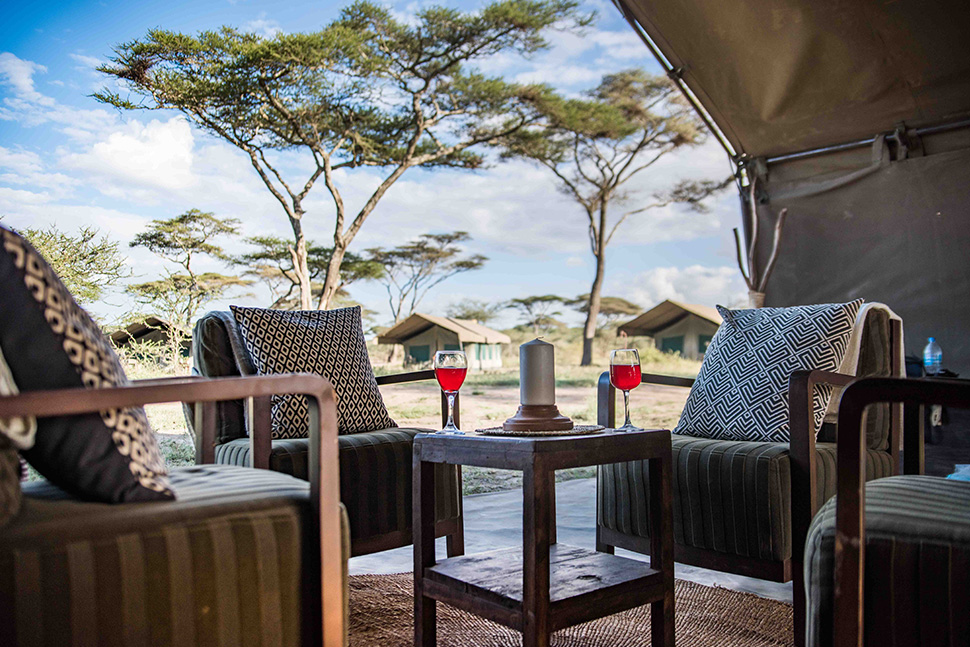
Where to stay in Rubondo Island National Park

Want to visit Rubondo Island National Park?
Get a free custom safari plan within 24 hours.
Nearby destinations
 Tanzania
 Tanzania
 Tanzania
 Tanzania