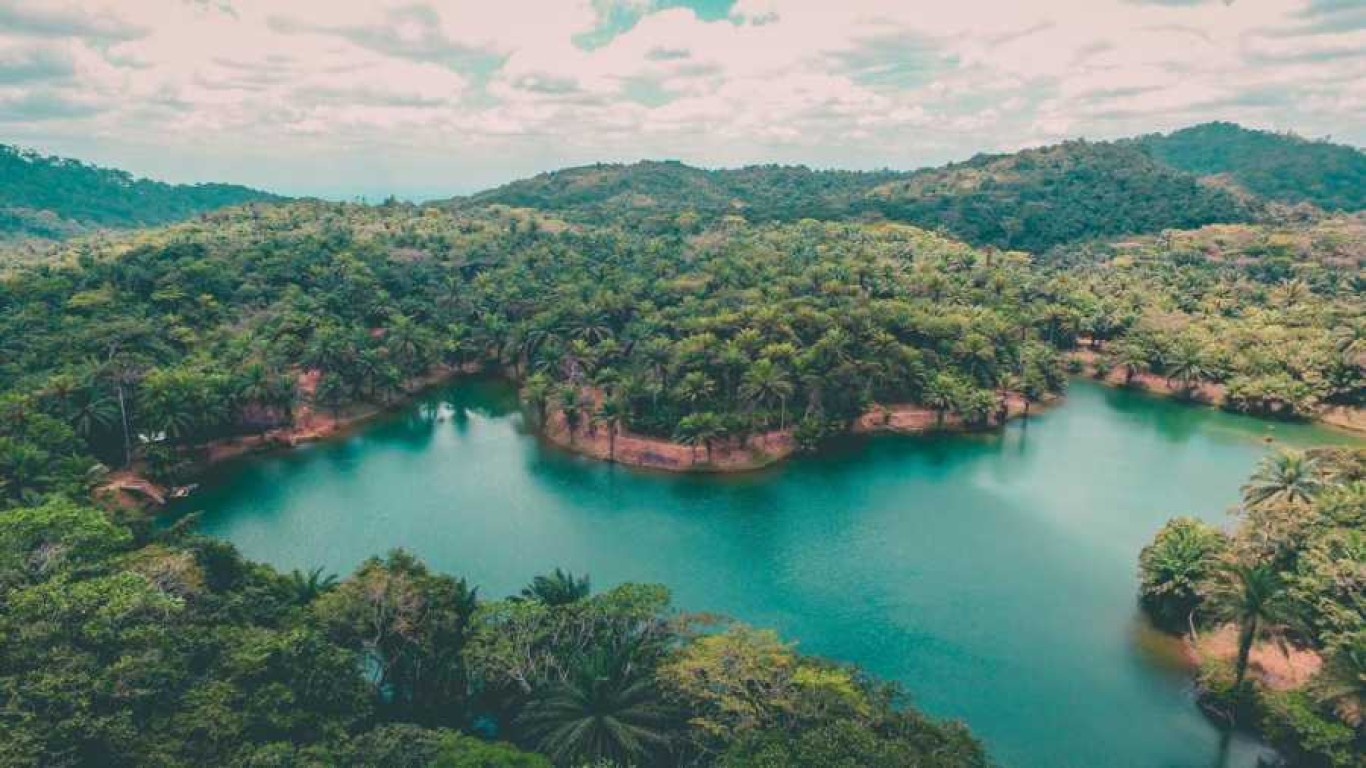
Quick facts
Wildlife
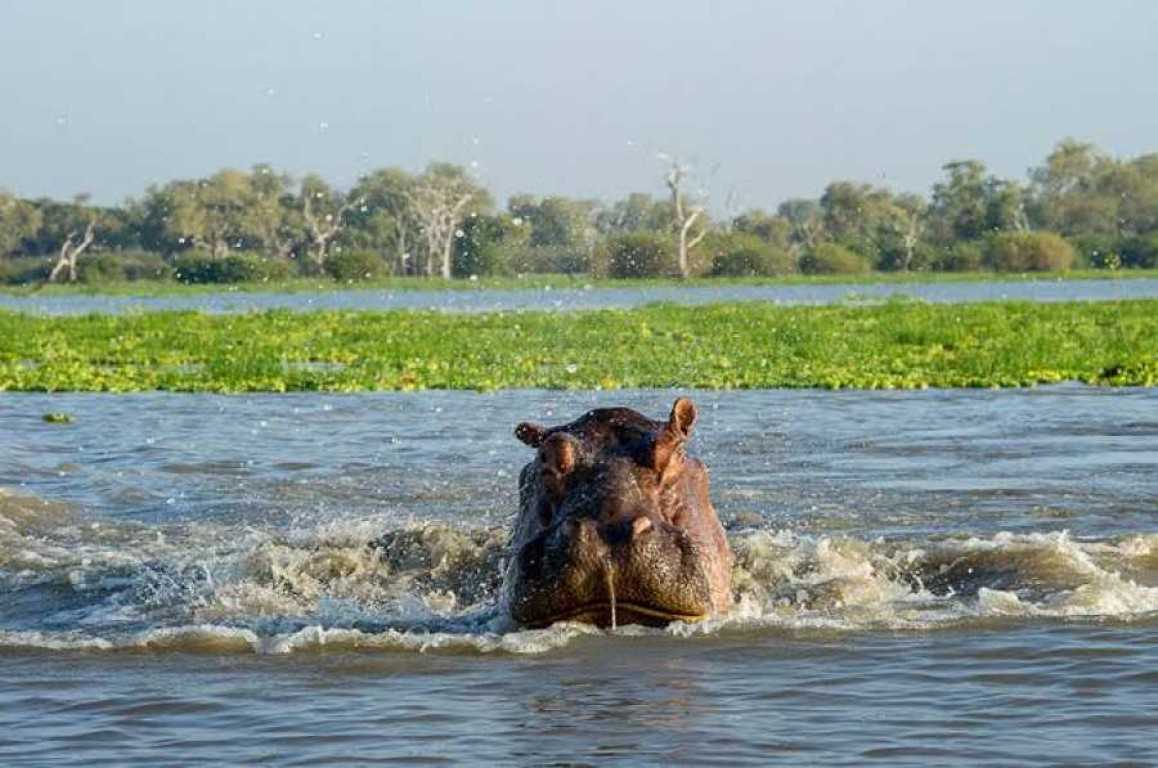
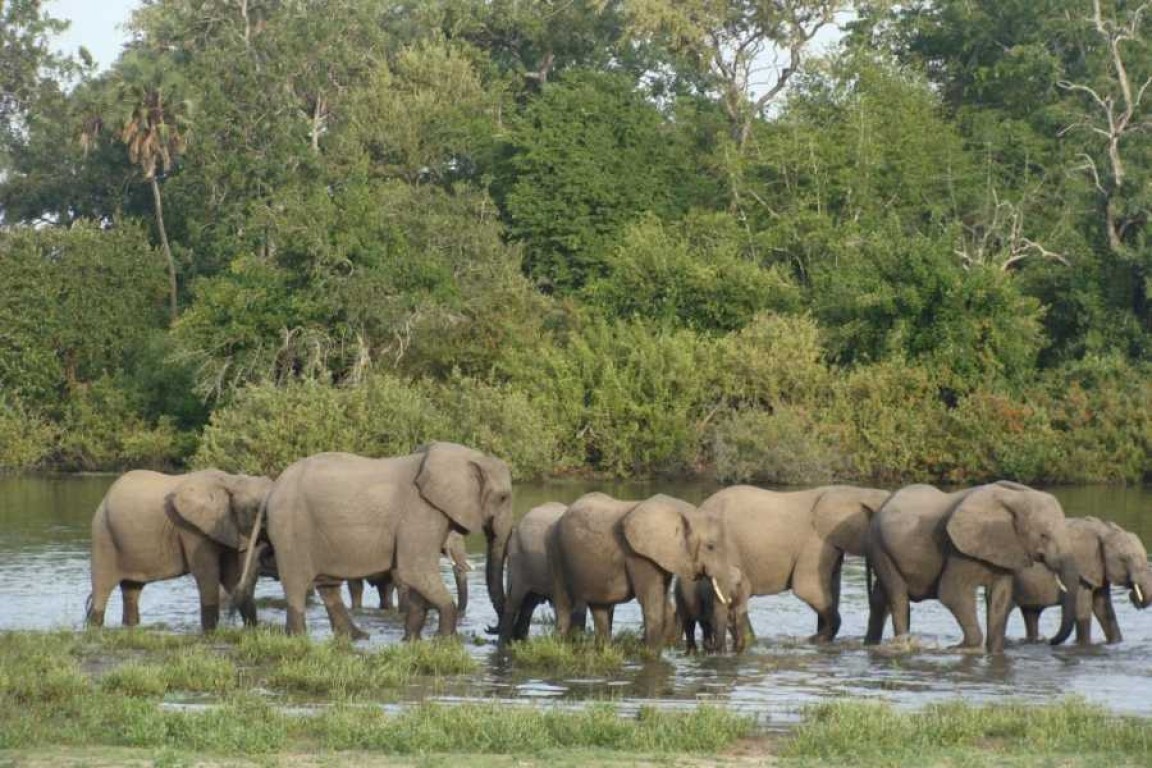
Mwanza is an urban environment, but its position on Lake Victoria brings immediate access to wildlife. African fish eagle is common on the lake and audible throughout the city. Saanane Island National Park (10-minute boat ride) holds De Brazza's monkey, impala, rock hyrax and a range of waterbirds. Rubondo Island National Park (accessible by charter flight from Mwanza) has chimpanzee, sitatunga, elephant, colobus monkey and excellent sport fishing. The Bismarck Rock formation has resident cormorant and darter colonies. Rietvlei Nature Reserve-equivalent options are accessible on day trips.
Top activities
Bismarck Rock boat trip and photography — the granite boulder formations in Mwanza Bay with cormorant, darter and fish eagle. Saanane Island National Park half-day visit — boat crossing and wildlife walk for De Brazza's monkey, impala and waterbirds. Sukuma Museum day trip to Bujora village (25 km) — Tanzania's finest ethnographic museum covering the Sukuma people. Rubondo Island National Park fly-in for chimpanzee, sitatunga and Nile perch sport fishing. Mwanza fish market and fresh tilapia lunch at lakeside restaurants. Western Serengeti connection via Mwanza for the Grumeti corridor.
About Mwanza
Tanzania’s second-largest city is built on a problem and made it beautiful: Mwanza sits on the southern shore of Lake Victoria on a terrain of enormous granite boulders, the ancient remnants of a Precambrian basement exposed by erosion over hundreds of millions of years. Rather than remove them, the city built around them — houses perch on top of rounded granite domes, roads curve around boulders the size of apartment blocks, and the most famous rock formation, Bismarck Rock, rises from the bay near the city centre as a natural landmark draped in cormorants and crowned with an African fish eagle most mornings.
Mwanza is the commercial centre of Tanzania’s Lake Zone and the hub of East Africa’s Nile perch fishing industry. The city airport connects to Dar es Salaam, Arusha and Kilimanjaro, making it a practical gateway to the western Tanzania safari circuit: Rubondo Island, the western Serengeti Grumeti corridor, and Saanane Island National Park in the bay.
Where is Mwanza?
On Lake Victoria’s southern shore in Tanzania’s Mwanza Region, approximately 1,140 km northwest of Dar es Salaam. Daily flights from Dar take 1 hour 20 minutes; from Kilimanjaro International Airport it is 1.5 hours.
Bismarck Rock and the bay
The best introduction to Mwanza is a 20-minute boat trip from the city ferry terminal to circle Bismarck Rock — a stack of balancing granite boulders named by German colonial administrator Hermann von Wissmann in 1890. The rock hosts a permanent colony of long-tailed cormorants and African darters, with fish eagle visible most mornings. The boat trip gives views back to the city’s granite-tumbled skyline that are uniquely photogenic.
The Sukuma Museum
Twenty-five kilometres east of Mwanza at Bujora village, the Sukuma Museum is one of Tanzania’s finest cultural institutions — a living outdoor museum documenting the traditions, royal regalia and ceremonial life of the Sukuma people, Tanzania’s largest ethnic group. The museum was established by Canadian missionary Father David Clement in the 1960s and preserves objects and practices from Sukuma royal courts, dance societies and healing traditions. The famous bugobogobo (porcupine dance) ceremonial regalia and royal drums are highlights.
Mwanza food scene
Mwanza’s lakeside restaurants serve some of Tanzania’s finest fresh tilapia and Nile perch — grilled, fried or in coconut curry. The morning fish market near the main ferry terminal is the most atmospheric eating area; the lakeside mama ntilie (street food mama) stalls serve excellent local lunches.
Combine Mwanza with…
- Rubondo Island National Park — fly-in from Mwanza Airport for chimpanzee and sitatunga.
- Serengeti Western Corridor — accessible by road from Mwanza via Bunda.
- Saanane Island National Park — the in-bay half-day wildlife island.
- Lake Victoria — extended lake exploration.
Frequently asked questions about Mwanza
Why is Mwanza called Rock City?
The nickname comes from the extraordinary granite boulder landscape: enormous ancient rocks protrude from the city’s hills and the bay, giving Mwanza a topography unlike any other Tanzanian city.
Is Mwanza a good base for the Serengeti?
Yes for the western Serengeti Grumeti corridor, which is accessible by road from Mwanza in about 3 hours. For the central and northern Serengeti, Arusha is a much more practical base.
Want to visit Mwanza?
Get a free custom safari plan within 24 hours.
Mwanza safari tours
No fixed packages listed yet — we'll build a custom safari around Mwanza for you.
Plan My Trip Browse All ToursWant to visit Mwanza?
Get a free custom safari plan within 24 hours.
Best time to visit Mwanza
June to October — Dry season (best for Rubondo Island and Serengeti connection)
The dry season is the recommended window for Rubondo Island (the main fly-in safari from Mwanza) and for the western Serengeti Grumeti corridor. The lake is generally navigable year-round but the dry season gives the most reliable charter flight weather. Saanane Island and the Sukuma Museum are accessible year-round.
December to February — Short dry season (warm, calmer lake)
Warm and calm. Rubondo Island is open. A quieter period with lower camp rates than the June–October peak.
March to May — Long rains (Rubondo may close, city activities unaffected)
Lake Victoria’s notorious squalls are most intense in April and May. Rubondo Island camp closes. City activities (museum, market, Saanane) are unaffected.
Bottom line: June to October for Rubondo Island and Serengeti; year-round for city and Saanane.
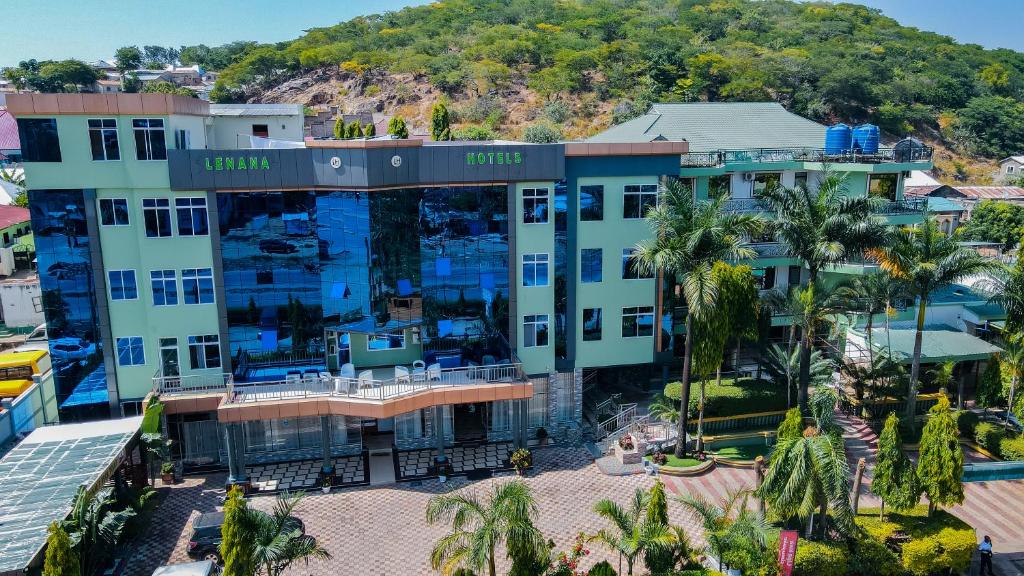
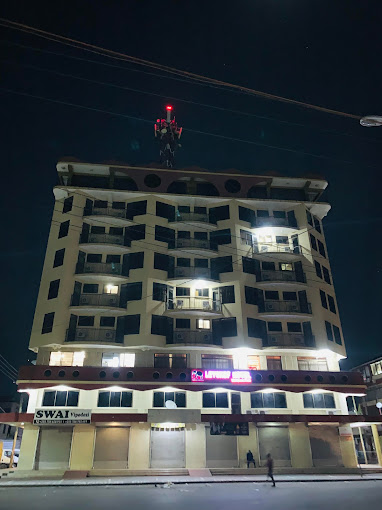
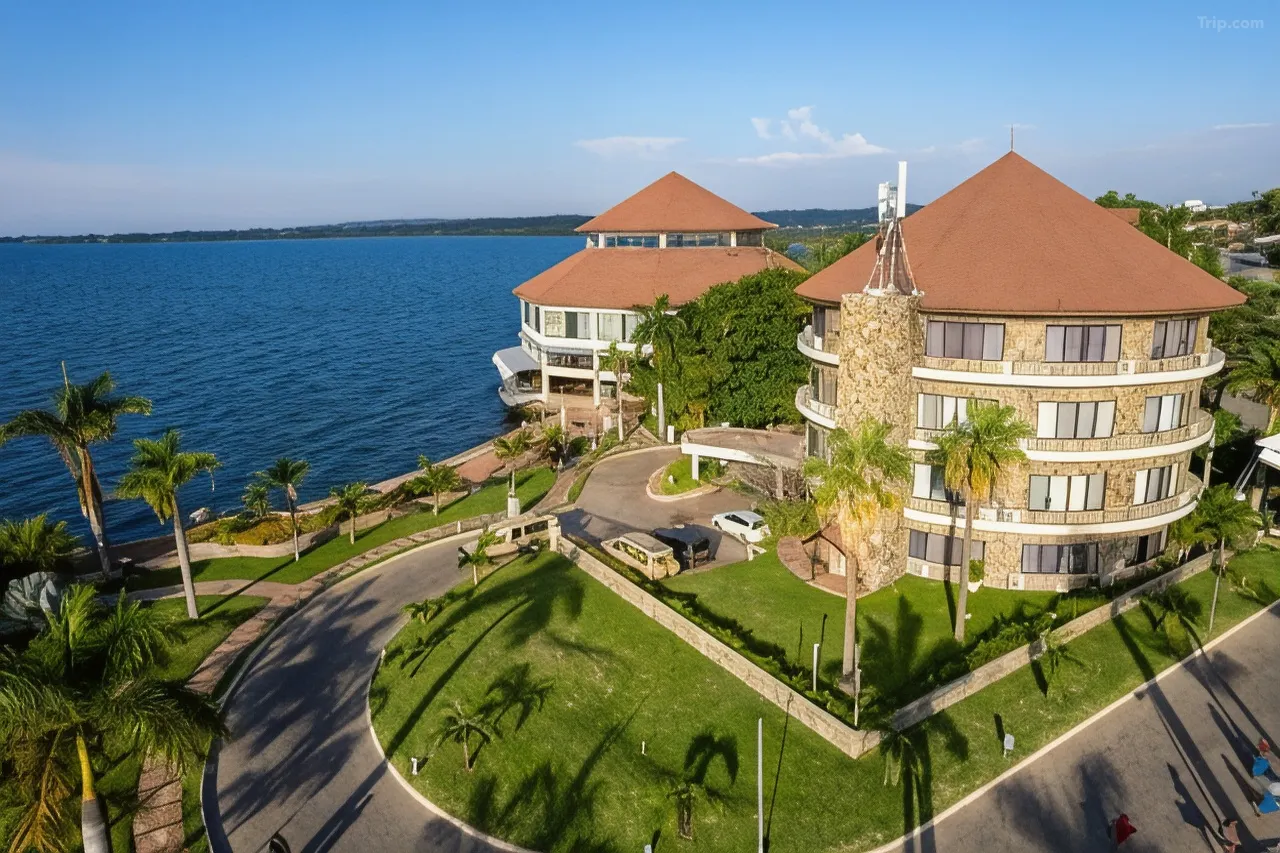
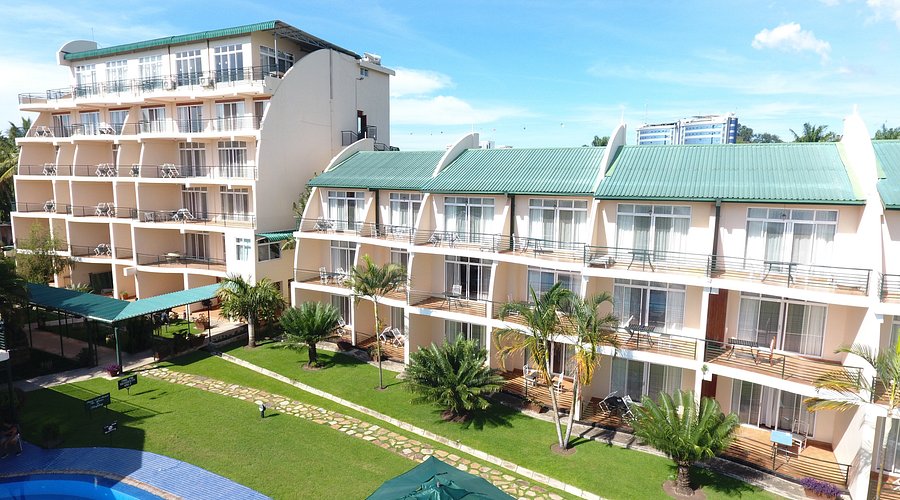
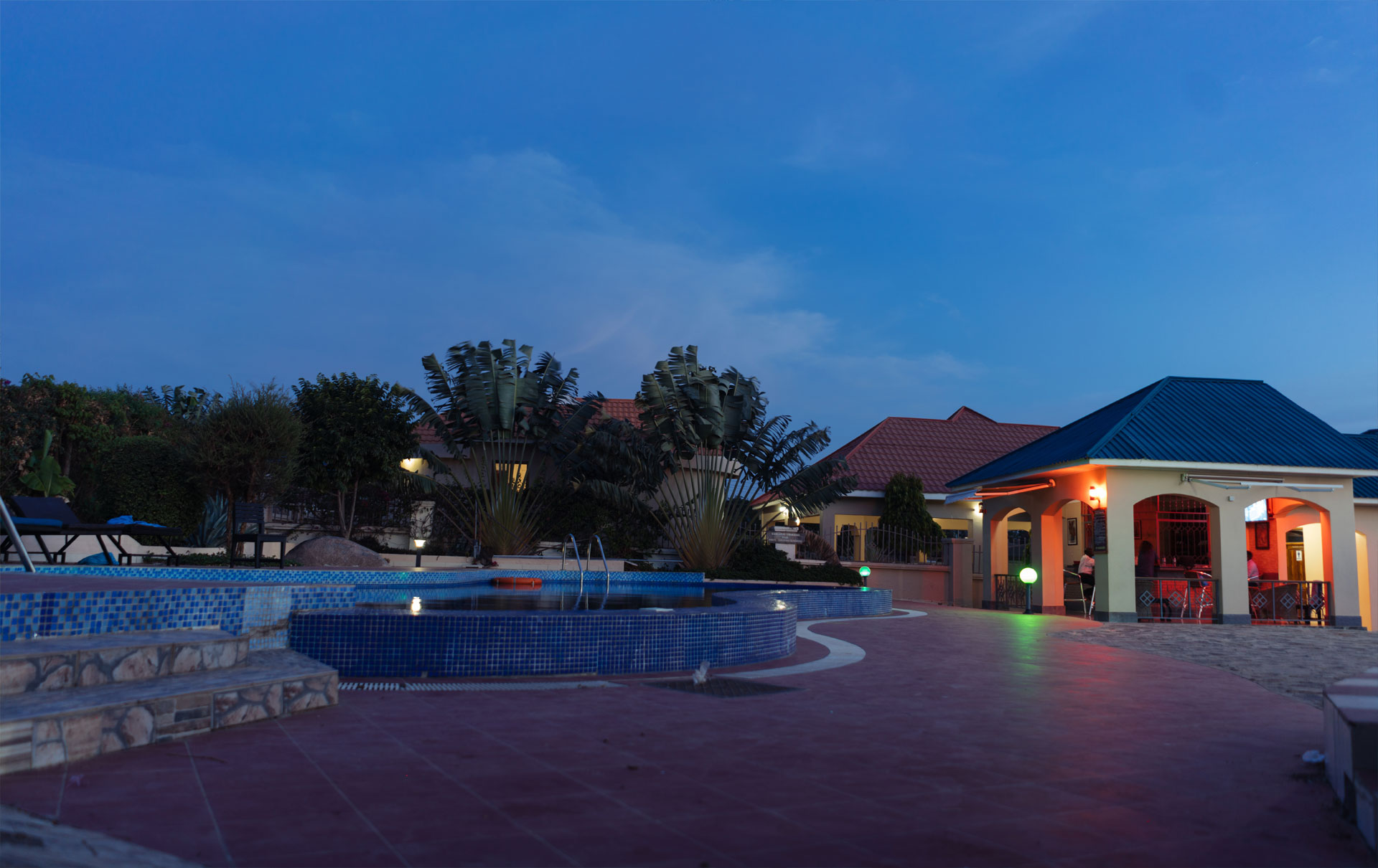
Where to stay in Mwanza

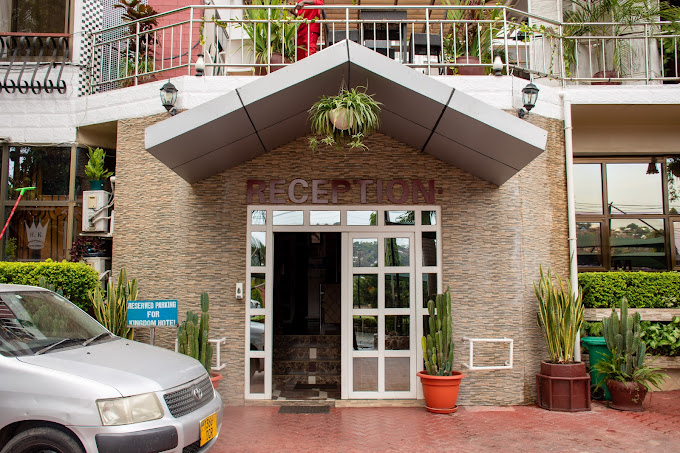
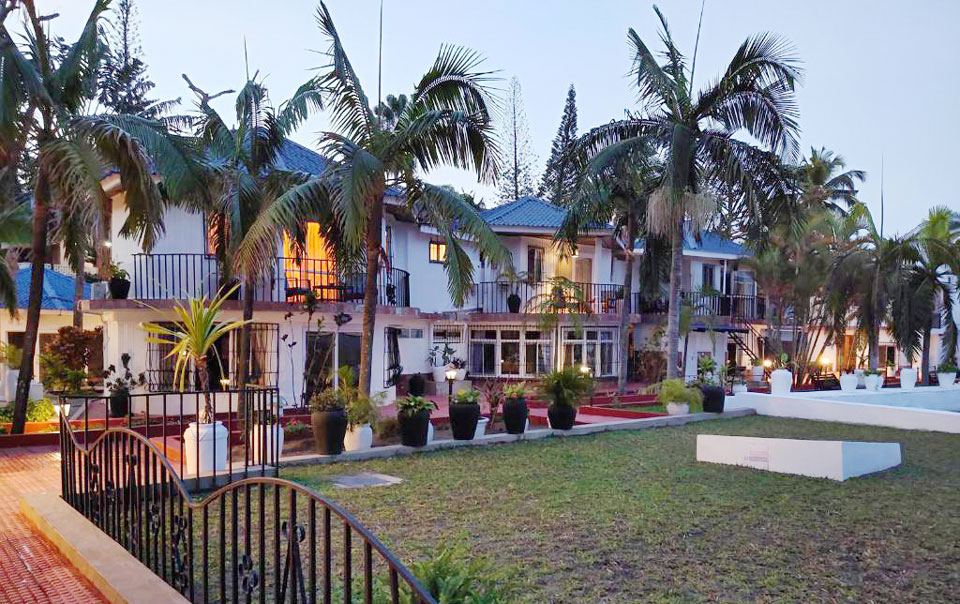
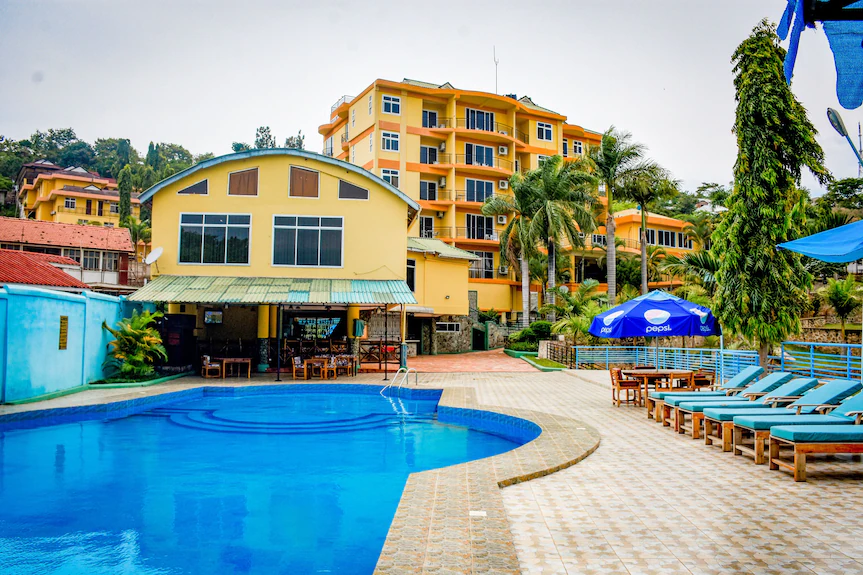

Want to visit Mwanza?
Get a free custom safari plan within 24 hours.
Nearby destinations
 Tanzania
 Tanzania
 Tanzania
 Tanzania