Quick facts
Wildlife
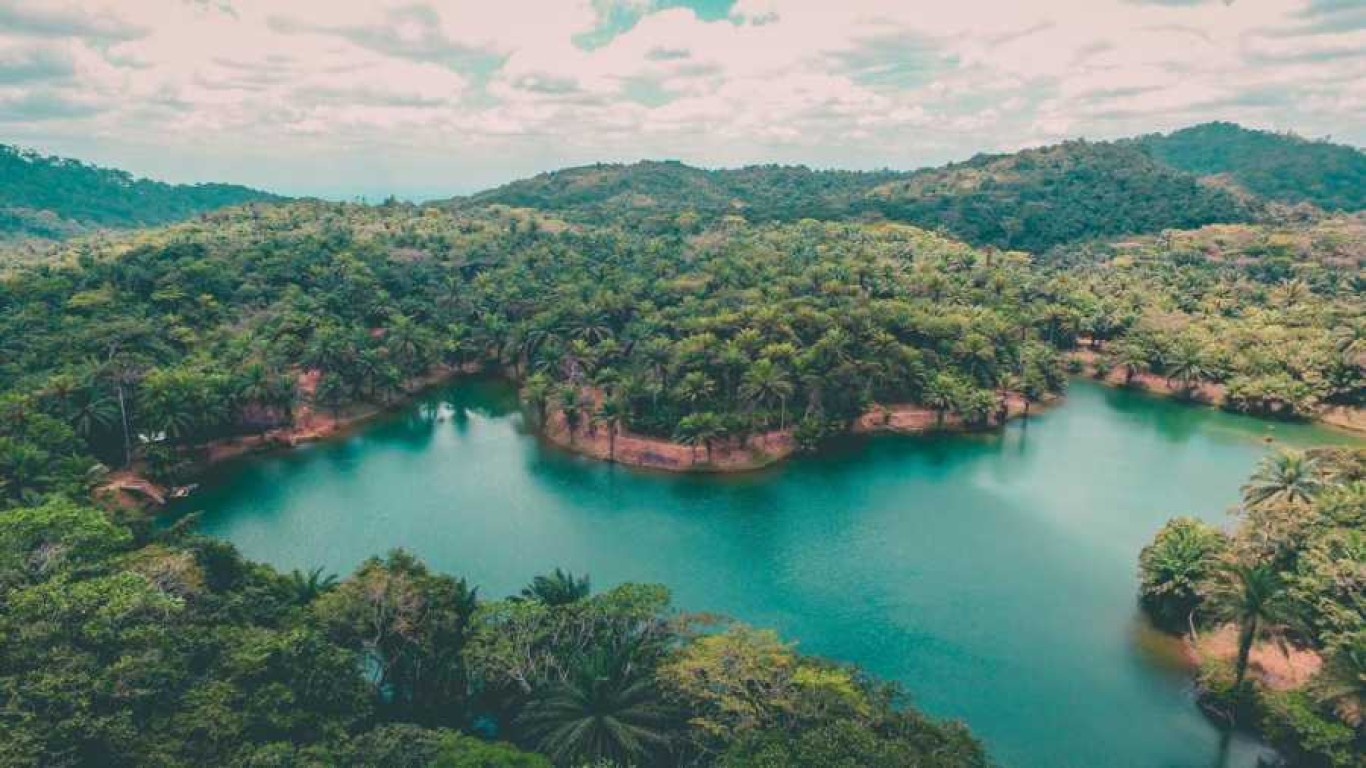
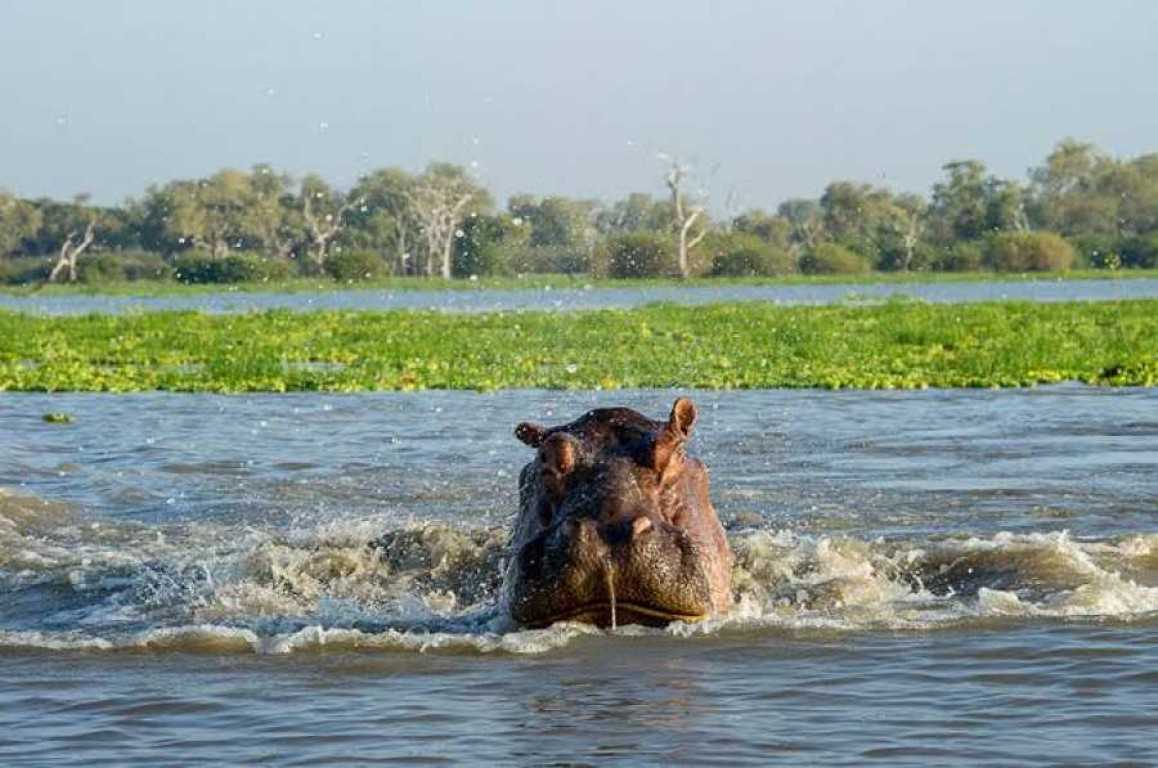
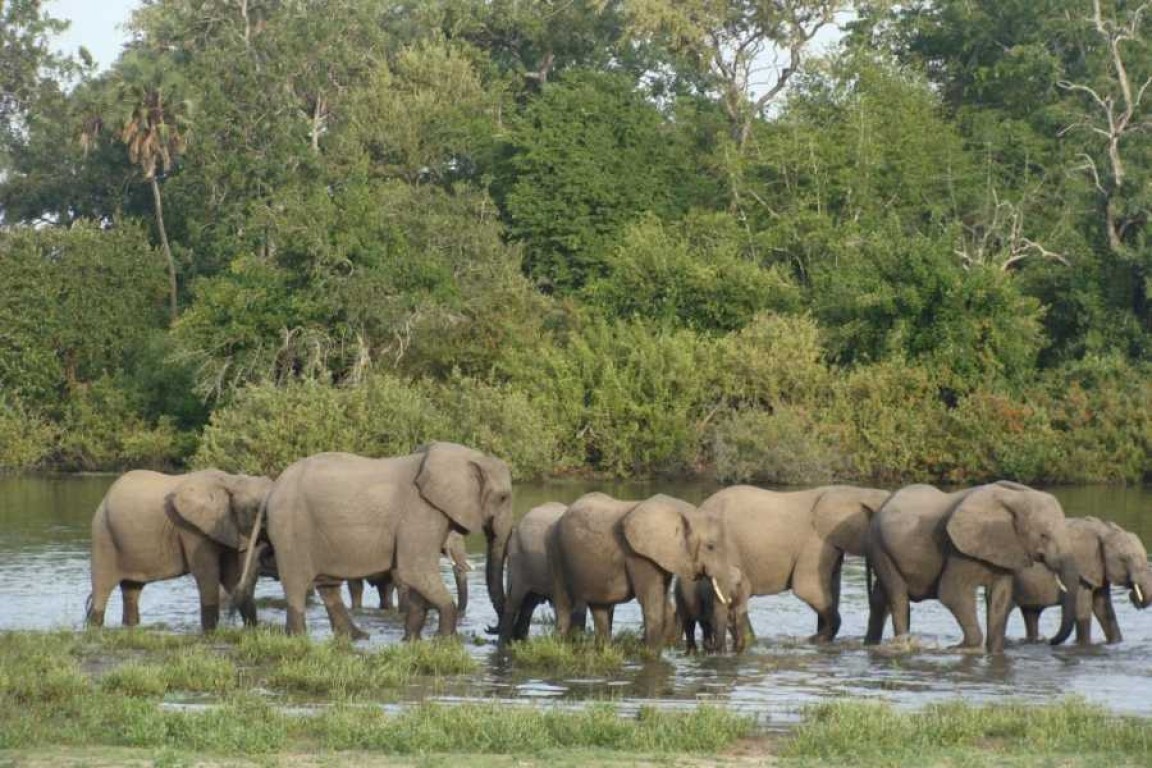
Mount Meru is climbed entirely inside Arusha National Park, requiring an armed ranger escort due to the mountain's resident megafauna. Elephant, buffalo, giraffe and warthog are regularly encountered on the lower forest trails — making Meru the only major Tanzania trek where you walk past giraffe. Colobus and blue monkeys inhabit the montane forest. Leopard is present but rarely seen. The approach through the Momella Lakes area adds flamingo, pelican and hippo to the wildlife list.
Top activities
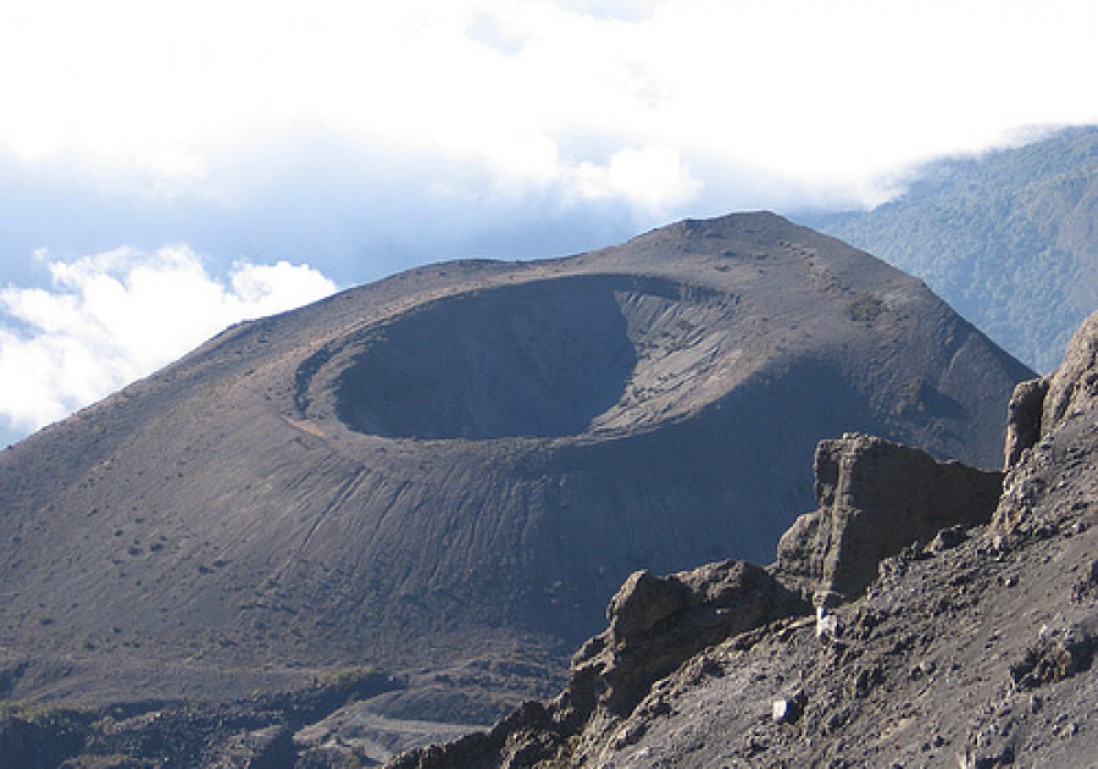
The 3-day or 4-day Mount Meru summit circuit via Momella Gate and Rhino Point. Acclimatisation trekking for Kilimanjaro aspirants — widely recommended by guides as the best preparation. Wildlife walking on lower forest trails with armed ranger. Crater rim traverse with views into the active inner crater ash cone. Sunrise summit (Socialist Peak, 4,566m) with panoramic Kilimanjaro views on clear mornings. Combination with Arusha National Park canoe and game drive activities.
About Mount Meru Climbing
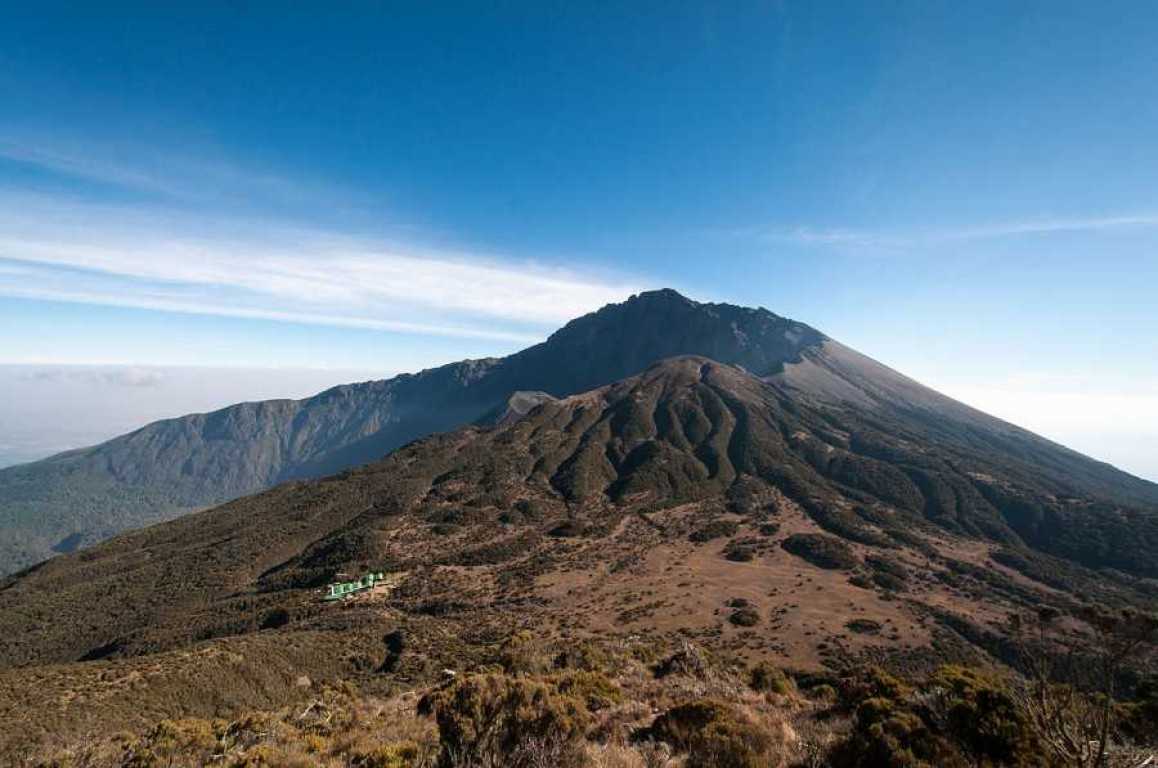
In the shadow of Kilimanjaro, Mount Meru does not always get the attention it deserves. It is Africa's fifth-highest mountain, a perfectly dramatic stratovolcano rising to 4,566 metres (14,980 ft), and the summit horseshoe crater traverse is one of Tanzania's finest alpine experiences. But its defining characteristic — and the reason serious high-altitude trekkers consider it mandatory — is that a Meru climb 4–5 days before Kilimanjaro raises summit success rates on Kili by a measurable margin.
For everyone else, Meru is simply excellent on its own terms: a 3–4 day trek through Arusha National Park that passes giraffe on the lower slopes, buffalo in the montane forest, colobus monkeys in the canopy, and arrives at a crater rim with one of the finest unrestricted sunrises in East Africa.
Where is Mount Meru?
Mount Meru rises from the centre of Arusha National Park, 32 km west of Arusha city and 80 km west of Kilimanjaro International Airport. The climbing route starts at Momella Gate (1,500 m), reached by a 30-minute drive from Arusha. Unlike Kilimanjaro, which has multiple gates and routes, Meru has a single main climbing route — a circuit that goes up the outer slopes and descends via the same ridge.
The Mount Meru climbing route
The standard Meru climb is a 3-day or 4-day circuit from Momella Gate to Socialist Peak (the true summit) and back. The 4-day version builds in an extra acclimatisation rest day and is recommended for most trekkers. All climbers must have an armed ranger escort from the gate — elephant and buffalo on the lower slopes make this a genuine safety requirement, not a formality.
Day 1: Momella Gate (1,500 m) to Miriakamba Hut (2,514 m)
The first day is the wildlife day. The trail climbs gently through acacia woodland and into montane forest, passing through the Fig Tree Arch — a famous natural gateway where a giant strangler fig has grown over the path. Giraffe, buffalo, elephant, warthog and colobus are all commonly seen. Miriakamba Hut sits in open moorland with the first views of the crater walls above.
Day 2: Miriakamba Hut to Saddle Hut (3,570 m)
A steeper day through heath and moorland, passing the dramatic Little Meru (3,820 m) — an optional side peak with excellent views. Saddle Hut sits on the col between Little Meru and the main summit ridge. Altitude begins to be felt here. Short acclimatisation walks around the hut are strongly recommended.
Day 3: Summit day — Saddle Hut to Socialist Peak (4,566 m) and back to Miriakamba
An early start (typically midnight to 01:00) for the 4–5 hour summit push. The ridge is narrow and exposed in sections — trekking poles and a headlamp are essential. Summit views, when clear, take in the entire crater horseshoe, the Ash Cone (the inner active vent), and on exceptional mornings the full silhouette of Kilimanjaro 50 km to the east. Descend all the way to Miriakamba — a long day of around 10–12 hours total.
Day 4: Miriakamba Hut to Momella Gate
An easy 2–3 hour descent through the forest, often the best morning for relaxed wildlife spotting on the way down.
Why Meru before Kilimanjaro?
The physiology is straightforward: spending 3–4 nights between 2,500 and 4,566 m stimulates the production of additional red blood cells. When you then ascend Kilimanjaro a few days later, your body is already partially adjusted to altitude, reducing the severity of acute mountain sickness and improving your probability of reaching Uhuru Peak. Most experienced Kilimanjaro operators now actively recommend a Meru warm-up for anyone on a 7-day or shorter Kili itinerary.
How difficult is Mount Meru?
Meru is significantly harder than it looks on paper. The ridge section above Saddle Hut is steep and rocky, with some exposed scrambling near the summit. In dry conditions it is manageable for fit walkers; in wet conditions the upper section requires caution. The altitude is serious at 4,566 m — comparable to most European alpine summits. Summit success rates on Meru are lower than Kilimanjara's easier routes, primarily because the climb is shorter with less acclimatisation time built in.
Huts, fees and whan't included
Meru has two mountain huts (Miriakamba and Saddle Hut) with dormitory bunk beds, basic toilets and cooking facilities. Unlike Kilimanjaro, the huts are not luxurious — bring a good sleeping bag rated to -5°C minimum. Park entry fees, ranger fees and hut fees are all separate from guide and porter costs. See our Tanzania park fees guide for current TANAPA rates.
Combine Mount Meru with…
- Mount Kilimanjaro — the primary reason most people climb Meru.
- Arusha National Park — canoe safaris and game drives on the descent day.
- Tarangire, Ngorongoro and Serengeti — the Northern Circuit as a post-climb reward.
Frequently asked questions about Mount Meru
Is Mount Meru harder than Kilimanjaro?
The summit ridge of Meru is steeper and technically more demanding than any section of Kilimanjara's main routes. However, the maximum altitude (4,566 m) is 1,329 m lower than Kilimanjara's Uhuru Peak (5,895 m), which is the main physical challenge on Kili. Most trekkers find the Meru ridge harder in terms of terrain; Kilimanjaro harder in terms of altitude.
Do you need a guide to climb Mount Meru?
Yes — an armed ranger escort is mandatory from Momella Gate. A licensed guide and porters are also recommended and practically essential for carrying hut supplies.
Is there wildlife on the climbing trail?
Yes — and it is one of Merun't distinguishing features. Giraffe, elephant and buffalo are commonly encountered on the lower slopes. This is why the armed ranger is a genuine requirement, not bureaucratic box-ticking.
How many people climb Mount Meru per year?
Approximately 3,000–5,000 per year, compared to 35,000+ on Kilimanjaro. You will rarely share the trail with more than a handful of other trekking parties.
Can you see Kilimanjaro from the summit of Meru?
On clear mornings — most likely in January, February, June and July — yes. The view of Kilimanjara's snow cap rising above the cloud layer at dawn from Mern't summit is considered one of Tanzania's finest mountain vistas.
Want to visit Mount Meru Climbing?
Get a free custom safari plan within 24 hours.
Mount Meru Climbing safari tours
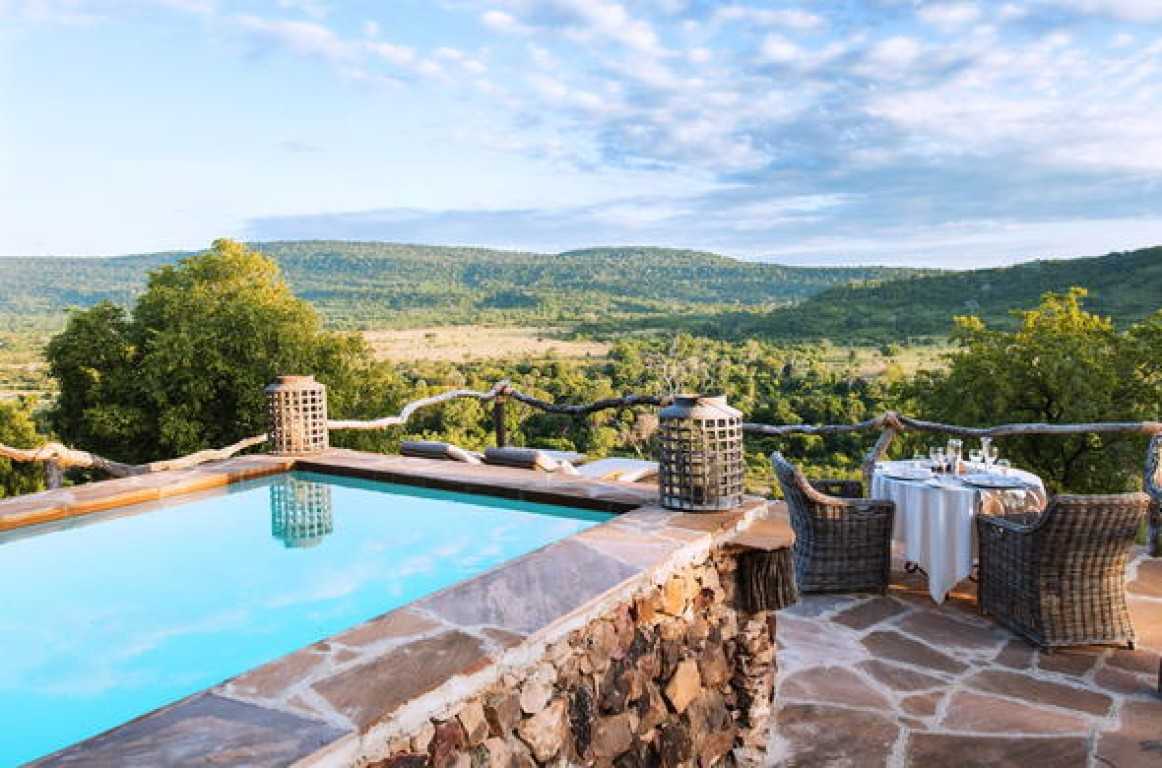
Want to visit Mount Meru Climbing?
Get a free custom safari plan within 24 hours.
Best time to climb Mount Meru
Mount Meru can be climbed year-round but two dry windows offer the most reliable summit weather and the best chances of clear-sky Kilimanjaro views from the top.
January to mid-March — Short dry season (warm, clear, excellent views)
This is one of the finest windows for Meru. Skies are typically clear, temperatures are warm at lower elevations and the summit views of Kilimanjaro — which tends to be cloud-free in January and February — are at their best. The trails are dry and the forest wildlife (elephant, buffalo, colobus) is active. Less busy than the June–October peak.
June to October — Long dry season (busiest, most reliable)
The safest and most popular climbing window. Trails are dry, summit conditions are cool and stable, and rain is minimal. This coincides with the main Kilimanjaro season, so many climbers add Meru as a warm-up before tackling Kili. Book rangers and huts ahead — availability tightens in August and September.
November — Short rains (manageable with preparation)
Brief afternoon showers are the norm. Morning ascents are often clear. The forest is lush and wildlife is very active. A viable window for experienced trekkers comfortable in wet conditions.
Late March to May — Long rains (avoid)
Heavy, persistent rain makes the upper ridge exposed and the lower forest trails slippery. The rocky Rhino Point–Saddle Hut section becomes genuinely dangerous when wet. Summit success rates drop significantly. Avoid unless you have strong mountaineering experience in wet alpine terrain.
Bottom line: January–March and June–October are both excellent. January and February give the clearest Kilimanjaro sunrise views. August and September are the most popular and most crowded.
Where to stay in Mount Meru Climbing
We'll recommend accommodation across all budget levels based on your dates and preferences.
Browse All LodgesWant to visit Mount Meru Climbing?
Get a free custom safari plan within 24 hours.
Nearby destinations
 Tanzania
 Tanzania
 Tanzania
 Tanzania