Quick facts
Wildlife
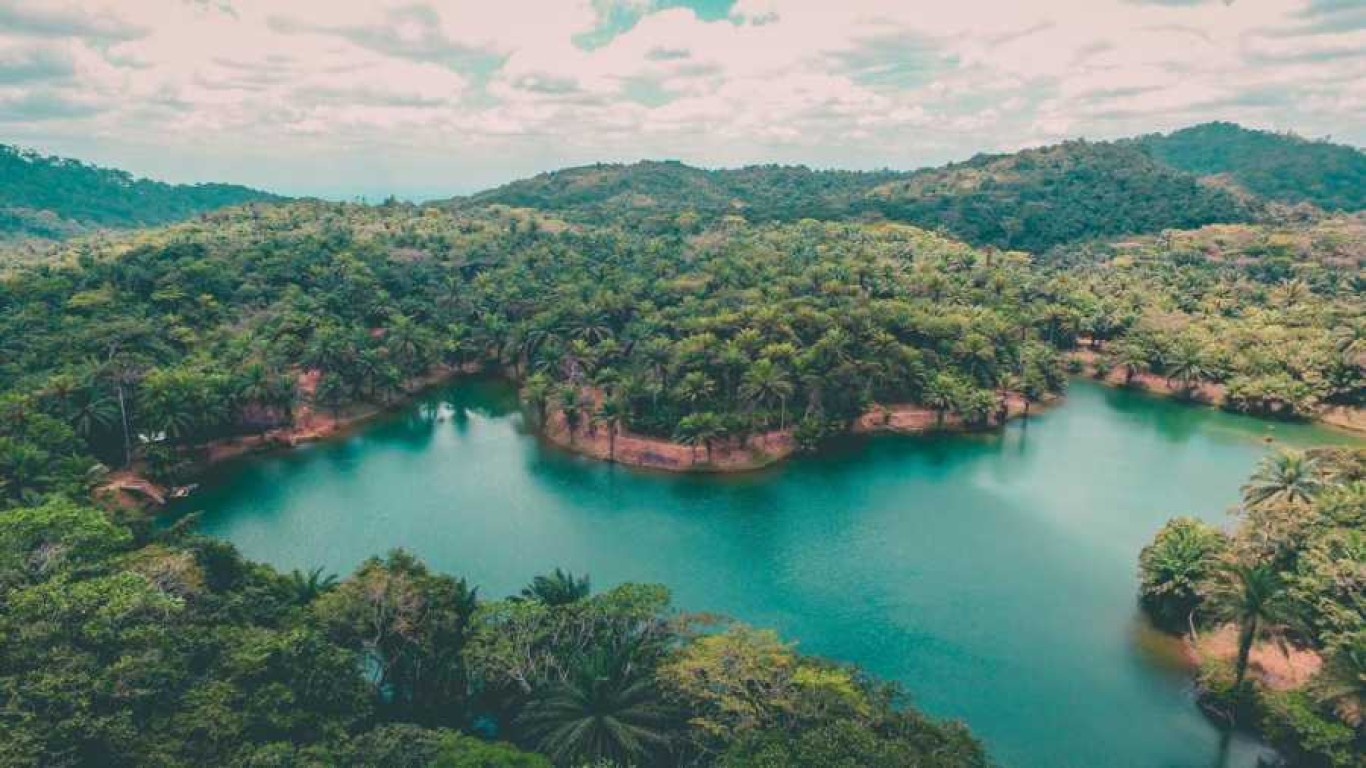
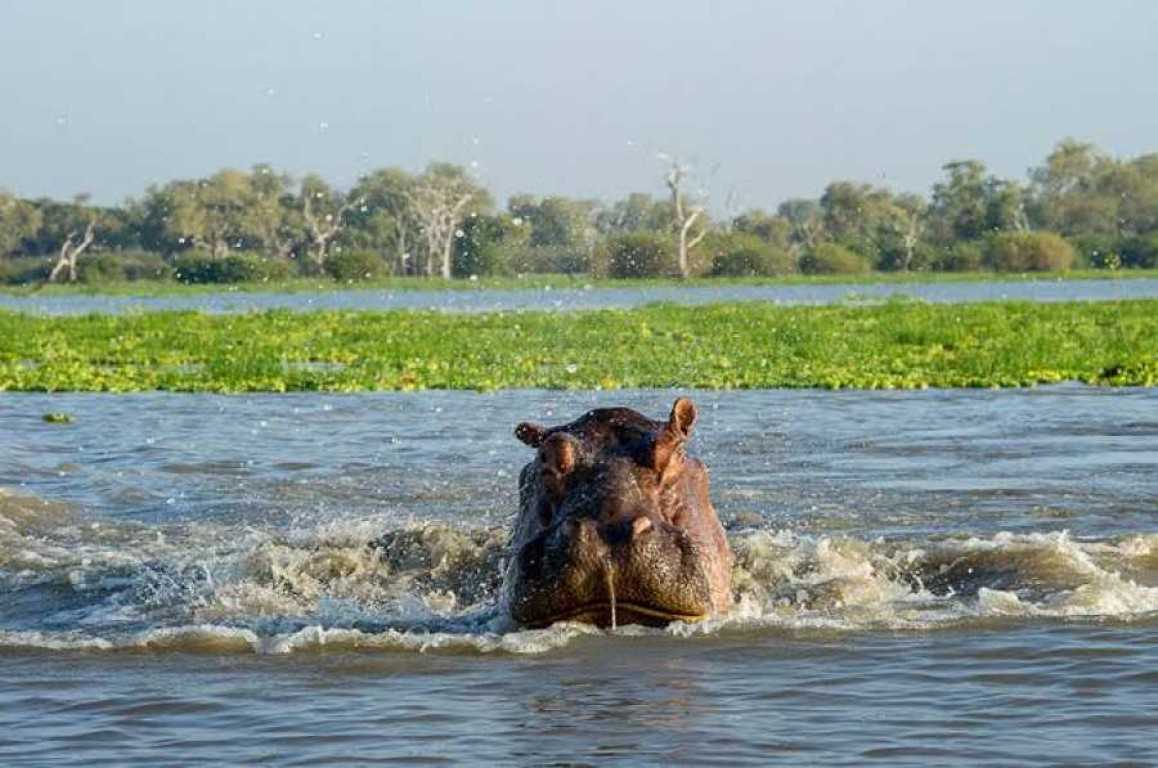
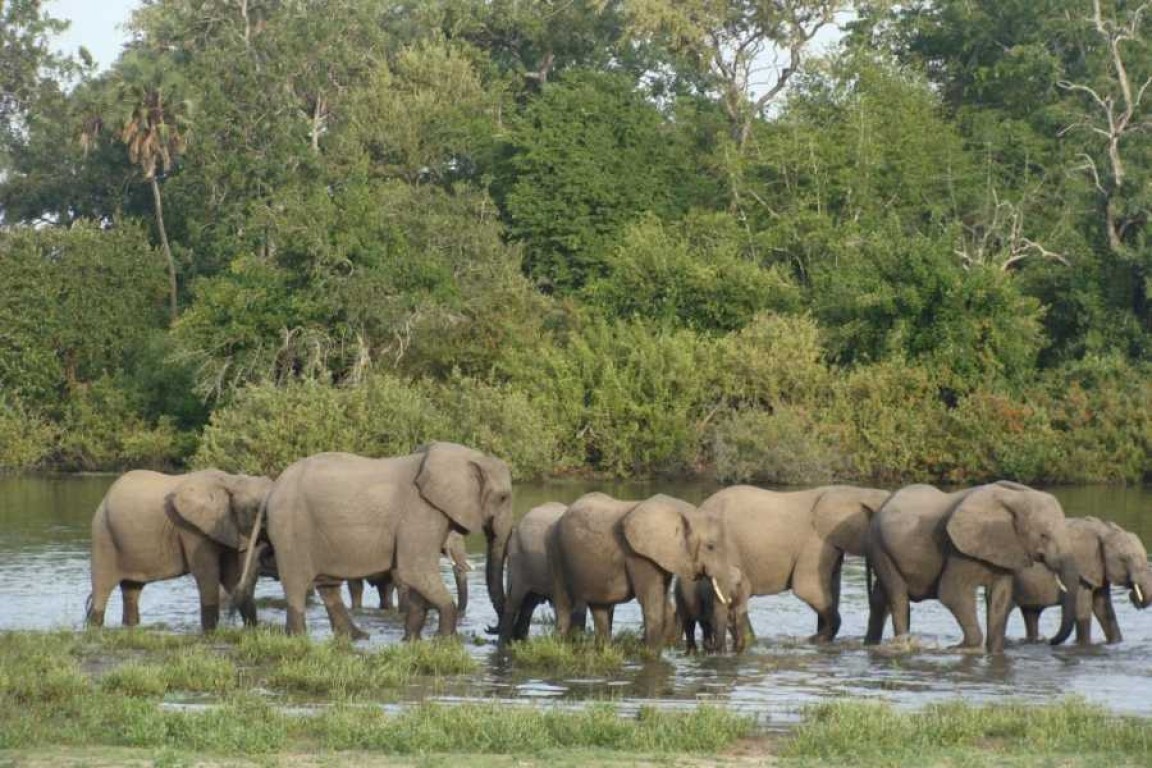
Mto wa Mbu sits at the gate of Lake Manyara National Park — 30 minutes from tree-climbing lions, hippo, flamingo and 400+ bird species. The village itself has no wildlife but the surrounding landscape transitions from the Lake Manyara wetlands (papyrus, hippo, waterbirds) to the dry Maasai Steppe to the north. The Maasai Mixed-Use Area around Mto wa Mbu supports giraffe, zebra, impala and warthog visible from the road. Buffalo have occasionally been seen grazing at the village edges when Lake Manyara flood conditions push them out.
Top activities
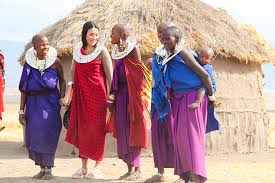
Cultural village walk — Mto wa Mbu's extraordinary ethnic diversity (over 120 tribes represented among the settlers) creates a unique multi-cultural market town unlike anywhere else in Tanzania. Guided walks visit banana beer breweries, a vegetable market where all 120 tribes trade, Maasai moran (warriors) living alongside Iraqw farmers and Chagga traders. Rice farm cycle tour — cycling through the irrigated rice paddies at the Rift Valley floor, an unusual agricultural landscape for Tanzania. Lake Manyara National Park entry — the park gate is 3 km from the village. Rift Valley escarpment viewpoint walk. Banana and cooking banana tasting.
About Mto wa Mbu
Tanzania has 120+ ethnic groups. Most visitors encounter two or three on a standard safari. Mto wa Mbu (“River of Mosquitoes” in Swahili — named less charmingly than it deserves) compresses all 120 into one village at the base of the Rift Valley escarpment, creating a market town unlike anywhere else in the country.
The village grew at the junction of the Mto wa Mbu River and the main northern Tanzania road because the reliable water supply made irrigated agriculture possible in the otherwise arid Rift Valley floor. Settlers came from every corner of Tanzania — Chagga traders from Kilimanjaro, Iraqw farmers from the Karatu highlands, Maasai pastoralists from the Steppe, Sukuma from the Lake Victoria shore, Hadzabe from Lake Eyasi — creating a community where the market operates in 15+ languages and the agricultural landscape includes rice, banana, mango and vegetable gardens side by side.
Where is Mto wa Mbu?
The village is at the base of the Rift Valley escarpment, 120 km from Arusha on the main Arusha–Ngorongoro road. The Lake Manyara National Park gate is 3 km south of the village; most Northern Circuit safaris stop briefly at Mto wa Mbu’s market before entering the park.
The cultural village walk
A 2–3 hour guided walk through Mto wa Mbu is one of the Northern Circuit’s most underrated activities. The route visits:
- The market — where 120 ethnic groups trade produce, crafts and traditional items. The Maasai beadwork stands next to Chagga coffee sellers next to Iraqw vegetable farmers.
- Banana beer brewery — traditional mbege (banana beer) production, a Chagga specialty made by fermenting roasted banana with millet. Tasting offered; the flavour is an acquired one.
- Rice paddies — the irrigated paddies on the Rift Valley floor are an unusual agricultural landscape for East Africa; the cycle tour through the paddies is a relaxed and photogenic activity.
- Cave paintings — a small San rock art site on the escarpment above the village with red ochre figures, rarely visited and poorly publicised.
- Rift Valley viewpoint — the escarpment above the village gives views across the valley floor to Lake Manyara and the distant Ngorongoro highlands.
The gateway to Lake Manyara
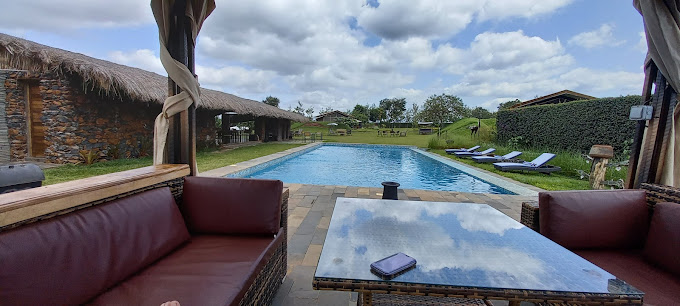
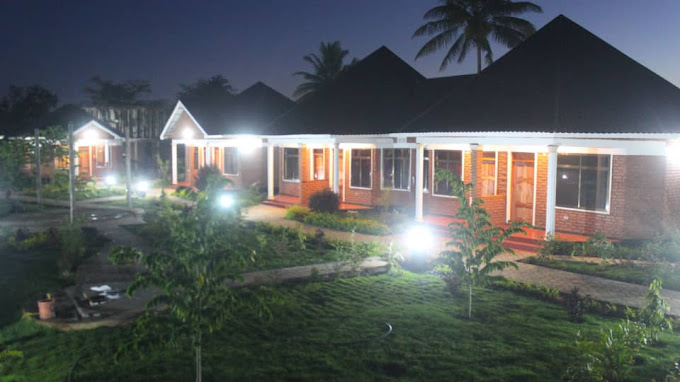
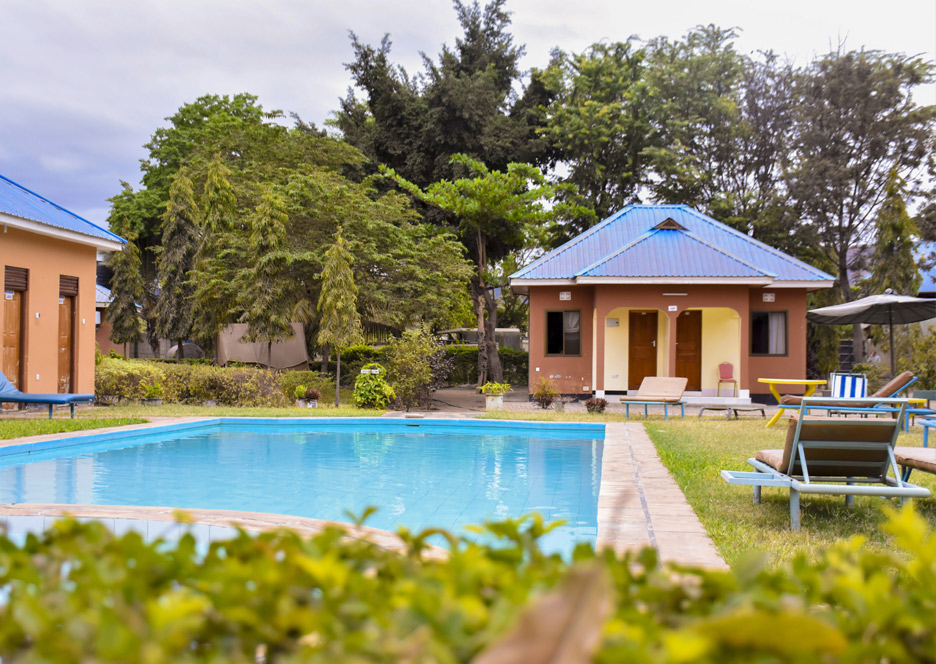
Mto wa Mbu’s practical value to most visitors is as the entry town for Lake Manyara National Park. The park gate is 3 km from the market; day visitors buying food, hiring guides and exchanging money do so in Mto wa Mbu before entering. Several budget lodges in the village serve as a cheaper alternative to the expensive hotels on the escarpment above Karatu for travellers on a tight budget.
Combine Mto wa Mbu with…
- Lake Manyara National Park — the park gate is 3 km south; always the natural pairing.
- Karatu — 30 minutes east; coffee farm tours and Ngorongoro gateway.
- Ngorongoro Crater — 1.5 hours west on the full Northern Circuit.
- Lake Eyasi — 2 hours south for the Hadzabe cultural experience.
Frequently asked questions about Mto wa Mbu
Why is Mto wa Mbu so diverse?
The reliable water supply from the Mto wa Mbu River made it possible to farm in the otherwise dry Rift Valley floor. As Tanzania developed a national economy in the post-independence era, settlers from across the country came to take advantage of the agricultural opportunity — and the market that developed naturally attracted even more diversity.
How do you arrange the cultural village walk?
Through registered village guides who can be hired at the cultural tourism programme office in the village centre. Avoid unofficial guides who approach on the street; the registered programme ensures guides are trained, fees are fair and the experience benefits the community.
Is there accommodation in Mto wa Mbu?
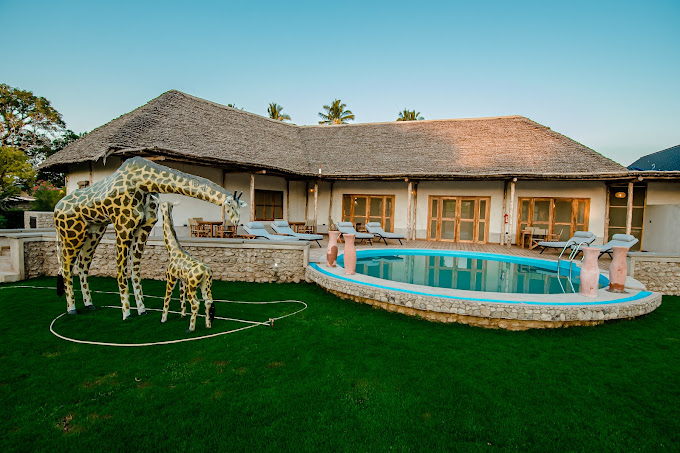
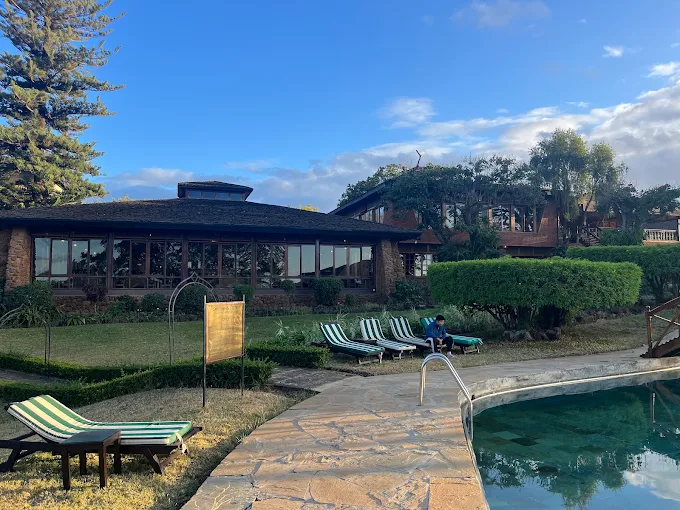
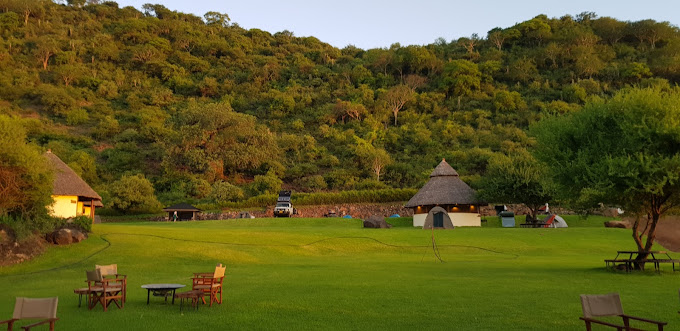
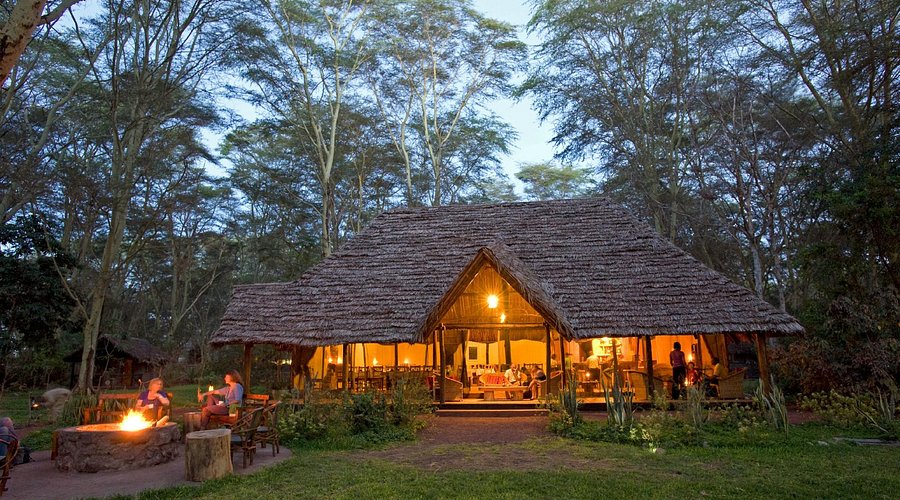
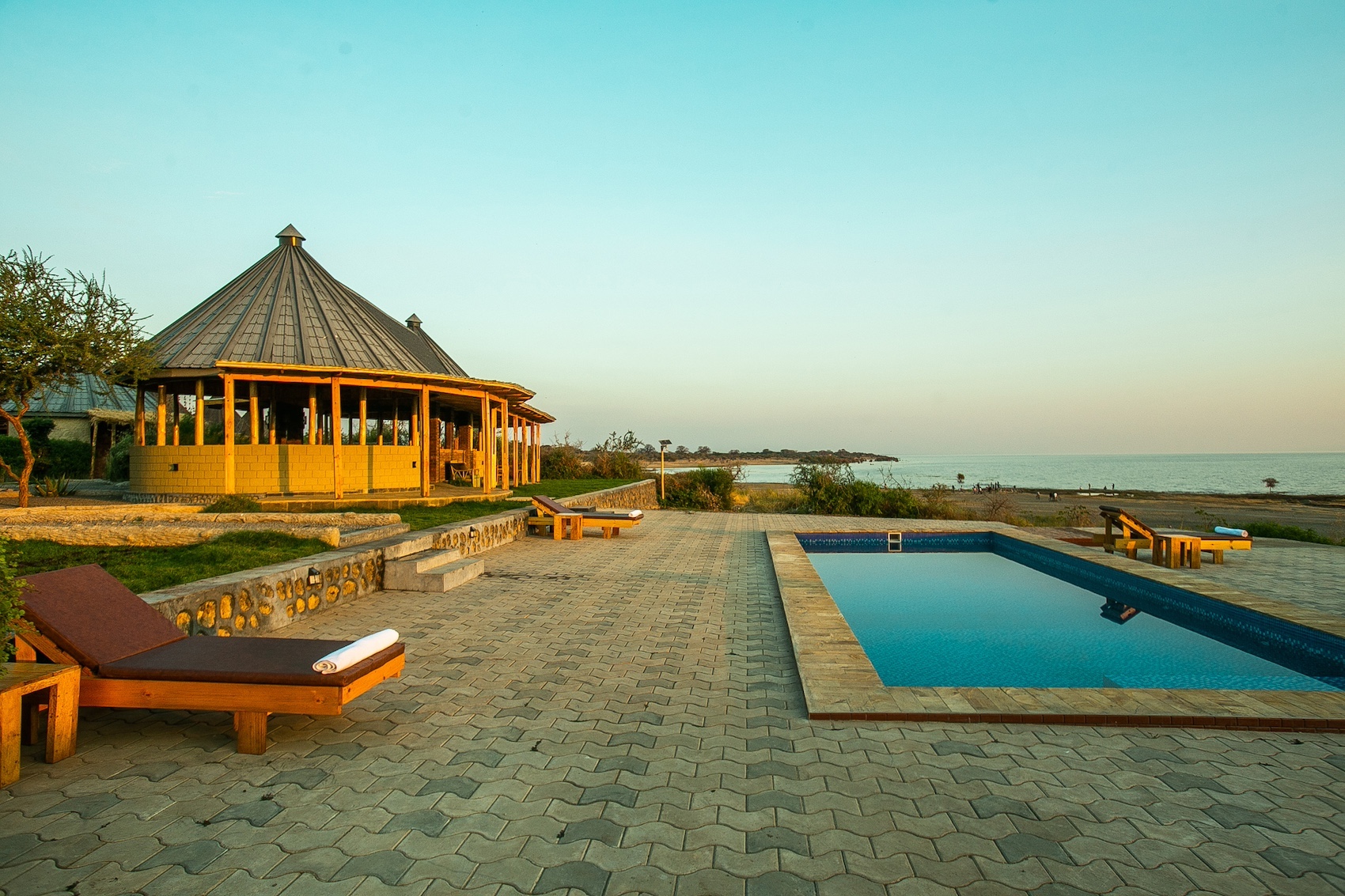
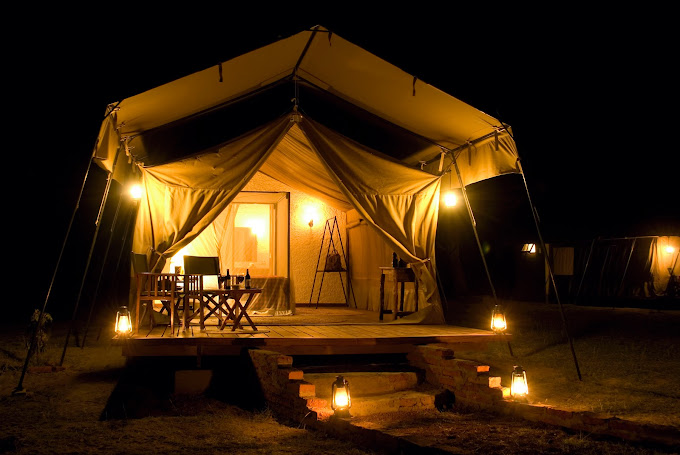
Yes — several budget and mid-range guesthouses serve the village. For a proper safari lodge, the Karatu area (30 minutes east) or the Lake Manyara hotels on the escarpment are better options for quality and value.
Want to visit Mto wa Mbu?
Get a free custom safari plan within 24 hours.
Mto wa Mbu safari tours
No fixed packages listed yet — we'll build a custom safari around Mto wa Mbu for you.
Browse All ToursWant to visit Mto wa Mbu?
Get a free custom safari plan within 24 hours.
Best time to visit Mto wa Mbu
Mto wa Mbu is a year-round destination as a market town and Northern Circuit gateway. The relevant seasonal consideration is the adjacent Lake Manyara National Park.
June to October — Dry season (best for Lake Manyara game viewing)
The dry season gives the best wildlife viewing in Lake Manyara. The market is active year-round. Cultural walks operate in any weather. The rice paddies are most visually interesting when the crop is green and growing (typically after the rains) rather than after harvest.
November to December — Short rains (flamingo peak at Manyara)
The short rains bring flamingo to Lake Manyara in their largest numbers and the surrounding landscape is vivid green. The market is very active as local produce peaks. A rewarding transitional period.
Bottom line: Mto wa Mbu is worth a stop year-round; the cultural walk takes 2–3 hours and the rice farm cycle can be done in any season.
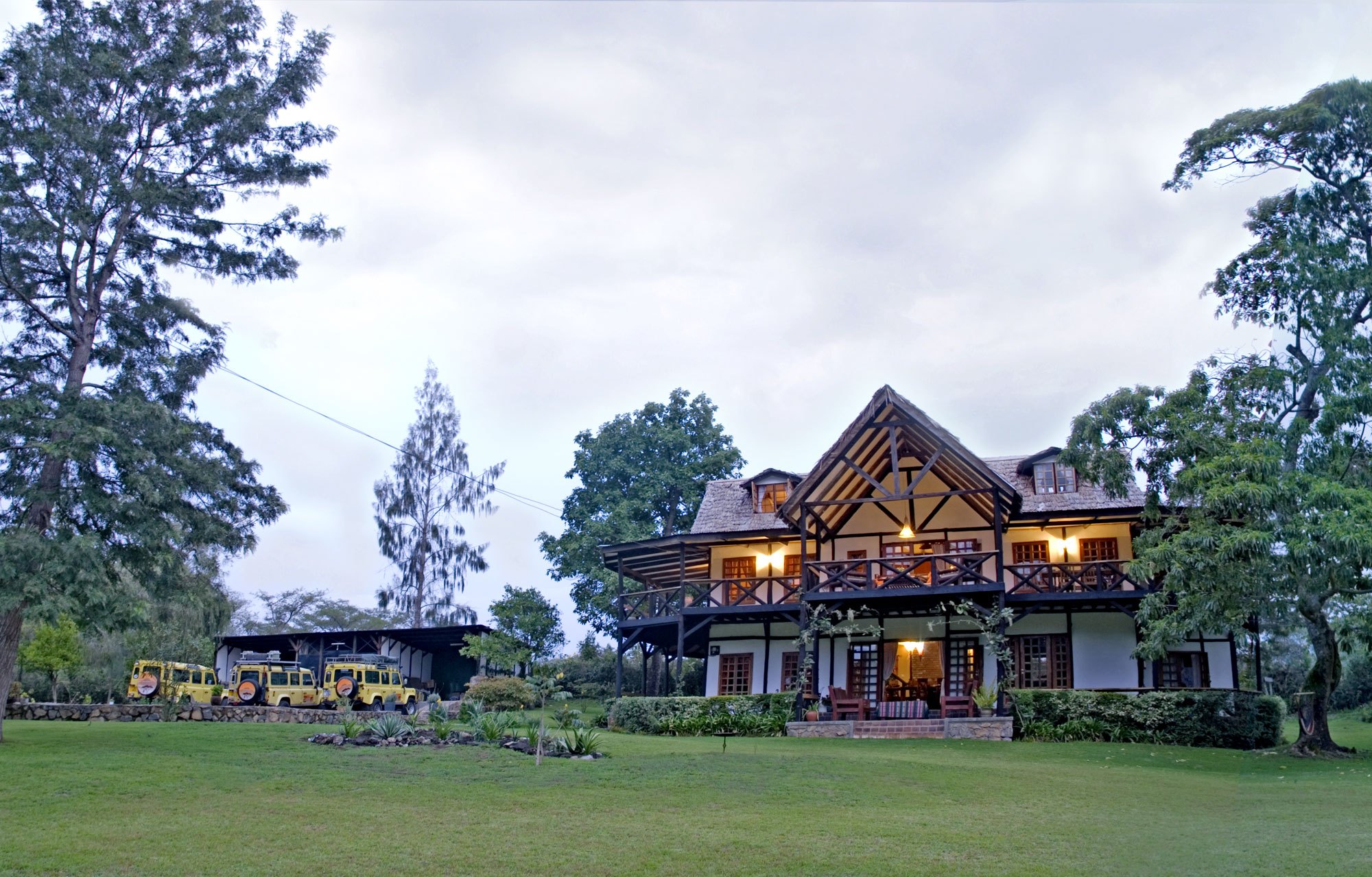
Where to stay in Mto wa Mbu

Want to visit Mto wa Mbu?
Get a free custom safari plan within 24 hours.
Nearby destinations
 Tanzania
 Tanzania
 Tanzania
 Tanzania