Quick facts
Wildlife
Karatu town itself has no wildlife to speak of, but the surrounding Karatu District sits between Tarangire National Park to the east and the Ngorongoro Conservation Area to the west, making it a passage zone for wildlife on the edges of both ecosystems. The forested slopes above Karatu hold colobus and blue monkey. Lake Manyara (30 minutes east) provides tree-climbing lions, hippo and flamingo. Ngorongoro Crater (40 minutes west) is one of Africa's most concentrated wildlife areas. Lake Eyasi (45 minutes south) offers Hadzabe cultural encounters.
Top activities
Coffee and banana farm tour on the Karatu highlands — visiting working Iraqw farms, watching coffee cherry sorting and roasting, and tasting single-origin Arabica grown on the slopes below Ngorongoro. Iraqw cultural village visit — the Iraqw people are one of Tanzania's most distinct ethnic groups, with a unique agropastoral culture and one of the few matrilineal traditions in Tanzania. Gibb's Farm coffee plantation and restaurant visit. Lake Eyasi day trip for Hadzabe and Datoga cultural experiences. Ngorongoro Crater day trip. Lake Manyara half-day safari.
About karatu town
Karatu is the quiet, pleasant town that most Northern Circuit safari visitors drive through twice without stopping. That is a mistake worth correcting. Sitting at 1,400 metres on the fertile slopes between Lake Manyara to the east and the Ngorongoro Crater to the west, Karatu is northern Tanzania’s agricultural heartland — a green, well-watered landscape of coffee, banana and onion farms cultivated by the Iraqw people, one of Tanzania’s most culturally distinct ethnic groups.
Most travellers spend one night in Karatu between Tarangire and Ngorongoro. Those who spend two or three nights discover the coffee farm experience, the Lake Eyasi Hadzabe day trip and a cultural dimension to the Northern Circuit that the game parks alone cannot provide.
Where is Karatu?
Karatu District is in the Arusha Region, 155 km from Arusha on the road to Ngorongoro. From Arusha: 2.5–3 hours. From the Ngorongoro Crater rim: 40 km east, about 45 minutes. Lake Eyasi lies 45 km south via the escarpment road.
Coffee farm tours
The slopes below the Ngorongoro highlands produce some of northern Tanzania’s finest Arabica coffee — shade-grown under banana canopy at 1,400–1,800 metres, with the volcanic soil and altitude that produces complex, fruity cup profiles. Several farms offer half-day tours: walking through the coffee rows, understanding the wet-processing method (depulping, fermenting, washing), watching the hand-sorting of dried beans and ending with a cupping session comparing different farms’ output. Gibb’s Farm (a historic farm turned boutique lodge) is the most established visitor experience but independent community farms offer more authentic, direct-to-farmer interactions.
The Iraqw people
The Iraqw are a Cushitic-language people who migrated into the Karatu highlands centuries ago from the north — their language is most closely related to those of southern Ethiopia and Somalia, making them an ethnic outlier in the Bantu-dominant Tanzania. They are skilled farmers, known for their terraced hillside agriculture and for developing one of the most productive agricultural systems in the region. Their traditional homesteads — built into hillsides with concealed entrances for defence — are a distinctive architectural tradition. Cultural visits to Iraqw villages, arranged through local guides, provide a genuine introduction to a community that receives very few visitors compared to the Maasai.
Karatu as a Northern Circuit base
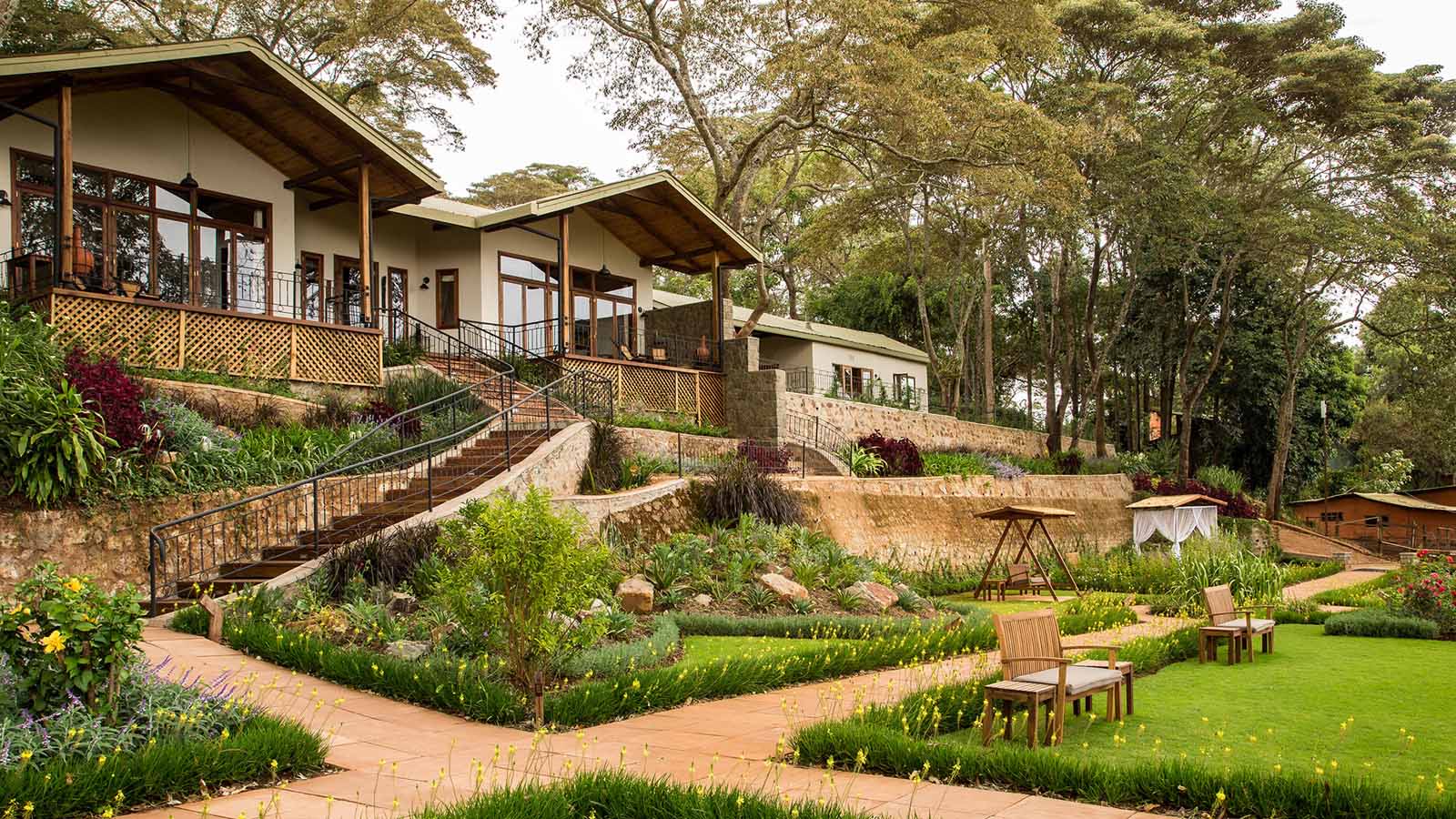
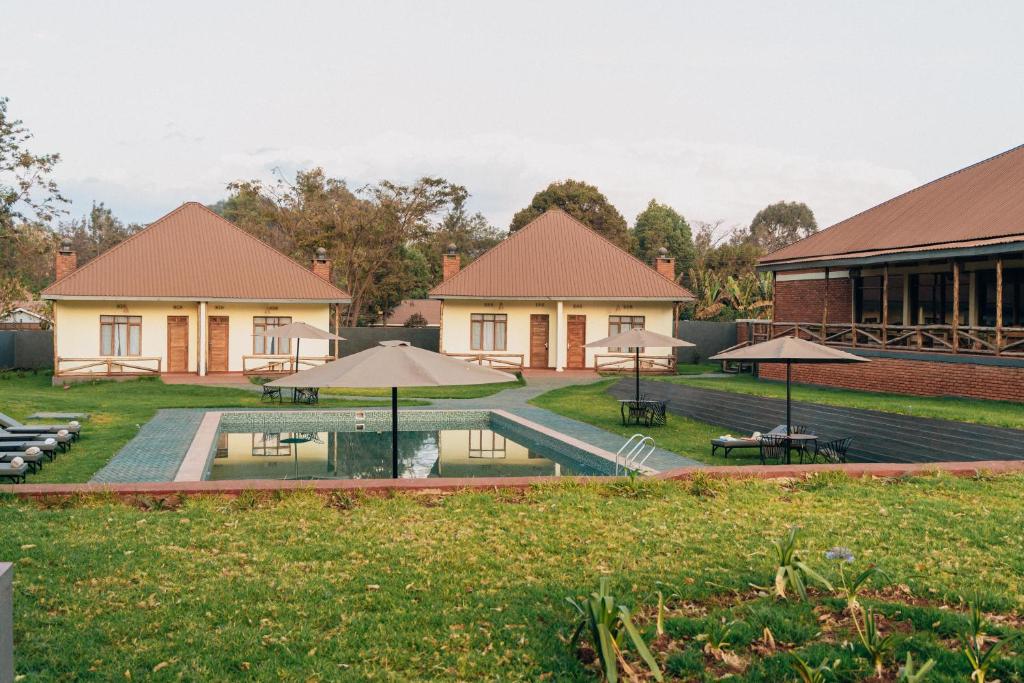
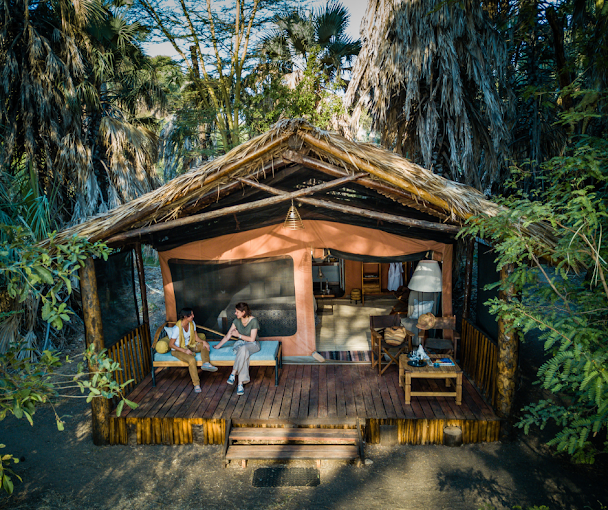
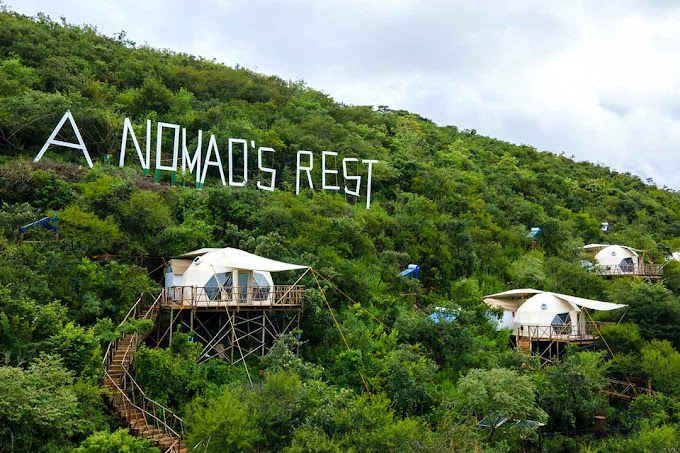
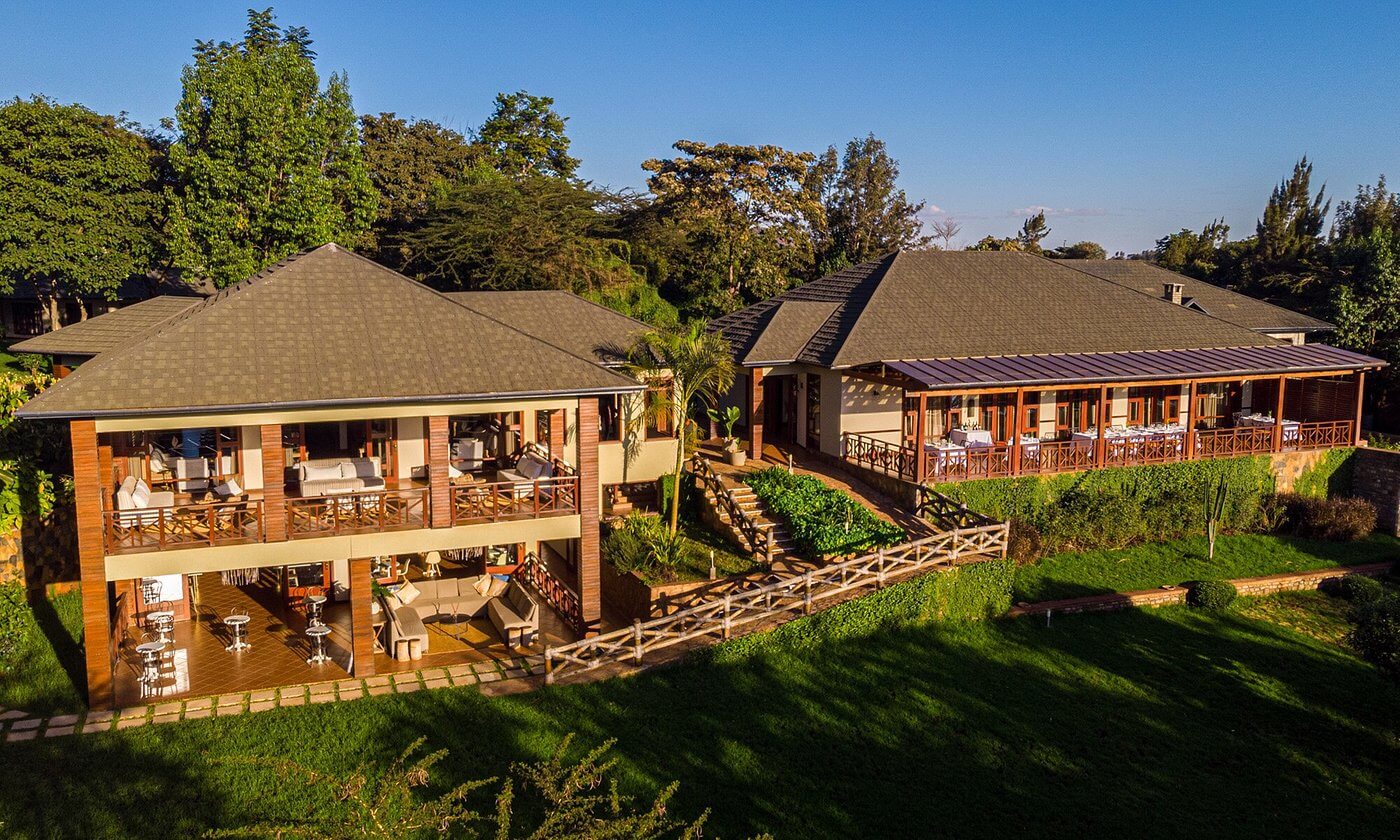
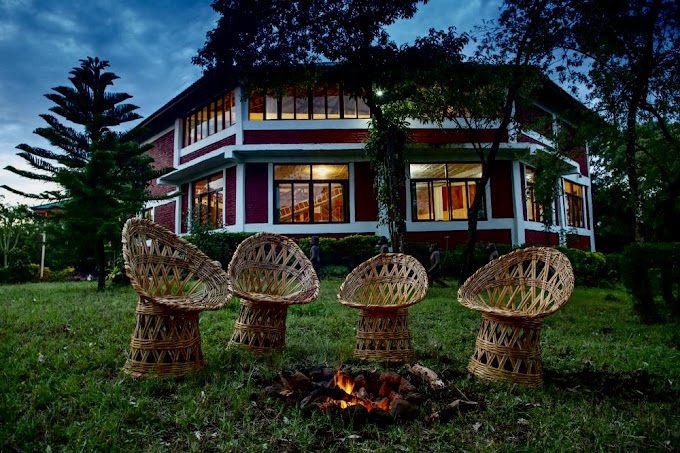
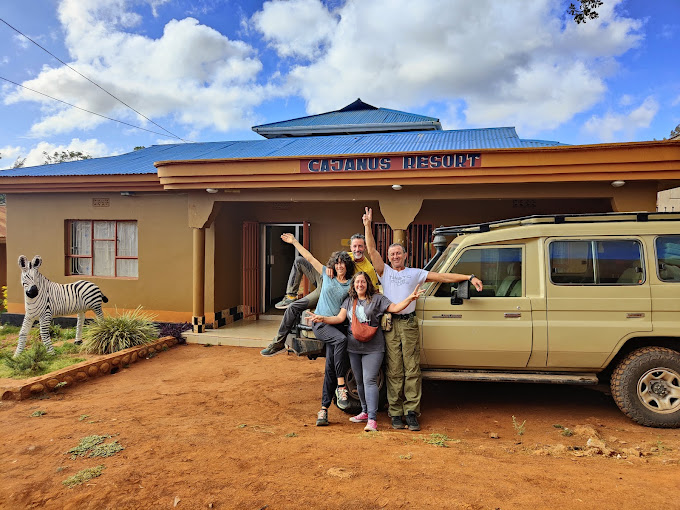
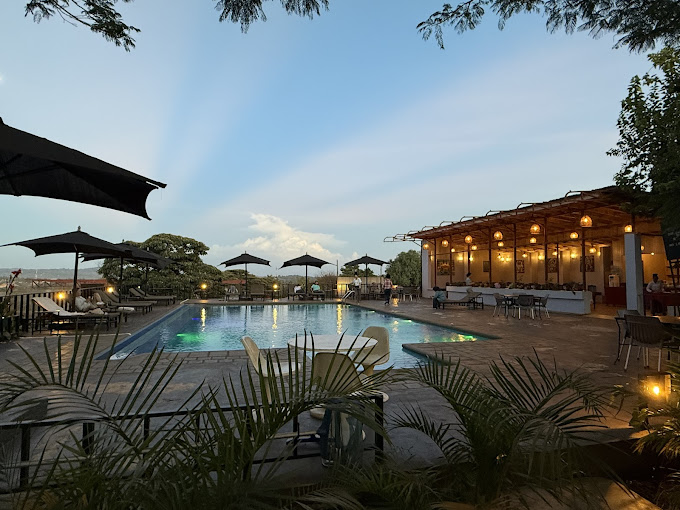
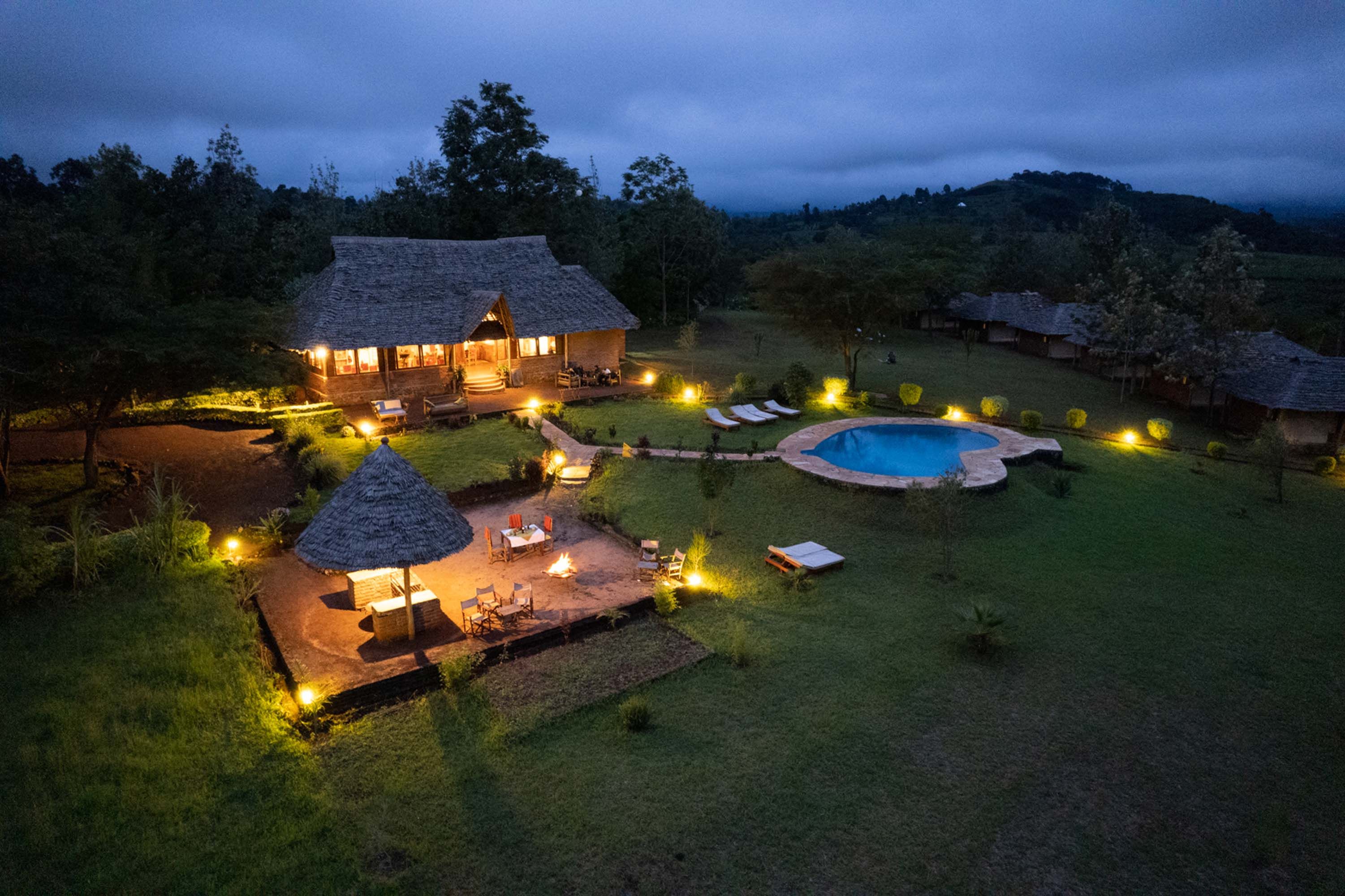
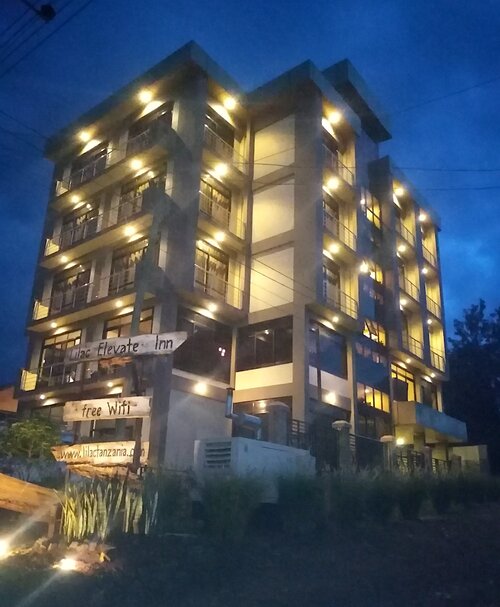
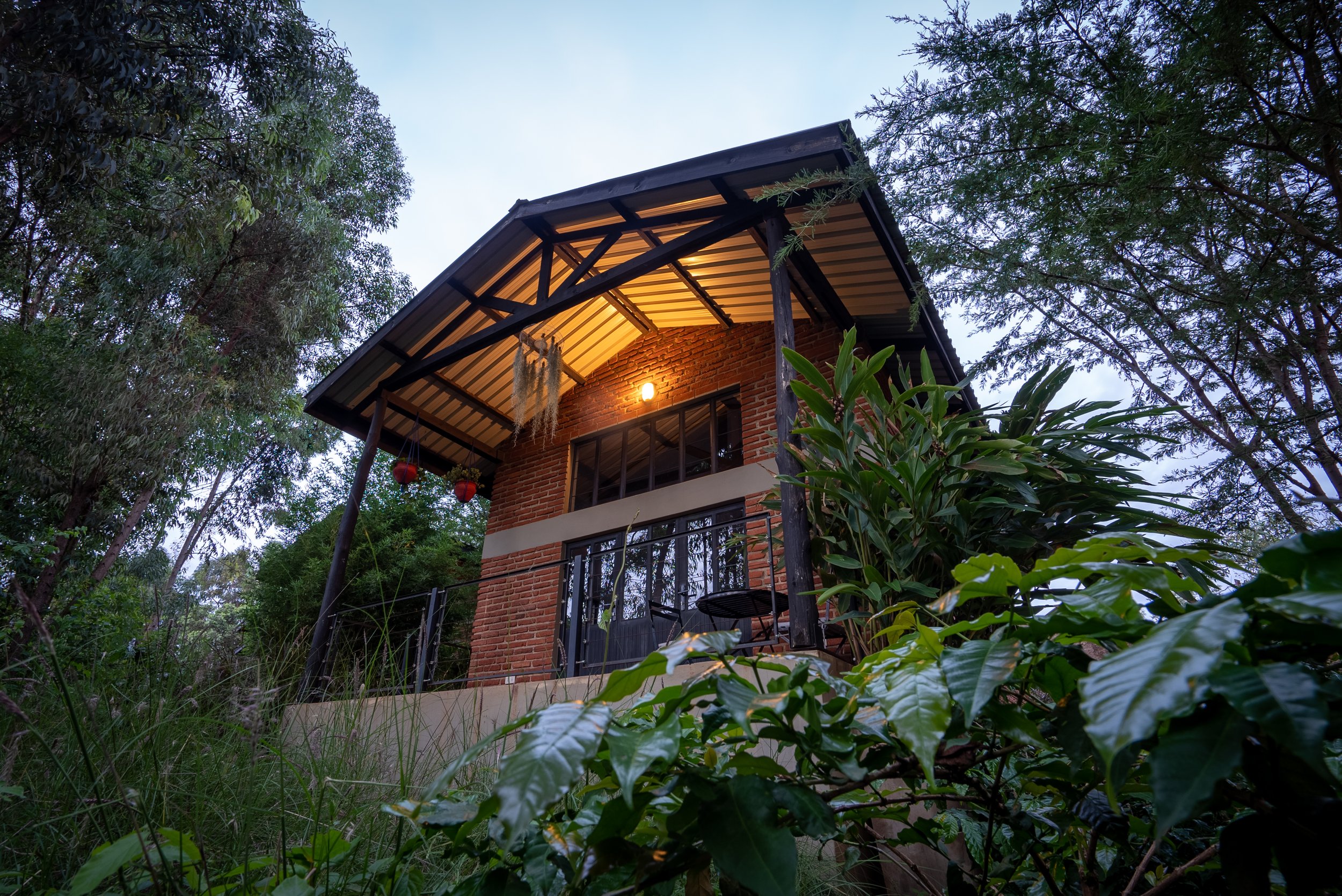
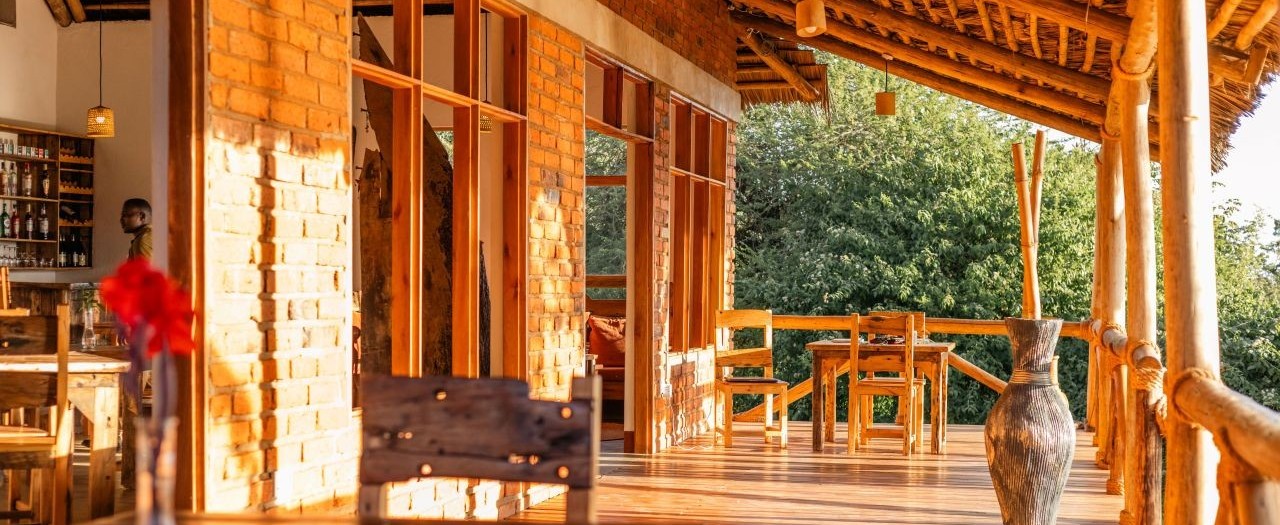
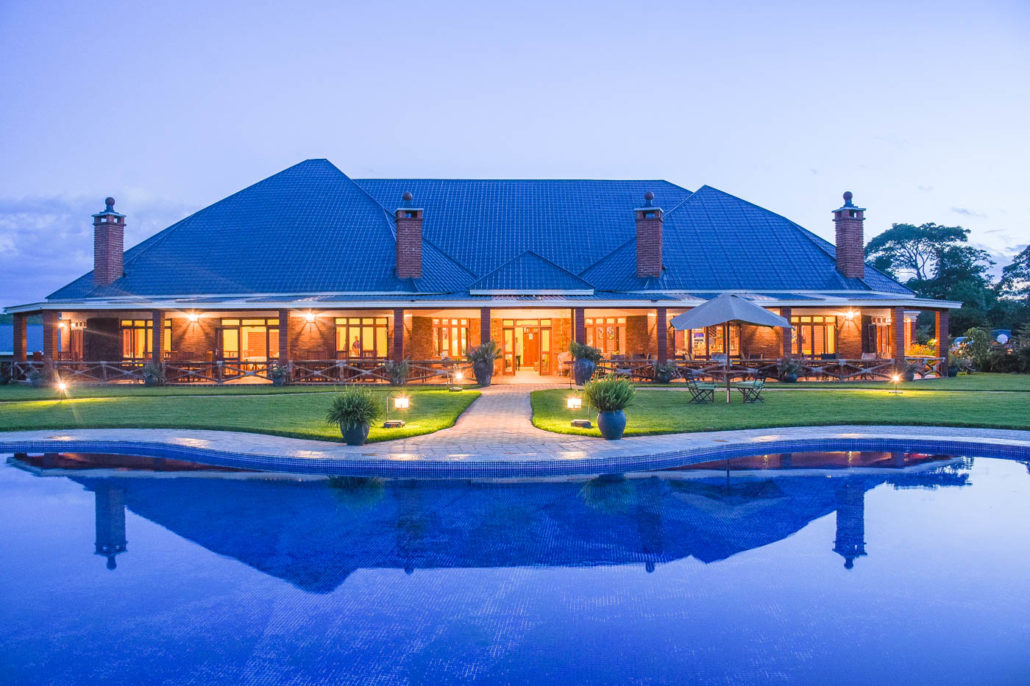
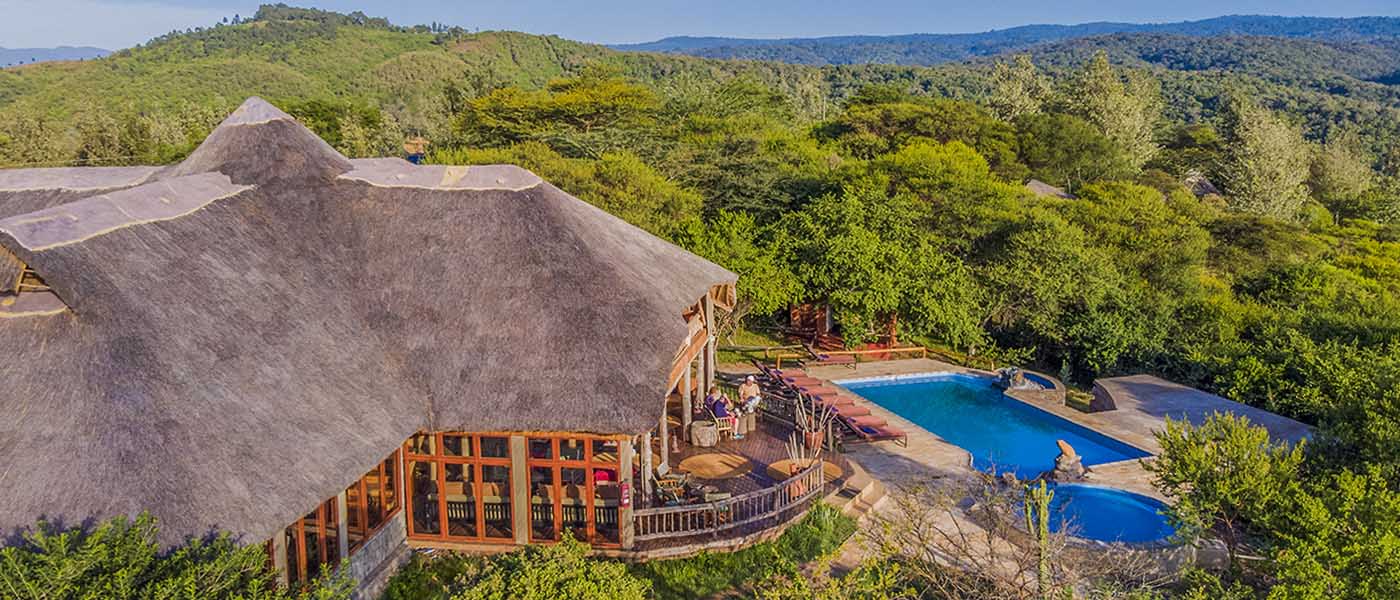
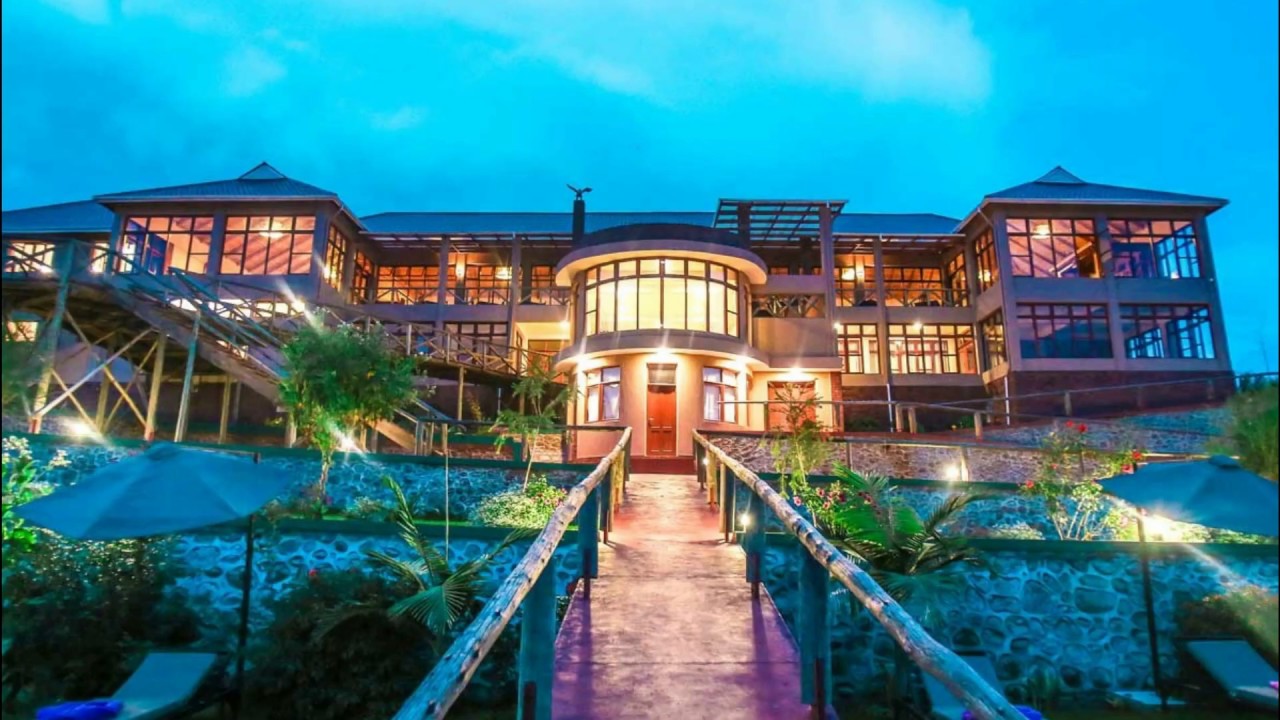
Karatu’s accommodation ranges from budget guesthouses in town to excellent mid-range and luxury lodges on the surrounding farms. The advantages of basing in Karatu over staying at Ngorongoro rim lodges:
- Lower rates (rim lodges carry a significant altitude/remoteness premium).
- Easier Lake Eyasi day trips.
- The farm landscape and cultural activities unavailable at rim properties.
- Only 45 minutes from the Ngorongoro gate for early morning crater descents.
Combine Karatu with…
- Ngorongoro Crater — 45 minutes west; the most natural Karatu combination.
- Lake Eyasi — 45 minutes south; the Hadzabe day trip.
- Lake Manyara — 30 minutes east; tree-climbing lions and flamingo.
- Tarangire — the elephant capital, 2 hours east.
Frequently asked questions about Karatu
Is Karatu worth stopping in, or just passing through?
Worth stopping for coffee farm tours and Lake Eyasi access. A two-night Karatu base makes cultural activities genuinely possible without rushing.
What is the onion connection?
Karatu District is known throughout Tanzania as the “onion capital” — the volcanic soil and reliable rainfall produce a crop that supplies much of northern Tanzania’s onion market. The market in Karatu town is busy on market days (typically Tuesday and Friday) with produce traders from across the region.
Want to visit karatu town?
Get a free custom safari plan within 24 hours.
karatu town safari tours
No fixed packages listed yet — we'll build a custom safari around karatu town for you.
Browse All ToursWant to visit karatu town?
Get a free custom safari plan within 24 hours.
Best time to visit Karatu
Karatu functions primarily as a base town on the Northern Circuit and is visited year-round. The most relevant timing consideration is which adjacent destinations you are combining.
June to October — Dry season (best for all surrounding parks and Lake Eyasi access)
The dry season is the most productive for wildlife in all three adjacent destinations (Lake Manyara, Ngorongoro, Lake Eyasi). The road to Lake Eyasi from Karatu is most reliable. Coffee farm tours run year-round but the farm landscape is at its tidiest in the dry season.
November to March — Green season (lush farm landscape, calving in Ngorongoro)
The Karatu highlands are extraordinarily green and productive after the rains. Coffee flowers in November and early December produce one of the area’s most beautiful and fragrant agricultural landscapes. Ngorongoro is excellent year-round.
May to June — Coffee harvest (best for farm experience)
Arabica coffee harvest at Karatu runs approximately May to June. Visiting during harvest — when the red coffee cherries are being picked by hand and the processing stations are busy — gives the most complete farm experience.
Bottom line: Karatu works as a base year-round. June to October for the best surrounding safari conditions; May to June for coffee harvest.
Where to stay in karatu town