Quick facts
Wildlife
Tanga's primary wildlife draw is its marine environment. The offshore Toten Island and surrounding waters support reef fish, sea turtle and the seasonal presence of dolphins and whale shark. The Tanga Coelacanth Marine Park (gazetted 2010) protects deep-water habitat where the prehistoric coelacanth fish has been documented — one of only a handful of known populations globally. The Usambara Mountains (accessible from Tanga) hold colobus monkey and Eastern Arc endemic birds. Amboni Caves support a resident bat colony of several thousand fruit bats.
Top activities
Amboni Caves guided tour — East Africa's largest cave system extends 234 km (only 900 metres open to visitors) through limestone karst, with stalactites, stalagmites and a resident fruit bat colony. Tongoni Ruins — 14th–18th century Swahili mosque and tomb ruins on the coast road south of Tanga. Galanos Hot Springs — natural thermal springs in forested surroundings near the Amboni area. Toten Island boat trip — snorkelling on the offshore reef. Usambara Mountains day trip or overnight — 2 hours west for Eastern Arc forest hiking. Colonial Tanga town walk — German-era boma, courthouse and the historic Tanga Club.
About Tanga
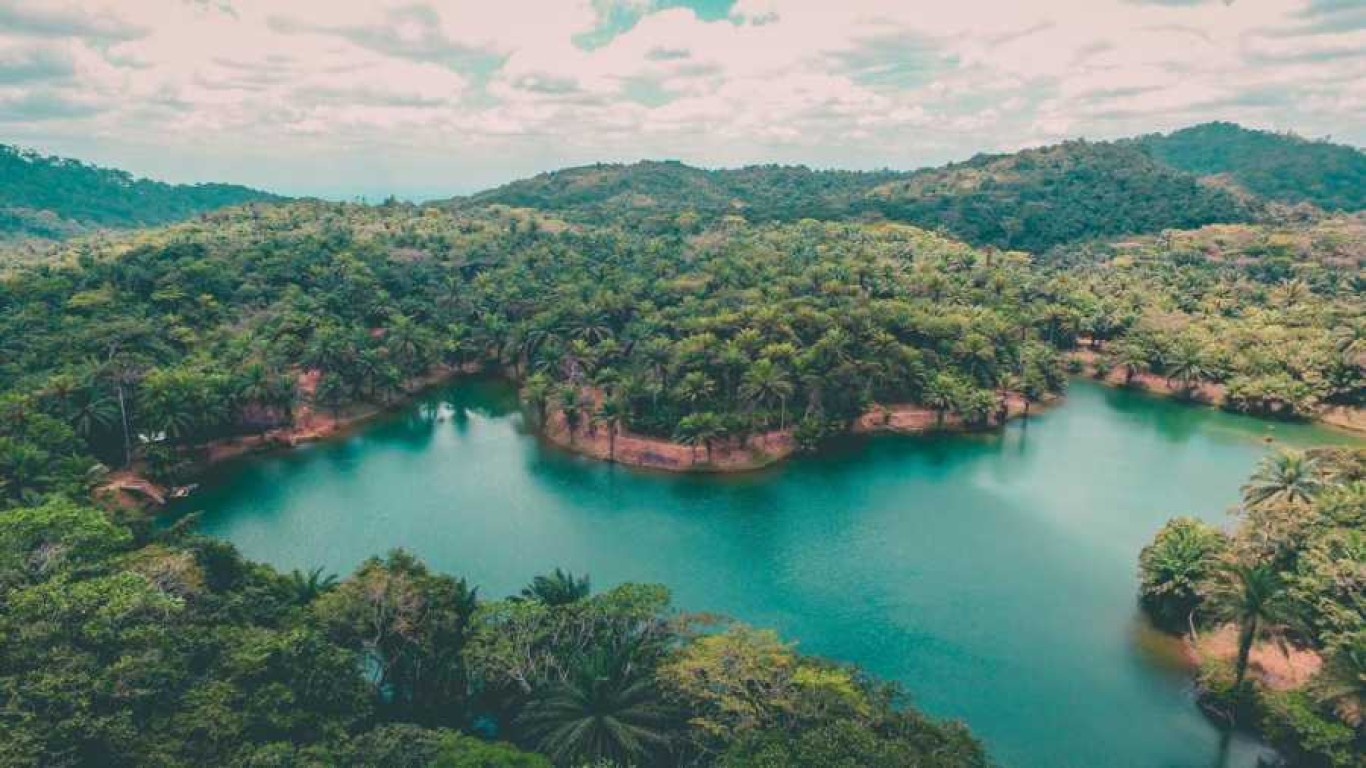
Tanga is Tanzania’s second-busiest port and northeastern regional capital, sitting 80 km south of the Kenyan border in a bay backed by the Usambara Mountains. It is also, by some distance, one of the country’s most overlooked destinations — a city with a German colonial waterfront, a remarkable cave system, 14th-century Swahili ruins and direct access to the Eastern Arc Mountains, all largely ignored in favour of the Zanzibar-Kilimanjaro-Serengeti circuit.
Tanga’s tourism potential was suppressed for decades by the relative difficulty of reaching it (no international airport, poor road connections from Dar) but improving infrastructure has made it accessible to travellers building a northeast Tanzania coastal and highland itinerary.
Where is Tanga?
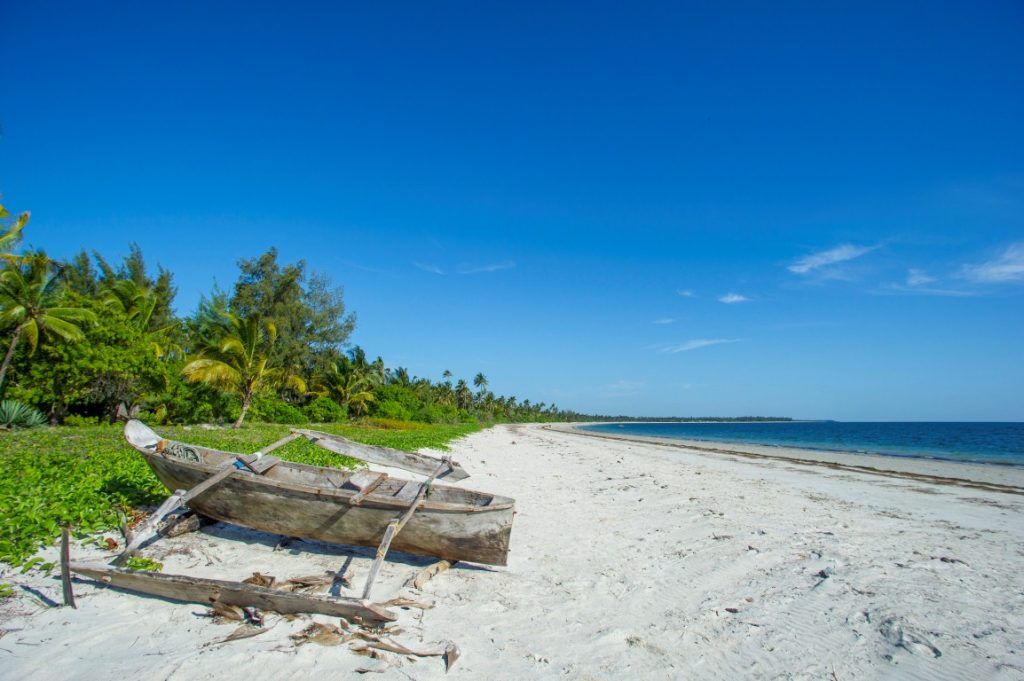
Tanga Region occupies Tanzania’s northeastern coast, bordering Kenya to the north and the Indian Ocean to the east. The city is 400 km north of Dar es Salaam (5–6 hours by road), 100 km northeast of Moshi (2 hours on the A14) and served by daily flights from Dar es Salaam (Precision Air and regional carriers).
Amboni Caves
Eight kilometres north of Tanga city centre, the Amboni Caves are East Africa’s largest known cave system — an estimated 234 km of passages through Jurassic limestone karst, of which approximately 900 metres are open to guided visitor access. The caves were formed by acidic groundwater dissolving the limestone over millions of years, creating chambers, passages and formations of stalactites and stalagmites. A large fruit bat colony roosts in the cave ceiling; the guides can identify different species and explain the cave’s ecosystem.
Guided tours run daily from the cave entrance. The passage temperature is constant at around 28°C regardless of outside conditions — take a light layer if you run cold. The tour takes 45–60 minutes.
Tongoni Ruins
Twenty kilometres south of Tanga on the coast road toward Pangani, the Tongoni Ruins are the remains of a 14th–18th century Swahili trading settlement — mosques, pillar tombs and house foundations in the characteristically Swahili coral-stone style. The site is among the best-preserved on the Tanzanian mainland coast and receives very few visitors. A local guide from the adjacent village provides the context.
The Tanga Coelacanth Marine Park
Gazetted in 2010 following the documentation of coelacanth in the deep waters off Tanga, this marine park protects habitat for one of the ocean’s most ancient fish species — a “living fossil” that was known only from fossils until a living specimen was discovered in 1938. The Tanga coelacanth population is only the fourth confirmed globally. Surface visitors cannot see coelacanths (they inhabit depths of 100–300 m) but the park’s shallow reef sections support accessible snorkelling.
Colonial Tanga
The German colonial waterfront — boma, courthouse, Customs House and the old Tanga Club — retains a collection of early 20th-century administrative architecture that is among the best-preserved in East Africa. The Battle of Tanga memorial commemorates the extraordinary 1914 battle in which a small German force repelled a much larger British landing force, with the assistance, famously, of a swarm of disturbed bees (the battle is sometimes called the “Battle of the Bees”).
Combine Tanga with…
- Usambara Mountains — 2 hours inland; the most natural Tanga combination.
- Pangani — 50 km south; Swahili coast beach and Maziwe snorkelling.
- Magoroto Forest Estate — Eastern Arc forest near Muheza, 45 minutes inland.
Frequently asked questions about Tanga
Are the Amboni Caves worth visiting?
Yes — East Africa’s largest cave system is a genuinely interesting natural attraction. The guided section is short but well-interpreted. Combine with Tongoni Ruins on the same day for a full cultural programme.
Is Tanga a good base for the Usambara Mountains?
For the East Usambara (Amani Nature Reserve), yes — Tanga is 2 hours from Muheza and closer than Moshi. For the West Usambara (Lushoto), Moshi is more convenient.
Want to visit Tanga?
Get a free custom safari plan within 24 hours.
Tanga safari tours
No fixed packages listed yet — we'll build a custom safari around Tanga for you.
Browse All ToursWant to visit Tanga?
Get a free custom safari plan within 24 hours.
Best time to visit Tanga
June to October — Dry season (best for all activities)
The dry season is the most comfortable and productive period. The road to Amani and the Usambara Mountains is in its best condition. The Amboni Caves are accessible year-round (temperature inside is constant at around 28°C) but the access road can be muddy in heavy rain. Snorkelling and boat trips to Toten Island are most reliable.
December to February — Kaskazi season (calm seas, warm)
Warm and calm, with the Kaskazi north-east trade wind making boat trips comfortable. The best snorkelling conditions at the offshore reef. The Usambara highlands are warm and accessible.
March to May — Long rains (Amboni Caves still accessible, outdoors limited)
The long rains make outdoor activities less reliable. The Amboni Caves and town cultural sites remain accessible. The road to the Usambaras can be slippery in heavy rain.
Bottom line: June to October and December to February for the most complete Tanga experience.
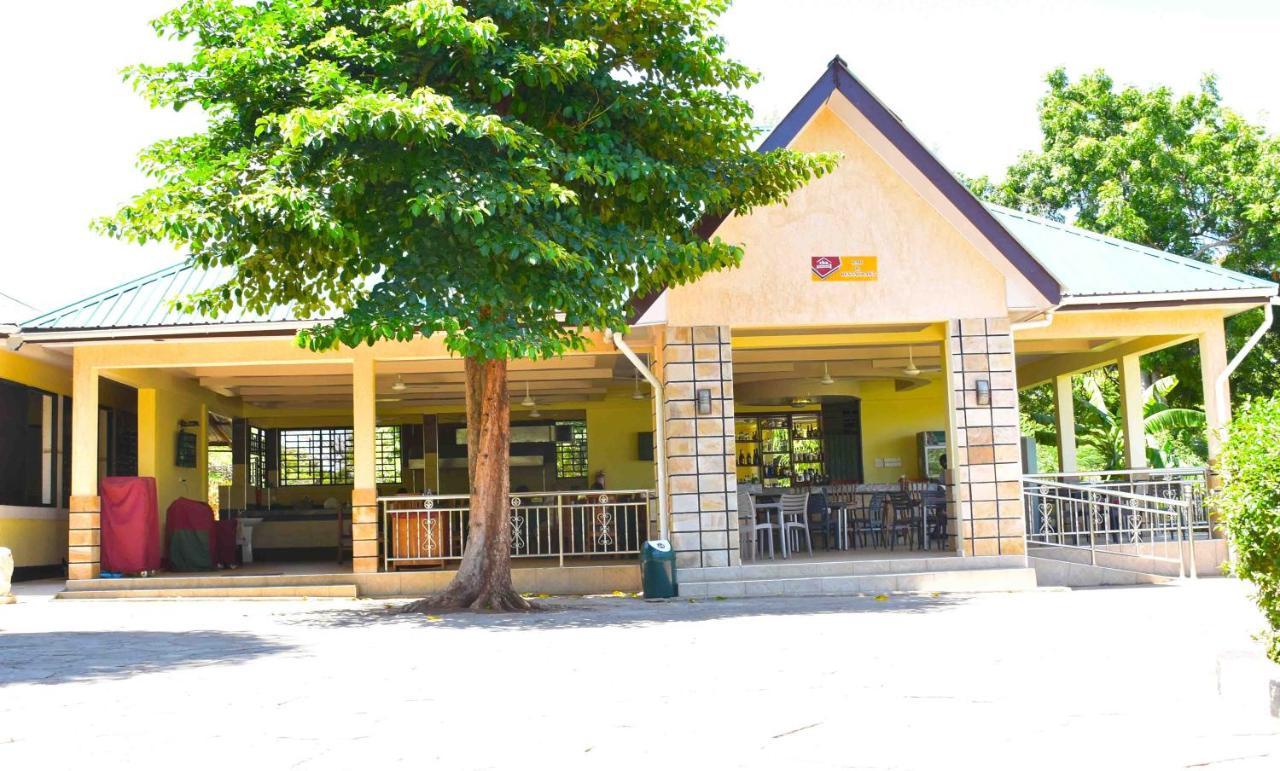
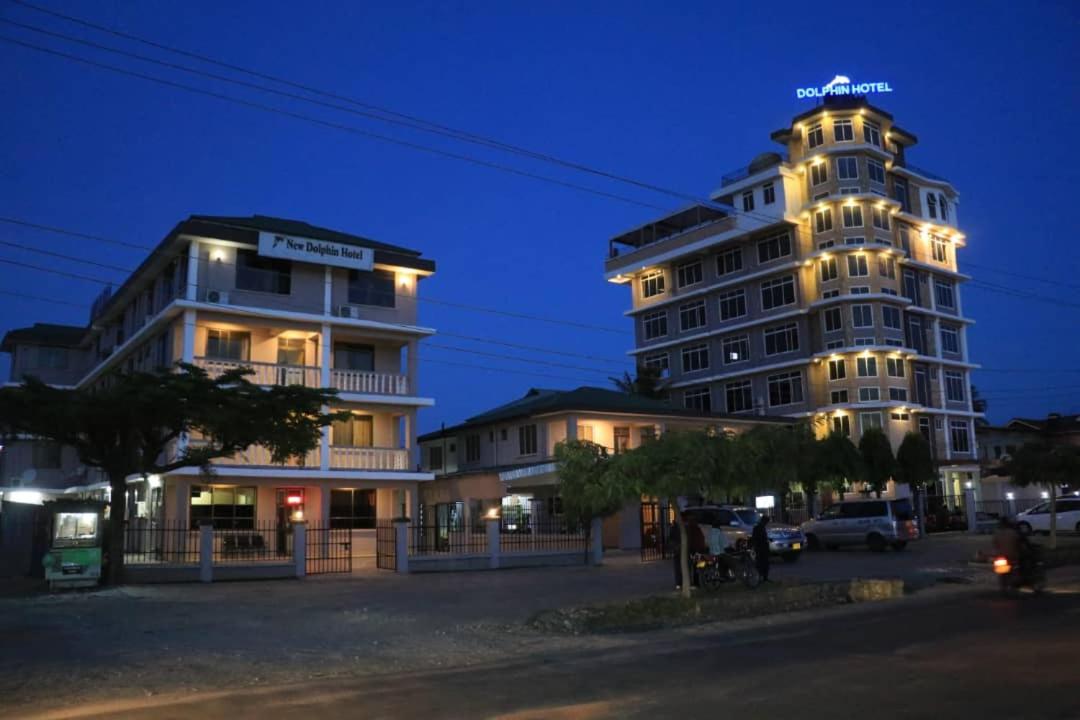
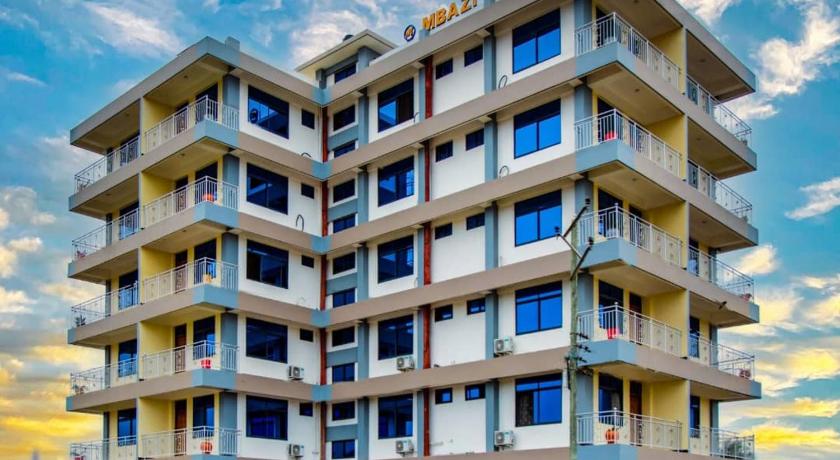
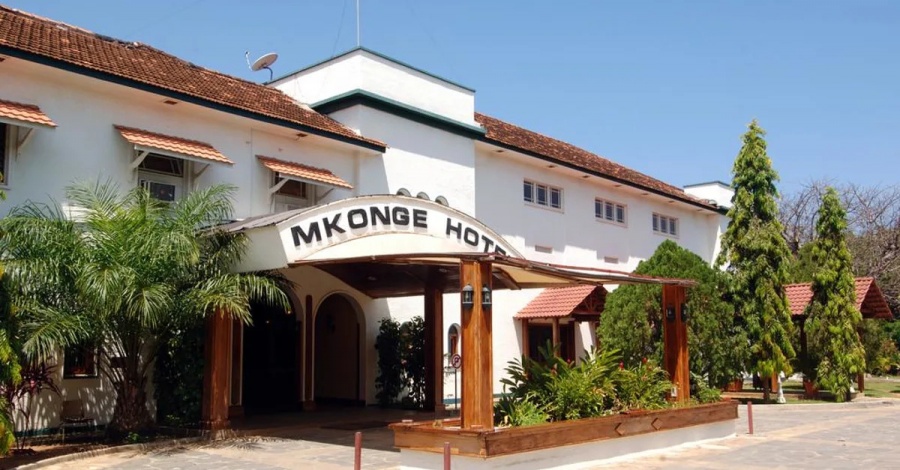
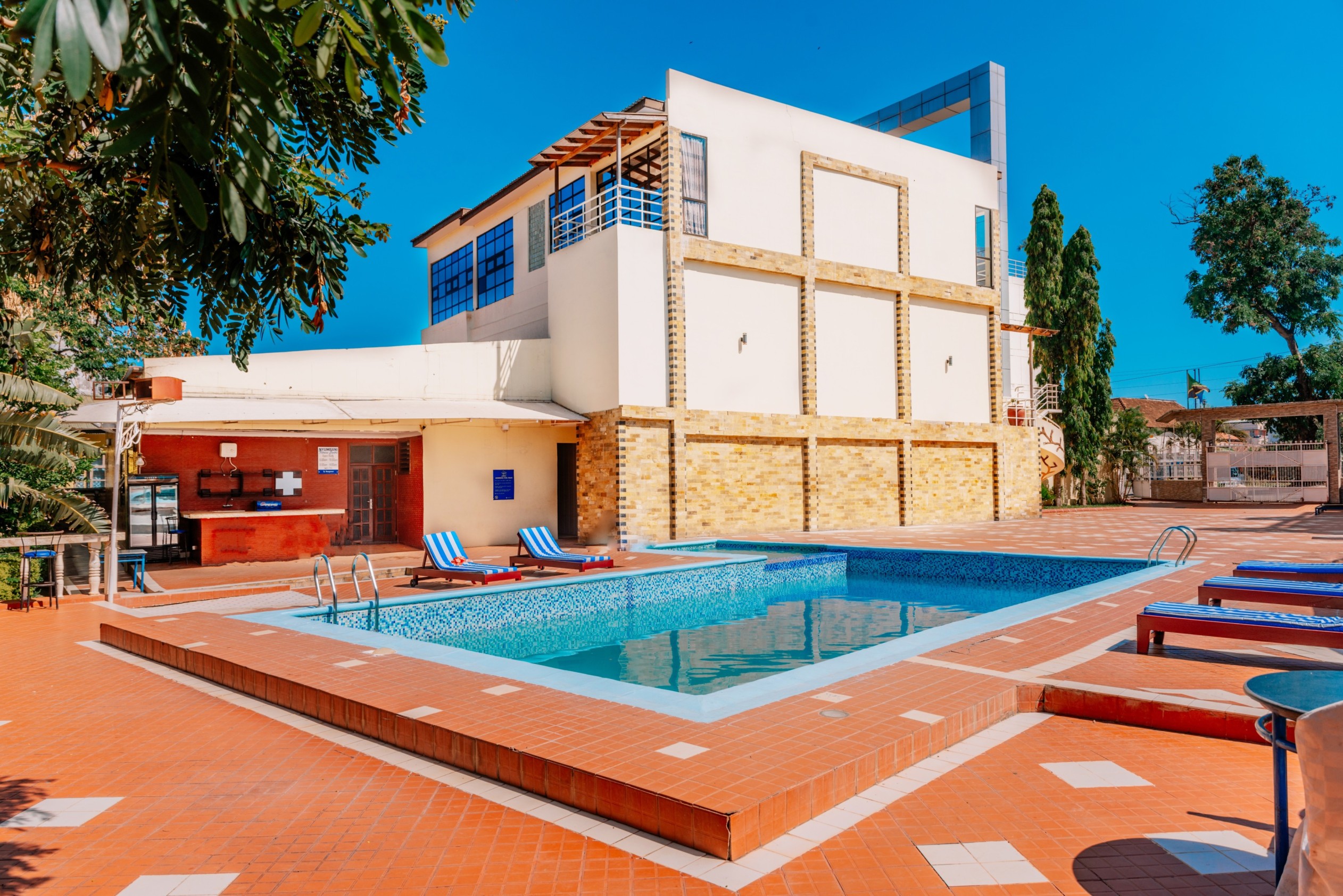
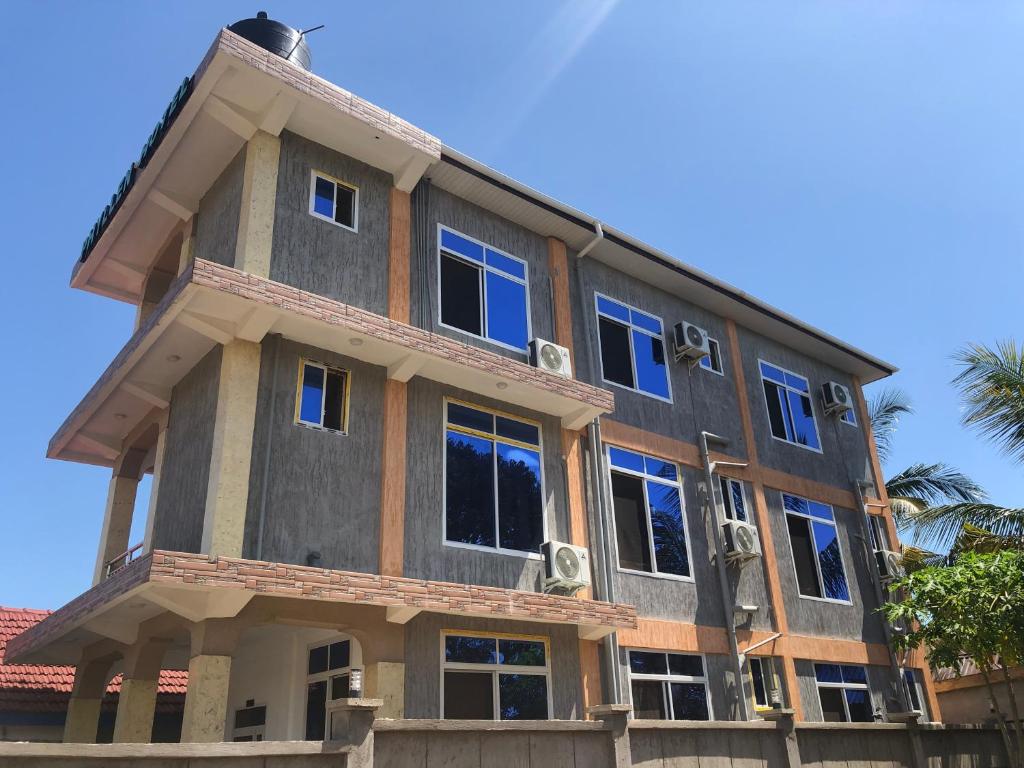
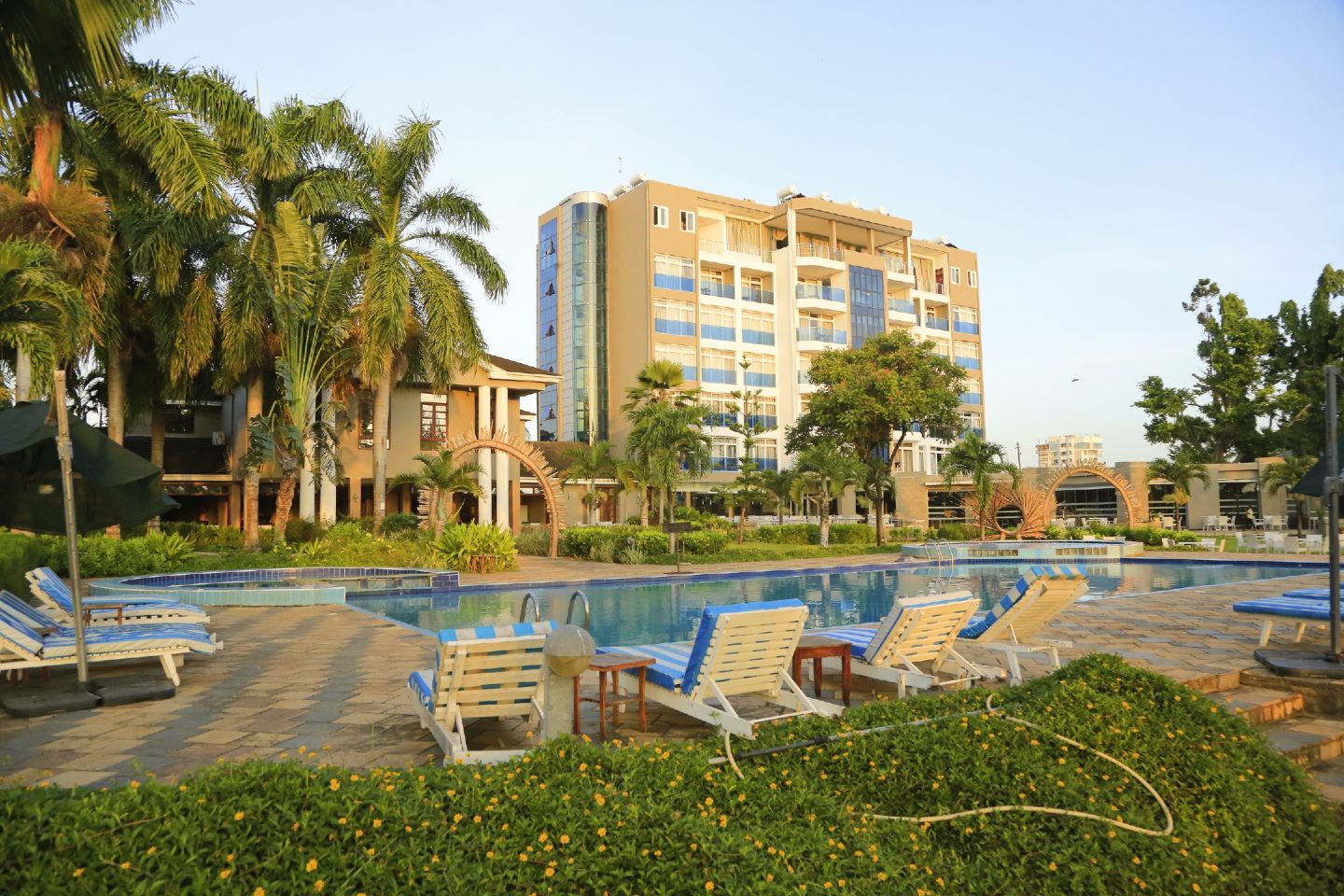
Where to stay in Tanga

Want to visit Tanga?
Get a free custom safari plan within 24 hours.
Nearby destinations
 Tanzania
 Tanzania
 Tanzania
 Tanzania