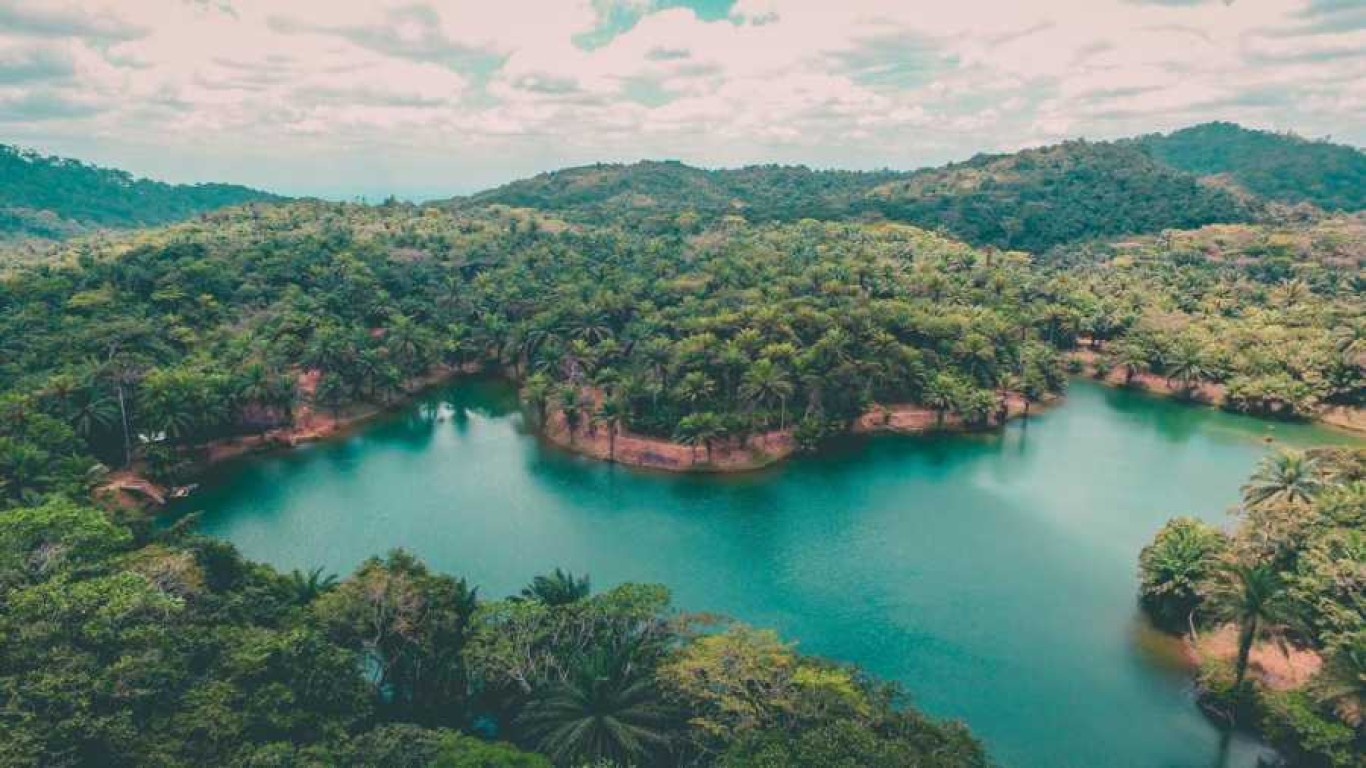
Quick facts
Wildlife
Pangani's marine environment is the primary wildlife draw. Maziwe Marine Reserve, a 45-minute dhow ride offshore, protects one of the most intact coral reef systems on the Tanzania mainland coast, with green and hawksbill sea turtle, reef fish in high diversity and good snorkelling visibility. Sea turtle nesting occurs on Maziwe Island. The Pangani River mouth is productive for waterbirds including herons, kingfisher and African fish eagle. The surrounding coastal forest holds colobus monkey and a range of coastal forest birds.
Top activities
Dhow trip to Maziwe Marine Reserve for snorkelling on pristine coral reef — one of Tanzania's best mainland snorkelling experiences. Sea turtle watching and beach walks on Maziwe Island. Pangani town walking tour — Arab trading house ruins, the German boma (colonial administrative building), old harbour and the historic district behind the river mouth. Ushongo Beach day or overnight — the nearest uncrowded beach, 15 km south. Dhow sailing on the Pangani estuary at sunset. Pangani River crocodile viewing from local boats. Cultural visit to the historic Swahili fishing community.
About Pangani
Pangani is the kind of coastal town that travel writers used to call “undiscovered” before the internet made the word meaningless. Located 50 km south of Tanga at the mouth of the Pangani River, it is genuinely quiet — a small, historically layered Swahili port town where Arab traders built warehouses in the 18th century, German colonists built an administrative centre in the 1890s, and sisal plantation workers shipped their cargo from the jetty until Tanga took over as the regional port.
What Pangani offers travellers in 2026 is the combination of uncrowded beaches, a compact and genuinely interesting historic town, and immediate access to one of Tanzania’s least-visited marine reserves: the Maziwe Island coral reef, which snorkellers describe as among the finest on the mainland coast.
Where is Pangani?
The town sits on the Tanga Region coast, 50 km south of Tanga and 240 km north of Dar es Salaam. The access road from Tanga is tarmac and takes about an hour. Pangani is also reachable by boat from Zanzibar and Pemba, making it a practical add-on to an archipelago visit.
Maziwe Marine Reserve
The offshore jewel of the Pangani coast, Maziwe Island Marine Reserve is a small island and associated coral reef system 45 minutes by dhow from Pangani town. The island itself disappears at high tide (it is a sandbank island, gradually being submerged by rising sea levels), but the reef surrounding it is exceptional — hard and soft coral in good health, high fish diversity and clear water that frequently exceeds 15 metres visibility. Green and hawksbill sea turtles rest on the reef and nest on the island seasonally.
Maziwe receives very few visitors compared to the Zanzibar reefs, making any snorkelling session here feel genuinely private. Trips are arranged through local operators in Pangani town.
Pangani town
The old town occupies a compact area around the river mouth, and a 1–2 hour walking tour reveals the layers of its history. The German Boma (colonial administrative building), now a small cultural centre, still stands on the riverfront. Ruined Arab trading houses dot the back streets. The old ferry jetty and the fish market at the river mouth are the social centres of contemporary town life. The Pangani Museum (housed in a historic slave trader’s house) has exhibits covering the town’s Arab, German and British periods.
Ushongo Beach
Fifteen kilometres south of Pangani, Ushongo Beach is a long, near-deserted stretch of Indian Ocean shore with a handful of small guesthouses and camps. No jet skis, no beach vendors, no scheduled activities — just the ocean, the coconut trees and a dramatically quiet alternative to the packed resorts of Zanzibar’s northern beaches.
Combine Pangani with…
- Tanga — 1 hour north; the regional city with Amboni Caves.
- Usambara Mountains — 2 hours inland for highland hiking.
- Magoroto Forest Estate — 1.5 hours north for forest walks and birding.
- Zanzibar — seasonal boat connections; easy coastal circuit.
Frequently asked questions about Pangani
Is Pangani worth visiting?
For travellers who want a genuinely quiet coastal experience with historical depth, excellent snorkelling and no tourist infrastructure crowds, yes. It is not a Zanzibar substitute; it is a completely different and more authentic Swahili coast experience.
How do you get to Maziwe Marine Reserve?
By dhow from the Pangani waterfront; local operators arrange the trip including snorkelling equipment, guide and park fees. Trips take approximately 45 minutes each way.
Is Maziwe Island always above water?
No — Maziwe is a sandbank island that is completely submerged at high tide. Snorkelling trips time the crossing to arrive during low tide when the island provides a resting point. The reef is accessible regardless of tide.
Want to visit Pangani?
Get a free custom safari plan within 24 hours.
Pangani safari tours
No fixed packages listed yet — we'll build a custom safari around Pangani for you.
Browse All ToursWant to visit Pangani?
Get a free custom safari plan within 24 hours.
Best time to visit Pangani
June to October — Kusi season (dry, good snorkelling, clear seas)
The south-east trade wind (Kusi) cools the coast to a comfortable 24–28°C from June through September. Seas are lively but manageable for dhow trips to Maziwe. Snorkelling visibility is good at the reef. This is the most pleasant period for beach walks, town exploration and the Pangani estuary boat tour.
December to March — Kaskazi season (warm, calm, best snorkelling)
The north-east monsoon delivers the calmest sea conditions of the year and the finest snorkelling visibility at Maziwe. Temperatures are warm (28–32°C). The dhow crossing to Maziwe is most comfortable. This is the period when most Tanzanian coastal visitors descend on the beaches.
March to May — Long rains (rough seas, limited snorkelling)
The long rains make the sea crossing to Maziwe unreliable and snorkelling visibility poor. The town itself is atmospheric in the rain but the marine activities are curtailed. Not recommended for a Maziwe-focused visit.
Bottom line: December to March for the best snorkelling at Maziwe. June to October for comfortable beach and town visits. Avoid April and May.
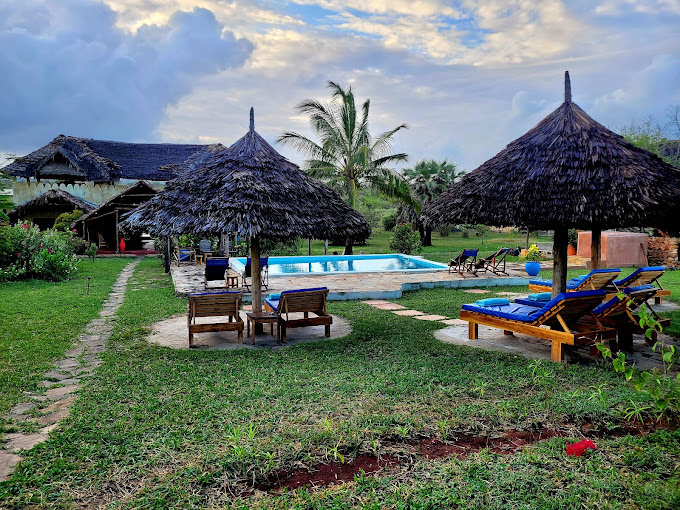
Where to stay in Pangani
Want to visit Pangani?
Get a free custom safari plan within 24 hours.
Nearby destinations
 Tanzania
 Tanzania
 Tanzania
 Tanzania