All Kilimanjaro Trekking Tours




Climbing Kilimanjaro: What You Need to Know Before You Book
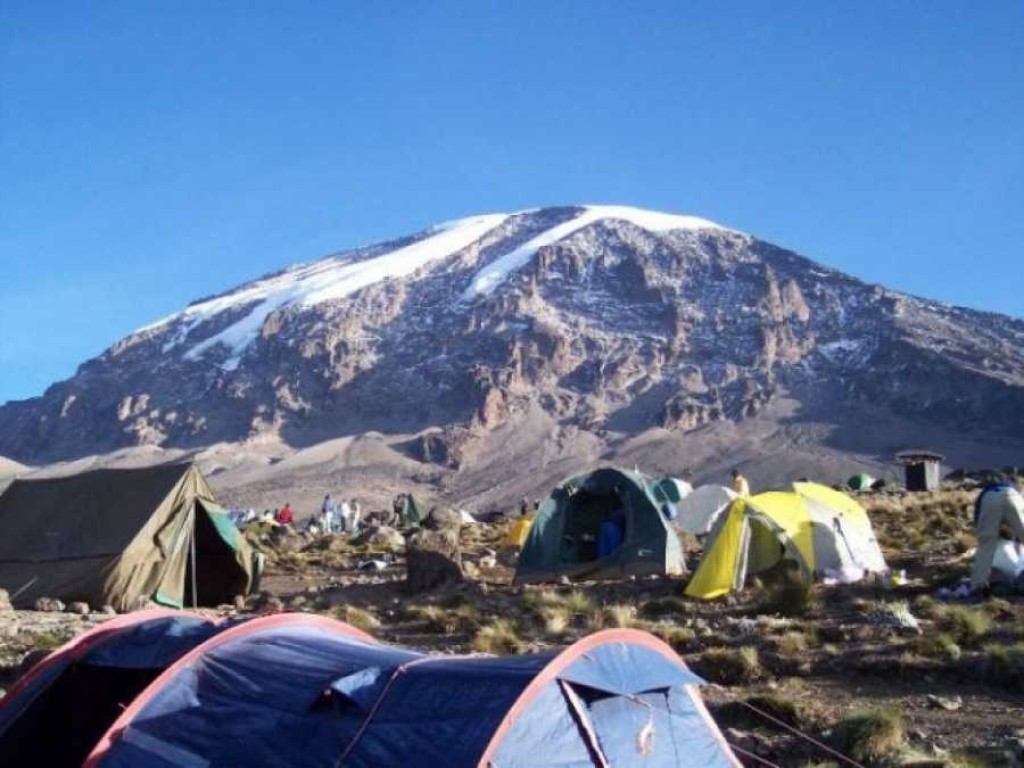
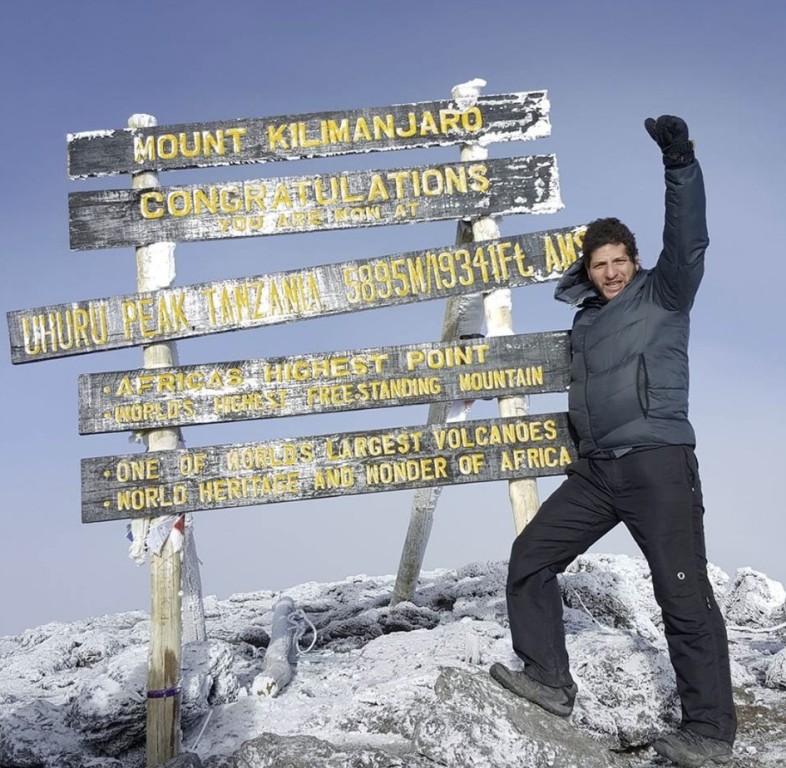
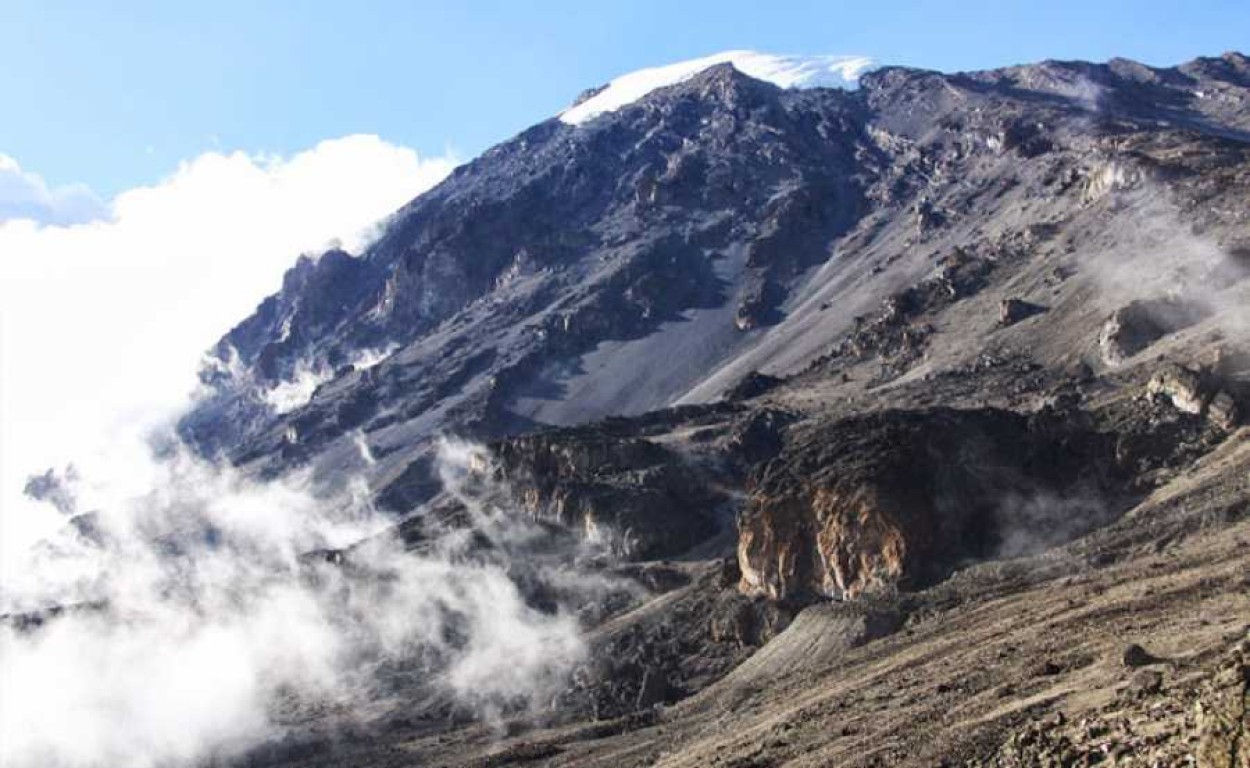
Kilimanjaro is one of the Seven Summits and the only one that requires no technical climbing experience. No ropes, no crampons, no prior mountaineering background. What it does require is the right number of days on the mountain, a pace that lets your body adjust to altitude, and a guide team you can trust when conditions change above 4,000 metres.
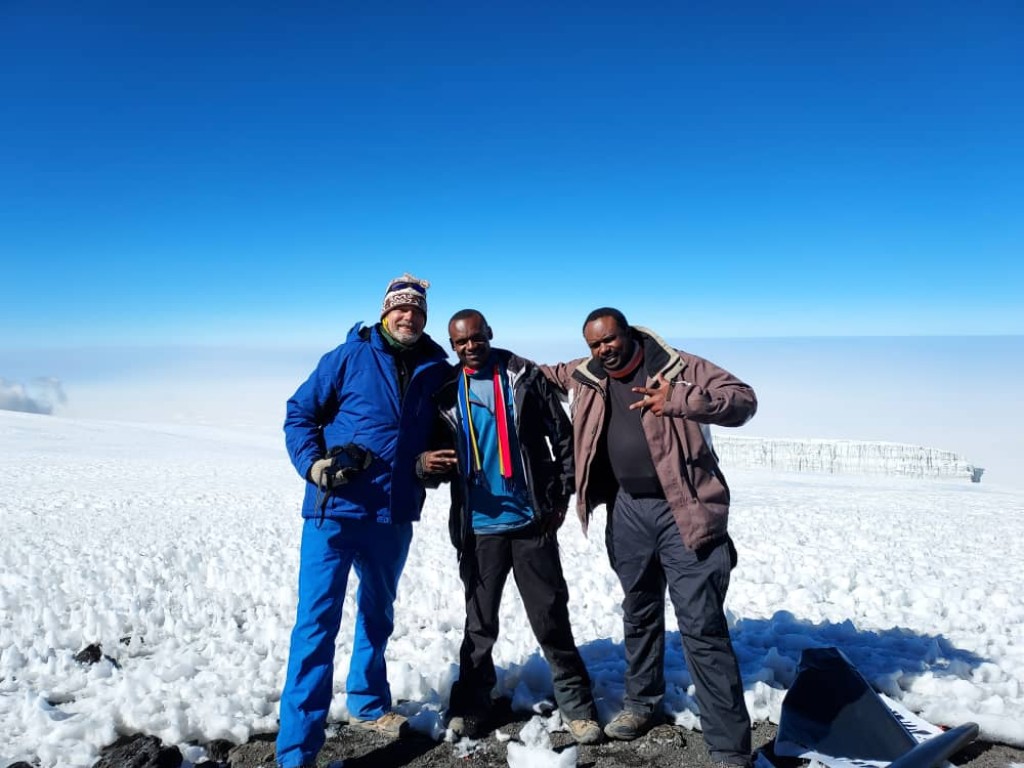
Safaribando operates exclusively from Moshi — the town directly beneath Kilimanjaro — which means shorter logistics, guides who know every section of every route by memory and no middlemen between you and the mountain.
The 5 Kilimanjaro Climbing Routes
Machame Route — the most scenic, 6 or 7 days
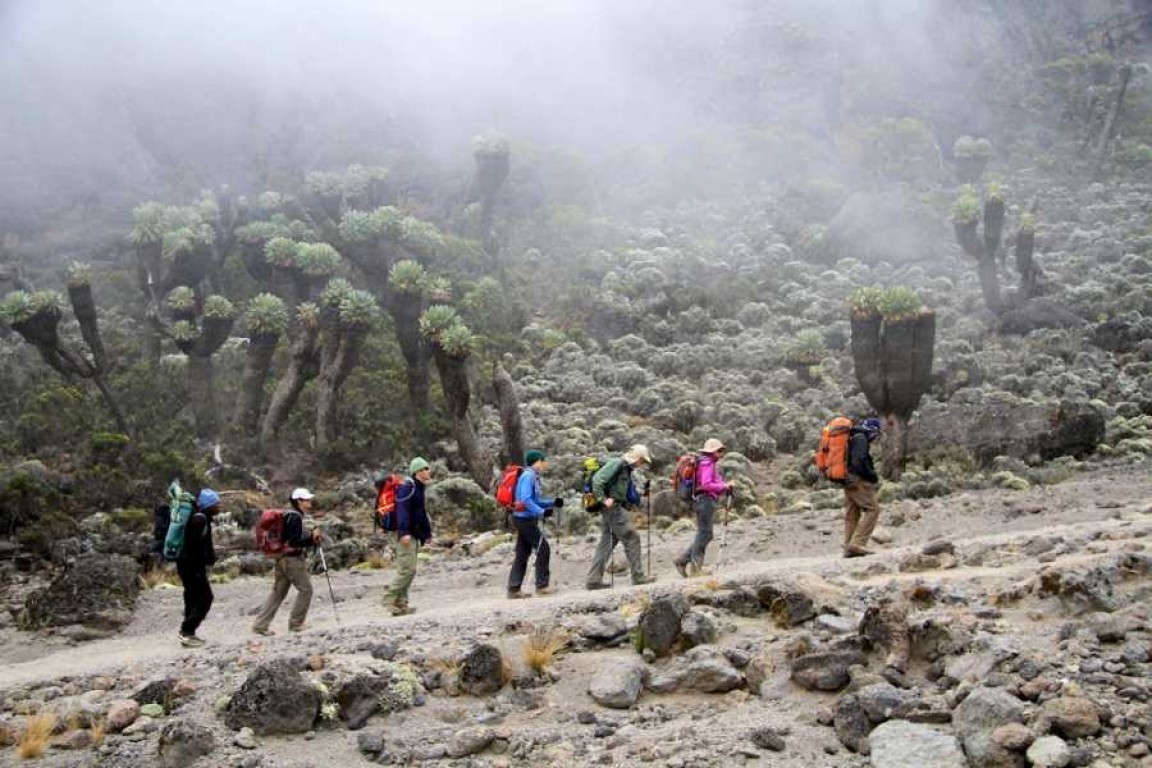
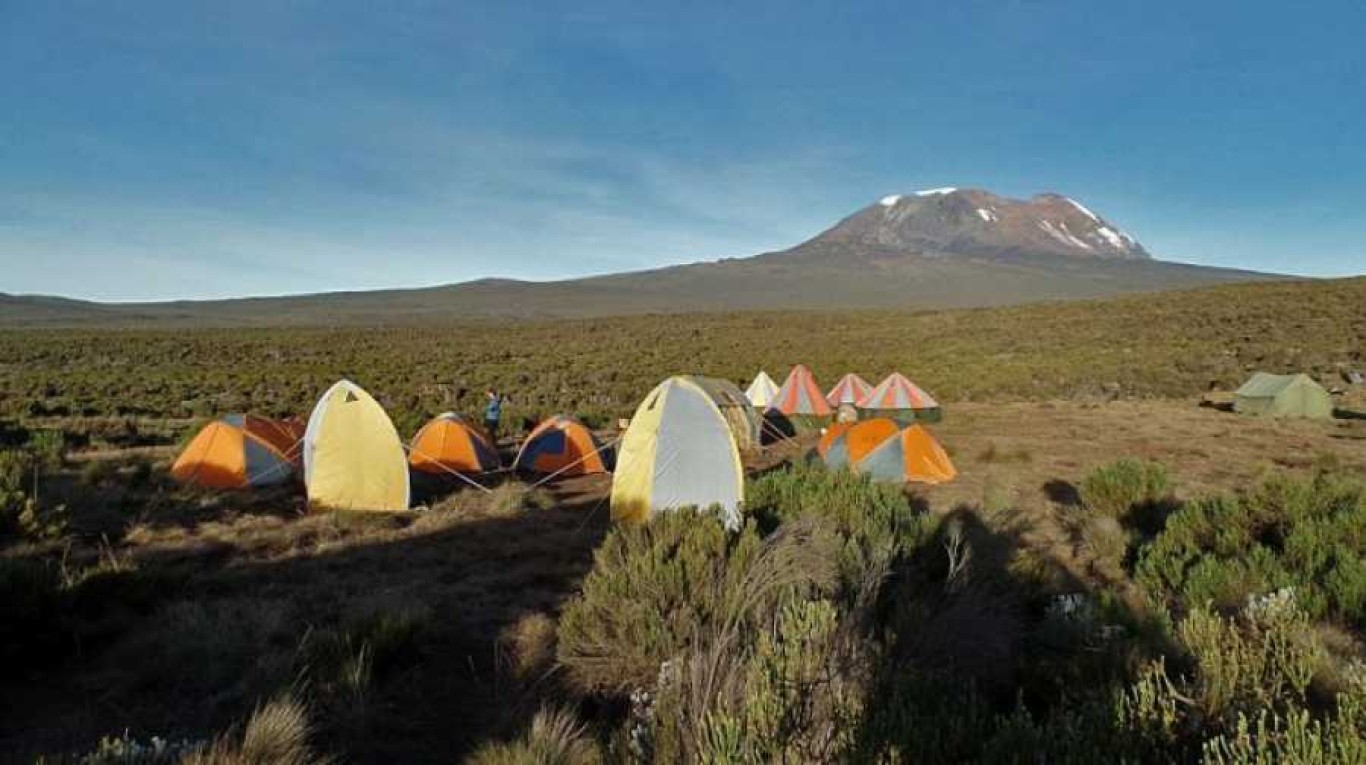
The Machame Route is Kilimanjaro's most popular path. The approach through rainforest, moorland and the dramatic Shira Plateau gives better acclimatisation than shorter alternatives, and the summit approach via the Barafu camp is the most dramatic on the mountain. We recommend 7 days on Machame — the extra acclimatisation night adds roughly 15% to summit success rates.
Lemosho Route — the best overall, 7 or 8 days
The Lemosho Route is the finest Kilimanjaro experience available. Starting from the remote western slope, the route crosses the Shira Plateau with views most Kilimanjaro trekkers never see, then joins the Southern Circuit before the summit push. Fewer daily trekkers, superior acclimatisation, exceptional scenery. If you have 8 days, choose this route.
Rongai Route — the quietest, 6 or 7 days
Rongai approaches from the north near the Kenyan border — the only route that climbs from that direction. It is significantly quieter than the southern routes, passes through a drier landscape and offers a different perspective on the mountain. A strong choice for trekkers who want solitude and a gentler gradient on the lower slopes.
Marangu Route — the classic, 5 or 6 days
The Marangu Route (also called the Coca-Cola Route) is the only route with hut accommodation. It is the shortest and most direct path. The tradeoff is a lower acclimatisation profile and lower average summit success rates than the longer routes. We recommend 6 days rather than 5.
Northern Circuit — the most complete, 9 days
The Northern Circuit circumnavigates almost the entire mountain before the summit push, combining Lemosho's western approach with a long traverse of the remote northern slopes. Nine days gives exceptional acclimatisation and the highest summit success rates of any route — for trekkers who want to do Kilimanjaro properly.
How Long Does a Kilimanjaro Climb Take?
The minimum responsible duration is 6 days. The optimal range for most people is 7 to 8 days on Machame or Lemosho. The Northern Circuit at 9 days gives the best acclimatisation of any route. We do not offer 5-day climbs — the summit success rate is significantly lower and altitude sickness risk significantly higher.
Best Time to Climb Kilimanjaro
January to mid-March — the short dry season. Warm temperatures on the upper mountain, clear summit conditions and far fewer trekkers than the July to October peak. The finest window that most people overlook.
June to October — the long dry season and the most popular climbing window. Reliable clear skies, dry trails and stable conditions. Summit temperatures are colder but predictable. Book 4 to 6 months ahead for July and August.
Avoid April and May (long rains — persistent cloud, wet trails, slippery upper slopes). November is manageable but variable.
What Is Included in a Kilimanjaro Package
Every Kilimanjaro trekking tour includes: national park fees and conservation levies, a lead KINAPA-certified mountain guide, assistant guides (one per two trekkers on summit night), a full porter team (one porter per trekker for personal gear), a dedicated mountain cook with three meals per day from Day 1, all camping equipment including high-altitude sleeping tents, daily pulse oximetry health monitoring, and return transfer from Moshi to the gate.
Kilimanjaro and Safari Combinations
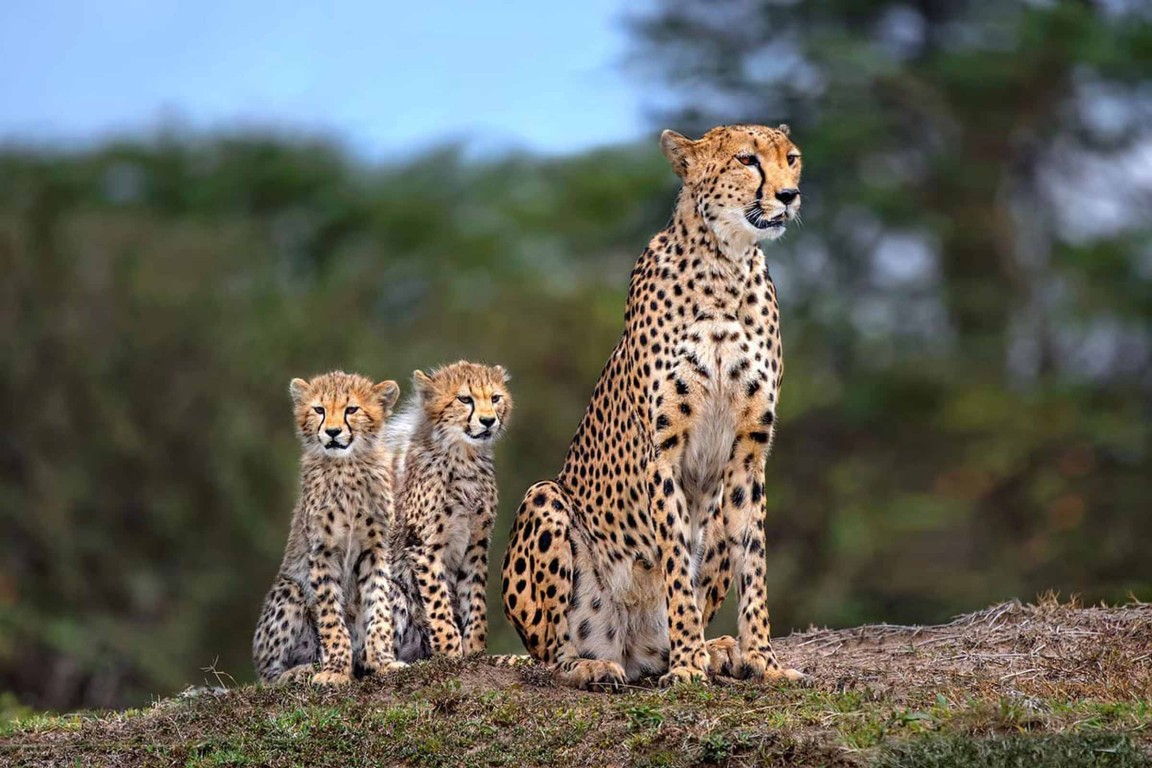
Most Kilimanjaro trekkers combine the climb with a safari on the same Tanzania trip. The most natural pairing is a Kilimanjaro and safari package that moves from the mountain directly to the Serengeti and Ngorongoro Crater. A typical schedule: 7-day Kilimanjaro climb, then 4 to 5 days Northern Circuit safari from Arusha.
Frequently Asked Questions
What is the success rate for climbing Kilimanjaro?
Overall success rates across all operators average around 65%. On 7-day Machame or 8-day Lemosho with Safaribando our guided success rate is significantly higher. The single most important factor is days on the mountain — not fitness level.
How fit do you need to be?
A reasonable level of cardiovascular fitness is sufficient — you do not need to be an athlete. The key is preparing with regular hiking or aerobic exercise for 8 to 12 weeks before the climb and choosing a route with enough days for proper acclimatisation. Altitude affects fit and unfit people equally.
What happens if I get altitude sickness?
Our guides monitor every trekker daily with pulse oximetry and symptom assessments. If serious altitude sickness is suspected, descent is mandatory. The mountain rescue team and helicopter evacuation services are available for emergencies — travel insurance covering helicopter evacuation is mandatory on all our climbs.
Which Kilimanjaro route should I choose?
For most people: Lemosho 8 days if you have the time, Machame 7 days if you need a shorter option. Rongai for solitude, Northern Circuit for the most complete mountain experience. We advise based on your specific dates, fitness level and budget.
Not sure which Kilimanjaro Trekking Tours is right for you?
Our team designs custom itineraries — no fee, no obligation.Explore Other Safari Types
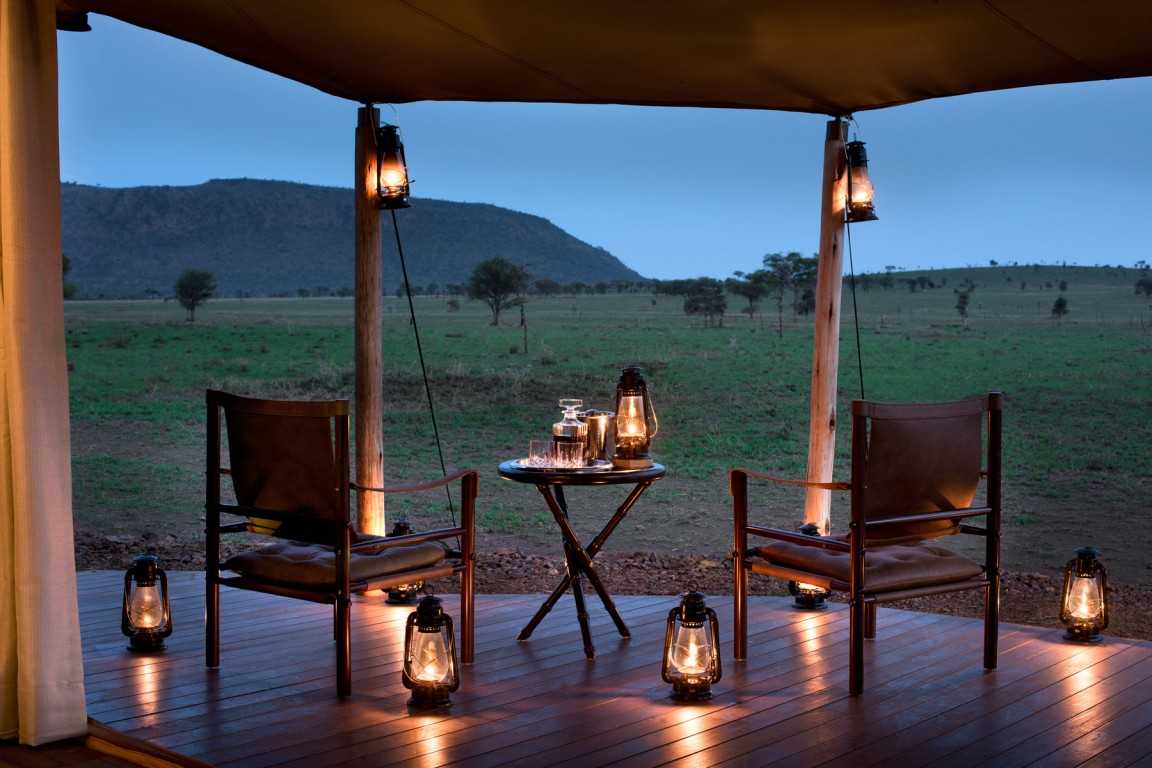
Tanzania Lodge Safaris
View Tours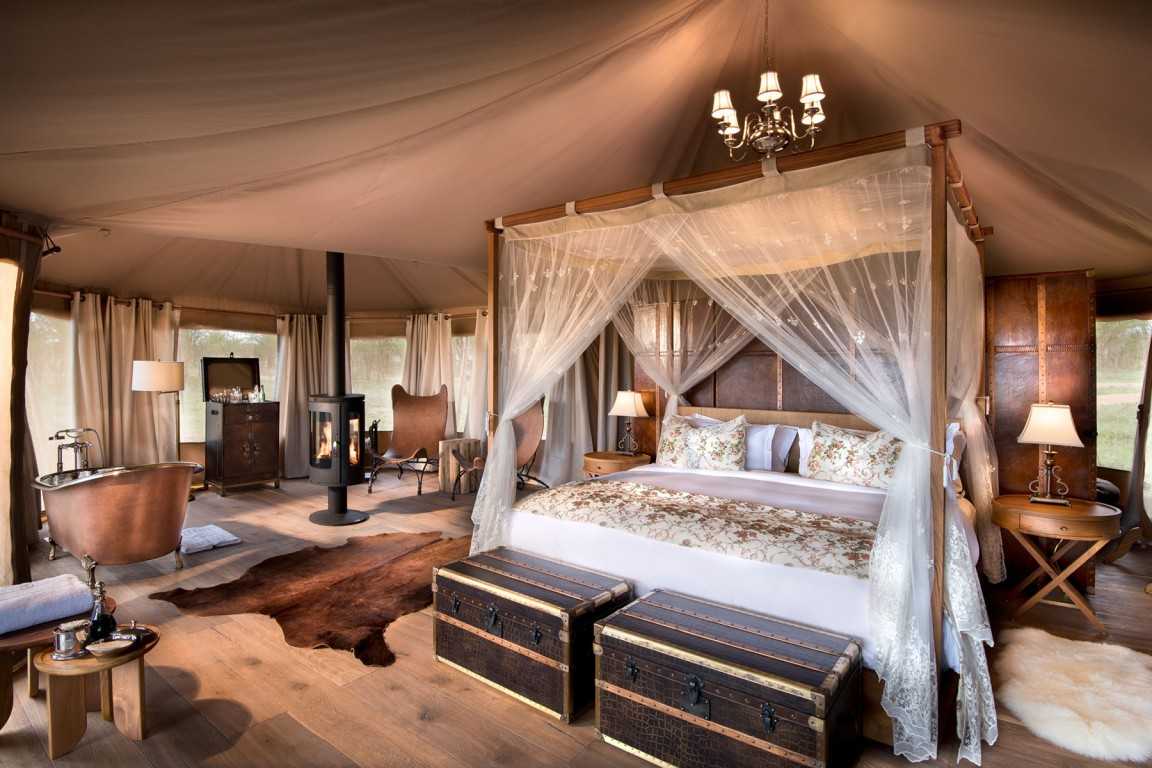
Tanzania Honeymoon Safaris
View Tours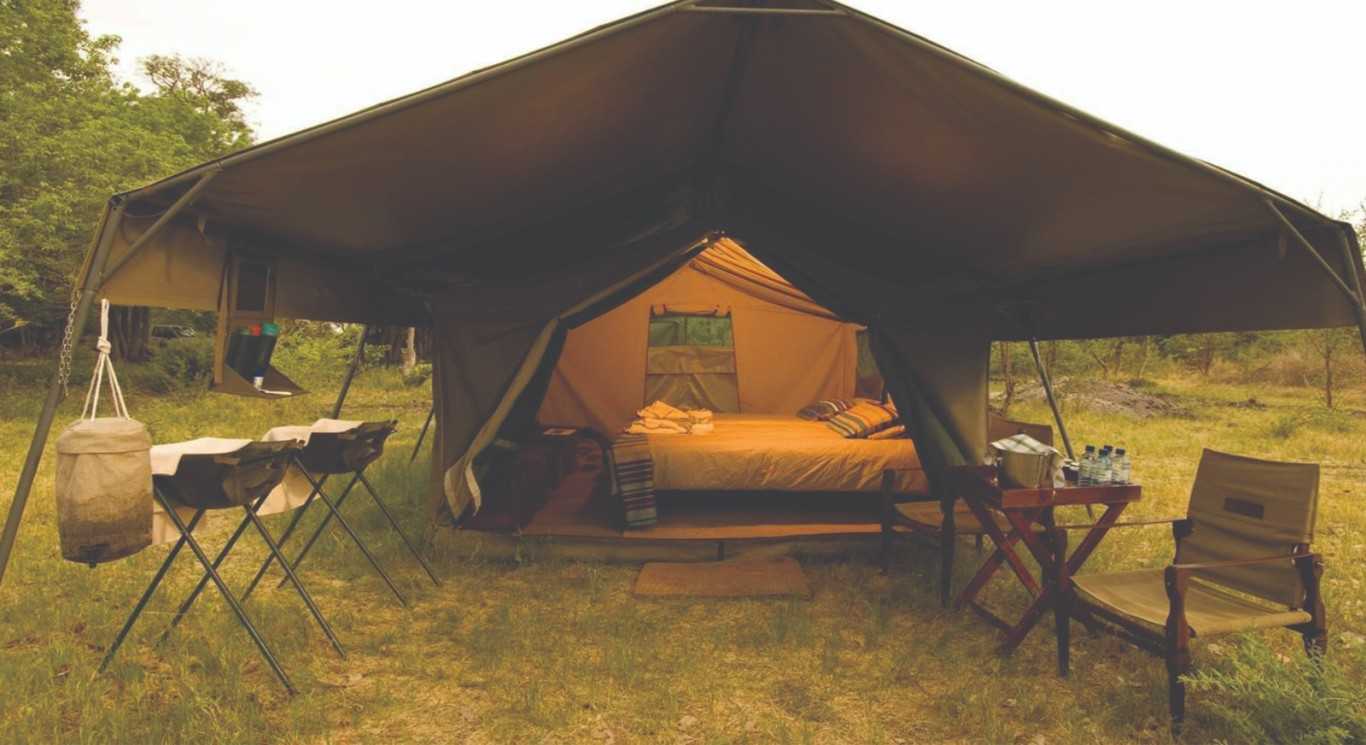
Tanzania Camping Safaris
View Tours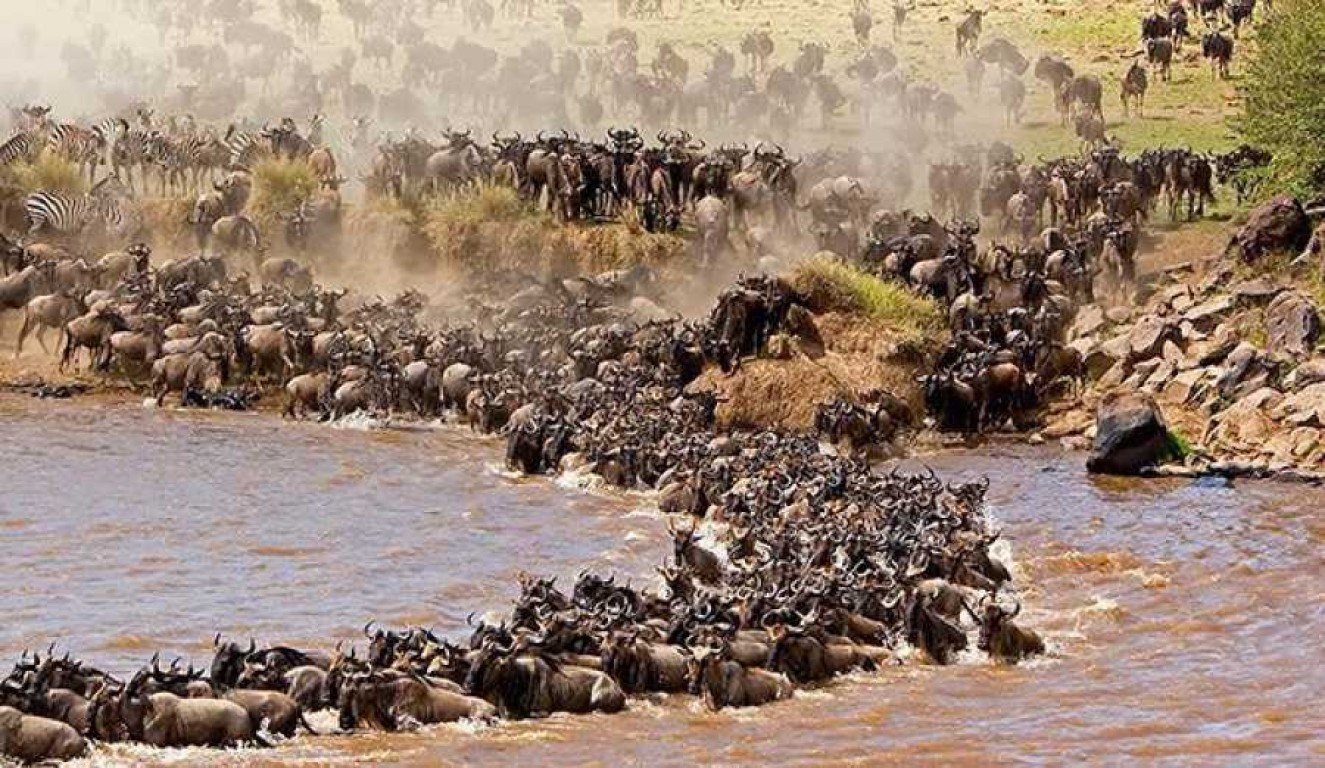
Serengeti Migration Safaris
View Tours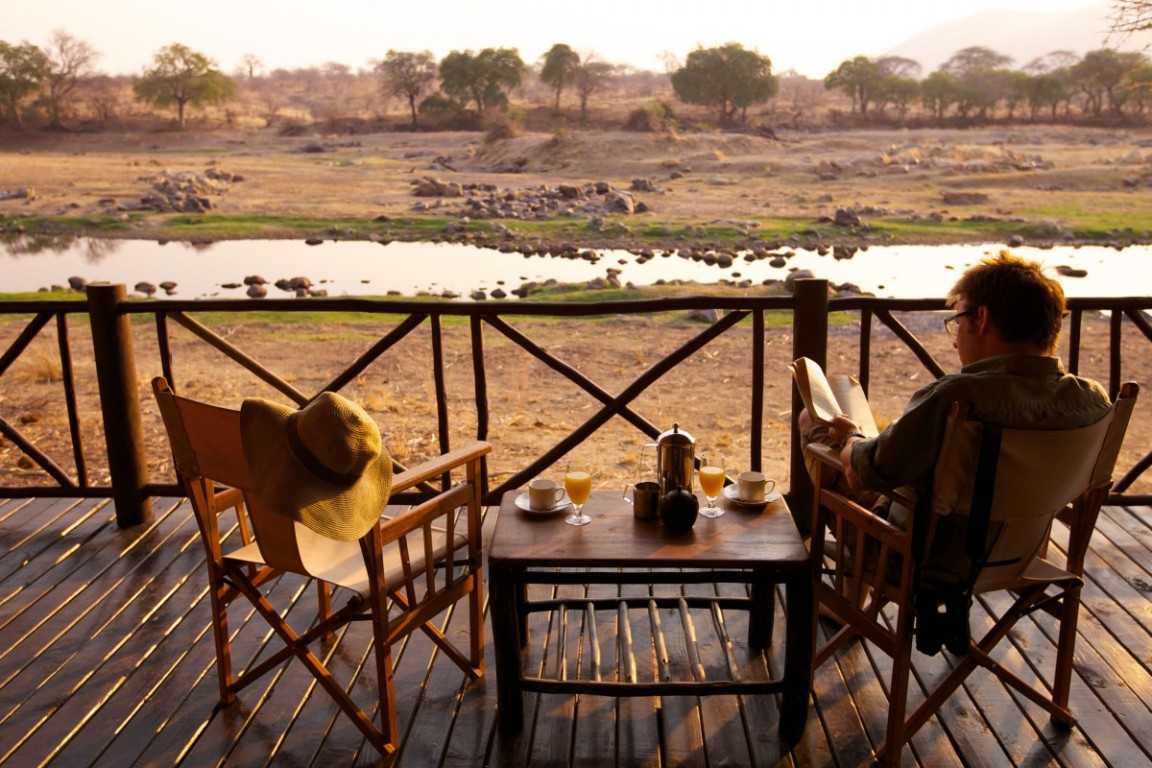
Tanzania Luxury Safaris
View Tours