Quick facts
Wildlife
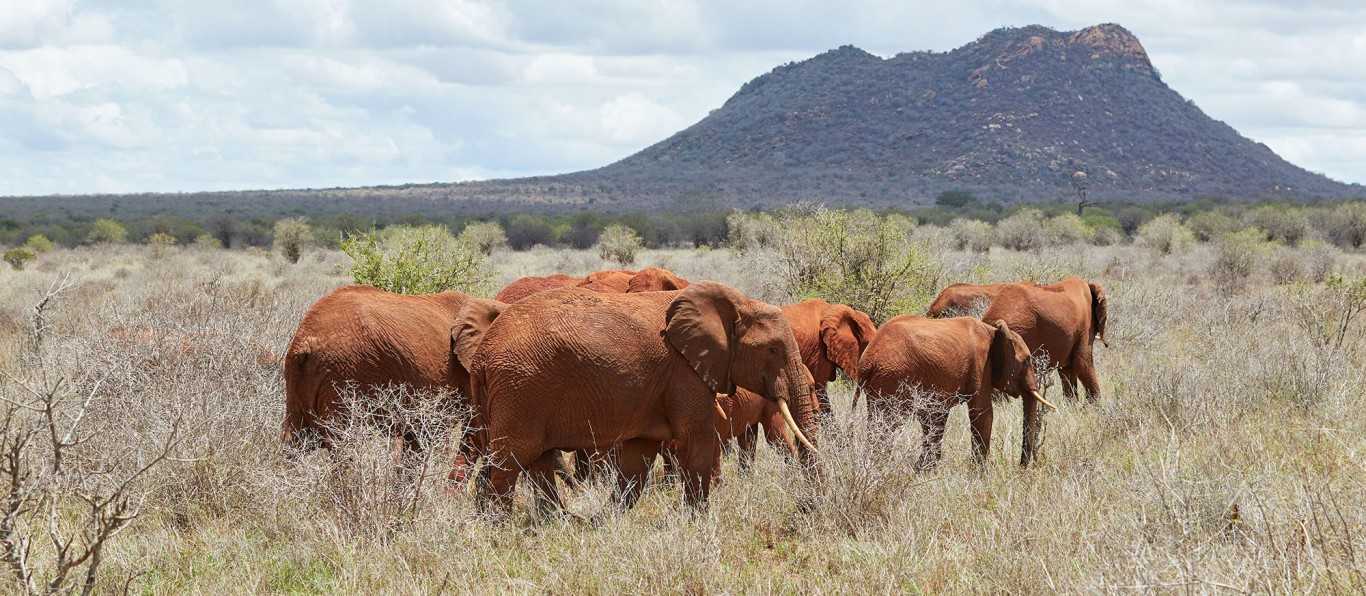
Mombasa's wildlife is primarily marine. The Kisite-Mpunguti Marine National Park south of Diani Beach is the finest snorkelling and diving site on the Kenya coast, with intact coral gardens, green and hawksbill turtles, spinner dolphins and whale shark seasonal encounters. Haller Park (an ecological restoration success story on a former quarry) has buffalo, giraffe, hippo, crocodile and a famous giraffe feeding experience. The nearby Shimba Hills National Reserve (50 km south) holds the rare roan antelope, elephant and the only coastal forest leopard population in Kenya.
Top activities
Fort Jesus Old Town walking tour — the UNESCO-listed Portuguese fort and Swahili old town with carved doors. Diani Beach — Kenya's finest south-coast beach, 30 km south, with Kisite-Mpunguti snorkelling day trip. Kisite-Mpunguti Marine Park boat safari for dolphins, turtles and pristine coral reefs. Haller Park ecological rehabilitation centre — giraffe, hippo and a famous Owen-Mzee hippo-tortoise pair. Mombasa ferry crossing and Likoni connecting the island to the south coast. Shimba Hills National Reserve game drive for roan antelope, elephant and coastal forest. Deep-sea fishing from Shimoni on the south coast.
About Mombasa
Mombasa has been a going concern for six centuries. Arab dhow captains were trading here in the 14th century; the Portuguese built Fort Jesus in 1593 to control the Indian Ocean spice route; the Omani Sultan moved his capital here in the 18th century; the British made it the terminus of the Uganda Railway in 1901. Each layer of that history is still visible on Mombasa Island — in the carved Swahili doors of the old town, the Portuguese cannon mounts on Fort Jesus’ walls, the Hindu temples alongside the mosques and churches, and the Swahili language that weaves Arabic, Bantu and Portuguese threads into something entirely its own.
Kenya’s second-largest city is technically an island, connected to its sprawling north and south mainland developments by bridges, causeways and the famous Likoni ferry. The island itself holds the historical core; the south coast beyond Likoni is the beach resort strip; the north coast connects to Malindi and Lamu. Together they form the most complete seaside-and-history destination on the East African coast.
Fort Jesus and the Old Town
Fort Jesus (1593) is Mombasa’s defining landmark — a massive Portuguese fortification built from coral rag on the Old Town promontory, now a UNESCO World Heritage Site. The fort changed hands nine times between the Portuguese, Omani Arabs and British over three centuries of Indian Ocean power struggle; the Omani took it in a 33-month siege in 1696–1698, the longest in East African history. Inside, the Fort Jesus Museum documents the site’s archaeology and the history of the coast. Allow 90 minutes; use the audio guide.
From the fort, a 30-minute walk through the Old Town reveals Mombasa’s layered cultural DNA: narrow lanes flanked by coral-stone buildings, carved teak doors with brass bosses, Zanzibari balconies, a 14th-century Swahili mosque, and the Burhani Mosque with its distinctive Indo-Islamic minaret. The architecture is the story.
Diani Beach and the south coast
Thirty kilometres south of Mombasa Island via the Likoni ferry crossing, Diani Beach is consistently ranked as East Africa’s finest beach: 17 km of white coral sand, casuarina trees casting afternoon shade, calm reef-protected turquoise water and a complete resort infrastructure ranging from backpacker hostels to genuine luxury. The nearby Kisite-Mpunguti Marine National Park is a 20-minute boat ride from Shimoni, offering some of the best marine biodiversity on the Kenya coast: pristine hard coral gardens, spinner dolphin pods and the chance of whale shark encounters.
Haller Park
One of East Africa’s most remarkable ecological restoration stories: a former limestone quarry north of Mombasa that was rehabilitated over 30 years by Swiss agronomist René Haller into a functioning ecosystem with giraffe, hippo, crocodile, buffalo and a seasonal river. Most famously, it was home to Owen and Mzee — a baby hippo orphaned by the 2004 tsunami who bonded inseparably with a 130-year-old giant tortoise, an interspecies friendship that became one of the world’s most-shared animal stories.
Shimba Hills National Reserve
Fifty kilometres south of Mombasa, Shimba Hills is Kenya’s only coastal forest national reserve and one of the last refuges of the roan antelope in East Africa. The forest also holds elephant, sable antelope, leopard and an extraordinary array of coastal forest birds. Game drives here are very different from the open-savanna parks of the north — forested, intimate and atmospheric.
Combine Mombasa with…
- Tsavo National Park — 3 hours inland; the classic bush-and-beach Kenya combination.
- Malindi — 2 hours north for the Gede Ruins, whale sharks and the Italian beach scene.
- Lamu Island — 1.5 hours north by air for the most atmospheric Swahili old town on the coast.
- Stone Town Zanzibar — daily flights across to Tanzania’s UNESCO Swahili island.
Frequently asked questions about Mombasa
How many days do you need in Mombasa?
Two nights covers Fort Jesus, the Old Town and a half-day at the beach. Four nights allows a Kisite-Mpunguti marine trip, Shimba Hills game drive and proper time on Diani Beach.
Is Mombasa safe for tourists?
The main tourist areas — Old Town, Fort Jesus, Diani Beach and the north-coast resort strip — are generally safe by day. Use hotel transport after dark, leave valuables in the safe and follow your accommodation’s advice on street walking.
Is Diani Beach near Mombasa?
30 km south by road, involving the Likoni ferry crossing (10 minutes, runs continuously). Allow 45–60 minutes from Mombasa Island to Diani Beach.
Want to visit Mombasa?
Get a free custom safari plan within 24 hours.
Mombasa safari tours

Want to visit Mombasa?
Get a free custom safari plan within 24 hours.
Best time to visit Mombasa
January to March — Kaskazi season (peak beach and diving)
The north-east trade wind delivers the finest beach conditions of the year: calm seas, clear water, low humidity and temperatures around 28–32°C. The Kisite-Mpunguti reef diving and snorkelling is at its best visibility. December to March is the peak European visitor season; the south-coast beach resorts at Diani are at their busiest and most expensive. Book well ahead for December and January.
July to September — Kusi season (cooler, windier, excellent diving)
The south-east Kusi trade wind cools the coast (25–28°C) and creates lively but manageable sea conditions. This is the best window for Old Town and Fort Jesus walking tours — the heat is less oppressive than in the Kaskazi season. Diving visibility is excellent; the currents bring nutrient-rich water that attracts feeding pelagics including tuna and dorado. Fewer visitors and better rates than January–March.
April to May — Long rains (avoid for beach activities)
Heavy rains and rough Indian Ocean seas make beach and marine activities unreliable. Fort Jesus and the Old Town can still be visited but the experience is limited by weather. Most international tourists avoid this window entirely.
Bottom line: January to March for the classic Mombasa beach holiday. July to September for a cooler, less crowded alternative with excellent diving. Avoid April and May.
Where to stay in Mombasa
We'll recommend accommodation across all budget levels based on your dates and preferences.
Browse All LodgesWant to visit Mombasa?
Get a free custom safari plan within 24 hours.