All Namibia Safaris
Namibia Safari: The Landscapes
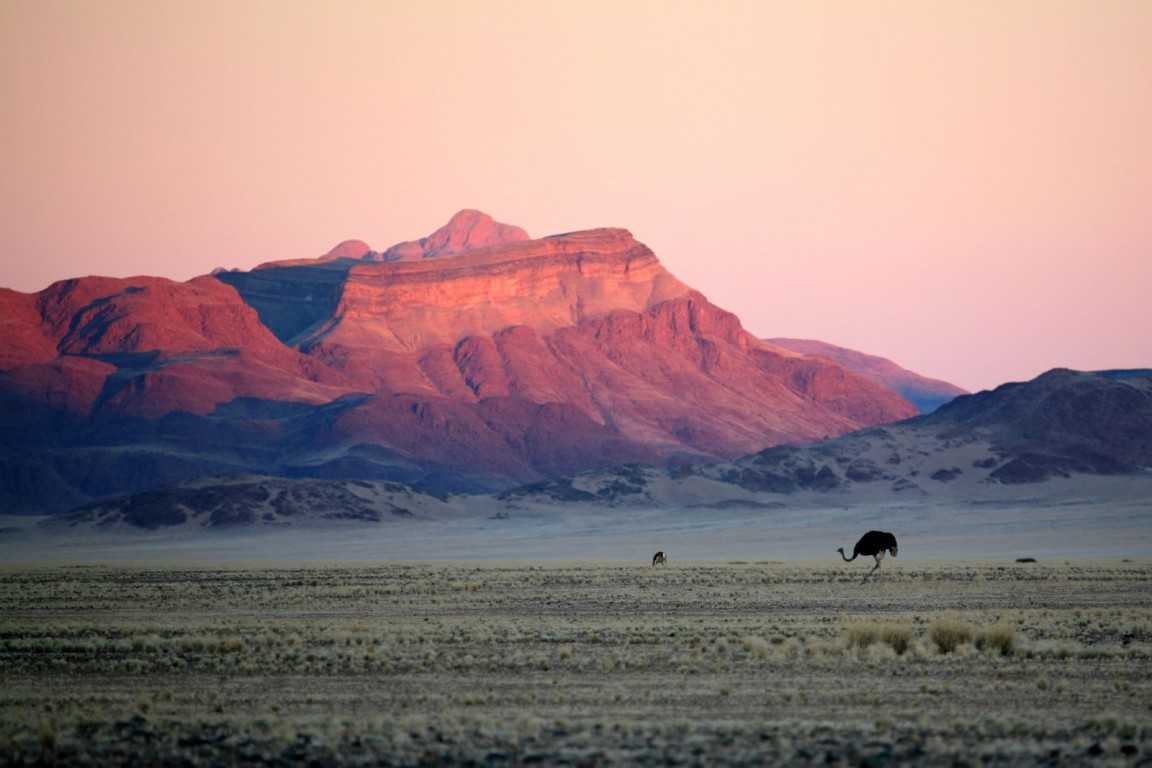
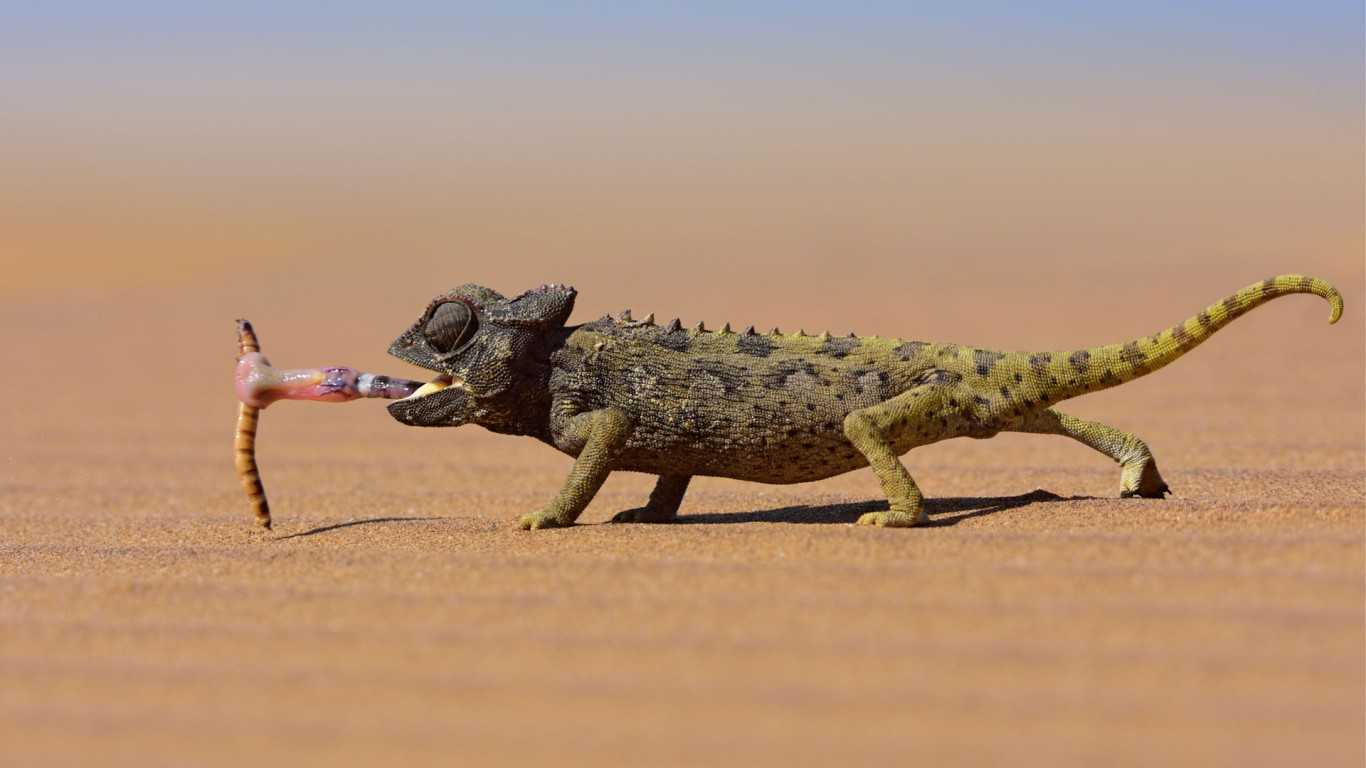
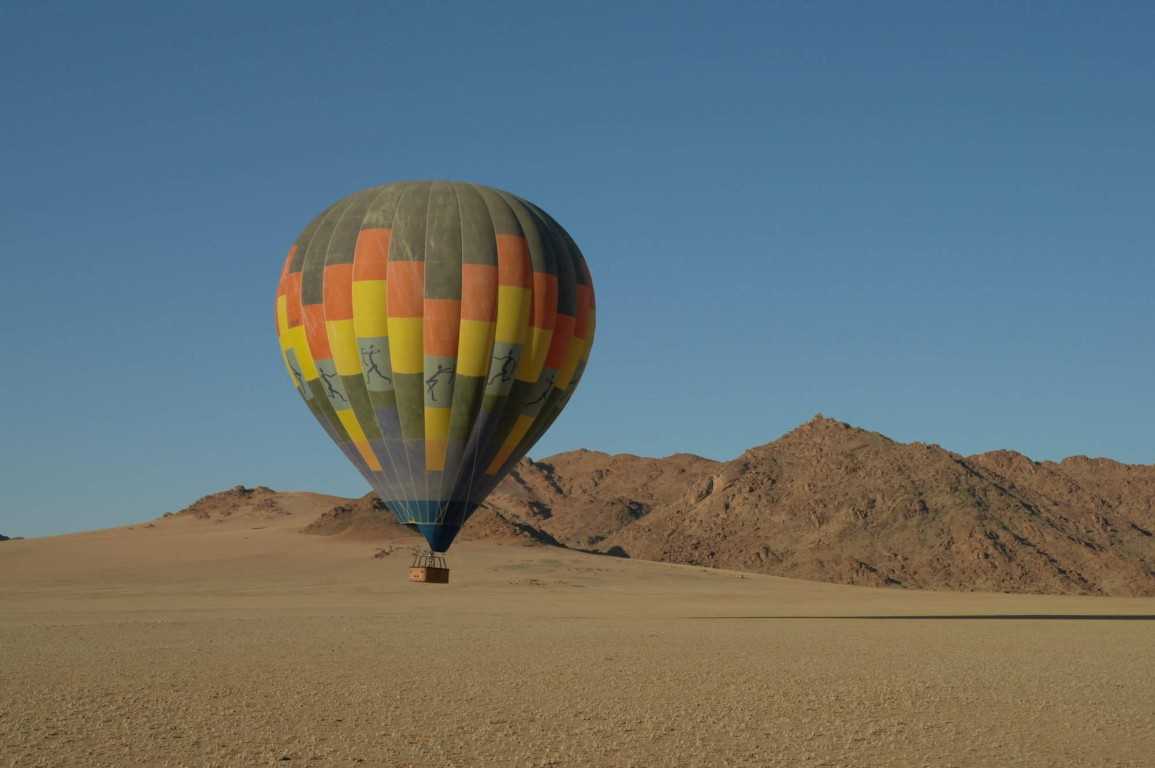
Namibia is larger than France and Germany combined and has a population of 2.7 million — one of the lowest population densities on Earth. The consequence is wilderness on a scale that is increasingly rare: the Namib Desert (the world's oldest desert, 55 to 80 million years old), the Kalahari, the Skeleton Coast and the Caprivi Strip's floodplains cover an area where you can drive for hours without passing another vehicle and where wildlife moves through unfenced communal conservancies that cover 20% of the country's land area.
Namibia's Key Safari Destinations
Etosha National Park
Etosha National Park is the anchor of any Namibia safari — a 22,270 sq km park centred on the Etosha Pan, a massive salt flat visible from space that covers 25% of the park's total area. In the dry season (May to October), the pan shrinks and wildlife concentrates at the permanent water holes on its edges — creating watering-hole viewing that is among the most productive in Africa. The night-lit water holes at several of Etosha's rest camps allow after-dark observation of lion, leopard, black and white rhino, elephant and the full cast of Namibian wildlife without the discomfort of a night drive. The density and reliability of rhino sightings at Etosha — particularly white and black rhino at the same water holes — is unmatched anywhere else in Africa.
Sossusvlei and the Namib Desert
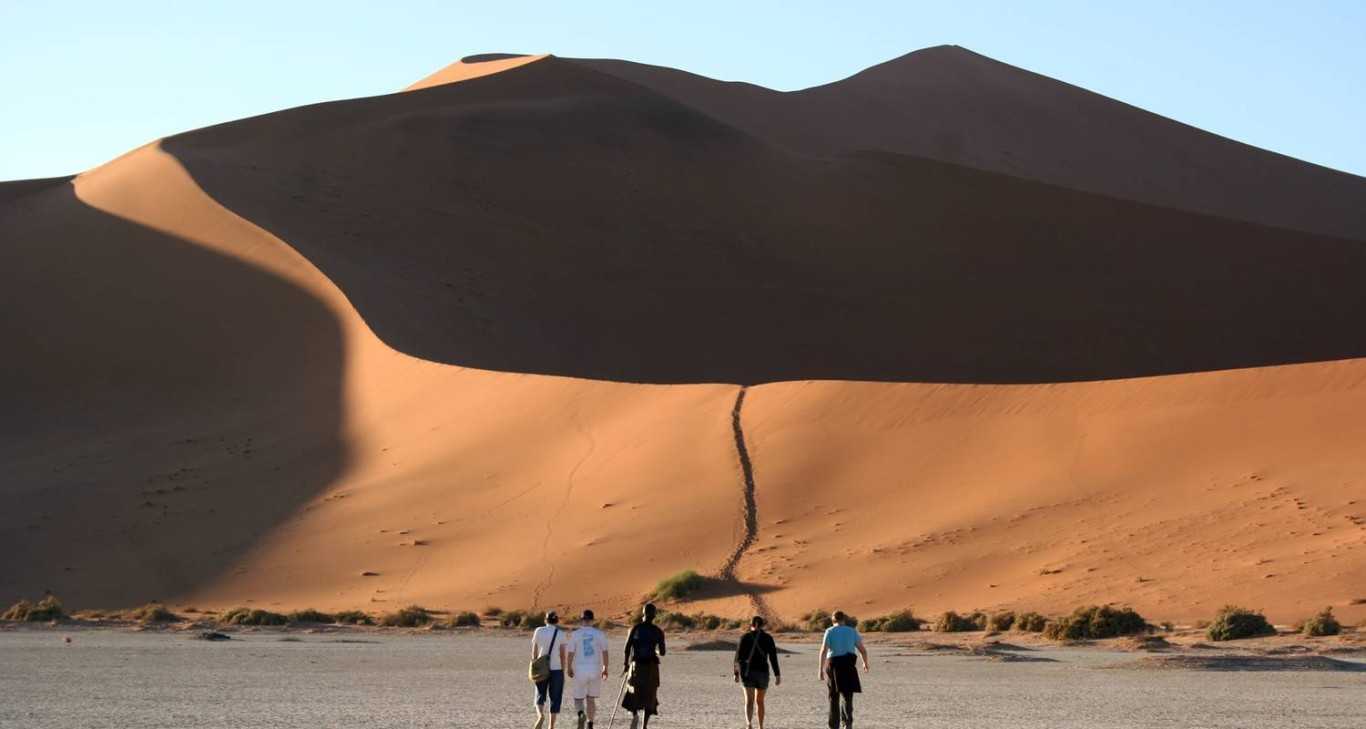
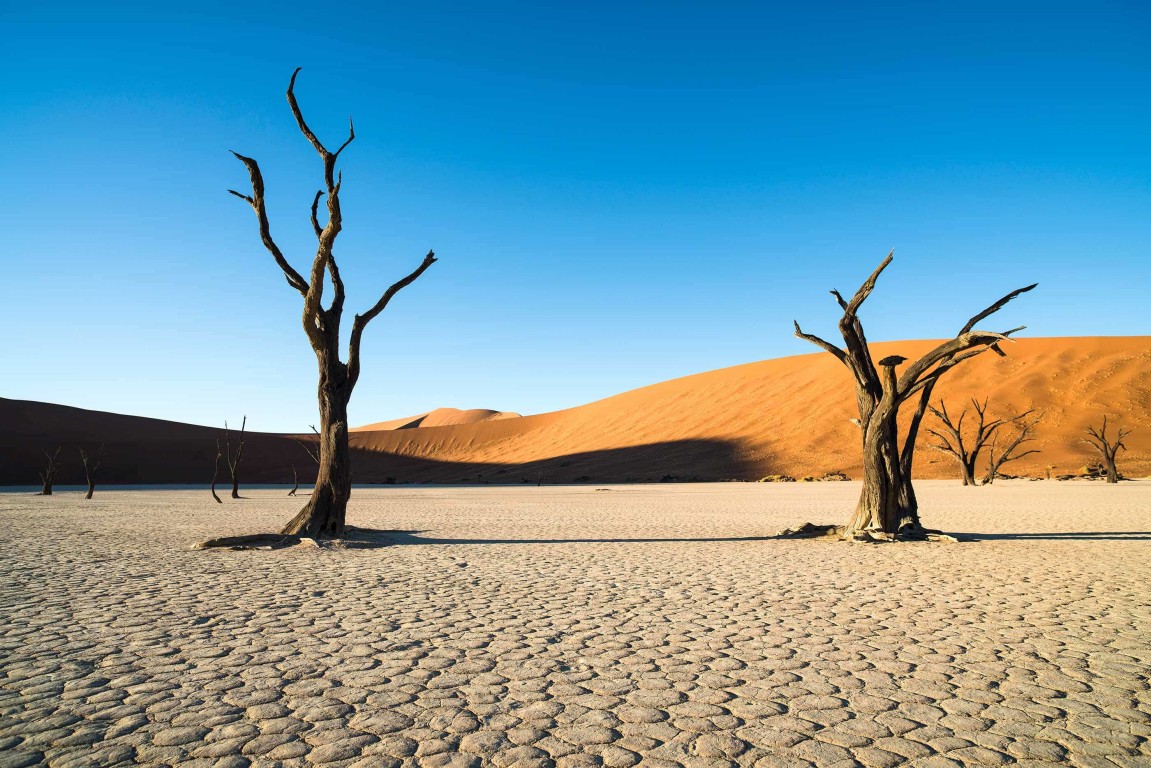
Sossusvlei in the Namib-Naukluft Park is the most photographed landscape in Africa. The red sand dunes — some exceeding 300 metres in height, among the world's tallest — surround the white clay pan of Sossusvlei and the haunting, bleached-white dead trees of Deadvlei: white pan, red dunes, blue sky, black trees. Dawn from the summit of Dune 45 or Big Daddy, before the wind fills in the footprints, is the Namibia image that every visitor comes home with.
Skeleton Coast
The Skeleton Coast — named for the whale and seal bones that once lined the shore and the shipwrecks that still rust in the fog — runs 500 km along Namibia's Atlantic shore from the Orange River to the Angolan border. The southern section (accessible by road) has the Cape Cross seal colony (200,000 Cape fur seals, the largest in the world) and the unusual desert-adapted wildlife: brown hyena scavenging along the tideline, black-backed jackal, oryx and the occasional desert lion that hunts the seals. The remote northern section is accessible only by fly-in and is one of Africa's last genuinely unexplored wilderness frontiers.
Fish River Canyon
Fish River Canyon in southern Namibia is the largest canyon in Africa and the second largest in the world after the Grand Canyon — 160 km long, 27 km wide and up to 550 metres deep. The 5-day Fish River Canyon hiking trail (May to September only) is one of Africa's great wilderness walks. The canyon viewpoints at the main rest area give one of the most vertiginous landscape experiences on the continent.
Caprivi Strip
The Caprivi Strip in northeastern Namibia is a thin corridor of land connecting Namibia to the Zambezi River — a completely different ecosystem from the rest of the country. The strip's Bwabwata, Mudumu and Nkasa Rupara national parks have elephant, buffalo, hippo, crocodile and the full Zambezi floodplain wildlife in a setting where Namibia, Botswana, Zimbabwe and Zambia meet. A natural extension of a Victoria Falls or Botswana Okavango Delta trip.
Self-Drive vs Guided Namibia Safari
Namibia is the premier self-drive safari destination in Africa. The B1 and B2 tarred roads connect Windhoek to Etosha and Swakopmund; the C-roads and D-roads are graded gravel manageable in a standard 4x4. Most lodges are bookable in advance with GPS coordinates. The freedom of a self-drive Namibia circuit — stopping when you want to stop, moving at your own pace, camping under the stars at Etosha's public campsites — is the defining Namibia travel experience for independent travellers.
Guided safaris add specialist knowledge: a guide who can identify Namibia's remarkable endemic wildlife (the Damara dik-dik, the Cape fox, the armoured ground cricket), who understands the desert ecosystem and who can position for the best photography at the Etosha water holes at night. Fly-in safaris to the Skeleton Coast and Damaraland require a guide as these areas have no public road access.
Frequently Asked Questions
What is the best time to visit Namibia?
May to October (dry winter season) is the prime safari window for Etosha — wildlife concentrated at water holes, minimal rain, mild daytime temperatures (20 to 28°C) and cold nights at altitude. Sossusvlei is spectacular year-round but the dunes are most photogenic in the extreme light of early morning and late afternoon from May to August. The Skeleton Coast's fog is a year-round phenomenon, most dramatic at dawn.
Do I need a 4x4 for a Namibia self-drive safari?
For a circuit covering Etosha, Sossusvlei and Swakopmund on tarred and major gravel roads: a standard 4x2 sedan is adequate in the dry season. For the Damaraland, Kaokoveld, Caprivi or any track marked 4x4 only on maps: a high-clearance 4x4 with a spare tyre and recovery kit is essential. We advise on the appropriate vehicle for your specific planned circuit.
Is Namibia malaria-free?
Most of Namibia is malaria-free. The Caprivi Strip and the northeastern regions (Kavango, Zambezi region) have seasonal malaria risk from November to April. Etosha, Sossusvlei, Swakopmund and the central and southern regions are malaria-free year-round. We advise on the specific risk for your itinerary.
Not sure which Namibia Safaris is right for you?
Our team designs custom itineraries — no fee, no obligation.Explore Other Safari Types
Kilimanjaro Trekking Tours
View Tours
Tanzania Lodge Safaris
View Tours
Tanzania Honeymoon Safaris
View Tours
Tanzania Camping Safaris
View Tours
Serengeti Migration Safaris
View Tours