Quick facts
Wildlife
Lake Natron is the most critical breeding site on Earth for lesser flamingos, hosting up to 2.5 million birds — three-quarters of the entire world population — during breeding years. The lake's extreme alkalinity and remoteness protect the nesting colony from most predators. Marabou stork, African fish eagle, chestnut-banded plover and various raptors are present. The surrounding acacia-scrub and lava fields support Grant's gazelle, zebra, giraffe and occasional lion.
Top activities
Flamingo viewing from the lake shore — vast pink flocks visible from a distance even in non-breeding years. Engare Sero Waterfall hike — a 2-hour return trail to a seasonal cascade on the Rift Valley escarpment. Ancient hominid footprints trail at Engare Sero — 5,700-year-old human footprints preserved in volcanic ash, rivalling Laetoli in scientific significance. Night hike and sunrise ascent of Ol Doinyo Lengai volcano (2,962m) — the world's only active carbonatite volcano. Cultural visits to Maasai communities on the lake shore.
About Lake Natron
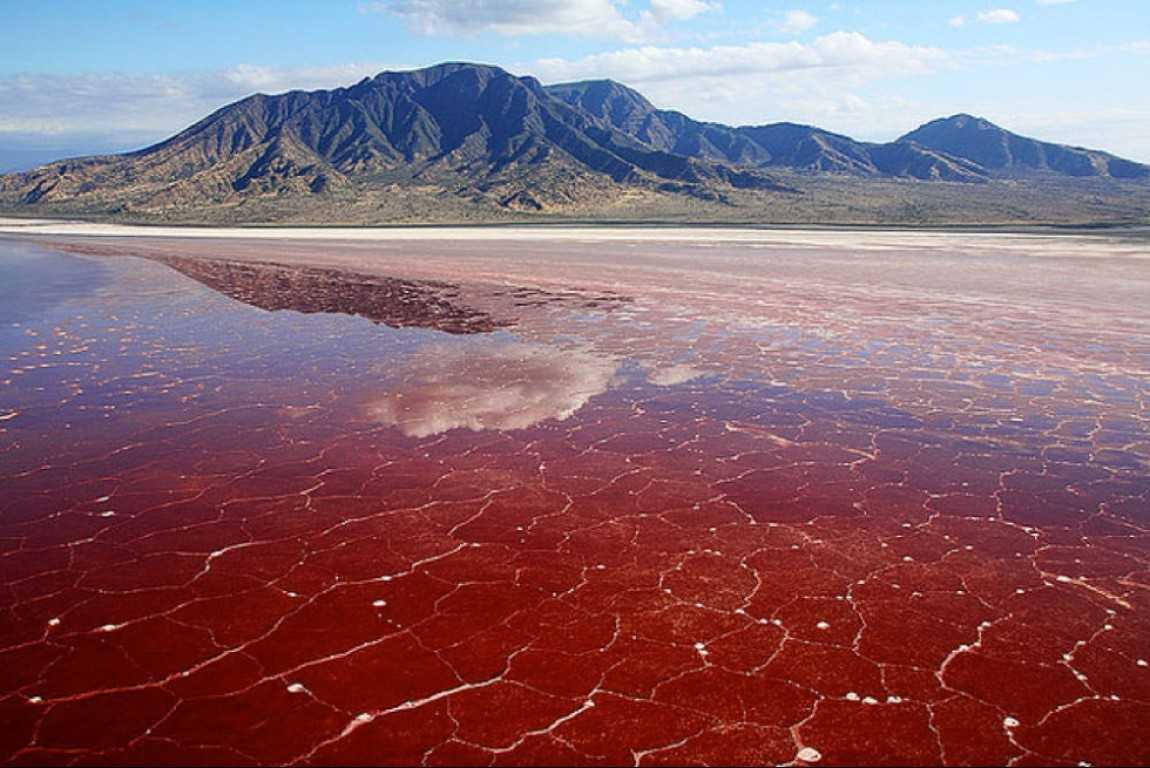
Seen from the air, Lake Natron is a shocking thing: a 57-km long sheet of caustic red brine in the floor of the Great Rift Valley, its surface stained crimson by sodium-loving algae, its shores encrusted with salt formations that mummify any animal that dies in contact with them. And yet this hostile, scalding, alkaline lake is one of the most important wildlife sites on Earth — because its very toxicity makes it the safest place in Africa for lesser flamingos to breed.
Lake Natron is the primary breeding site for the lesser flamingo — the smaller of Africa's two flamingo species and the one that creates the famous pink tide at Lakes Nakuru and Manyara. Up to 2.5 million individuals, representing three-quarters of the entire world population, hatch their chicks on a mud island in Natroa's centre that no predator can reach across the caustic water. Without Natron, the lesser flamingo would almost certainly face extinction.
Where is Lake Natron?
The lake sits in the Arusha Region of northern Tanzania at an elevation of 600 metres, on the floor of the Gregory Rift — the eastern arm of the Great Rift Valley. The active carbonatite volcano Ol Doinyo Lengai (2,962 m) rises directly from the laka's southern shore. The nearest town is Engaruka, about 100 km from Arusha by road.
The chemistry of the lake
Lake Natron is a soda lake — fed by hot springs rich in sodium carbonate and sodium bicarbonate, with a pH between 10 and 10.5 (comparable to household bleach). Surface temperatures in the shallows can reach 60°C. The red and orange colouration comes from halophilic microorganisms — cyanobacteria and archaea — that thrive in extreme salinity. The lake is toxic to most large animals but paradoxically provides perfect conditions for the flamingo colony and for the brine shrimp that the flamingos feed on.
The flamingo colony
Flamingo breeding at Natron is episodic rather than annual — it occurs when the lake level is high enough that the central island is surrounded by water too deep and caustic for mammal predators to cross, but not so high that nesting sites are flooded. When conditions align, the breeding spectacle is extraordinary. Even in non-breeding years, tens of thousands of flamingos use the lake for feeding and moulting.
Approaching the colony on foot is not permitted when breeding is active. View from the designated shore access points with binoculars.
Engare Sero: waterfalls and ancient footprints
On the laka's southeastern shore, the Engare Sero community manages two significant attractions:
The Engare Sero Waterfall
A 2–3 hour return hike up the Rift Valley escarpment to a seasonal waterfall fed by springs above. The trail passes through dramatic volcanic rock formations and offers panoramic views over the lake and Lengai.
The Engare Sero hominid footprints
Discovered in 2006 and dated to approximately 5,700 years ago, the Engare Sero footprint site preserves the tracks of at least 17 ancient humans — the largest assemblage of early human footprints ever found. The prints show men, women and children moving together across a volcanic mud flat: some walking, some running, one apparently stumbling. They are a remarkably intimate record of a single moment in human prehistory.
Ol Doinyo Lengai: the Mountain of God
The active volcano immediately south of the lake is one of the worla's most extraordinary geological features — the only active carbonatite volcano on Earth, erupting natrocarbonatite lava that is cooler (500°C vs 1,200°C for basaltic lava) and turns white within hours of exposure to air. Most climbers tackle Lengai on a night hike starting around midnight, summiting at dawn to avoid the heat and maximise crater views. The climb is steep and demanding — not technical mountaineering but a serious physical effort.
Combine Lake Natron with…
- Ol Doinyo Lengai — naturally combined as a 2-night Natron itinerary.
- Serengeti — accessible in the same Northern Tanzania loop via Loliondo.
- Ngorongoro Crater — loop return via the Ngorongoro–Engaruka road.
- Lake Eyasi — Hadzabe hunter-gatherer cultural visit on the way back to Arusha.
Frequently asked questions about Lake Natron
Can you swim in Lake Natron?
No. The extreme alkalinity (pH 10–10.5) and surface temperatures of up to 60°C make the lake genuinely dangerous to enter.
Why is Lake Natron red?
The deep red and orange colouration comes from halophilic (salt-loving) microorganisms — cyanobacteria and archaea — that thrive in hypersaline conditions and produce red pigments.
How far is Lake Natron from Arusha?
Approximately 200 km by road, taking 4–5 hours in dry season. The road is rough and requires a 4WD vehicle.
Is Lake Natron worth visiting without the flamingo breeding colony?
Yes — the Engare Sero footprints, the Ol Doinyo Lengai climb, the waterfall hike and the extraordinary landscape of the Rift Valley floor make Natron a compelling destination in any season. Flamingos are present year-round in varying numbers.
Want to visit Lake Natron?
Get a free custom safari plan within 24 hours.
Lake Natron safari tours


Want to visit Lake Natron?
Get a free custom safari plan within 24 hours.
Best time to visit Lake Natron
June to October — Dry season (best access and flamingo viewing)
The dry season is the most practical window for visiting Lake Natron. The access road from Arusha (via Monduli and Engaruka) is at its most reliable, the lake level is lower exposing more flamingo habitat, and temperatures — though still very hot in the midday hours — are manageable with an early-morning start. Flamingo numbers on the lake are highest in non-breeding years during this period. The Ol Doinyo Lengai night hike is most comfortable in the cooler dry-season nights.
December to February — Short dry window (flamingo breeding may be active)
In years when breeding conditions are right — determined by the laka's chemistry and water level — the flamingo colony can be active between November and March. Breeding is unpredictable year to year; consult your operator for current nesting status. The Engare Sero footprint trail is accessible year-round.
March to May — Long rains (poor access, avoid)
The access road becomes severely muddy and is often impassable for 2WD vehicles. The lake can flood its margins. Do not plan a Lake Natron visit between March and May unless you have a high-clearance 4WD and local road intelligence.
Bottom line: June to October for reliable access and a comfortable experience. This is a remote destination — always check current road conditions with your operator before departure.
Where to stay in Lake Natron
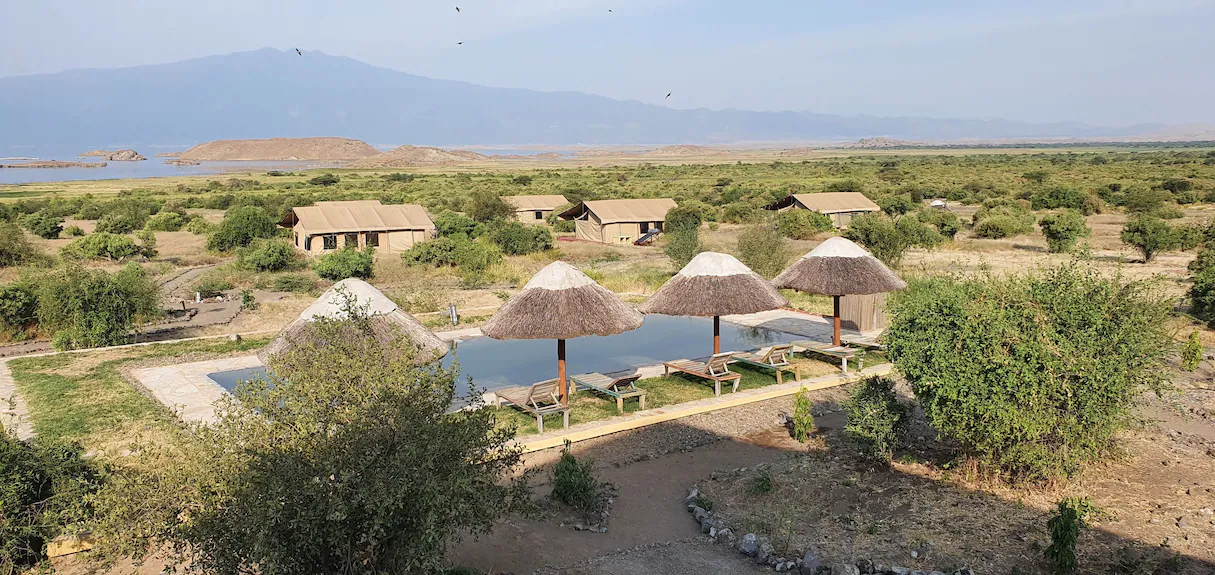
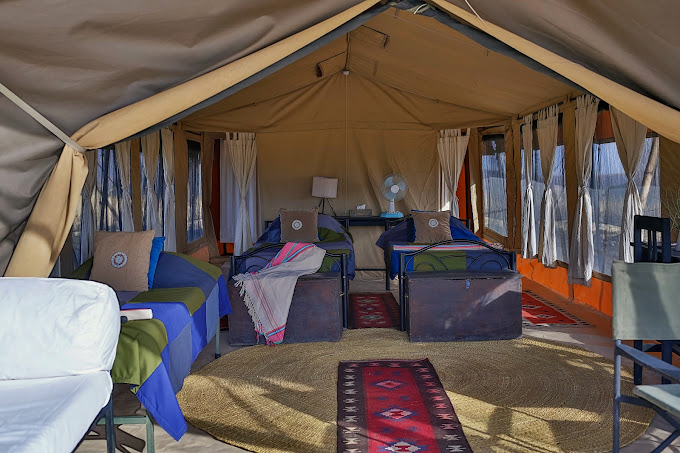
Want to visit Lake Natron?
Get a free custom safari plan within 24 hours.
Nearby destinations
 Tanzania
 Tanzania
 Tanzania
 Tanzania