Quick facts
Wildlife
Dar es Salaam is an urban environment, but its marine surroundings are rich. The Bongoyo and Mbudya island snorkelling reserves off the northern beaches provide accessible coral reef with reef fish, sea turtle and dolphin. Bongoyo Island is managed by the Tanzania National Parks Authority and is the most developed day-trip snorkelling destination. The Msasani Bay mangroves support kingfisher, heron and mudskipper. The Pugu Hills Forest Reserve (30 km west) holds colobus monkey and a range of coastal forest birds. Nyerere National Park begins 2 hours southwest.
Top activities
National Museum of Tanzania — Zinjanthropus skull replica, the Shirazi pottery collection and the natural history exhibits. Kivukoni Fish Market — the city's most atmospheric daily market, best at 06:00–08:00 when the night catch arrives. Bongoyo Island day trip — 20-minute ferry from Slipway for snorkelling and white-sand beaches. Mwenge Carvers Market — Tanzania's largest wood carving cooperative with 200+ carvers producing Makonde sculpture, batiks and crafts. Village Museum (open-air) — 16 traditional homesteads from across Tanzania's ethnic groups. Kariakoo Market — the city's sprawling wholesale and retail market. Dar es Salaam food tour.
About Dar es Salaam
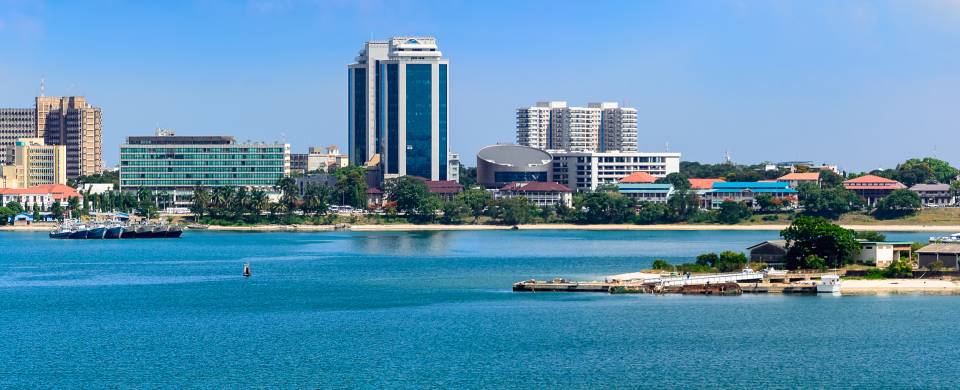
Dar es Salaam is Tanzania’s largest city and commercial engine, a sprawling Indian Ocean port of around 7 million people that serves as the country’s primary gateway, financial centre and cultural hub. Most safari travellers transit through Julius Nyerere International Airport and head immediately to Zanzibar or Nyerere National Park. Those who spend a day or two in the city discover it has more to offer than its transit reputation suggests.
The name means “Haven of Peace” in Arabic — given by the Zanzibar Sultan Majid bin Said, who founded the settlement in 1865 as a pleasure resort. The city that grew from that beginning is anything but peaceful in the traffic-and-commerce sense, but it retains the Swahili coast’s characteristic hospitality and a vibrant food and arts culture that rewards visitors who stop long enough to find it.
Where is Dar es Salaam?
On Tanzania’s eastern coast, approximately 6 degrees south of the equator. Julius Nyerere International Airport (DAR) handles the majority of Tanzania’s international arrivals with direct flights from Amsterdam, Dubai, Doha, Addis Ababa, Nairobi, Johannesburg and major European cities. The airport is 13 km from the city centre; allow 30–60 minutes for traffic.
National Museum of Tanzania
The National Museum in the Botanical Garden district holds two floors of Tanzanian natural and cultural history. The most significant object is the Zinjanthropus boisei skull replica — a cast of the Nutcracker Man skull found by Mary Leakey at Olduvai Gorge in 1959 (the original is in Olduvai). The ethnographic collection covers all of Tanzania’s 120+ ethnic groups; the natural history section has good regional geology and wildlife exhibits. Allow 2 hours.
Kivukoni Fish Market
The city’s most atmospheric daily experience: arrive at the Kivukoni waterfront between 06:00 and 08:00 as the fishing boats return from the overnight catch. Tuna, kingfish, barracuda, octopus and dozens of reef species are unloaded, auctioned and processed in a scene of chaotic, efficient commerce. The market is entirely public — no entry fee, no organised tour needed. Go on foot with a local guide for the most informative visit.
Bongoyo Island
Bongoyo Island, 20 minutes by speedboat from the Slipway shopping centre in Msasani, is managed by TANAPA as a marine protected area. The surrounding reef has healthy coral, green sea turtle, reef fish in good diversity and reasonable snorkelling visibility. The island has a basic beach bar and picnic facilities. A Mbudya Island alternative (slightly further, slightly better reef) is accessible from the same jetty. Day trips include the boat crossing, park entry and snorkelling.
Mwenge Carvers Market
Tanzania’s largest woodcarving cooperative, with over 200 Makonde carvers working and selling from individual stalls. Makonde sculpture is one of East Africa’s finest art traditions — abstract, figurative and ceremonial works carved from ebony and mpingo wood. The market is open daily; prices are negotiable; the quality ranges from tourist souvenir to serious art, and experienced eyes can find exceptional pieces.
The food scene
Dar’s restaurant scene is the most diverse in Tanzania: Indian (a legacy of the large Indian community), Swahili coastal seafood, Ethiopian, Lebanese and international options all within a relatively compact area around the Masaki and Oyster Bay suburbs. Street food — mishkaki (grilled beef skewers), urojo (Zanzibar mix soup), fresh coconut, roasted cassava — is excellent throughout the city.
Combine Dar with…
- Zanzibar — 25 minutes by air or 2 hours by fast ferry.
- Nyerere National Park — 45 minutes by charter flight.
- Mikumi National Park — 4 hours by road for a weekend safari.
- Saadani National Park — 3 hours north; beach-and-bush.
Frequently asked questions about Dar es Salaam
How many days should I spend in Dar?
One day is enough for the museum, fish market and Bongoyo Island. Two days adds Mwenge, the Village Museum and a proper restaurant exploration.
Is Dar es Salaam safe?
The main tourist areas (Msasani, Masaki, Oyster Bay) are generally safe by day. The CBD requires standard urban caution with valuables. Use Uber or hotel-arranged taxis rather than street taxis.
Is it worth spending time in Dar rather than going straight to Zanzibar?
Yes, if you have an interest in Swahili urban culture, the fish market or the National Museum. The Bongoyo Island snorkelling is genuinely comparable to the cheaper Zanzibar reef experiences. If your only interest is beach, the Zanzibar ferry is the right choice.
Want to visit Dar es Salaam?
Get a free custom safari plan within 24 hours.
Dar es Salaam safari tours

Want to visit Dar es Salaam?
Get a free custom safari plan within 24 hours.
Best time to visit Dar es Salaam
June to October — Dry season (best overall, ideal for island day trips)
The dry season is the most comfortable period. The Kusi trade wind keeps temperatures at 24–28°C and the humidity lower than in summer. The sea is calm for Bongoyo Island crossings and snorkelling visibility is good. City activities (museum, markets, food tour) are excellent year-round but the outdoor and marine elements are best in the dry season.
December to February — Kaskazi season (warm, calm seas, festive)
The north-east monsoon brings calm, warm seas — the finest conditions for the Bongoyo Island crossing and beach swimming. Temperatures are warm (28–32°C) and humidity is high. The city is festive around Christmas and New Year.
March to May — Long rains (avoid for outdoor activities)
Heavy rainfall makes outdoor activities and beach visits less rewarding. The city operates normally and museum visits are unaffected. Not recommended as a primary destination in this period.
Bottom line: June to October for the most complete Dar experience. December to February for warm seas and beach access.
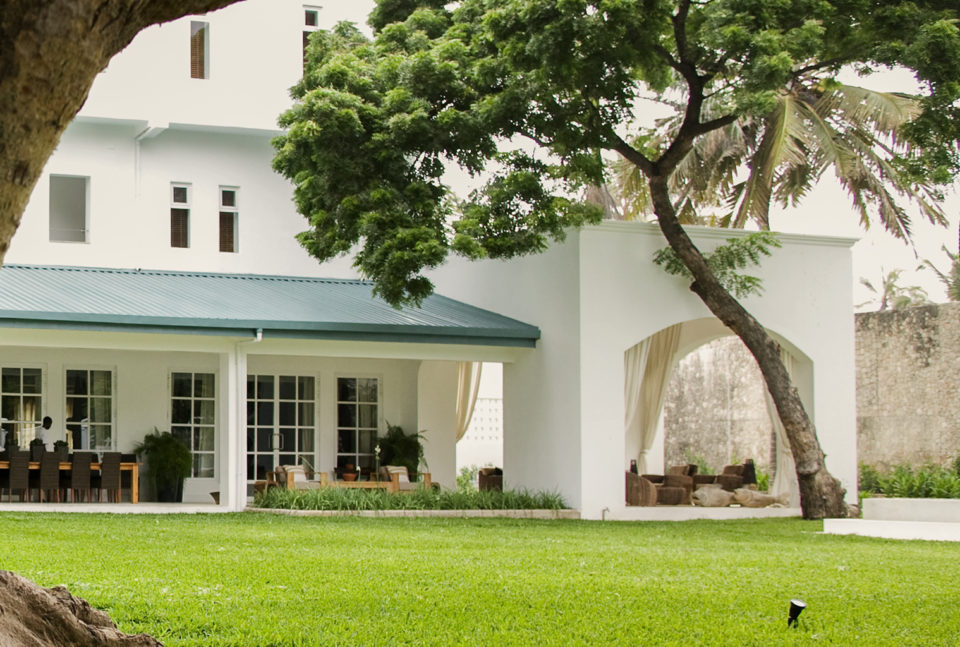
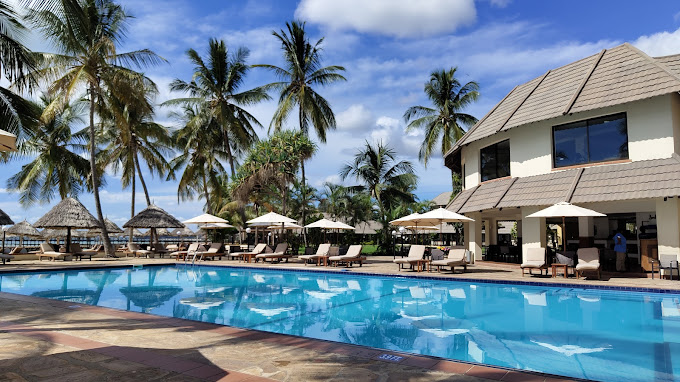
Where to stay in Dar es Salaam


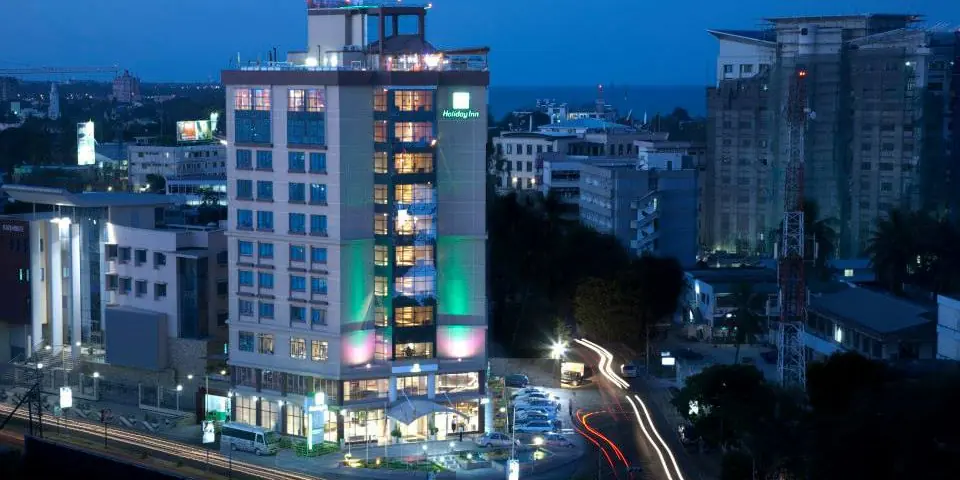
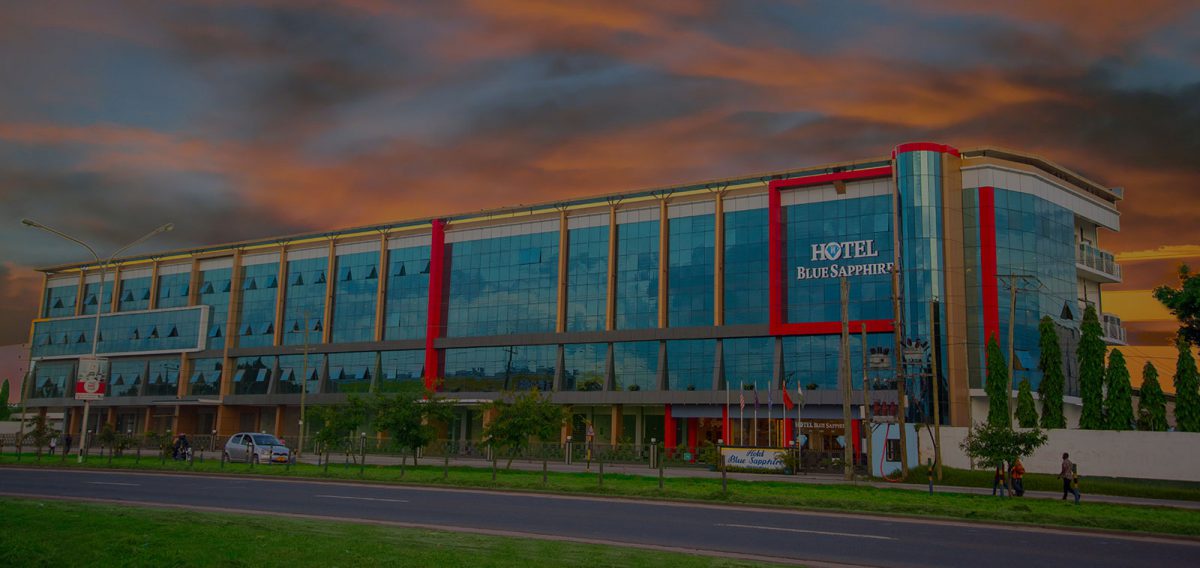
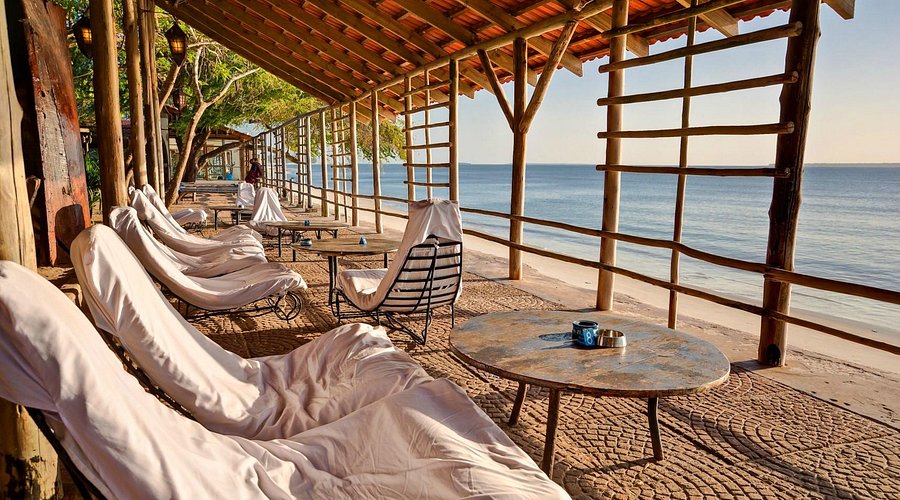
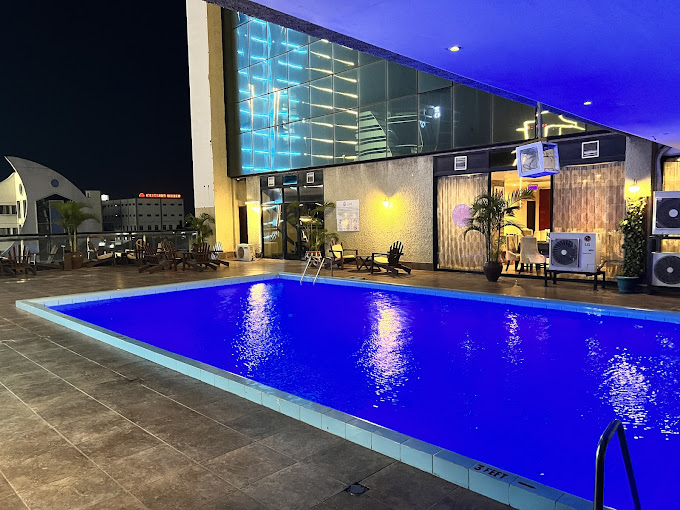
Want to visit Dar es Salaam?
Get a free custom safari plan within 24 hours.
Nearby destinations
 Tanzania
 Tanzania
 Tanzania
 Tanzania