20 Fascinating Mount Kilimanjaro Facts You Should Know
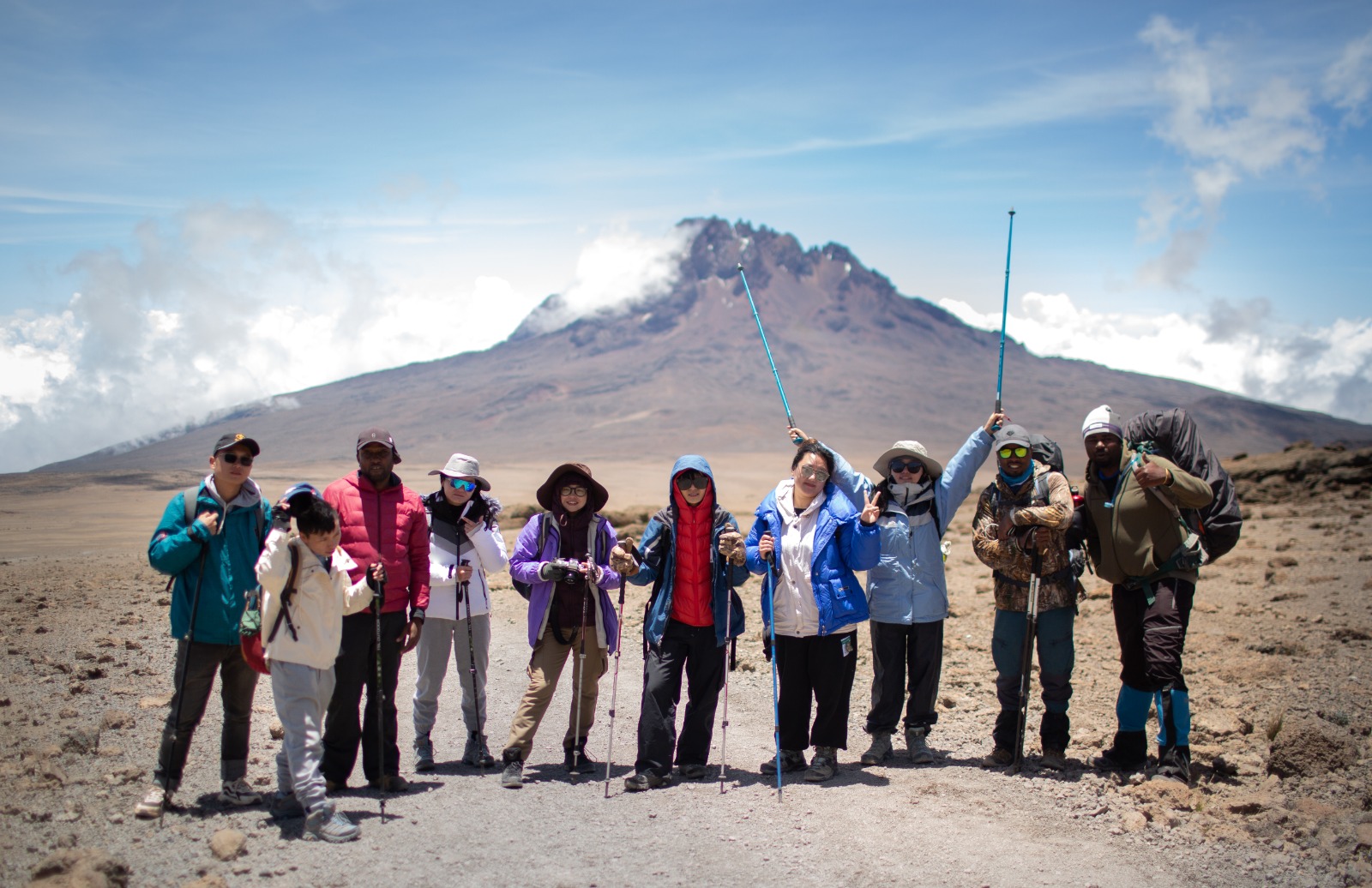
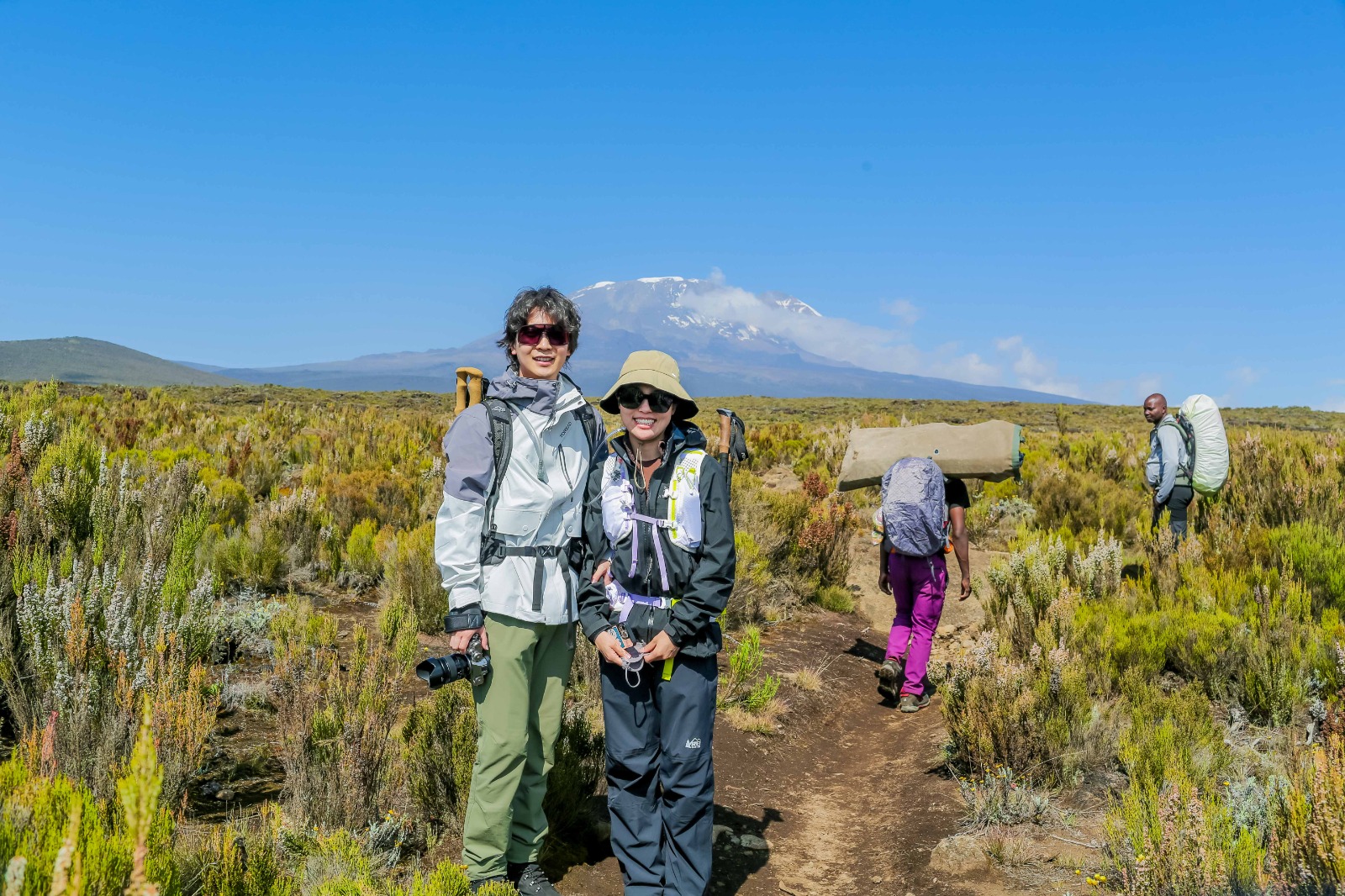
Mount Kilimanjaro is one of the most famous mountains in the world and the highest peak in Africa. Located in northern Tanzania near the Kenyan border, this iconic mountain attracts thousands of climbers every year who attempt to reach its summit, Uhuru Peak.
Whether you are planning a climb or simply curious about Africa’s tallest mountain, these fascinating Kilimanjaro facts will help you understand why the mountain is such a legendary destination.
Travelers planning their adventure can explore trekking itineraries through Kilimanjaro Trekking Tours.
1. Kilimanjaro Is the Highest Mountain in Africa
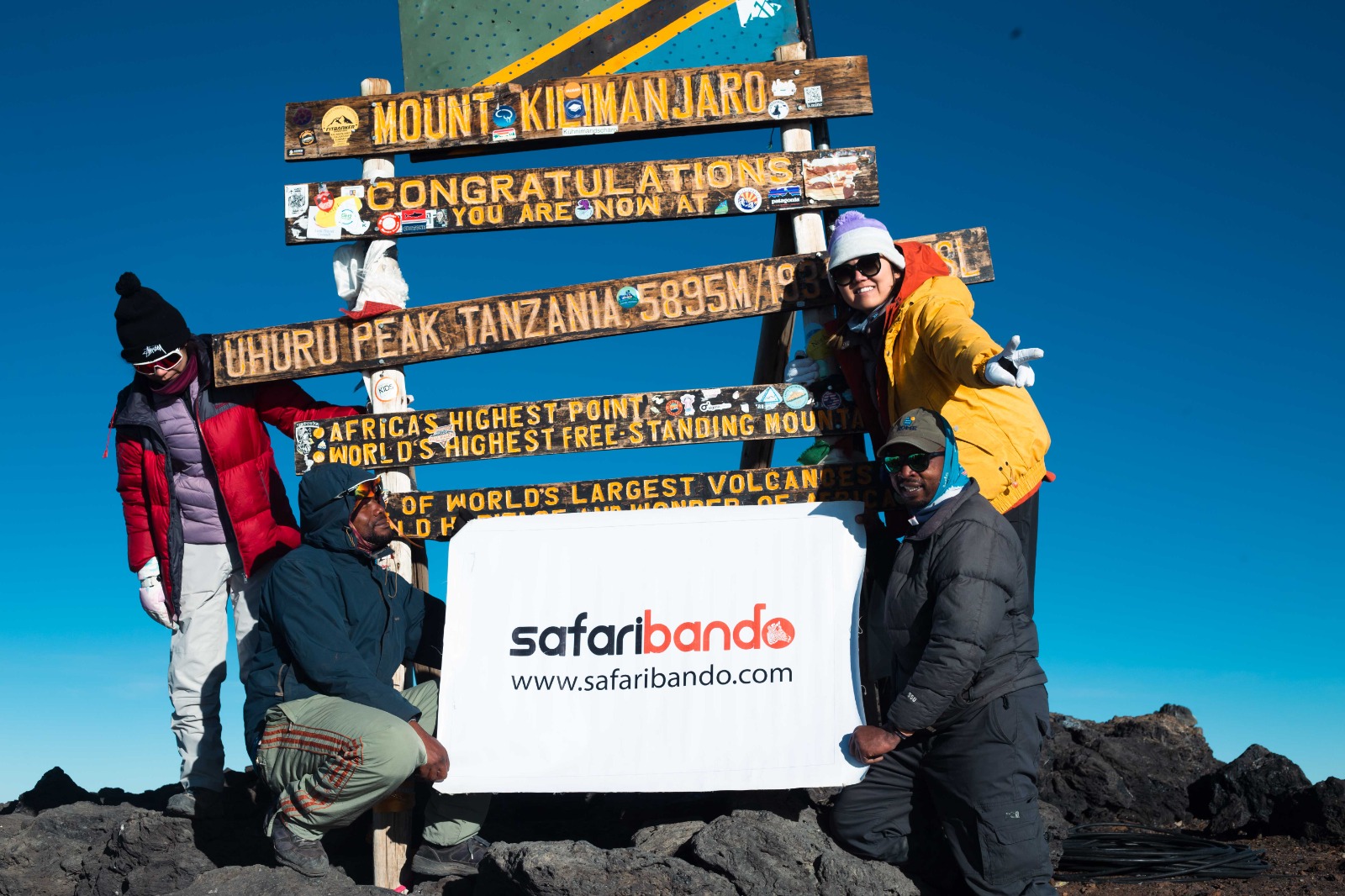
Mount Kilimanjaro stands at 5,895 meters (19,341 feet) above sea level, making it the tallest mountain on the African continent.
You can learn more about its elevation in Kilimanjaro Height & Elevation Explained.
2. Kilimanjaro Is a Free-Standing Mountain
Unlike many of the world’s highest peaks, Kilimanjaro is not part of a mountain range. It rises dramatically from the surrounding plains, making it the tallest free-standing mountain in the world.
3. Kilimanjaro Is a Volcano
Mount Kilimanjaro is actually a stratovolcano made up of three volcanic cones:
-
Kibo
-
Mawenzi
-
Shira
Kibo is the highest and still considered dormant.
4. The Summit Is Called Uhuru Peak
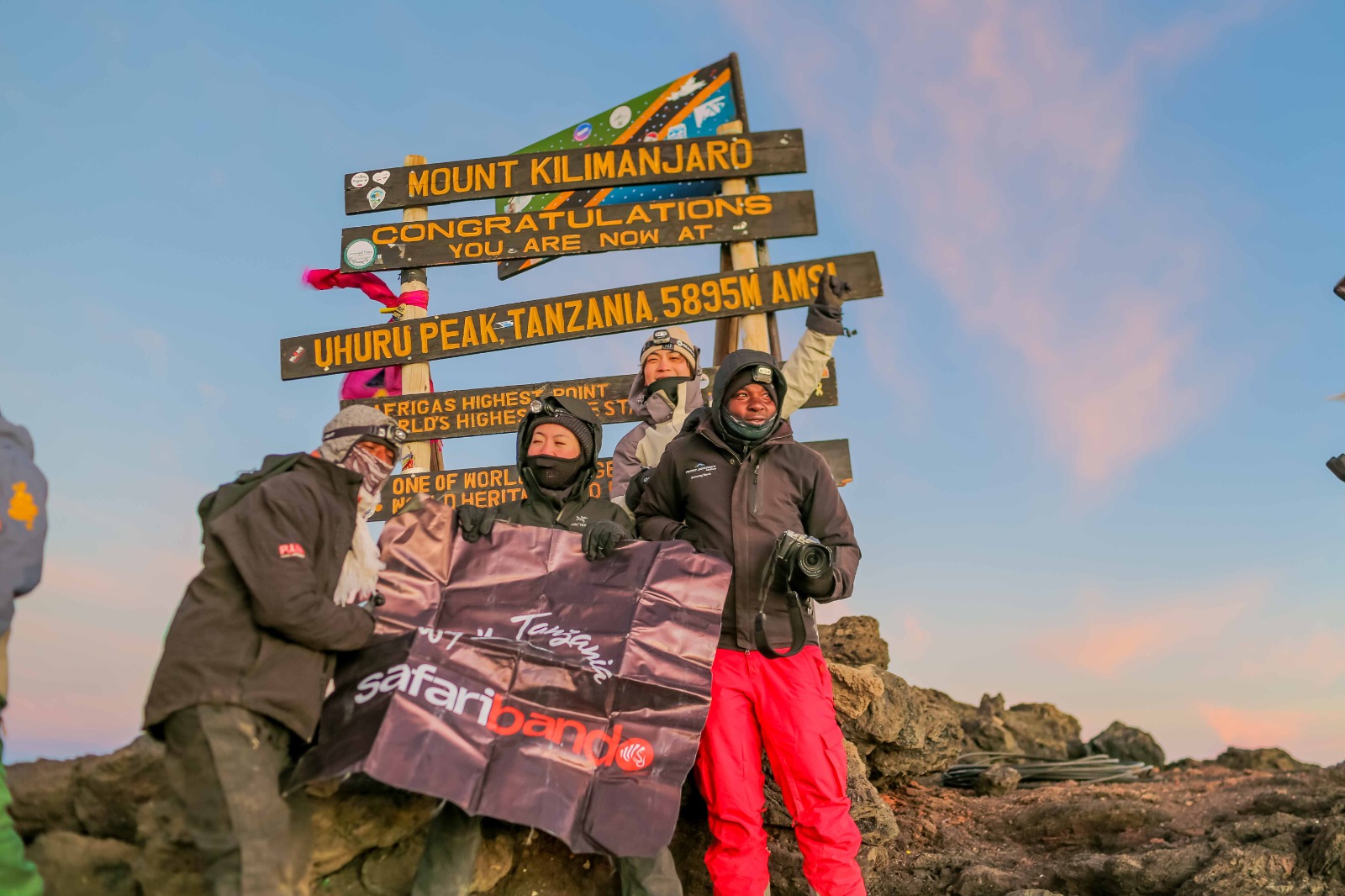
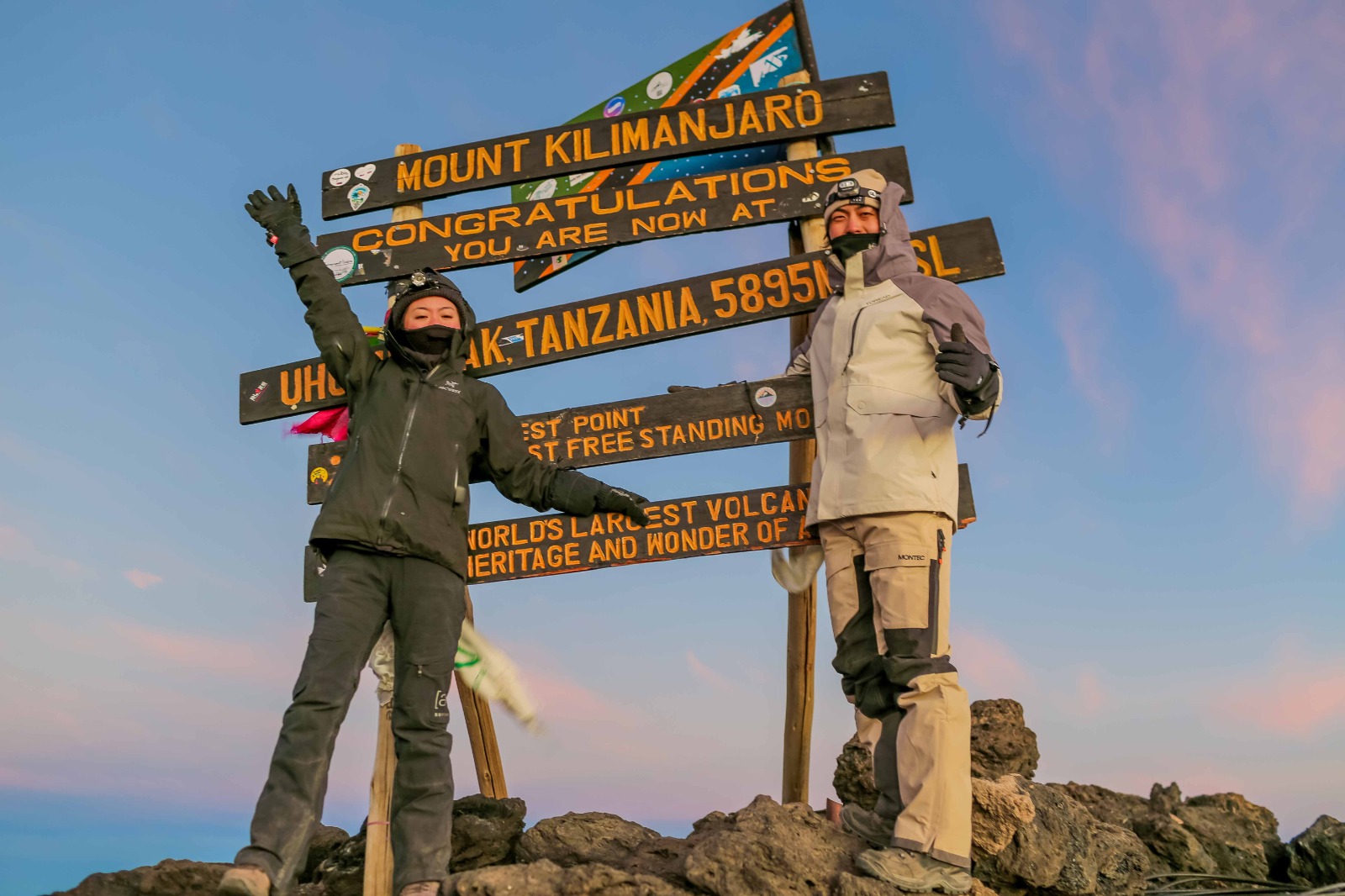
The highest point of Mount Kilimanjaro is Uhuru Peak, located on the Kibo volcanic cone.
Reaching this point means standing on the highest place in Africa.
5. Kilimanjaro Is One of the Seven Summits
The Seven Summits are the highest mountains on each continent, and Kilimanjaro represents Africa on this famous mountaineering list.
6. You Do Not Need Technical Climbing Skills
One of the reasons Kilimanjaro is so popular is that it does not require technical climbing skills.
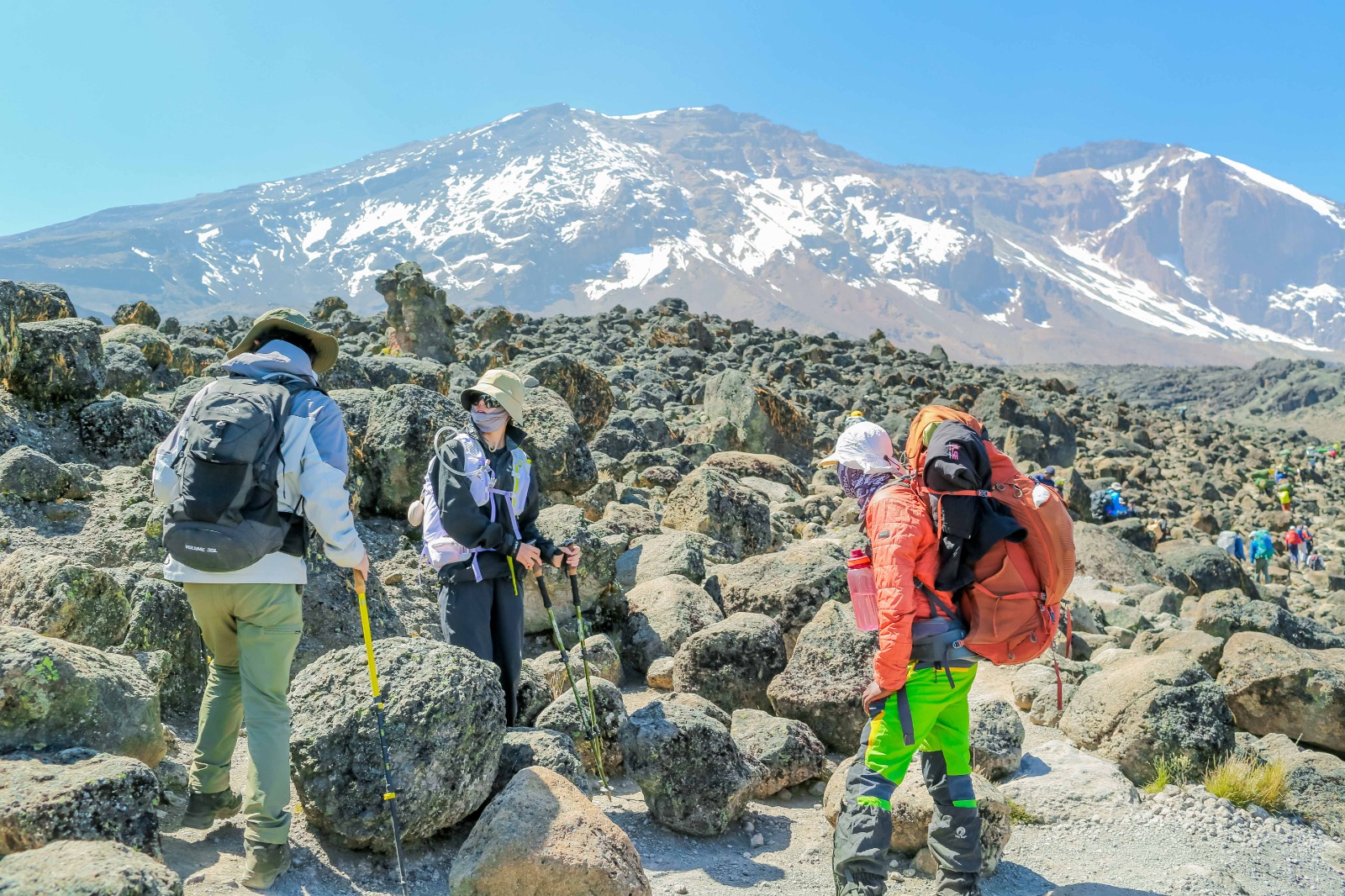
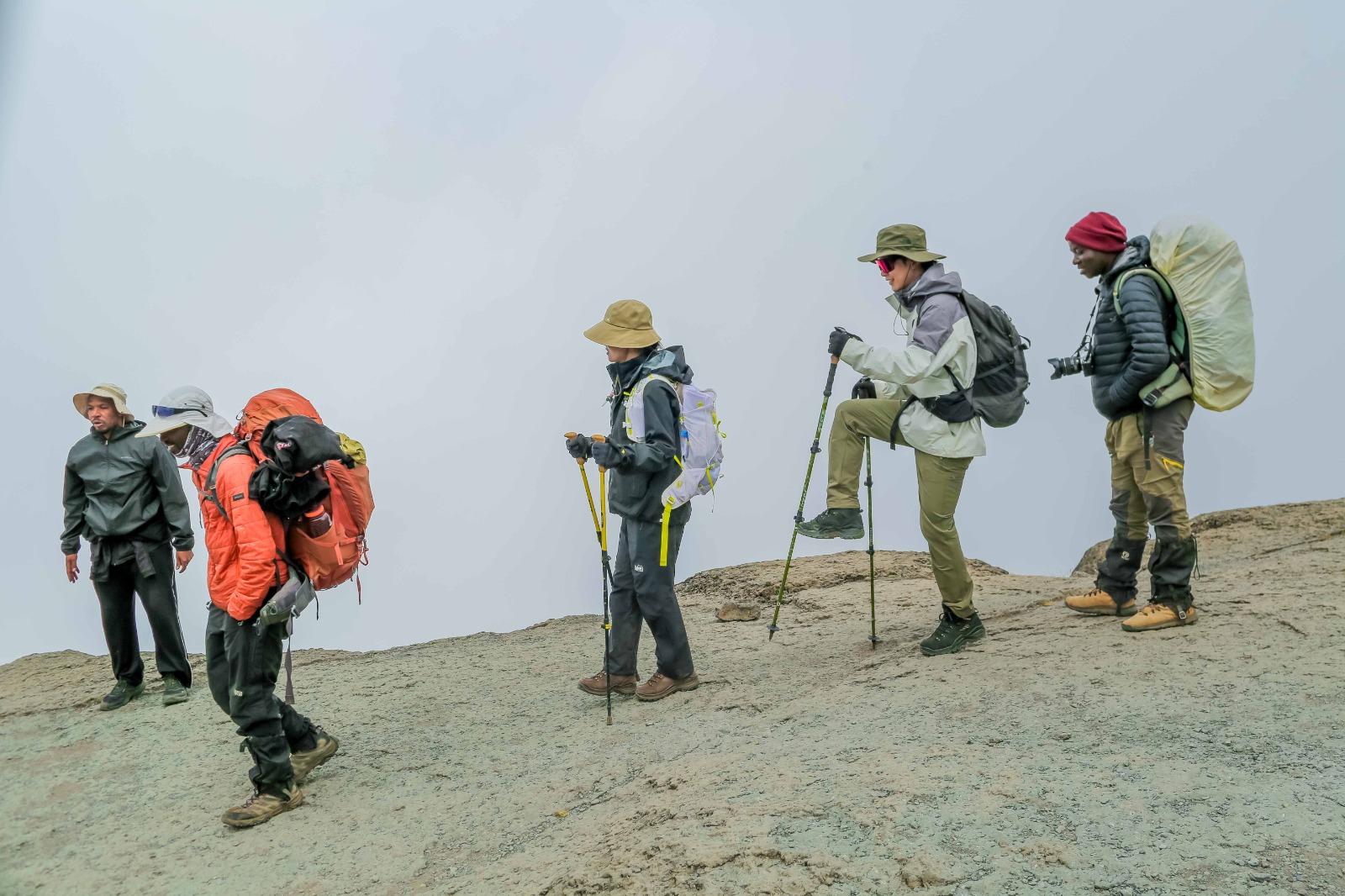
Most climbers reach the summit by trekking along established routes.
You can learn more about the challenge in Kilimanjaro Difficulty Level.
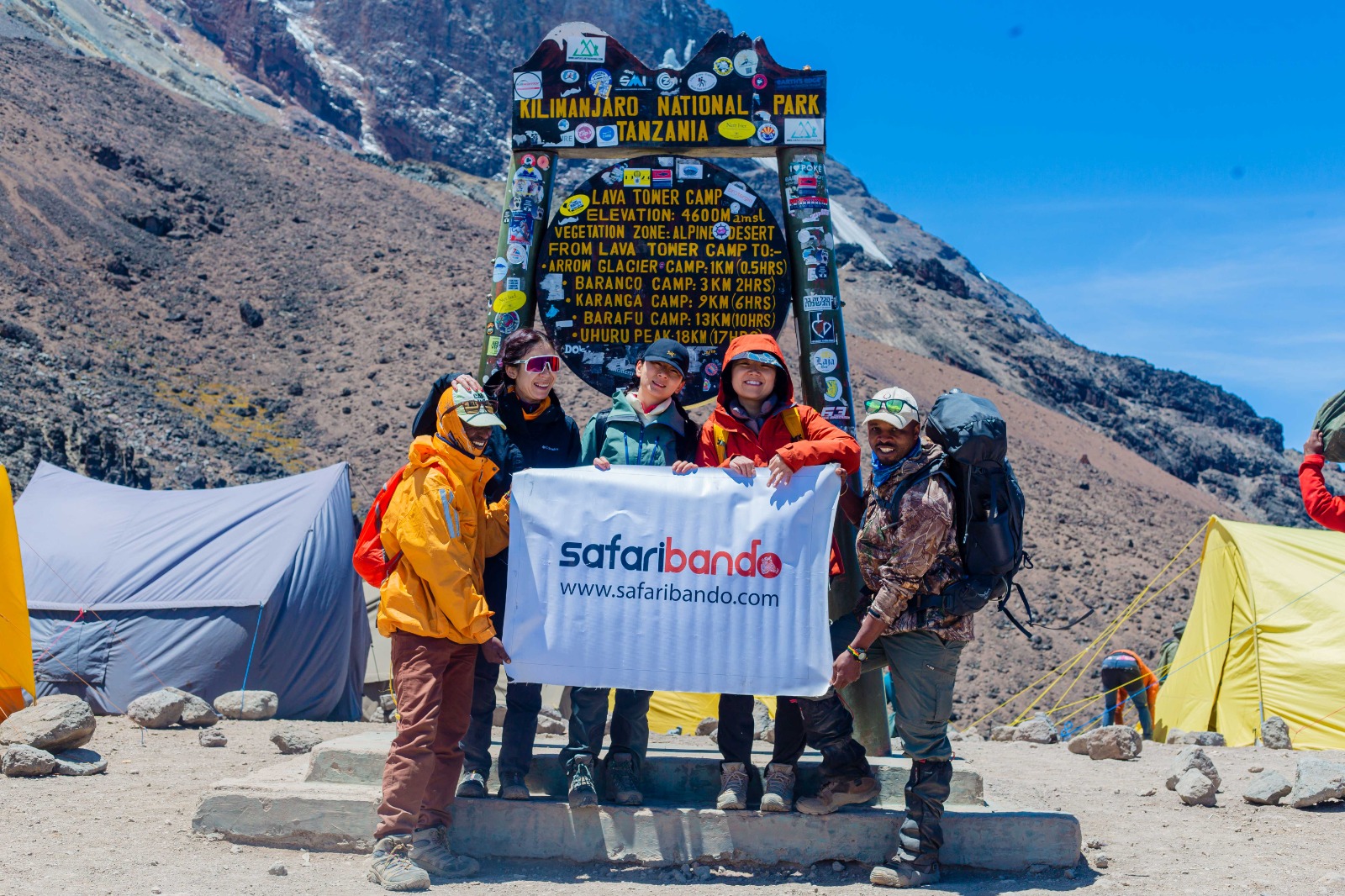
7. There Are Several Routes to the Summit
Climbers can choose from multiple routes to reach the summit of Kilimanjaro.
Popular routes include:
-
Machame Route
-
Lemosho Route
-
Marangu Route
-
Rongai Route
You can explore them in Recommended Kilimanjaro Routes.
8. The Climb Usually Takes 6–8 Days
Most Kilimanjaro climbs take six to eight days, depending on the route and acclimatization schedule.
You can learn more in How Long Does It Take to Climb Kilimanjaro.
9. Kilimanjaro Has Five Climate Zones
During the climb, trekkers pass through several different environments:
-
Rainforest
-
Heath and moorland
-
Alpine desert
-
Arctic summit zone
This dramatic change in landscapes makes the climb unique.
10. Temperatures at the Summit Are Freezing
Temperatures at the summit can drop to -20°C (-4°F) or lower.
You can learn more about summit conditions in What Is the Temperature at the Summit of Kilimanjaro.
11. Altitude Is the Biggest Challenge
Although the climb is not technical, altitude sickness is the biggest challenge for climbers.
Proper acclimatization is essential for reaching the summit safely.
Learn more in Kilimanjaro Altitude Sickness – A Complete Guide for Climbers.
12. The Best Time to Climb Kilimanjaro
The most popular months to climb Kilimanjaro are:
-
January to March
-
June to October
These months usually offer the best weather conditions.
More details can be found in Best Time to Climb Kilimanjaro.
13. Thousands of People Climb Kilimanjaro Every Year
It is estimated that 35,000 to 40,000 climbers attempt the mountain every year.
14. Most Climbers Do Not Reach the Summit
The overall summit success rate is around 65–75%, depending on the route and acclimatization time.
You can learn more in Kilimanjaro Success Rate.
15. Kilimanjaro Is Protected by a National Park
Mount Kilimanjaro is located within Kilimanjaro National Park, a UNESCO World Heritage Site.
16. The Mountain Is Covered with Glaciers
Although Kilimanjaro is located near the equator, its summit still contains glaciers and ice fields.
However, scientists warn that these glaciers are slowly disappearing due to climate change.
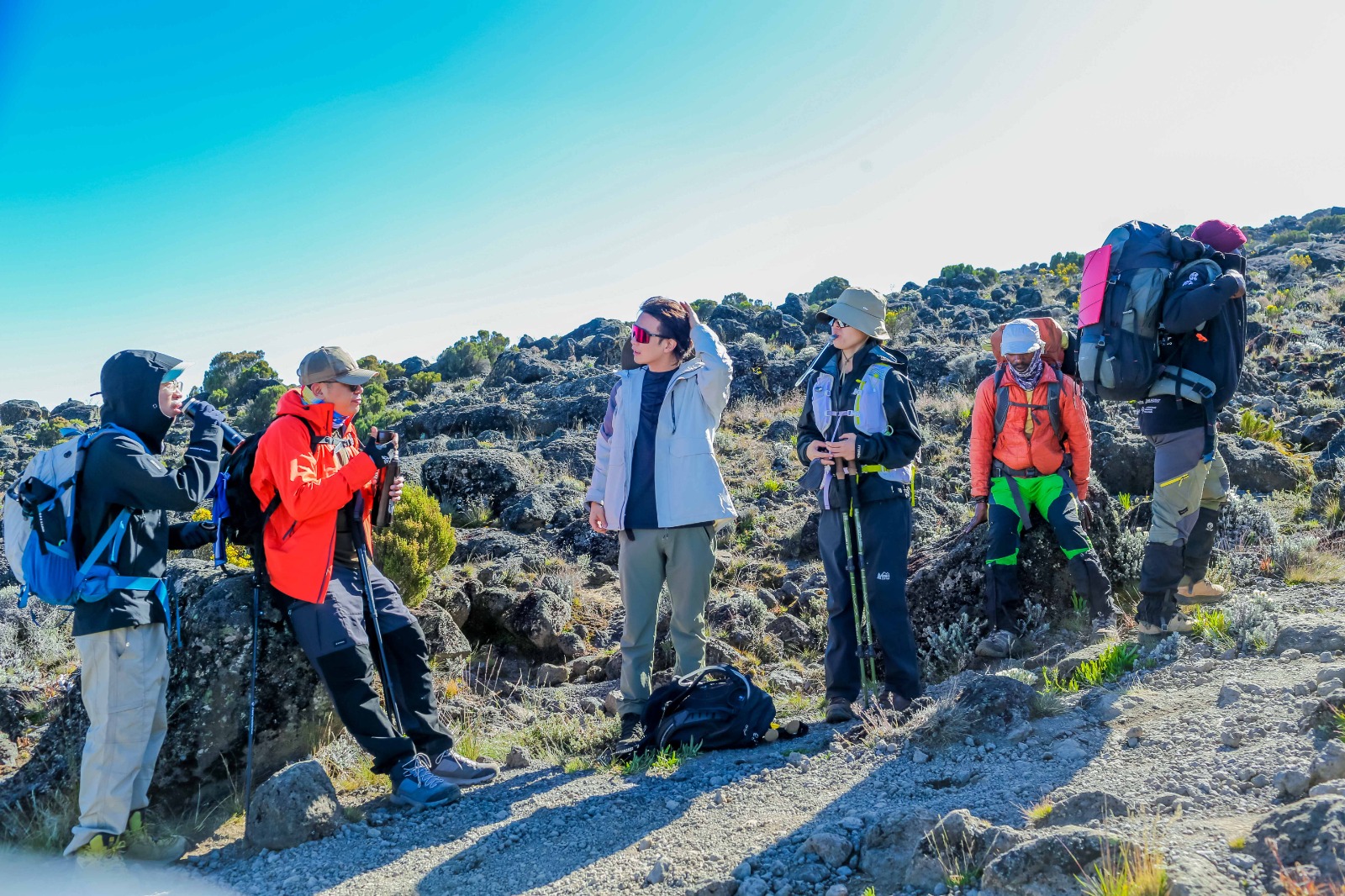
17. You Must Climb with a Guide
Climbing Kilimanjaro independently is not allowed. Tanzanian law requires climbers to be accompanied by licensed guides.
Learn more in Can You Climb Kilimanjaro Without a Guide.
18. Proper Preparation Is Essential
Physical training, good equipment, and mental preparation all help improve your chances of reaching the summit.
You can learn how to prepare in Kilimanjaro Training & Preparation Guide.
19. Kilimanjaro Is One of Africa’s Top Travel Experiences
Climbing Kilimanjaro is considered one of the most unforgettable adventures in Africa.
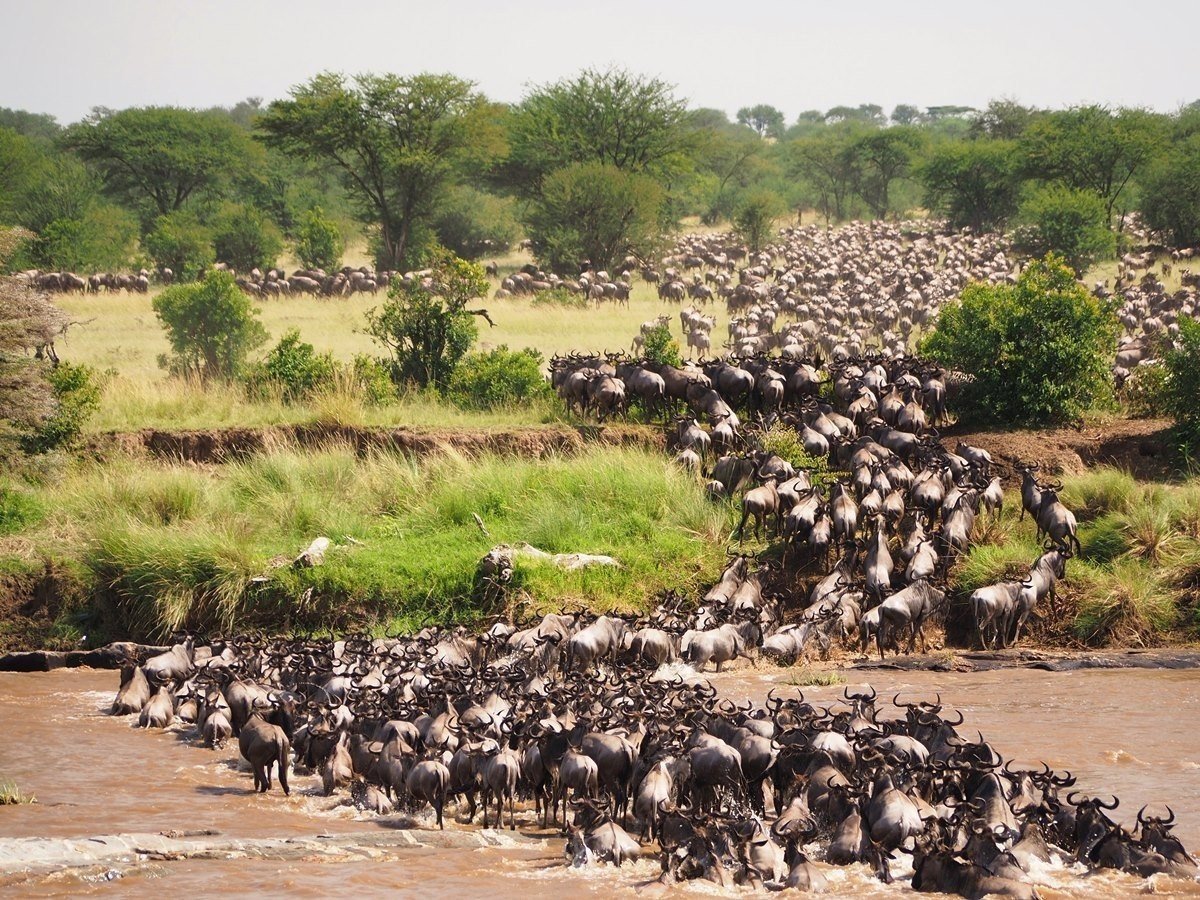
Many travelers combine their climb with wildlife safaris in Tanzania.
20. Reaching the Summit Is an Incredible Achievement
Standing on Uhuru Peak means reaching the highest point on the African continent.
For many climbers, it is the adventure of a lifetime.
Final Thoughts
Mount Kilimanjaro is one of the most remarkable mountains on Earth. From its volcanic origins and diverse ecosystems to the incredible challenge of reaching its summit, Kilimanjaro continues to inspire climbers from around the world.
If you are ready to experience this legendary mountain, explore available itineraries through Kilimanjaro Trekking Tours and begin planning your journey to the Roof of Africa.