All Kenya Safaris
Kenya Safari: The Essential Parks
Kenya's safari circuit covers a range of ecosystems — from the open savanna of the Masai Mara to the semi-arid Samburu reserve in the north, the volcanic landscape of Amboseli beneath Kilimanjaro and the vast Tsavo system in the southeast. Each park has a distinct character and a distinct wildlife profile.
Masai Mara Game Reserve
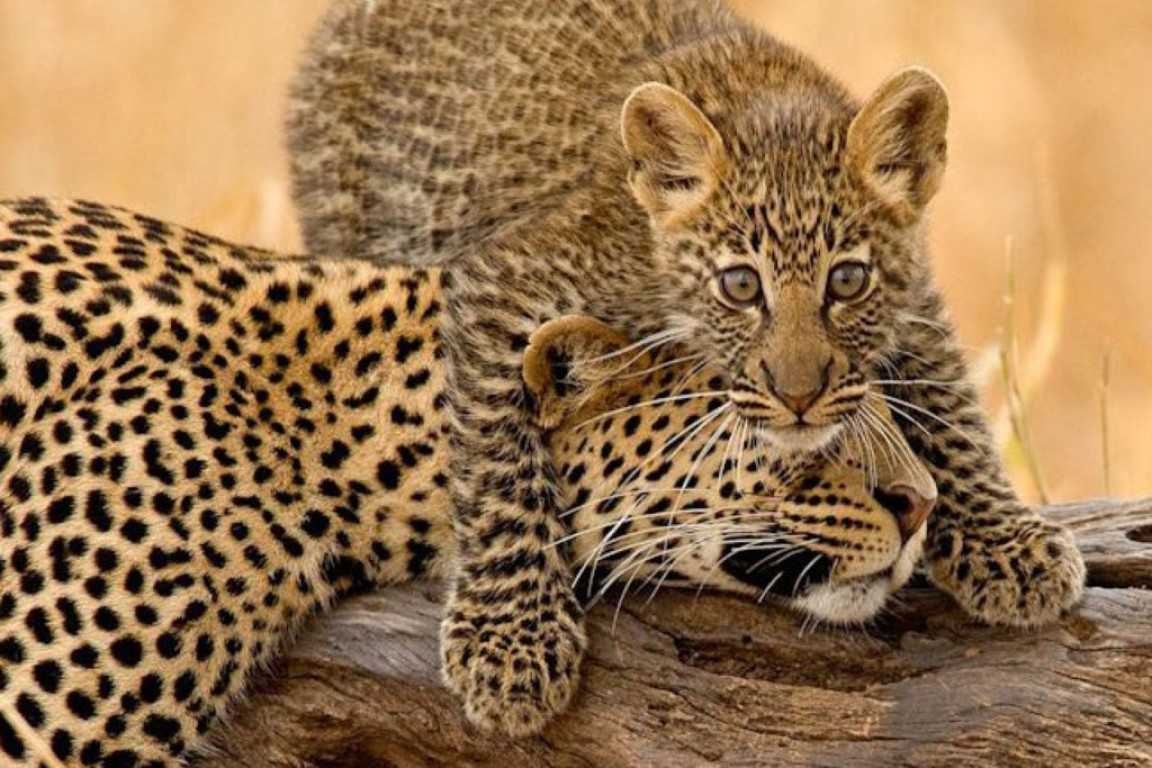
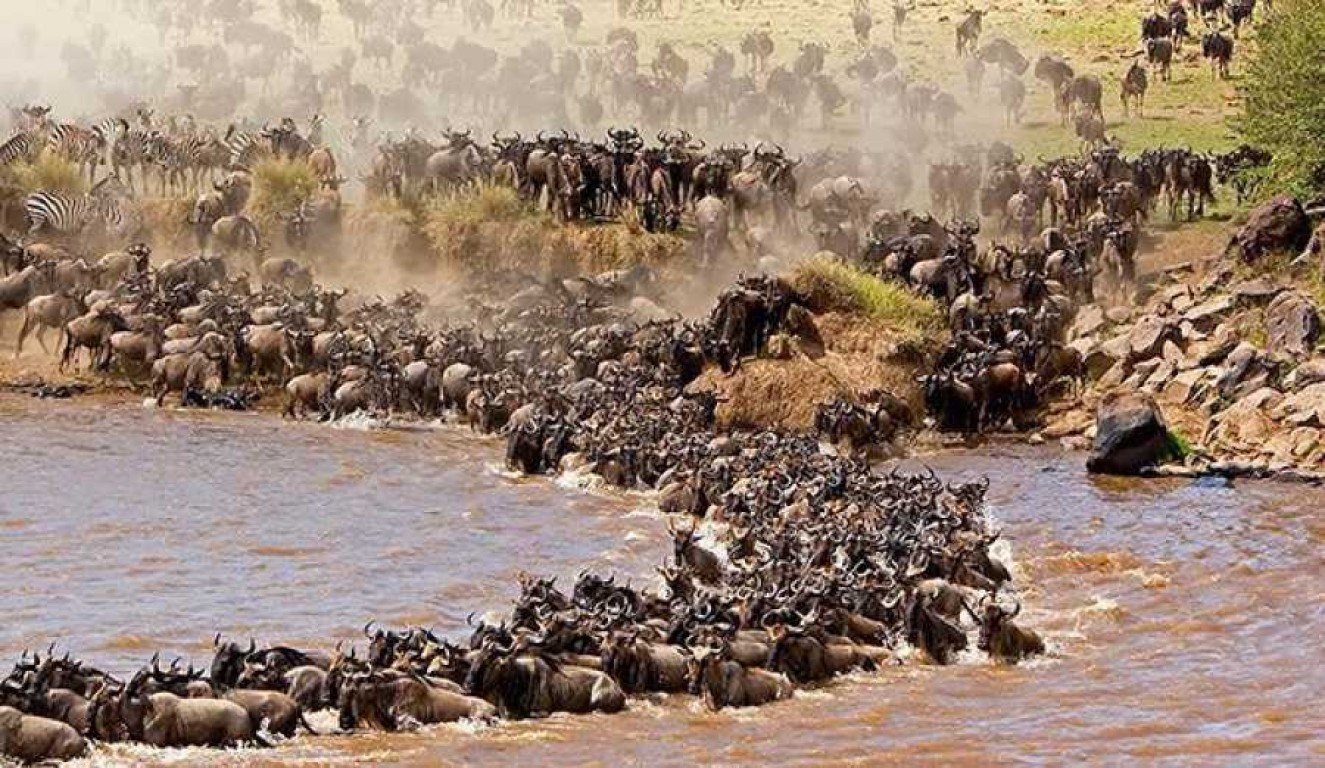
The Masai Mara is Kenya's most famous safari destination and the northern section of the Serengeti–Mara ecosystem. The Mara River crossings — when the wildebeest migration moves between Tanzania and Kenya from July to October — are the Mara's signature spectacle: thousands of animals plunging through crocodile-patrolled water with lion waiting on the banks. The Mara is also one of Africa's most reliable destinations for the Big Five year-round, with resident lion prides, leopard in the riverine forest, elephant and buffalo on the open plains and black rhino in the Mara conservancies.
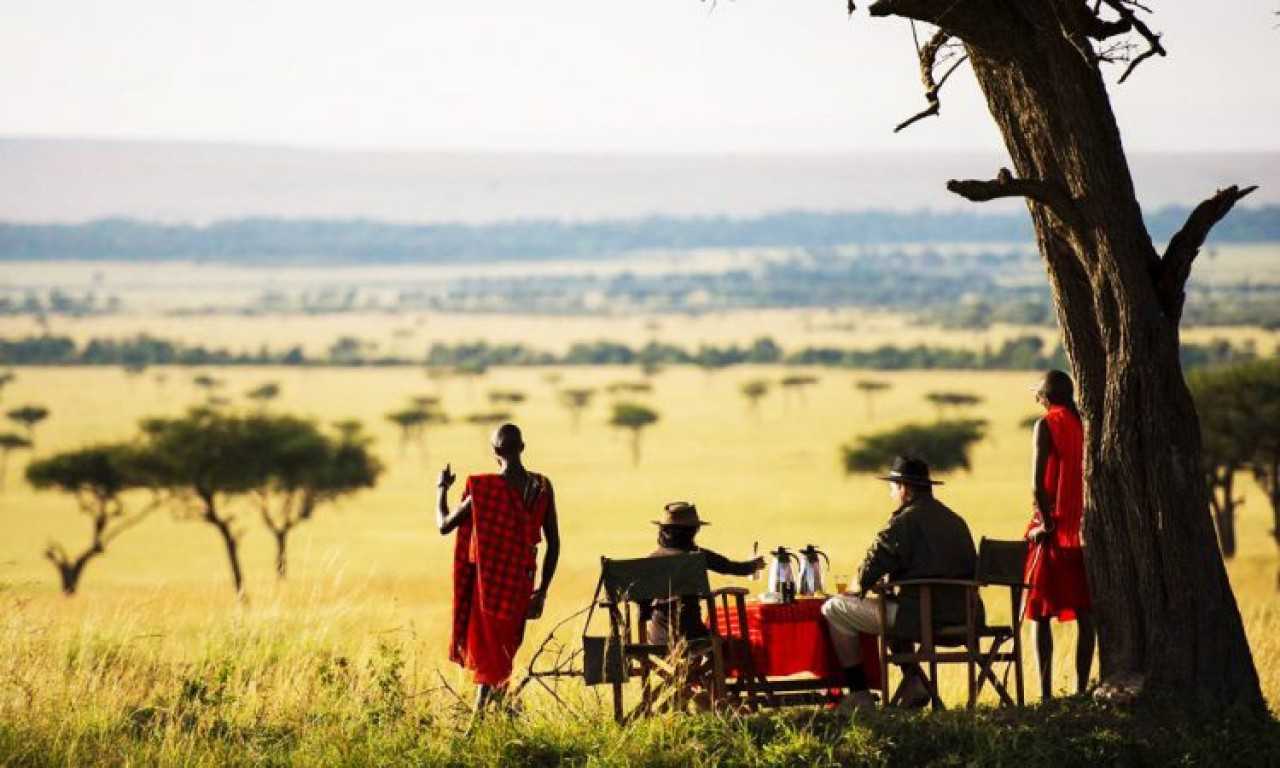
The private Mara conservancies adjacent to the reserve — Mara North, Naboisho, Ol Kinyei and others — offer game drives without the vehicle concentration that the main reserve attracts, off-road driving and night drives. For the finest Masai Mara experience, a conservancy camp combined with a main reserve game drive is the recommended combination.
Amboseli National Park
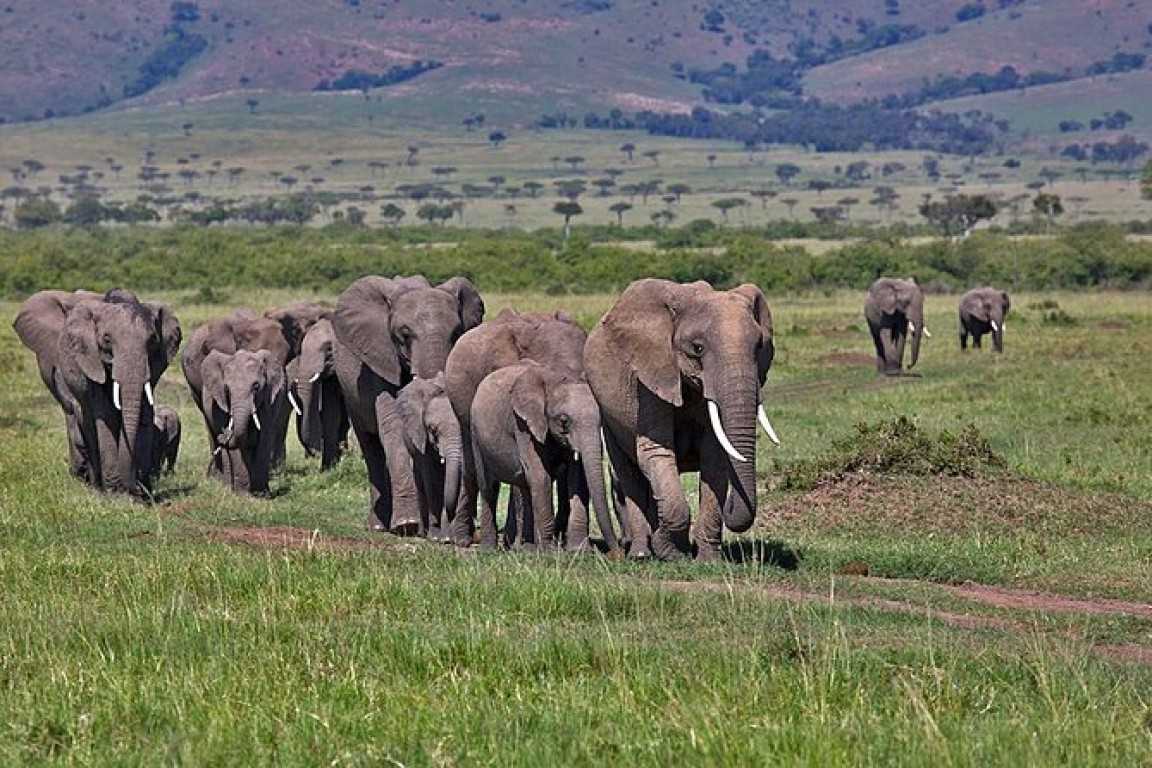
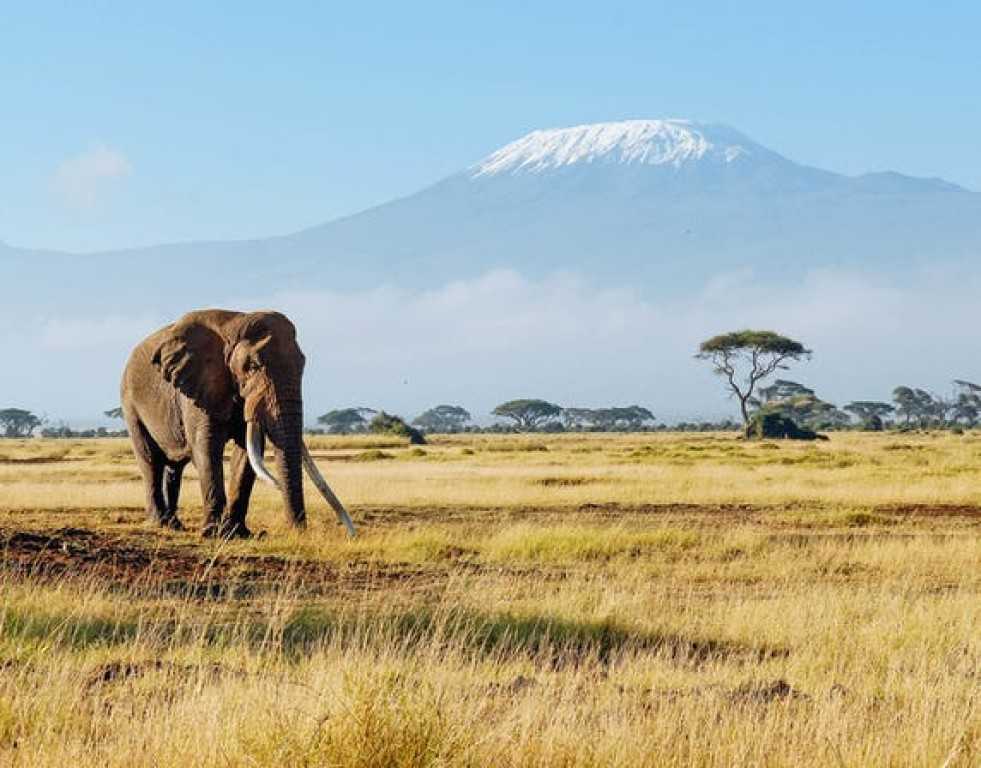
Amboseli National Park sits directly below the Kilimanjaro massif — the iconic Africa image of elephant herds with the snow-capped mountain behind them is an Amboseli image. The park's large elephant families are among the most studied in Africa (the Amboseli Elephant Research Project has been running since 1972). On a clear morning, Kilimanjaro's ice cap is fully visible above the park's swamp and acacia woodland. Best combined with a Tanzania Northern Circuit safari for a cross-border itinerary.
Samburu National Reserve
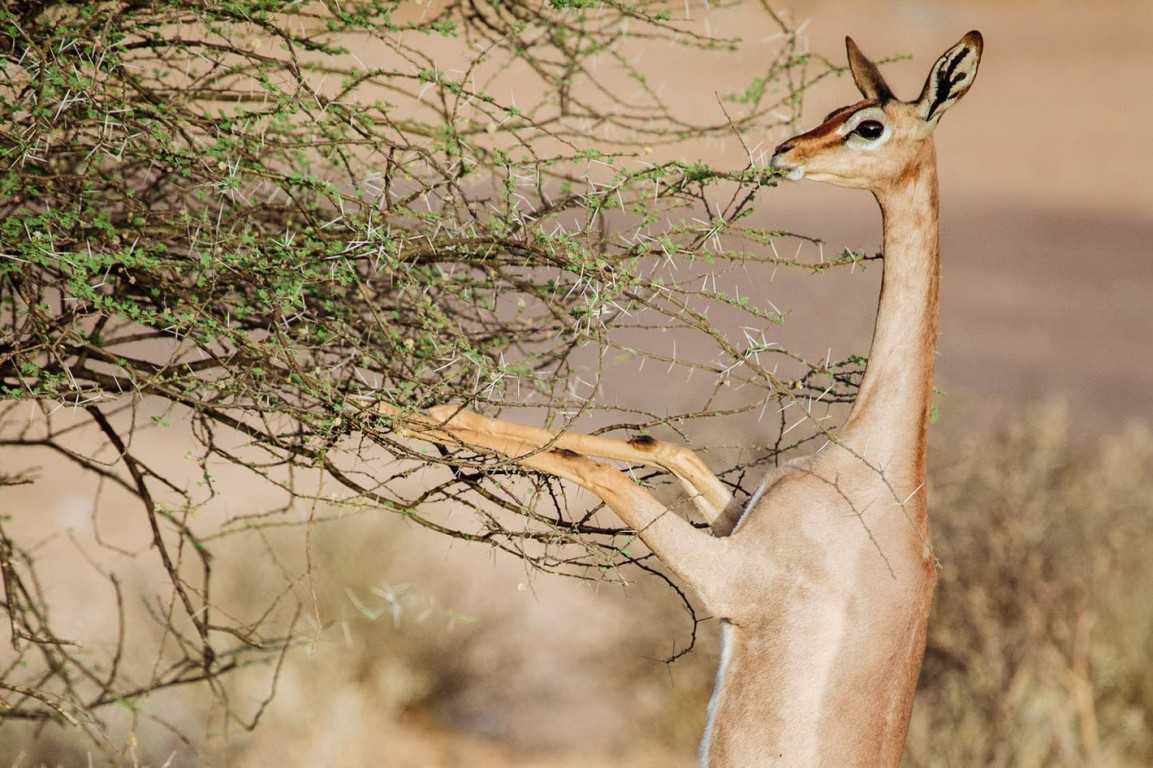
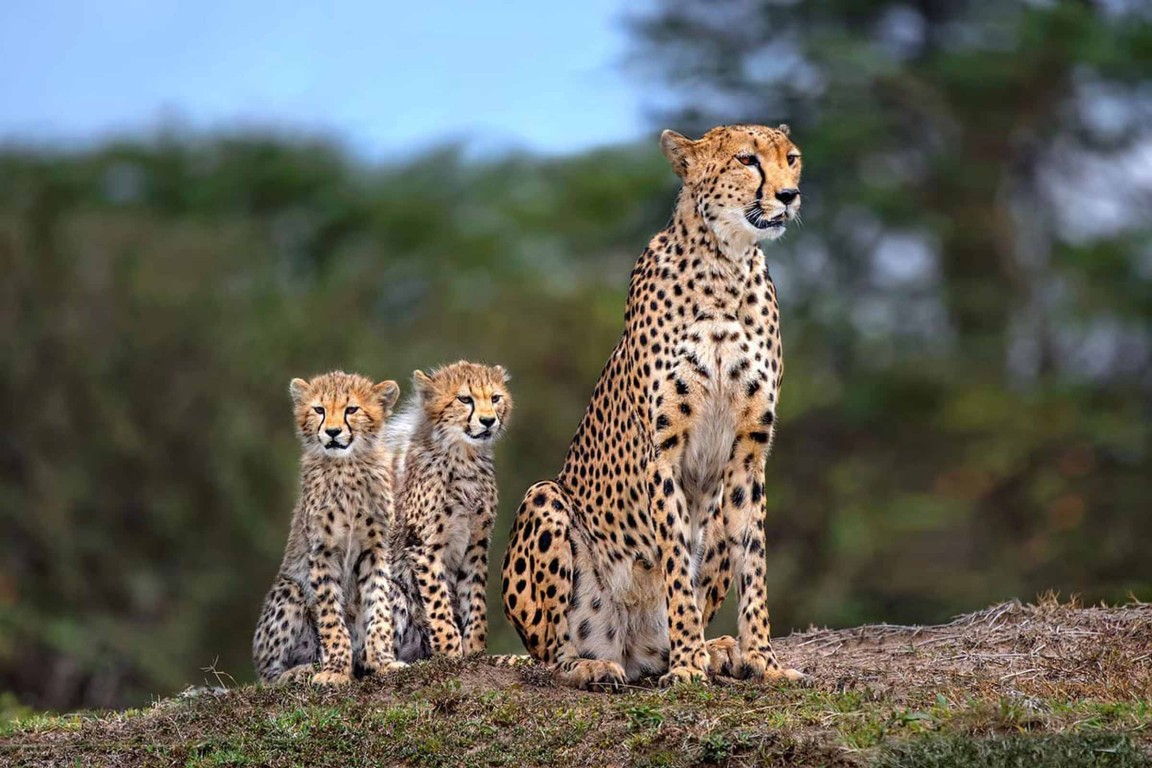
Samburu in northern Kenya is the destination for species endemic to the arid north: Grevy's zebra (the world's largest zebra species), reticulated giraffe, Somali ostrich, gerenuk (the long-necked antelope that feeds standing on its hind legs) and Beisa oryx — the "Samburu Special Five" that cannot be seen in Tanzania's parks. Combined with lion, leopard, cheetah and elephant on the Ewaso Nyiro River banks, Samburu gives a wildlife profile completely different from the Serengeti ecosystem.
Tsavo National Parks (East and West)
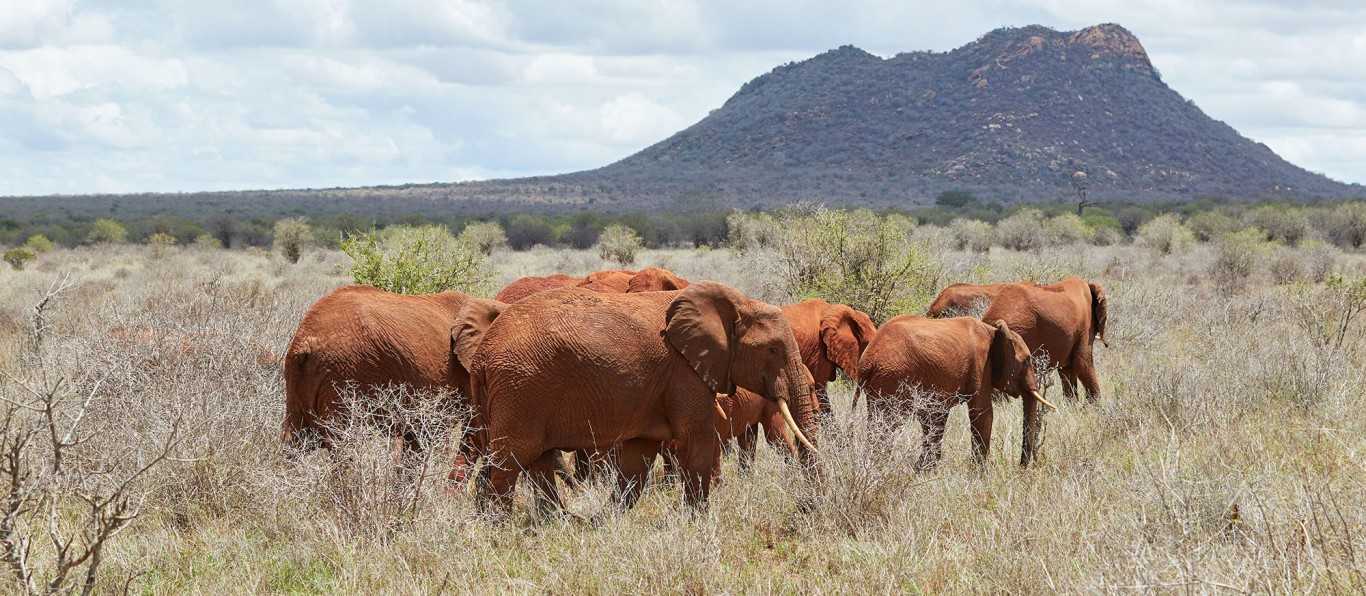
Tsavo is Kenya's largest national park system — Tsavo East and Tsavo West together cover 20,000 sq km of semi-arid savanna, red-dust landscape and the Galana River system. Famous for its red elephants (the clay soil stains their skin) and the Lugard Falls gorge, Tsavo suits travellers who want a wilder, less visited alternative to the Mara and Amboseli. Accessible by road from Mombasa and Nairobi.
Kenya Tanzania Safari Combinations
The most popular cross-border safari combines the Serengeti (Tanzania) with the Masai Mara (Kenya) in a single itinerary — the same ecosystem, both sides of the border, typically 10 to 14 days total. The crossing logistics vary: some itineraries cross overland at the Isibania/Migori border point, others fly between Serengeti airstrips and Mara airstrips directly. We design both formats depending on the season and the specific camps chosen.
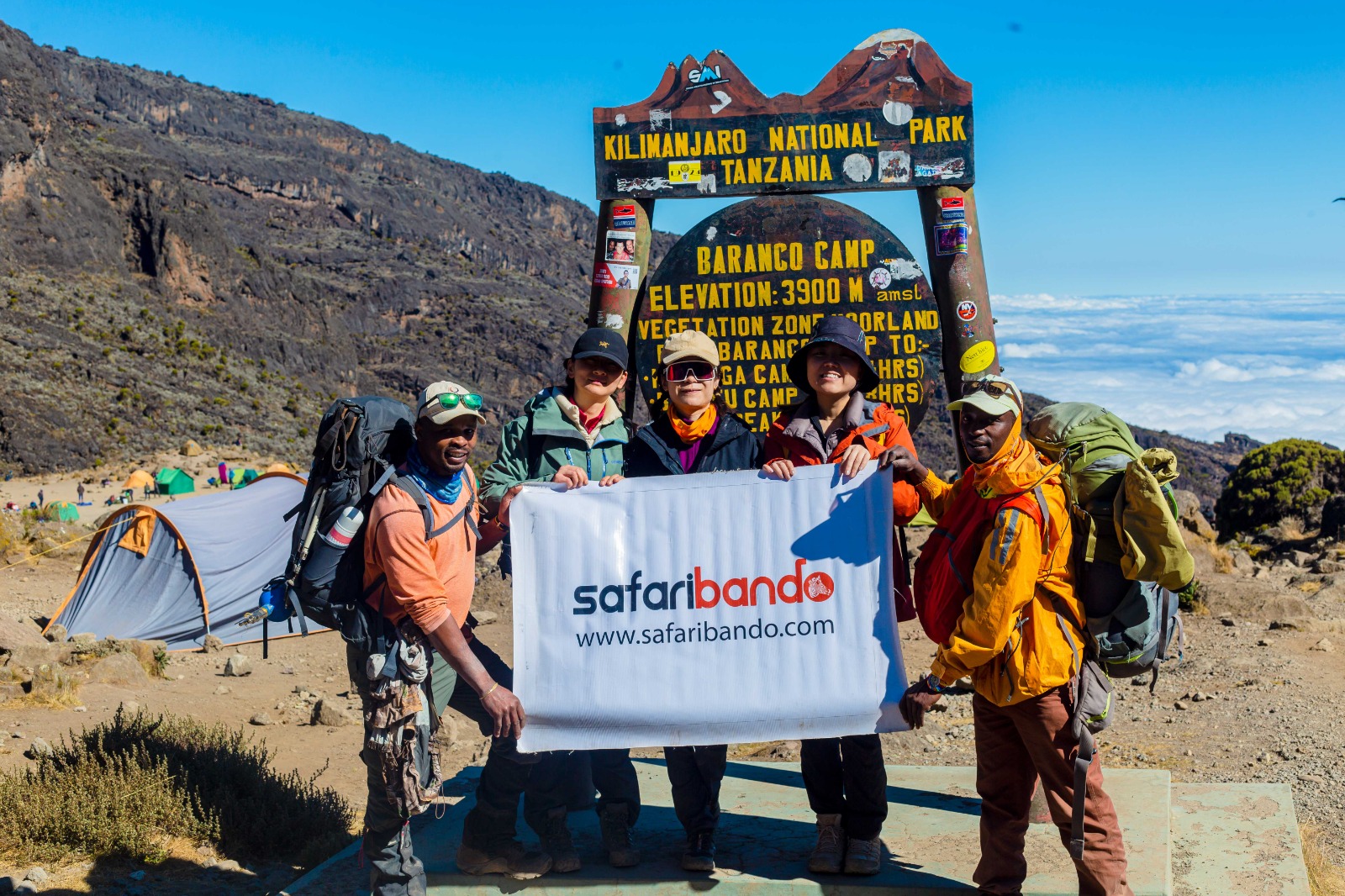
A second popular combination is Kilimanjaro (Tanzania) with Amboseli (Kenya): the mountain is the same mountain seen from both sides of the border, and the combination gives an unparalleled Kilimanjaro experience — climbing it from Tanzania, then viewing it from Amboseli's elephant plains from Kenya.
Kenya Safari Seasons
July to October — the Mara River crossing season. The wildebeest migration is in the Masai Mara from late July to October; the river crossings are at their most frequent in August and September. This is peak season in Kenya with the highest camp rates of the year.
January to March — the dry season after the short rains. Excellent game viewing across all Kenya parks. Amboseli is particularly good in this window for Kilimanjaro views (clearest skies of the year).
June — just before peak season begins. The Mara is green and beautiful, the migration is still moving north through the Serengeti, and camp rates are pre-peak. An underrated window.
Frequently Asked Questions
Is Kenya or Tanzania better for safari?
Both are part of the same ecosystem. Tanzania has more protected land, fewer vehicles per sq km in most parks and the Great Migration calving season (January to March) within its borders. Kenya has the Mara river crossings in the best-known crossing zone, the private conservancies adjacent to the Mara with off-road driving and night drives, and northern Kenya's endemic species (Samburu, Laikipia). First-time East Africa safari: Tanzania. Combining both: the complete ecosystem experience.
Do I need a separate visa for Kenya?
Yes. Tanzania and Kenya are separate countries requiring separate visas. The East Africa Tourist Visa (covering Tanzania, Kenya and Uganda on a single permit) is available to eligible nationalities and is the most cost-effective option for cross-border itineraries. Apply in advance at evisa.go.ke and immigration.go.tz.
Can I cross between Tanzania and Kenya on a safari?
Yes. Cross-border safari itineraries crossing the Isibania/Migori border point are straightforward with a licensed operator handling the paperwork. Both Tanzania and Kenya are party to agreements that facilitate tourist vehicle crossing. We handle all cross-border logistics for combined itineraries.
Not sure which Kenya Safaris is right for you?
Our team designs custom itineraries — no fee, no obligation.Explore Other Safari Types
Kilimanjaro Trekking Tours
View Tours
Tanzania Lodge Safaris
View Tours
Tanzania Honeymoon Safaris
View Tours
Tanzania Camping Safaris
View Tours
Serengeti Migration Safaris
View Tours