Quick facts
Wildlife
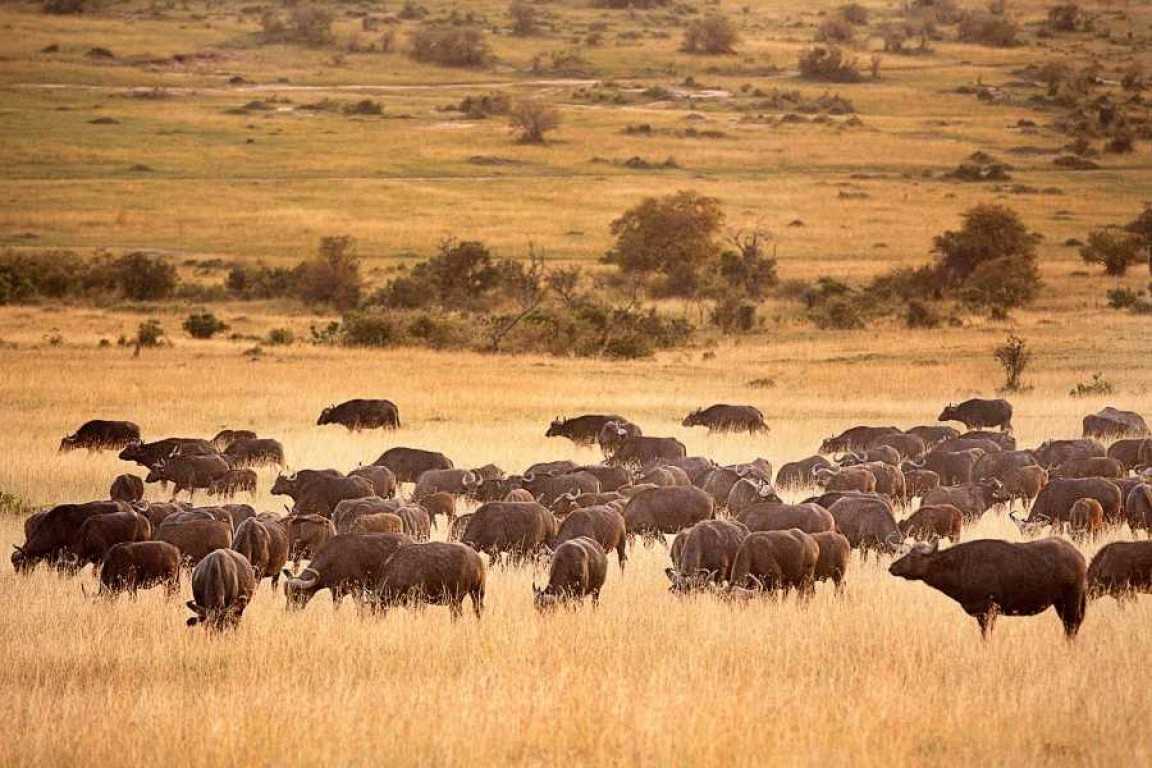
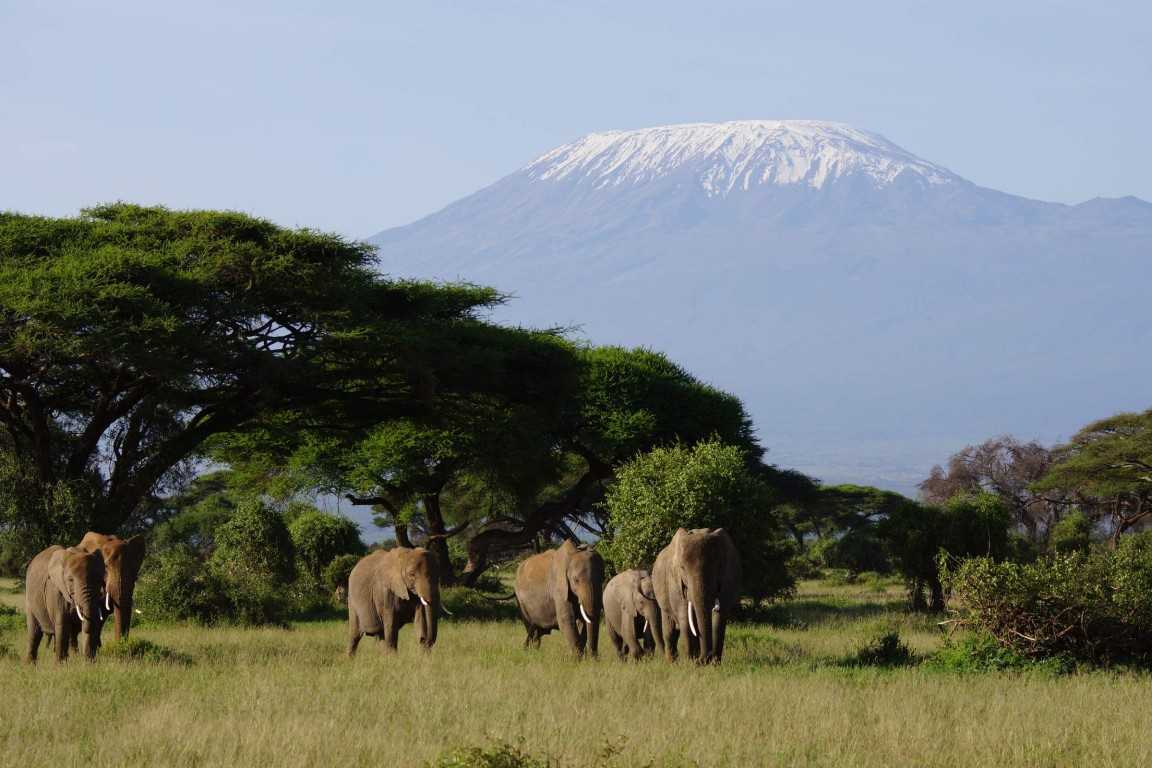
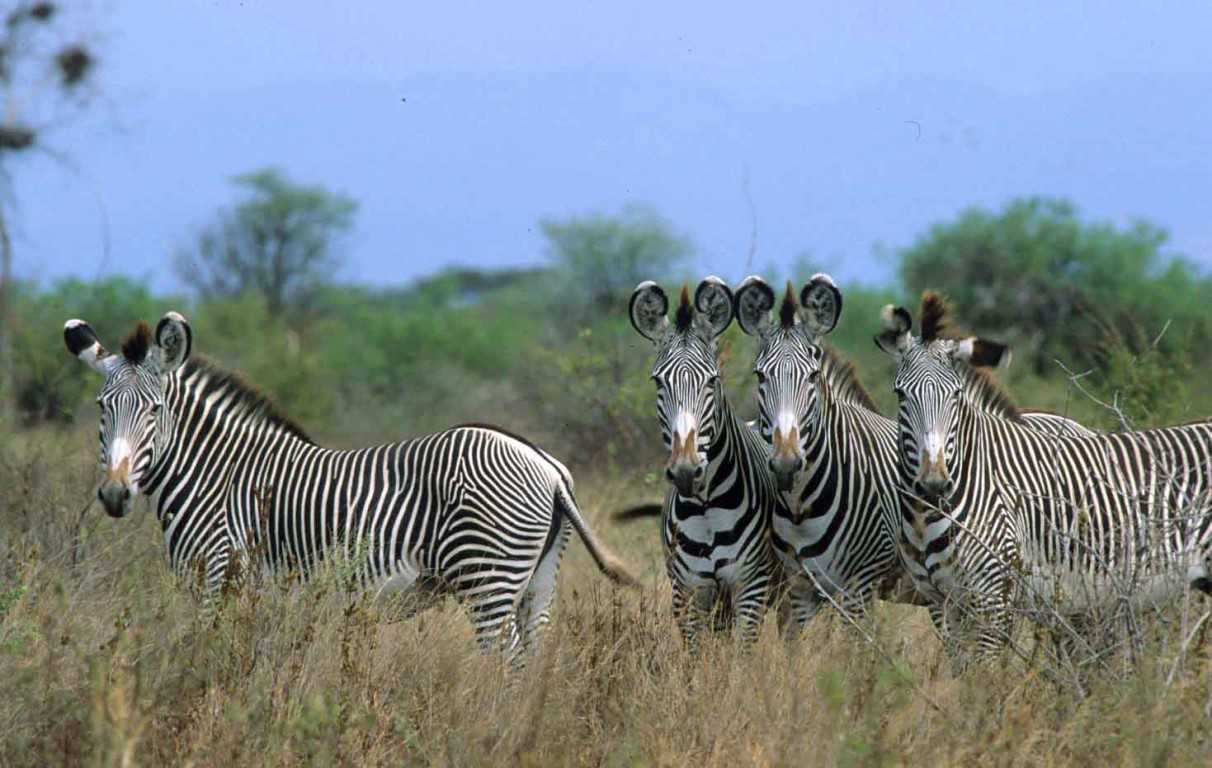
Despite its small size (117 sq km), Nairobi National Park holds a surprisingly complete wildlife roster: black rhino (a significant national population within the park's fenced rhino sanctuary area), lion prides, leopard, cheetah, spotted hyena, buffalo, hippo in the Embakasi River pools, Maasai giraffe, Burchell's zebra, wildebeest, impala, kongoni and eland. Over 400 bird species recorded. Elephant are absent — they were excluded when the southern fence was constructed. The unfenced northern boundary allows wildebeest and zebra seasonal movement between the park and the Athi-Kapiti plains.
Top activities
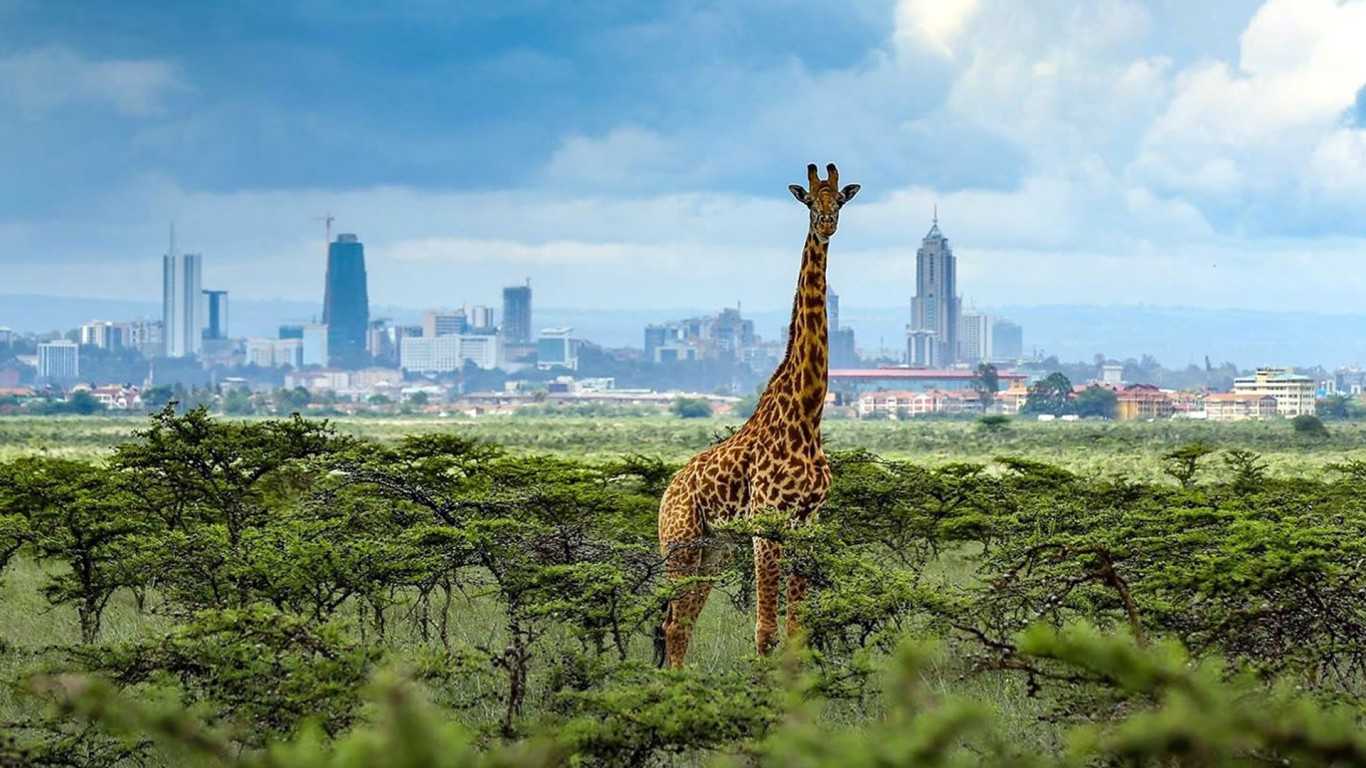
Morning and afternoon game drives on the park's network of graded tracks — the standard 2–3 hour circuit covers the open plains, the hippo pools and the forest edge. Nairobi skyline backdrop game viewing — unique in Africa. Birdwatching at the dams and forest patches for over 400 species. Walking at the Nairobi Safari Walk — a boardwalk wildlife centre adjacent to the main gate. Wildlife Orphanage adjacent to the main gate. Sheldrick Wildlife Trust elephant nursery at the main gate (11am–12pm daily). Photography of the rhino and skyline combination — a compelling image found nowhere else.
About Nairobi National Park
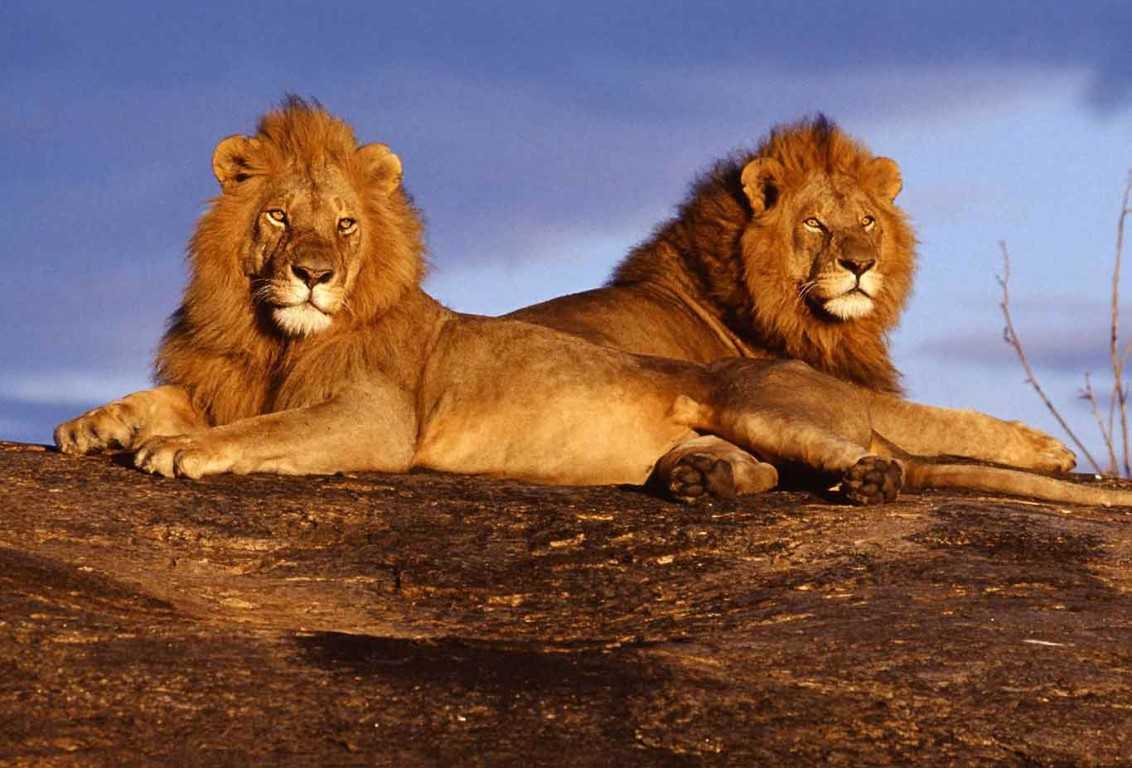
Every travel writer eventually reaches for “surreal” to describe Nairobi National Park, and there is no better word. A lion pride resting in open grass. Behind them, the Nairobi skyline: glass towers, communication masts, the haze of a city of four million people. Seven kilometres of road between the park gate and the CBD. This is the only place in the world where this image is possible — and it is a real game drive, on real wilderness, with real animals.
Gazetted in 1946 as Kenya’s first national park, Nairobi National Park covers 117 square kilometres of open plains, riverine forest and seasonal swamp directly south of the city. It has a fence on three sides (east, south and west) but remains open on the northern boundary — allowing seasonal wildebeest and zebra migration between the park and the Athi-Kapiti plains beyond. The animals do not know there is a city 7 km to the north. The game drive does not feel like a compromise.
Wildlife
The park’s headline species is the black rhino — a critical sanctuary population within the park’s fenced southern zone. Kenya Wildlife Service manages the rhino carefully; sightings are reliable with a knowledgeable guide. Lion prides use the open plains seasonally, and are most reliably found in the drier months. Cheetah hunt the open grassland in the northern sections and are regularly spotted. Leopard use the riverine forest along the Mbagathi River.
Hippos occupy the dams and the Embakasi River, visible from the road. Maasai giraffe, buffalo, zebra and wildebeest are all common. Notably absent: elephant were excluded when the southern fence was erected and have not been resident since.
Practical information
The park is open daily from 06:00 to 18:00. The main gate is on Langata Road, 7 km from the Nairobi city centre. Entrance fees apply; check current Kenya Wildlife Service rates. A guide is not mandatory but significantly improves the experience — the track system is extensive and knowing where the lion pride was last seen requires local knowledge. Most Nairobi hotels can arrange morning park drives with an included guide pickup.
The Sheldrick Nursery connection
The David Sheldrick Wildlife Trust elephant nursery is located at the park’s main gate and can be combined with a morning game drive as a seamless half-day Nairobi wildlife experience. The nursery’s public visiting hour (11:00–12:00) works logistically after a 06:00 park entry and 3-hour circuit.
Combine Nairobi National Park with…
- Sheldrick Elephant Nursery — at the same gate; perfect same-morning combination.
- Nairobi Giraffe Centre and Karen Blixen Museum — a full Nairobi wildlife and culture day.
- Masai Mara — fly out from Wilson Airport (6 km from the park) on the same afternoon.
Frequently asked questions about Nairobi National Park
Is Nairobi National Park worth visiting?
Unambiguously yes, particularly for anyone transiting Nairobi before or after a safari. The black rhino sightings alone justify the park entry fee; the lion and cheetah in front of the city skyline are unlike any other game-drive experience on Earth.
Can you self-drive in Nairobi National Park?
Yes — the park is one of Kenya’s more self-drive friendly, with numbered roads and a good map available at the gate. A 2WD vehicle is sufficient on the main tracks. A guide still adds significant value for big cat and rhino location.
Are there Big Five in Nairobi National Park?
Four of the Big Five: black rhino, lion, leopard and buffalo. Elephant are absent. Some lists include hippo as an alternative fifth species in this context.
Want to visit Nairobi National Park?
Get a free custom safari plan within 24 hours.
Nairobi National Park safari tours

Want to visit Nairobi National Park?
Get a free custom safari plan within 24 hours.
Best time to visit Nairobi National Park
June to October — Dry season (best game viewing, wildebeest migration present)
The best overall window. Vegetation is shorter, making lion, rhino and cheetah easier to spot. The park’s unfenced northern boundary allows seasonal wildebeest and zebra migration from the Athi-Kapiti plains — this peaks in July and August, adding a genuine migration spectacle within a few kilometres of the city.
January to February — Short dry season (warm, clear, good game viewing)
Excellent game viewing, fewer visitors than the June–October peak. Clear weather and good morning light for photography. Black rhino reliably seen.
March to May — Long rains (lush but harder)
The park is dramatically green. Rhino calves are sometimes born in this period. Game viewing is harder in taller grass but the park is emptier and atmospheric in the rain.
Bottom line: June to October for the best combination of game viewing and the wildebeest influx. January to February as a strong second window.
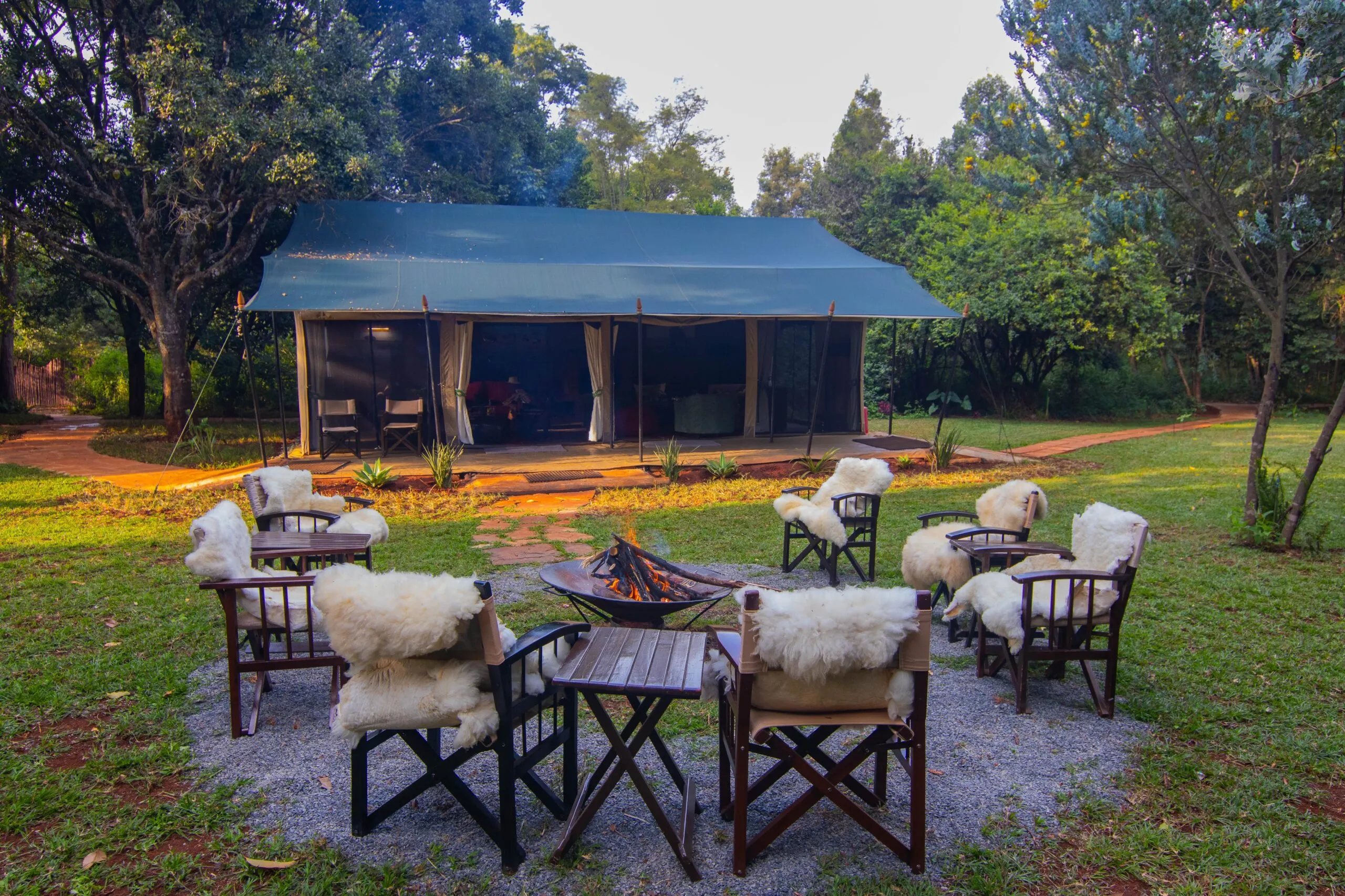
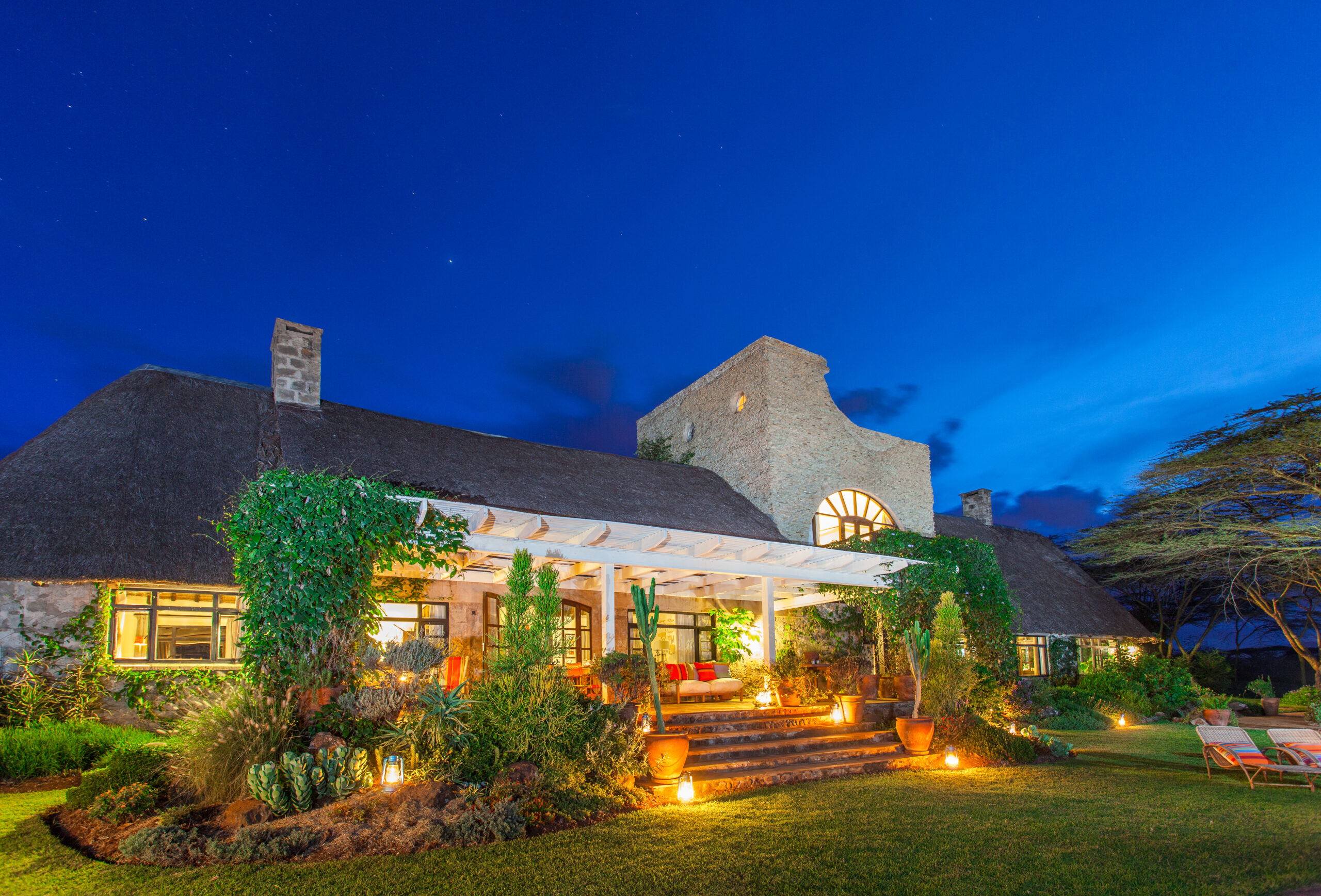
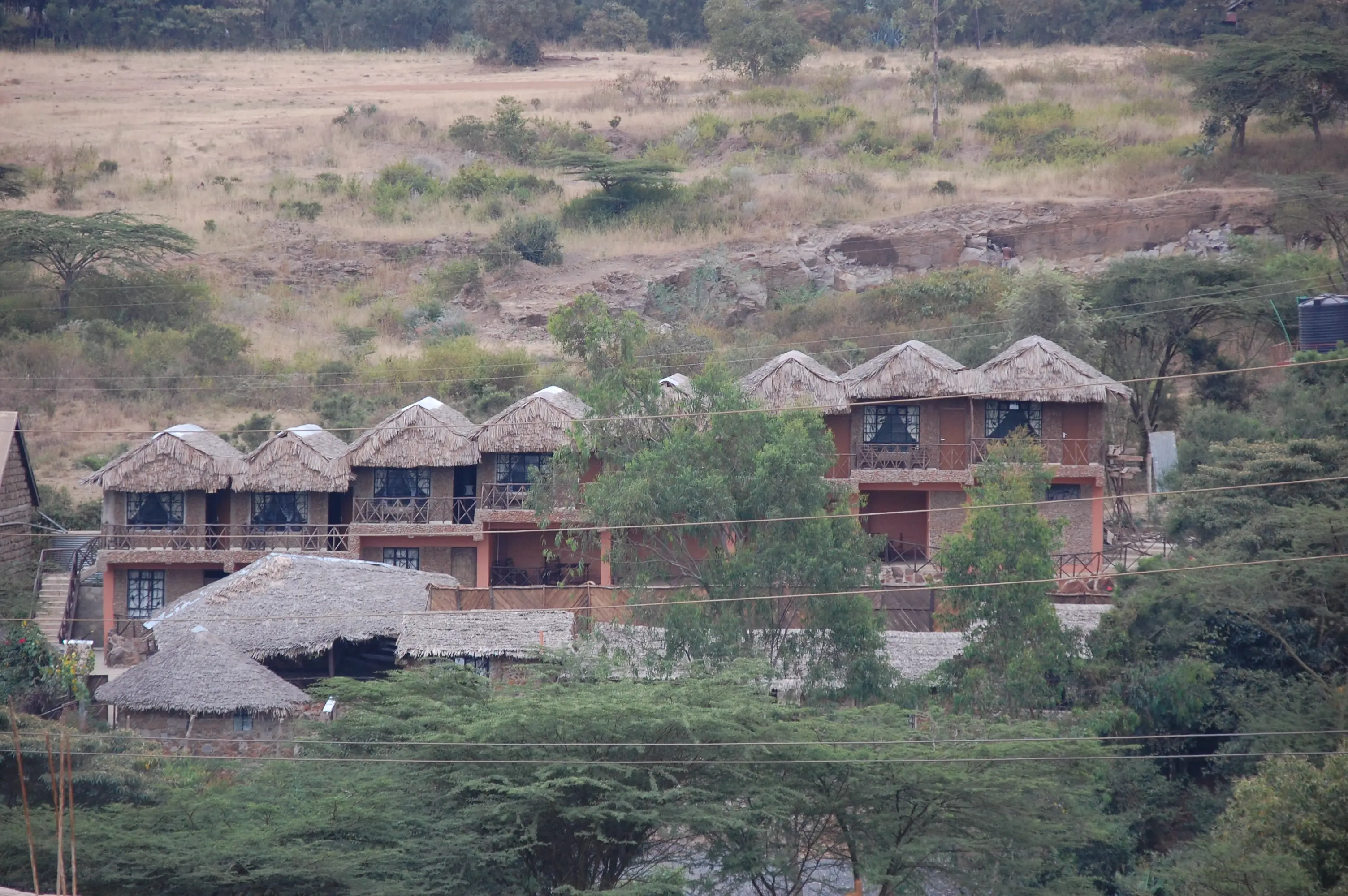
Where to stay in Nairobi National Park
Want to visit Nairobi National Park?
Get a free custom safari plan within 24 hours.