Quick facts
Wildlife
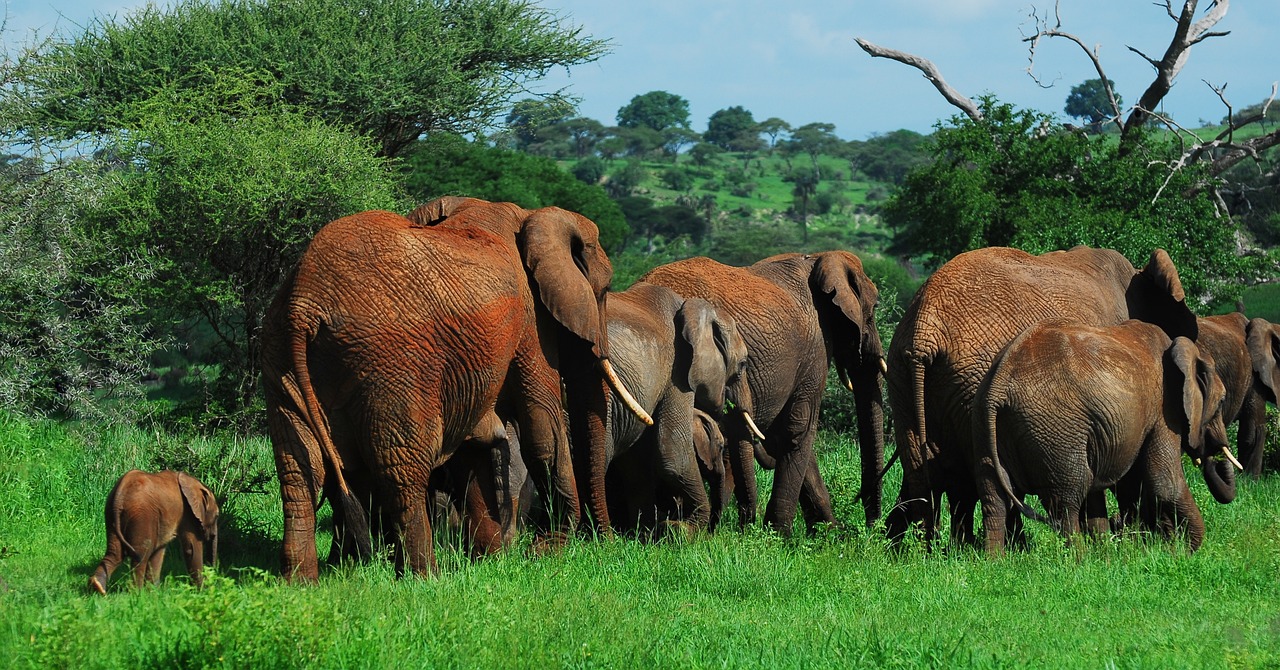
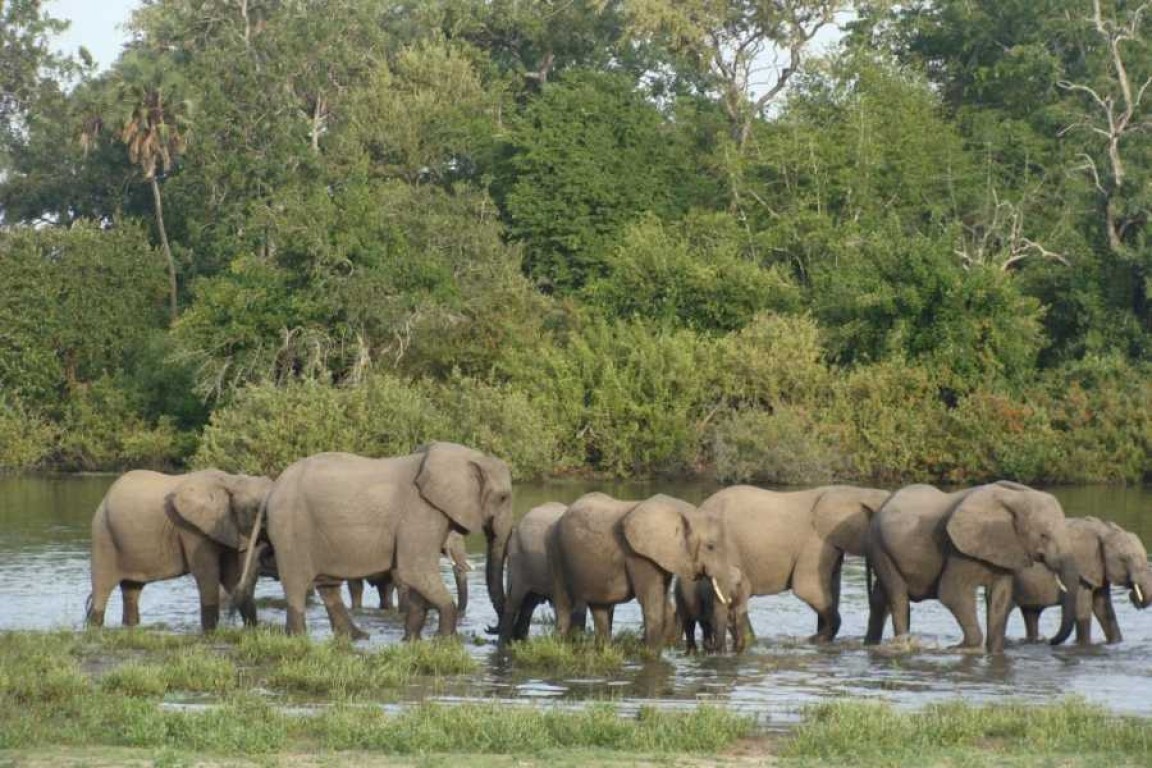
Saadani supports a recovering elephant population, lion, leopard, buffalo, hartebeest, waterbuck, warthog and hippo along the Wami River. Green and loggerhead sea turtles nest on the beach. The Wami estuary and coastal wetlands attract extraordinary birdlife including greater flamingo, crab plover, Caspian tern and coastal raptors. Crocodile are abundant in the river. The offshore Indian Ocean water supports dolphin pods and occasional whale shark. Giraffe and eland have been reintroduced.
Top activities
Boat safaris on the Wami River — the park's signature experience, drifting past hippo pods and crocodiles with the Indian Ocean visible in the background. Beach walks between breaking waves and wildlife tracks — uniquely possible only in Saadani. Morning game drives through the coastal bush. Sea turtle nesting and hatching monitoring on the beach (seasonal). Dhow sunset cruises off the Saadani beach. Birdwatching at the Wami River estuary — one of Tanzania's finest waterbird concentrations. Snorkelling from the beach in the protected marine area.
About Saadani National Park
Tanzania has parks for elephants, parks for chimpanzees, parks for flamingos and parks for the Great Migration. Saadani National Park is the only one where you can watch buffalo graze on the beach, then turn around and watch dhows sail past on the Indian Ocean. The concept — East Africa’s only wildlife sanctuary with a direct ocean frontage — sounds almost too good. In practice, the execution is genuinely special: Saadani delivers a combined bush-and-beach experience found nowhere else on the continent.
Covering 1,062 square kilometres of coastal Tanzania between Dar es Salaam and Tanga, Saadani is positioned as Tanzania’s most accessible coastal safari. The 3-hour road transfer from Dar or the short crossing from Zanzibar makes it a practical extension to a Zanzibar beach holiday or a Dar-based trip, without the long flight connections required for southern Tanzania’s bigger parks.
Where is Saadani?
The park is on Tanzania’s central coast, in the Pwani Region, approximately 170 km north of Dar es Salaam by road. The Wami River forms the park’s southern boundary before emptying into the Indian Ocean at the park’s eastern edge. Saadani village, within the park, was a historic trading settlement; today it is a small fishing community within the park boundary.
The Wami River experience
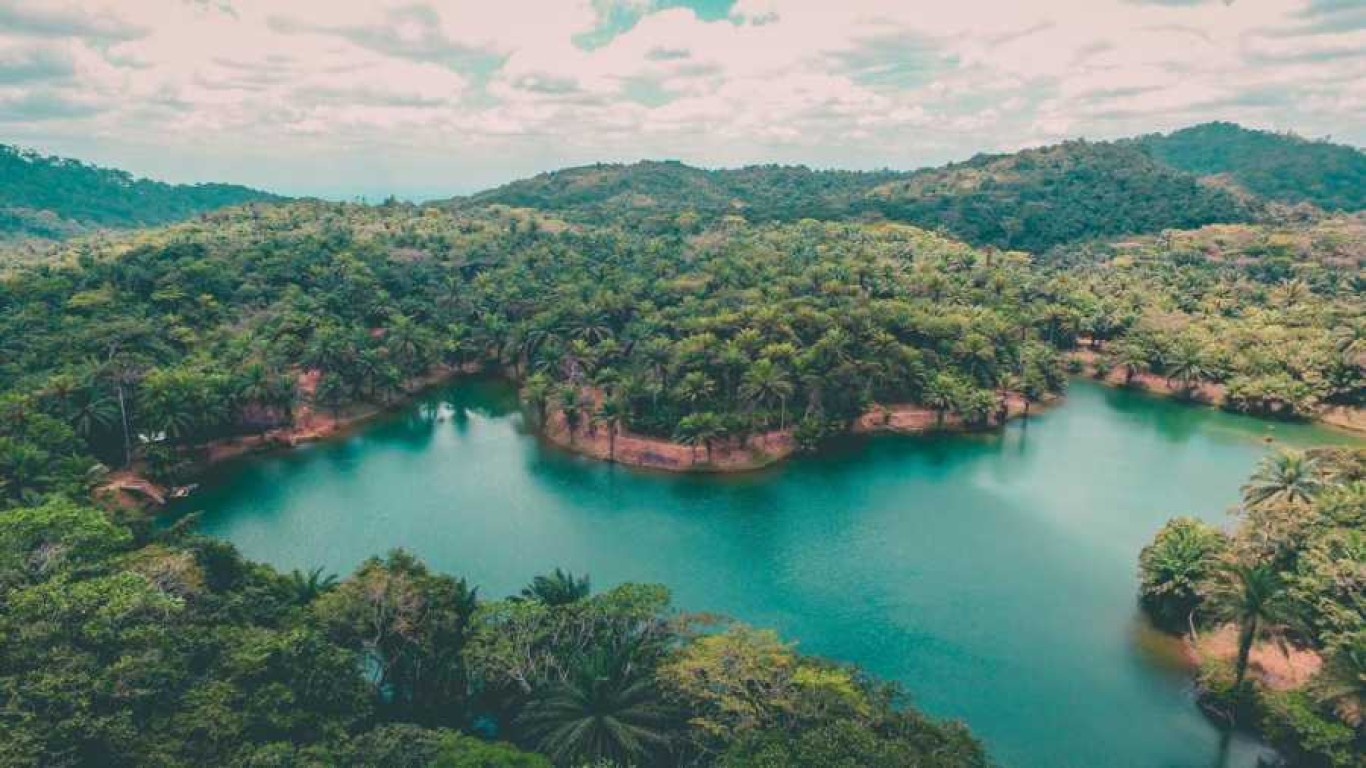
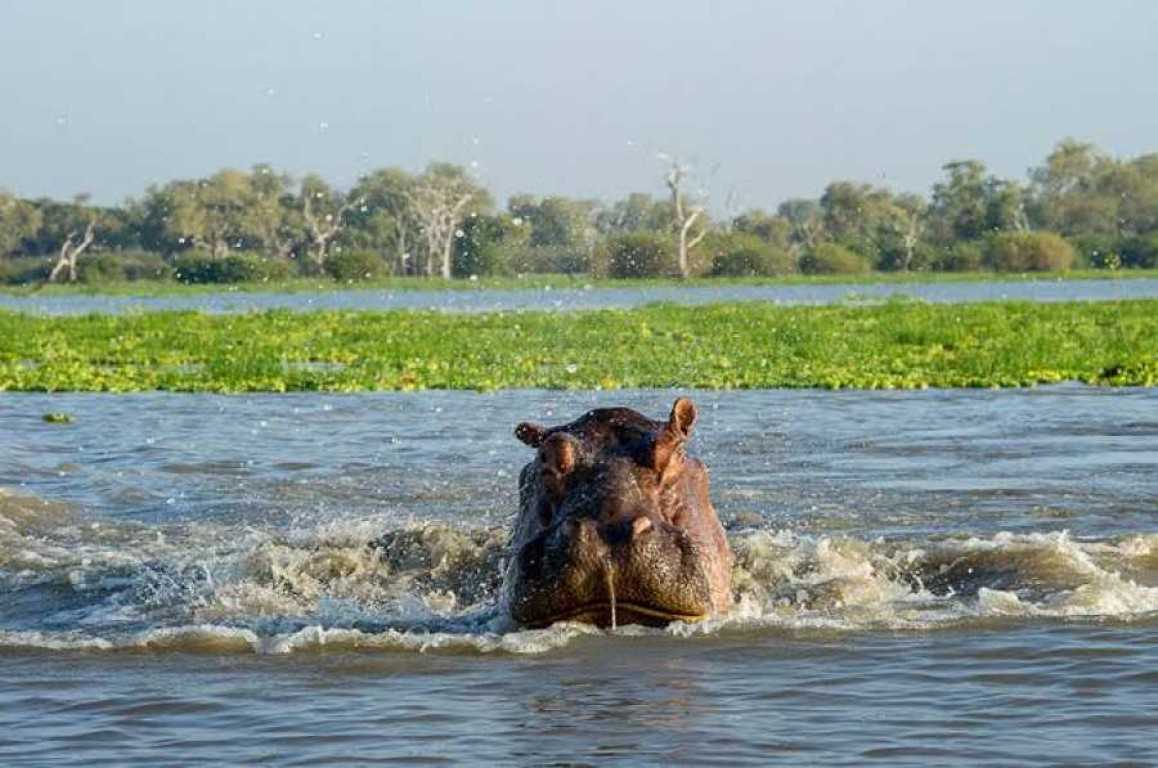
The park’s signature activity is the Wami River boat safari. The Wami is a broad, slow-moving river with high banks of riverine forest that give way to mangrove and estuary at its mouth. A 2-hour boat safari drifts past hippo pods (resident year-round in the deeper pools), enormous Nile crocodiles basking on the banks, and a remarkable variety of waterbirds — kingfishers, herons, storks, African skimmer and fish eagle. In the dry season, elephant sometimes wade the shallows and lion prints are found on the sand banks.
The beach
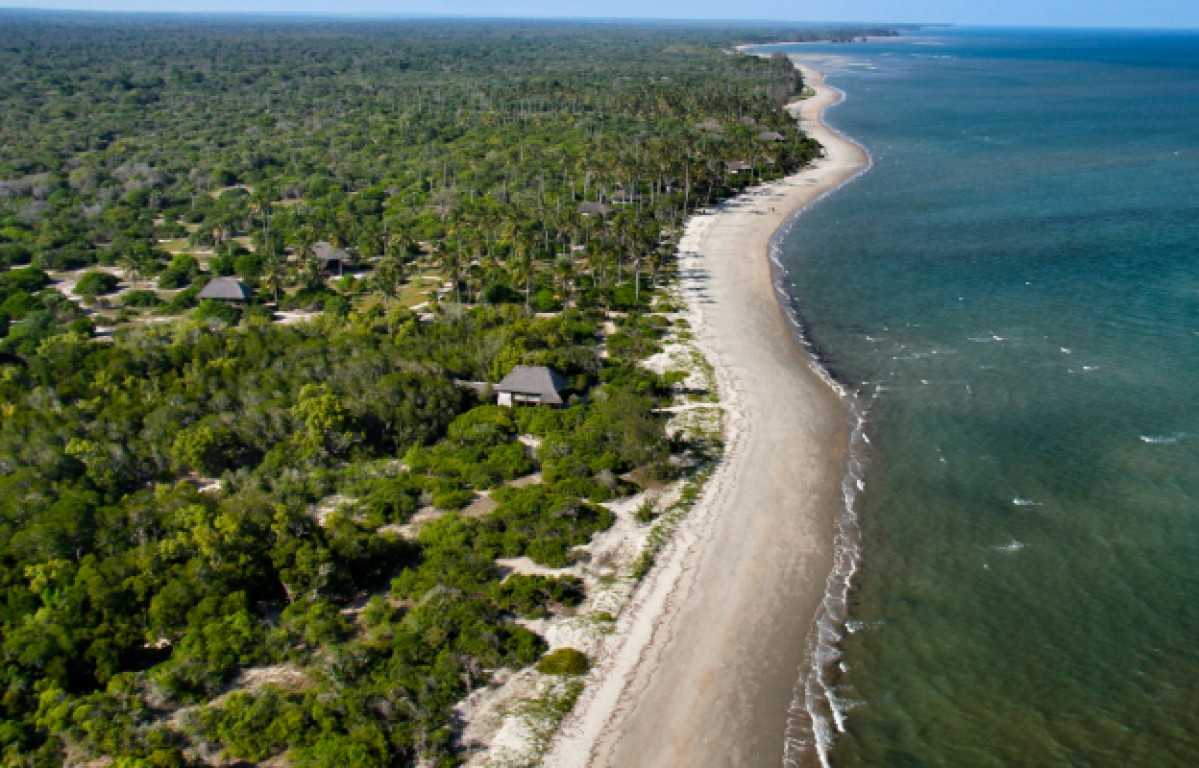
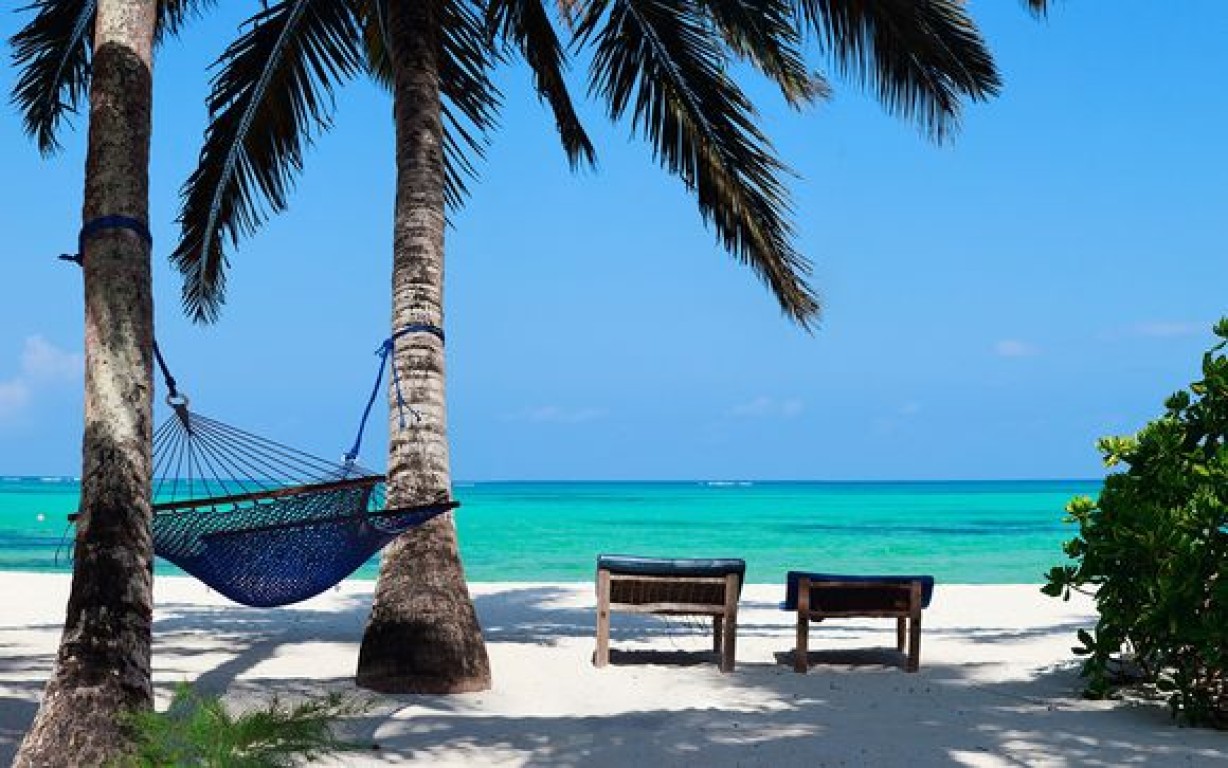
Saadani’s 30-km Indian Ocean frontage is one of the most unusual beach environments in Tanzania. The beach itself is wide, palm-fringed and largely empty — but unlike any other Tanzania beach, the vegetation immediately behind the high-tide line is wildlife habitat. Lion patrol the beach at night; elephant drink from freshwater seeps just above the tideline; green turtles drag themselves ashore between June and October to nest. Early morning beach walks led by a ranger produce a combination of ocean sunrise and wildlife tracking that is genuinely unlike any other safari activity in East Africa.
Sea turtles
Saadani’s beach is an important nesting site for green sea turtles (Chelonia mydas) and occasionally loggerhead turtles. Nesting season runs from June to October; hatchings 60 days later peak around August to December. The park runs a monitored turtle conservation programme, and guided turtle beach walks are available during the nesting and hatching windows.
Combine Saadani with…
- Zanzibar — a boat or short flight away; the perfect beach extension.
- Dar es Salaam — 3 hours by road; easy weekend destination.
- Nyerere National Park — the southern safari complement for a complete coastal Tanzania circuit.
- Pangani — the historic Swahili coast town 1 hour north.
Frequently asked questions about Saadani
Can you swim at Saadani beach?
Yes — in front of the camps the beach is safe for swimming and snorkelling. Avoid the Wami River mouth and estuarine areas where crocodile are present.
Is Saadani good for Big Five?
Saadani has lion, leopard, elephant and buffalo (Big Four). No rhino. Wildlife densities are lower than the Serengeti or Ngorongoro, but the coastal setting makes even a modest sighting memorable.
How far is Saadani from Zanzibar?
The direct boat crossing from Zanzibar (Mkokotoni in the north) to Saadani takes approximately 2 hours, making a combined Saadani-Zanzibar itinerary practical without any flying.
Is Saadani suitable for families?
Yes — the beach, turtle walks and boat safaris are all child-friendly. Most camps accept children of all ages.
Want to visit Saadani National Park?
Get a free custom safari plan within 24 hours.
Saadani National Park safari tours

Want to visit Saadani National Park?
Get a free custom safari plan within 24 hours.
Best time to visit Saadani National Park
June to October — Dry season (best game viewing and beach conditions)
The dry season is the peak wildlife window. The bush thins and wildlife concentrates around the Wami River, making boat safaris at their most productive. Lion, elephant and buffalo sightings are most reliable. Beach conditions are excellent with the southeast trade wind keeping temperatures comfortable. Sea turtle nesting typically occurs from June to October, with hatching 2 months later.
December to February — Short dry season (warm, calm seas, whale shark possible)
The calmest sea conditions of the year. Whale shark are occasionally sighted offshore. The beach is at its finest with glassy morning seas. Wildlife viewing is good though not at its dry-season peak.
March to May — Long rains (reduced access, some camps close)
Heavy rains make some interior game tracks impassable. The Wami River rises and the estuary floods, creating good birding conditions. A few camps close; check before booking.
November — Short rains (turtle hatchings, transitional)
Sea turtle hatching season peaks around November. Brief afternoon showers are manageable and the park is quieter than the dry season.
Bottom line: June to October for the full beach-and-bush experience. December to February for calm seas and snorkelling.
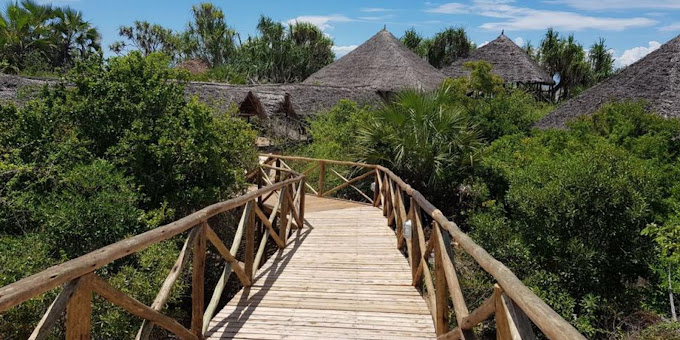
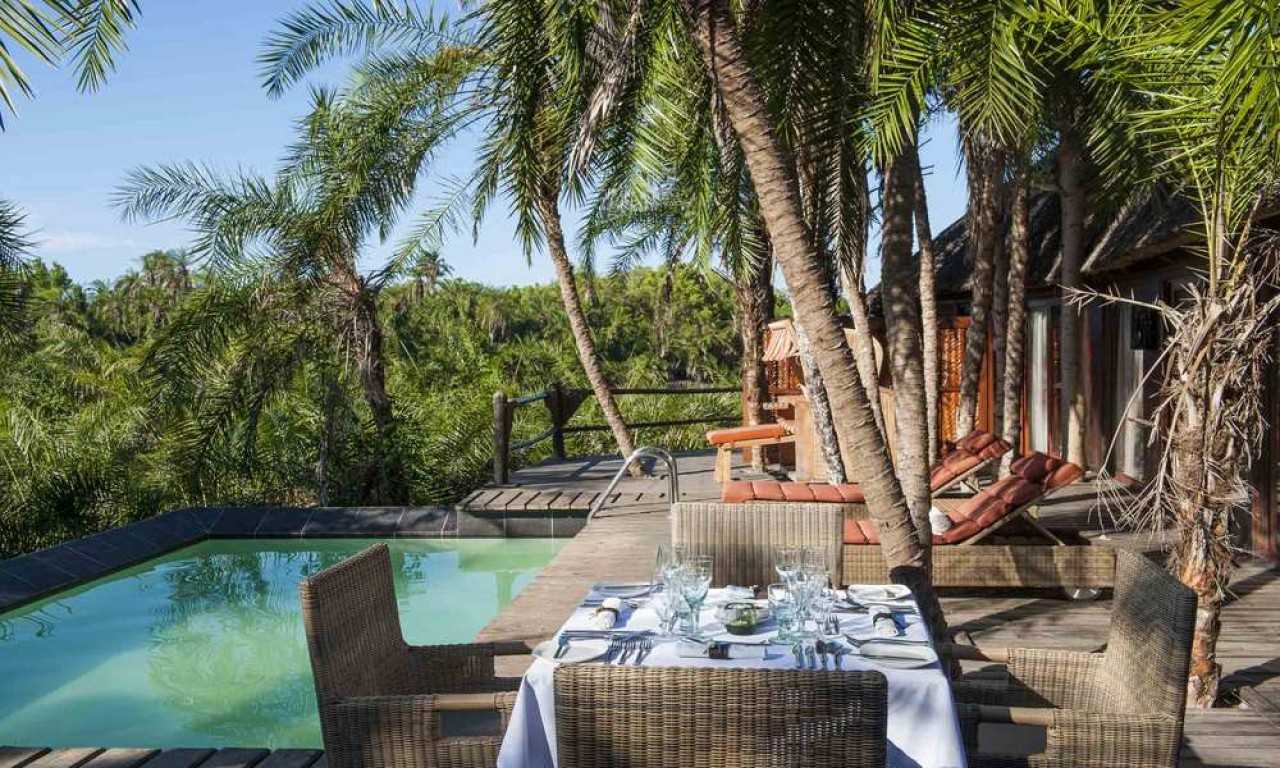
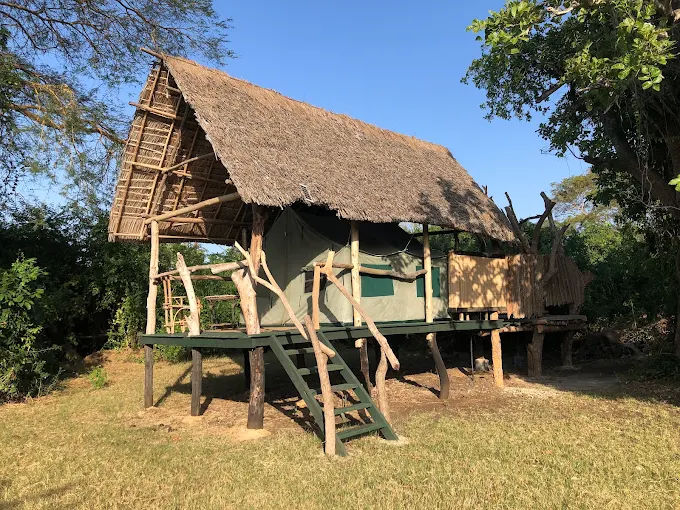
Where to stay in Saadani National Park
Want to visit Saadani National Park?
Get a free custom safari plan within 24 hours.
Nearby destinations
 Tanzania
 Tanzania
 Tanzania
 Tanzania