
Photographic Safaris
A photographic safari in Tanzania is a dream experience for wildlife photographers and nature lovers who want to capture the beauty of Africa’s landscapes and animals through their cameras. Tanzania offers some of the most spectacular wildlife photography opportunities in the world, from dramatic predator encounters to breathtaking savannah landscapes and the famous Great Migration.
Unlike traditional safaris, photographic safaris are designed specifically for photographers. Game drives are slower and more flexible, guides position vehicles for the best light and angles, and itineraries focus on locations where wildlife activity is most photogenic.
Many travelers interested in wildlife photography explore Tanzania through specialized Tanzania Wildlife Safaris or combine photography-focused trips with experiences like Serengeti Migration Safaris.
Why Tanzania is Perfect for Wildlife Photography
Tanzania is widely considered one of the best destinations in the world for wildlife photography. The country’s vast landscapes, diverse ecosystems, and abundant wildlife create endless opportunities for dramatic and memorable images.
Exceptional wildlife diversity
Tanzania’s national parks are home to large populations of wildlife including lions, elephants, leopards, cheetahs, giraffes, zebras, and wildebeest. These animals often roam freely across open landscapes, making them easier to photograph.
Photographers hoping to capture iconic species can learn more about them in Big Five Animals Tanzania and Big Cats of Tanzania.
Spectacular landscapes
From the endless plains of the Serengeti to the dramatic Ngorongoro Crater and baobab-filled landscapes of Tarangire, Tanzania offers incredible natural scenery that enhances wildlife photography.
The Great Migration
One of the most extraordinary wildlife photography events on Earth is the annual Great Wildebeest Migration. Millions of animals move across the Serengeti ecosystem, creating powerful scenes of movement, survival, and predator action.
Photographers interested in this event can explore Serengeti Great Migration and the detailed Serengeti Great Migration Guide.
Best Locations for Photographic Safaris in Tanzania
Several national parks and wildlife areas provide exceptional opportunities for wildlife photography.
Serengeti National Park
Serengeti National Park is one of the most famous wildlife photography destinations in the world. Its open plains allow photographers to capture dramatic wildlife scenes with unobstructed views.
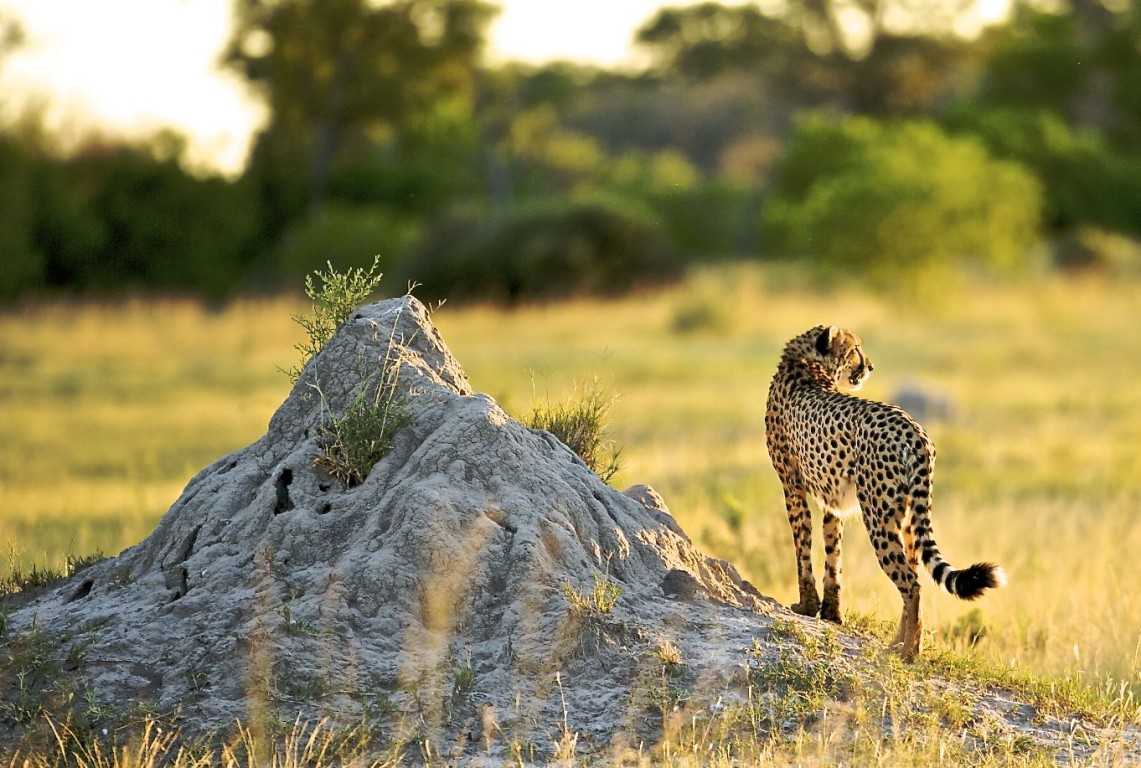
The Serengeti offers incredible opportunities to photograph predators such as lions, cheetahs, and leopards as well as massive herds of wildebeest and zebras during migration.
Photographers hoping to witness migration river crossings may also explore Mara River Crossing experiences.
Ngorongoro Crater
The Ngorongoro Crater offers one of the highest concentrations of wildlife in Africa. Its unique landscape creates stunning photographic compositions with animals against dramatic crater walls and open grasslands.
Learn more about this destination in the Ngorongoro Crater Guide.
Tarangire National Park
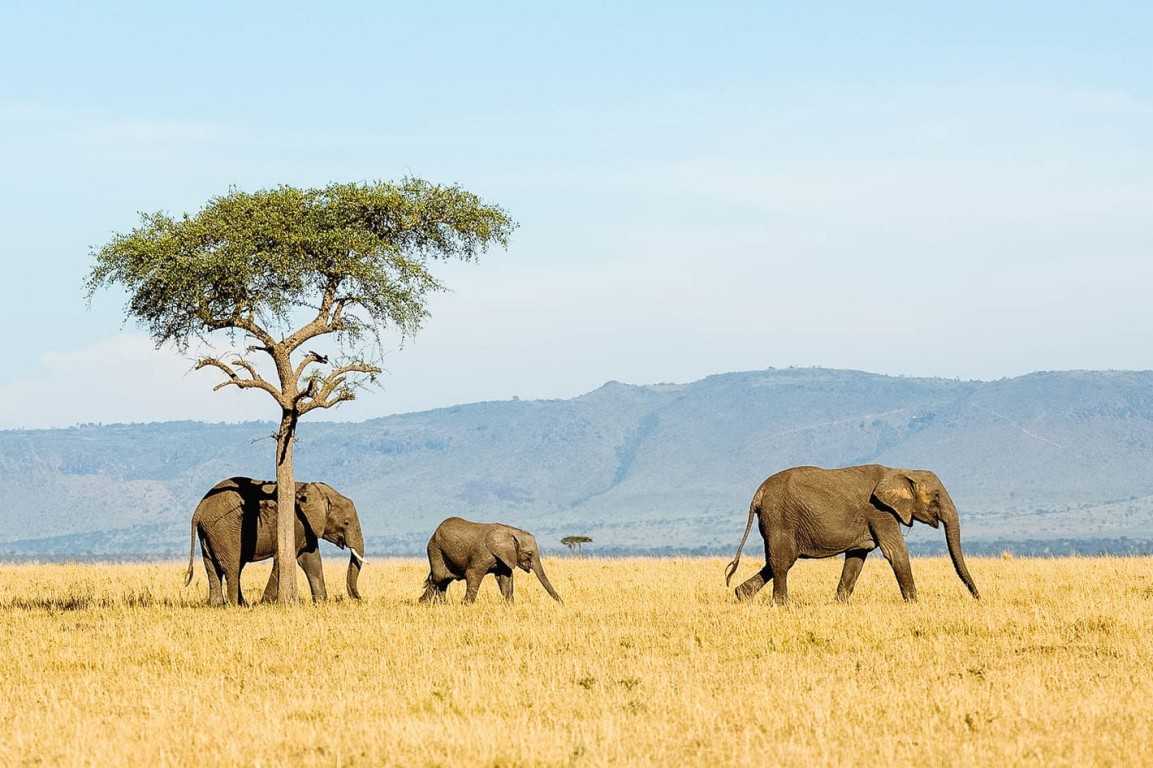
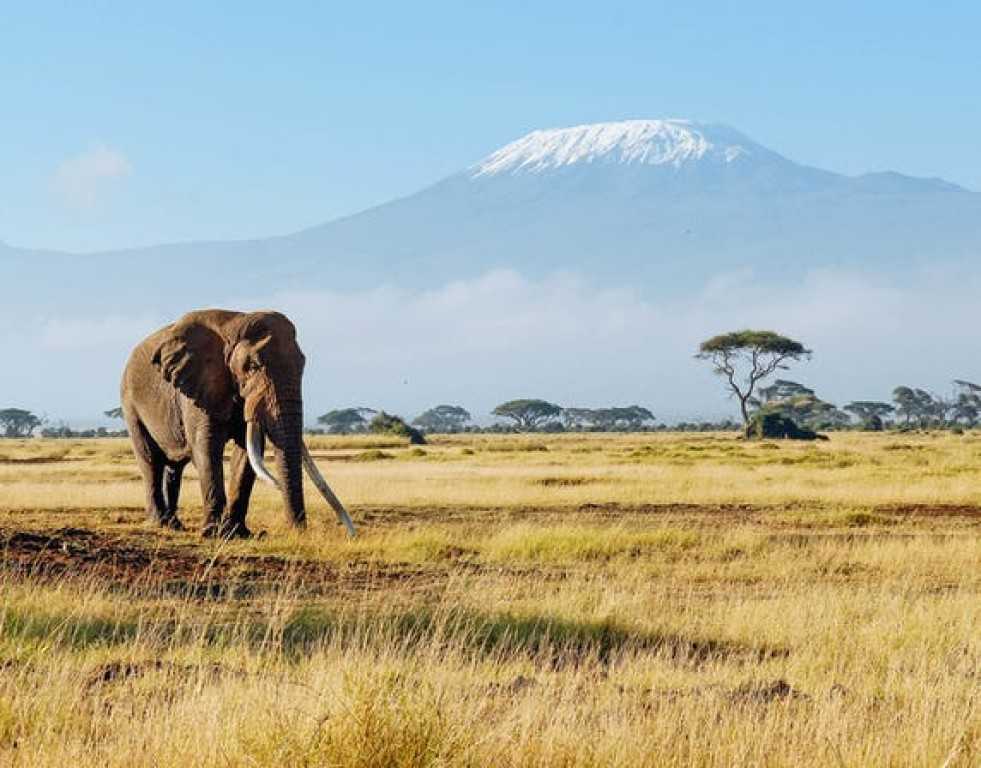
Tarangire provides beautiful photography settings with its giant baobab trees, large elephant herds, and golden savannah landscapes. The park is particularly photogenic during the dry season when animals gather along the Tarangire River.
More information can be found in the Tarangire National Park Guide.
Lake Manyara National Park
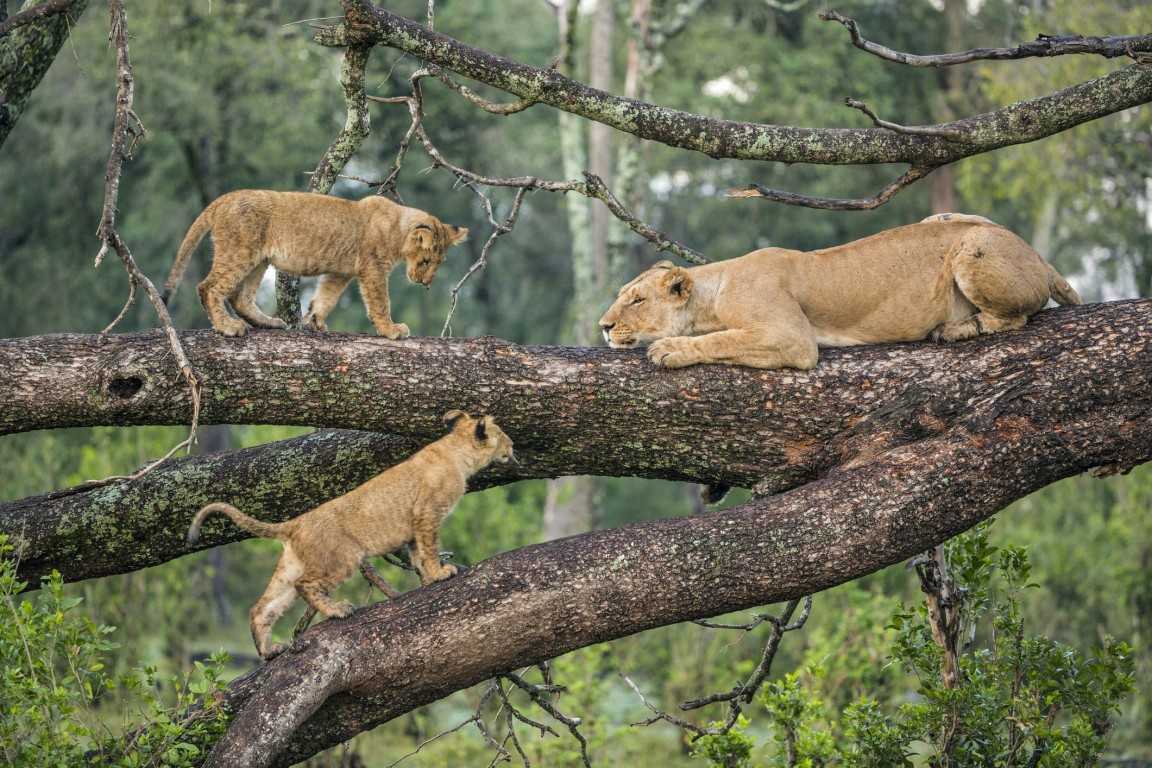
Lake Manyara offers diverse ecosystems including forests, lakes, and open plains. Photographers may capture flamingos, elephants, tree-climbing lions, and beautiful reflections along the lake.
Best Wildlife Photography Opportunities
Photographic safaris in Tanzania provide many opportunities to capture unique wildlife moments.
Predator action
Photographers often focus on lions, cheetahs, and leopards hunting across the savannah.
The Great Migration
Millions of wildebeest and zebras moving across the Serengeti create dramatic photography opportunities.
River crossings
One of the most intense photographic moments occurs when migrating animals cross the Mara River while crocodiles wait in the water.
Birdlife photography
Tanzania is home to more than 1,000 bird species, making it a fantastic destination for bird photographers.
Landscapes and sunsets
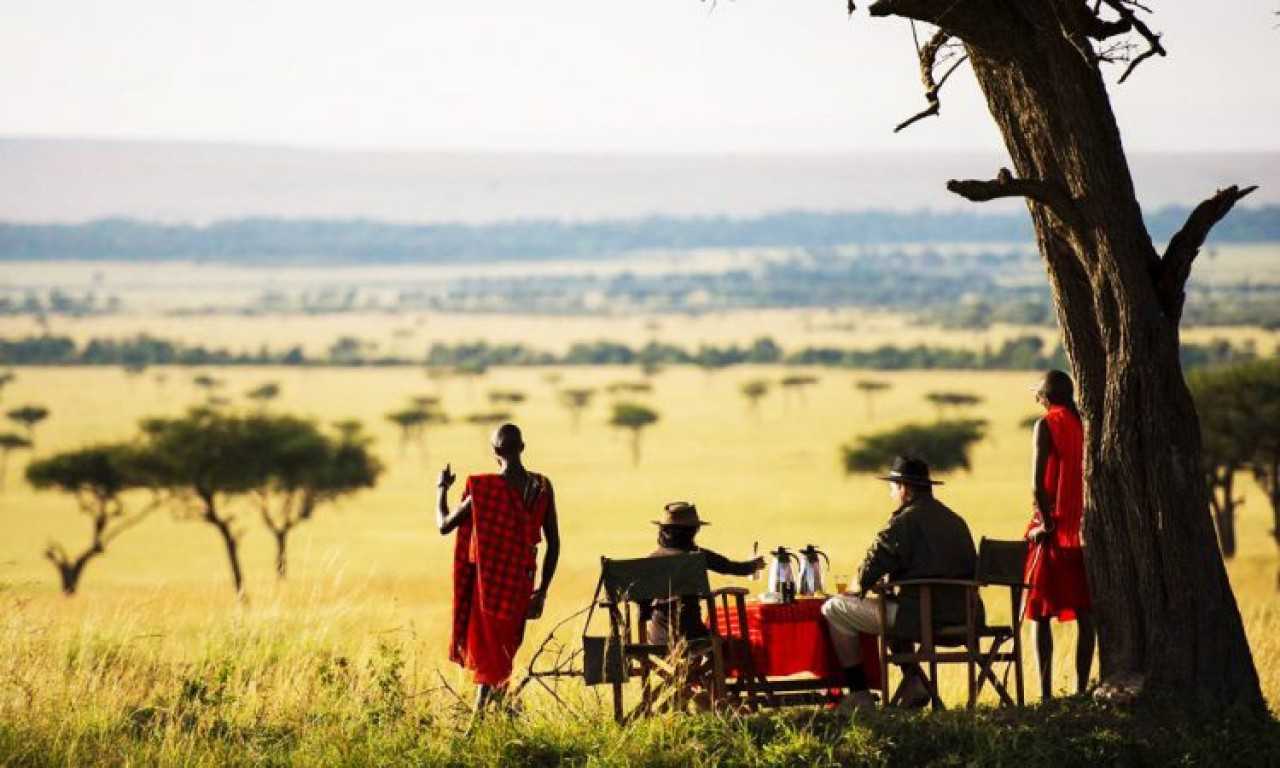
African sunsets, dramatic skies, and expansive savannahs provide stunning landscape photography opportunities.
Photography-Focused Safari Vehicles
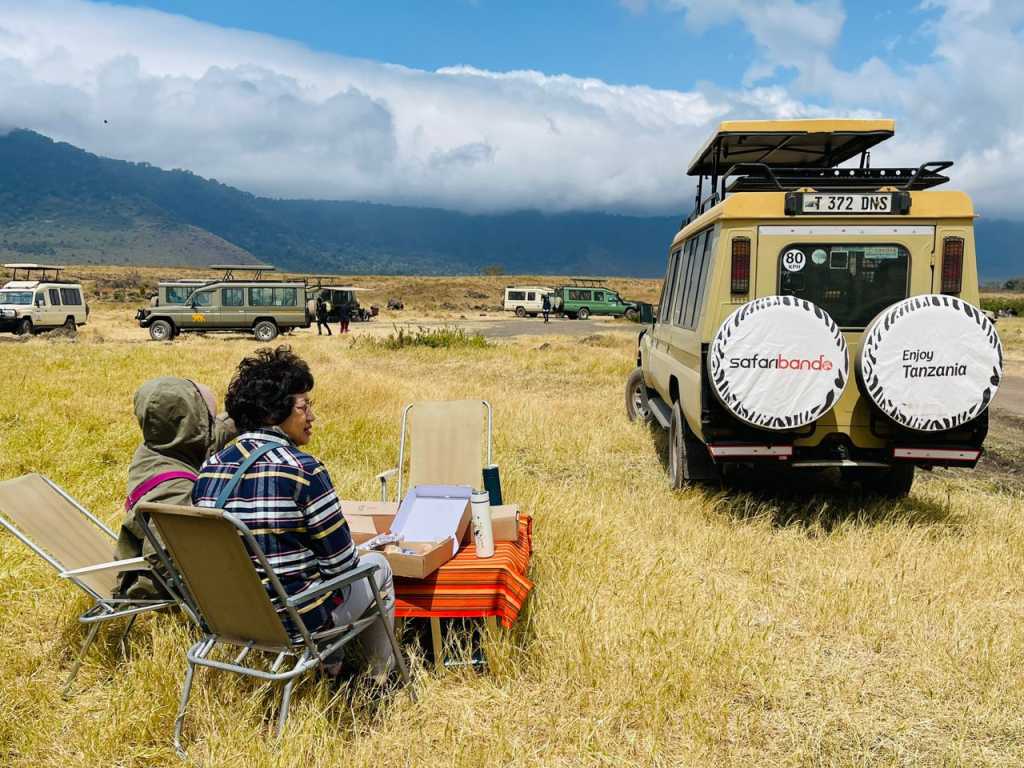
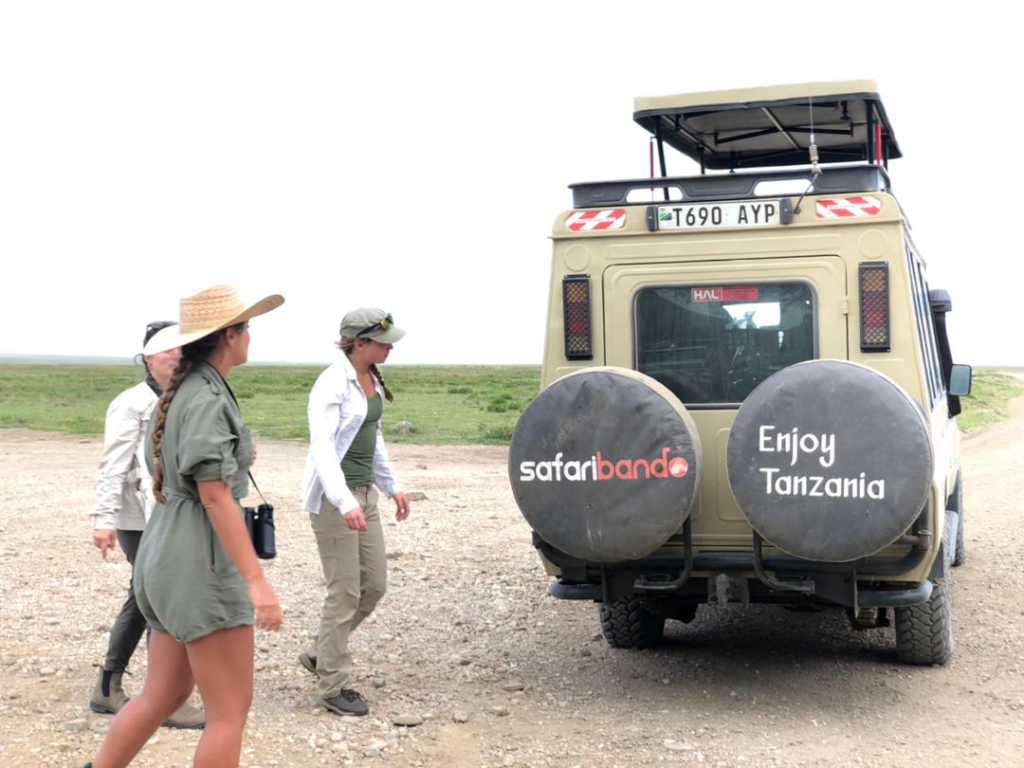
Photographic safaris often use specially designed safari vehicles that improve camera positioning and stability.
Features may include:
Open sides for unobstructed shooting
Bean bags or camera mounts
Adjustable seating for better angles
Extra space for camera equipment
Professional guides also help photographers position vehicles based on light direction, animal movement, and composition opportunities.
Best Time for a Photographic Safari
Wildlife photography in Tanzania can be excellent throughout the year, but different seasons offer unique photographic opportunities.
The dry season from June to October provides excellent wildlife viewing as animals gather near water sources.
The green season from November to March offers lush landscapes, dramatic skies, and the Serengeti calving season when thousands of wildebeest calves are born.
Travelers can learn more about seasonal travel patterns in Best Time to Visit Tanzania.
Photography Tips for Safari Travelers
Photographers visiting Tanzania should prepare equipment carefully to capture the best wildlife moments.
Recommended tips include:
Use telephoto lenses for distant wildlife
Bring extra batteries and memory cards
Use fast shutter speeds for moving animals
Take advantage of early morning and sunset light
Stay patient and observe animal behavior
Experienced safari guides often help photographers anticipate wildlife movement and capture better images.
Combine Photography with Other Safari Experiences
Photographic safaris can easily be combined with other safari adventures to create a more diverse travel experience.
Travelers may combine photography with experiences such as Walking Safari, Balloon Safari, or luxury travel through Luxury Safari Experience.
Many travelers also combine wildlife photography with coastal relaxation in Safari and Beach Holidays.
Capture the Magic of Tanzania’s Wildlife
A photographic safari in Tanzania allows travelers to capture extraordinary moments in the African wilderness. From dramatic predator encounters to vast migration scenes and golden savannah sunsets, every day offers new opportunities to create unforgettable images.
Whether you are a professional wildlife photographer or a passionate traveler with a camera, Tanzania provides some of the best photographic safari experiences in the world.
To start planning your photography adventure, explore available journeys in Tours, discover travel ideas in Experiences, or create a custom itinerary through Tailor Made Safari.
A photographic safari in Tanzania is a dream experience for wildlife photographers and nature lovers who want to capture the beauty of Africa’s landscapes and animals through their cameras. Tanzania offers some of the most spectacular wildlife photography opportunities in the world, from dramatic predator encounters to breathtaking savannah landscapes and the famous Great Migration.
Unlike traditional safaris, photographic safaris are designed specifically for photographers. Game drives are slower and more flexible, guides position vehicles for the best light and angles, and itineraries focus on locations where wildlife activity is most photogenic.
Many travelers interested in wildlife photography explore Tanzania through specialized Tanzania Wildlife Safaris or combine photography-focused trips with experiences like Serengeti Migration Safaris.
Why Tanzania is Perfect for Wildlife Photography
Tanzania is widely considered one of the best destinations in the world for wildlife photography. The country’s vast landscapes, diverse ecosystems, and abundant wildlife create endless opportunities for dramatic and memorable images.
Exceptional wildlife diversity
Tanzania’s national parks are home to large populations of wildlife including lions, elephants, leopards, cheetahs, giraffes, zebras, and wildebeest. These animals often roam freely across open landscapes, making them easier to photograph.
Photographers hoping to capture iconic species can learn more about them in Big Five Animals Tanzania and Big Cats of Tanzania.
Spectacular landscapes
From the endless plains of the Serengeti to the dramatic Ngorongoro Crater and baobab-filled landscapes of Tarangire, Tanzania offers incredible natural scenery that enhances wildlife photography.
The Great Migration
One of the most extraordinary wildlife photography events on Earth is the annual Great Wildebeest Migration. Millions of animals move across the Serengeti ecosystem, creating powerful scenes of movement, survival, and predator action.
Photographers interested in this event can explore Serengeti Great Migration and the detailed Serengeti Great Migration Guide.
Best Locations for Photographic Safaris in Tanzania
Several national parks and wildlife areas provide exceptional opportunities for wildlife photography.
Serengeti National Park
Serengeti National Park is one of the most famous wildlife photography destinations in the world. Its open plains allow photographers to capture dramatic wildlife scenes with unobstructed views.
The Serengeti offers incredible opportunities to photograph predators such as lions, cheetahs, and leopards as well as massive herds of wildebeest and zebras during migration.
Photographers hoping to witness migration river crossings may also explore Mara River Crossing experiences.
Ngorongoro Crater
The Ngorongoro Crater offers one of the highest concentrations of wildlife in Africa. Its unique landscape creates stunning photographic compositions with animals against dramatic crater walls and open grasslands.
Learn more about this destination in the Ngorongoro Crater Guide.
Tarangire National Park
Tarangire provides beautiful photography settings with its giant baobab trees, large elephant herds, and golden savannah landscapes. The park is particularly photogenic during the dry season when animals gather along the Tarangire River.
More information can be found in the Tarangire National Park Guide.
Lake Manyara National Park
Lake Manyara offers diverse ecosystems including forests, lakes, and open plains. Photographers may capture flamingos, elephants, tree-climbing lions, and beautiful reflections along the lake.
Best Wildlife Photography Opportunities
Photographic safaris in Tanzania provide many opportunities to capture unique wildlife moments.
Predator action
Photographers often focus on lions, cheetahs, and leopards hunting across the savannah.
The Great Migration
Millions of wildebeest and zebras moving across the Serengeti create dramatic photography opportunities.
River crossings
One of the most intense photographic moments occurs when migrating animals cross the Mara River while crocodiles wait in the water.
Birdlife photography
Tanzania is home to more than 1,000 bird species, making it a fantastic destination for bird photographers.
Landscapes and sunsets
African sunsets, dramatic skies, and expansive savannahs provide stunning landscape photography opportunities.
Photography-Focused Safari Vehicles
Photographic safaris often use specially designed safari vehicles that improve camera positioning and stability.
Features may include:
Open sides for unobstructed shooting
Bean bags or camera mounts
Adjustable seating for better angles
Extra space for camera equipment
Professional guides also help photographers position vehicles based on light direction, animal movement, and composition opportunities.
Best Time for a Photographic Safari
Wildlife photography in Tanzania can be excellent throughout the year, but different seasons offer unique photographic opportunities.
The dry season from June to October provides excellent wildlife viewing as animals gather near water sources.
The green season from November to March offers lush landscapes, dramatic skies, and the Serengeti calving season when thousands of wildebeest calves are born.
Travelers can learn more about seasonal travel patterns in Best Time to Visit Tanzania.
Photography Tips for Safari Travelers
Photographers visiting Tanzania should prepare equipment carefully to capture the best wildlife moments.
Recommended tips include:
Use telephoto lenses for distant wildlife
Bring extra batteries and memory cards
Use fast shutter speeds for moving animals
Take advantage of early morning and sunset light
Stay patient and observe animal behavior
Experienced safari guides often help photographers anticipate wildlife movement and capture better images.
Combine Photography with Other Safari Experiences
Photographic safaris can easily be combined with other safari adventures to create a more diverse travel experience.
Travelers may combine photography with experiences such as Walking Safari, Balloon Safari, or luxury travel through Luxury Safari Experience.
Many travelers also combine wildlife photography with coastal relaxation in Safari and Beach Holidays.
Capture the Magic of Tanzania’s Wildlife
A photographic safari in Tanzania allows travelers to capture extraordinary moments in the African wilderness. From dramatic predator encounters to vast migration scenes and golden savannah sunsets, every day offers new opportunities to create unforgettable images.
Whether you are a professional wildlife photographer or a passionate traveler with a camera, Tanzania provides some of the best photographic safari experiences in the world.
To start planning your photography adventure, explore available journeys in Tours, discover travel ideas in Experiences, or create a custom itinerary through Tailor Made Safari.
Tours Featuring Photographic Safaris
3-Day Tanzania Safari from Zanzibar to Tarangire, Ngorongoro Crater & Lake Manyara


9-Day Grand Tanzania Photographic Safari - Tarangire, Serengeti, Ngorongoro & Ruaha

