Walking Safari
A walking safari is one of the most immersive ways to experience the African wilderness. Instead of observing wildlife from a vehicle, travelers explore nature on foot with professional guides and armed rangers, discovering the smaller details of the ecosystem that are often missed during traditional game drives.
Walking safaris allow visitors to connect deeply with the natural environment. Every step reveals tracks, plants, insects, birdlife, and subtle wildlife signs that tell the story of the African bush. This slower pace creates a more intimate and educational safari experience while offering an exciting sense of adventure.
In Tanzania, walking safaris are available in several national parks and private conservation areas where trained guides lead visitors through safe and carefully selected routes. These experiences are often combined with classic game drives found in Tanzania Wildlife Safaris or broader adventures such as Northern Tanzania Safaris.
What is a Walking Safari
A walking safari is a guided wildlife experience where travelers explore nature on foot rather than in a safari vehicle. These walks are led by professional safari guides who are trained in wildlife behavior, tracking, and bush safety.
Participants usually walk in small groups while guides explain animal tracks, bird calls, plant uses, and ecological relationships. Instead of focusing only on large animals, walking safaris highlight the entire ecosystem including insects, trees, and smaller wildlife.
Although encounters with larger animals can happen, walking safaris are designed primarily to observe nature quietly and respectfully from safe distances.
These experiences are often included as part of broader nature adventures like Wildlife Safari or specialized nature activities such as Photographic Safari.
Where to Experience Walking Safaris in Tanzania
Tanzania offers several destinations where travelers can enjoy guided walking safaris within protected wildlife areas.
Arusha National Park
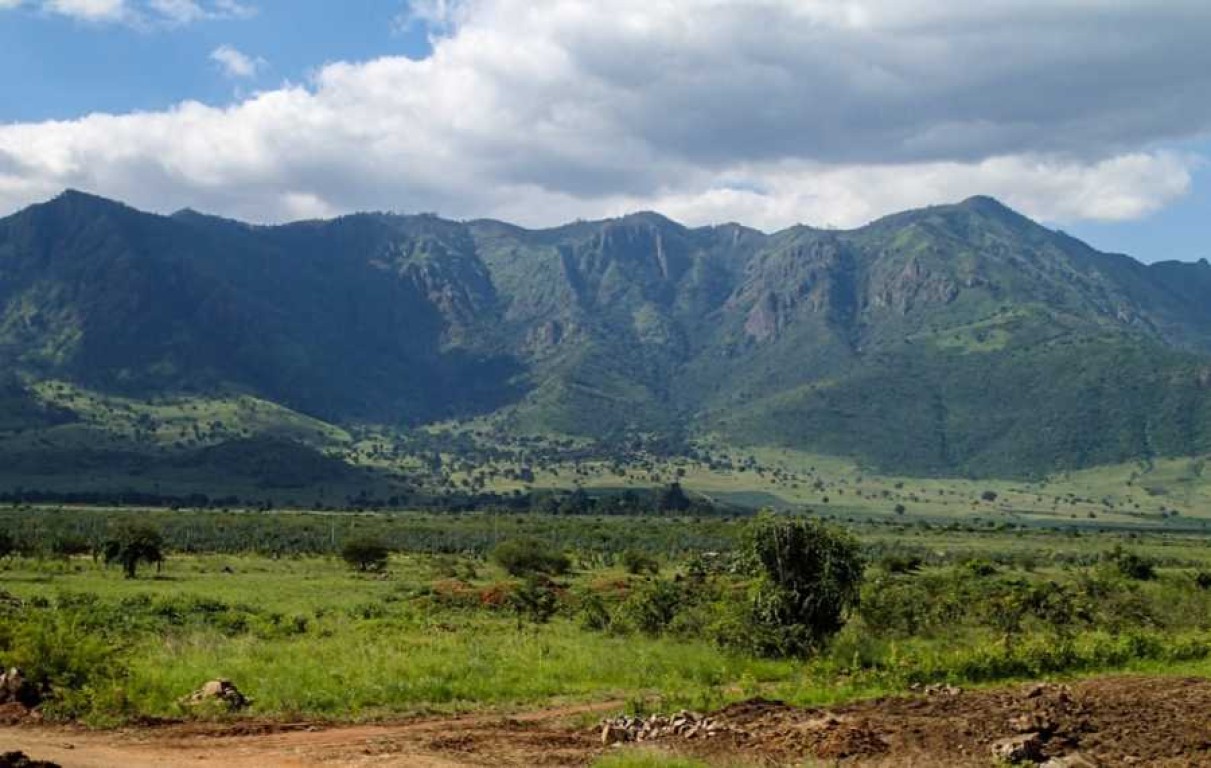
Arusha National Park is one of the best places in Tanzania for walking safaris. The park’s diverse landscapes include forests, open plains, and lakes surrounded by Mount Meru. Visitors can walk safely with armed rangers while observing giraffes, zebras, buffalo, and a variety of bird species.
This experience is often combined with day trips such as Arusha National Park Day Trip.
Tarangire National Park
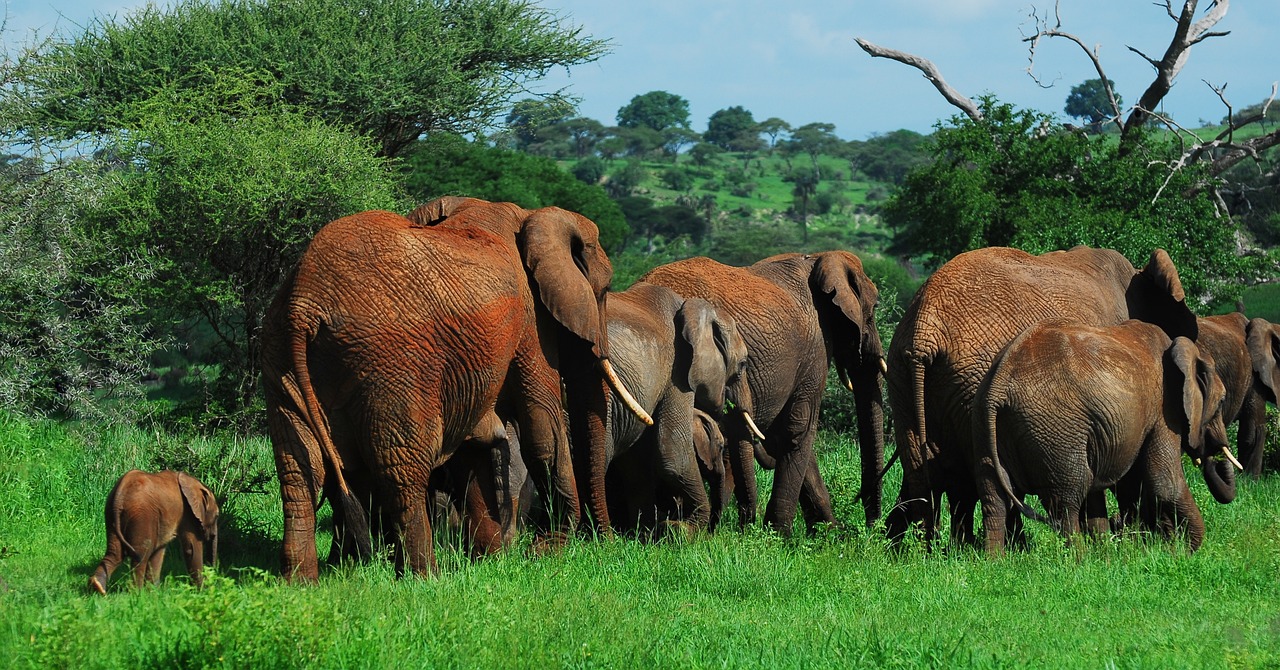
Tarangire offers excellent walking opportunities within designated zones. The park is famous for its large elephant populations, ancient baobab trees, and diverse birdlife. Walking through this landscape allows travelers to appreciate the smaller details of the environment.
Learn more about this destination in the Tarangire National Park Guide.
Nyerere National Park
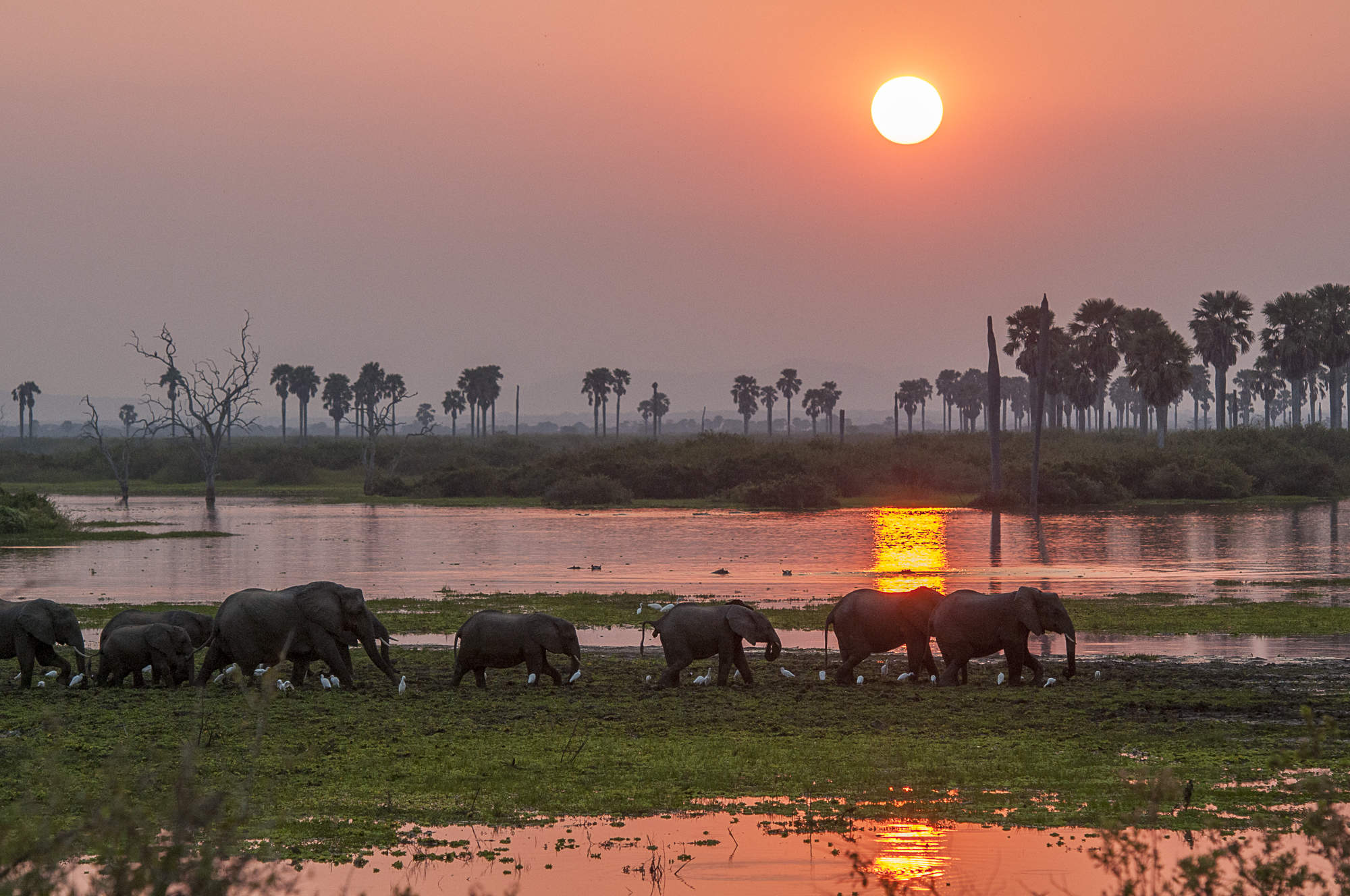
Nyerere National Park (formerly Selous Game Reserve) is one of the best destinations in Africa for authentic walking safaris. The vast wilderness and remote setting make it ideal for exploring the bush on foot.
Visitors often combine walking experiences with boat safaris and game drives available through itineraries like 3 Day Nyerere Safari.
Ruaha National Park
Ruaha National Park offers some of the most adventurous walking safaris in Tanzania. Its remote landscapes and large predator populations make guided walks exciting while maintaining strict safety protocols.
More information can be found in the Ruaha National Park Guide.
What You Can See on a Walking Safari
Walking safaris focus on the details of nature rather than simply chasing large animals. Guides help visitors understand how the ecosystem works and how wildlife interacts with the environment.
Animal tracks and signs
Guides often identify animal footprints, droppings, and feeding patterns to explain which animals have recently passed through the area.
Birdlife
Walking safaris provide excellent opportunities to observe birds and learn how to identify different species by sight and sound.
Plants and trees
Guides explain how plants are used by animals and local communities, including medicinal uses and ecological importance.
Smaller wildlife
Insects, reptiles, and small mammals become fascinating subjects when observed up close.
Although walking safaris are not primarily focused on large predators, travelers may occasionally encounter animals such as giraffes, zebras, antelope, and buffalo. To understand Tanzania’s wildlife better, travelers can read about Big Five Animals Tanzania and What Animals Can I See on a Tanzania Safari.
Safety on Walking Safaris
Safety is the highest priority during a walking safari. Every walk is conducted by experienced guides and often accompanied by armed rangers who are trained to manage wildlife encounters.
Guides carefully select walking routes based on wildlife activity, weather conditions, and terrain. Participants are briefed on safety procedures before the walk begins.
Key safety guidelines include:
-
walking quietly in single file behind the guide
-
maintaining safe distances from wildlife
-
avoiding sudden movements or loud noises
-
following all instructions from the guide
These precautions ensure that walking safaris remain both safe and enjoyable.
Best Time for a Walking Safari
Walking safaris are typically conducted during cooler parts of the day, usually in the early morning or late afternoon.
Dry seasons are often preferred because trails are easier to navigate and wildlife tends to concentrate around water sources. However, walking safaris can be enjoyable throughout the year depending on location.
Travelers planning their trip can learn more about seasonal travel conditions in the guide Best Time to Visit Tanzania.
Who Should Try a Walking Safari
Walking safaris are suitable for travelers who want a deeper connection with nature and enjoy active outdoor experiences.
Nature enthusiasts
People who appreciate ecology, wildlife behavior, and landscapes often find walking safaris extremely rewarding.
Adventure travelers
Exploring the African bush on foot provides a sense of adventure that traditional safaris cannot replicate.
Photographers
Walking allows photographers to capture unique details of landscapes, plants, and smaller wildlife.
Repeat safari visitors
Travelers who have already experienced traditional game drives often enjoy adding a walking safari for a different perspective.
Families, couples, and small groups can all enjoy walking safaris, especially when combined with other experiences such as Cultural Safari, Night Safari, or scenic bush experiences like Luxury Safari Experience.
Combine Walking Safaris with Other Adventures
Walking safaris are often included as part of a larger safari itinerary. Travelers may spend several days exploring national parks by vehicle and then add guided walks to experience the bush from a new perspective.
Many safari itineraries also combine walking safaris with activities such as boat safaris, mountain hikes, cultural village visits, or beach holidays.
Travelers planning longer trips can explore itineraries through Tanzania Safari Packages or combine bush experiences with coastal escapes in Safari and Beach Holidays.
Experience the African Wilderness on Foot
A walking safari offers one of the most authentic ways to explore Africa. Moving quietly through the bush allows travelers to see nature from a completely different perspective while learning about the intricate relationships between animals, plants, and landscapes.
Whether you are exploring the forests of Arusha, the baobab landscapes of Tarangire, or the remote wilderness of southern Tanzania, walking safaris create unforgettable moments and a deeper understanding of the natural world.
To begin planning your adventure, explore available trips in Tours, browse unique travel styles in Experiences, or design a custom journey through Tailor Made Safari
Tours Featuring Walking Safari