Serengeti Great Migration
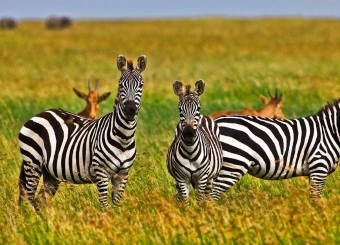
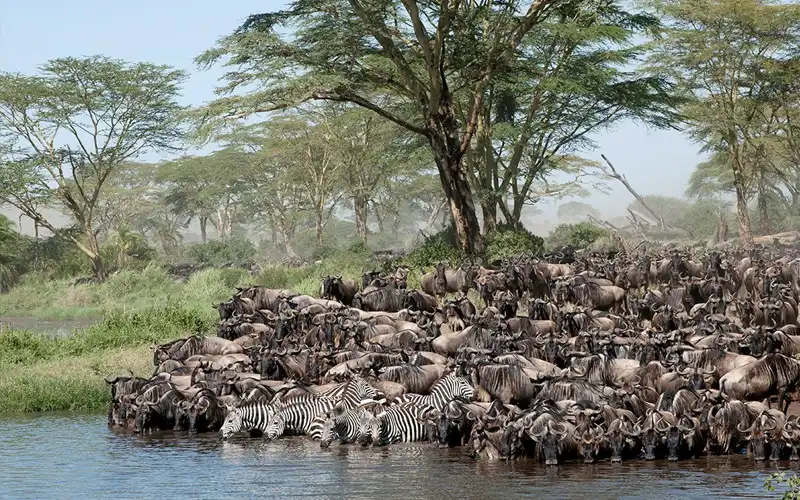
The Serengeti Great Migration is one of the most spectacular wildlife events on Earth. Each year more than two million wildebeest, zebras, and gazelles move across the vast Serengeti ecosystem in search of fresh grazing and water. This incredible natural phenomenon takes place between Tanzania’s Serengeti National Park and Kenya’s Maasai Mara.
Often called the Great Wildebeest Migration, this annual journey is driven by seasonal rainfall and the search for greener pastures. The migration is not just a simple movement of animals; it is a dramatic wildlife spectacle that includes predator hunts, river crossings, and the birth of thousands of calves.
For many travelers, witnessing the Serengeti migration is the ultimate African safari experience. If you are planning a wildlife safari in Tanzania, this natural event is one of the most extraordinary things you can see.
For a complete overview of safari planning in Tanzania, explore the Tanzania Safari Guide.
What Is the Serengeti Great Migration?
The Serengeti Great Migration is a continuous cycle where massive herds of wildebeest move across the Serengeti ecosystem following seasonal rainfall patterns.
The migration includes:
-
Over 1.5 million wildebeest
-
Hundreds of thousands of zebras
-
Large numbers of gazelles
These animals travel thousands of kilometers every year across Tanzania and Kenya.
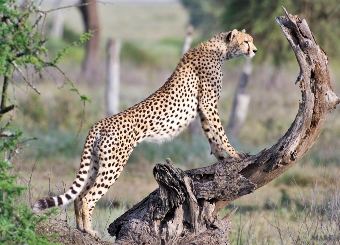
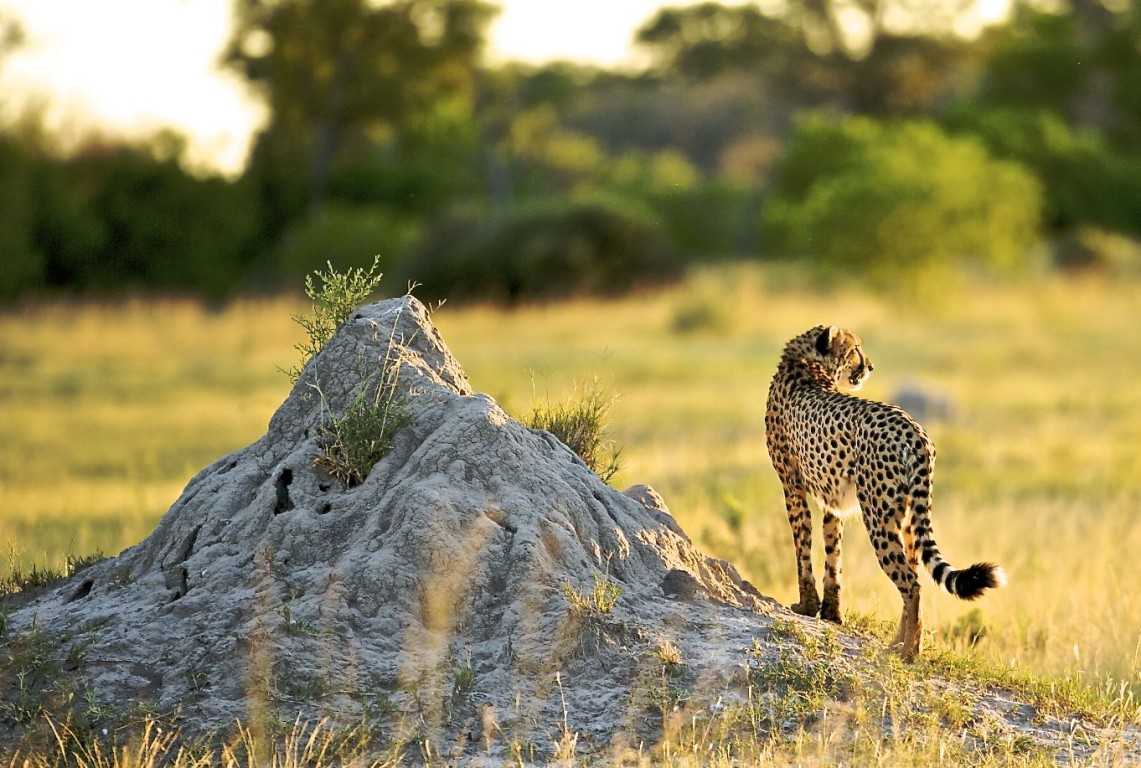
The migration is also followed by predators such as lions, cheetahs, hyenas, and crocodiles, creating one of the most dramatic wildlife spectacles in nature.
Learn more about the wildlife of the Serengeti in the Serengeti National Park Guide.
Why the Great Migration Happens
The migration is driven primarily by rainfall and the availability of fresh grass.
Wildebeest and other grazing animals move across the plains searching for nutritious grass that grows after seasonal rains. The migration follows a roughly circular route through the Serengeti ecosystem.
The cycle is continuous, meaning that the migration never truly stops — it simply moves from one region to another.
This movement creates constantly changing wildlife experiences throughout the year.
Serengeti Migration by Month
The best place to see the migration changes depending on the time of year.
Understanding this movement helps travelers plan the perfect safari.
Learn more in the Serengeti Migration by Month Guide.
January – March: Calving Season
During the early months of the year, the migration is located in the southern Serengeti and the Ndutu region.
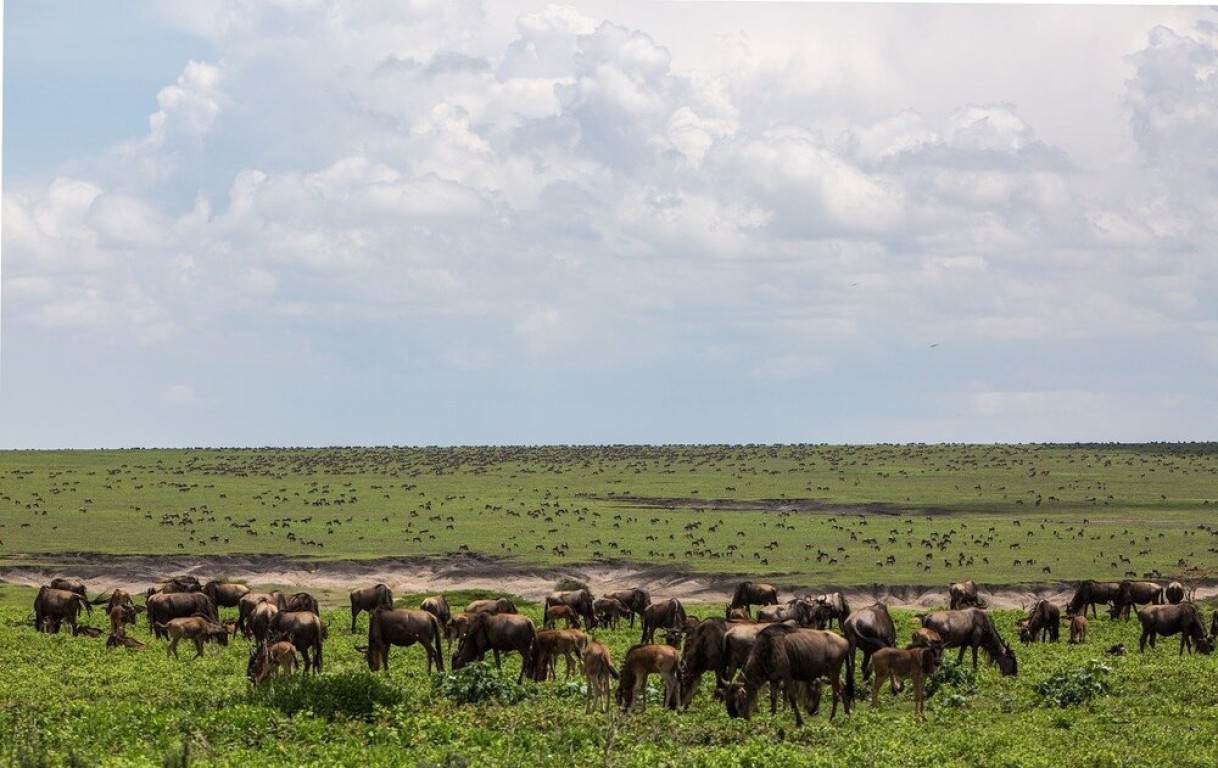
This period is known as the calving season, when hundreds of thousands of wildebeest calves are born.
Highlights of this season include:
-
Over 8,000 calves born each day
-
Predator activity including lions and cheetahs
-
Massive herds spread across the plains
This is one of the best times for wildlife photography.
Learn more in the Calving Season in Tanzania's Serengeti.
April – May: Migration Movement
During April and May the herds begin moving northward through the central Serengeti.
Although these months fall within the rainy season, they offer beautiful green landscapes and fewer tourists.
Large columns of wildebeest can be seen moving across the plains.
June – July: Western Corridor
By June the migration reaches the western Serengeti near the Grumeti River.
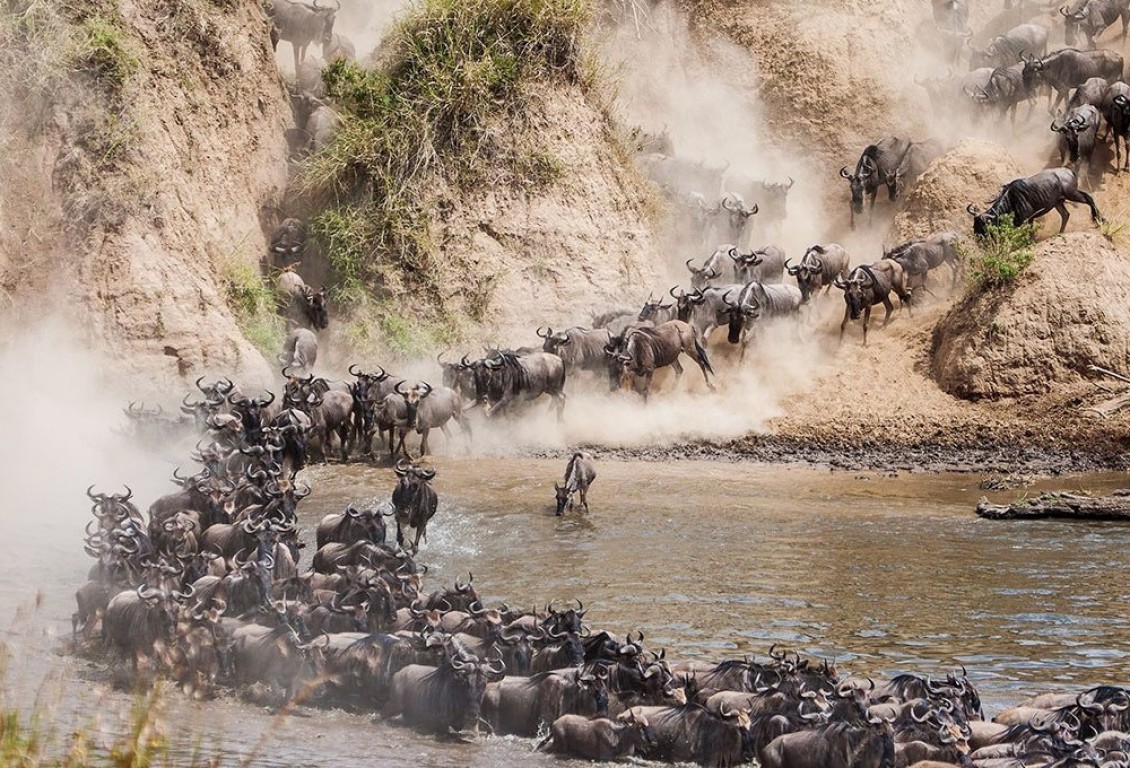
This period includes dramatic Grumeti River crossings, where wildebeest must cross crocodile-filled rivers.
Wildlife sightings during this time include:
-
Massive wildebeest herds
-
Nile crocodiles waiting at riverbanks
-
Predators hunting migrating animals
July – October: Mara River Crossings
Between July and October the migration moves into northern Serengeti near the Mara River.
This is the most famous stage of the migration.
The Mara River crossings are dramatic and unpredictable. Thousands of wildebeest gather at riverbanks before attempting to cross.
These crossings involve:
-
Massive herd movements
-
Crocodile attacks
-
Predators waiting on the opposite banks
Learn more in the Best Time to See Serengeti Migration guide.
November – December: Return to the South
At the end of the year the herds begin moving south again toward the Serengeti plains where the cycle begins again.
This movement completes the migration loop.
Best Places to See the Serengeti Migration
The migration moves across different regions of the Serengeti ecosystem throughout the year.
Southern Serengeti
Best for:
-
Calving season
-
Predator activity
-
Large open plains
Central Serengeti
Best for:
-
Year-round wildlife
-
Lion sightings
-
Scenic landscapes
Western Serengeti
Best for:
-
Grumeti River crossings
-
Large herd movements
Northern Serengeti
Best for:
-
Mara River crossings
-
Massive herd concentrations
Explore these regions in the Serengeti Migration Map Guide.
Wildlife During the Great Migration
Although wildebeest dominate the migration, the Serengeti ecosystem supports an incredible diversity of wildlife.
Visitors may see:
-
Lions
-
Leopards
-
Cheetahs
-
Hyenas
-
Elephants
-
Giraffes
-
Buffalo
Learn more in the Serengeti Animals Guide.
The Serengeti is also one of the best places to see Africa’s famous predators.
Discover more in the Big Cats of Tanzania Guide.
Best Safari Tours to See the Migration
Several safari itineraries are designed specifically to follow the Great Migration.
Popular tours include:
Longer safari itineraries include multiple parks:
Hot Air Balloon Safaris Over the Migration
One of the most unforgettable ways to see the migration is from a hot air balloon.
Balloon safaris take place at sunrise and offer spectacular aerial views of wildlife across the Serengeti plains.
Visitors float silently above the savannah while watching herds of animals moving below.
Learn more in the Balloon Safari Experience.
Best Time to Visit the Serengeti
Although the migration moves throughout the year, the best time to visit depends on what you want to see.
Best Time for River Crossings
July to October is best for witnessing the famous Mara River crossings.
Best Time for Calving Season
January to March is ideal for seeing newborn wildebeest and intense predator activity.
Best Time for Overall Wildlife
The dry season between June and October offers excellent wildlife viewing across the Serengeti.
Learn more in the Best Time to See Wildlife in Tanzania guide.
Combine Migration Safari with Other Destinations
Many travelers combine the Serengeti migration with other Tanzanian destinations.
Popular combinations include:
Ngorongoro Crater
The Ngorongoro Crater is a natural wildlife sanctuary with a high concentration of animals.
Learn more in the Ngorongoro Crater Guide.
Tarangire National Park
Tarangire is famous for its giant elephant herds and ancient baobab trees.
Explore the park in the Tarangire National Park Guide.
Zanzibar Beach Holiday
After a safari adventure, many travelers relax on Zanzibar’s beautiful beaches.
Discover more in the Zanzibar Travel Guide.
How Much Does a Migration Safari Cost?
The cost of a Serengeti migration safari depends on several factors including:
-
Duration of the safari
-
Type of accommodation
-
Time of year
-
Transportation method
Luxury migration safaris during the peak river crossing season tend to be the most expensive.
Learn more in the Tanzania Safari Cost Breakdown.
Tips for Planning a Serengeti Migration Safari
Book Early
Migration safaris during peak seasons sell out quickly.
Choose the Right Location
Because the migration moves, it is important to choose lodges located in the correct region during your travel dates.
Work with Experienced Safari Guides
Experienced guides track wildlife movements and help visitors maximize their chances of witnessing migration events.
Plan Your Serengeti Great Migration Safari
The Serengeti Great Migration is one of the most incredible wildlife spectacles on the planet. Watching millions of animals move across the savannah while predators follow the herds is a truly unforgettable experience.
Whether you want to witness dramatic river crossings, photograph newborn calves during the calving season, or explore the vast landscapes of the Serengeti, a migration safari offers an adventure unlike any other.
Start planning your journey with the Tanzania Safari Guide or explore safari itineraries in Tanzania Safari Packages.
Your Serengeti migration adventure awaits
Tours Featuring Serengeti Great Migration