Quick facts
Wildlife
Akagera holds all Big Five following the reintroduction of lion in 2015 and black rhino in 2017 by African Parks. Elephant, buffalo and hippo are well-established. The park has East and Central Africa's largest protected wetland, supporting extraordinary waterbirds including shoebill stork (one of the most reliable sightings in Rwanda), papyrus gonolek and the African fish eagle. Over 500 bird species recorded. The Akagera River lakes system supports one of Rwanda's highest crocodile concentrations.
Top activities
Big Five game drives — lion tracking with GPS-monitored prides, elephant herds, black rhino sightings in the protected sanctuary area, and buffalo aggregations. Boat safari on Lake Ihema — one of the best in East Africa, with hippo pods, Nile crocodile, shoebill stork and thousands of waterbirds. Night game drives — permitted at Akagera, revealing aardvark, lion hunting, genet and nocturnal waterbirds. Walking safaris in designated areas. Canoe trip on the Akagera River wetland channels. Birdwatching with 500+ species including shoebill — one of Rwanda's best sites for this rare bird.
About Akagera National Park
In 1994, Akagera National Park was effectively destroyed. Returning refugees from the genocide flooded into the park’s land, reducing it by two-thirds and eliminating the lion and rhino populations entirely. By the 2000s, it was a park in name only. In 2010, the Rwanda Development Board handed management to African Parks — the continent’s most effective non-governmental park management organisation — and what followed is one of conservation’s most remarkable recovery stories.
By 2015 lion had been reintroduced. In 2017 black rhino followed — the first in Rwanda since the genocide. Today Akagera National Park holds all Big Five, a thriving hippo and crocodile population on its lake system, over 500 bird species and the most professionally managed safari infrastructure in Rwanda. It is one of the continent’s most compelling conservation stories, and now a genuinely excellent safari destination.
Where is Akagera?
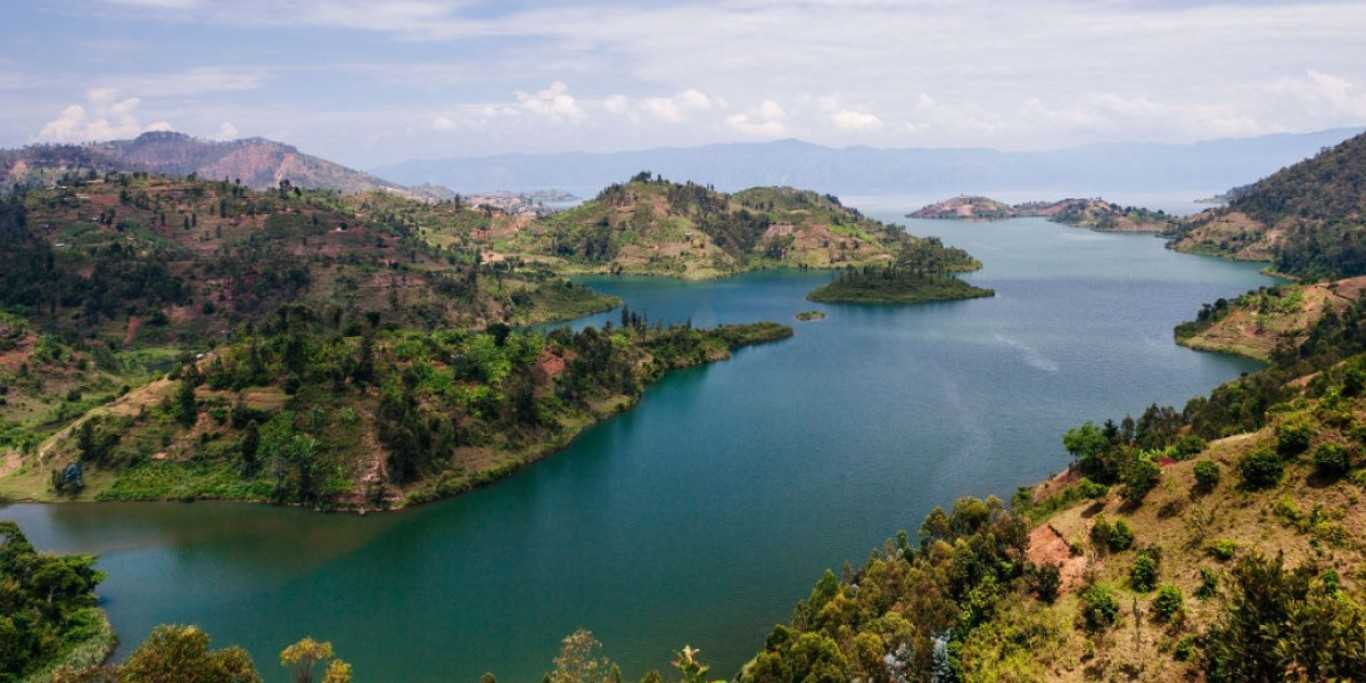
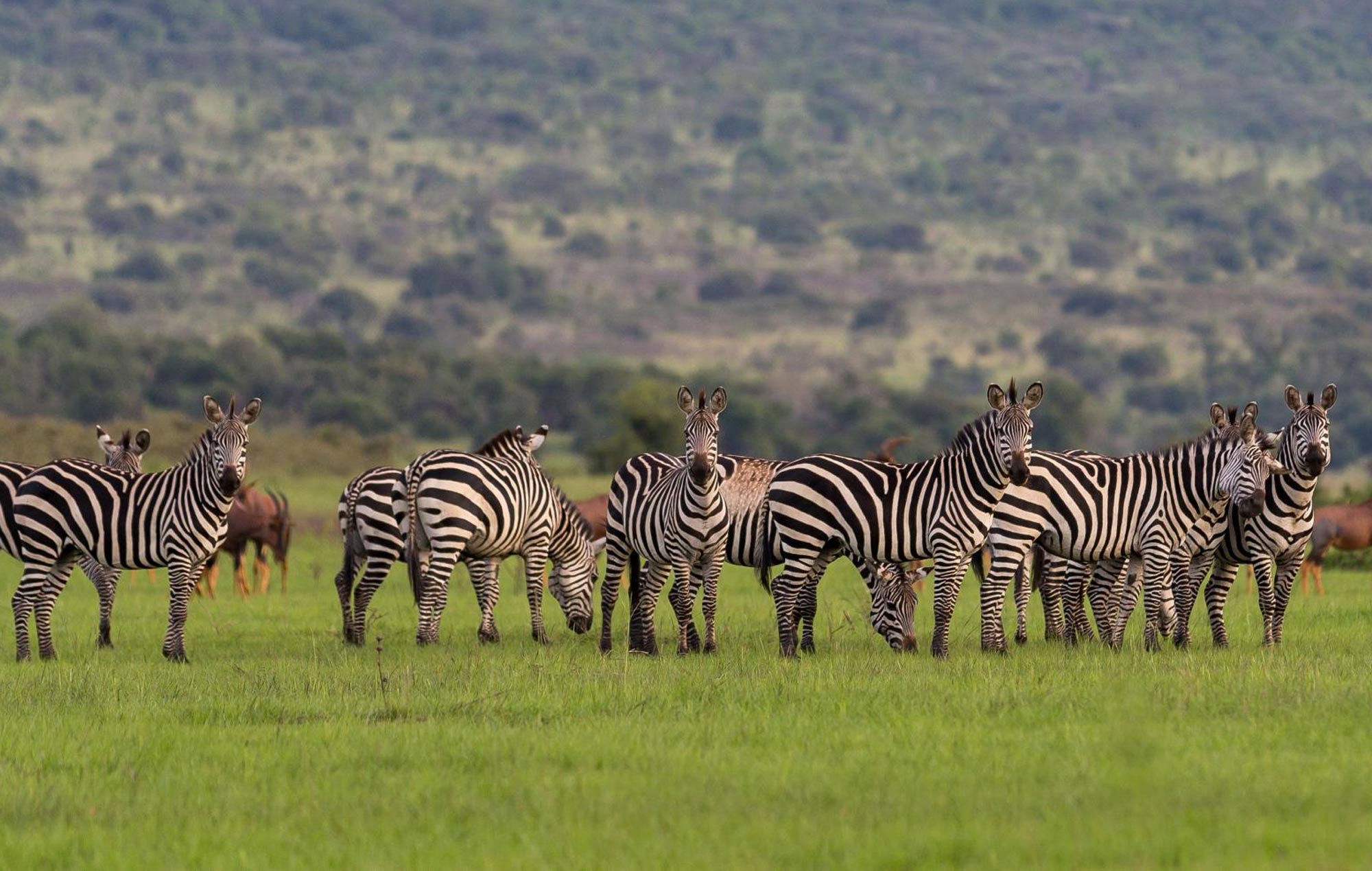
The park is in eastern Rwanda, along the Tanzania border, approximately 100 km from Kigali by road (2 hours). The Akagera River and its associated lake system form the park’s eastern boundary with Tanzania. The park covers 1,122 square kilometres of acacia savanna, marshland, lakeshore and rolling hills — a very different landscape from the forest parks in Rwanda’s west.
The lion pride
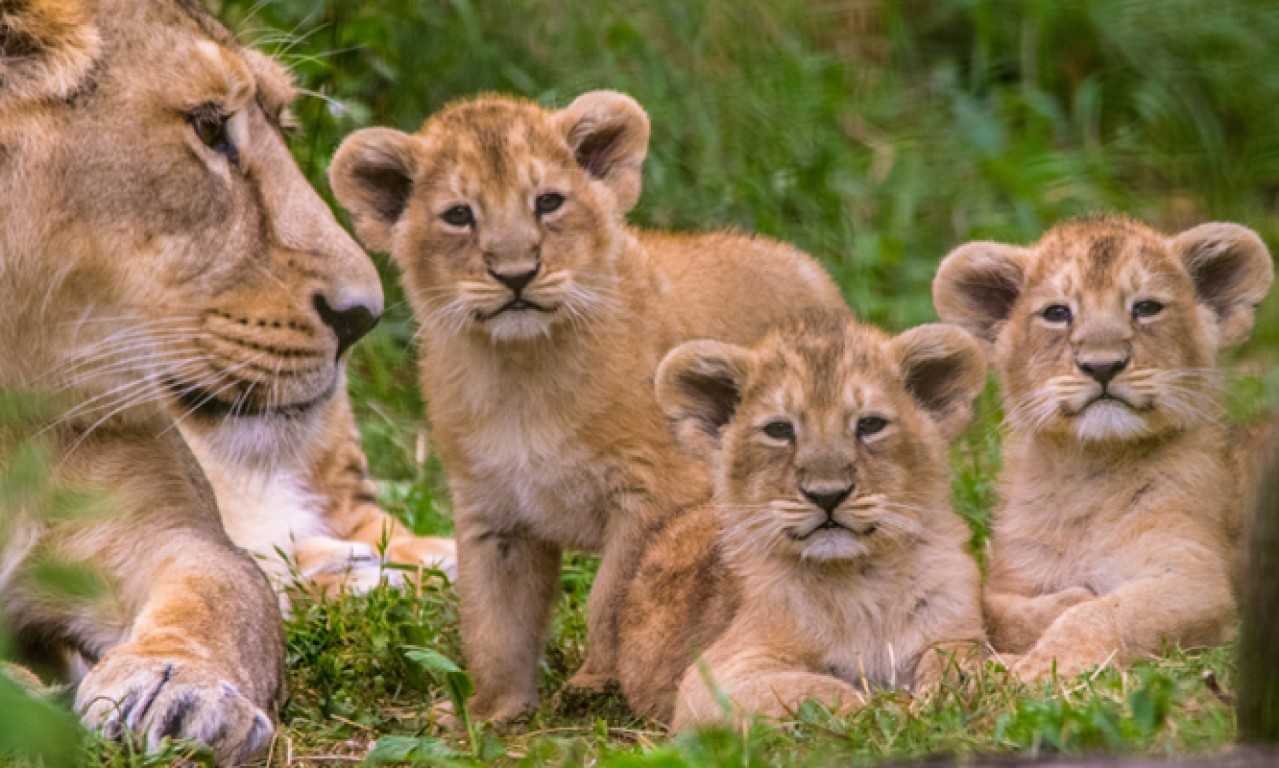
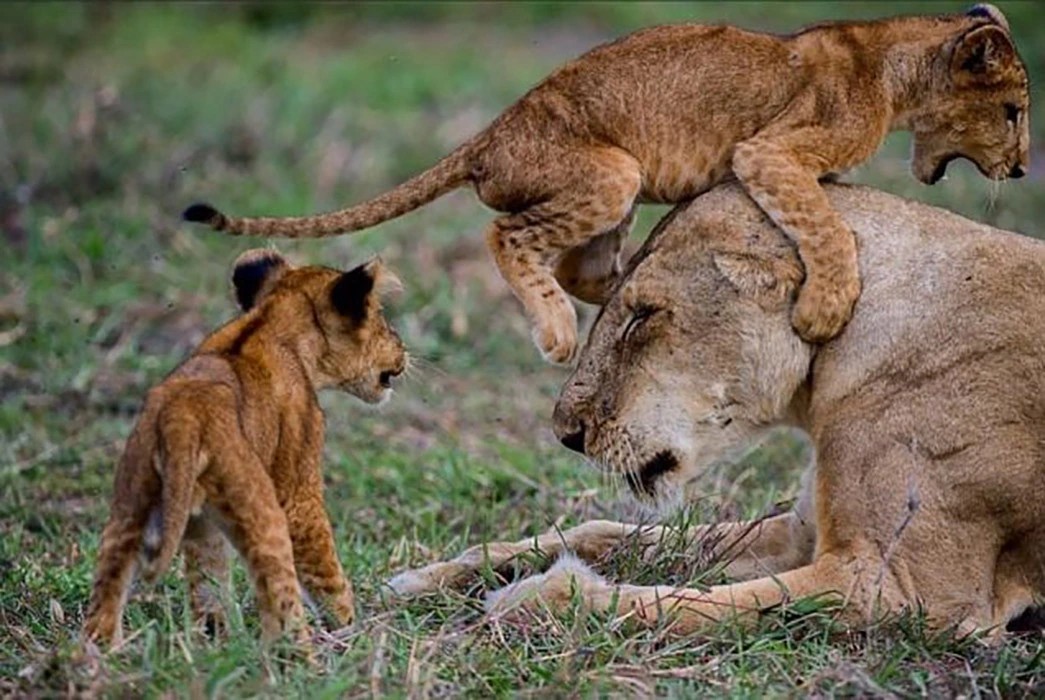
Seven lions were reintroduced from South Africa’s Phinda and Akagera in 2015. The pride has bred successfully and now numbers over 20 individuals in multiple groups. Each lion wears a GPS collar, meaning guides can locate the pride with precision — lion tracking sessions at Akagera have near-100% success rates as a result. This is both a management tool and a significant game-drive advantage for visitors.
The black rhino sanctuary
Eighteen eastern black rhino were translocated from European zoos and African reserves in 2017 — Rwanda’s first rhino in over two decades. The population is growing in a fenced sanctuary area within the park, with regular monitoring by dedicated rangers. Guided drives into the sanctuary give a realistic chance of black rhino sightings — not guaranteed, but the population’s recovery has been faster than projected.
The lake boat safari
The Lake Ihema boat safari is one of the finest in East Africa. The lake is part of Akagera’s extensive wetland system — Centrale Africa’s largest protected papyrus swamp — and a 2–3 hour morning boat ride reveals hippo pods, enormous Nile crocodiles, the extraordinary shoebill stork hunting in the papyrus, and dense concentrations of herons, storks, kingfishers and waterbirds. The shoebill sighting is considered one of Rwanda’s finest wildlife experiences.
The community dimension
African Parks’ management model includes structured community revenue-sharing — a percentage of park revenue goes to communities on the park boundary. Former poachers have been converted to rangers; boundary communities have schools and clinics funded partly through the park economy. The conservation model here is as important a story as the wildlife itself.
Combine Akagera with…
- Volcanoes National Park — gorilla trekking in the northwest; the most popular Rwanda three-park circuit (Kigali–Volcanoes–Akagera–Nyungwe).
- Nyungwe Forest — chimpanzee trekking and birding in the southwest.
- Kigali — 2 hours west; easy to visit on arrival or departure.
Frequently asked questions about Akagera
Does Akagera have all the Big Five?
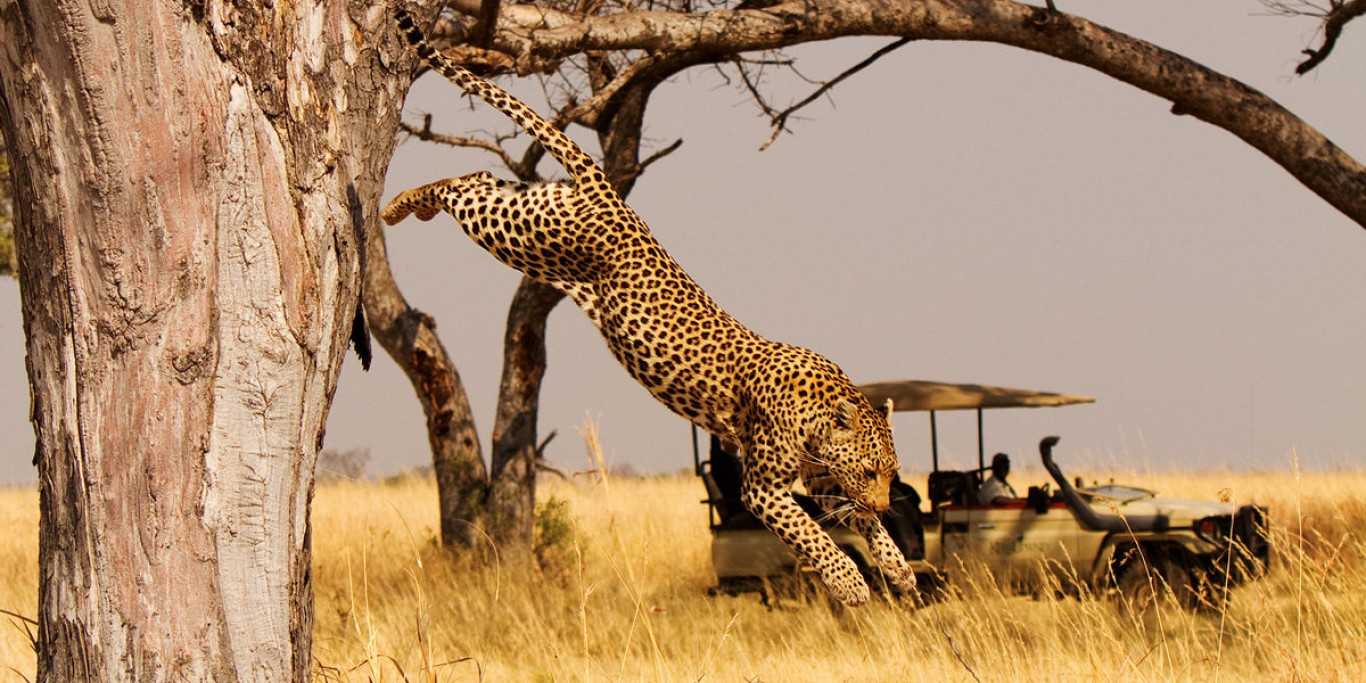
Yes — lion, leopard, black rhino, elephant and buffalo are all present following African Parks’ reintroduction programme. Leopard sightings are less common than the other four due to the species’ naturally secretive nature, but all five are resident.
How is Akagera managed?
Under a public-private partnership between the Rwanda Development Board and African Parks, one of Africa’s most respected conservation NGOs. The model is widely cited as a template for reviving degraded protected areas.
Is Akagera suitable as a first safari experience?
Yes — the lion tracking, boat safari and Big Five combination make it an excellent introduction to African game viewing, particularly for visitors who are already in Rwanda for gorilla trekking and want to add a classic savanna safari day or two.
Want to visit Akagera National Park?
Get a free custom safari plan within 24 hours.
Akagera National Park safari tours
Want to visit Akagera National Park?
Get a free custom safari plan within 24 hours.
Best time to visit Akagera National Park
June to September — Long dry season (best game viewing)
The dry season concentrates wildlife around the lake system and the Akagera River, making boat safaris and lakeside game drives most productive. The vegetation thins, making it easier to spot lion (tracked via GPS collars on the pride), rhino and other mammals. Night drives are at their most rewarding in the cooler dry-season temperatures. This is the recommended window for first-time visitors and for those specifically seeking lion and rhino.
December to February — Short dry season (good game viewing, birding)
A productive secondary window. The park is quieter and rates are lower than the June–September peak. The lake boat safaris are excellent and the shoebill stork is most reliably found in the dry-season papyrus stands. Good value for a Big Five safari experience in Rwanda.
October to November — Short rains (lush, good birding)
The park greens rapidly with the first rains. Waterbird diversity peaks with the arrival of Palaearctic migrants. The lake boat safari remains excellent. Lion tracking is slightly harder in taller grass but the GPS monitoring system helps guides locate the prides.
March to May — Long rains (muddy tracks, some access limited)
The heaviest rains make some interior tracks impassable. The lakes remain navigable and the boat safari quality is unaffected. The park is very quiet and rates are at their lowest.
Bottom line: June to September for the definitive Akagera experience. December to February for a quiet, value-for-money alternative.
Where to stay in Akagera National Park
We'll recommend accommodation across all budget levels based on your dates and preferences.
Browse All LodgesWant to visit Akagera National Park?
Get a free custom safari plan within 24 hours.