Quick facts
Wildlife
Kitulo holds one of the highest concentrations of terrestrial orchid species in Africa — 45 documented varieties erupting in simultaneous bloom from November to April. The plateau is also home to the mountain marsh mongoose (found nowhere else in Tanzania), Denham's bustard, blue swallow (critically endangered), mountain wagtail and several endemic lizard and chameleon species. Raptors including augur buzzard, Ayres's hawk-eagle and lanner falcon are regularly seen. Klipspringer and reedbuck occupy the rocky escarpment edges.
Top activities
Wildflower and orchid walks during bloom season (November to April) — the park's primary attraction. Guided bird walks targeting Denham's bustard, blue swallow and montane forest species. Hiking to escarpment viewpoints over the Livingstone Mountains and Lake Nyasa beyond. Mountain marsh mongoose tracking with specialist guides. Photography of the orchid and wildflower displays — some of the most unusual nature photography opportunities in East Africa. Camping inside the park at basic TANAPA sites.
About Kitulo National Park
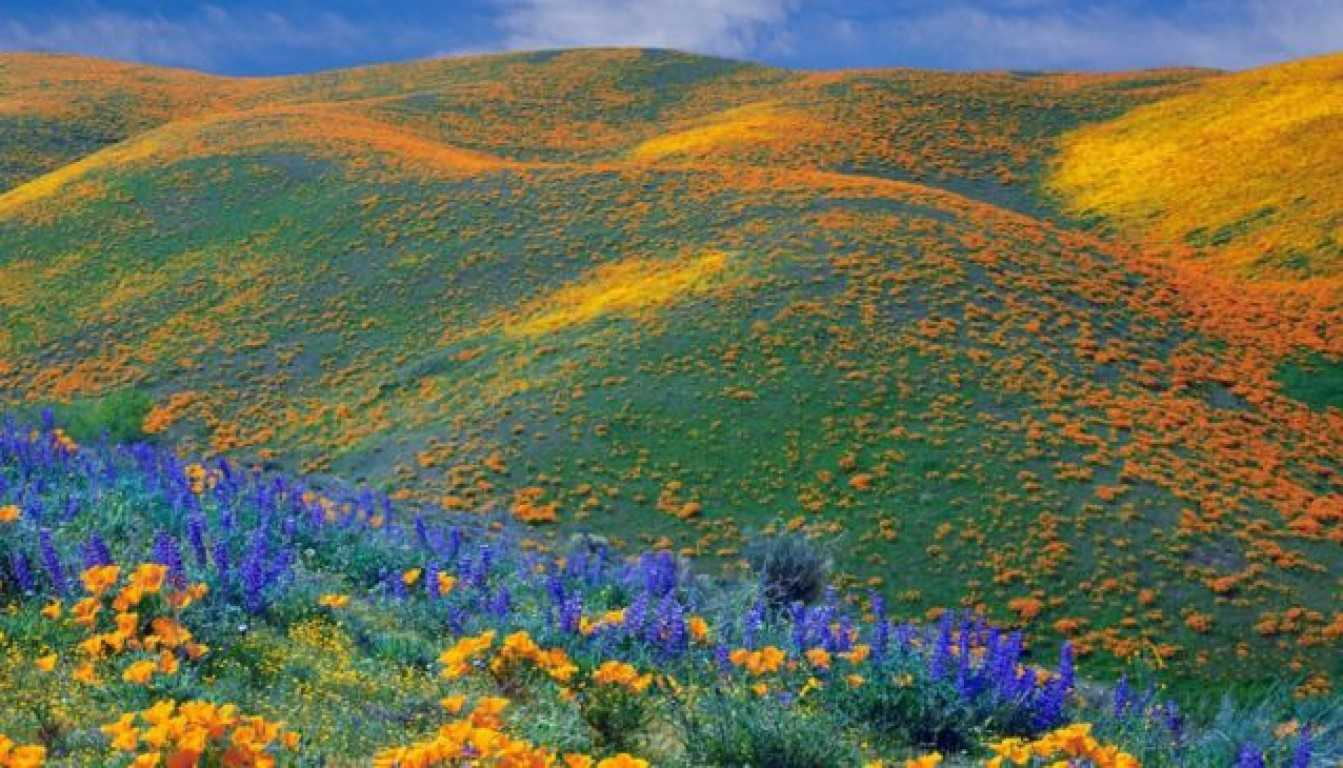
There are places in Africa that confound expectation, and Kitulo National Park is one of them. In a continent where the word "safari" conjures lion and elephant and open plains, Kitulo offers something categorically different: a high-altitude plateau at 2,600 metres, carpeted during the rainy season with an eruption of wildflowers so dense and diverse that scientists have called it one of the worla 't floral spectacles. The locals call it Bustani ya Mungu — the Garden of God. The botanists call it the Serengeti of Flowers.
Kitulo National Park was established in 2005, making it one of Tanzania's youngest parks and the first in sub-Saharan Africa to be gazetted primarily for the protection of flowers rather than charismatic megafauna. Sitting in the Livingstone Mountains of Tanzania's Southern Highlands, it protects 413 square kilometres of Afromontane grassland that host 350 species of vascular plants, including 45 varieties of terrestrial orchid.
Where is Kitulo National Park?
The park sits in the Mbeya Region of southern Tanzania, near the town of Matamba. It is approximately 100 km from Mbeya city (2 hours by road) and 600 km from Dar es Salaam. The TAZARA railway passes through the region for those making the scenic overland journey from Dar.
The wildflower spectacle
Between November and April, the Kitulo plateau becomes a living botanical exhibit. The trigger is rainfall — as the Southern Highlands wet season begins in November, the dormant plateau transforms within weeks from a windswept grassland into a multi-layered tapestry of colour.
The orchids are the headline. Forty-five terrestrial species have been documented — a concentration extraordinary even by African standards, and including several species endemic to the Kitulo plateau. Among the most spectacular are the flame-red Disa orchids, the delicate Habenaria species and the large-flowered Eulophia varieties. The orchid bloom peaks between January and March, when dozens of species are simultaneously in flower across the plateau.
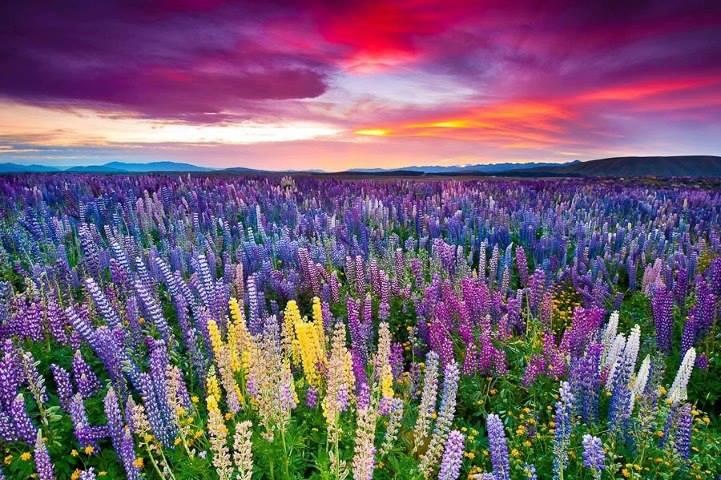
Alongside the orchids, the plateau produces geraniums, proteas, giant lobelias, aloes, red-hot pokers, everlastings and a supporting cast of hundreds of grass and sedge species. Walking slowly across the plateau during peak bloom, identifying species with a knowledgeable guide, is one of Tanzania's most unusual and rewarding outdoor experiences.
Wildlife beyond the flowers
Mountain marsh mongoose
One of Tanzania's rarest endemic mammals, found only in the high-altitude wetlands of the Kitulo area. Shy and seldom seen, it requires a specialist guide who knows the wetland areas where the species forages.
Blue swallow
One of Africa's most critically endangered birds, present on the Kitulo plateau during the rains. The species has a total population of fewer than 1,500 individuals, and Kitulo is one of its most important breeding sites. Seeing one — a flash of deep cobalt over the wildflowers — is a proper birding moment.
Denhaa's bustard
Africa's largest bustard is a plateau resident, its slow, deliberate walking gait and massive frame incongruous among the flowers. Males display during the wet season.
Raptors
The open plateau and rocky escarpments support augur buzzard, lanner falcon, Ayrea's hawk-eagle and martial eagle. The dry season, when the grass is short and prey is visible, is the best window for raptor observation.
Hiking and escarpment views
Several trails lead from the plateau edge to the escarpment overlooking the Livingstone Mountains rift scarp — a vertiginous drop to the Songwe Valley and, on clear days, the distant shimmer of Lake Nyasa to the southeast. These hikes require a park ranger guide and are best attempted in dry-season conditions.
Combine Kitulo with…
- Mbeya — the nearest city, 2 hours by road, with accommodation and onward connections.
- Lake Nyasa — extend southeast for the lake and ferry experience.
- Ruaha National Park — the complete Southern Circuit combining flowers with big game.
- Lake Ngosi — a volcanic crater lake 30 km north of Kitulo, easily combined.
Frequently asked questions about Kitulo
Do I need a guide at Kitulo National Park?
A TANAPA ranger guide is required for all trails and is genuinely valuable — identifying 45 orchid species without botanical knowledge is nearly impossible, and the blue swallow and mountain marsh mongoose are equally tricky without someone who knows where to look.
Is Kitulo accessible by public transport?
Daladala (minibus) routes connect Mbeya to Matamba near the park gate, but a 4WD vehicle is required for the tracks inside the park. Hiring a vehicle in Mbeya is the standard approach.
Can I visit Kitulo in the dry season?
Yes, but the orchid display is completely absent. The dry season visit (June–October) is worthwhile only for dedicated raptor birding, escarpment hiking or if Kitulo is an en-route stop rather than the primary destination.
How cold does Kitulo get?
At 2,600 m elevation, night temperatures can drop below 5°C even during the wet season. Pack a warm layer and a waterproof jacket regardless of when you visit.
What camera settings work best for orchid photography at Kitulo?
The diffuse light of an overcast wet-season morning is ideal — hard sunlight bleaches flower colour. Use a macro lens or macro mode for individual flowers; wide angle for the full plateau context. Bring a rain sleeve for your camera.
Want to visit Kitulo National Park?
Get a free custom safari plan within 24 hours.
Kitulo National Park safari tours
Want to visit Kitulo National Park?
Get a free custom safari plan within 24 hours.
Best time to visit Kitulo National Park
Kitulo is one of the most counter-intuitive parks in Tanzania: its peak wildlife spectacle happens during the wet season, not the dry season. Plan accordingly.
November to April — Wet season (orchid and wildflower bloom — peak season)
This is when Kitulo becomes extraordinary. The rains trigger an eruption of wildflowers across the entire plateau — geraniums, proteas, aloes, red-hot pokers and, most spectacularly, up to 45 species of terrestrial orchid. The blue swallow (one of Africa's rarest birds) is present on the plateau during the rains. The mountain marsh mongoose is most active in the wet season. January to March is generally considered the absolute peak of the wildflower display, but November and December are also beautiful and have better road conditions early in the season.
December to January — Best of the wet season (roads accessible, full bloom building)
The early rains produce the first orchid waves and the wildflower display intensifies through January. Access tracks are still negotiable with a 4WD. The most photogenic time, with wildflowers against dramatic cloud-building skies.
June to October — Dry season (grasses brown, orchids absent, but good for raptors and hiking)
The plateau is brown and wind-scoured in the dry months. The orchid display is completely absent. However, the hiking to the escarpment is easier with dry tracks, and raptor activity is excellent as birds of prey hunt over the open plateau. Klipspringer are easier to spot in the shorter dry-season grass. The park is almost entirely empty of visitors from June to October.
Bottom line: November to April for the definitive Kitulo experience. January to March for the full orchid peak. June to October only for serious birders or hikers who have already seen the flowers.
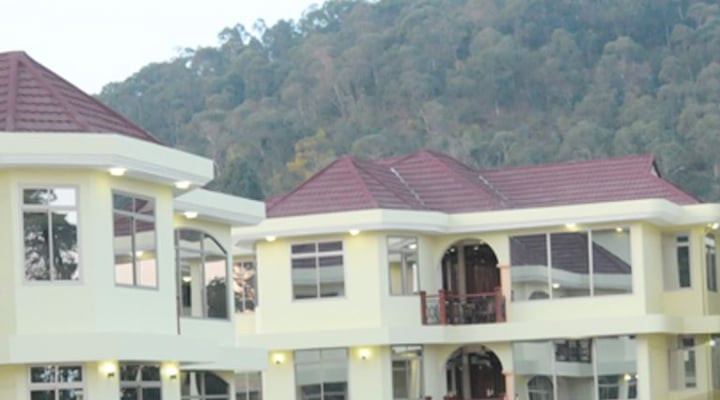
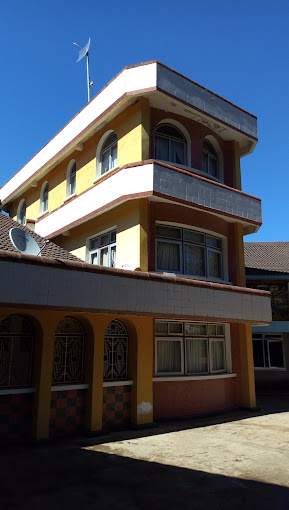
Where to stay in Kitulo National Park

Want to visit Kitulo National Park?
Get a free custom safari plan within 24 hours.
Nearby destinations
 Tanzania
 Tanzania
 Tanzania
 Tanzania