Quick facts
Wildlife
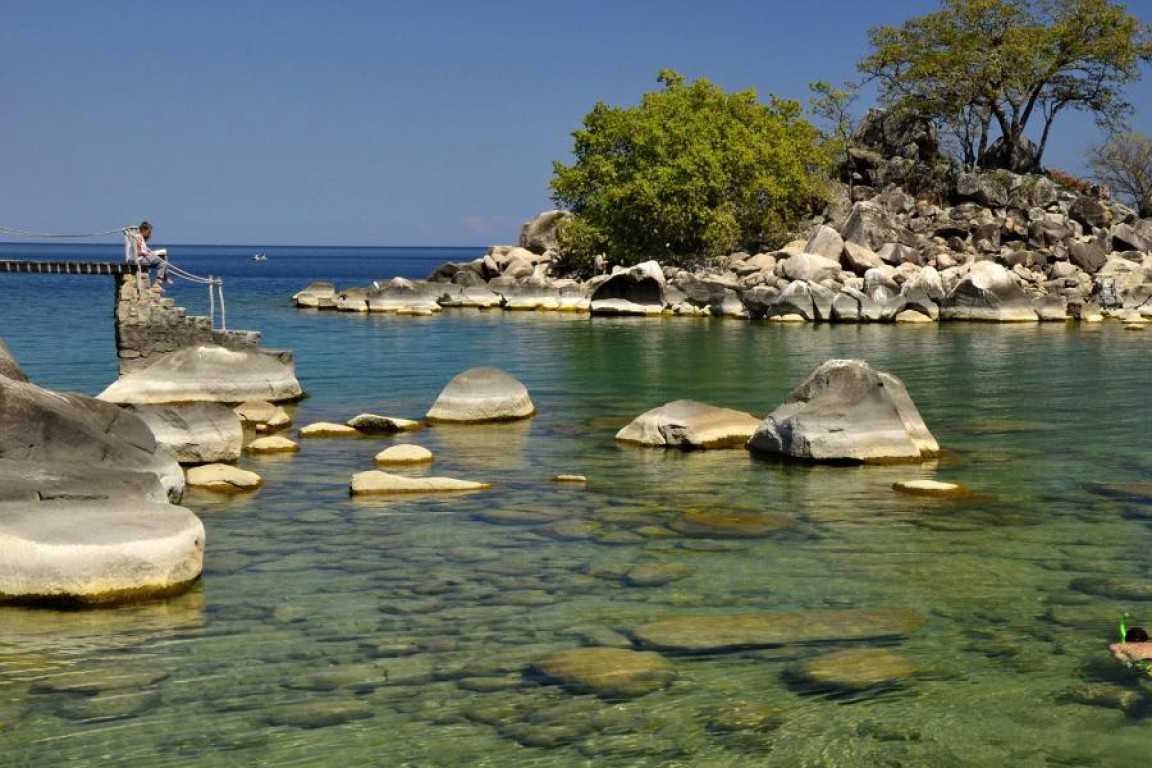
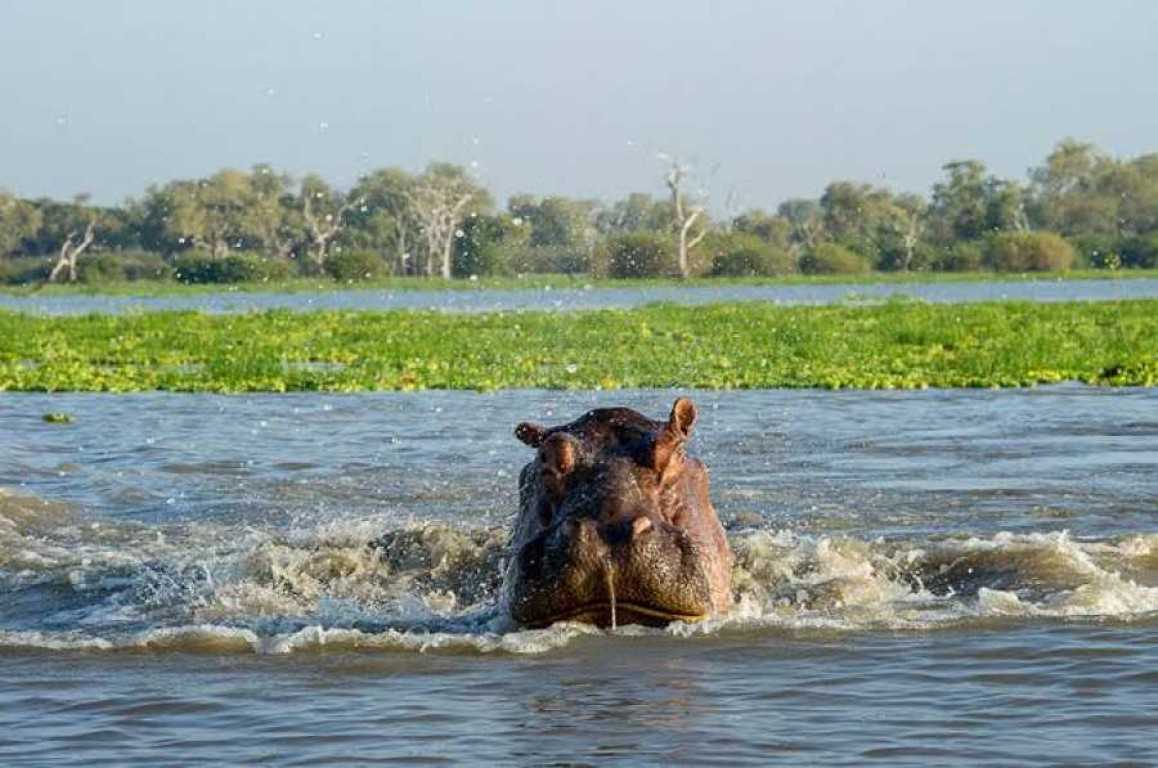
Lake Nyasa holds one of the highest concentrations of freshwater fish biodiversity on Earth, with over 1,000 species of cichlid — more than any other lake globally, and 90% found nowhere else. Snorkelling at Matema Beach reveals a living rainbow of colour among the rocks. The lake shore supports hippo, crocodile, fish eagle, kingfisher and a range of waders. The surrounding Livingstone Mountains harbour colobus monkey, blue monkey and forest birds endemic to the Eastern Arc.
Top activities
Snorkelling and diving among endemic cichlid fish at rocky shore reefs near Matema and Lundo Island. Swimming from the white-sand Matema Beach — one of Tanzania's finest freshwater beaches. TAZARA ferry lake cruises between Kyela and Malawi ports. Kayaking in sheltered bays along the Tanzanian shore. Hiking in the Livingstone Mountains above Matema. Birdwatching along the lake shore and river mouths. Village dhow fishing trips with local Nyakyusa fishermen.
About Lake Nyasa
Lake Nyasa — known as Lake Malawi on the other side of its long western shore — is Africa’s third-largest lake by surface area and one of its most extraordinary natural environments. Stretching 550 km along Tanzania’s southwestern boundary, it holds more species of fish than any other lake on Earth: over 1,000 species of cichlid, approximately 90% found nowhere else in the world. Snorkelling here is less like freshwater swimming and more like exploring a tropical reef — the density and colour of the fish is genuinely startling.
For travellers, Lake Nyasa’s Tanzanian shore offers something increasingly rare in East Africa: a pristine lake environment almost entirely off the standard tourist circuit, with white-sand beaches, clear water and a complete absence of the vehicle and accommodation density that defines the northern parks.
Where is Lake Nyasa?
Lake Nyasa occupies the southwestern corner of Tanzania, in the Mbeya and Ruvuma regions. The main Tanzanian access point is Matema Beach, near the town of Kyela, approximately 100 km south of Mbeya. The lake is bordered by Tanzania to the east, Malawi to the west and south, and Mozambique at its southern tip. The Songwe River marks the Tanzania–Malawi border at the lake’s northern end.
The cichlid fish
The scientific significance of Lake Nyasa’s fish fauna is extraordinary. The lake has been isolated long enough (roughly 40,000 years in its current form, though far older as a water body) that speciation has run wild among the cichlids. Over 1,000 species have been described, compared to around 250 in Lake Tanganyika and about 500 in Lake Victoria.
The rockshore cichlids (known as mbuna — “rock dwellers” in the local Tonga language) are the snorkeller’s prize: intensely coloured, territorial fish that hover in the rock reef shallows in extraordinary density. A mask and snorkel at Matema Beach reveals species in electric blue, yellow, orange and black, many of which are familiar to aquarium enthusiasts worldwide. The majority of tropical freshwater fish in pet shops globally originated from Lake Nyasa’s cichlid gene pool.
Matema Beach
The centrepiece of Tanzanian Lake Nyasa tourism is Matema Beach — a sweep of white sand backed by the dramatic Livingstone Mountain escarpment, with the lake stretching blue to the horizon in the other direction. The beach is long, clean and almost entirely undeveloped by commercial standards. A small collection of guesthouses and mission-run accommodation makes up the visitor infrastructure. It is the kind of beach experience that feels like a discovery rather than a resort.
The Livingstone Mountains
The western escarpment of the Livingstone Mountains rises to over 2,500 metres directly above Matema, creating a dramatic backdrop to the lake view. Several hiking trails lead into the montane forest above the beach, where colobus monkeys, blue monkeys and a range of Eastern Arc endemic birds inhabit the forest. The hikes require a local guide and a full day; the views back over the lake from the upper slopes are among southern Tanzania’s finest.
Lake ferry travel
The MV Songea and MV Iringa lake ferries connect Tanzanian shore villages to Malawian ports on a regular schedule. For travellers with time, the lake ferry is one of East Africa’s most atmospheric overland travel experiences — an overnight or multi-day journey across a lake that feels more like an inland sea.
Combine Lake Nyasa with…
- Mbeya — the gateway city with accommodation and onward transport.
- Kitulo National Park — the orchid plateau, 2 hours north.
- Lake Ngosi — the crater lake near Tukuyu on the way to Matema.
- Ruaha National Park — a full southern Tanzania loop combining lake, mountains and big-game safari.
Frequently asked questions about Lake Nyasa
Is it called Lake Nyasa or Lake Malawi?
Both names are correct; they refer to the same lake. Tanzania and Mozambique use “Nyasa” (from the Nyanja word for lake); Malawi uses “Malawi”. There is an ongoing low-level border dispute between Tanzania and Malawi over parts of the lake’s surface.
Is it safe to swim in Lake Nyasa?
At Matema Beach and the main swimming areas, yes — bilharzia risk is lower in clear, wave-washed shorelines than in slow lake edges. Crocodile and hippo are present in river mouths and papyrus beds; avoid these areas when swimming. Always check locally before entering the water.
Do you need a snorkel to enjoy Lake Nyasa?
A mask and snorkel are all the equipment needed to access the cichlid reef shallows at Matema — no scuba, no guide and no specialist skills required. Bring your own or hire locally in Kyela or Mbeya.
How far is Matema Beach from Mbeya?
Approximately 100 km, taking 2–2.5 hours by road. The road to Kyela is tarmac; the final 12 km to Matema is dirt and requires a 4WD in the rainy season.
Want to visit Lake Nyasa?
Get a free custom safari plan within 24 hours.
Lake Nyasa safari tours
No fixed packages listed yet — we'll build a custom safari around Lake Nyasa for you.
Plan My Trip Browse All ToursWant to visit Lake Nyasa?
Get a free custom safari plan within 24 hours.
Best time to visit Lake Nyasa
May to October — Dry season (best for swimming, snorkelling and mountain views)
The dry season brings clear skies, calm lake waters and excellent underwater visibility for snorkelling. The Livingstone Mountains above Matema are free of cloud in the morning, giving spectacular backdrops over the lake. This is the best window for cichlid snorkelling — the lake level is lower, rocks are more exposed, and the fish are concentrated in shallow reef areas.
December to February — Hot season (warm swimming, green mountains)
The warmest and most humid period. The Livingstone Mountains are lush and green, waterfalls are running at full volume, and the lake water is warmest for swimming. Afternoon thunderstorms are frequent but pass quickly. A popular time for Tanzanian domestic visitors.
March to May — Long rains (rough lake, muddy access roads)
The lake becomes rough during the long rains, making boat trips uncomfortable and snorkelling visibility poor. The road to Matema from Kyela can be muddy and impassable in a 2WD. Generally not recommended for first-time visitors.
Bottom line: June to September for the finest snorkelling and beach experience; December to February for warm swimming and lush mountain scenery.
Where to stay in Lake Nyasa
We'll recommend accommodation across all budget levels based on your dates and preferences.
Plan My Trip Browse All LodgesWant to visit Lake Nyasa?
Get a free custom safari plan within 24 hours.
Nearby destinations
 Tanzania
 Tanzania
 Tanzania
 Tanzania