Quick facts
Wildlife
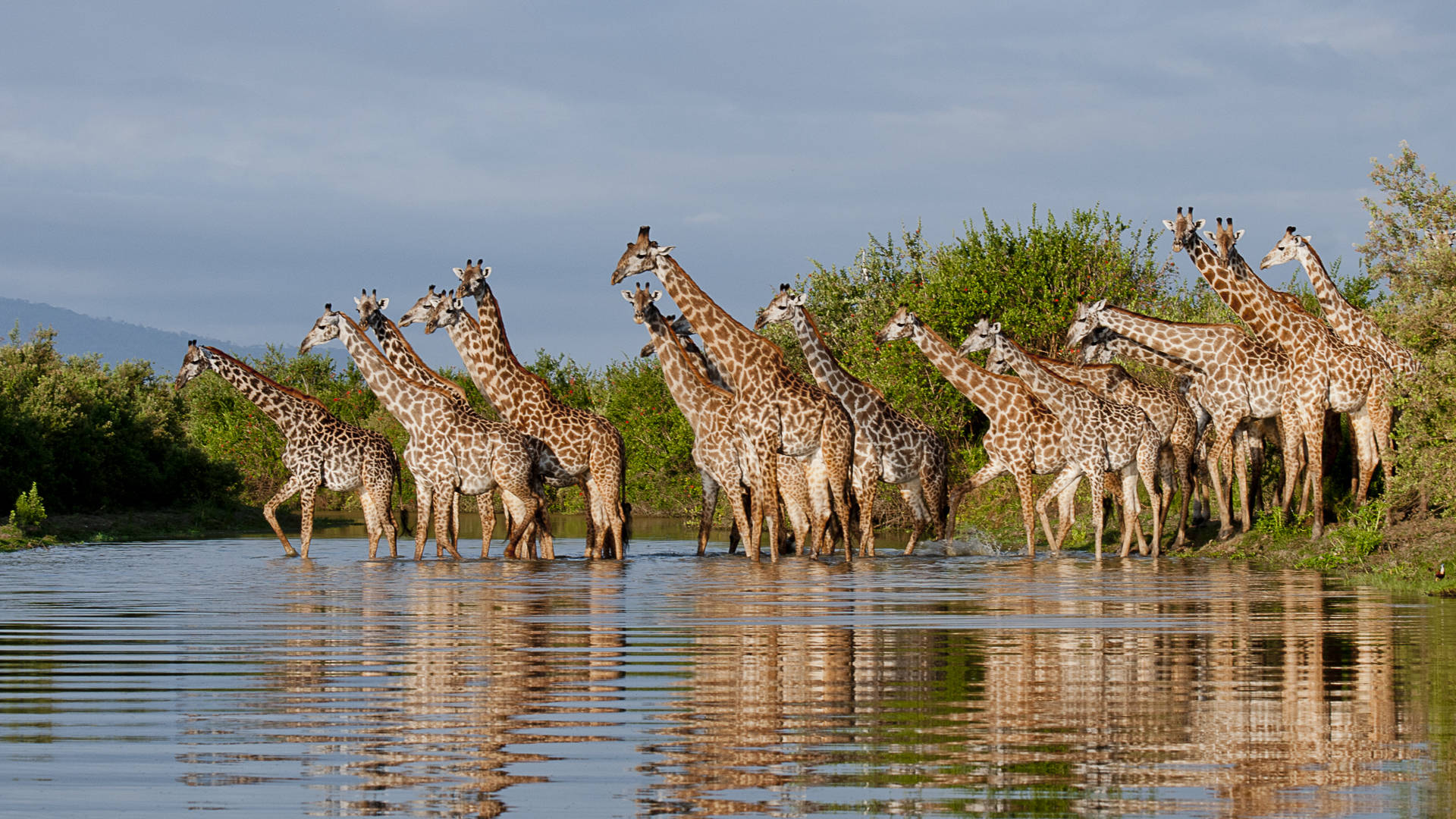
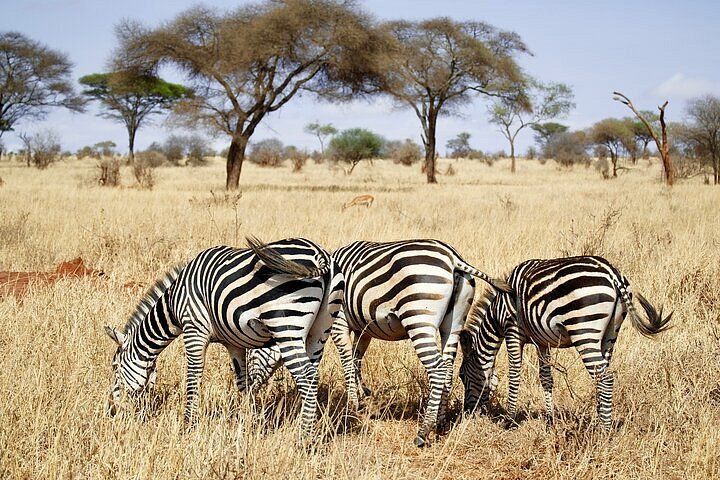
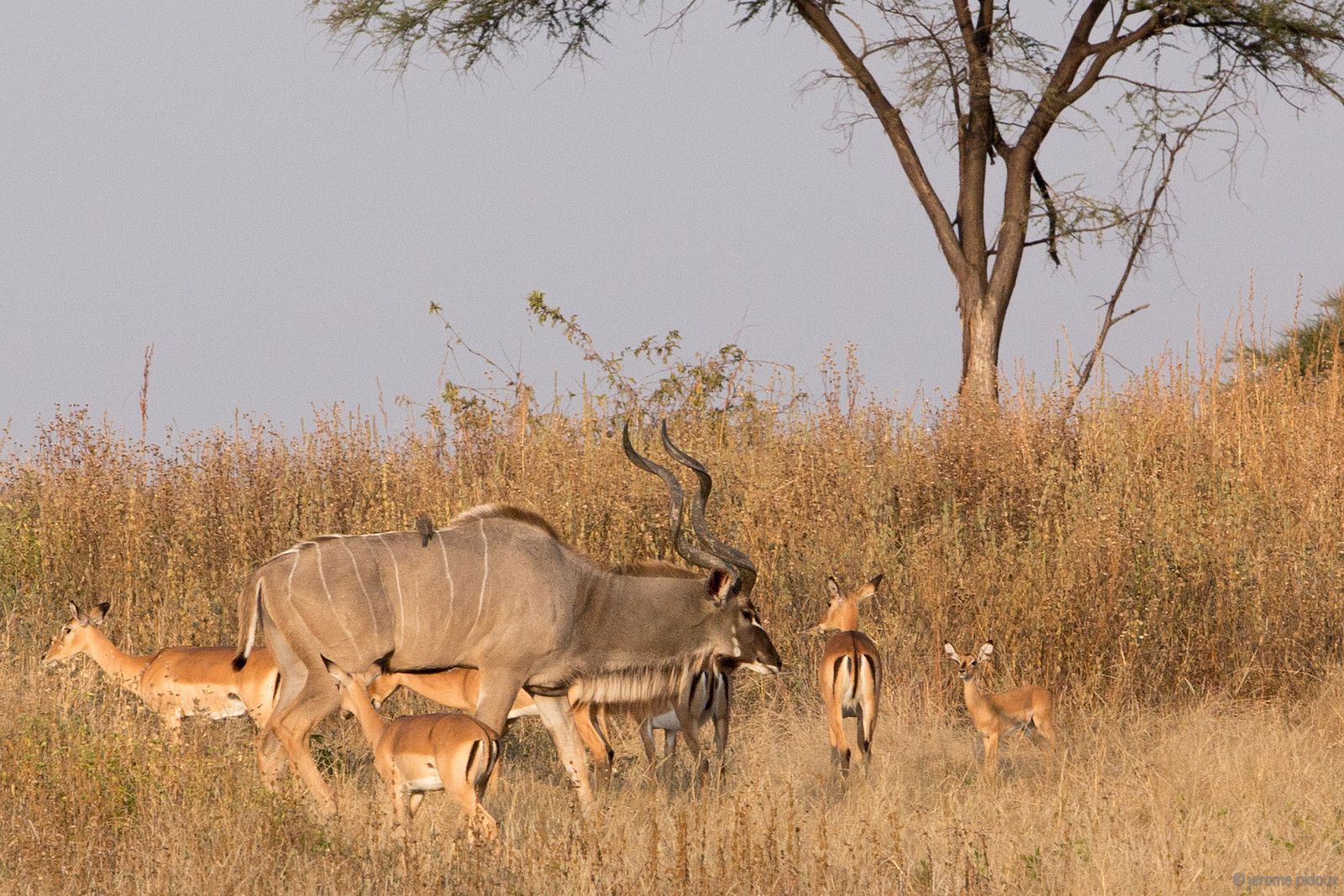
Ruaha holds Tanzania's largest lion population (estimated 10% of the world's remaining lions) and one of Africa's most diverse large mammal communities. African wild dog packs are present and trackable. Elephant herds of 200-300 are common in the dry season along the Great Ruaha River. Leopard, cheetah, spotted hyena, buffalo, giraffe, greater and lesser kudu, roan, sable, eland, Grant's and Thomson's gazelle, impala and zebra are all resident. Over 570 bird species recorded — the highest count in any Tanzania park.
Top activities
Game drives along the Great Ruaha River — the park's wildlife corridor, concentrating elephant, lion, wild dog and predators around permanent water in the dry season. Walking safaris with armed rangers — one of Tanzania's finest walking areas given the open terrain and exceptional guide quality. Night drives from private concession camps outside the national park boundary. Wild dog tracking — dedicated morning tracking sessions from specialist camps. Bird walks along the Ruaha river banks and miombo woodland margins. Fly-camping for adventurous guests.
About Ruaha national park
Ruaha National Park is Tanzania’s largest national park, its most remote major safari destination, and — according to many wildlife biologists — the finest lion habitat on the continent. At 20,226 square kilometres of southern Tanzania’s mixed miombo woodland, riverine forest and open grassland, it holds an estimated 10% of the world’s remaining wild lion population. It also holds Tanzania’s most significant wild dog population, one of Africa’s largest elephant concentrations outside Botswana, and the Great Ruaha River — a broad, hippo-lined waterway that becomes the park’s wildlife spine in the dry season.
Despite all of this, Ruaha receives fewer annual visitors than the Serengeti receives in a busy week. That disparity is its defining characteristic for the traveller who finds it: extraordinary game in conditions of genuine solitude.
Where is Ruaha?
The park is in Tanzania’s Iringa Region of the Southern Highlands, 625 km southwest of Dar es Salaam. The nearest town is Iringa (130 km on a rough road). Access is almost exclusively by light aircraft from Dar es Salaam or Arusha (1.5–2 hours) to one of the park’s two airstrips (Jongomero and Msembe). A 6–8 hour road drive from Dar is possible but challenging; flying is the practical choice.
The lions
Ruaha’s lion population is among the most studied outside the Serengeti. The park’s vast size and prey diversity support prides of exceptional size — groups of 20–30 animals have been recorded, feeding on elephant calves, giraffe, buffalo and hippo alongside the standard antelope prey. The lions are habituated to vehicles, allowing extended, close observation of a quality rarely achievable elsewhere. A full-day game drive along the Ruaha River during dry season can produce multiple independent lion sightings.
African wild dog
Ruaha holds one of Tanzania’s most significant wild dog populations. Several packs range through the park and adjoining conservancies, and during denning season (June–August) the packs are tied to specific den sites — making scheduled tracking sessions very productive. The open plains along the Ruaha River produce spectacular hunting chase sequences in the early morning.
Walking safaris
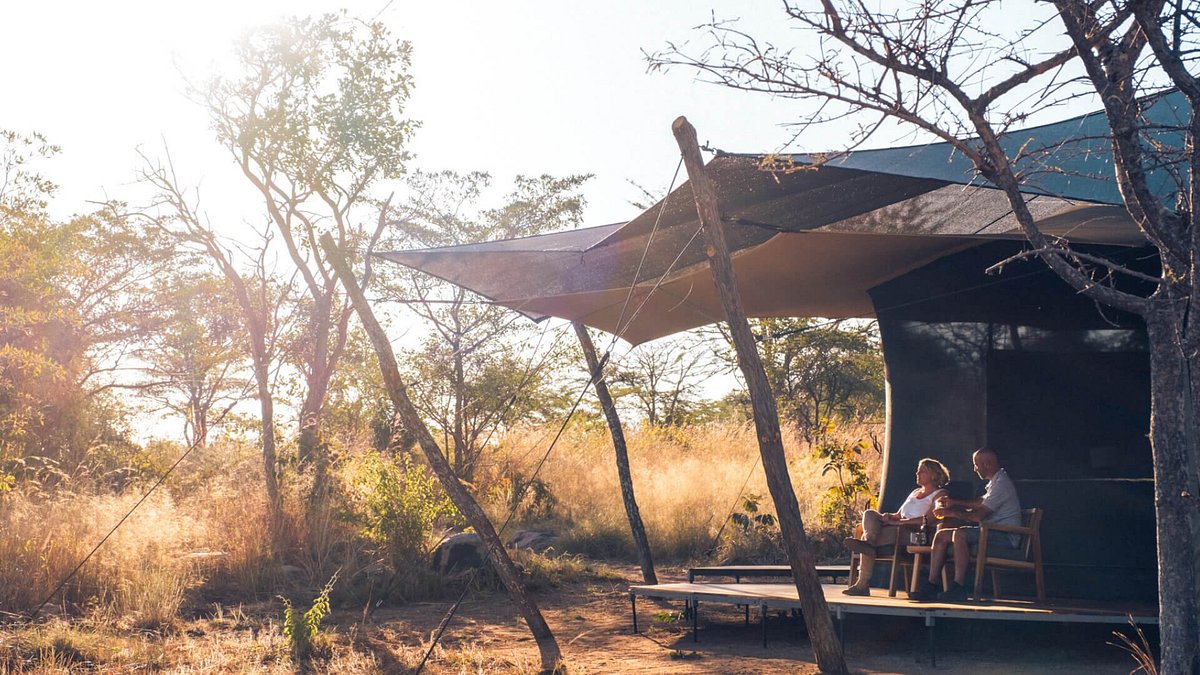
Ruaha’s landscape — riverine termite mounds, open seasonally flooded grassland, sparse miombo forest — is ideal for walking safaris. The tracking is excellent (spoor shows clearly on dust and soft sand), the game is abundant and the guides are among Tanzania’s most experienced. Several camps offer multi-day fly-camping programmes — sleeping in lightweight tents in the bush, walking between camps over 2–3 days.
Combine Ruaha with…
- Nyerere National Park — the classic Southern Circuit: fly between the two for a complete southern Tanzania safari.
- Zanzibar — fly Ruaha to Dar, then Dar to Zanzibar for the beach finale.
- Katavi — the remote western Tanzania safari for a complete Southern and Western circuit.
Frequently asked questions about Ruaha
Is Ruaha better than the Serengeti?
For lions, walking safaris and solitude: many experienced safari travellers say yes. For the Great Migration and open plain wildlife spectacle: the Serengeti is unmatched. The two parks are completely different in character — most serious safari travellers eventually visit both.
How do you get to Ruaha?
Almost exclusively by light aircraft from Dar es Salaam or Arusha. Road transfer is possible but takes 6–8 hours on challenging roads and is only practical for very adventurous self-drivers.
Is Ruaha good for first-time safari travellers?
Yes, particularly for those seeking an exclusive experience without crowds. The game viewing quality is exceptional and the camps are excellent. However, the remoteness and lack of big-name recognition mean it suits confident travellers more than those who need reassurance from a famous brand.
Want to visit Ruaha national park?
Get a free custom safari plan within 24 hours.
Ruaha national park safari tours

9-Day Grand Tanzania Photographic Safari - Tarangire, Serengeti, Ngorongoro & Ruaha
Want to visit Ruaha national park?
Get a free custom safari plan within 24 hours.
Best time to visit Ruaha National Park
June to October — Dry season (best game viewing)
The dry season is unambiguously the best window for Ruaha. As surrounding water sources dry up, wildlife concentrates along the Great Ruaha River — creating concentrations of elephant, buffalo, hippo, lion and wild dog that rival anywhere in Africa for intensity. The vegetation is shorter, improving visibility. Walking safaris are most productive on dry ground. Wild dog denning (June–August) makes packs most reliably trackable. Temperatures are hot (30–38°C) but the wildlife rewards are exceptional.
November to January — Green season (birding, calving)
The short rains bring the park back to vivid green. Migratory birds arrive in November, pushing the species count toward its annual maximum. Wildebeest and impala drop calves, bringing predator activity. Most camps remain open. Game is more dispersed but the landscape is at its most beautiful.
February to May — Long rains (some camps close)
Heavy rains make some tracks impassable. Several camps close between March and May. A few remain open for birding-focused guests. The river runs at its highest and the park is dramatically green.
Bottom line: June to October without question. Wild dog June–August. Peak dry-season concentration September–October.