Quick facts
Wildlife
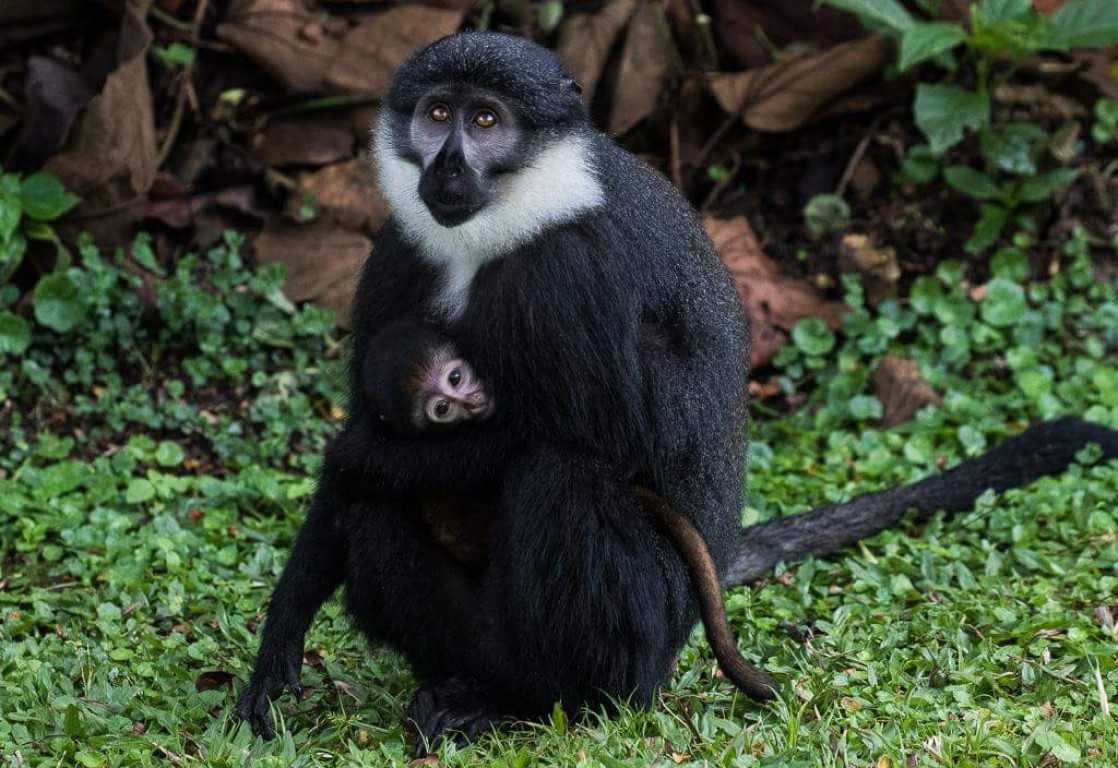
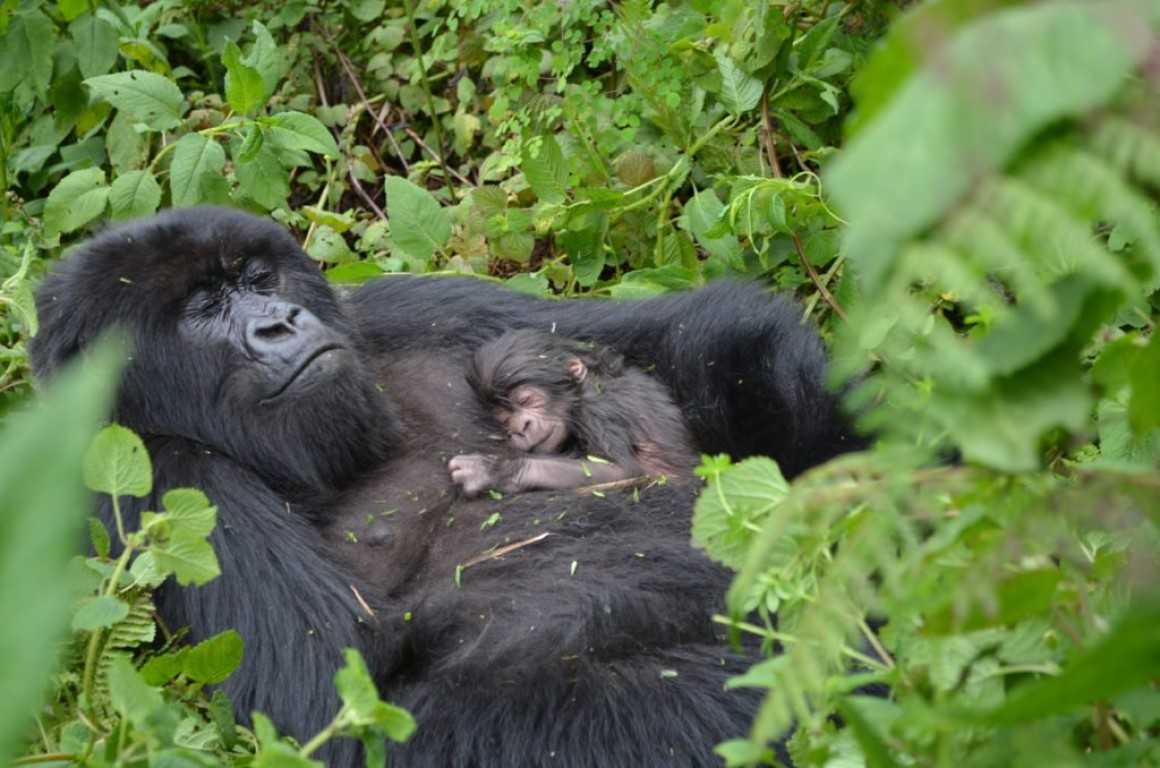
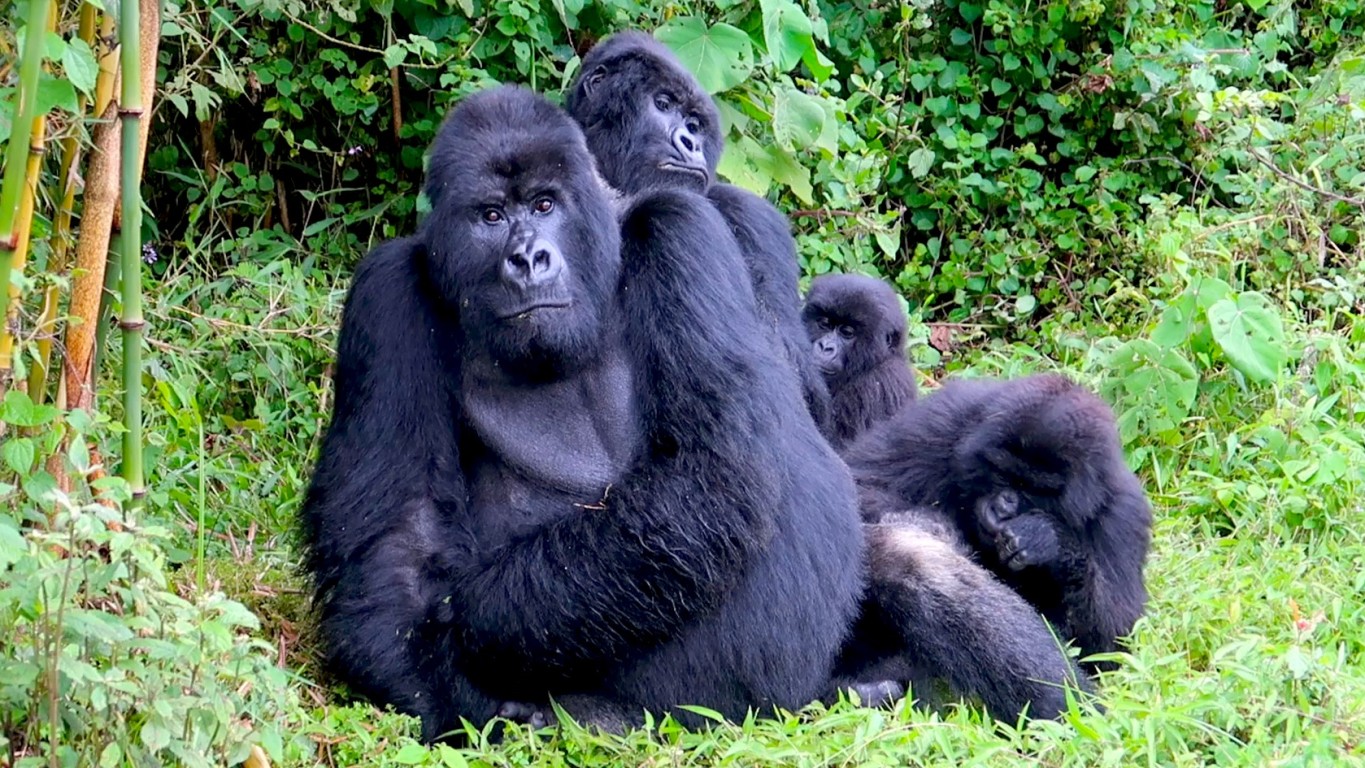
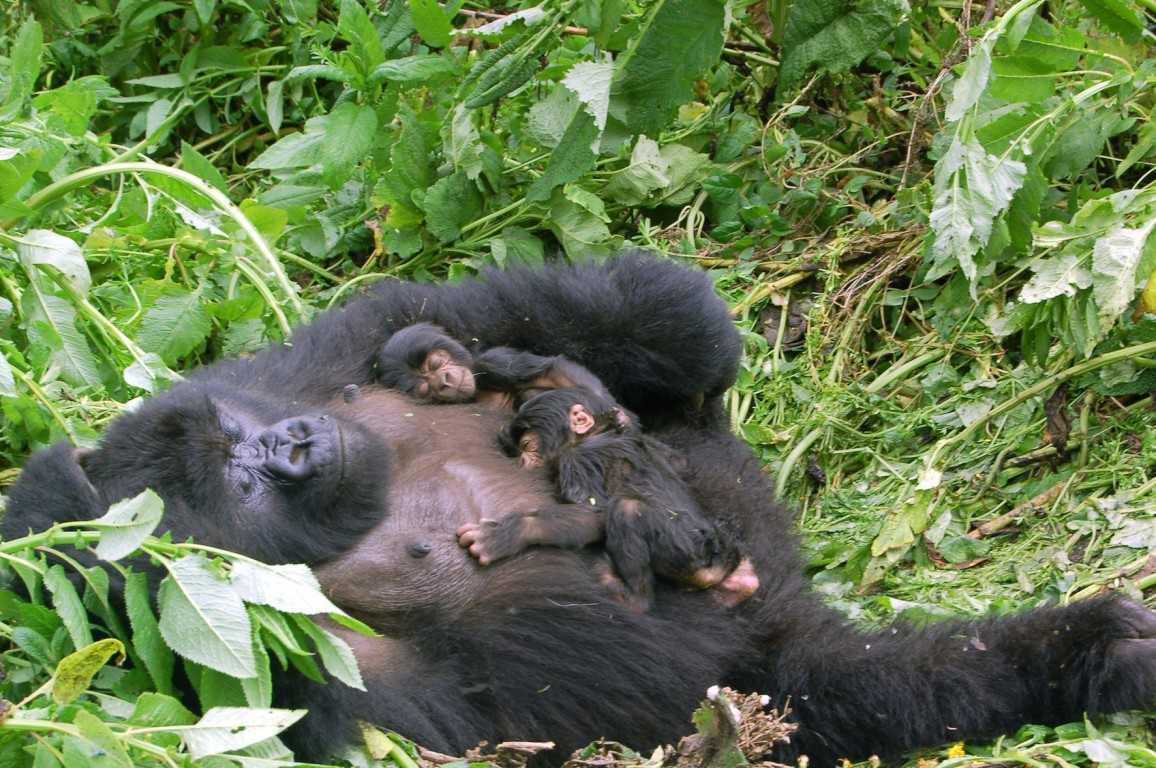
Bwindi holds over 400 mountain gorillas — more than half the world's remaining wild population — across four habituated sectors. 10 gorilla families are open for trekking. The forest also holds chimpanzee, L'Hoest's monkey, red-tailed monkey, black-and-white colobus, African golden cat and forest elephant. Over 350 bird species including 23 Albertine Rift endemics — Bwindi is one of Uganda's premier birding destinations alongside gorilla trekking. The surrounding Bwindi ecosystem holds giant forest hog, African buffalo and forest leopard.
Top activities
Gorilla trekking — permits from four sectors (Buhoma, Ruhija, Rushaga and Nkuringo), each with different habituated families and terrain. Gorilla habituation experience (GHEX) — spend 4 hours (vs 1 hour standard) with a semi-habituated gorilla group in the process of becoming accustomed to human presence. Birding walks targeting Albertine Rift endemics including African green broadbill, Grauer's warbler and short-tailed warbler. Batwa cultural experience — the indigenous Batwa forest people lead visitors through the forest sharing their traditional knowledge. Community walks around Buhoma village. Waterfall hike to the Munyaga River falls.
About Bwindi Impenetrable Forests National Park
The name is not an exaggeration. Bwindi Impenetrable Forest is genuinely impenetrable in the sense that matters: dense, steep, tangled montane rainforest on the edge of the Albertine Rift, ancient enough (25,000+ years) that it survived the ice ages that eliminated similar habitat across central Africa, and complex enough in its ecology that it hosts more plant and animal species than any other area of comparable size in East Africa.
Bwindi holds more than half the world’s mountain gorillas — over 400 individuals across a forest of 331 square kilometres in southwestern Uganda. Ten gorilla families are habituated for trekking, spread across four sectors. The gorilla encounter that results from these treks — one hour with a family in the wild forest, no fences, no performance, just primates living their lives while you observe with an awe that most people describe as the most significant wildlife experience of their lives — is why Uganda’s tourism industry exists.
Where is Bwindi?
The park is in southwestern Uganda, in the Kigezi highlands near the borders with Rwanda and the DRC. The nearest town is Kabale, about 2 hours by road from the Buhoma sector main gate. From Kampala: approximately 8–9 hours by road, or 1 hour by charter flight to one of several airstrips (Kihihi, Kisoro) near the park.
The four sectors
Choosing the right sector is the most important Bwindi planning decision:
- Buhoma (north) — the original and most established sector; most accommodation, easiest access from Kampala. Three habituated families.
- Ruhija (east) — at the highest elevation (2,350 m), best for Albertine Rift birding alongside gorilla trekking. Two families. Fewer lodges.
- Rushaga (south) — the most families (six) and the Gorilla Habituation Experience (GHEX) which gives 4 hours rather than 1. Most options for gorilla activity.
- Nkuringo (southwest) — the most remote sector, with spectacular Rift Valley views and the most challenging terrain. Two families. Often combined with Rwanda for a cross-border itinerary.
The gorilla habituation experience
Available only in Rushaga sector, the Gorilla Habituation Experience (GHEX) places you with a gorilla family that is still in the process of becoming habituated to human presence — a multi-year process during which the family gradually becomes relaxed around observers. You spend 4 hours with the group (vs 1 hour on a standard trek), observing the habituation researchers at work alongside the gorillas. It is more demanding, more unpredictable and potentially more extraordinary than a standard trek.
Bwindi vs Rwanda: the choice
Both countries offer outstanding gorilla trekking. The practical differences:
- Cost: Uganda permits are ~USD 700 vs Rwanda’s USD 1,500.
- Availability: Uganda has more permits (10 families across 4 sectors vs Rwanda’s 10 families in one area).
- Infrastructure: Rwanda’s camps are generally more polished; Uganda’s vary more widely.
- Terrain: Bwindi’s forest is denser and steeper; Rwanda’s Virunga approaches are somewhat more varied.
Combine Bwindi with…
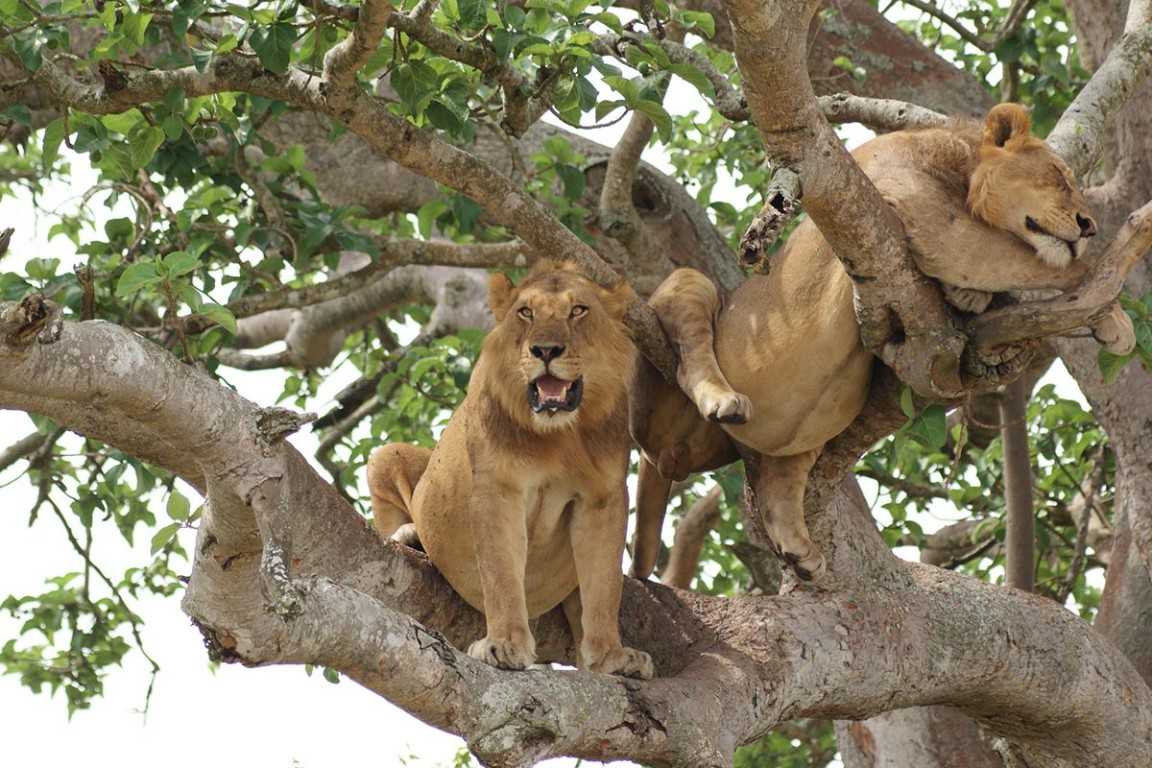
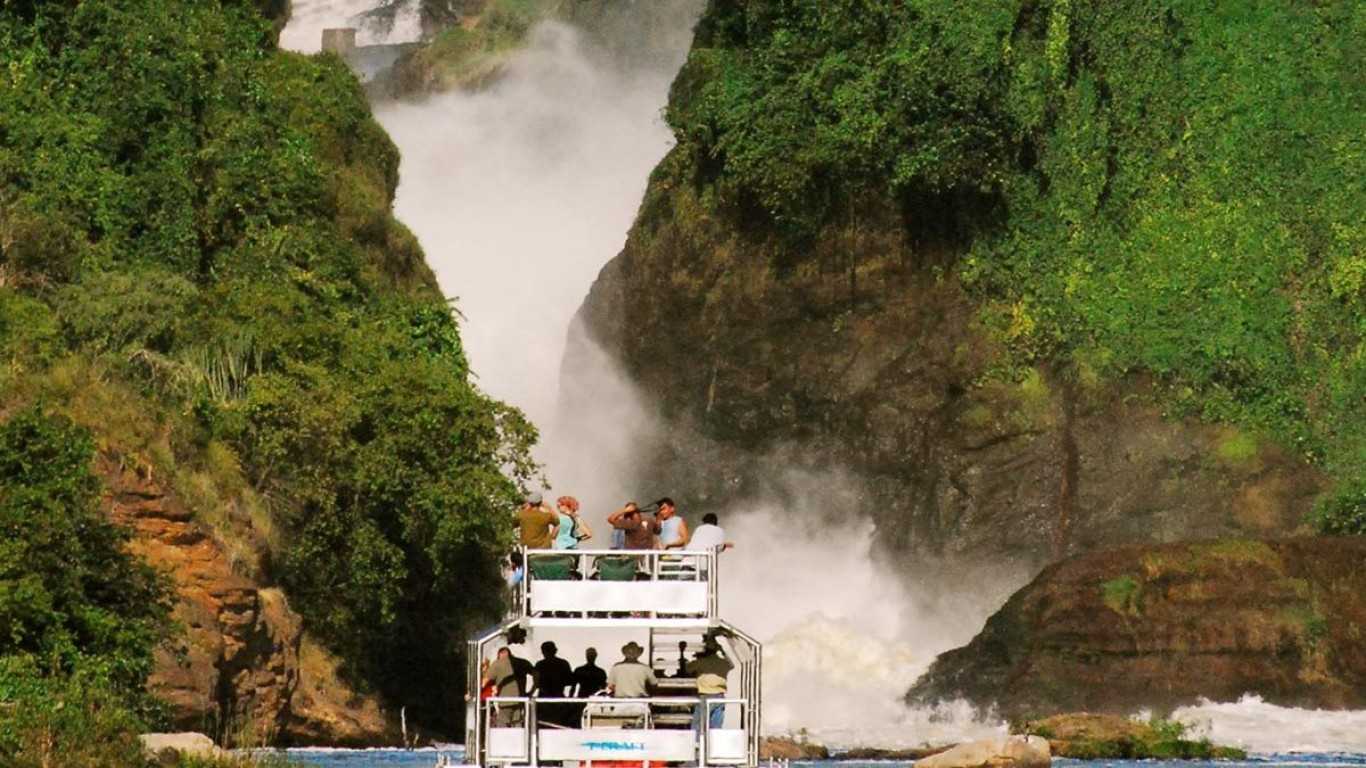
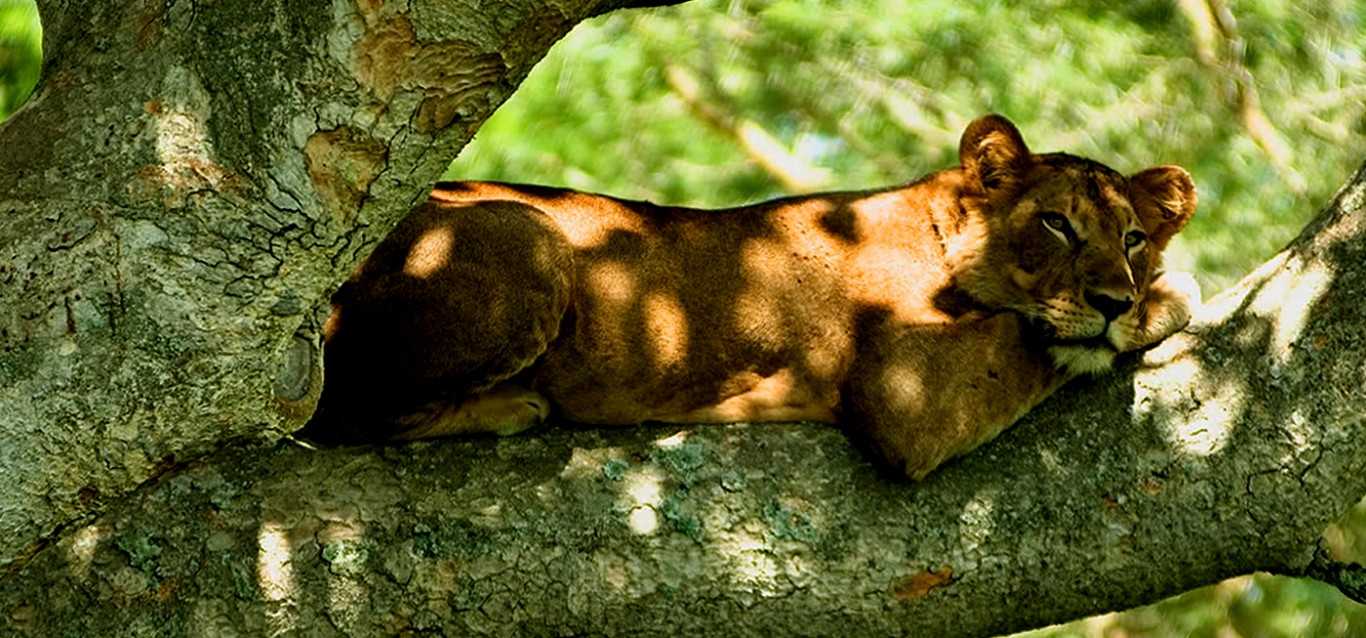
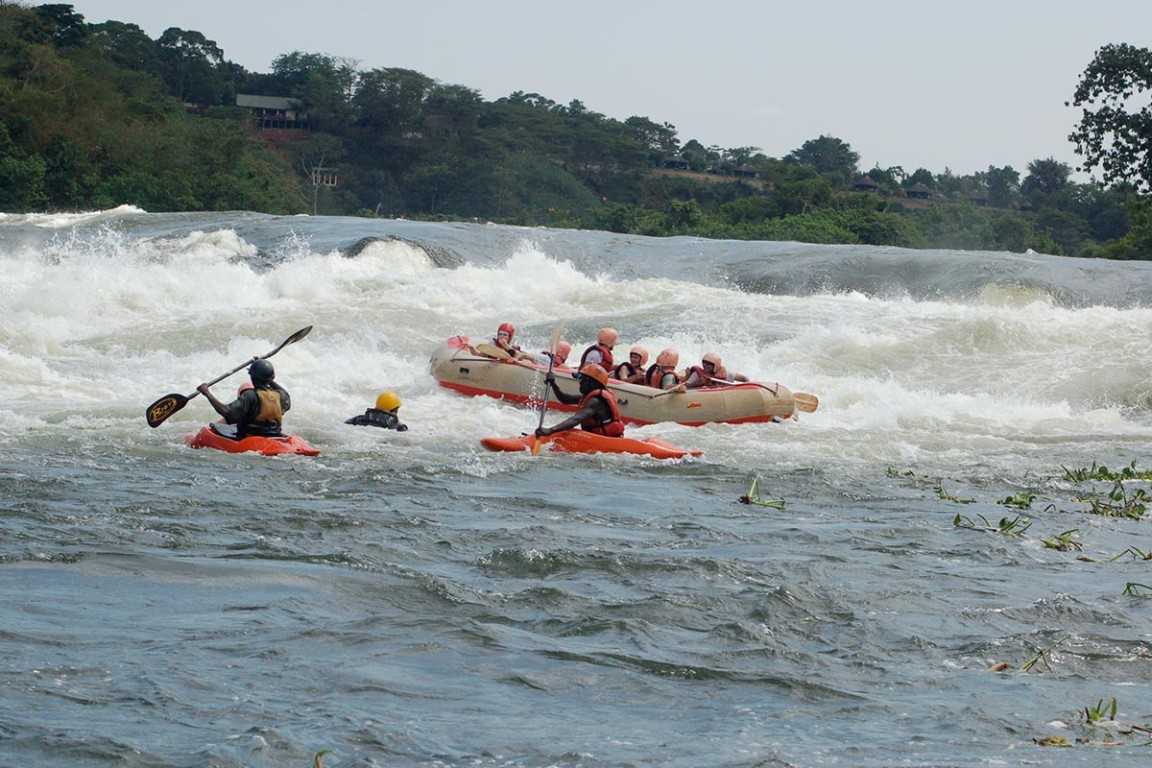
- Queen Elizabeth National Park — tree-climbing lions and Kazinga Channel boat safari, 3 hours north.
- Kibale Forest — chimpanzee trekking for the Great Apes circuit.
- Volcanoes National Park Rwanda — cross the border from Nkuringo sector for a Uganda–Rwanda gorilla circuit.
Frequently asked questions about Bwindi
How difficult is gorilla trekking at Bwindi?
Moderate to very strenuous depending on sector and where the gorilla family has moved. Buhoma is generally considered the easiest; Nkuringo the hardest. The forest is steep, dense and untracked — you push through undergrowth without a path.
What is the difference between Bwindi and Mgahinga?
Mgahinga Gorilla National Park (also in southwestern Uganda) has only one habituated gorilla family and is a much smaller park (33 sq km). Bwindi has 10 habituated families and vastly more biodiversity. Most visitors choose Bwindi.
How old do you need to be for gorilla trekking?
Minimum age is 15 in Uganda. Note this is higher than Rwanda’s minimum of 12 — relevant for families with teenagers.
Want to visit Bwindi Impenetrable Forests National Park?
Get a free custom safari plan within 24 hours.
Bwindi Impenetrable Forests National Park safari tours


Want to visit Bwindi Impenetrable Forests National Park?
Get a free custom safari plan within 24 hours.
Best time to visit Bwindi
June to August — Long dry season (best trekking conditions)
The primary trekking season. Trails in the dense impenetrable forest are at their least muddy and most navigable. Trek duration is generally shorter as gorilla families tend toward lower elevations in dry conditions. Permits sell out many months ahead — book 6–12 months in advance for July and August.
December to February — Short dry season (excellent, fewer tourists)
A strong second window with good trail conditions and significantly easier permit access than the June–August peak. Christmas and New Year see a spike in demand; January and February are excellent value with high permit availability.
March to May — Long rains (muddy but available)
The forest is extraordinarily lush and gorillas are present regardless of rain — they are rain forest animals. Trails are steep and muddy; gaiters and trekking poles are essential. Permits are easiest to obtain and lodge rates drop significantly. An excellent low-season value window for fit, adaptable travellers.
September to November — Short rains (transitional, manageable)
Brief rains, moderate trail conditions. A transitional window that offers reasonable permit availability and lodge rates between the two dry-season peaks.
Bottom line: June–August and December–February for the finest trekking conditions. Gorilla encounters are extraordinary in any season.
Where to stay in Bwindi Impenetrable Forests National Park
We'll recommend accommodation across all budget levels based on your dates and preferences.
Plan My Trip Browse All LodgesWant to visit Bwindi Impenetrable Forests National Park?
Get a free custom safari plan within 24 hours.