Quick facts
Wildlife
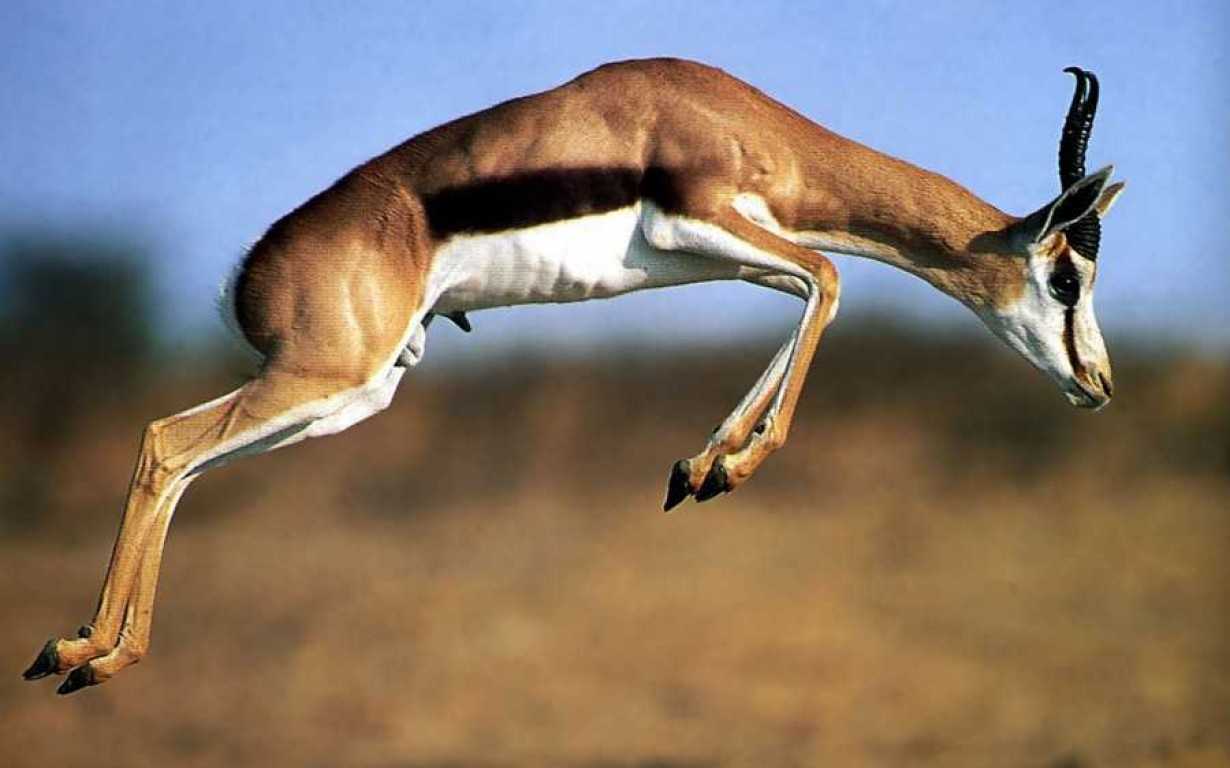
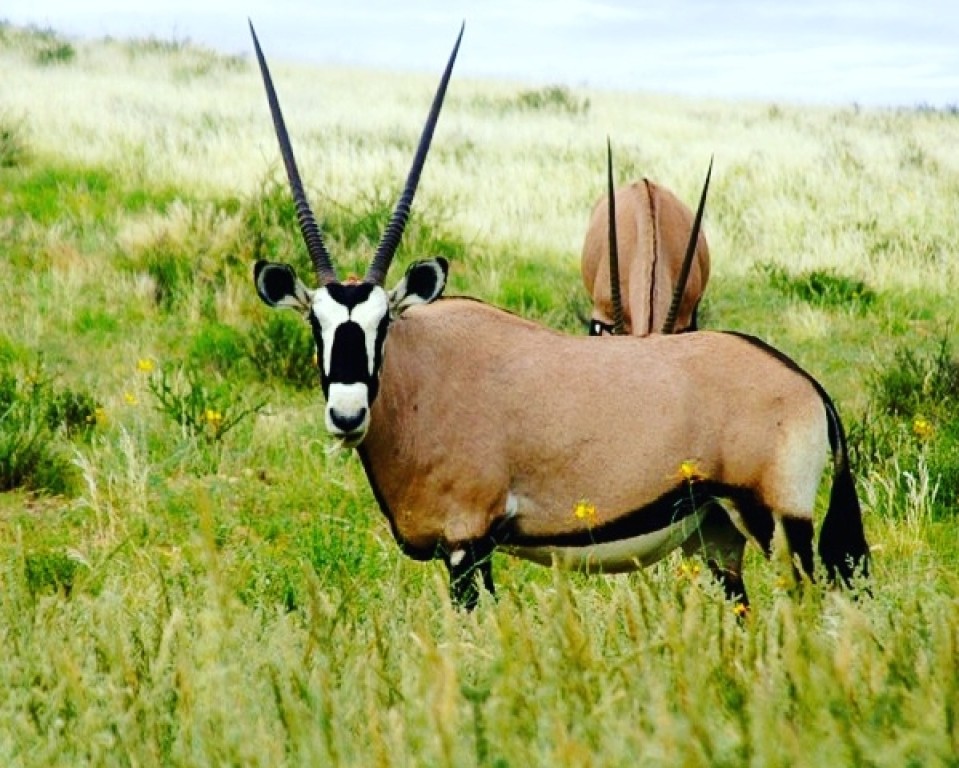
Mkomazi is one of only two places in Tanzania where black rhino can be seen (inside a fenced sanctuary). A significant African wild dog population is resident, with packs regularly encountered. The park's dry-country habitats support gerenuk, lesser kudu, fringe-eared oryx, klipspringer, Grant's gazelle, elephant, lion and cheetah. It is also home to one of the region's most important grevy's zebra populations. Over 400 bird species, with excellent raptor watching.
Top activities
Game drives through Tsavo-like dry savanna and acacia bush. Guided walks to the Black Rhino Sanctuary observation point. Wild dog tracking with rangers — one of the more reliable packs in northern Tanzania. Birdwatching with a focus on dry-country raptors and the Pangani River corridor. Evening sundowner drives near the Umba River. Photography of the dramatic Kilimanjaro and Pare Mountain backdrops on clear mornings.
About Mkomazi National Park
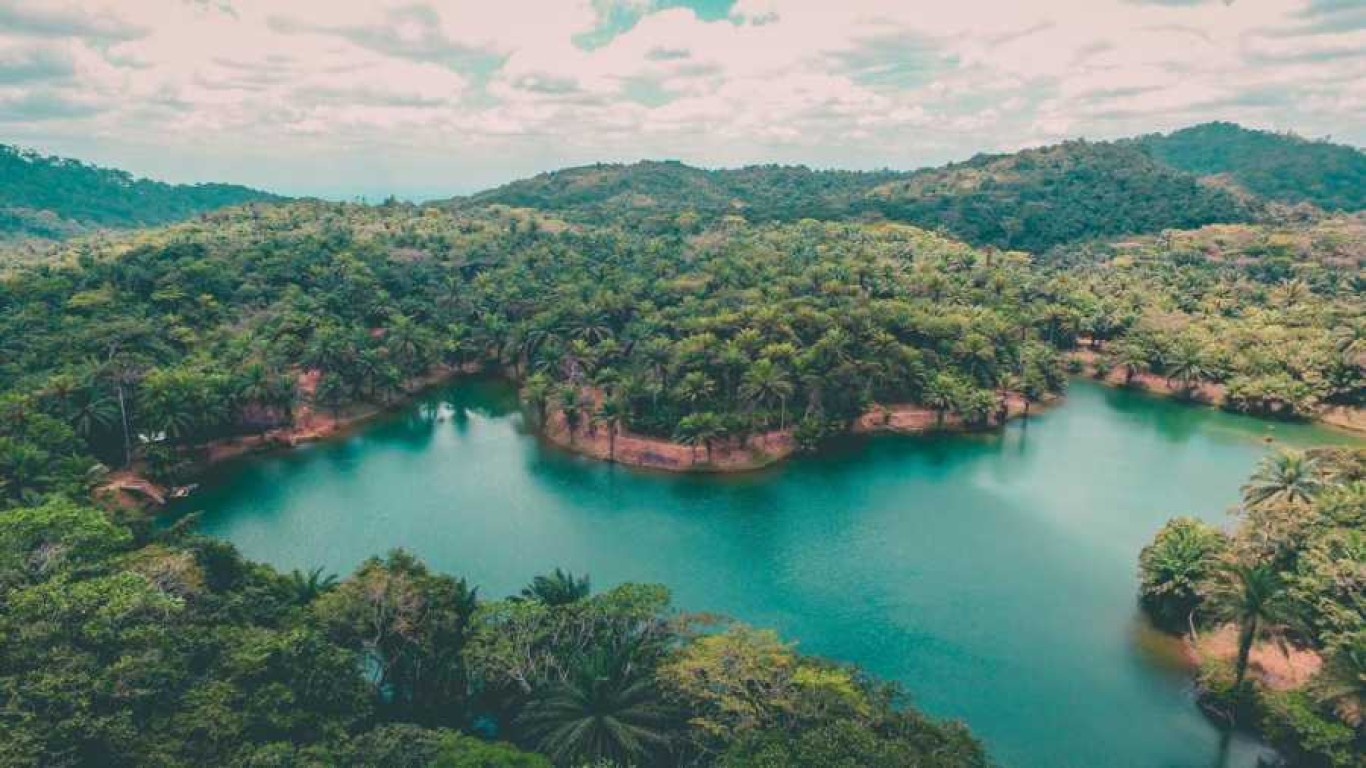
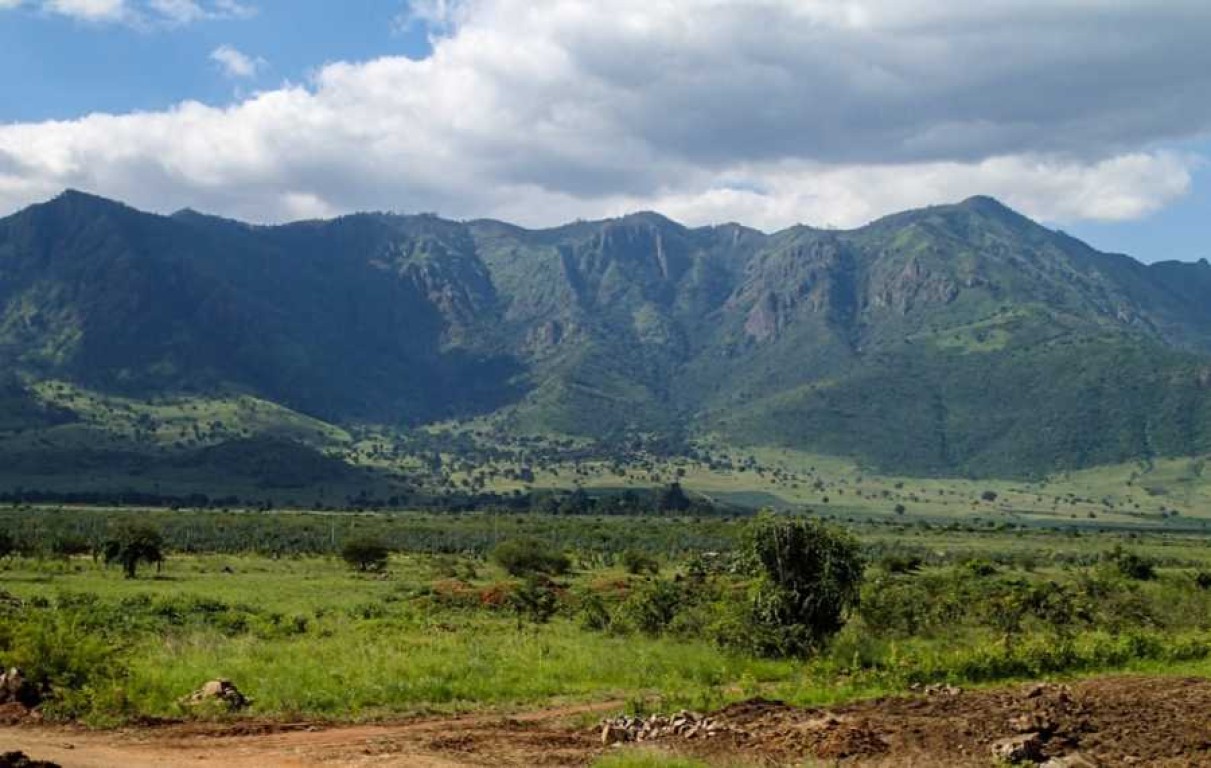
Drive north from Moshi toward the Kenyan border and the landscape shifts: the green coffee and banana slopes of Kilimanjaro’s foothills give way to dry acacia scrub, red dust roads and a wide, open sky. This is Mkomazi National Park — an arid, Tsavo-like wilderness that shares its northern boundary with Kenya’s famous Tsavo East National Park and forms a continuous ecosystem across the border.
Mkomazi is Tanzania’s least-visited major park, and that anonymity is part of its appeal. The 3,234-square-kilometre park offers something genuinely rare: a quality safari experience with almost no other vehicles. But Mkomazi also has a conservation story that goes beyond scenery — it is home to Tanzania’s only viable black rhino sanctuary and one of the most successful African wild dog reintroduction programmes on the continent.
Where is Mkomazi?
The park sits in Tanzania’s Kilimanjaro Region, bordering Kenya’s Tsavo East to the north. The main gate at Same is approximately 110 km from Moshi and 140 km from Kilimanjaro International Airport. There is an airstrip inside the park for fly-in visitors.
The Black Rhino Sanctuary
The centerpiece of Mkomazi’s conservation work is the Black Rhino Sanctuary, managed in partnership with the George Adamson Wildlife Preservation Trust. A small but precious population of eastern black rhino was reintroduced here in the 1990s within a 57 km² fenced enclosure. Today the population has grown and the programme is considered a model for east African rhino conservation.
Guided visits to the sanctuary’s observation points can be arranged through the park authority. Sightings are not guaranteed — the enclosure is large and the rhino are genuinely wild — but the experience of standing in black rhino habitat with local rangers who know each animal individually is extraordinary.
African wild dogs
Mkomazi holds one of the more established African wild dog populations in northern Tanzania. The park was part of an early wild dog reintroduction programme, and several packs now range across the park and into the Tsavo ecosystem across the border. During denning season (roughly June–August), packs are relatively sedentary and sightings probability rises significantly.
Dry-country wildlife
The semi-arid savanna supports species adapted to harsh conditions that are absent or rare in Tanzania’s other northern parks:
- Gerenuk — the long-necked antelope that stands on its hind legs to browse, absent from the Serengeti but common in Mkomazi.
- Fringe-eared oryx — Mkomazi’s dry plains are ideal oryx territory.
- Lesser kudu — the dense acacia thickets conceal this beautiful spiral-horned antelope.
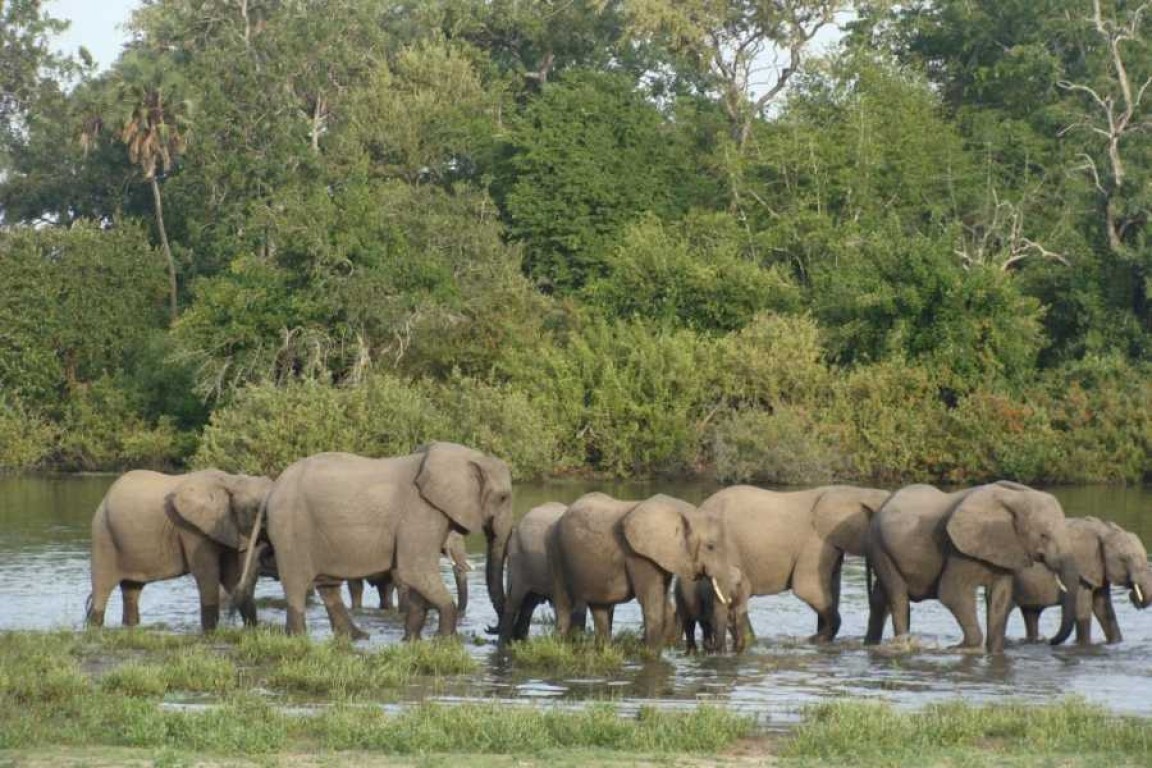
- Elephant — the Mkomazi-Tsavo population moves freely across the border; large bulls are regularly seen at waterholes.
- Cheetah and lion — both are present, though sightings require patience in the dense bush.
Combine Mkomazi with…
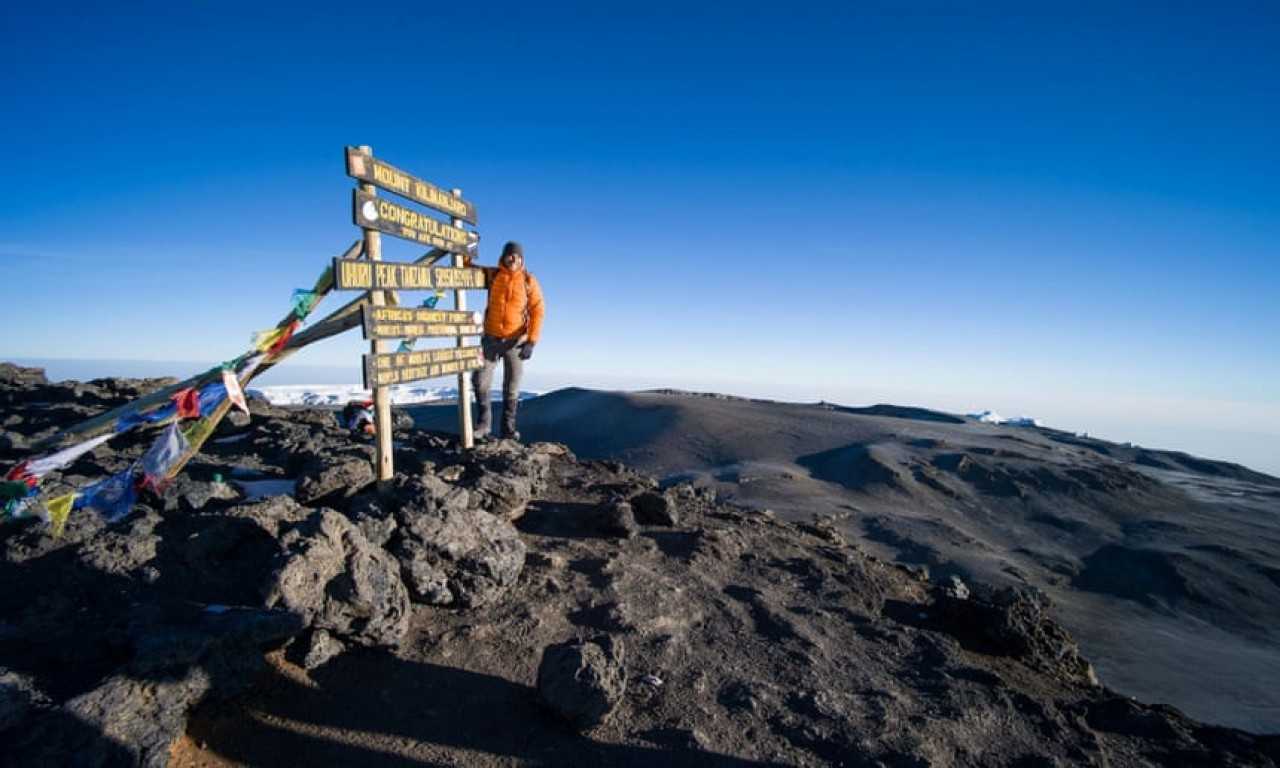
- Mount Kilimanjaro — the classic combination: climb Kili, recover in Moshi, day-trip to Mkomazi for wildlife.
- Arusha National Park — combine for a two-park day out from Moshi.
- Pare Mountains — a cultural hiking add-on to the south.
- Usambara Mountains — the full northeastern Tanzania circuit.
Frequently asked questions about Mkomazi
Is Mkomazi National Park worth visiting?
For travellers wanting solitude, rhino sightings or wild dog encounters away from the Northern Circuit crowds, yes — it is one of Tanzania’s most rewarding under-the-radar parks. Not a substitute for the Serengeti, but an excellent complement.
How do I get to Mkomazi?
By road from Moshi (110 km, about 2 hours) or from Kilimanjaro International Airport (140 km, about 2.5 hours). The park also has an airstrip for fly-in visitors.
Can I see rhinos at Mkomazi?
The sanctuary is open for guided visits during the dry season (typically June–October). Sightings are possible but not guaranteed. Book through the TANAPA-authorised park management team.
Is Mkomazi a day-trip destination?
Yes — from Moshi or Arusha it can be done as a long day. One overnight is better and allows for an evening and morning game drive that dramatically improves wildlife sightings.
Does Mkomazi share wildlife with Kenya’s Tsavo?
Yes — the border is unfenced (except the rhino sanctuary), and elephant, lion, wild dog and other species move freely between Mkomazi and Tsavo East. It is genuinely one ecosystem divided by a political line.
Want to visit Mkomazi National Park?
Get a free custom safari plan within 24 hours.
Mkomazi National Park safari tours
Want to visit Mkomazi National Park?
Get a free custom safari plan within 24 hours.
Best time to visit Mkomazi National Park
June to October — Dry season (best game viewing and rhino visits)
The dry season is dramatically evident in Mkomazi — a park that is already semi-arid receives almost no rain from June to October. Wildlife concentrates around the remaining water sources, making game drives on the Umba and Ruvu rivers more productive. The Black Rhino Sanctuary operates visits during this window. Wild dog packs den in fixed locations in June and July, making pup sightings possible. Clear skies give the best views of Kilimanjaro to the southeast.
November to December — Short rains
Brief rains green the acacia scrub and trigger the arrival of migratory birds. Wildlife is more dispersed but predator activity picks up as prey is more mobile. A beautiful, quiet period.
January to March — Warm dry period
A second dry window before the long rains. Good game viewing, particularly along the Pangani River corridor. Kilimanjaro views are often clearest in January. The park sees very few visitors in this period.
April to May — Long rains
Heavy rain across the region. Some park tracks become impassable. The Black Rhino Sanctuary access road can close. Most visitors should avoid this window for practical game viewing, though the landscape is extraordinarily green.
Bottom line: June to October is the clear window of choice. January to March is a quiet but rewarding alternative. Avoid April and May unless specifically interested in birdwatching in the rain.
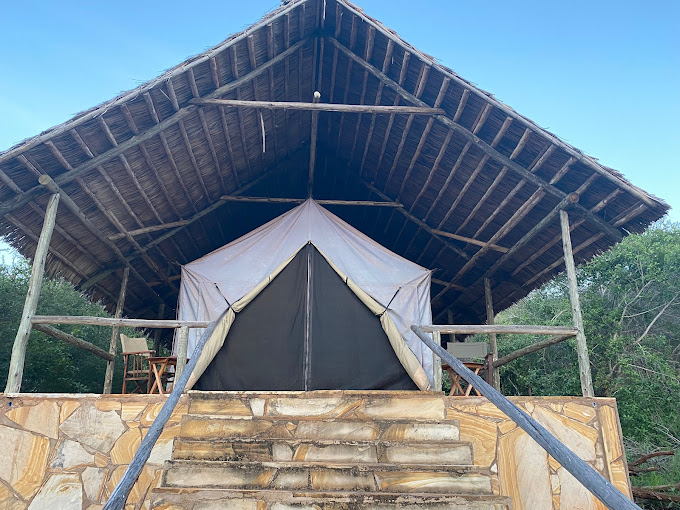
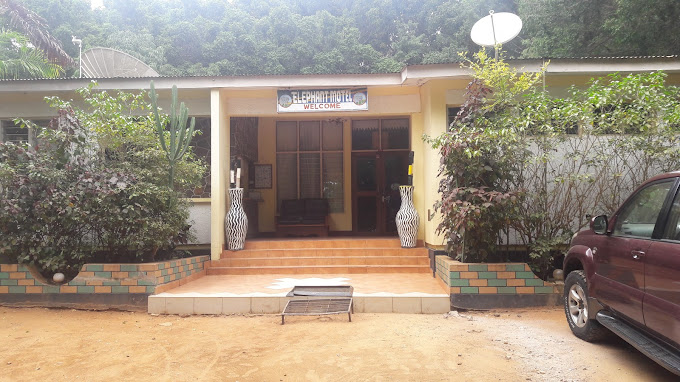
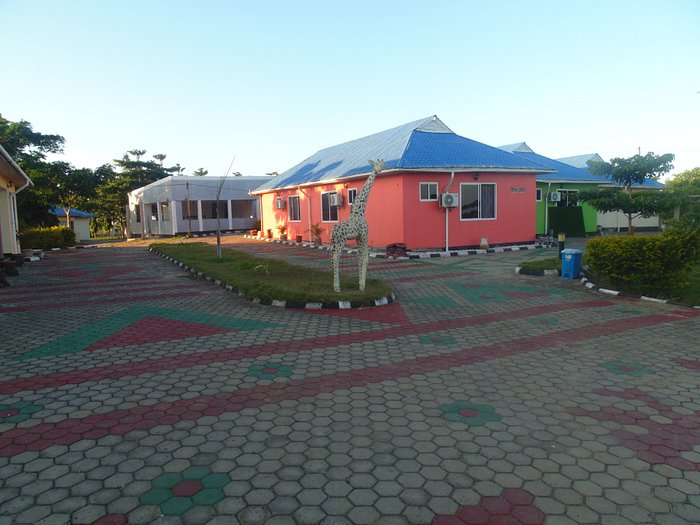
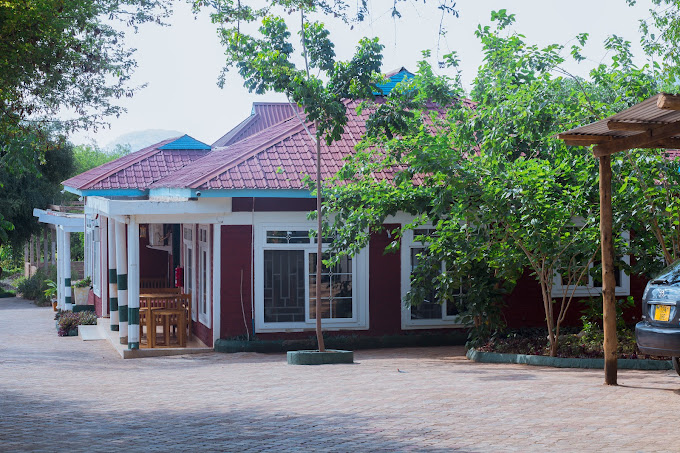
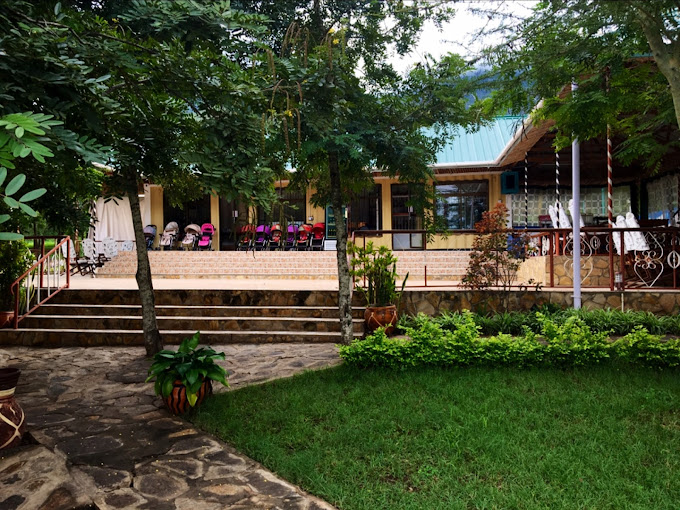
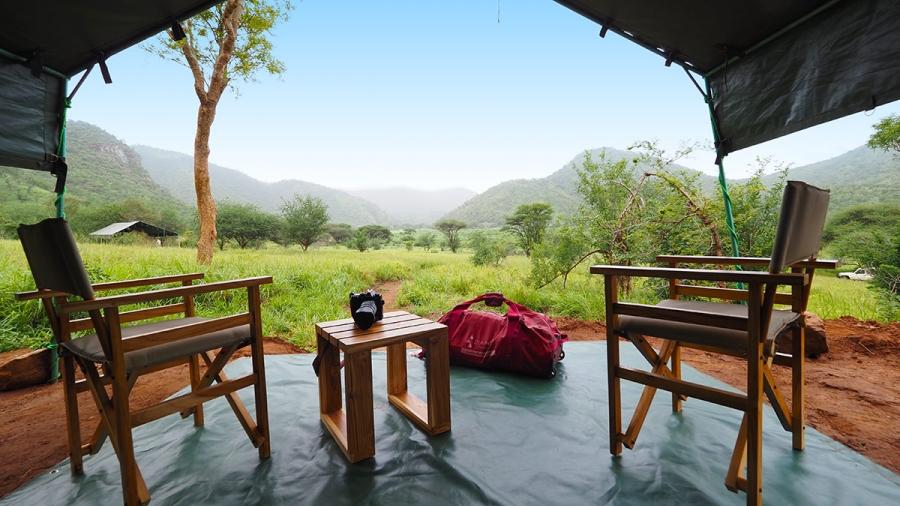
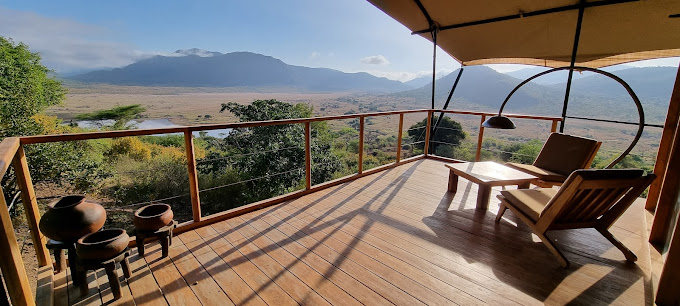
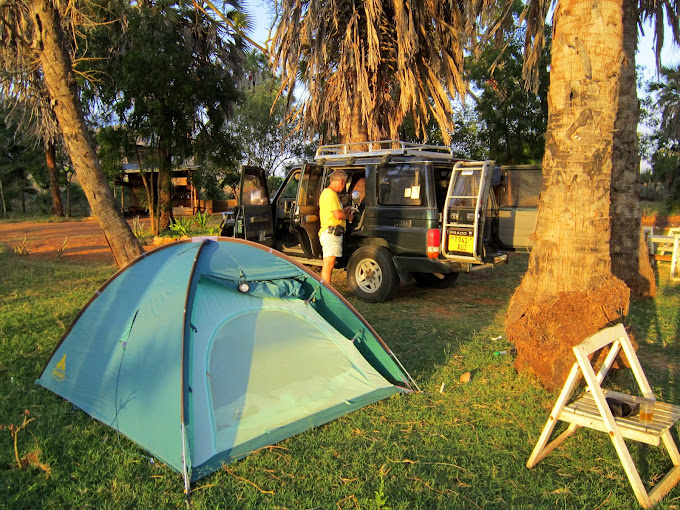
Where to stay in Mkomazi National Park
Want to visit Mkomazi National Park?
Get a free custom safari plan within 24 hours.
Nearby destinations
 Tanzania
 Tanzania
 Tanzania
 Tanzania