Quick facts
Wildlife
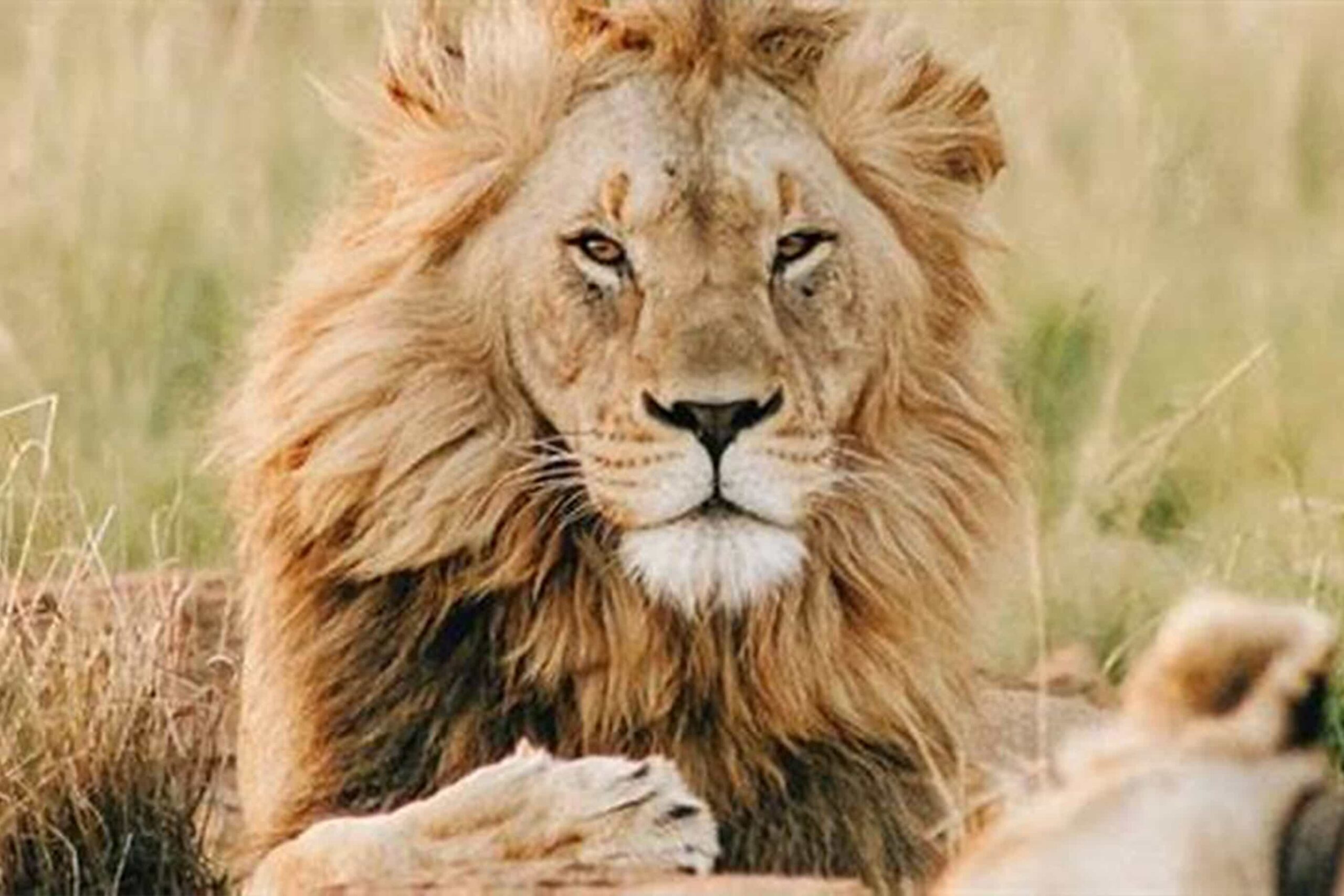
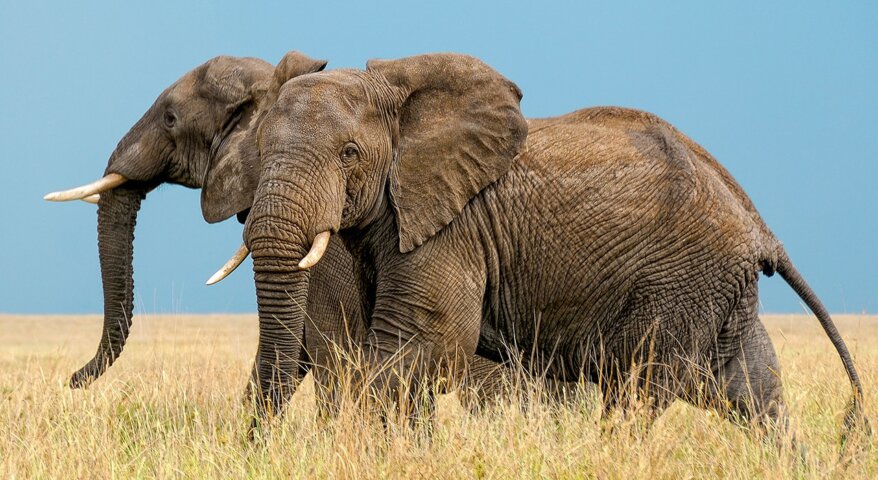
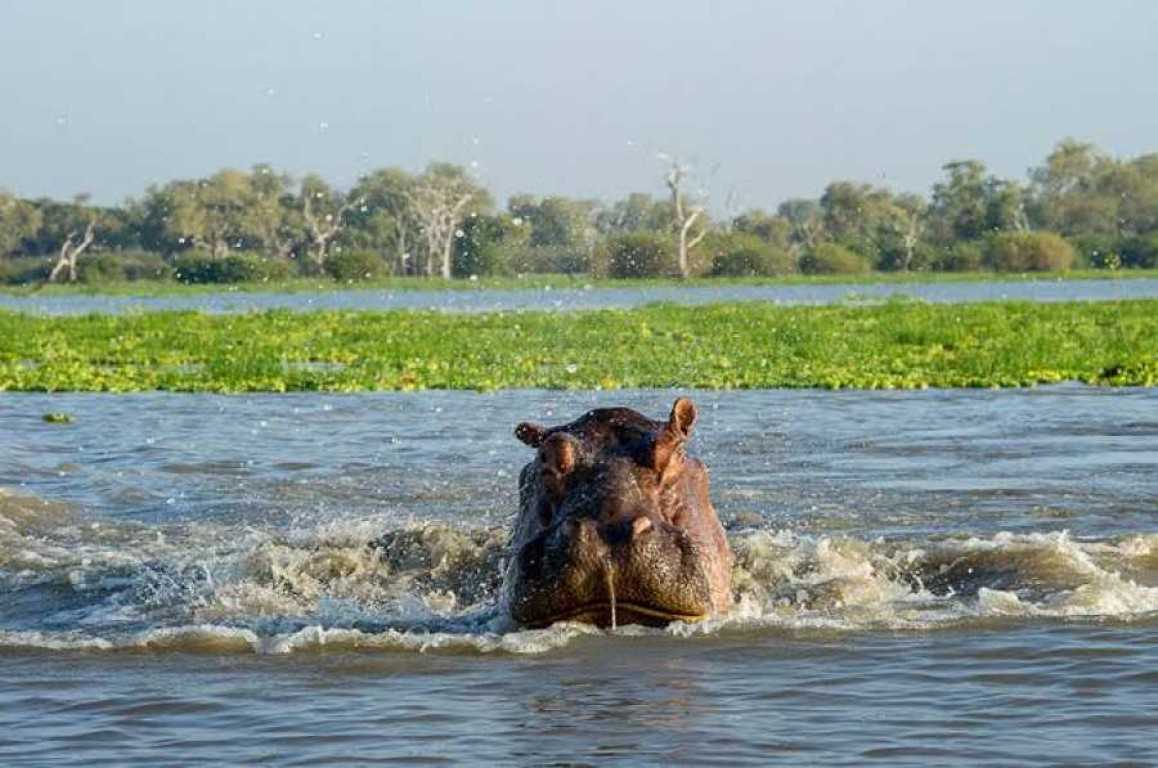
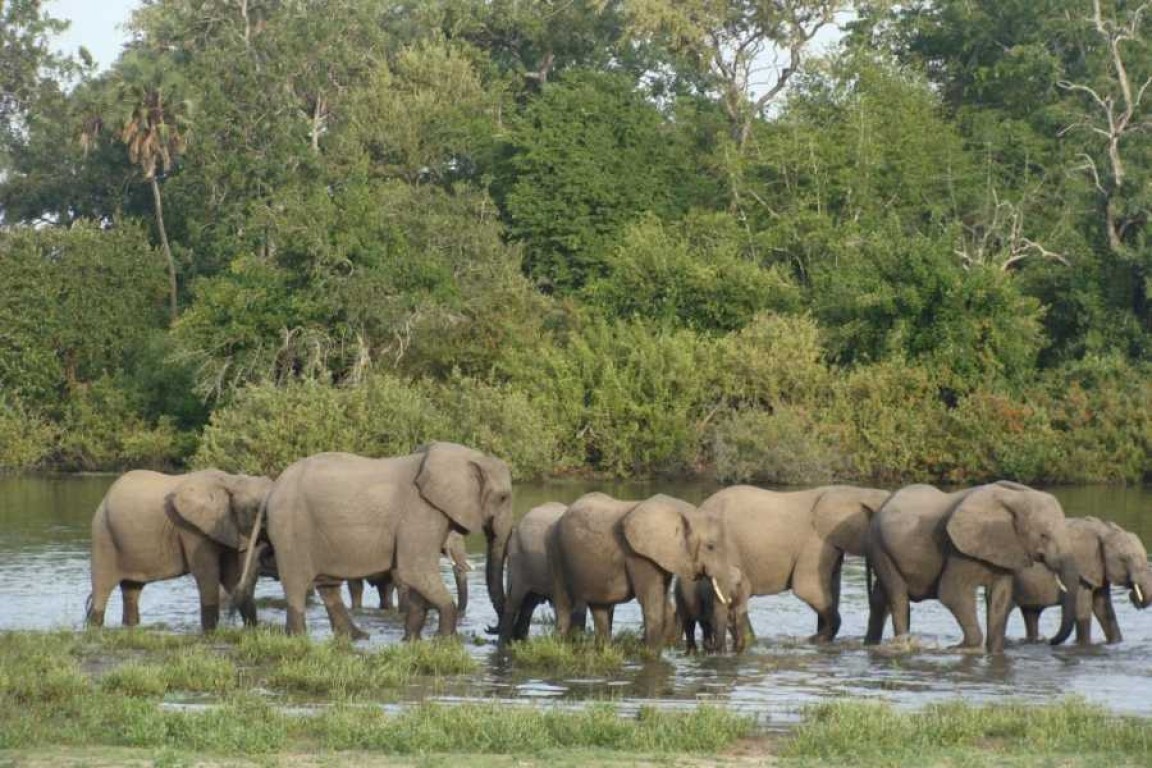
Morogoro's primary wildlife asset is the Uluguru Mountains immediately above the city. The Uluguru Nature Reserve holds 16 endemic plant species and numerous Eastern Arc endemic birds, including the Uluguru bush-shrike, the spot-throat and the Lühder's bushshrike. Colobus and blue monkey inhabit the forest patches on the mountain slopes. The city's position on the Mikumi corridor means Mikumi National Park (100 km west) provides elephant, lion, buffalo, giraffe and leopard accessible on a day drive or overnight trip. The Wami River near Morogoro has hippo and crocodile.
Top activities
Uluguru Nature Reserve guided hike — forest walks on the mountain slopes above Morogoro with Eastern Arc endemic bird and plant specialists. Uluguru viewpoint hike to panoramic summit points with views over the Morogoro plain and the Ruvu River. Mikumi National Park day safari (100 km west) — the open Mkata Floodplain with lion, elephant, buffalo and wildebeest. Cultural visit to Morogoro's diverse community (the city has Luguru, Nguu, Sagara, Vidunda and Kaguru communities, plus a significant Indian community legacy). Kinole Waterfall hike on the Uluguru slopes. Mzumbe University campus visit and the historic Kola Hill area.
About Morogoro
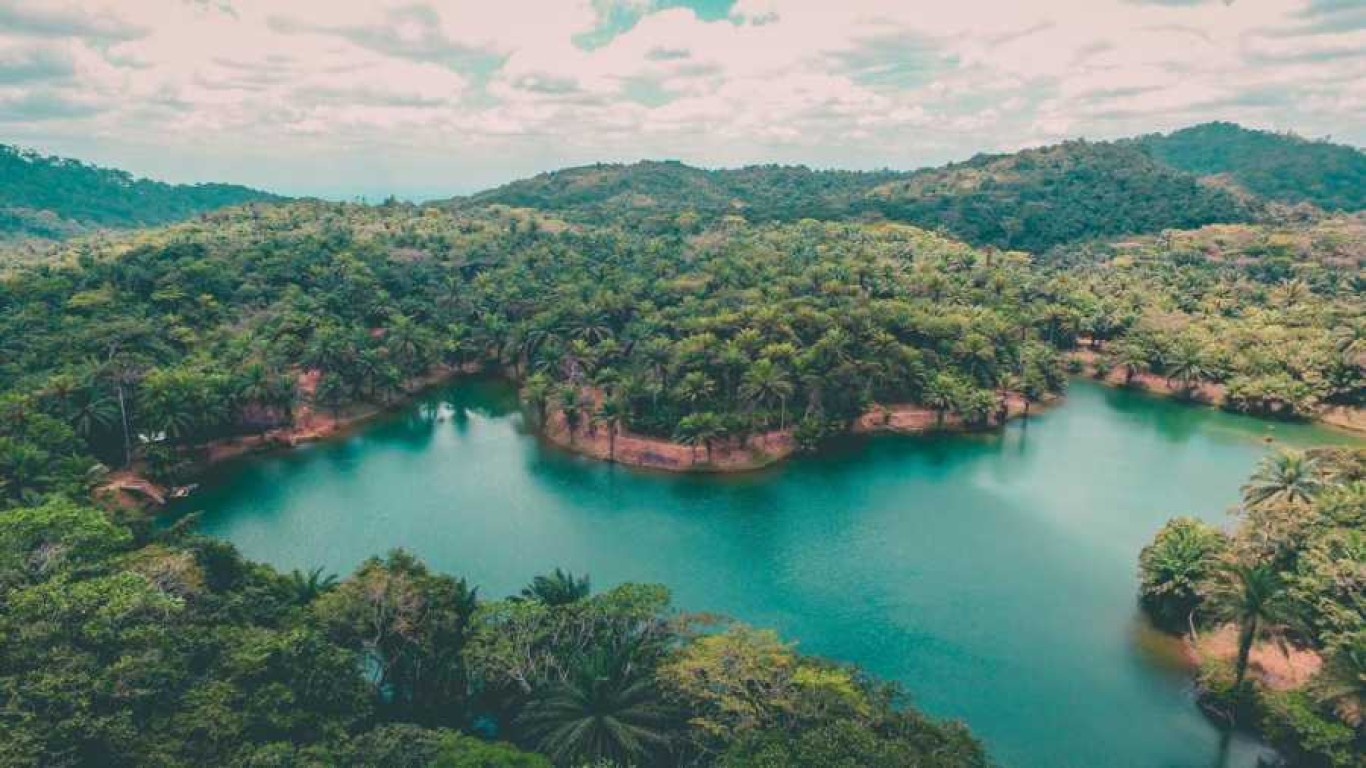
Morogoro is a transit city for most travellers — the junction town on the A7 highway between Dar es Salaam and the interior, 196 km from the coast. But Morogoro has a natural asset of considerable significance directly above it: the Uluguru Mountains, an Eastern Arc range rising from the city’s western edge to 2,635 metres, clothed in one of the most biodiverse montane forests in Africa and harbouring numerous species found nowhere else on Earth.
The city itself — Tanzania’s fourth-largest at around 600,000 people — has a pleasant, walkable centre, an important agricultural university and a diverse cultural background reflecting the many ethnic groups who settled the Morogoro plain. For travellers heading to or from Mikumi or Nyerere, Morogoro is a natural overnight base.
The Uluguru Mountains and Nature Reserve
The Ulugurus are part of the Eastern Arc chain — the same ancient geological formation that encompasses the Udzungwa, Usambara and Pare ranges. Like those ranges, the Ulugurus have been isolated long enough for significant endemism to develop. The Uluguru Nature Reserve protects the remaining forest and is managed by the Tanzania Forest Services in partnership with local communities.
Key endemic species include the Uluguru bush-shrike (found only in this range), the Lühder’s bushshrike, the spot-throat and several endemic chameleon species. Forest walks with local guides (arranged through the nature reserve office or Morogoro hotels) cover the lower forest trails accessible without overnight camping.
Kinole Waterfall
A 3-hour return hike through forest and farmland on the Uluguru lower slopes leads to Kinole Waterfall — a 30-metre cascade particularly dramatic during or after the rains. The trail passes through Luguru village farmland and secondary forest, with good bird activity on the forest edges.
Mikumi National Park day trip
One hundred kilometres west of Morogoro, Mikumi National Park’s Mkata Floodplain provides lion, elephant, buffalo, giraffe and hippo on a day drive from Morogoro. The A7 highway passes through the park, making even a drive-through without stopping into a reasonable game sighting opportunity.
Combine Morogoro with…
- Mikumi National Park — 100 km west; always the natural combination.
- Udzungwa Mountains — 130 km southwest for primate trekking and waterfalls.
- Dar es Salaam — 196 km east; 2.5 hours on a good road.
Frequently asked questions about Morogoro
Is Morogoro worth a stop, or just a pass-through?
For Eastern Arc birders and hikers: definitely worth an overnight stop for the Uluguru Nature Reserve. For standard safari travellers: a practical overnight base before Mikumi but not a destination in itself.
How do you arrange Uluguru Mountain hikes?
Through the Tanzania Forest Services office near Morogoro town centre, or through hotels with established guide contacts. Independent walking on the upper forest is not recommended without a local guide.
Want to visit Morogoro?
Get a free custom safari plan within 24 hours.
Morogoro safari tours

Want to visit Morogoro?
Get a free custom safari plan within 24 hours.
Best time to visit Morogoro
June to October — Dry season (best for hiking and Mikumi day trip)
The dry season is best for the Uluguru Mountain hikes (dry trails, clearer views) and for the Mikumi National Park day trip (best game viewing). Temperatures in Morogoro are warm (26–32°C) in the plains but cool on the Uluguru slopes. The city market and cultural activities are year-round.
November to March — Wet season (lush Uluguru, birding peak)
The Uluguru Mountains are extraordinarily green and the mountain forest bird activity peaks with resident species in breeding plumage and Palaearctic migrants present. The Uluguru Nature Reserve birding is at its most productive in November–March. The Mikumi road is accessible but game viewing in taller grass is harder.
Bottom line: June to October for hiking and Mikumi. November to March for Eastern Arc birding at peak diversity.
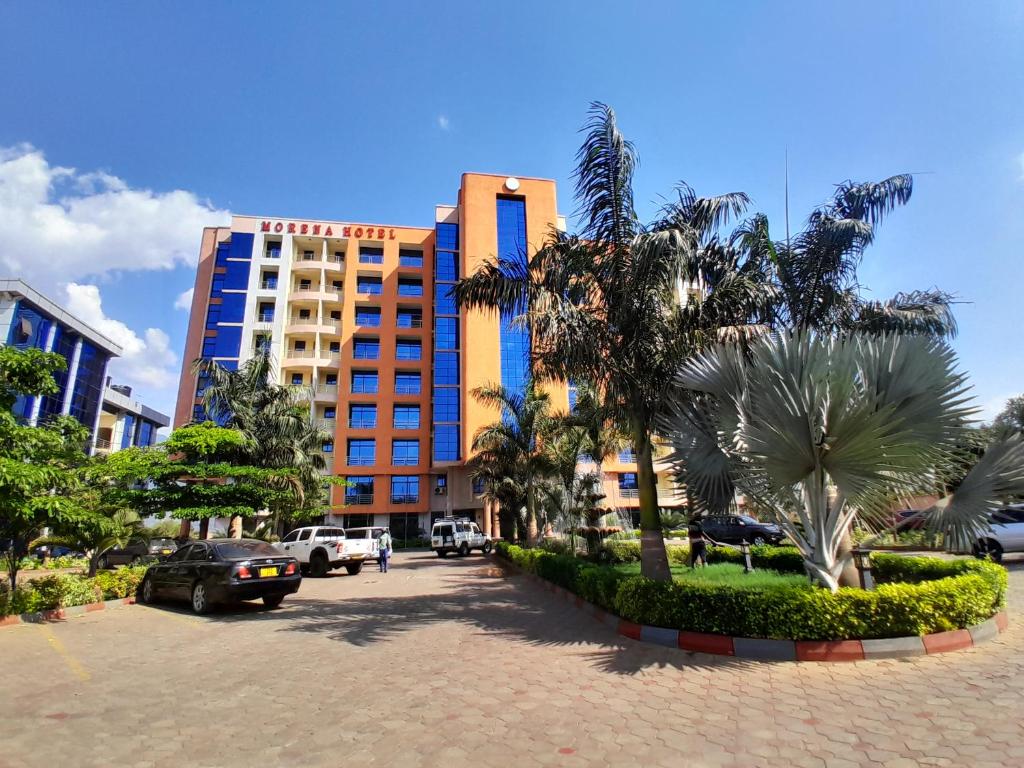
Where to stay in Morogoro


Want to visit Morogoro?
Get a free custom safari plan within 24 hours.
Nearby destinations
 Tanzania
 Tanzania
 Tanzania
 Tanzania