Quick facts
Wildlife
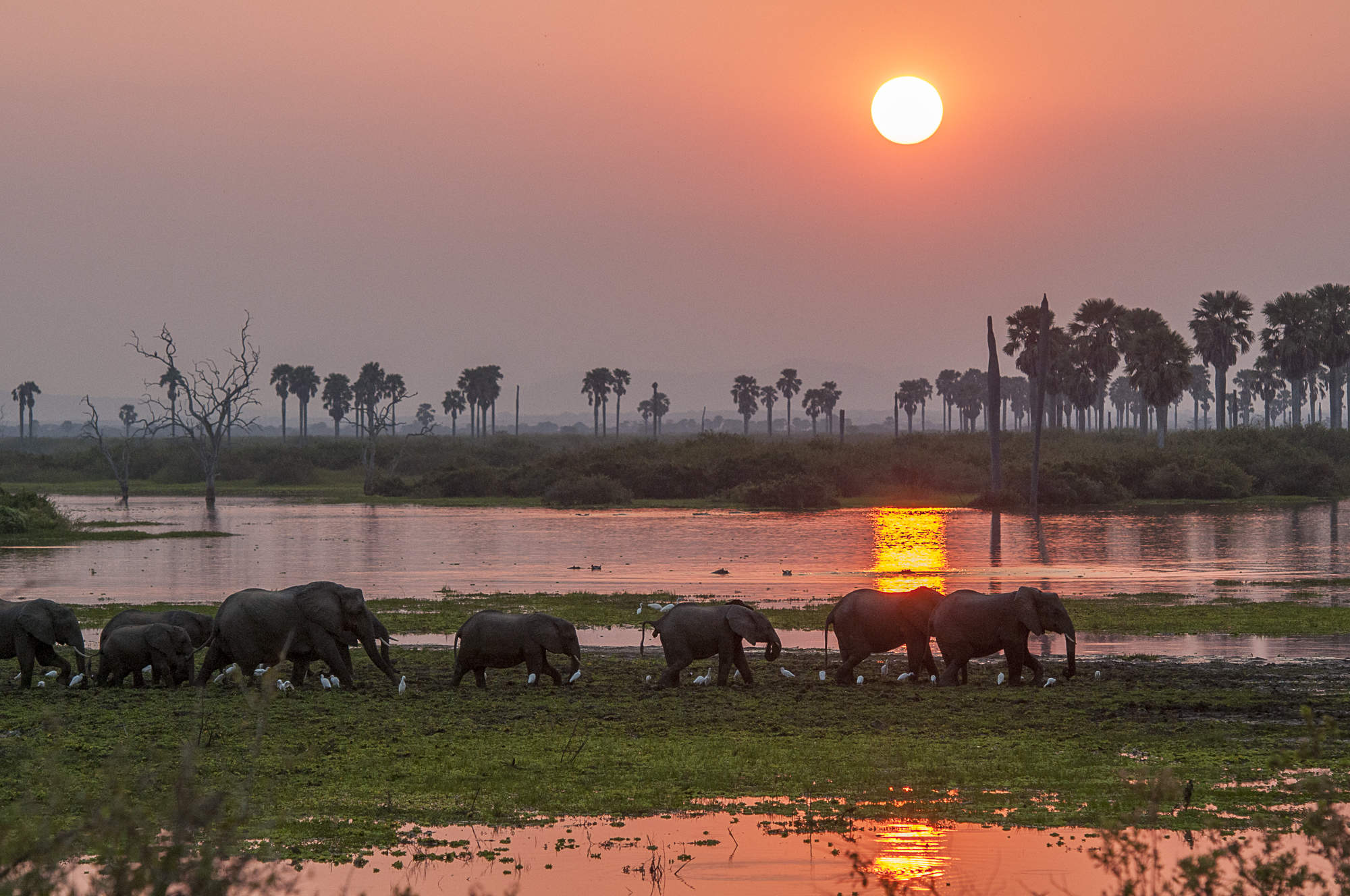
Udzungwa is one of the most important primate habitats in Africa, with 10 species including the endemic Sanje mangabey and Udzungwa red colobus — both found nowhere else on Earth. Grey-faced sengi (elephant shrew), black-and-white colobus, blue and vervet monkey, and bushbuck are regularly encountered on trails. The park has over 400 bird species with numerous Eastern Arc endemics. Elephant and buffalo are present in the southern lowland sectors.
Top activities
Guided hiking on the Sanje Waterfall Trail (2 days) — the park's signature hike leading to the 170m Sanje Falls. Mwanihana Peak ascent — a challenging multi-day hike to panoramic highland viewpoints. Primate trekking for Sanje mangabey and Udzungwa red colobus with trained guides. Birdwatching in the Eastern Arc forest for endemic species. Camping at Hondo Hondo Camp and TANAPA designated sites. Botanical walks with plant identification guides.
About Udzungwa Mountains National Park
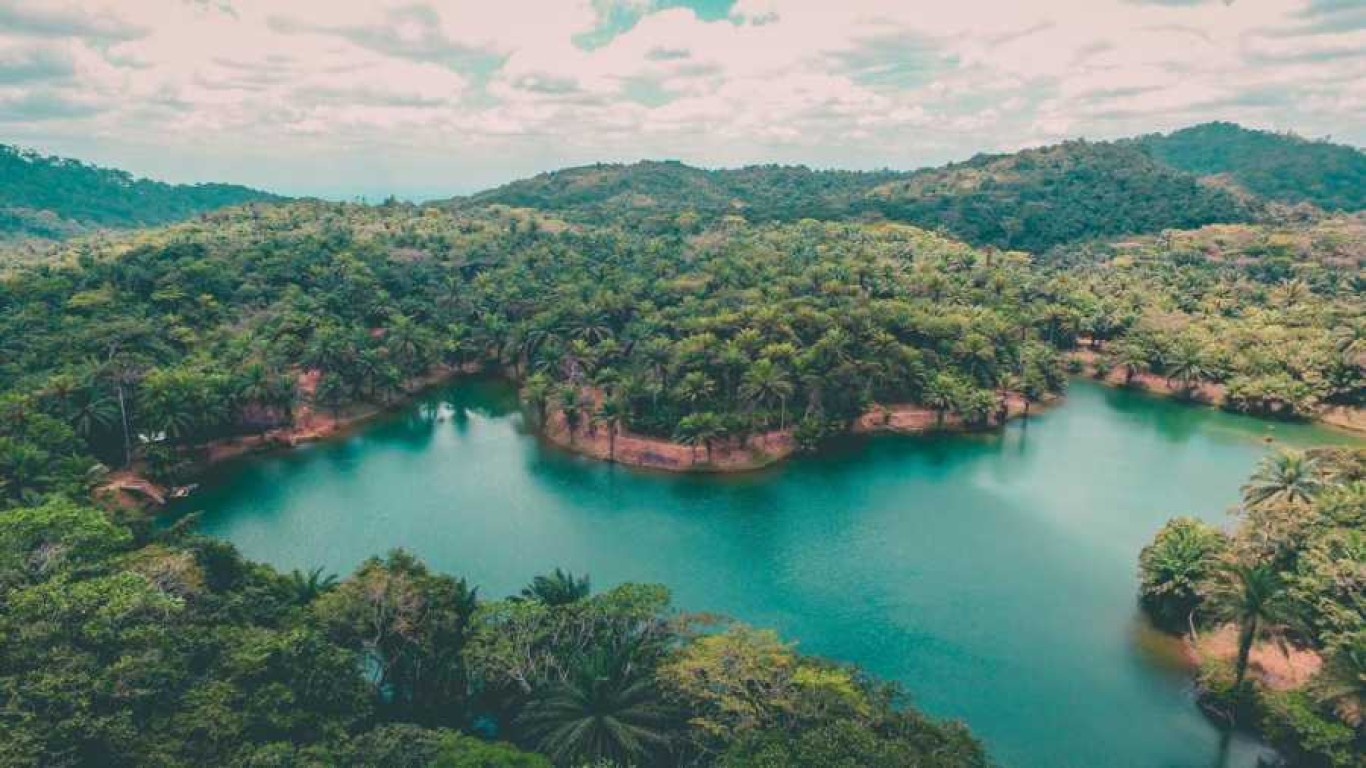
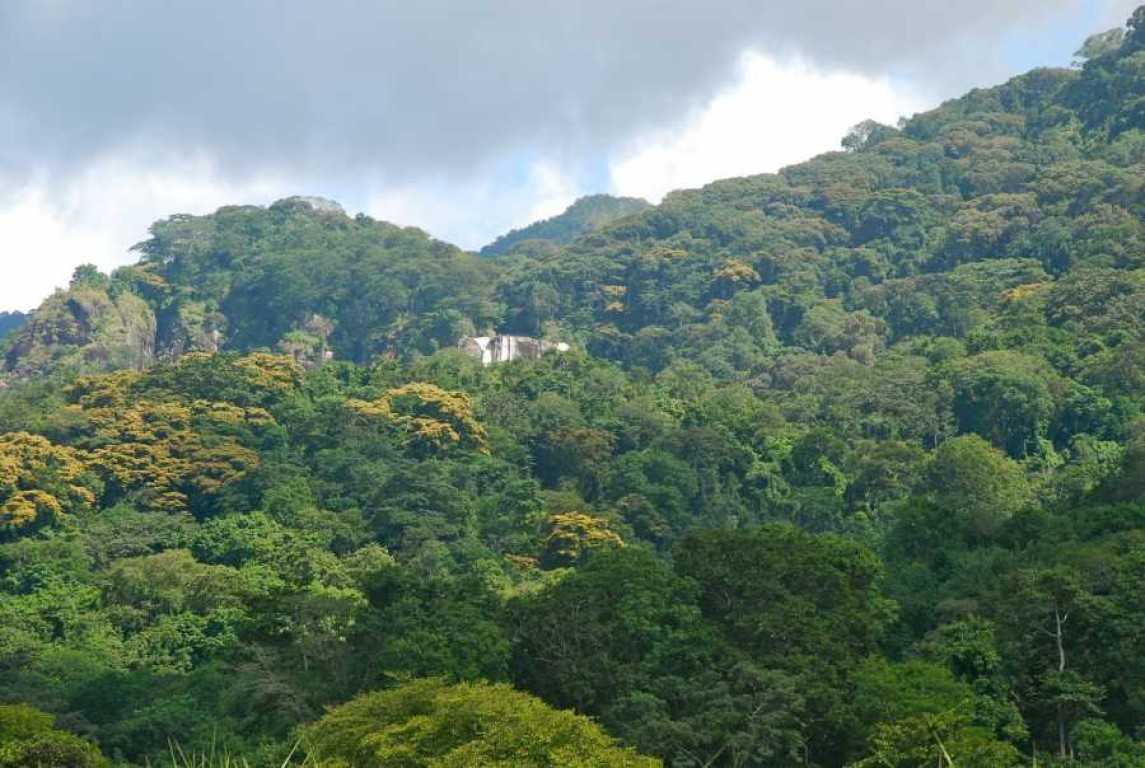
For hikers who want to earn their wildlife, Udzungwa Mountains National Park is Tanzania’s finest offering. Forget game drives — Udzungwa is a walking park, and the reward for pulling on your boots is a forest that scientists have called one of the most biologically diverse on Earth. Towering above the Kilombero Valley in southern Tanzania, the Udzungwa escarpment rises to 2,580 metres, draped in ancient rainforest that has been evolving in relative isolation for millions of years.
The park covers 1,990 square kilometres of the Eastern Arc Mountains — a chain of ancient highlands classified as one of the world’s 36 biodiversity hotspots. Around 25% of plant species here are endemic. So are two of the primates you will be looking for.
Where is Udzungwa?
The park sits in Tanzania’s Morogoro Region, about 65 km west of Mikumi National Park and 350 km southwest of Dar es Salaam. The main gate is at Mang’ula village, accessible by road from Dar (5–6 hours) or with a combination of train (TAZARA) and local transport.
The Sanje Waterfall Trail
The park’s signature experience is the Sanje Waterfall Trail — a steep, rewarding hike through dense rainforest to the 170-metre Sanje Falls, one of Tanzania’s highest and most dramatic waterfalls. The trail takes 6–8 hours round-trip and passes through multiple forest layers, with good chances of encountering both endemic primate species en route. The view from the top of the falls, looking out over the Kilombero floodplain far below, is genuinely spectacular.
A shorter half-day version visits the lower falls only — still a beautiful hike, suitable for families with older children.
The endemic primates
Two primates found nowhere else on Earth call Udzungwa home:
- Sanje mangabey — a large, social monkey first described by science in 1979, found only in the Sanje River area of the park. Groups of 30–50 animals are regularly encountered on the Sanje trail.
- Udzungwa red colobus — one of Africa’s rarest primates, with a restricted range in the eastern forests. Their distinctive red-and-black colouring and crashing movements through the canopy make them one of the most dramatic wildlife sightings in any Tanzania park.
Mwanihana Peak
For serious hikers, the multi-day Mwanihana Trail climbs to the park’s highest accessible point (around 2,400 m) through a complete altitudinal transect: lowland rainforest, montane forest, heath and grassland. The views from the escarpment edge over the Kilombero Valley are extraordinary. The trail requires at least 2 nights in the park with camping at designated sites.
Birdwatching
Udzungwa is a priority birdwatching destination, with over 400 species including a concentration of Eastern Arc endemics found nowhere else in Tanzania: the Udzungwa partridge, the rufous-winged sunbird, Mrs Moreau’s warbler and the Udzungwa forest partridge are among the top targets. The wetlands bordering the Mang’ula road add herons, kingfishers and cisticolas to the list.
Combine Udzungwa with…
- Mikumi National Park — combine forest hiking with open-plain game drives in a single southern Tanzania trip.
- Nyerere National Park — extend south for boat safaris.
- Iringa — the nearest large town, with good accommodation options for pre/post park.
Frequently asked questions about Udzungwa
Is Udzungwa suitable for non-hikers?
The shorter lower-falls trail (2–3 hours round-trip) is manageable for reasonably fit visitors without serious hiking experience. The full Sanje trail requires a decent level of fitness. There are no game drives in the park.
Do you need a guide at Udzungwa?
A TANAPA guide is mandatory on all trails. Given the primate tracking element and the complexity of the forest, this is genuinely useful rather than just a regulatory requirement.
Can children visit Udzungwa?
The lower-falls trail is suitable for children aged 8 and above who can handle a few hours of moderately steep walking. The full Sanje trail is not recommended for children under 12.
Is Udzungwa good for honeymoons or luxury travel?
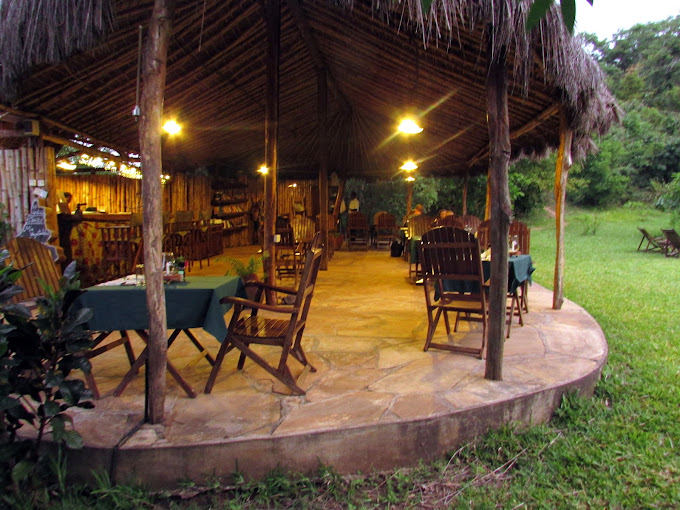
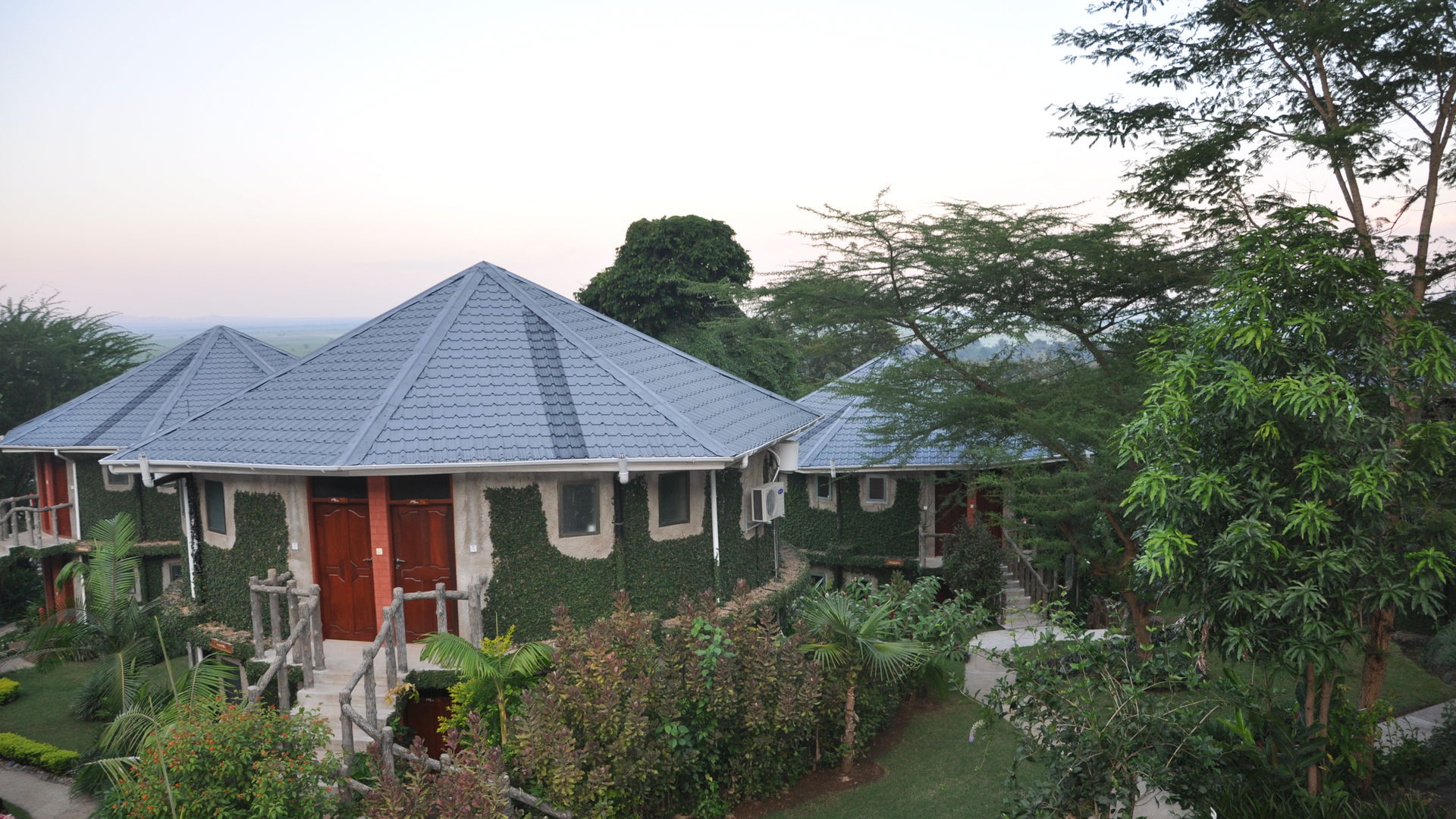
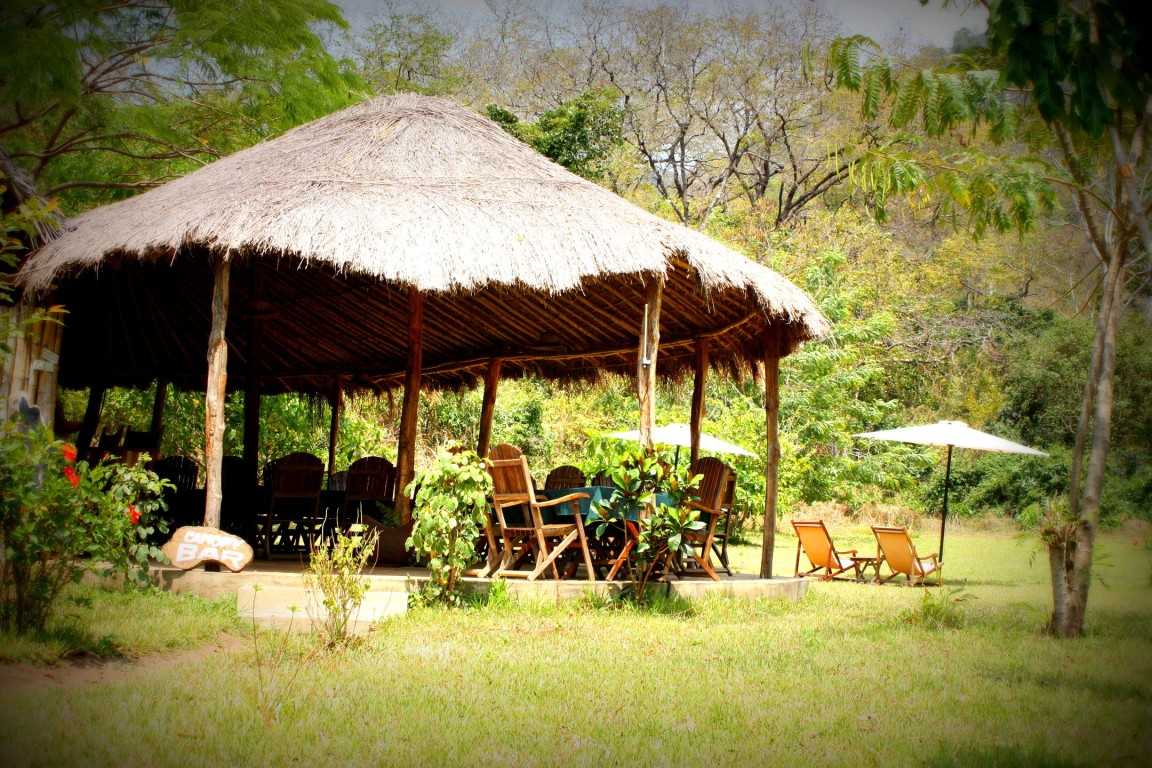
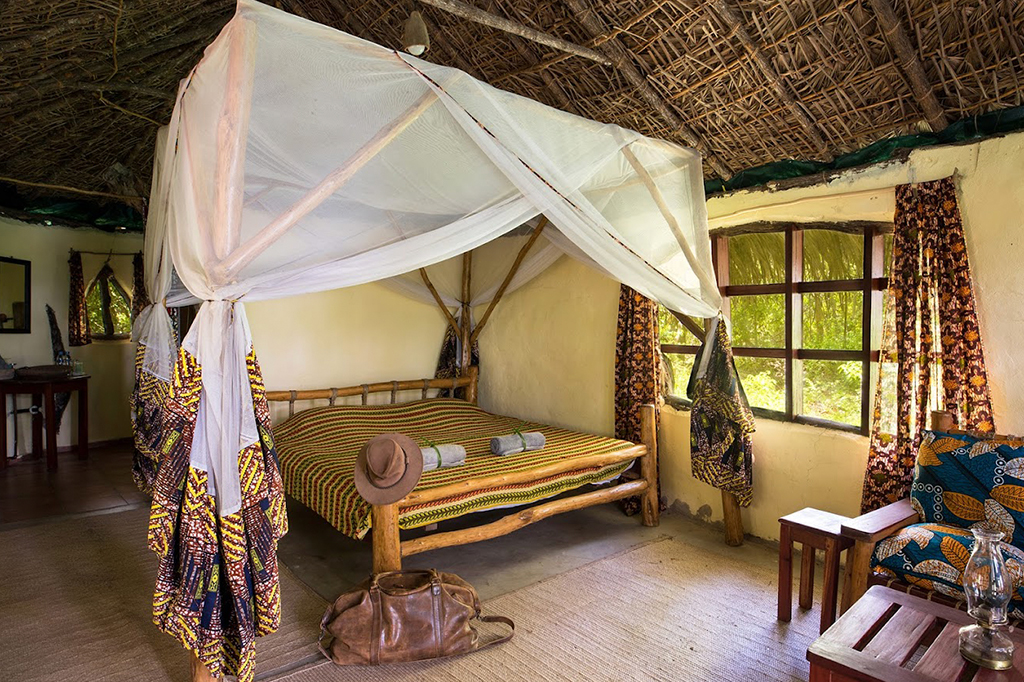
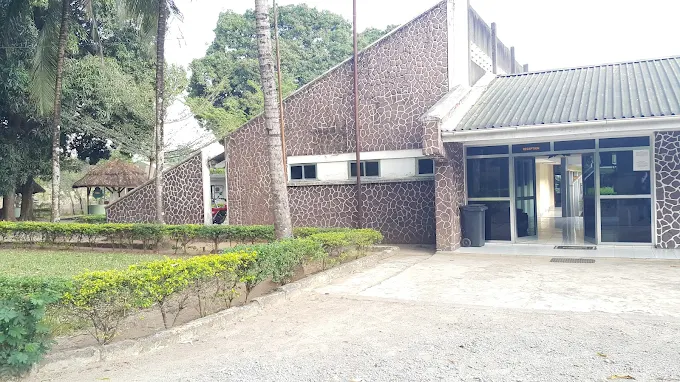
Accommodation is currently limited to mid-range camps and Hondo Hondo tented camp, which is comfortable but not luxurious. The experience itself — endemic primates, cathedral forest, dramatic waterfalls — is as special as anything in Tanzania; the infrastructure just requires realistic expectations.
How does Udzungwa compare to Mahale for primate trekking?
Mahale is the premier chimpanzee experience; Udzungwa is the place for endemic primates found nowhere else on Earth. They are completely different experiences and there is no reason to choose between them on a longer Tanzania itinerary.
Want to visit Udzungwa Mountains National Park?
Get a free custom safari plan within 24 hours.
Udzungwa Mountains National Park safari tours

Want to visit Udzungwa Mountains National Park?
Get a free custom safari plan within 24 hours.
Best time to visit Udzungwa Mountains National Park
June to October — Dry season (best for hiking)
The dry months are by far the best for hiking. Trails are drier and safer (the Sanje Falls trail crosses steep, slippery sections that become genuinely dangerous in heavy rain), river crossings are manageable and forest visibility improves as foliage thins slightly. The primate groups are active and easier to track because they move less to find water. Temperatures at altitude are cool and comfortable. This is the peak visitor window.
November to December — Short rains (lush and beautiful)
The forest transforms with the first rains. Bird activity peaks with resident species in breeding plumage and Palearctic migrants beginning to arrive. The falls are spectacular at full flow. Trail conditions are manageable if you are prepared for mud. A rewarding time for bird photographers.
January to February — Short dry window
A relatively dry period between the two rainy seasons. Trails are accessible, birding is excellent, and the forest is at its greenest without being impassable. Good value with fewer visitors than the June–October peak.
March to May — Long rains (not recommended for hiking)
Heavy, persistent rain makes most serious hiking impractical and potentially dangerous. The Sanje Waterfall trail becomes very slippery and some river crossings are unsafe. Access tracks to the park can flood. This is the window to avoid unless you are exclusively interested in botanical or amphibian research.
Bottom line: June to October without question for hiking. January to February as a quieter alternative. Avoid March, April and May.
Where to stay in Udzungwa Mountains National Park
Want to visit Udzungwa Mountains National Park?
Get a free custom safari plan within 24 hours.
Nearby destinations
 Tanzania
 Tanzania
 Tanzania
 Tanzania