Quick facts
Wildlife
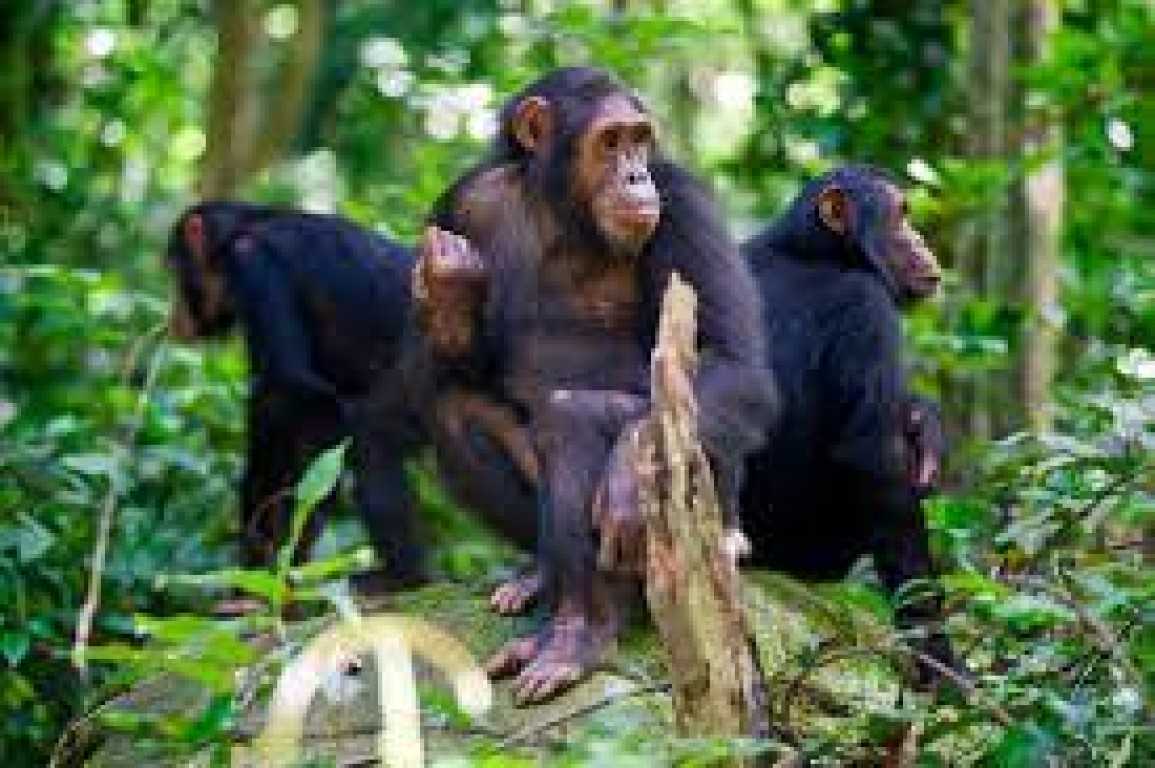
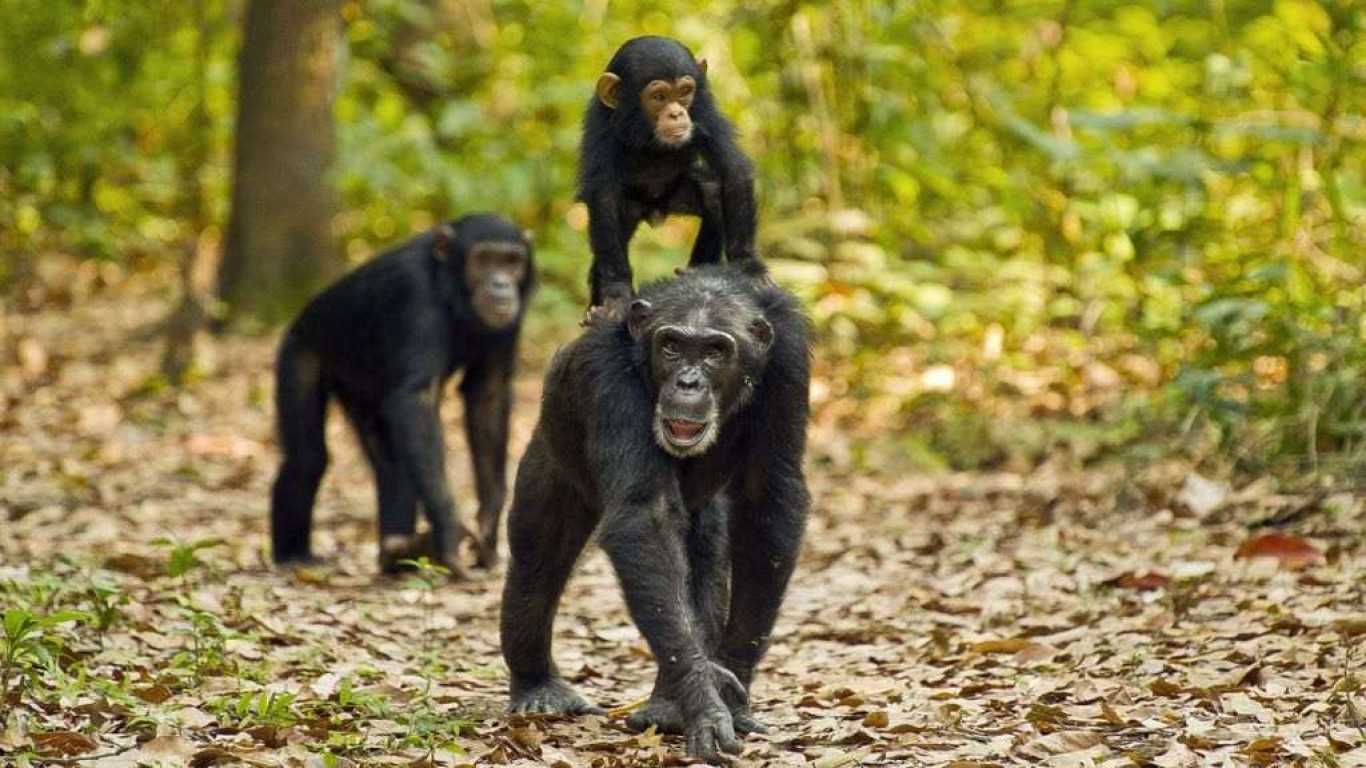
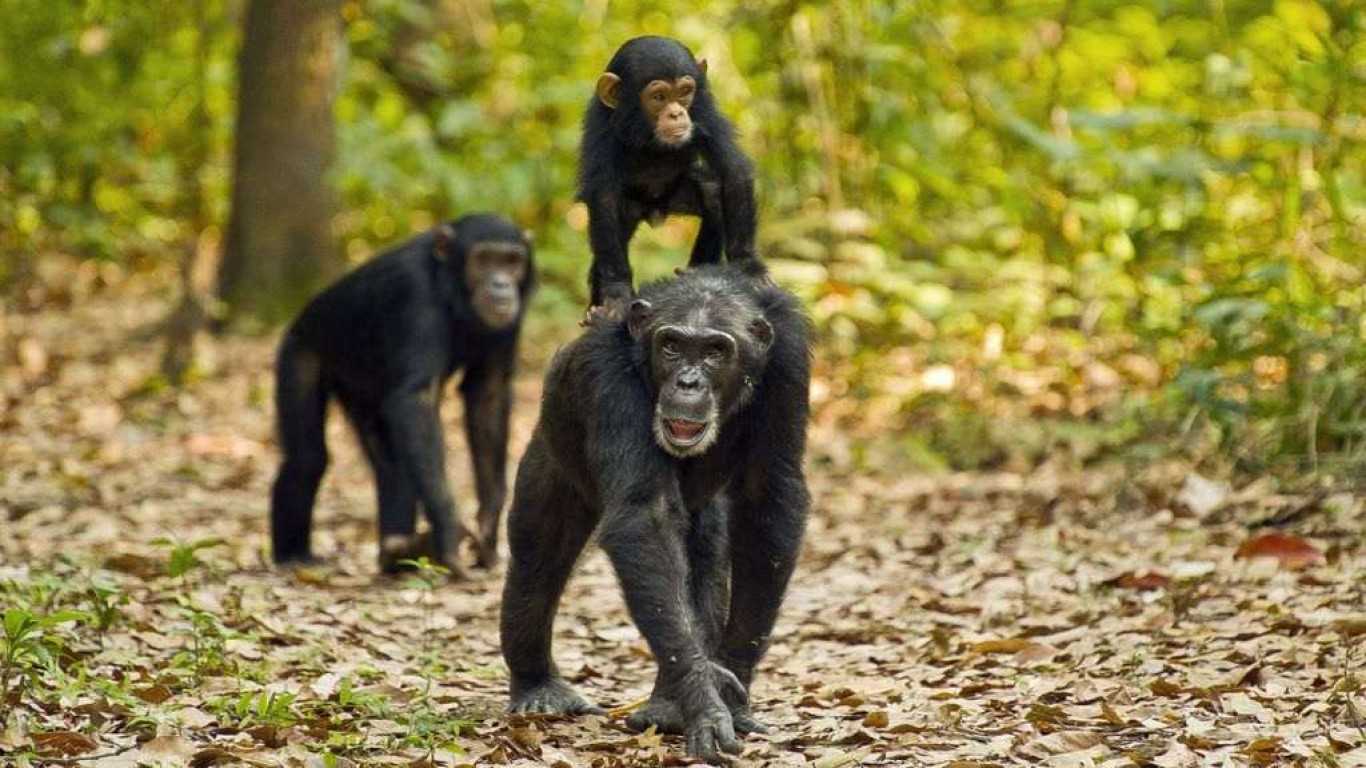
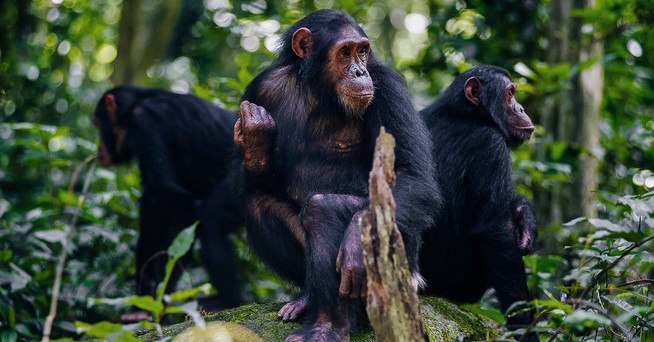
Gombe holds approximately 100 chimpanzees across several habituated and unhabituated communities, with the Kasekela community providing the main trekking group. Olive baboons are abundant and highly habituated — famous for their bold behaviour around the research centre. Red-tailed monkey, red colobus and blue monkey also inhabit the forest. Lake Tanganyika offers snorkelling among endemic cichlids. Over 200 bird species recorded, including palm-nut vulture, African fish eagle and Livingstone's flycatcher.
Top activities
Chimpanzee trekking with habituated Kasekela community — the historic Jane Goodall research group. Guided forest walks for red colobus, olive baboon and forest birds. Swimming and snorkelling from Gombe's rocky beach on Lake Tanganyika. Visit to the Jane Goodall Institute research station and exhibit. Sunset and sunrise walks along the lake shore trail. Boat travel on Lake Tanganyika between Kigoma and Gombe — one of East Africa's most scenic approaches to any park.
About Gombe National Park
In July 1960, a 26-year-old Englishwoman named Jane Goodall arrived on the shores of Lake Tanganyika and walked into the forest above the beach to observe wild chimpanzees. What she documented over the following decades — tool use, complex social behaviour, emotional bonds, violent warfare between communities — overturned centuries of assumptions about what separated humans from other animals. That forest is Gombe National Park, Tanzania’s smallest national park at just 52 square kilometres, and it remains one of the most historically significant wildlife research sites on Earth.
Today Gombe offers visitors the chance to trek with the descendants of the chimpanzees Jane Goodall first habituated — the Kasekela community, which has been continuously studied since 1960, making it the most thoroughly documented wild chimpanzee population in the world. Sitting in the steep forest as these animals groom, play and rest around you, you are not just watching wildlife. You are part of a 65-year scientific conversation.
Where is Gombe?
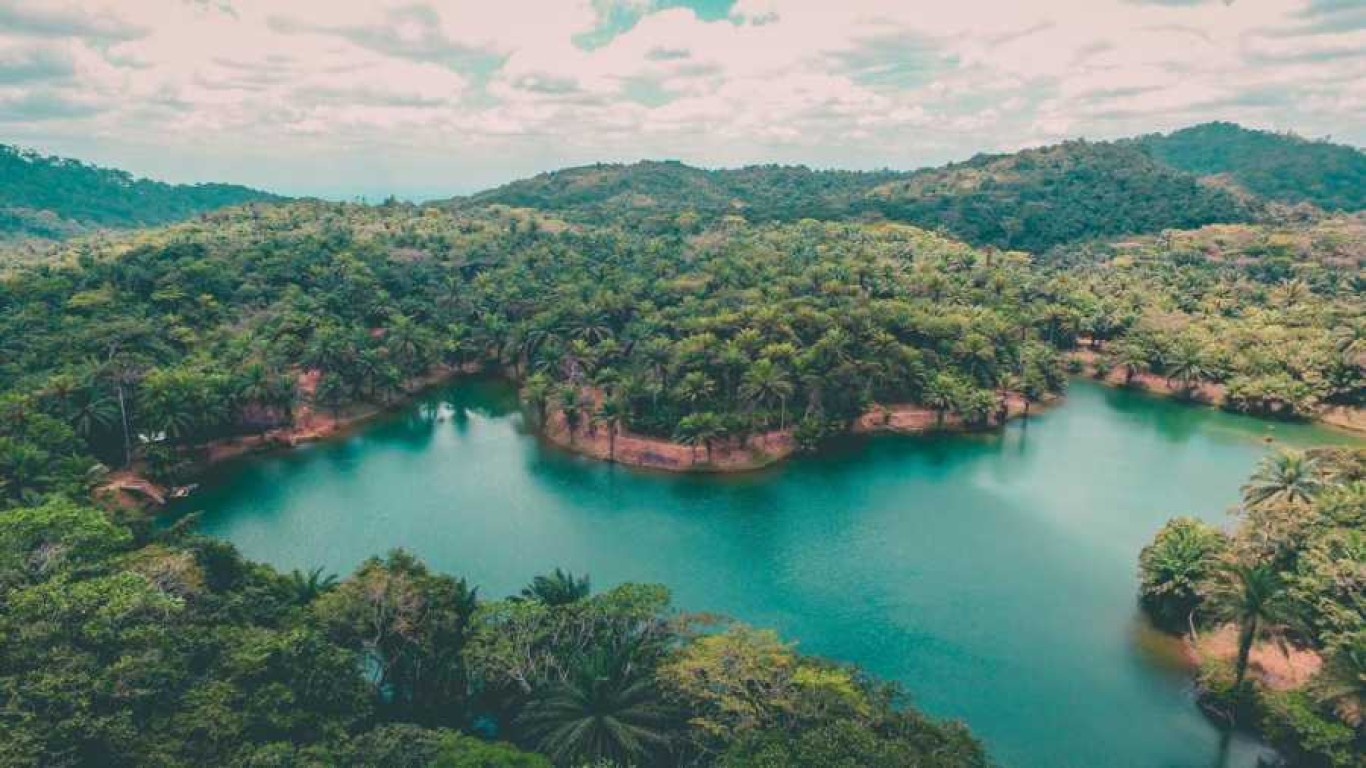
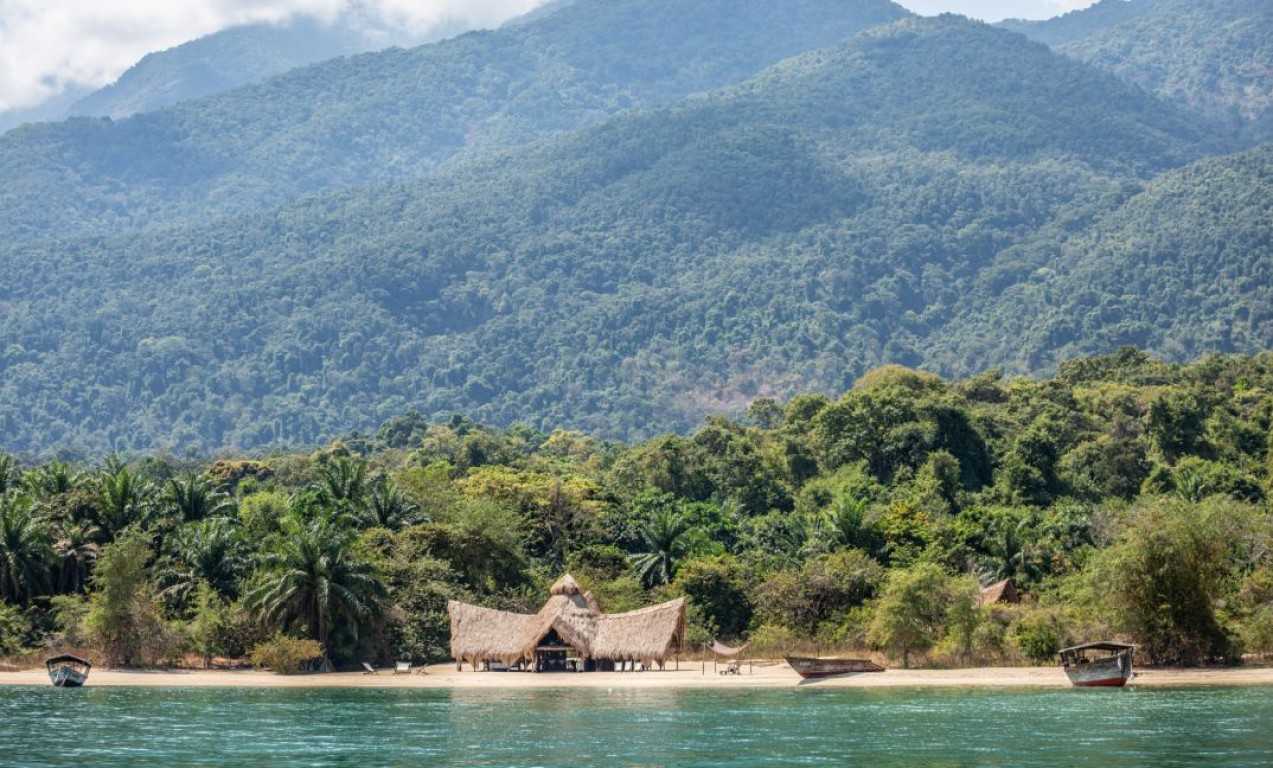
Gombe sits on the eastern shore of Lake Tanganyika in western Tanzania, 16 km north of Kigoma town. There is no road access — the park is reached exclusively by boat from Kigoma, a journey of 1–2 hours on a water taxi or park speedboat. The park’s western boundary is the lake itself; the eastern boundary is the forested escarpment rising steeply above.
Gombe vs Mahale: choosing between Tanzania’s two chimp parks
Both parks offer chimpanzee trekking on Lake Tanganyika. The differences are significant:
- Gombe is smaller (52 sq km), accessible by water taxi from Kigoma, less expensive overall and has the unparalleled historical significance of the Goodall research legacy. The infrastructure is more basic.
- Mahale is larger (1,613 sq km), fly-in only, more expensive and has a larger chimp population. The beach and lake experience at Mahale is more developed as a luxury destination.
Many western Tanzania itineraries combine both on a Lake Tanganyika circuit: fly to Mahale, boat to Gombe, train or fly out from Kigoma.
The Kasekela community
The main trekking group, the Kasekela community, currently numbers around 60 individuals and occupies the central section of the park. Rangers track the group daily and radio their location to guides — so the search phase of the trek is typically shorter than at Mahale. Once you are with the group, you have one hour of observation time. The steep forest terrain, combined with the chimps’ energy and speed, means that hour passes in what feels like minutes.
The Kasekela chimps are famous for specific individuals documented across generations in Goodall’s research. David Greybeard — the first chimp to allow Goodall close observation — was a Kasekela male. The lineage and social history of this community is unprecedented in primate research.
The beach and the lake
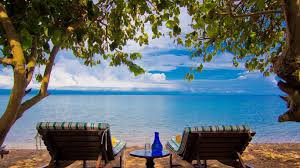
Gombe’s research station sits on a rocky beach directly on the lake. After the morning trek, swimming and snorkelling in the spectacularly clear Lake Tanganyika water is one of the park’s great pleasures — cichlids in dozens of species hover around the rocks, and the water temperature is warm and inviting year-round. The olive baboon troops are fully habituated and wander boldly through the research station — entertaining but not to be approached with food.
The Jane Goodall Institute presence
The Jane Goodall Institute (JGI) maintains an active presence at Gombe, with a small exhibition covering the research history and conservation work. The researchers here continue long-term behavioural studies. Visiting Gombe therefore has a direct conservation contribution dimension beyond standard ecotourism park fees.
Combine Gombe with…
- Mahale Mountains — the classic Lake Tanganyika chimp circuit.
- Lake Tanganyika — Kigoma base, Ujiji historic site and lake ferry travel.
- Katavi National Park — the remote western Tanzania safari partner for a complete circuit.
Frequently asked questions about Gombe
How hard is the chimpanzee trek at Gombe?
Moderate to strenuous. The terrain is steep and forested, and you follow the chimps wherever they go. In dry season the trails are manageable for most fit adults; in wet season they are genuinely demanding.
Is Gombe cheaper than Mahale?
Yes — significantly. The Kigoma water taxi approach is far cheaper than a charter flight to Mahale, and the basic guesthouse accommodation at Gombe costs a fraction of Mahale’s luxury camp rates. The chimp trekking permit cost is comparable.
What is the minimum age for chimp trekking at Gombe?
TANAPA requires trekkers to be aged 12 and above.
Can you stay overnight at Gombe?
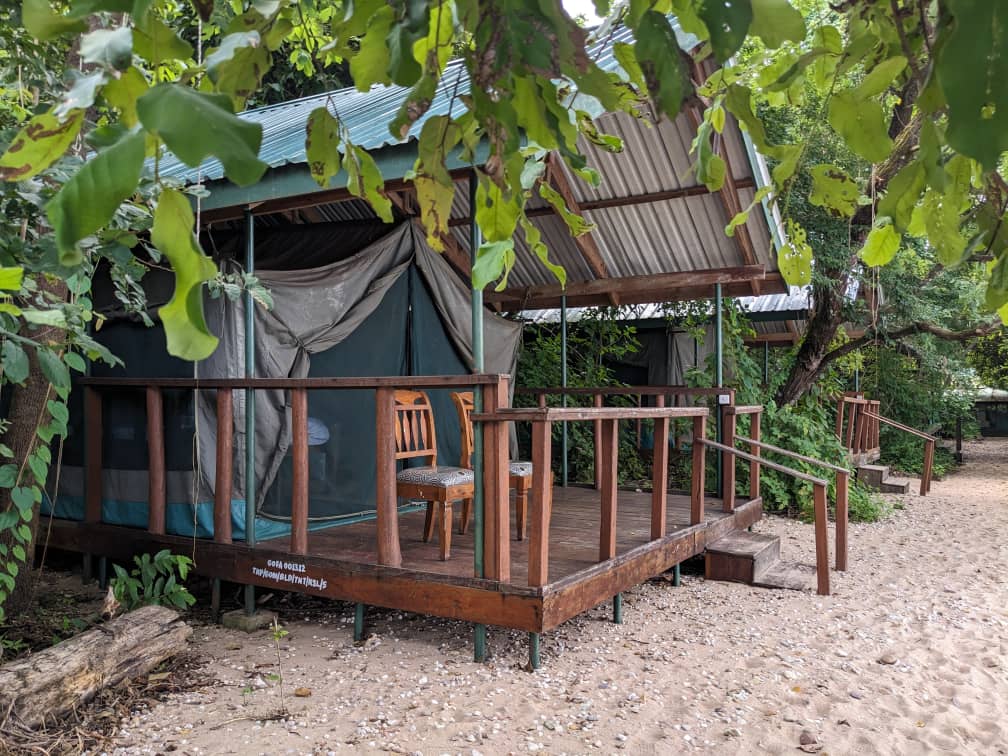
Yes — the park has a basic guesthouse at the research station and a public campsite. Staying overnight allows for an early morning trek at prime chimp activity time and a leisurely afternoon on the lake.
Want to visit Gombe National Park?
Get a free custom safari plan within 24 hours.
Gombe National Park safari tours

Want to visit Gombe National Park?
Get a free custom safari plan within 24 hours.
Best time to visit Gombe National Park
July to October — Dry season (best for trekking)
The dry season is the recommended window for chimpanzee trekking. The steep forest trails are drier, safer and less slippery, and the chimps spend more time in lower elevations where tracking is more manageable. The Lake Tanganyika surface is calm, making the boat approach from Kigoma comfortable. This is also the best period for snorkelling, with peak water clarity.
June — Early dry (good, fewer visitors)
The transition into dry season. Forest trails are still carrying some moisture from the rains but drying rapidly. Chimp sightings are very good and the park sees fewer visitors than July–October peak.
November to March — Wet season (lush, more challenging trekking)
The forest is extraordinarily green and bird diversity is high. Chimps move to higher elevations following fruiting trees, making trekking more strenuous. Trails are steep and muddy. The lake crossing from Kigoma can be rough in the heaviest rains. Some visitors find this period rewarding for the forest atmosphere, despite the harder trekking.
April to May — Long rains (difficult, some services reduced)
The heaviest rain falls from March to May. Gombe remains open but the boat crossing can be rough and the trails are at their most challenging. Not recommended for first-time visitors.
Bottom line: July to October for the best chimpanzee trekking. June and November–December are viable alternatives. Combine with Mahale on a Lake Tanganyika circuit.
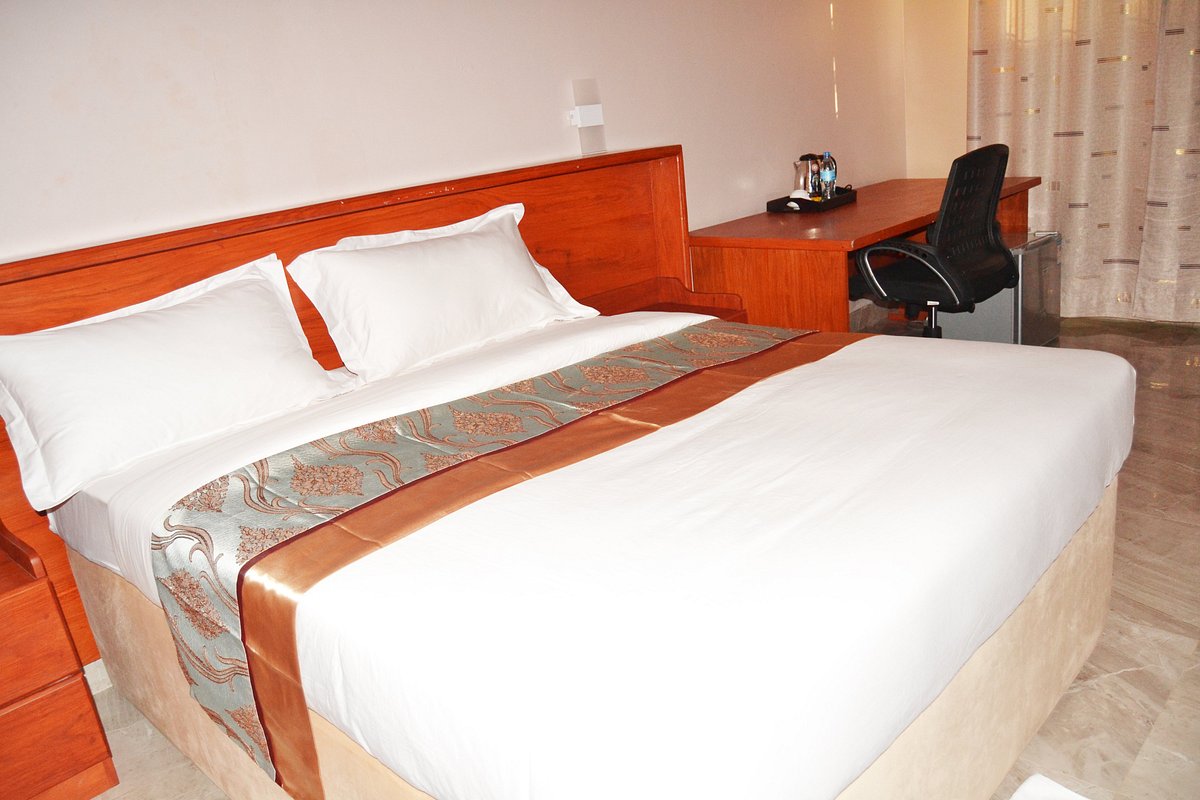
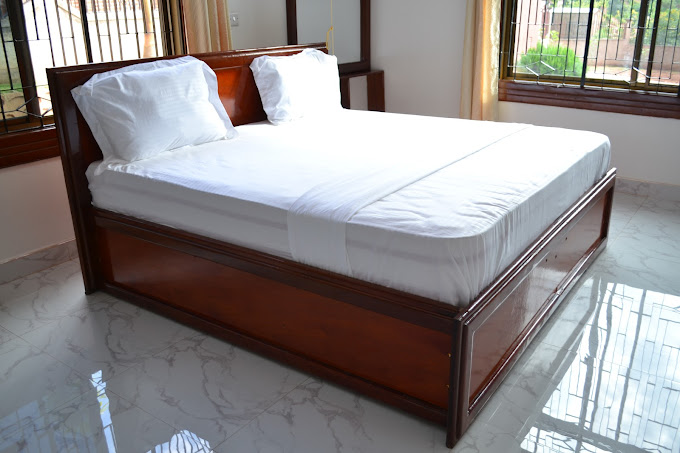
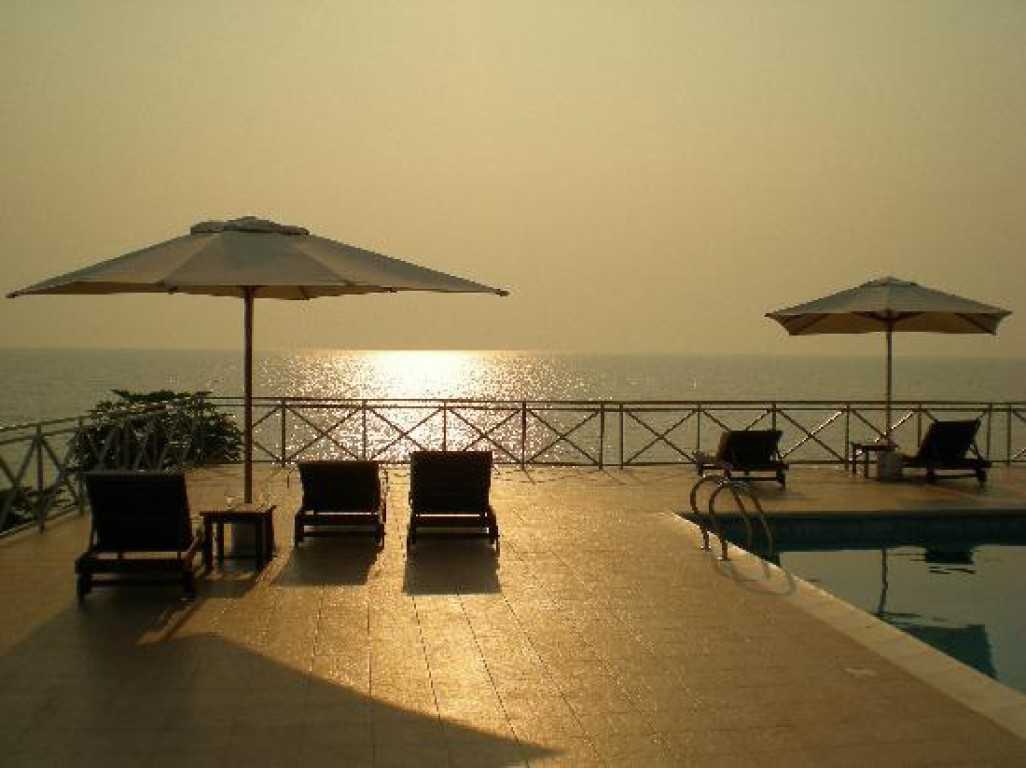
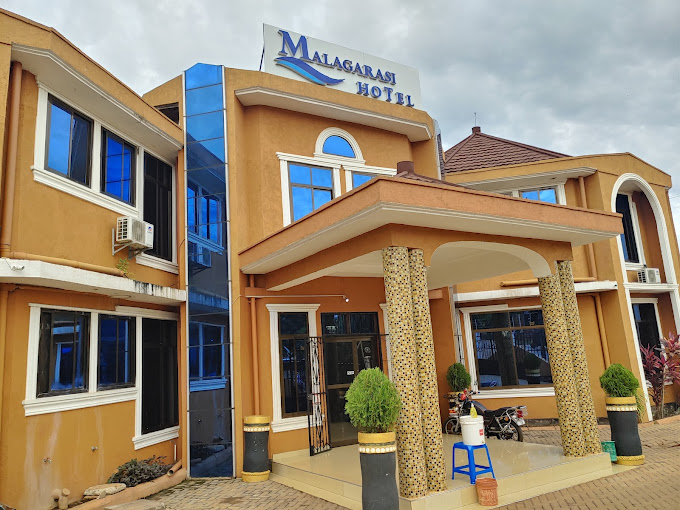
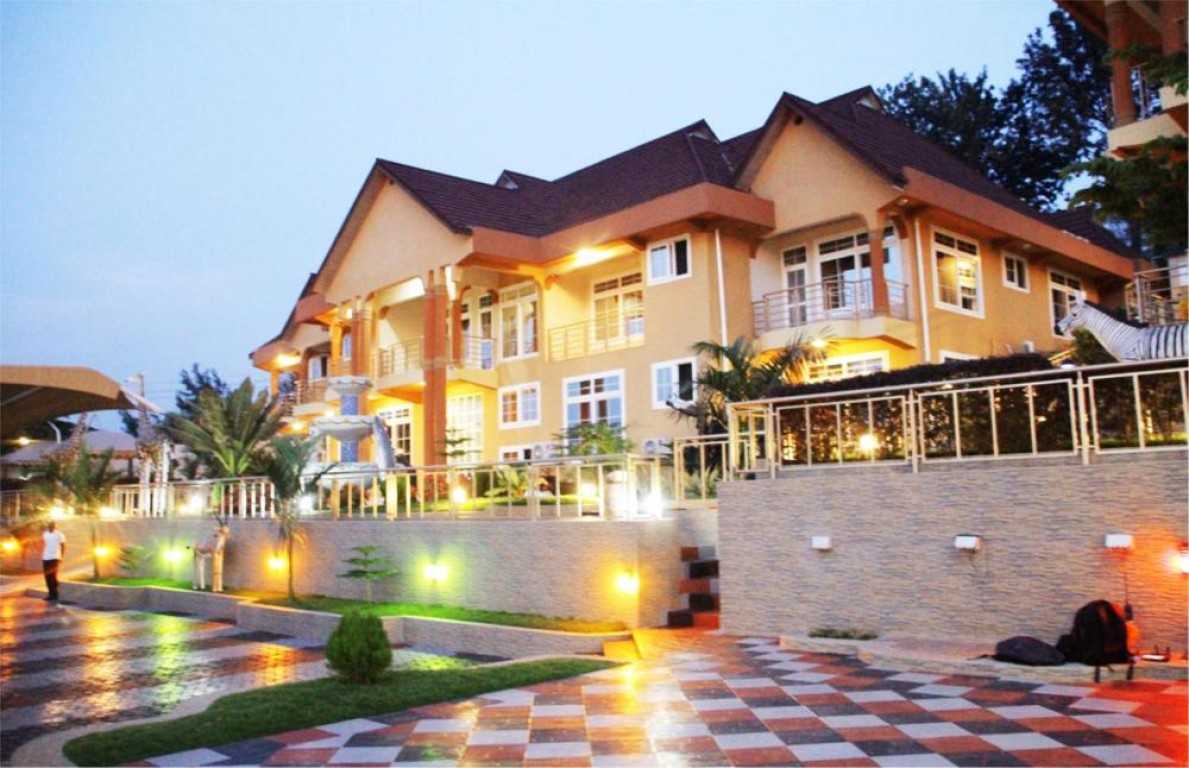
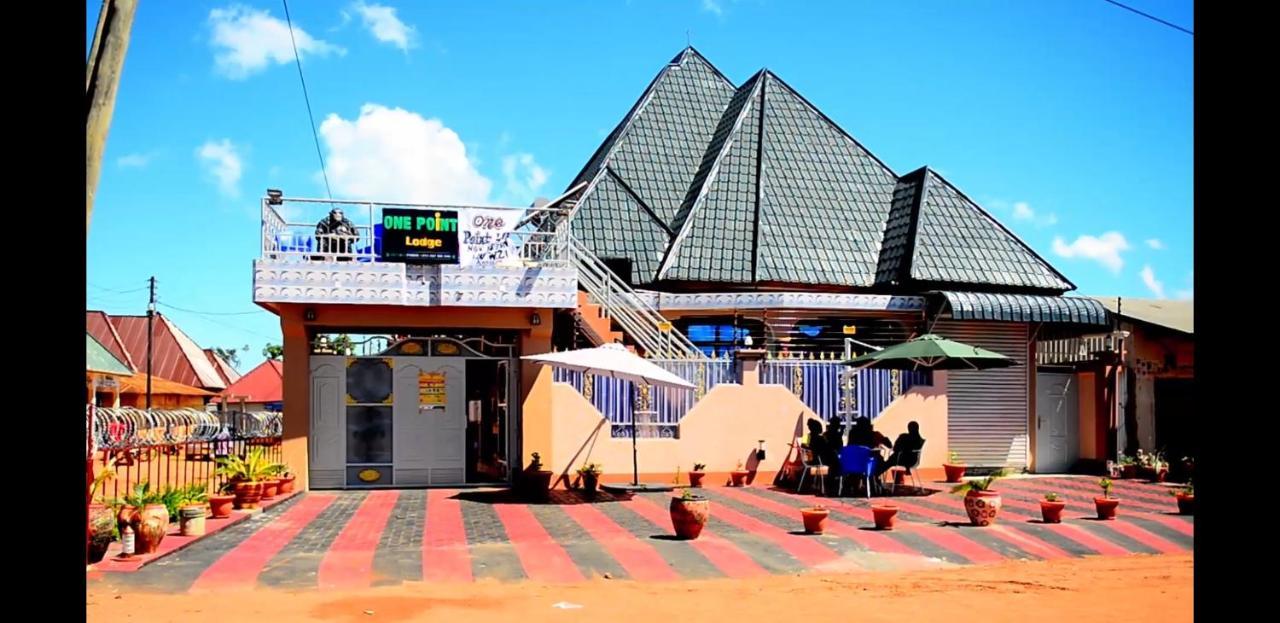
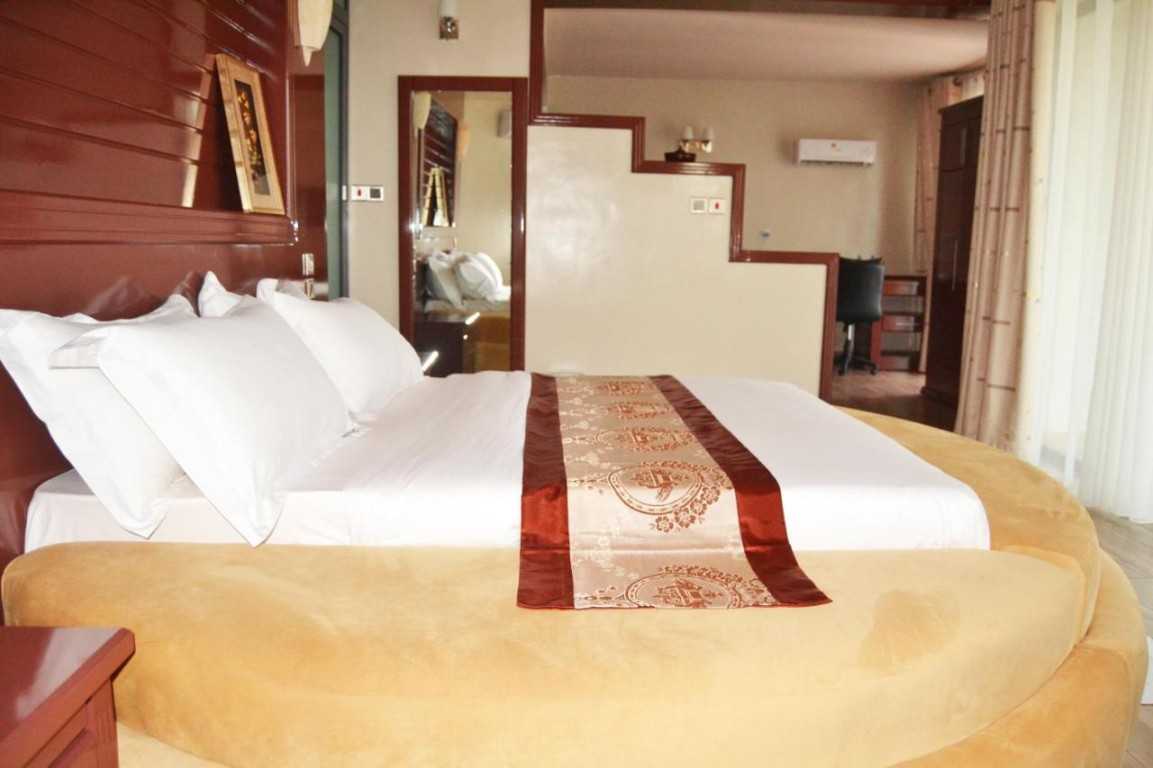
Where to stay in Gombe National Park
Want to visit Gombe National Park?
Get a free custom safari plan within 24 hours.
Nearby destinations
 Tanzania
 Tanzania
 Tanzania
 Tanzania