Quick facts
Wildlife
Katavi holds the largest buffalo herds in Africa, often numbering several thousand animals. The Katuma River floodplains concentrate thousands of hippos and Nile crocodiles in the dry season, creating one of Africa's most dramatic wildlife spectacles. Lion, leopard, elephant, zebra, topi and roan antelope are all resident. African wild dog pass through the park seasonally. Over 400 bird species recorded.
Top activities
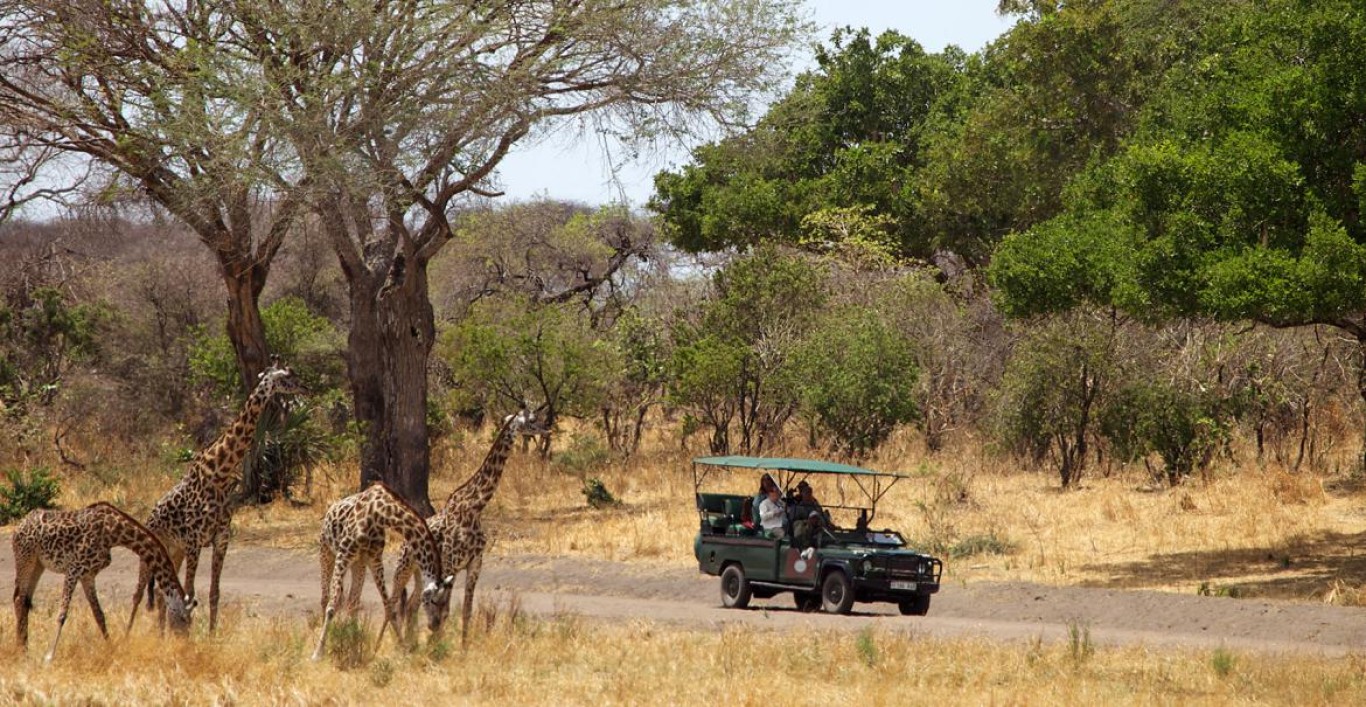
Game drives across the Katisunga and Chada floodplains. Guided walking safaris with armed rangers — some of the best in Tanzania. Night drives in private concessions. Fly-camping under the stars in the Katuma River area. Birdwatching along seasonal floodplains. Photography of the dry-season hippo and crocodile concentrations — some of the most dramatic scenes in African wildlife photography.
About Katavi National Park
If you have done the Serengeti and the Ngorongoro Crater and want to understand what Africa looked like before the crowds arrived, fly to Katavi National Park. Tanzania’s third-largest national park, covering 4,471 square kilometres of remote western Tanzania, sees fewer visitors in an entire year than the Serengeti sees in a busy August weekend. That is its defining characteristic — and for a certain kind of traveller, it is everything.
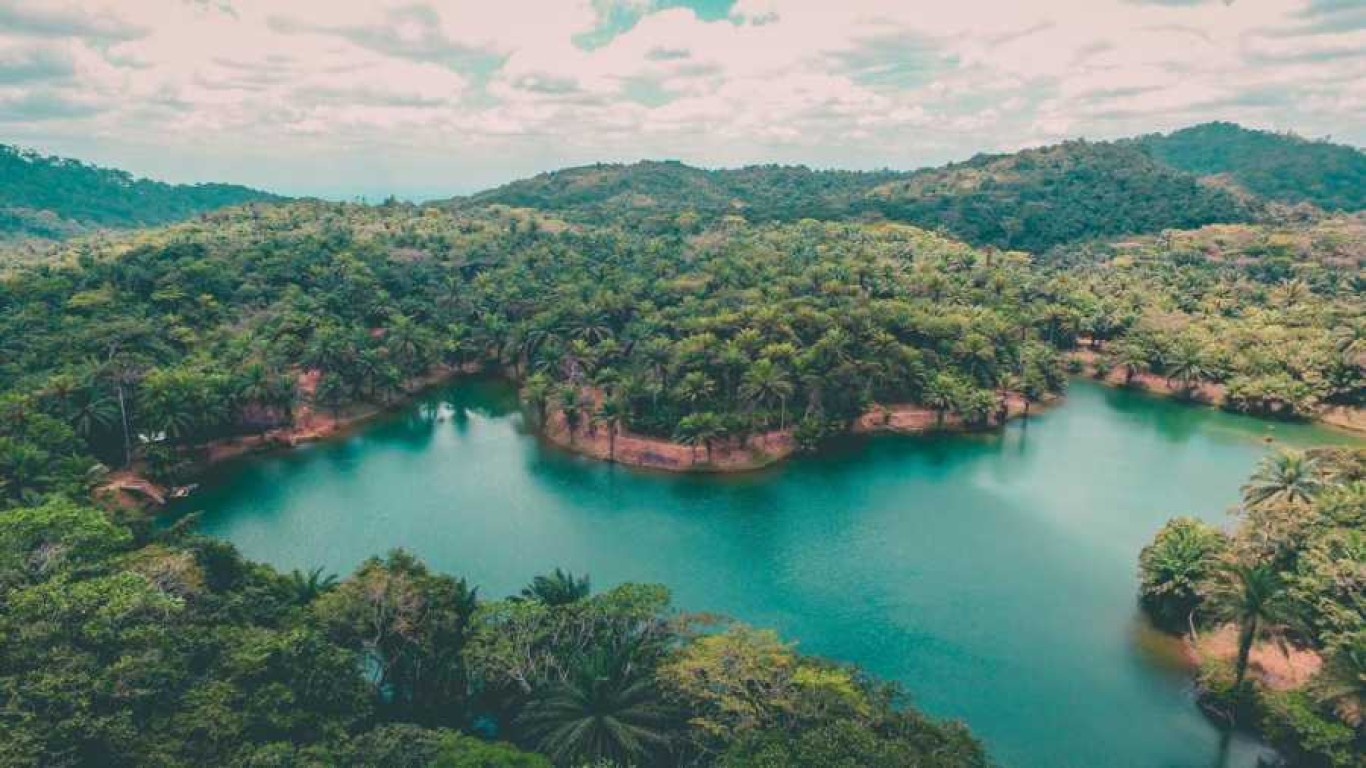
The park centres on the floodplains of the Katuma River and two seasonal lakes — Lake Katavi and Lake Chada. In the wet season these expand into vast shallow lakes ringed by wildlife. In the dry season they contract, and what happens next is one of the most raw, unscripted wildlife events on the continent: thousands of hippos crammed into shrinking pools, enormous crocodile congregations, buffalo herds numbering several thousand, and lions that have learned to hunt hippos.
Where is Katavi?
Katavi sits in the Rukwa Region of western Tanzania, bordering the Rukwa Valley and Lake Tanganyika to the west. The nearest town is Mpanda, roughly 35 km from the park gate. There is no practical overland route for most visitors — the only sensible access is by light aircraft from Dar es Salaam, Arusha or Ruaha National Park in a combined southern and western Tanzania circuit.
The dry-season spectacle: Katavi’s big event
Between July and October the Katuma River shrinks to a chain of pools. Into those pools pour the hippos — hundreds, then thousands. Crocodiles follow. Buffalo herds of extraordinary size pace the bare plains between pools. Lions work the edges. The air smells of mud, dung and heat. It is not a curated safari experience — it is raw Africa with no filters applied.
The hippo territorial battles in August and September are particularly dramatic: dominant bulls defend their pools in exhausting, roaring, blood-letting confrontations while younger males test their strength at the margins. Crocodiles cache kills in the shallows. Fish eagles announce every dawn. It is the kind of scene that experienced safari guides still talk about for months afterwards.
Wildlife of Katavi
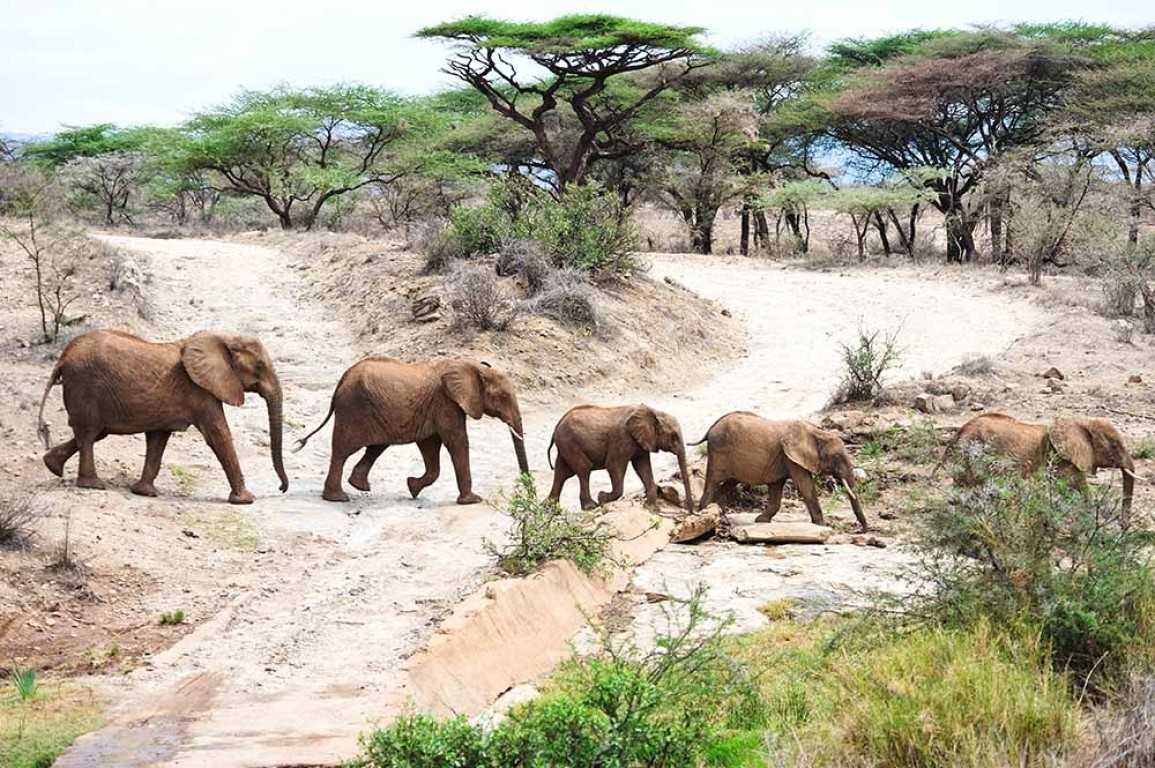
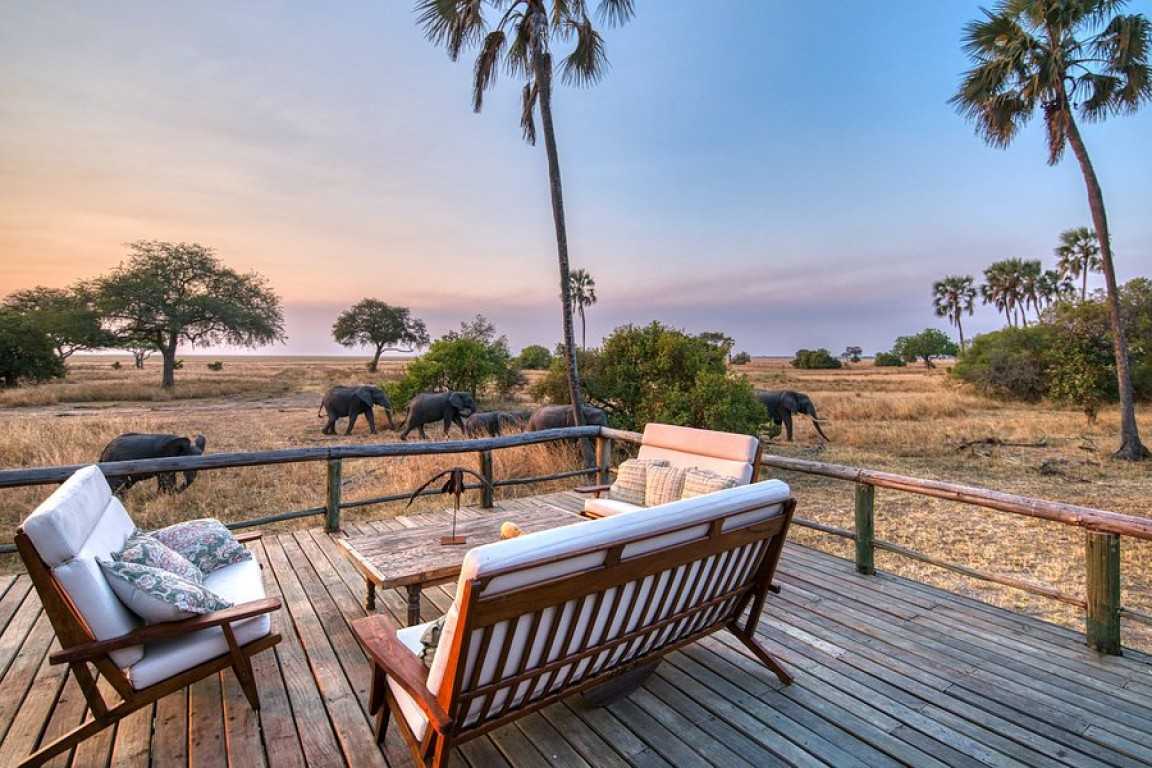
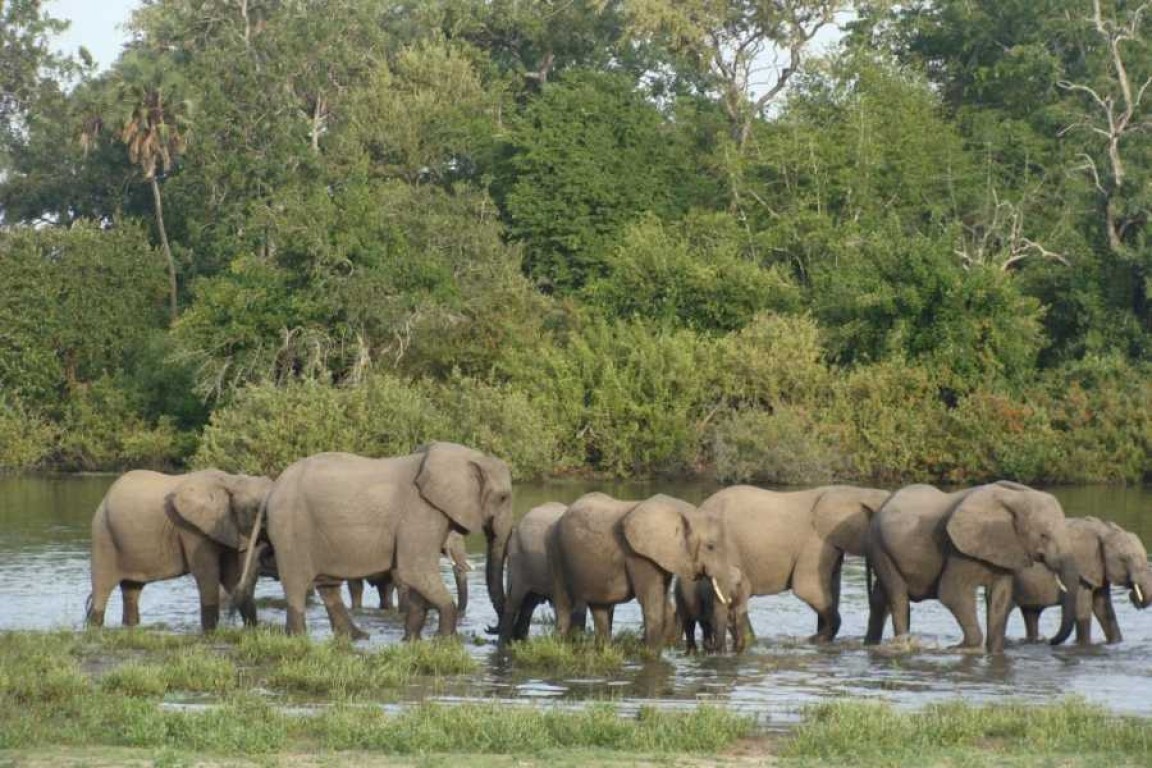
The buffalo herds are legitimately world-class — single aggregations of 2,000–4,000 animals have been documented on the Katisunga Plains, larger than most parks hold in their entirety. Elephant move through the miombo woodland in sizeable breeding groups. African wild dogs pass through seasonally — the park lies within the greater Katavi-Rukwa ecosystem that sustains several packs. Eland, zebra, topi, roan and sable antelope are all present. Katavi is one of the best parks in Tanzania for both roan and sable, which are scarce or absent in the more-visited northern parks.
Activities
Game drives
Classic morning and afternoon drives in the open plains around Katisunga and Chada. In peak dry season, some drives are spent sitting at a single hippo pool for hours watching the social drama unfold — a legitimate and extraordinary approach to game viewing.
Walking safaris
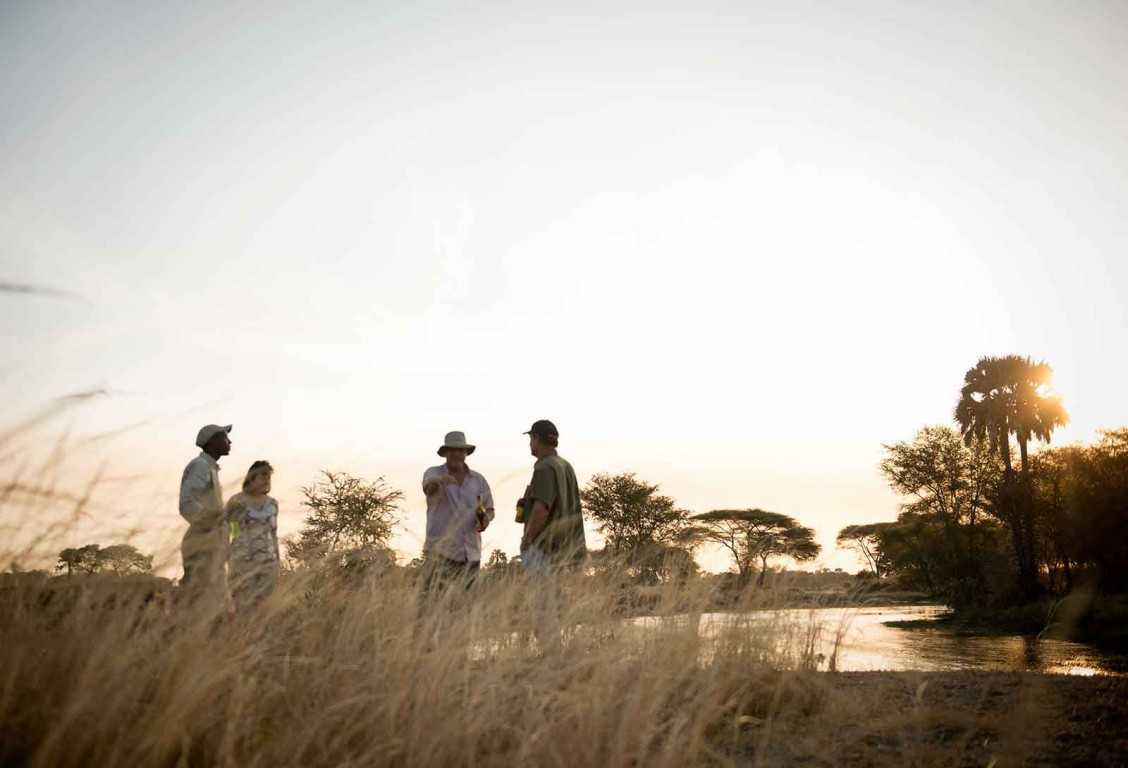
Walking safaris in Katavi carry genuine edge. The concentrations of buffalo and hippo mean encounters can happen unexpectedly — which is exactly why the guides here are among Tanzania’s most experienced. Routes follow the river and floodplain edges, reading tracks and signs along the way.
Fly-camping
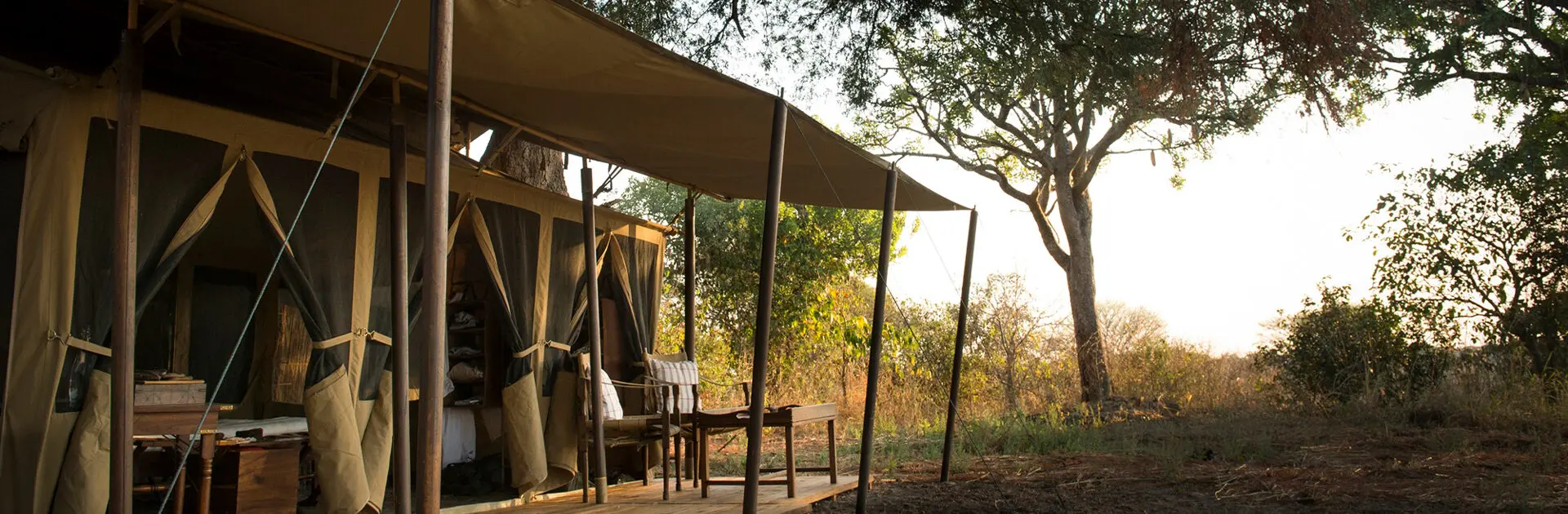
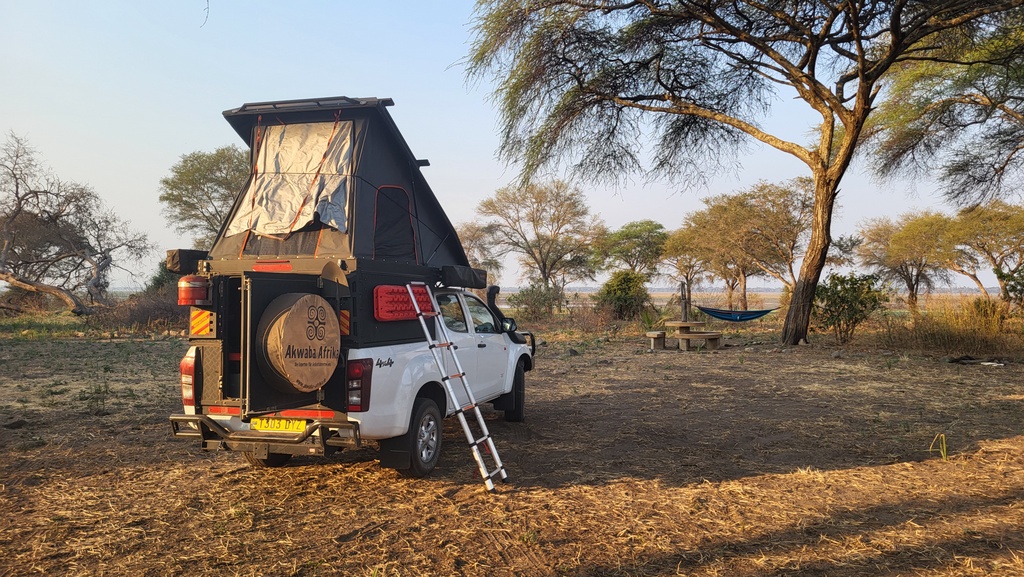
One or two nights in a minimal tent on the floodplain, falling asleep to hippo grunting, waking to lion roars. Available through select camps. Not for light sleepers or nervous campers — ideal for everyone else.
Where to stay in Katavi
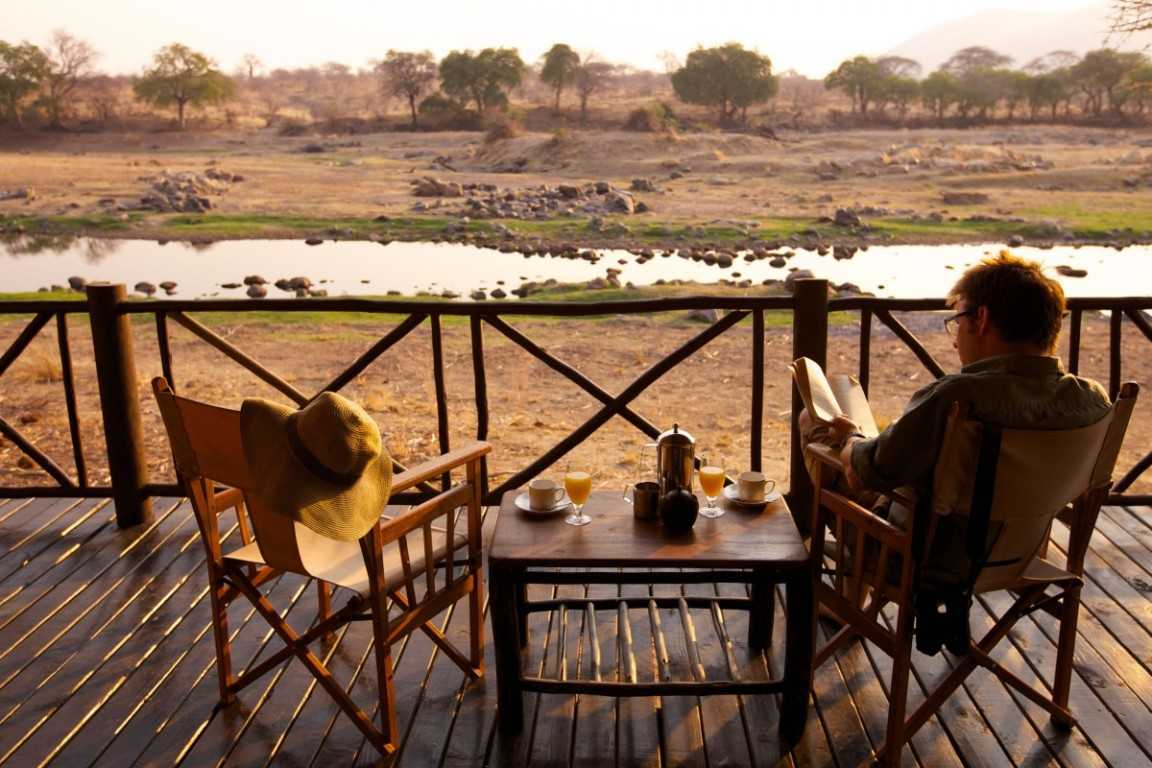
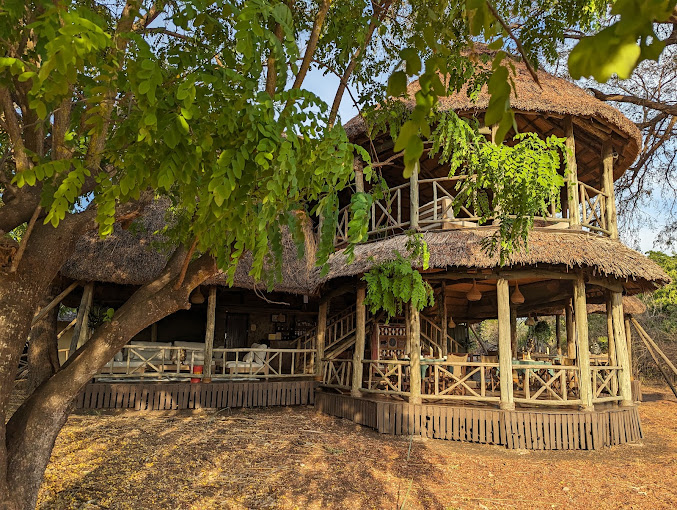
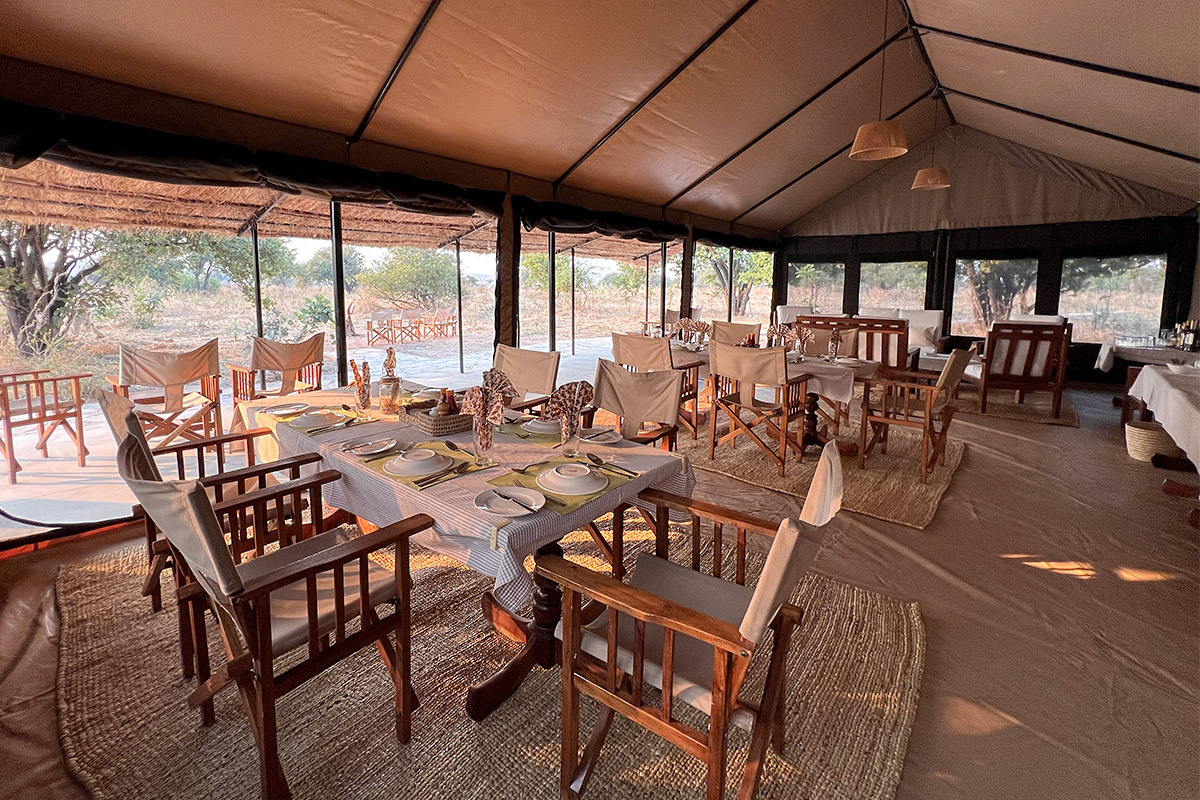
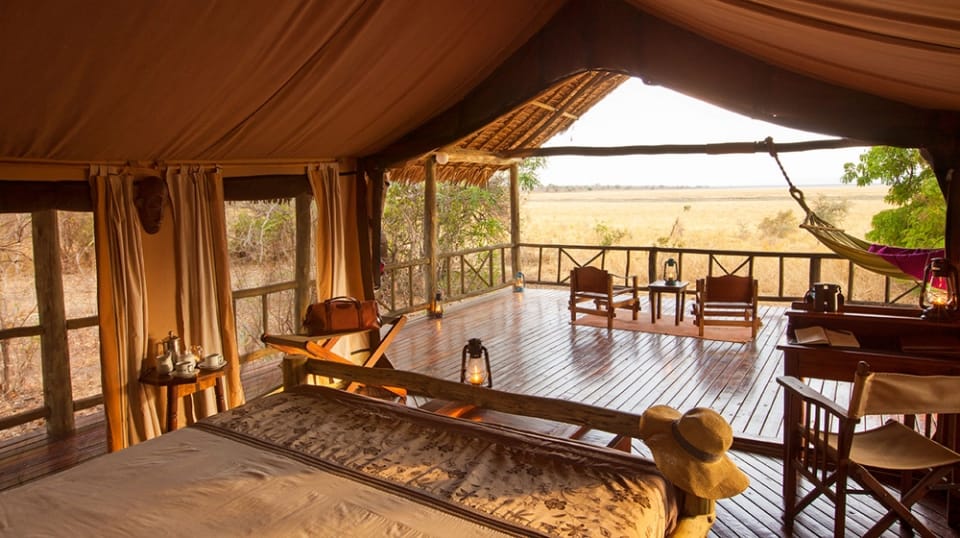
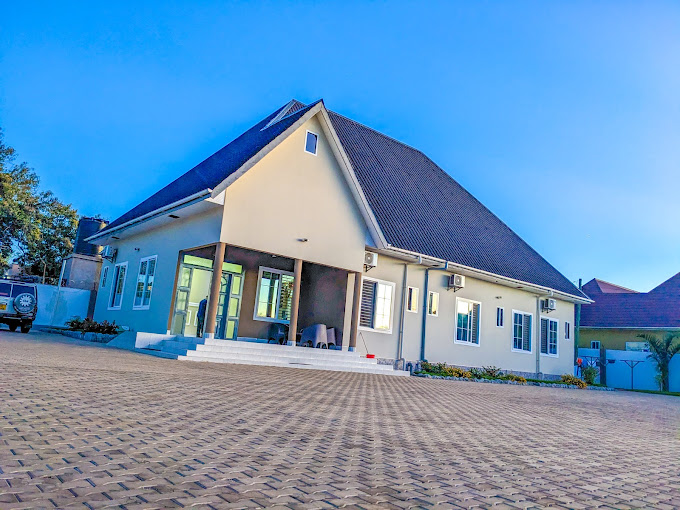
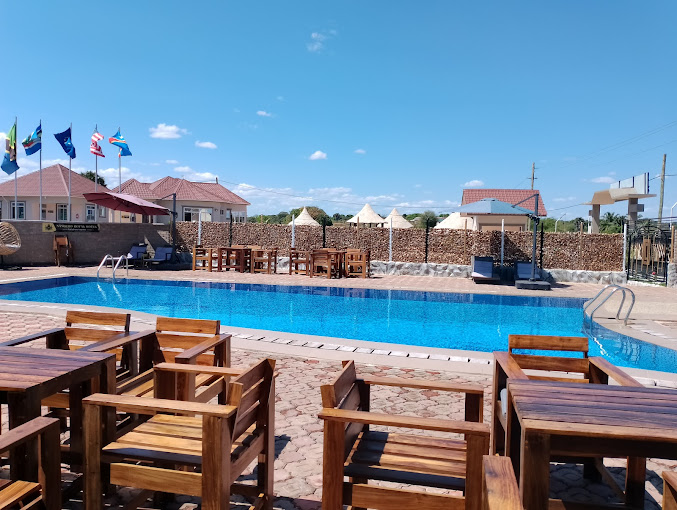
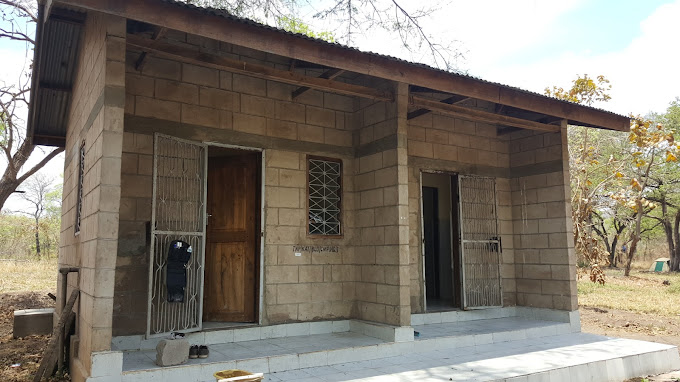
Katavi has a small handful of camps, all of which close during the wet season. The most established are in the Chada and Katuma River areas. Capacity across the entire park is well under 100 beds — this is by design. Choose a camp with an experienced resident guide team and a strong walking safari programme.
Combine Katavi with…
- Mahale Mountains National Park — the classic Katavi partner: chimpanzee trekking on Lake Tanganyika shores, a 45-minute flight away.
- Ruaha National Park — the other great southern and western Tanzania wilderness.
- Gombe National Park — Jane Goodall’s chimpanzee research site on Lake Tanganyika.
Frequently asked questions about Katavi
Is Katavi good for first-time safari travellers?
It can be, but we usually recommend at least one prior East Africa safari experience first. Katavi is remote, raw and deliberately unpolished — travellers who have calibrated their expectations against Serengeti-style game viewing sometimes find the rough edges off-putting.
How do you get to Katavi?
Almost always by charter or scheduled light aircraft. The most common routing is Dar es Salaam → Ruaha or Mahale → Katavi on a combined southern circuit itinerary.
How many hippos are in Katavi?
Estimates vary but the park is believed to hold somewhere between 4,000 and 6,000 hippos. In the dry season, these concentrate into remarkably small areas, creating the density sightings for which the park is famous.
Is Katavi open year-round?
The park is technically open year-round but most camps close from late November to late May. Check with individual properties for their opening dates.
Are there rhinos in Katavi?
No. Black rhino were hunted to local extinction in the region in the 1970s–80s and have not been reintroduced.
Want to visit Katavi National Park?
Get a free custom safari plan within 24 hours.
Katavi National Park safari tours
Want to visit Katavi National Park?
Get a free custom safari plan within 24 hours.
Best time to visit Katavi National Park
Katavi is one of the most seasonally dramatic parks in Africa — the gap between dry and wet season conditions is enormous, and it changes the park almost beyond recognition.
July to October — Peak dry season (strongly recommended)
As the floodplains contract and the Katuma River shrinks to a series of pools, wildlife concentrations become extraordinary. Thousands of hippos are squeezed into small water bodies alongside enormous crocodile congregations — territorial battles and feeding frenzies are daily events. Buffalo herds of 1,000+ animals sweep across the dry plains. Predator activity peaks as prey becomes cornered. This is the window serious safari travellers plan years in advance.
June — Start of dry season
The floodplains are still receding. Wildlife is consolidating toward water but not yet at peak concentration. Vegetation is transitioning — good for walking safaris as the grass shortens. Fewer camps are open in June than in August, but rates are lower.
November to May — Wet season (most camps close)
The rains transform Katavi: the Katisunga and Chada plains flood, roads become impassable and most camps close entirely from late November to May. The few that remain open offer dramatically reduced rates and a pristine, completely private wilderness experience — but access requires a fly-in and tolerance for mud.
Bottom line: Visit between July and October for the finest wildlife concentration in East Africa. Book early — Katavi’s limited camp capacity means the best spots sell out 12–18 months ahead.
Where to stay in Katavi National Park

Want to visit Katavi National Park?
Get a free custom safari plan within 24 hours.
Nearby destinations
 Tanzania
 Tanzania
 Tanzania
 Tanzania