Quick facts
Wildlife
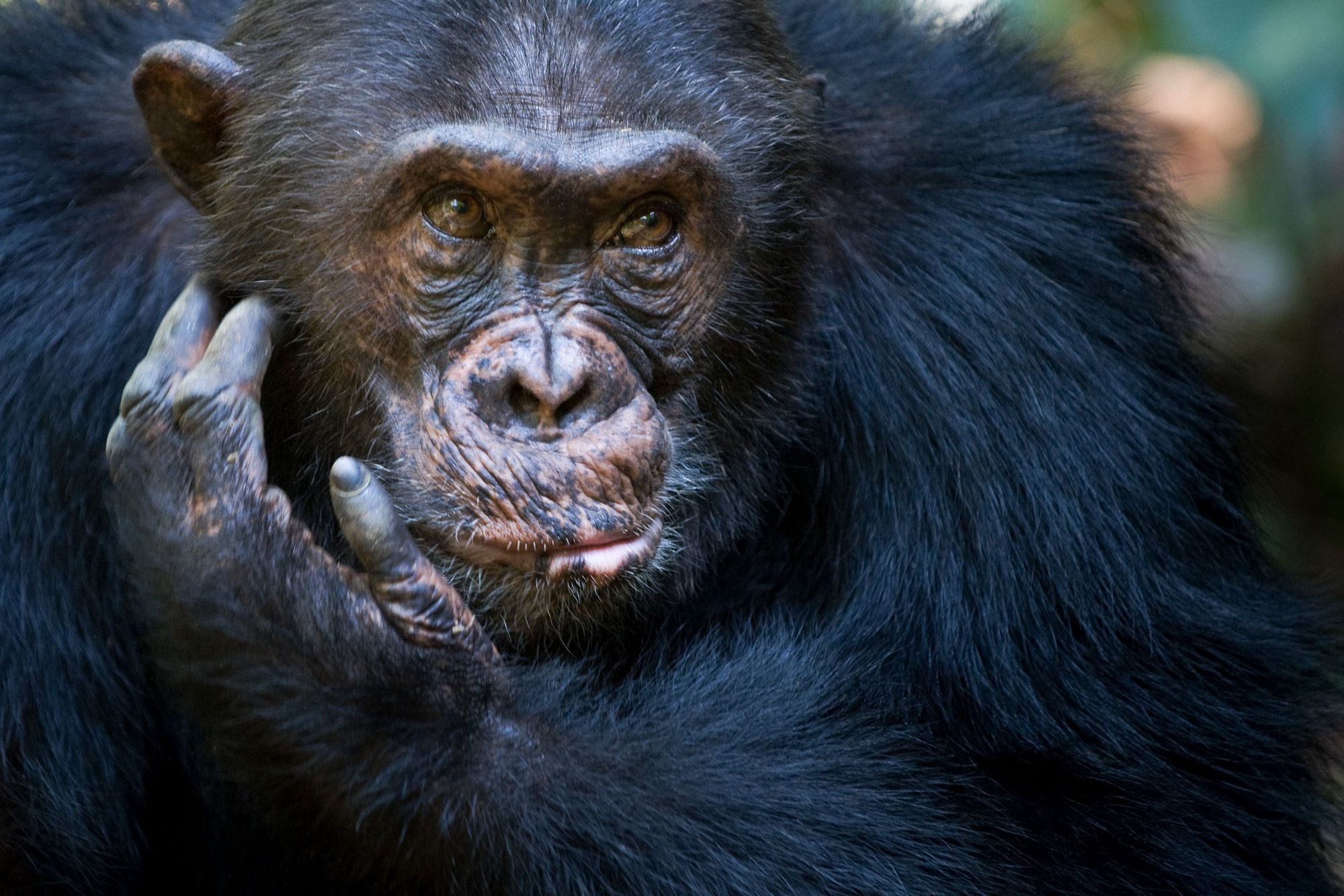
Mahale is home to approximately 700 chimpanzees across 14 habituated and unhabituated communities, with the M-group providing the most reliable daily trekking encounters. The park also holds red-tailed monkey, red colobus, blue monkey, brush-tailed porcupine, African civet and leopard. Lake Tanganyika offers exceptional freshwater snorkelling with hundreds of endemic cichlid species. Over 350 bird species recorded, with specialities including the African fish eagle and palm-nut vulture.
Top activities
Chimpanzee trekking with habituated M-group — the core experience, limited to 4 visitors per group per day. Beach and boat snorkelling in crystal-clear Lake Tanganyika for endemic cichlids. Guided forest walks for primates, birds and botanical interest. Kayaking and sunset dhow rides on Lake Tanganyika. Swimming from the white-sand lakeshore — one of Africa's most extraordinary freshwater beaches. Birdwatching in the Mahale forest and along the lakefront.
About Mahale Mountains National Park
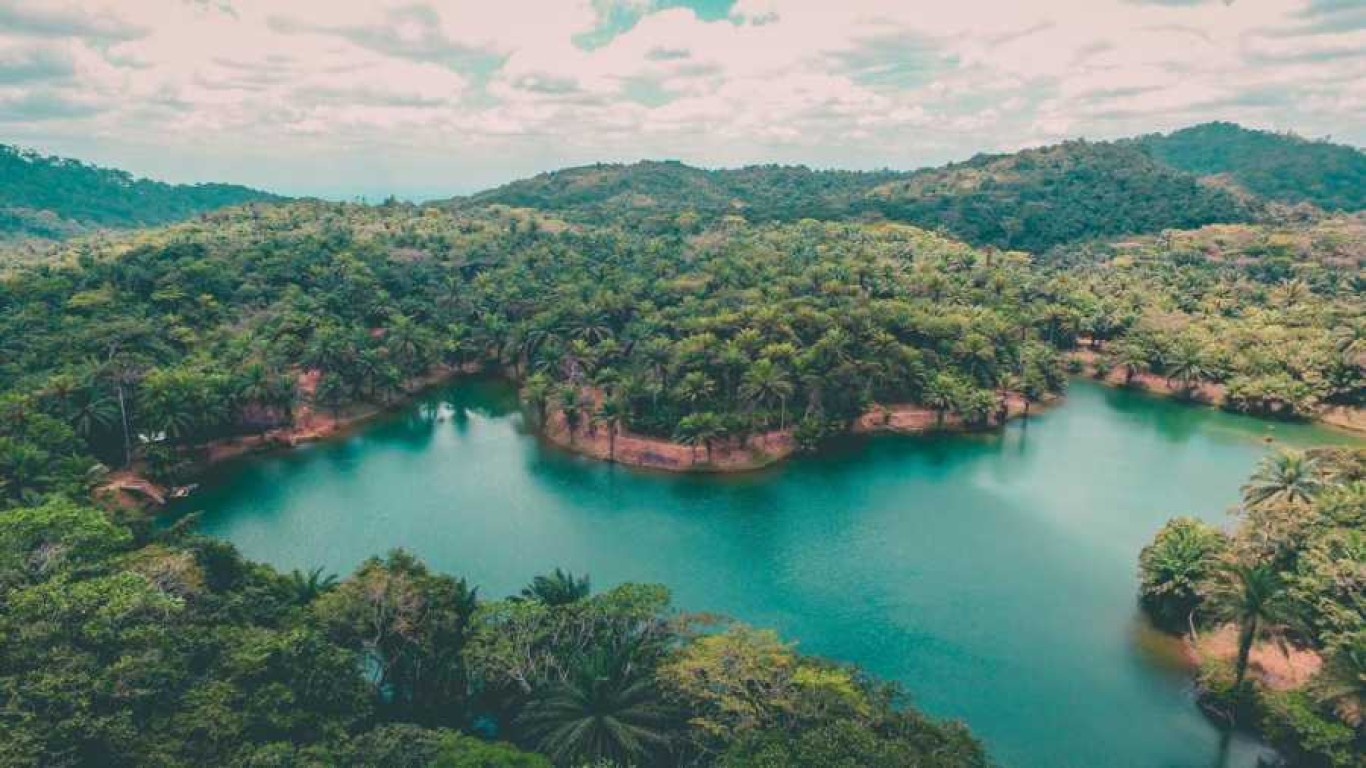
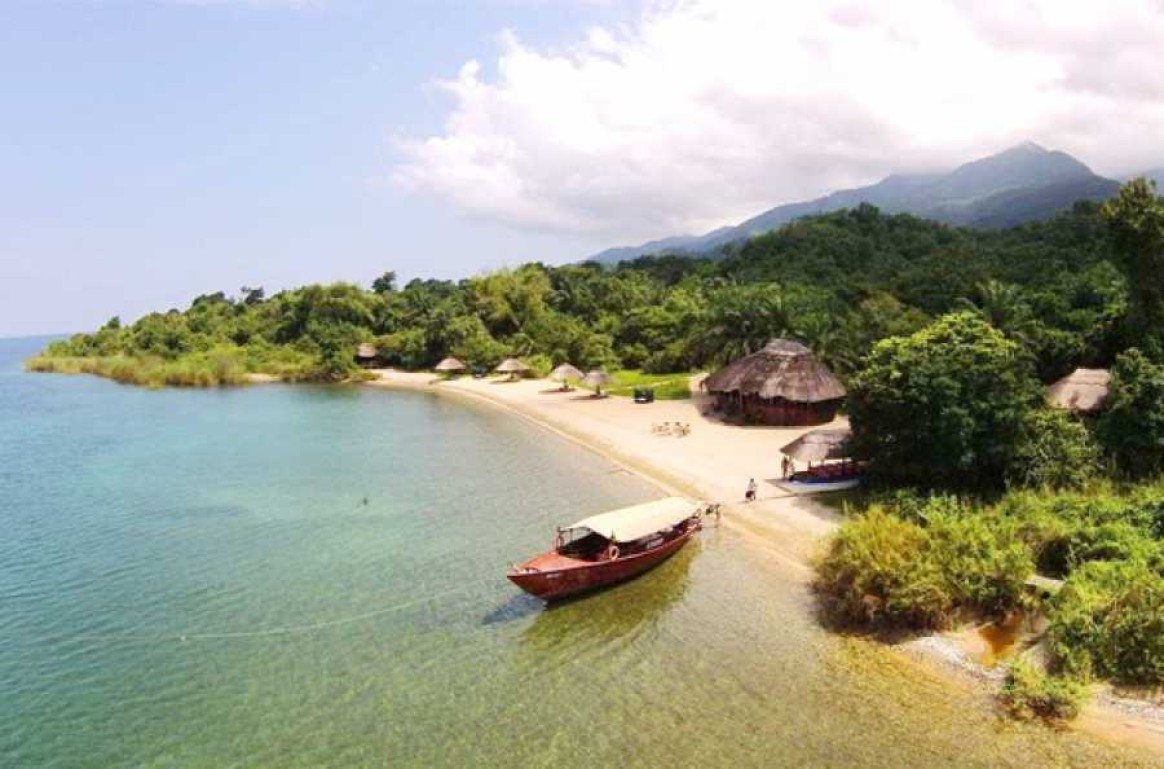
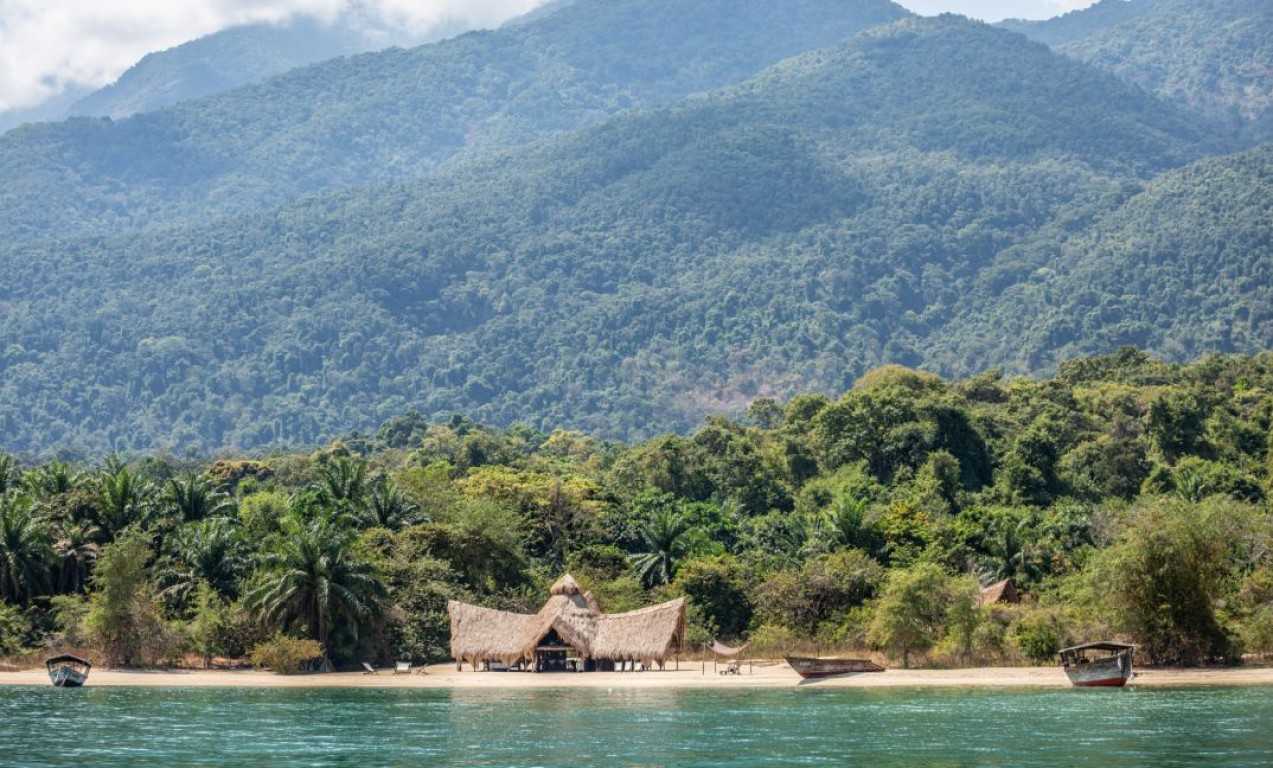
There are chimpanzee experiences in Africa, and then there is Mahale Mountains National Park. On the remote western shore of Lake Tanganyika, backed by forested mountains and fronted by water so clear it looks Caribbean, Mahale is where the encounter with wild chimpanzees happens not in a tourist context but in something approaching genuine wilderness. The chimps here are habituated but not managed — they move freely through vast primary forest, and finding them requires effort.
What Mahale delivers when you do find the M-group — sitting among them in the forest as they groom, play, feed and engage in the complex social hierarchies that define chimpanzee society — is one of the most profound wildlife encounters available anywhere on Earth. Add the extraordinary freshwater lake, the white-sand beach, and the total absence of roads and vehicles, and you have a destination that sits in a category entirely its own.
Where is Mahale?
Mahale Mountains National Park occupies 1,613 square kilometres of western Tanzania’s Kigoma Region, along the eastern shore of Lake Tanganyika — the world’s second-deepest lake. There are no roads inside the park and no road access to the camps. Access is by light aircraft to the park airstrip and/or by boat along the lake. The nearest town is Kigoma, about 130 km north by lake.
Chimpanzee trekking in Mahale
The M-group is the habituated community that visitors trek. It currently numbers around 60–70 individuals and has been studied continuously since the 1960s by Kyoto University researchers — making it one of the longest-running chimpanzee research projects in the world (predating Jane Goodall’s Gombe programme in some respects).
Trekking starts at the main camp at dawn, with trackers setting out before 06:00 to find the chimps from where they nested the previous night. The trek can be 30 minutes or 4 hours depending on where the group has moved. Once you are with them, you have one hour of observation time — a TANAPA rule to minimise stress on the animals. Those 60 minutes pass very quickly.
Groups are strictly limited to 4 visitors per day (one of the most restrictive allocations anywhere in Africa) and each trek requires an additional chimpanzee trekking permit on top of park entry fees. Demand consistently exceeds availability in peak season.
Lake Tanganyika
Mahale sits on one of Africa’s most extraordinary natural features. Lake Tanganyika is the world’s longest freshwater lake (676 km) and second-deepest (1,470 m), and its isolation has produced an explosion of endemic species. The cichlid fish alone number over 250 species found nowhere else — snorkelling off the beach at Mahale reveals a freshwater reef of extraordinary colour and diversity, comparable to a marine experience.
The lake is safe to swim in (no bilharzia in deep, clear water; crocodile are present but rarely a threat near the camps). Kayaking at dusk, with the mountains behind and the lake ahead turning gold, is one of those traveller experiences that becomes a permanent memory.
What else to do at Mahale
- Forest walks — guided walks for red colobus, red-tailed and blue monkey, birds and botanical interest on days without chimpanzee trekking.
- Snorkelling and kayaking — the lake activities that make Mahale unique among Tanzania’s inland parks.
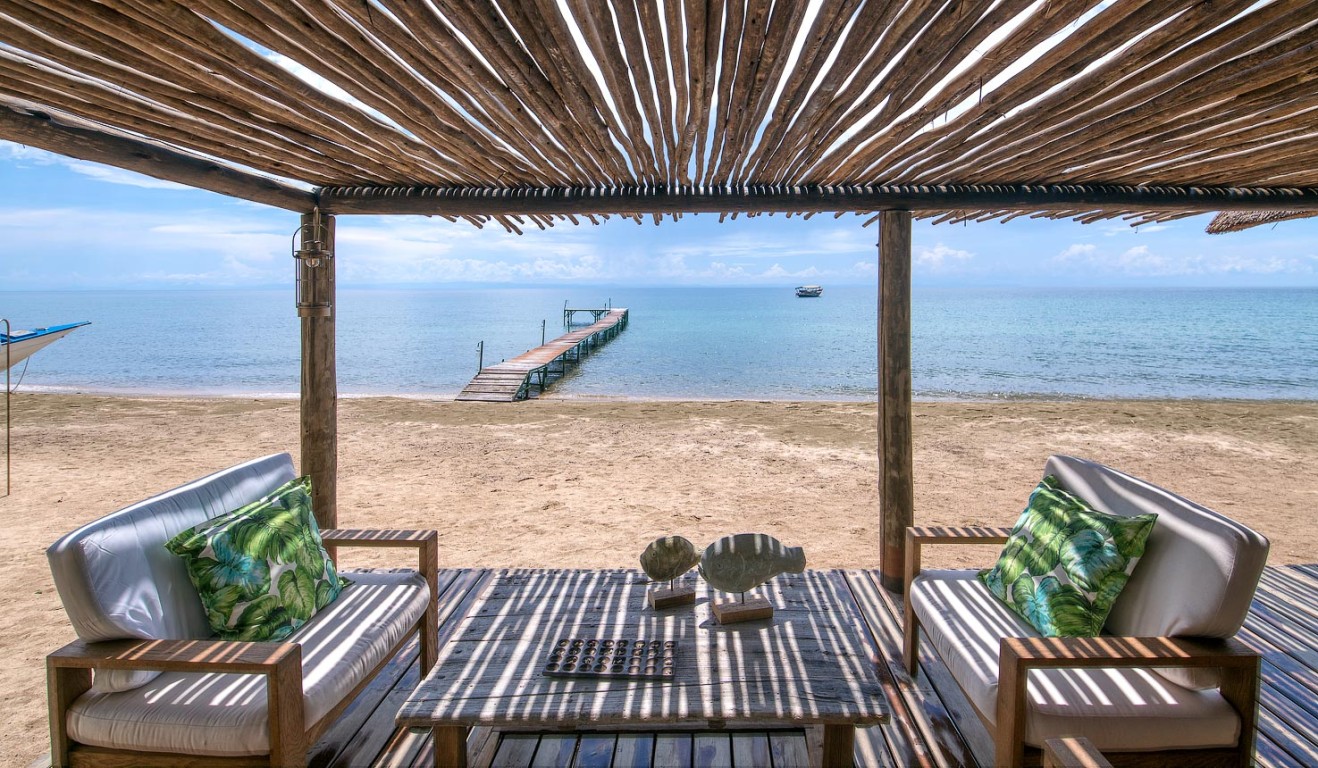
- Beach time — the sand in front of the main camps is genuinely beautiful and completely deserted.
- Birdwatching — the forest holds 350+ species including several western Tanzania specialities not found in the more-visited northern circuit.
Where to stay
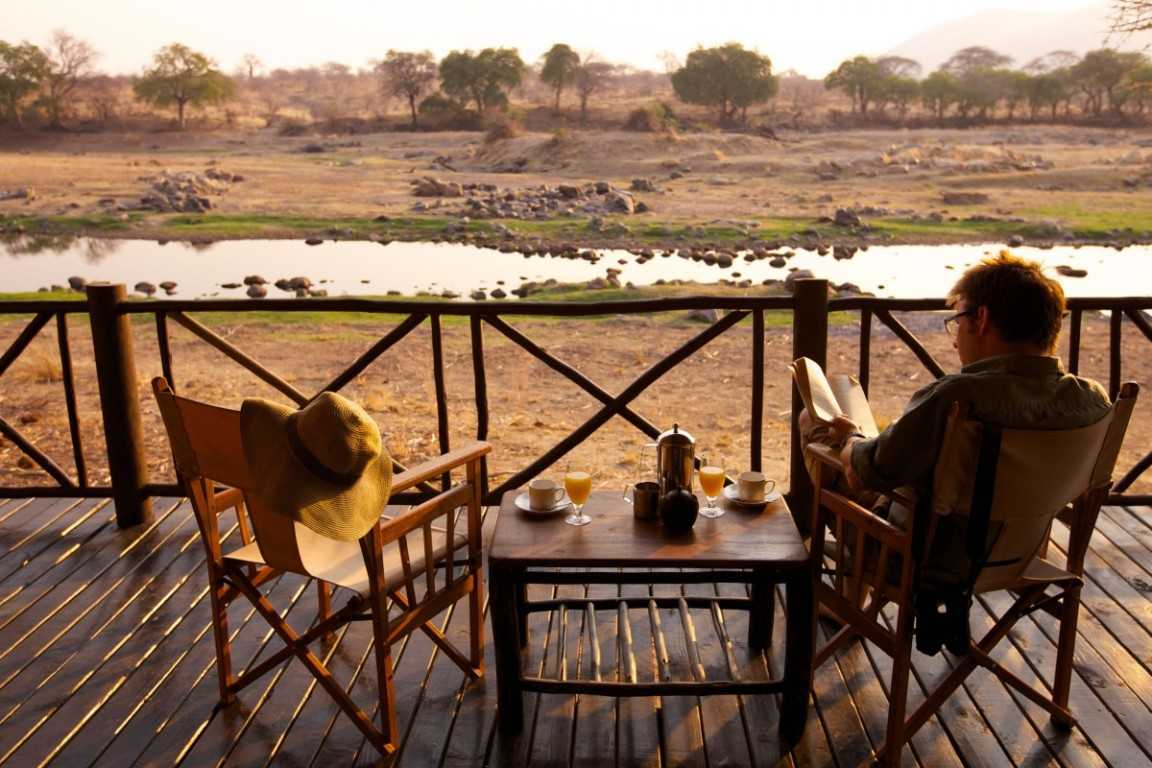
Two or three high-end camps operate on the lakeshore within the park. All are small (6–10 chalets), fully inclusive (meals, activities, park fees), and positioned directly on the beach. There is no budget accommodation inside the park. The TANAPA public campsite at Bilenge offers a cheaper option for travellers willing to self-cater.
How to get to Mahale
- By air — charter flights from Dar es Salaam, Arusha or Katavi to the Mahale airstrip, followed by 10–20 minutes by boat to camp. Most common routing in 2026.
- By boat from Kigoma — the MV Liemba lake ferry serves villages along the Tanzanian shore, but journeys can take 10–16 hours. A romantic option for the very patient.
Combine Mahale with…
- Katavi National Park — the classic western Tanzania circuit: hippos in the morning, chimps in the afternoon.
- Gombe National Park — Jane Goodall’s famous research site, accessible by boat from Kigoma.
- Lake Tanganyika — extended time on the lake for snorkelling and kayaking.
Frequently asked questions about Mahale
How long should I stay at Mahale?
Three nights minimum. This gives you two chimpanzee treks (in case the first day is a shorter or less productive encounter), lake activities, and a sense of the place beyond pure tourism. Four nights is ideal.
Is the chimpanzee trekking permit separate from park entry?
Yes — the chimp trekking permit is paid in addition to park entry fees and must be booked through the park authority or your operator well in advance. See our Tanzania park fees page for current rates.
Is Mahale safe to swim in?
Yes — the deep, clear water of Lake Tanganyika in front of the camps is free from bilharzia and crocodile risk at the beach frontage. Your camp will advise on specific swimming areas.
What is the minimum age for chimpanzee trekking?
TANAPA requires trekkers to be aged 12 and above.
Is Mahale good value?
It is one of Tanzania’s most expensive destinations on a per-night basis, driven by remoteness, fly-in costs and the high permit price. It is also considered by many experienced Africa travellers to be the single most extraordinary wildlife experience Tanzania offers. Whether it is “good value” depends entirely on what you value.
Want to visit Mahale Mountains National Park?
Get a free custom safari plan within 24 hours.
Mahale Mountains National Park safari tours

Want to visit Mahale Mountains National Park?
Get a free custom safari plan within 24 hours.
Best time to visit Mahale Mountains National Park
July to October — Dry season (prime trekking)
The clear, dry months are the best time to trek chimpanzees. Trails through the steep forest are drier and safer underfoot, the chimps spend more time in lower-elevation areas where they are easier to follow, and sighting times tend to be longer. The lake is at its calmest, and the forest canopy is thinner, improving photography. Most camps are full in August and September — book 12–18 months ahead.
June — Early dry season
The transition into dry season. Fewer visitors than peak season, the forest is still lush from the rains and chimp sightings are very good. A strong-value window if you can be flexible on exact dates.
November to December — Short rains
The forest is extraordinarily lush and the chimps are active at higher elevations following fruiting trees. Trekking can involve steep, muddy trails but the forest is beautiful and visitor numbers are low. Good birding period.
January to March — Short dry window
A relatively dry period between the rainy seasons, with productive chimp trekking and excellent lake conditions. Most camps are open but less busy than peak season.
April to May — Long rains (most camps close)
Mahale is truly remote, and in the long rains the access by boat along Lake Tanganyika becomes unreliable. Most camps close completely from April to early June. Chimpanzee trekking is suspended during this window.
Bottom line: July to October for the definitive experience. June and January–March for quieter alternatives. April and May are largely inaccessible.
Where to stay in Mahale Mountains National Park


Want to visit Mahale Mountains National Park?
Get a free custom safari plan within 24 hours.
Nearby destinations
 Tanzania
 Tanzania
 Tanzania
 Tanzania