Quick facts
Wildlife
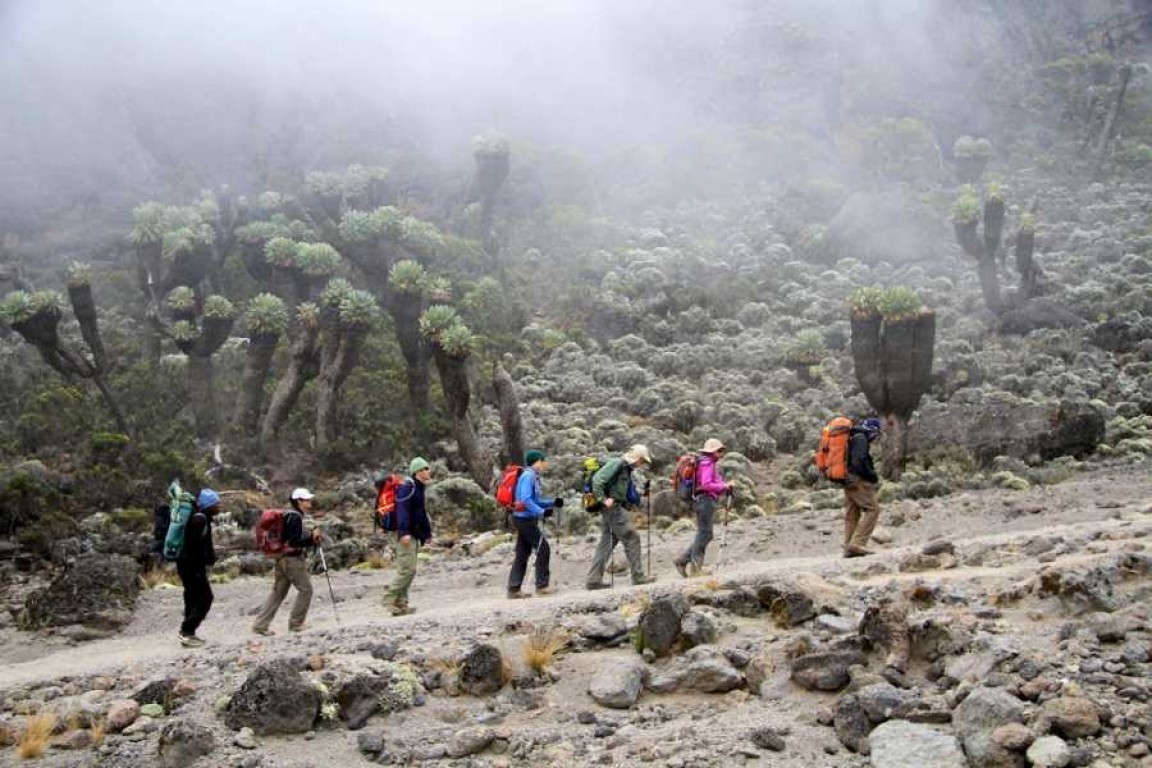
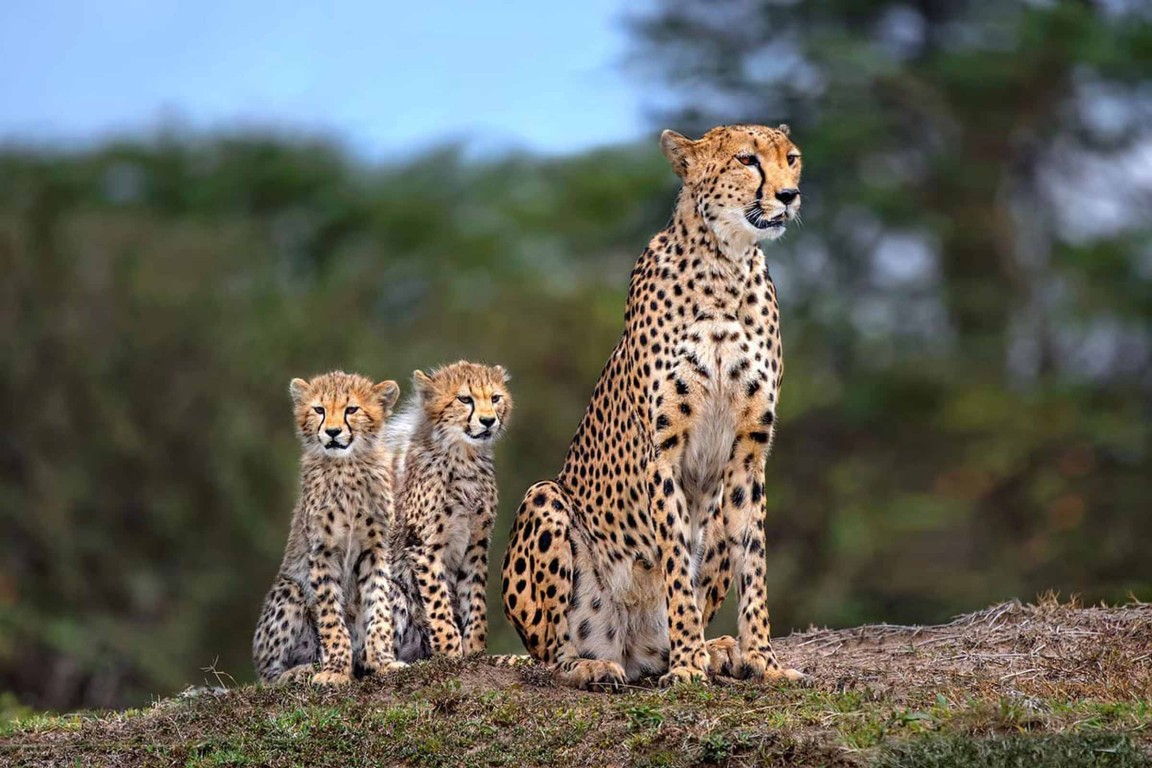
Kilimanjaro National Park's lower forest zone holds forest elephant (often heard crashing through bamboo at night), buffalo, colobus monkey, blue monkey, bushbuck, eland and the common duiker. Leopard are present throughout the forest and heath zones. The heath and moorland above 3,000m has four-striped grass mouse, eland and the striking Jackson's chameleon. The Afroalpine zone above 4,000m has white-necked raven, alpine swift, augur buzzard and Kilimanjaro's famous giant lobelias and senecios — botanical curiosities as visually arresting as any wildlife. Over 180 bird species in the park.
Top activities
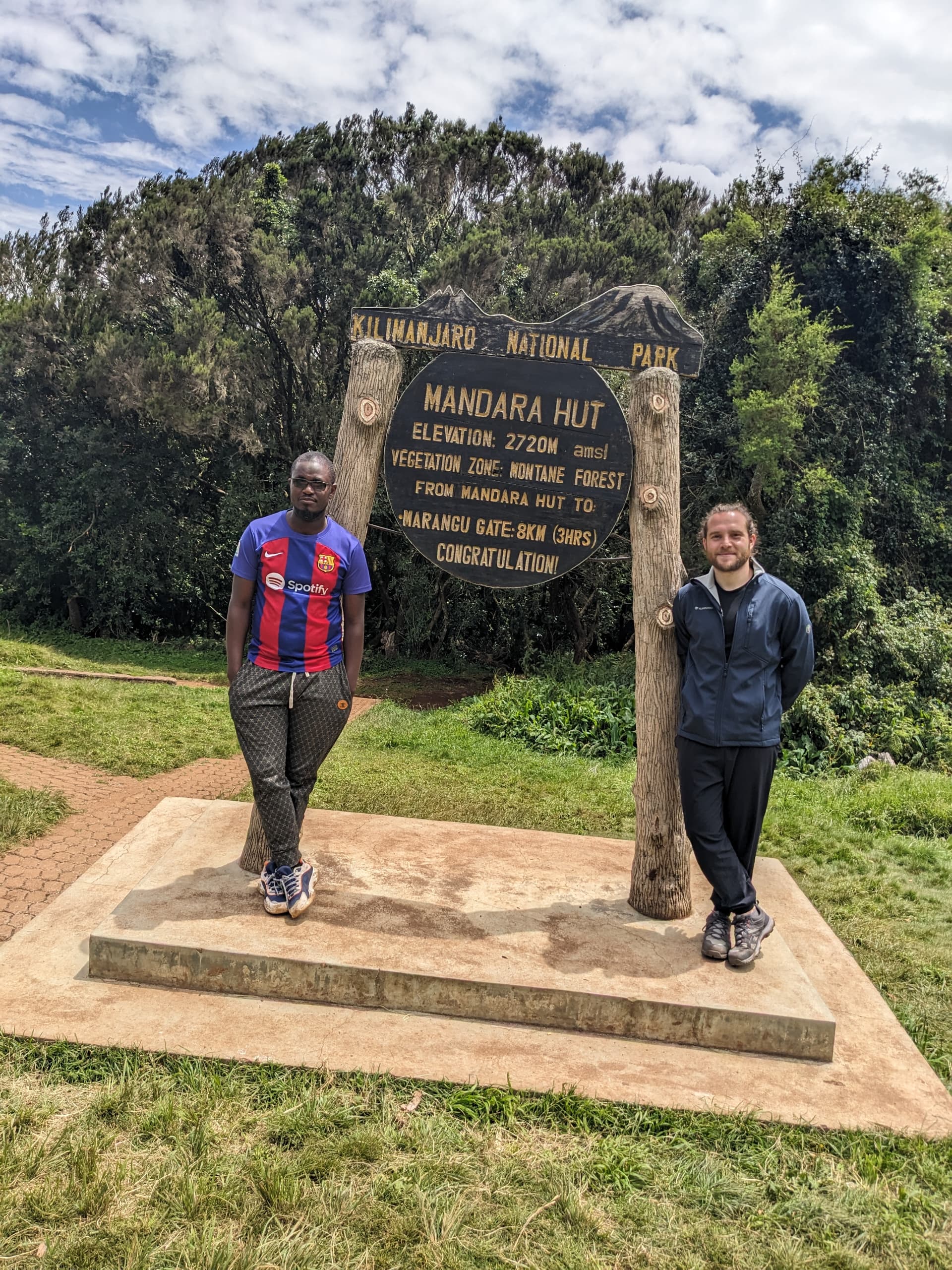
Summit trekking on the Marangu, Machame, Rongai, Lemosho or Northern Circuit routes — from 5-day Marangu to 9-day Northern Circuit. Acclimatisation day hikes below the forest zone — Mandara Hut area and the Maundi Crater viewpoint above Marangu Gate. Coffee farm tours on the lower slopes in Marangu and Moshi towns. Cultural visits to the Chagga people — highland farmers who have cultivated Kilimanjaro's slopes for centuries. Materuni Waterfall half-day hike from Moshi. Cycling on the lower farmland tracks below the national park boundary.
About Mount Kilimanjaro
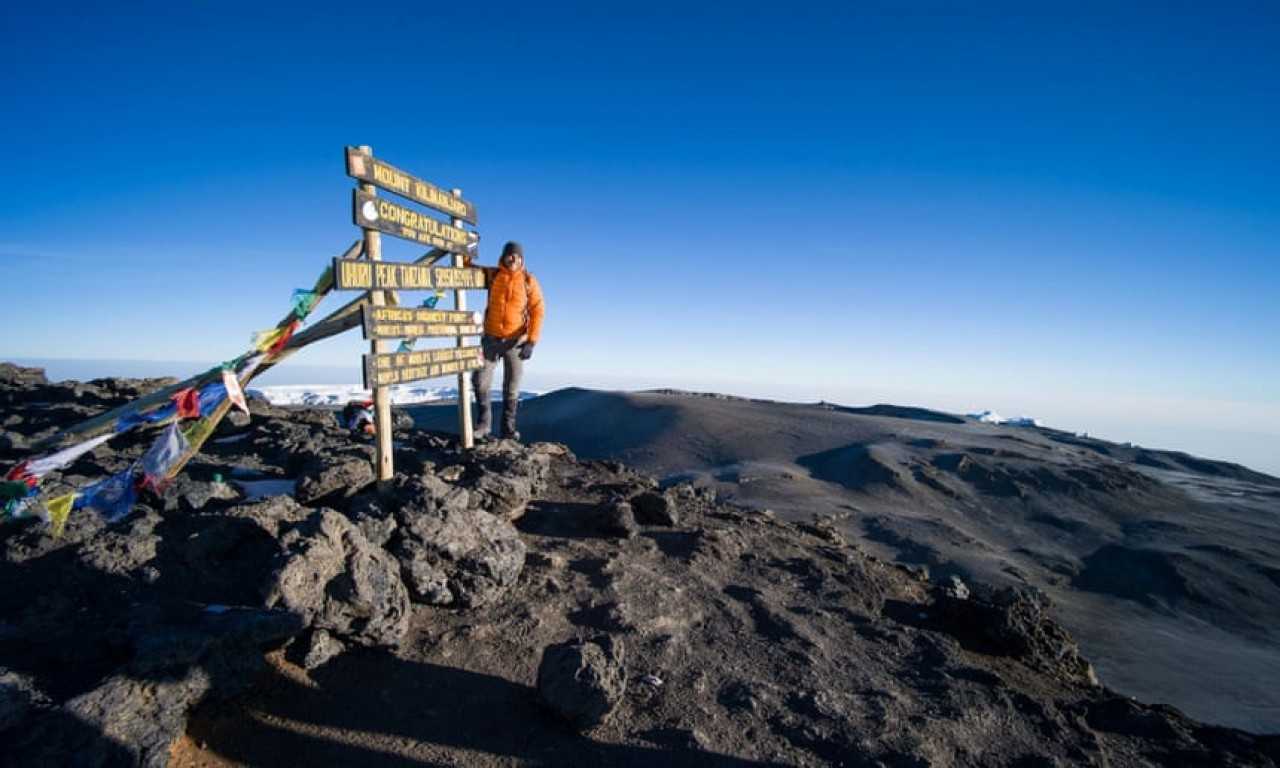
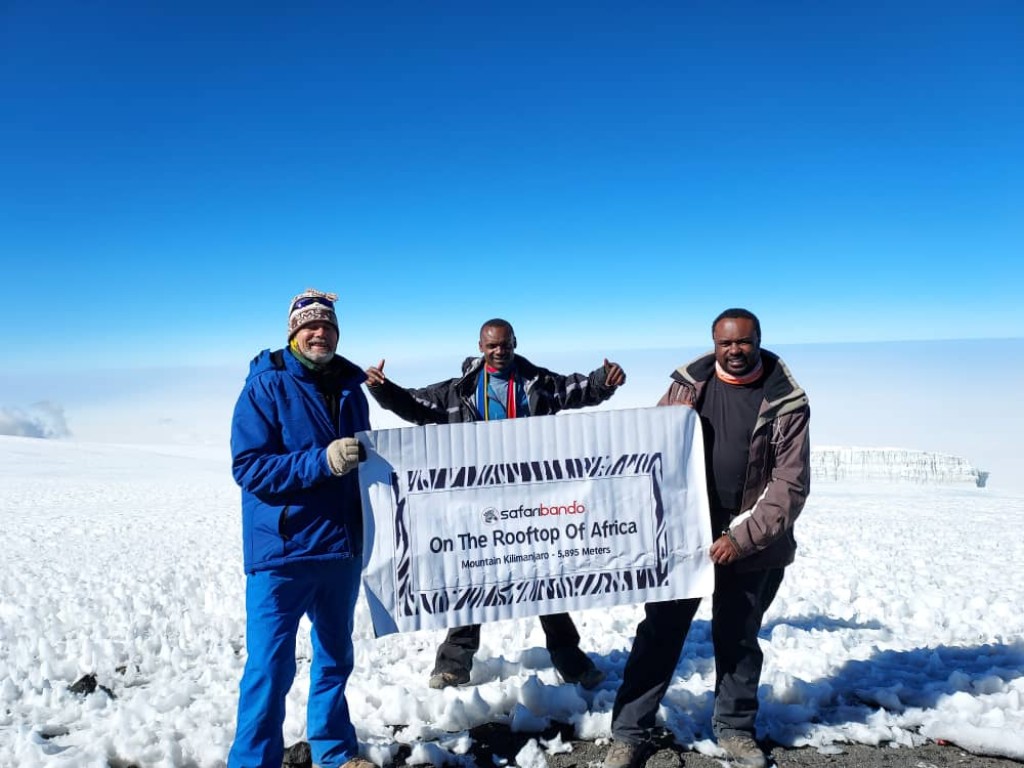
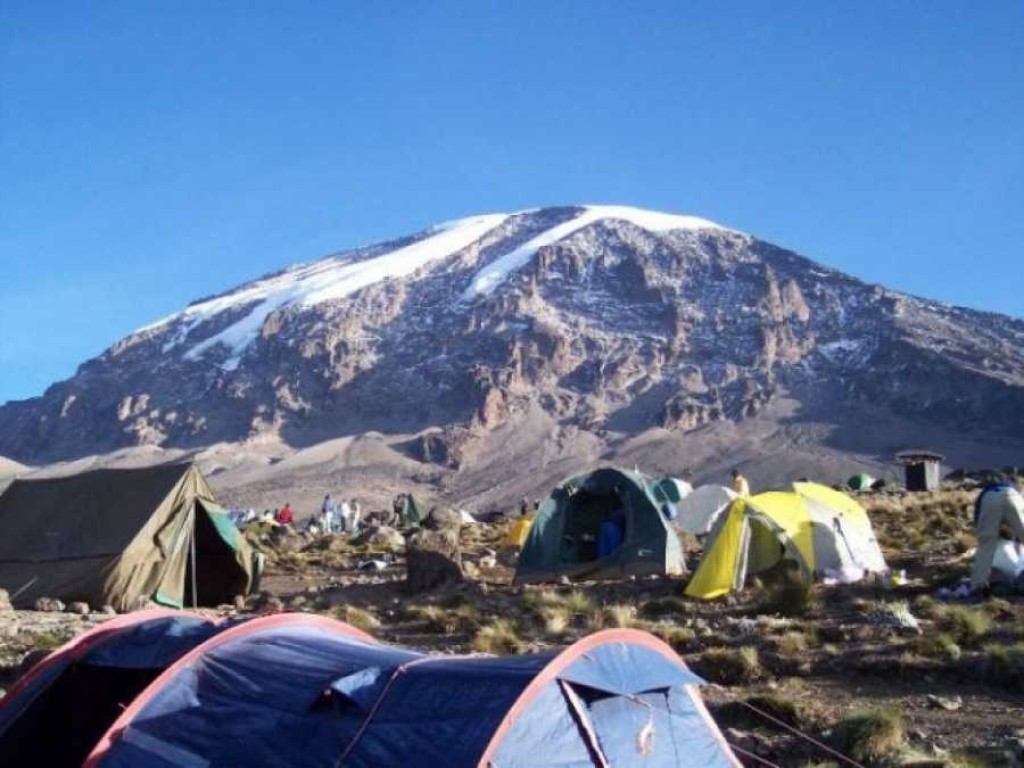
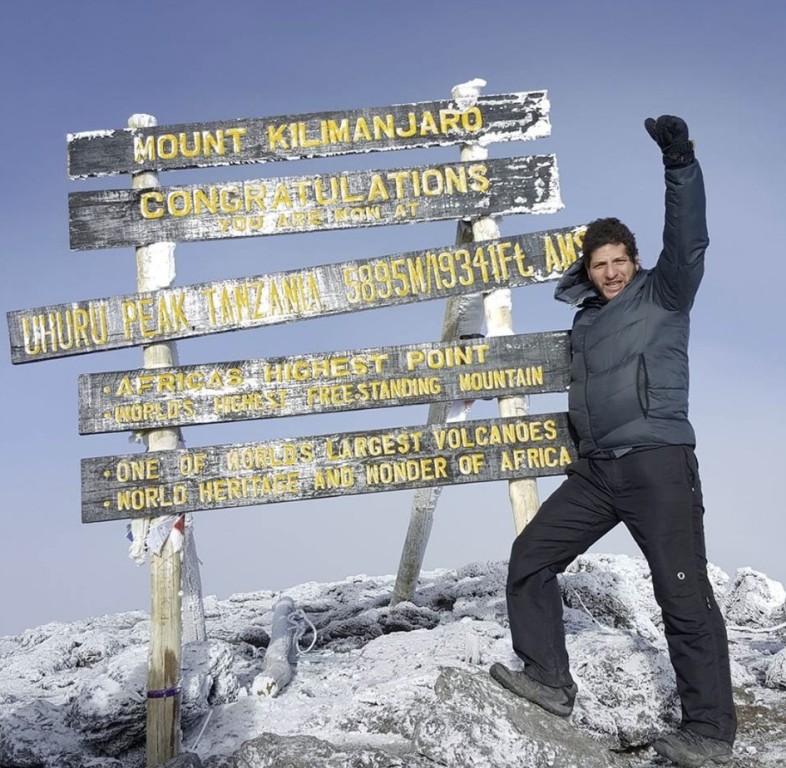
Mount Kilimanjaro is one of the most iconic mountains in the world — a snow-capped volcano rising in three cones (Kibo, Mawenzi and Shira) directly out of the plains of northern Tanzania. At 5,895 metres above sea level, Uhuru Peak on Kibo’s crater rim is Africa’s highest point and one of the celebrated Seven Summits. What sets Kili apart from the rest of the Seven Summits is that the climb requires no mountaineering experience: it is a strenuous high-altitude walk, not a technical ascent.
Each year roughly 35,000 trekkers attempt the summit, and overall success rates hover around 65%. With the right route, the right number of days and the right preparation, that figure rises above 90%. This guide covers everything you need to plan a Kilimanjaro climb — routes, costs, training, gear and the best months to go.
Where is Kilimanjaro?
Kilimanjaro National Park sits in the Kilimanjaro Region of northern Tanzania, about 300 km south of the equator and just a few kilometres from the Kenyan border. The closest town is Moshi, around 40 minutes from Kilimanjaro International Airport (JRO). The park covers 1,688 sq km and includes the entire mountain above the cultivation zone, plus six forest corridors that link it to surrounding reserves.
The seven Kilimanjaro routes compared
1. Marangu Route (“Coca-Cola”) — 5–6 days
The only route with hut accommodation rather than tents. Often chosen for being the cheapest and shortest, but the short profile gives poor acclimatisation and the lowest summit success rate of all routes. Same path up and down.
2. Machame Route (“Whisky”) — 6–7 days
The most popular route, offering scenic variety and good acclimatisation thanks to a classic climb-high, sleep-low profile. Busier than other tented routes but justifiably loved.
3. Lemosho Route — 7–8 days
Approaches from the west through pristine rainforest and crosses the Shira Plateau. Excellent acclimatisation, beautiful scenery and one of the highest summit success rates — our most-recommended itinerary for first-time climbers.
4. Northern Circuit — 8–9 days
The longest route, swinging around the quiet northern slopes before summiting from the east. Highest success rate of any route (typically 95%+), best for travellers who want maximum acclimatisation and minimal crowds.
5. Rongai Route — 6–7 days
The only route starting from the dry northern (Kenyan) side. Less rainfall, less foot traffic and a wilder feel, though scenery is less varied than Lemosho or Machame.
6. Umbwe Route — 6 days
The steepest and shortest, suited only to very fit climbers with prior altitude experience. Beautiful but tough, with limited acclimatisation.
7. Shira Route — 7–8 days
Mostly superseded by Lemosho. The Shira approach drives high (around 3,500 m) before walking, which can compromise acclimatisation.
The five ecological zones
One of the most magical things about climbing Kilimanjaro is walking through five entirely different ecosystems in less than a week:
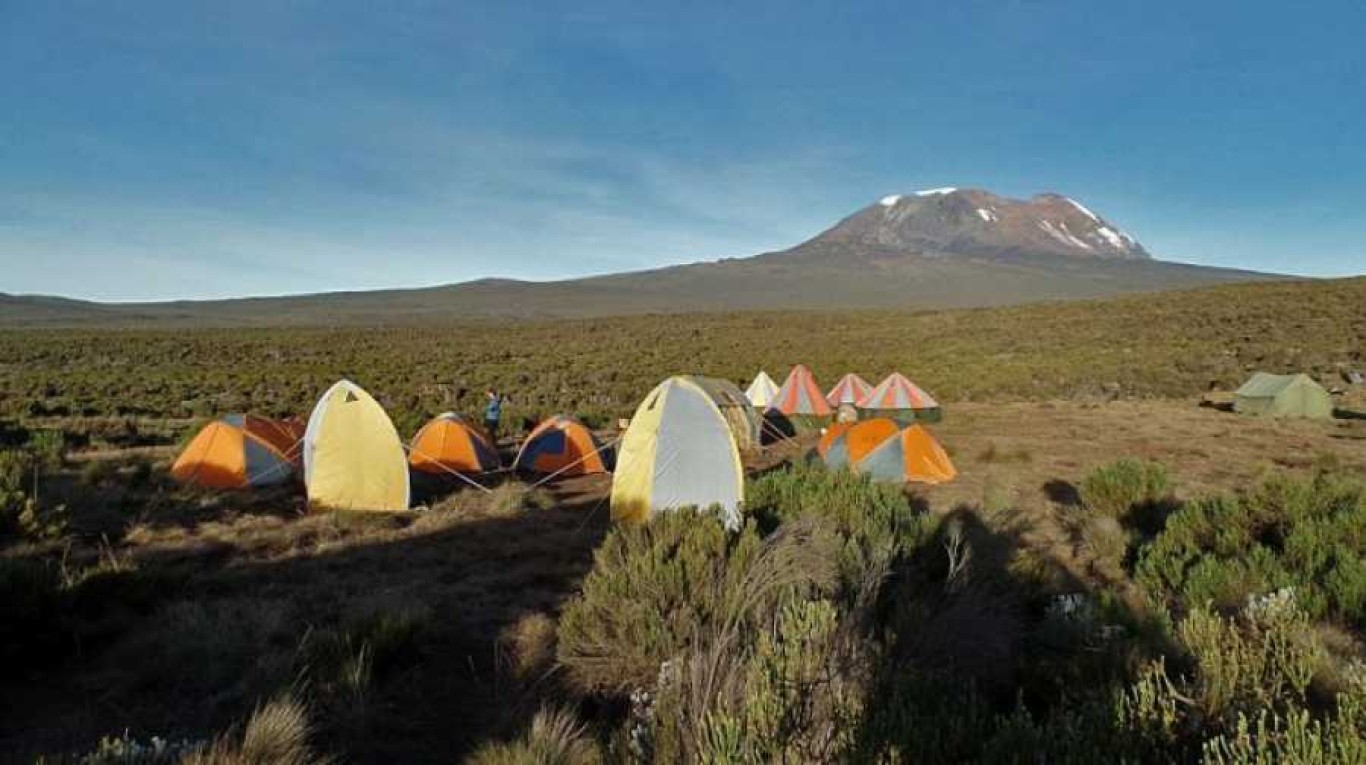
- Cultivation zone (800–1,800 m) — banana groves and coffee farms on the lower slopes.
- Montane rainforest (1,800–2,800 m) — ancient trees, colobus monkeys, hornbills.
- Heath and moorland (2,800–4,000 m) — giant lobelias and senecios.
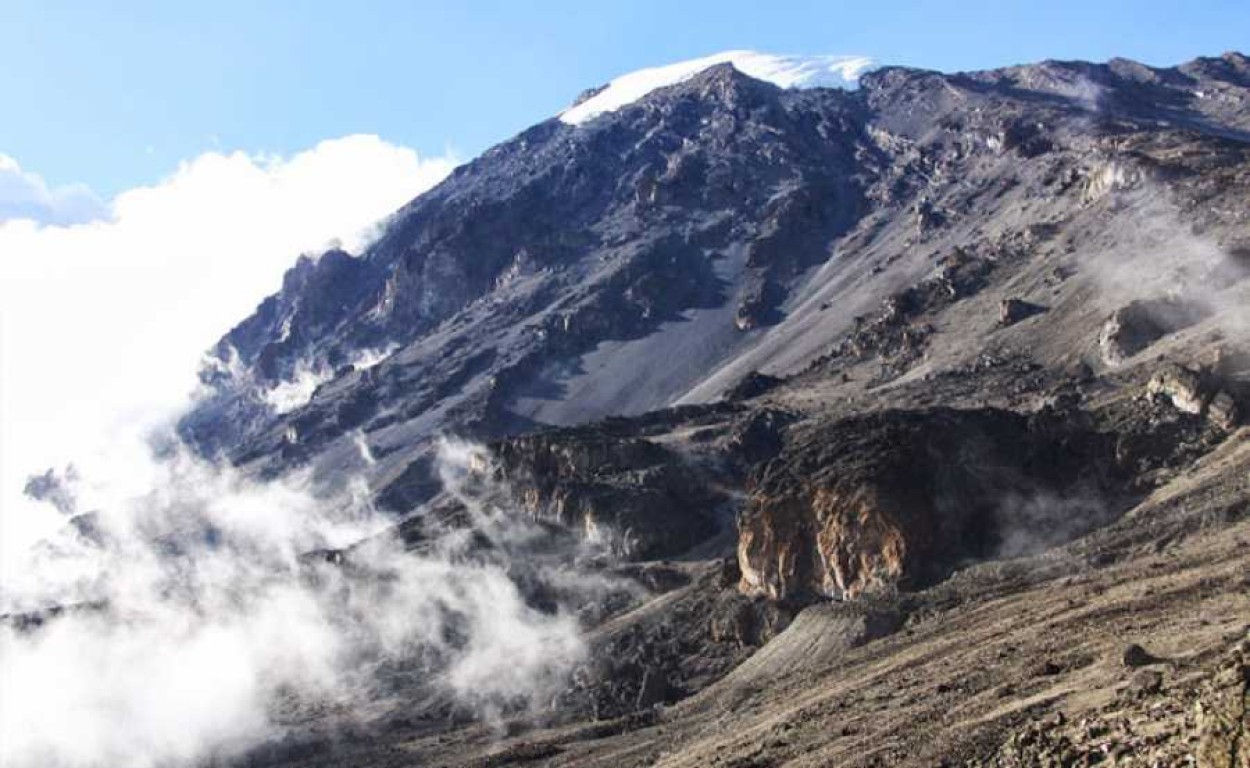
- Alpine desert (4,000–5,000 m) — barren, lunar, extreme temperature swings.
- Arctic summit zone (5,000–5,895 m) — glaciers, ice cliffs and thin air.
When is the best time to climb Kilimanjaro?
Kilimanjaro can be climbed year-round, but two windows offer the highest probability of clear summit days:
- January to early March — warmer summit nights, clearer skies, moderate traffic.
- June to October — the long dry season, the most popular months, busiest trails.
Avoid late March, April and May (the long rains) and mid-November to mid-December (short rains). Full-moon dates are popular because the summit night benefits from natural light — book a year ahead if a full moon summit matters to you.
Costs & what is included
A reputable Kilimanjaro climb starts at roughly USD 2,000 per person and climbs from there based on route length, group size and operator standards. Be wary of any quote significantly below that — the mathematics simply don’t work once park fees, crew wages and food are accounted for, and ultra-cheap operators almost always cut corners on porter welfare.
A typical inclusive Kilimanjaro package covers:
- All park fees, camping fees and rescue fees
- Mountain crew (lead guide, assistant guides, cook, porters)
- Tents, sleeping mats, cooking equipment and all meals on the mountain
- Transfers from Kilimanjaro Airport or Moshi/Arusha hotels
- Two nights’ hotel accommodation either side of the climb (most packages)
Tipping is not included and is a real cost: budget roughly USD 250–350 per climber for the full crew across a 7-day route.
Training and preparation
Kilimanjaro is a fitness challenge, but altitude beats fitness every time. Train for endurance rather than speed: long back-to-back hiking days with a loaded pack are far more useful than gym work. Three to four months of progressive training is the realistic minimum. If possible, slot in a Mount Meru climb in the days before Kili — the 4,566 m altitude is an excellent acclimatisation primer.
Altitude sickness: what to know
Above 2,500 m, anyone can develop acute mountain sickness (AMS) regardless of fitness or age. Mild AMS — headache, mild nausea, poor sleep — affects most climbers above 4,000 m and resolves with rest. Severe symptoms (confusion, persistent vomiting, breathlessness at rest) require immediate descent. Choose a longer route, ascend slowly, drink 3–4 litres of water daily, and discuss Diamox with your doctor. Every reputable operator carries a pulse oximeter and a Gamow bag.
Packing essentials
- Insulated down jacket rated to -10°C, plus a fleece mid-layer
- Waterproof shell jacket and trousers
- Broken-in, ankle-supporting waterproof hiking boots
- Four-season sleeping bag (rated to -10°C / 15°F or lower)
- Trekking poles, headlamp with spare batteries, sun hat, warm hat
- Sunglasses (Category 3 or 4), high-SPF sunscreen and SPF lip balm
- 3-litre hydration bladder and an additional insulated bottle for summit night
Most quality gear can be rented in Moshi — ask your operator about a pre-climb gear check.
Combine your climb with…
- Serengeti and Ngorongoro safaris — the classic post-climb wildlife reward.
- Zanzibar beach extension — ideal for tired muscles.
- Mount Meru — the perfect acclimatisation warm-up.
Frequently asked questions about Kilimanjaro
How hard is it to climb Kilimanjaro?
Physically demanding but technically straightforward. Summit night involves 6–8 hours of uphill walking from around 4,700 m to 5,895 m, usually starting at midnight in sub-zero temperatures. With a long route and good acclimatisation, the majority of reasonably fit adults make it.
What is the success rate on Kilimanjaro?
Roughly 65% overall. On 5-day Marangu climbs it drops below 50%. On 8-day Lemosho or Northern Circuit climbs with a quality operator, success rates routinely exceed 90%.
What is the minimum age for Kilimanjaro?
Tanzania National Parks Authority (TANAPA) sets the minimum age at 10. There is no upper age limit; the oldest summiter is in their 80s. Anyone with cardiac, pulmonary or severe asthmatic conditions should consult a doctor first.
Do I need a guide to climb Kilimanjaro?
Yes — it is illegal to climb Kilimanjaro without a registered guide. Independent climbing has not been permitted since 1991.
Can beginners climb Kilimanjaro?
Yes. Most successful climbers have no prior mountaineering experience. What you need is good aerobic fitness, mental resilience, and a route long enough to acclimatise properly.
Are porters treated well on Kilimanjaro?
Standards vary widely. Look for operators that are partners of the Kilimanjaro Porters Assistance Project (KPAP), which audits porter wages, loads (maximum 20 kg) and welfare. We work only with KPAP-affiliated crews.
Want to visit Mount Kilimanjaro?
Get a free custom safari plan within 24 hours.
Mount Kilimanjaro safari tours








Want to visit Mount Kilimanjaro?
Get a free custom safari plan within 24 hours.
Best time to climb Mount Kilimanjaro
January to mid-March — Short dry season (warm, clear summits)
The first and arguably finest climbing window. January and February bring the warmest temperatures on the mountain (meaning summit nights are cold but manageable rather than brutal), reliably clear skies on the upper slopes and excellent summit visibility. The forest and moorland are in good condition; the alpine desert is dry. January and February see moderate traffic — fewer climbers than the July–October peak. March becomes increasingly wet toward the long rains; aim for January or February within this window.
June to October — Long dry season (most popular, clear, cold)
The main climbing season. The long dry season produces reliable clear skies, dry trails and the best overall summit success rates. Temperatures are colder than January–March, particularly at summit camp (Crater Camp or Kibo Hut: -10 to -20°C is possible). The mountain is at its busiest — July, August and September see the heaviest traffic on all routes, particularly Marangu and Machame. Book operators and permits 3–6 months ahead for this window.
Late March to May — Long rains (avoid)
The long rains bring persistent daily rain and cloud on the lower slopes, snow and ice on the upper mountain and significantly reduced summit visibility. Trail conditions in the forest and moorland are wet and slippery. Summit success rates are lower. The mountain is quieter and cheaper, but this is not a recommended window for a first Kilimanjaro attempt.
November — Short rains (transitional, manageable with caution)
The short rains bring cloud and intermittent rain but are generally less severe than the long rains. Some climbers choose November for lower costs and reduced crowding. The upper slopes are often clear even when the lower forest has cloud; summit success rates remain reasonable with an experienced operator.
Bottom line: January to mid-March for the warmest, clearest conditions with fewer crowds. June to October for the most reliable overall season. Avoid April and May entirely.
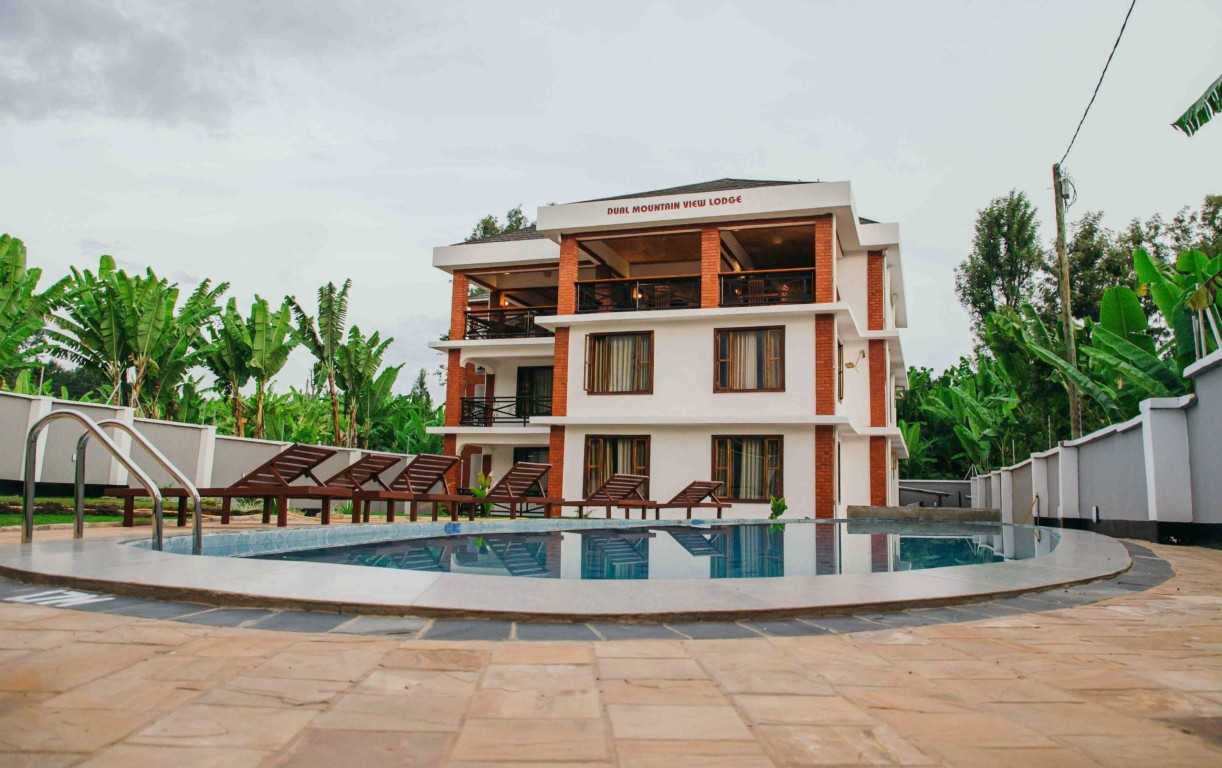
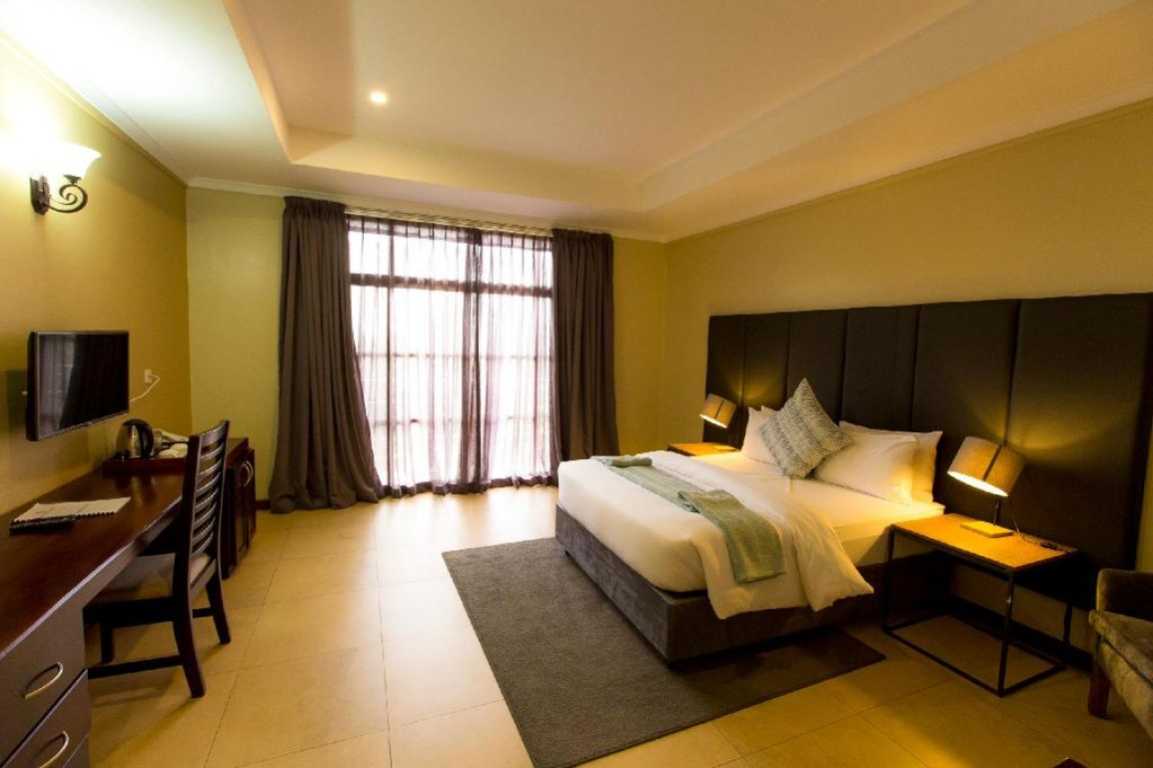
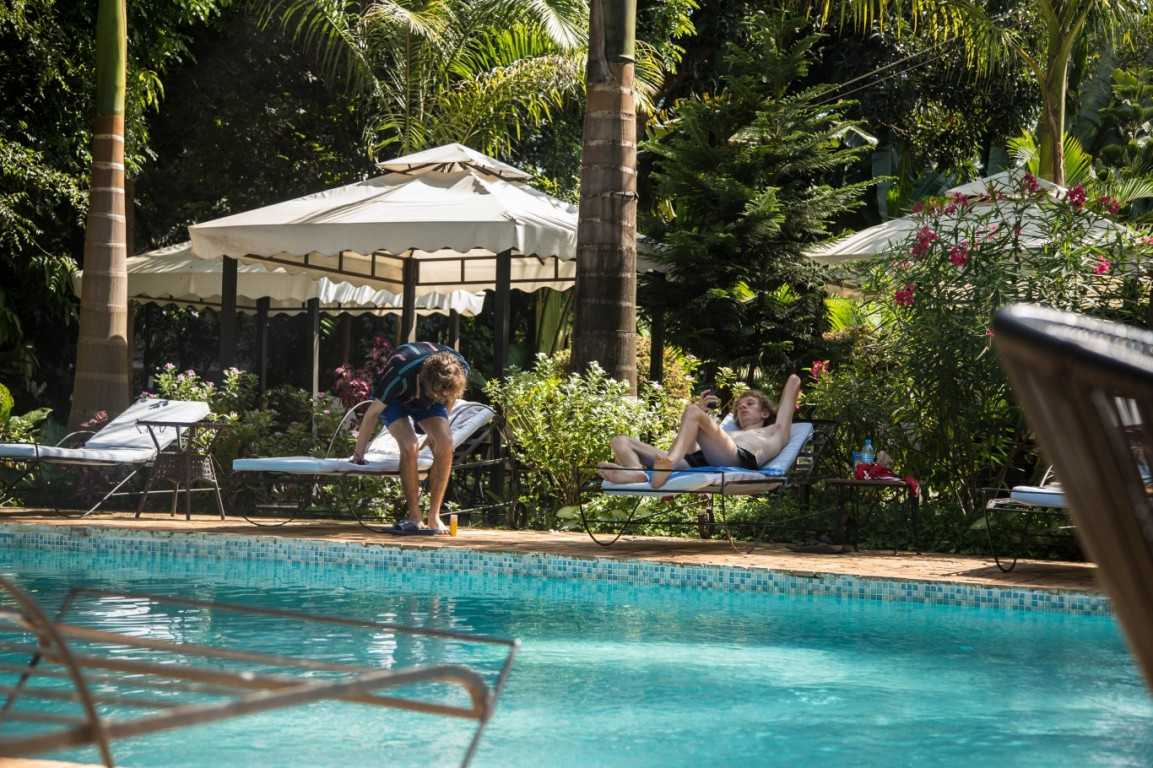
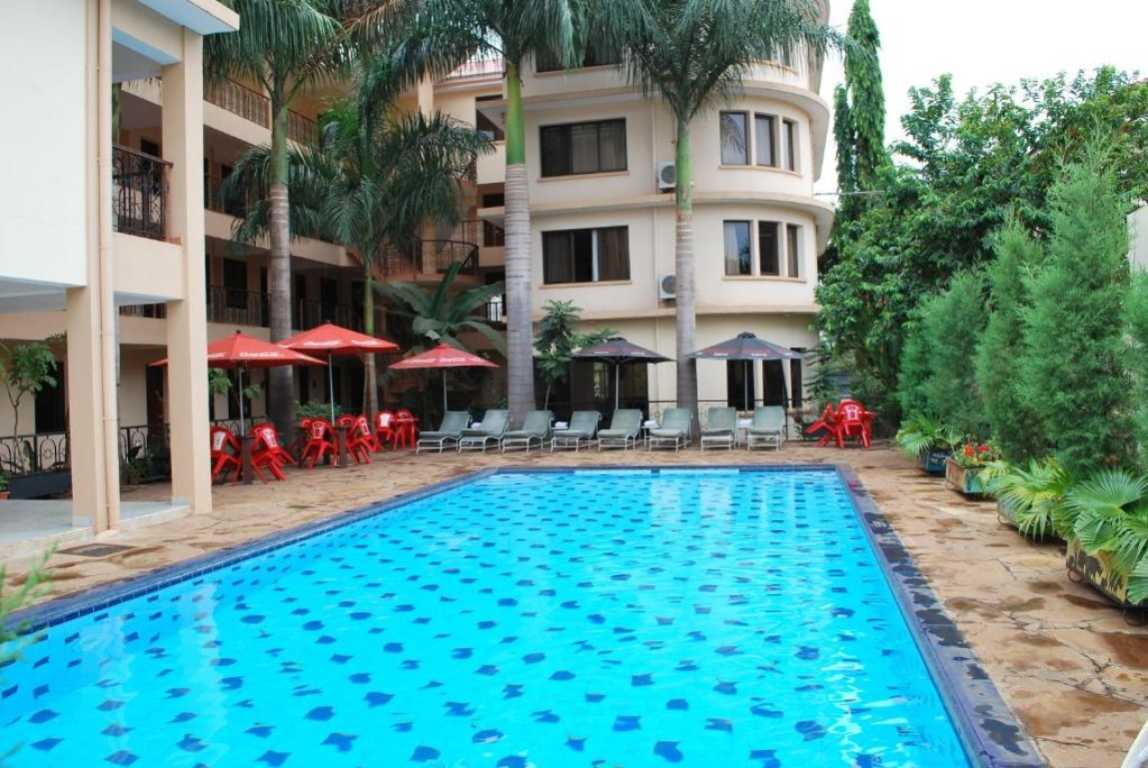
Where to stay in Mount Kilimanjaro
Want to visit Mount Kilimanjaro?
Get a free custom safari plan within 24 hours.
Nearby destinations
Tanzania
 Tanzania
 Tanzania
 Tanzania