Quick facts
Wildlife
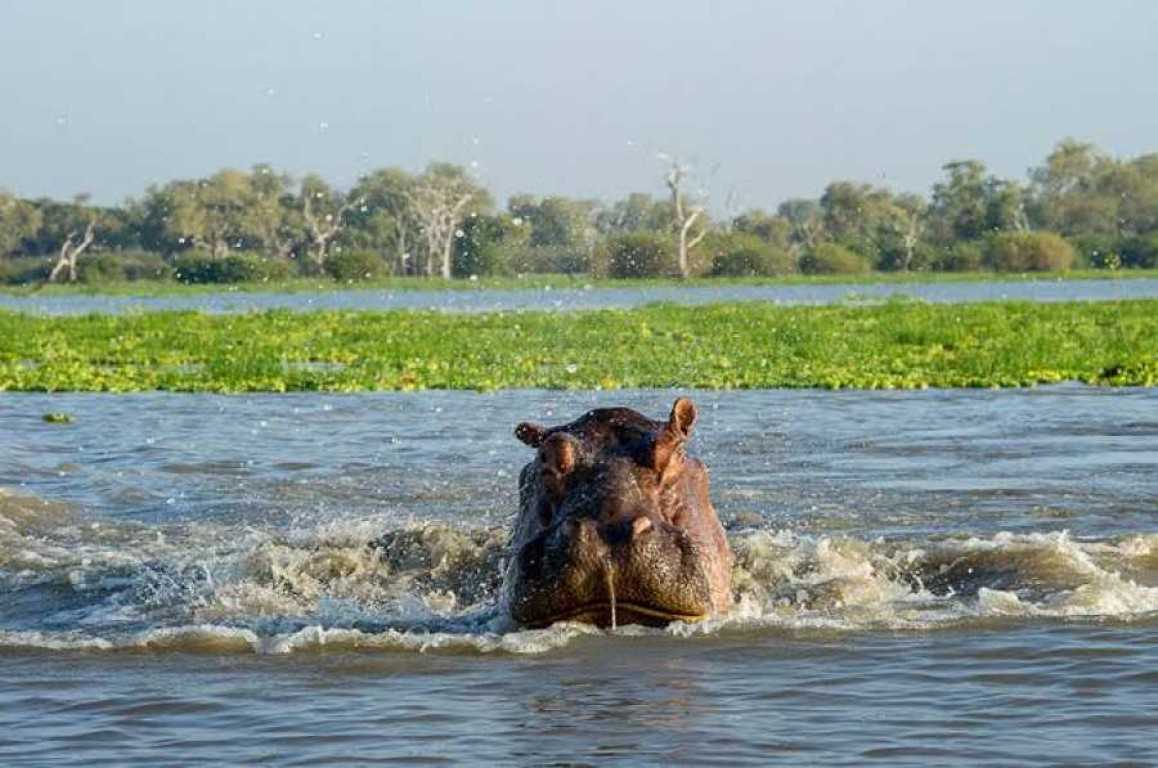
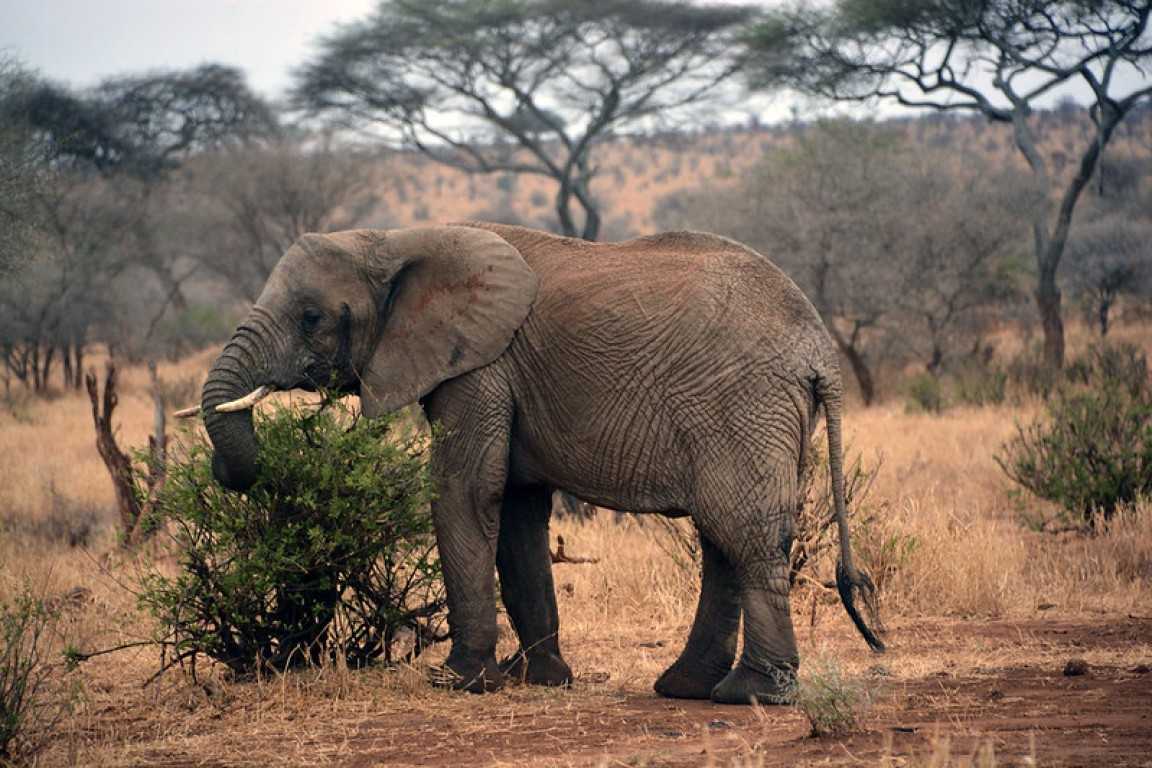
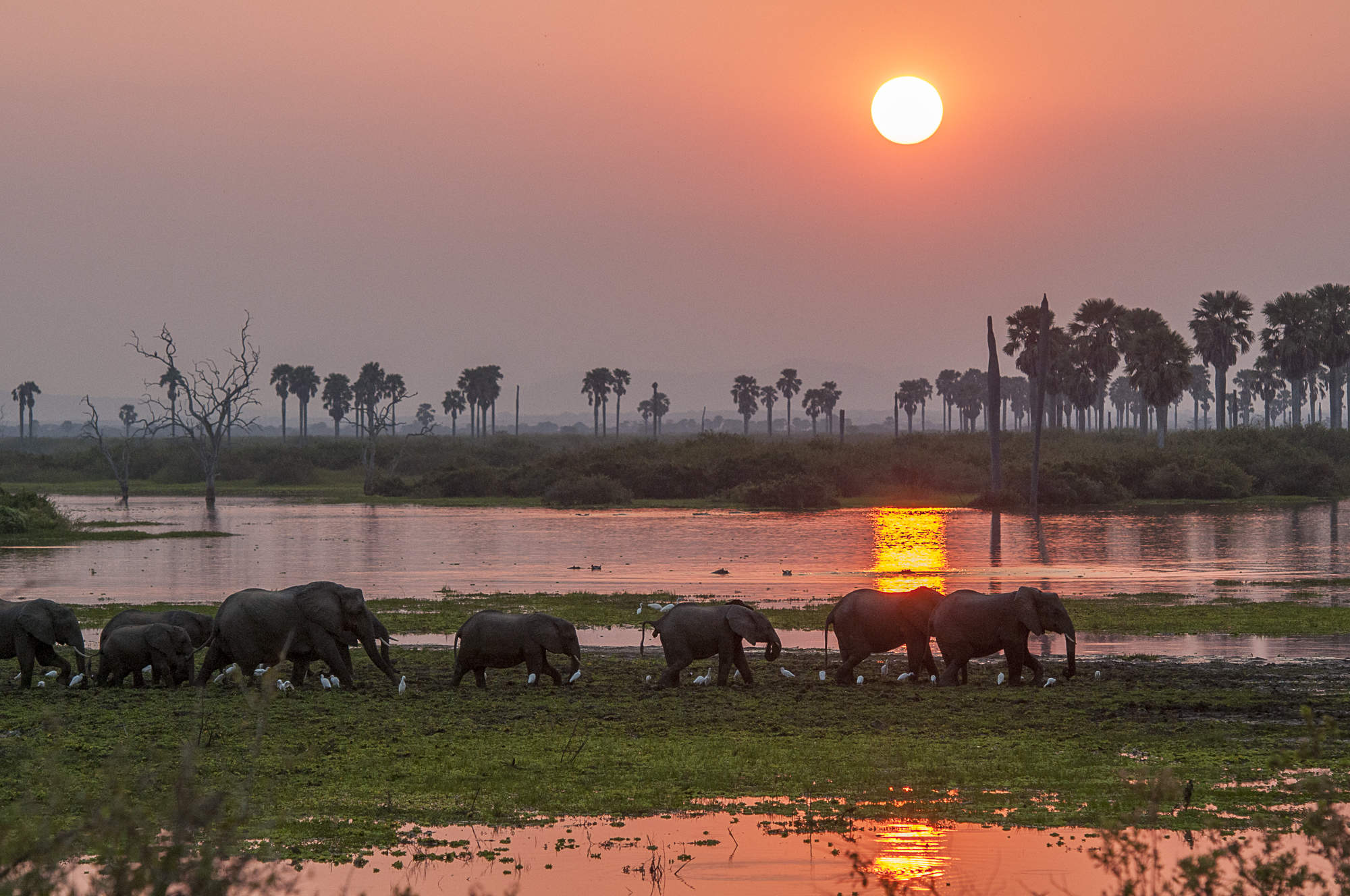
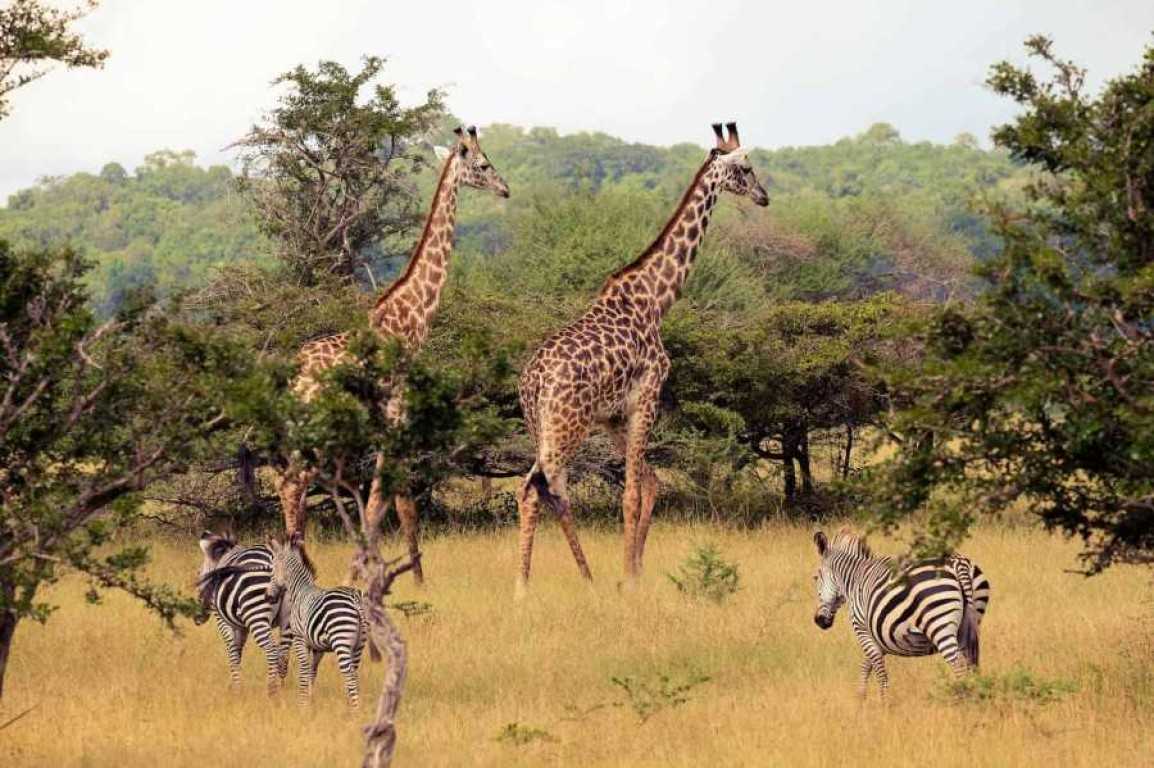
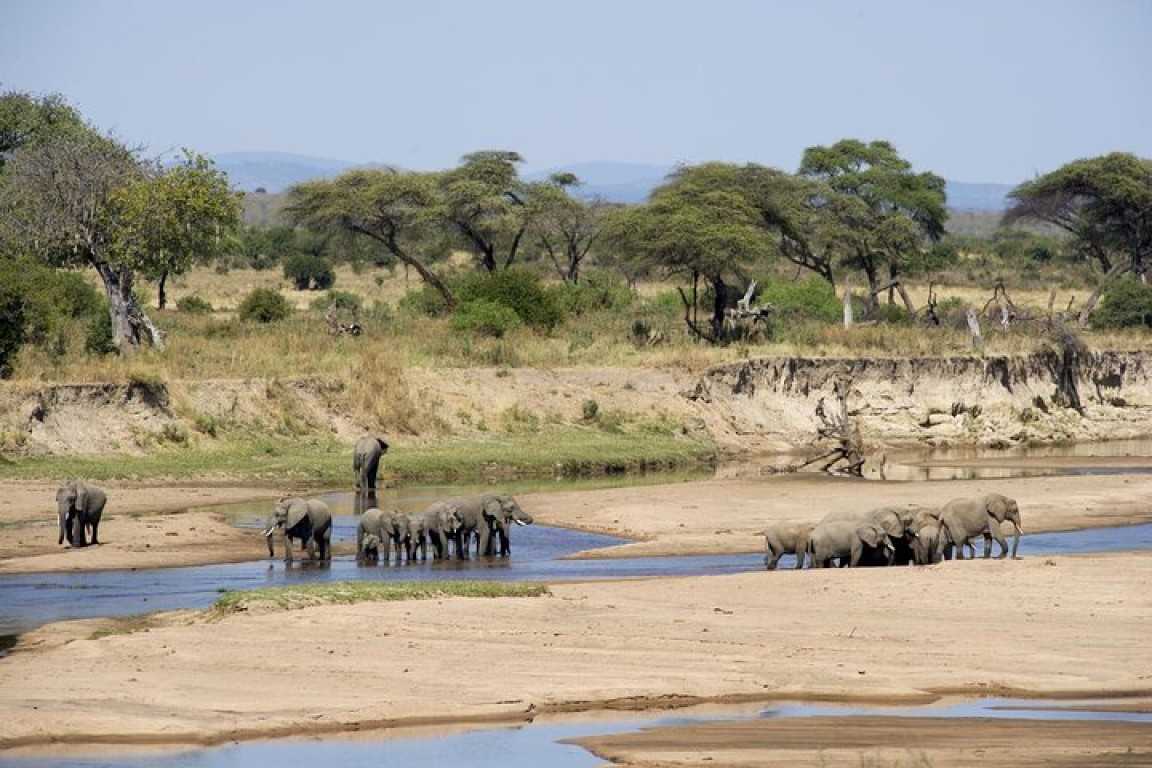
Nyerere holds the largest African wild dog population on the continent, with the greater Selous-Nyerere ecosystem supporting an estimated 1,300 individuals. The Rufiji River sustains Africa's densest hippo and crocodile concentrations. Elephant herds are recovering strongly after heavy poaching pressure and are now frequently seen in large groups. Lion, leopard, buffalo and a healthy sable antelope population complete the predator-prey picture. Over 440 bird species recorded.
Top activities
Boat safaris on the Rufiji River — gliding past hippo pods, basking crocodiles, elephant herds drinking at the bank and hundreds of waterbirds. Walking safaris with armed rangers — some of the finest in Tanzania on the riverine trails. Classic game drives through miombo woodland and across seasonal floodplains. Fly-camping excursions — one to two nights in the deep bush under minimal canvas. Birdwatching along the Rufiji and the Lake Manze system. Photography from floating platforms and riverside hides.
About Nyerere National Park
Nyerere National Park was established in 2019 from the northern photographic zone of the historic Selous Game Reserve, named in honour of Tanzania's founding president Julius Kambarage Nyerere. At 30,893 square kilometres it is the largest national park in Africa — a figure that is difficult to conceptualise until you are in it, flying for 45 minutes in a light aircraft over an unbroken carpet of miombo woodland and seeing no road, no building, no sign of any human presence whatsoever.
The park is anchored by the Rufiji River — Tanzania's largest river and the lifeblood of one of the continenn't most intact predator-prey ecosystems. The Rufiji and its tributary lake systems (Manze, Nzerakera, Siwandu) create a river safari experience that is unique in Tanzania: two hours on the water watching hippos yawn, crocodiles slide, elephant wade and fish eagles announce themselves above the papyrus stands.
Where is Nyerere National Park?
The park sits in southern Tanzania, in the Pwani and Morogoro Regions, roughly 230 km southwest of Dar es Salaam. The visitor camps cluster along the northern bank of the Rufiji River. Access is by light aircraft (45 minutes from Dar) to one of several airstrips (Mtemere, Siwandu, Beho Beho), or by a 6–7 hour road transfer via the Mikumi National Park corridor.
Nyerere vs Selous: what changed?
The renaming and redesignation affected governance rather than the visitor experience. The key distinction is:
- Nyerere National Park (northern sector) — photographic safaris only, managed by TANAPA. This is where all tourist camps operate.
- Selous Game Reserve (southern sector) — still gazetted for regulated hunting concessions under TAWA management. No photographic camps here.
When a camp or operator refers to "Selous", they almost certainly mean the Nyerere / northern photographic zone. The wildlife, the Rufiji River and the safari activities are unchanged.
The Rufiji River experience
No other Tanzania national park offers a boat safari of this quality. The Rufiji is wide, powerful and biologically extraordinary — among Africa's densest hippo concentrations (estimated at 5,000+ in the river system) and the largest Nile crocodile population on the continent share the water with tiger fish, goliath herons, pea's fishing owls and the African fish eagle. A 2–3 hour morning boat safari is the centrepiece of almost every Nyerere itinerary.
African wild dog: Nyerera's flagship species
The greater Selous-Nyerere ecosystem holds the worla's largest single population of African wild dog — an estimated 1,300 individuals in an area where they can range freely across miombo woodland without habitat fragmentation. Sightings are most reliable in the denning season (June–August) when packs are tied to a specific den site for 6–8 weeks. At other times of year, a well-trained ranger-guide tracking known packs can still locate them on morning drives.
Walking safaris
Nyerere permits walking safaris throughout the park with an armed ranger. The riverine trails are particularly rewarding — soft ground shows tracks clearly, the vegetation is varied and the combination of hippo snorts, crocodile slides and distant elephant rumbles keeps the senses fully engaged. Walking here has genuine edge: most camps have had close encounters with buffalo or elephant on guided walks, and the guides situational awareness is exceptional.
Where to stay
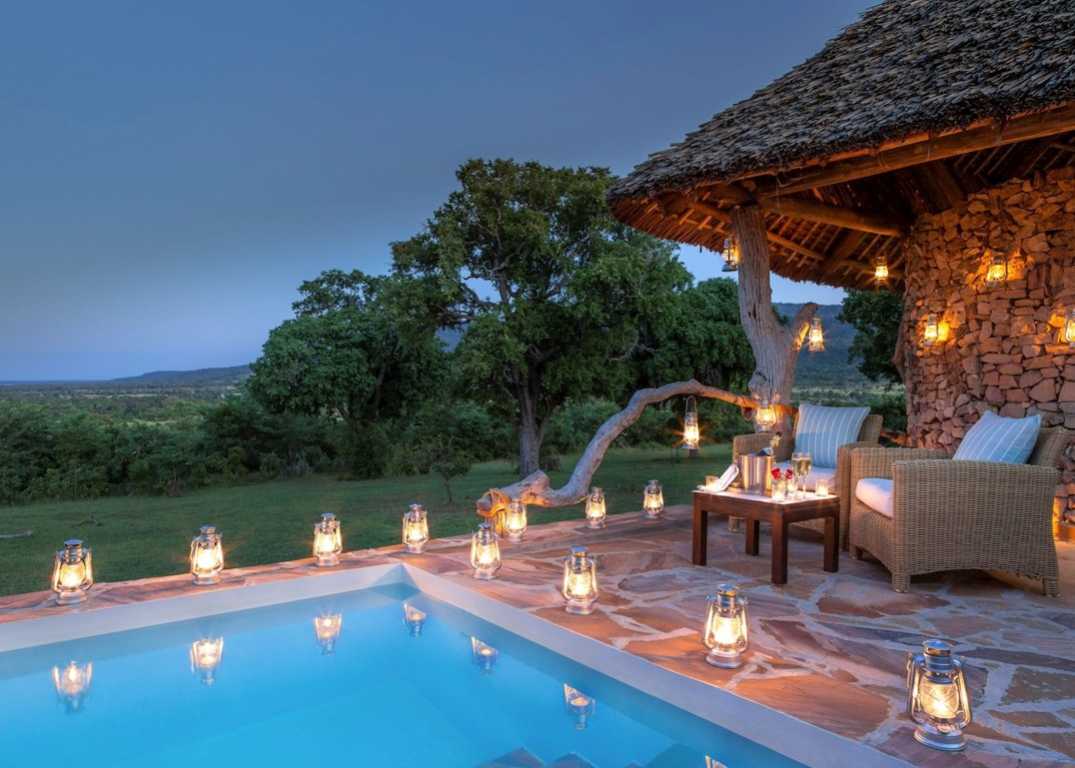
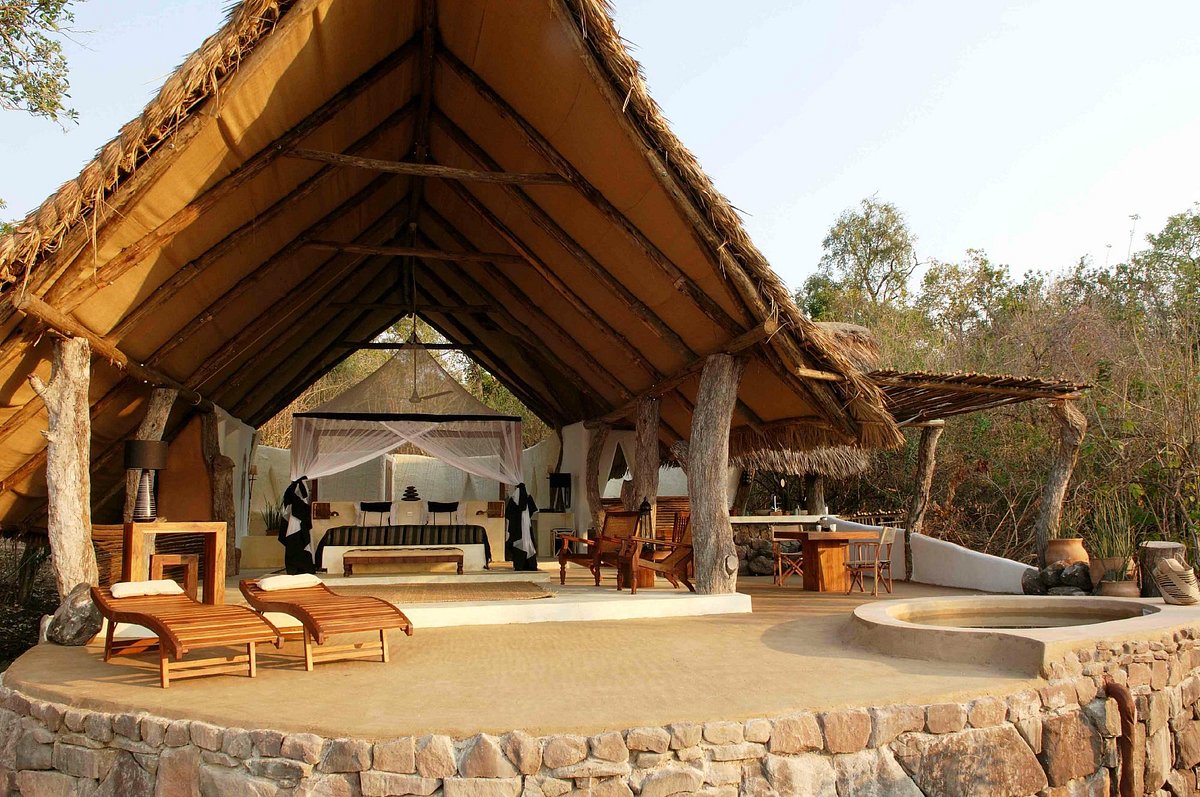
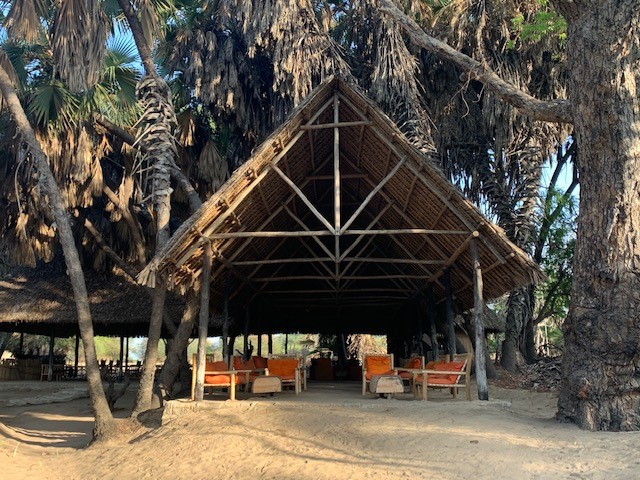
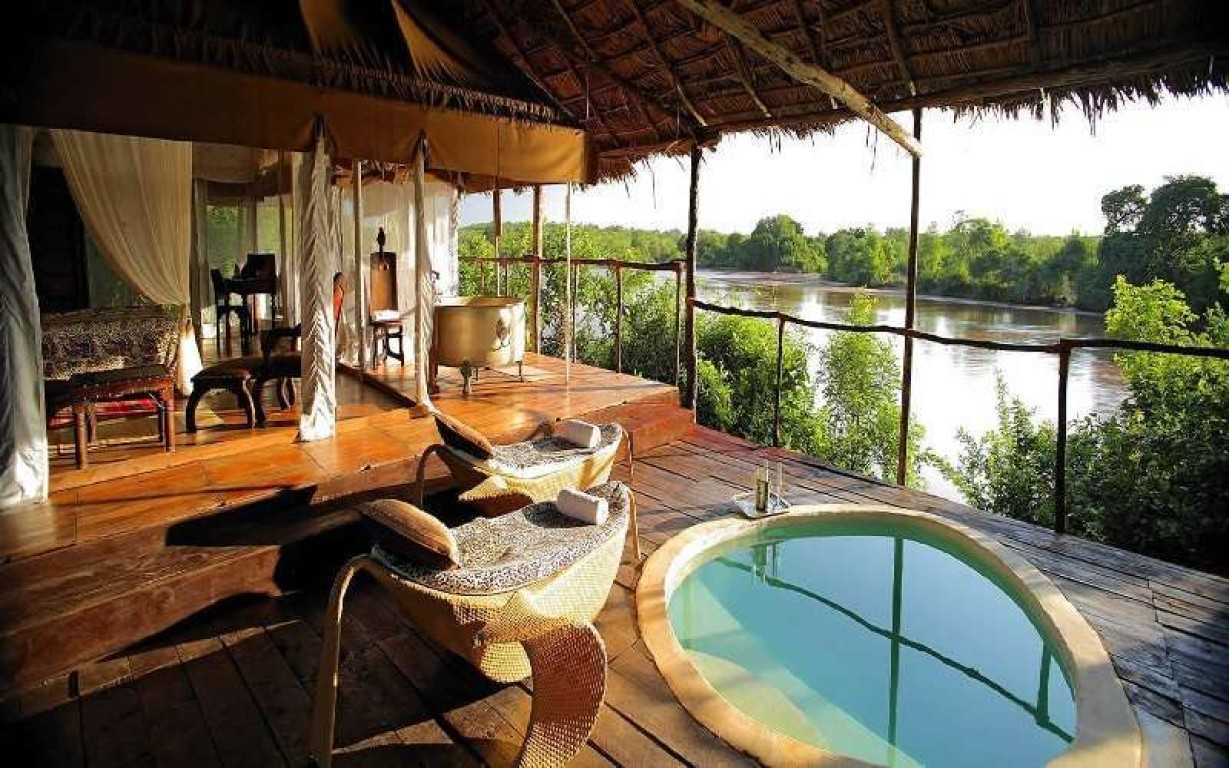
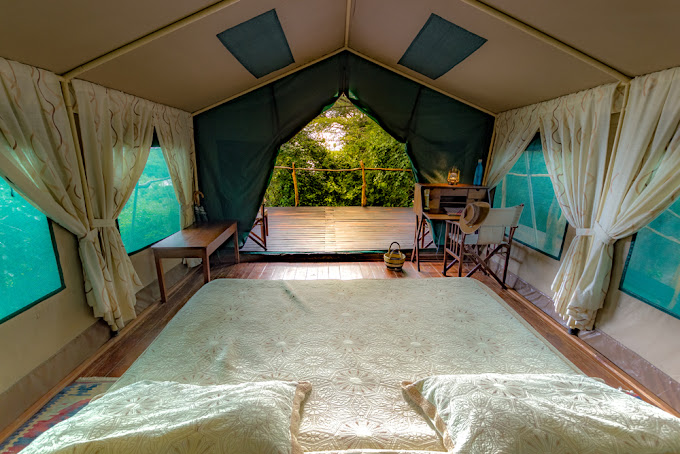
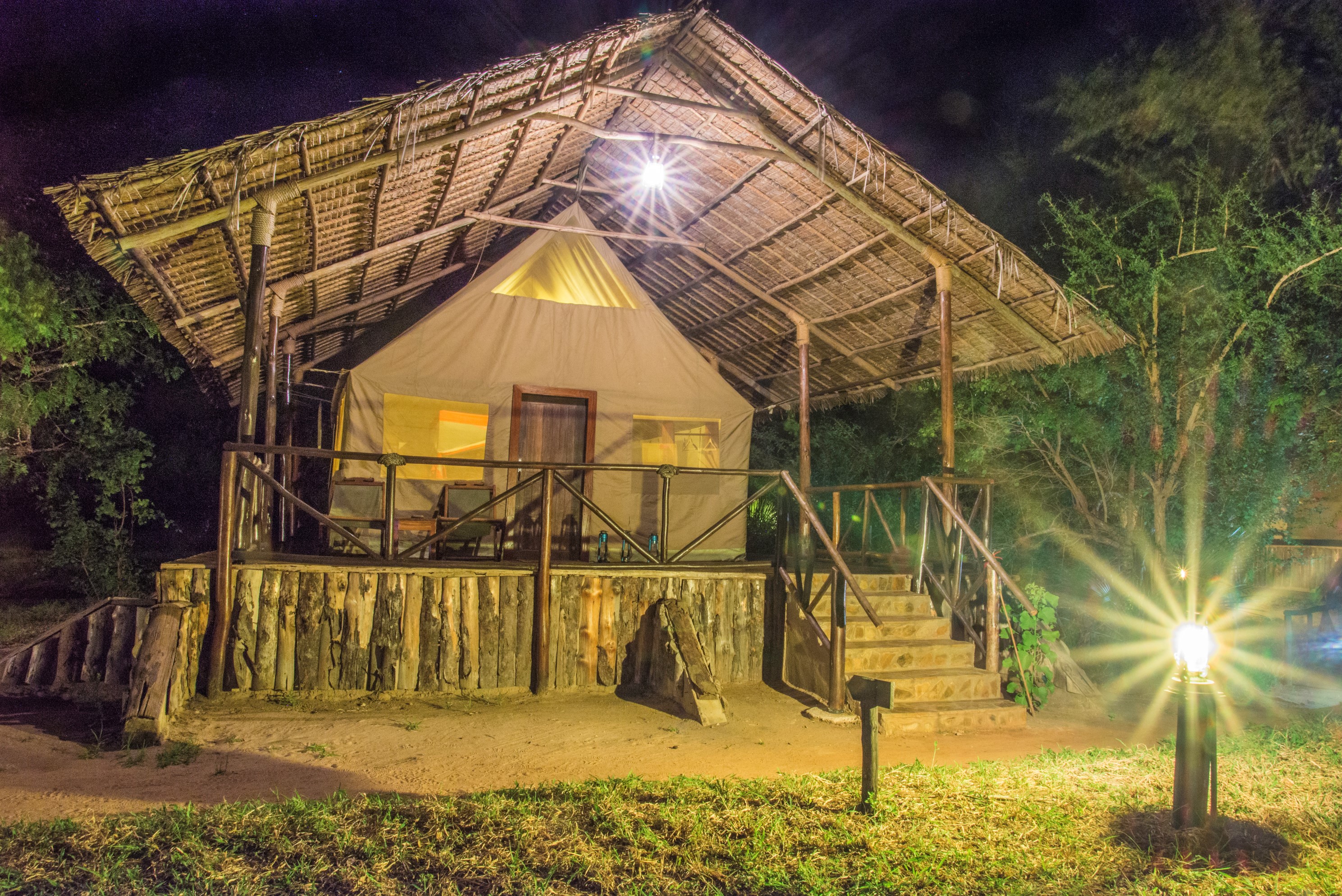
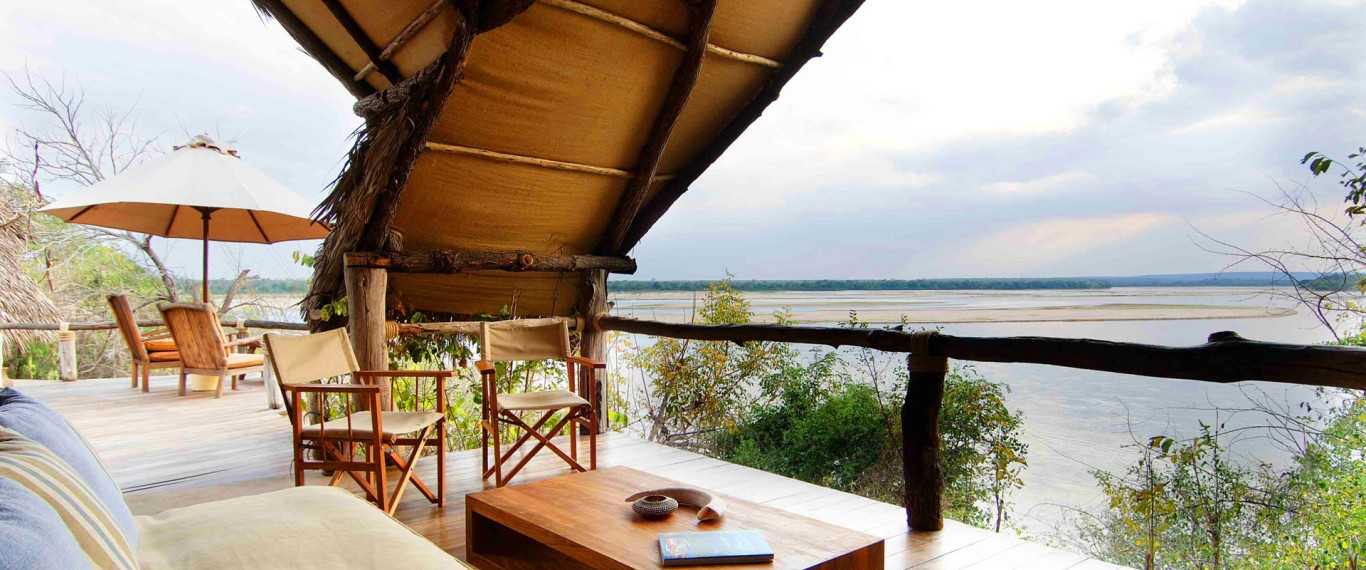
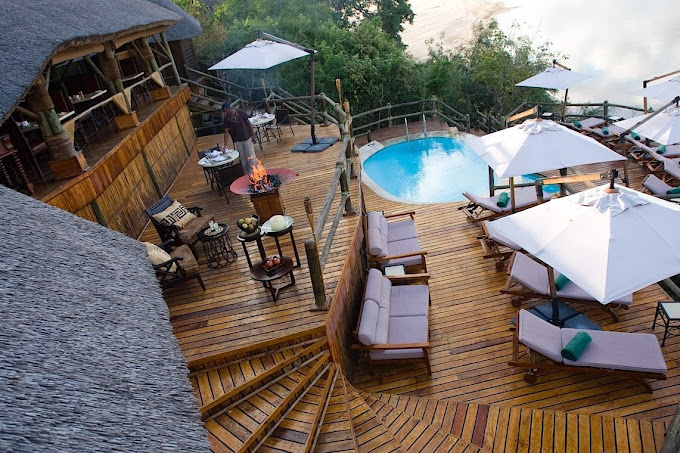
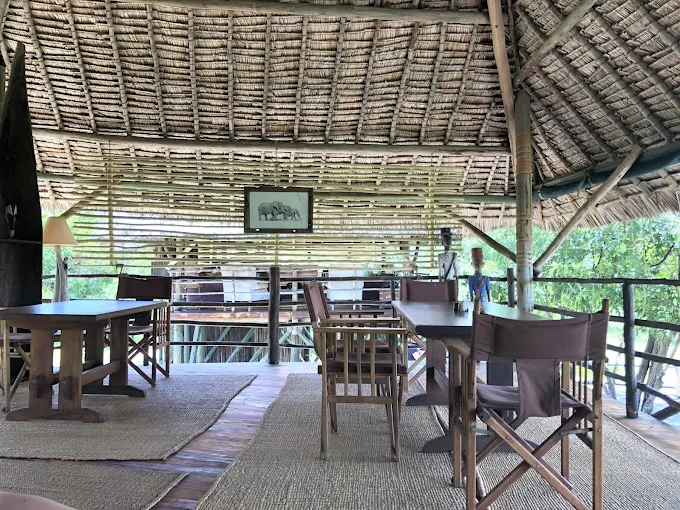
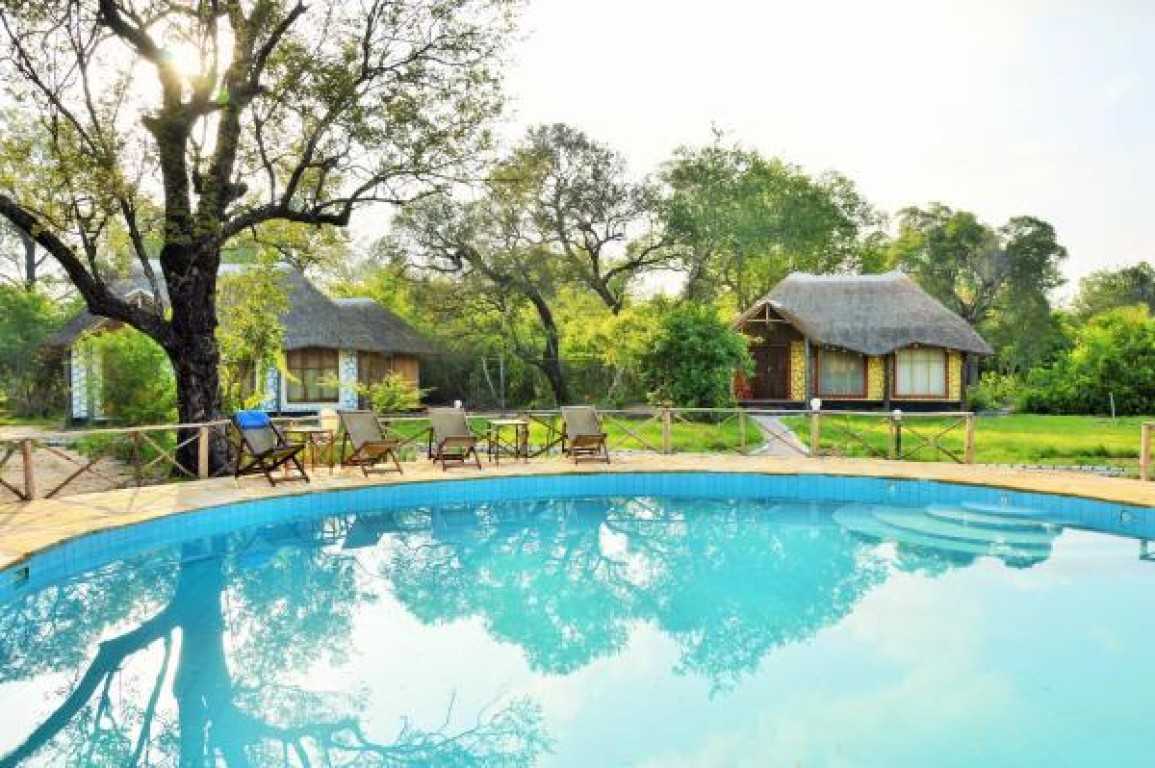
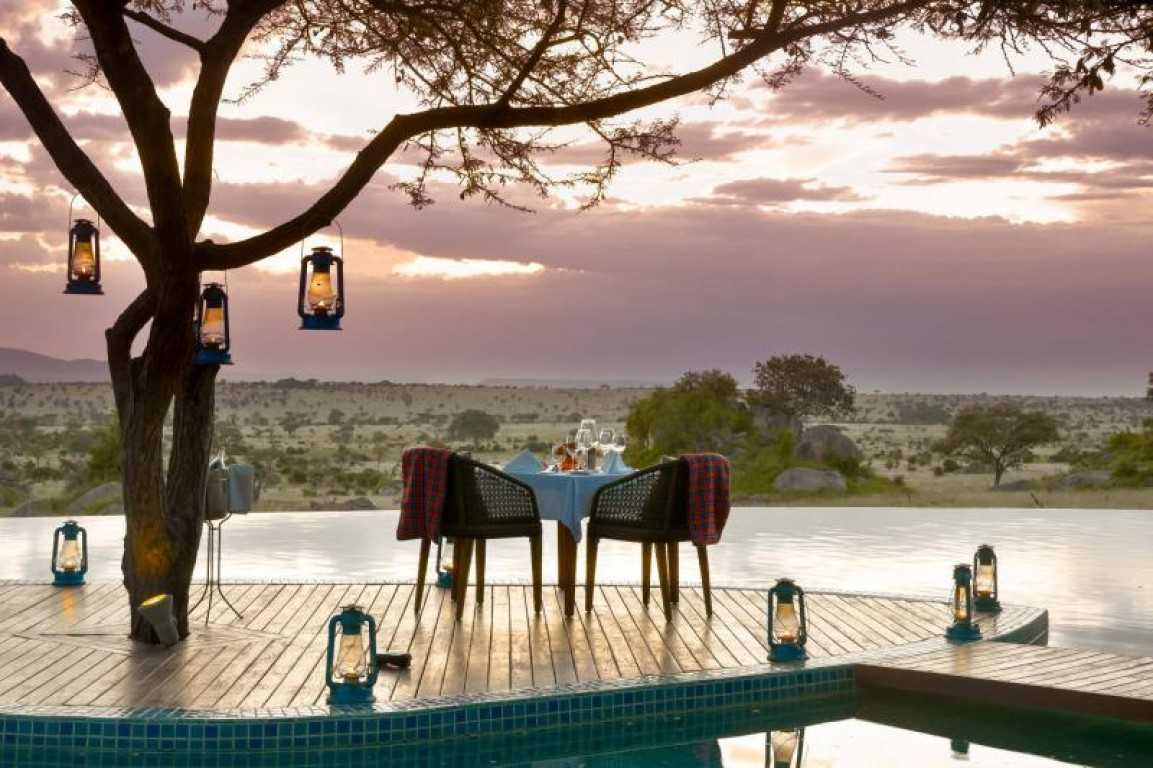
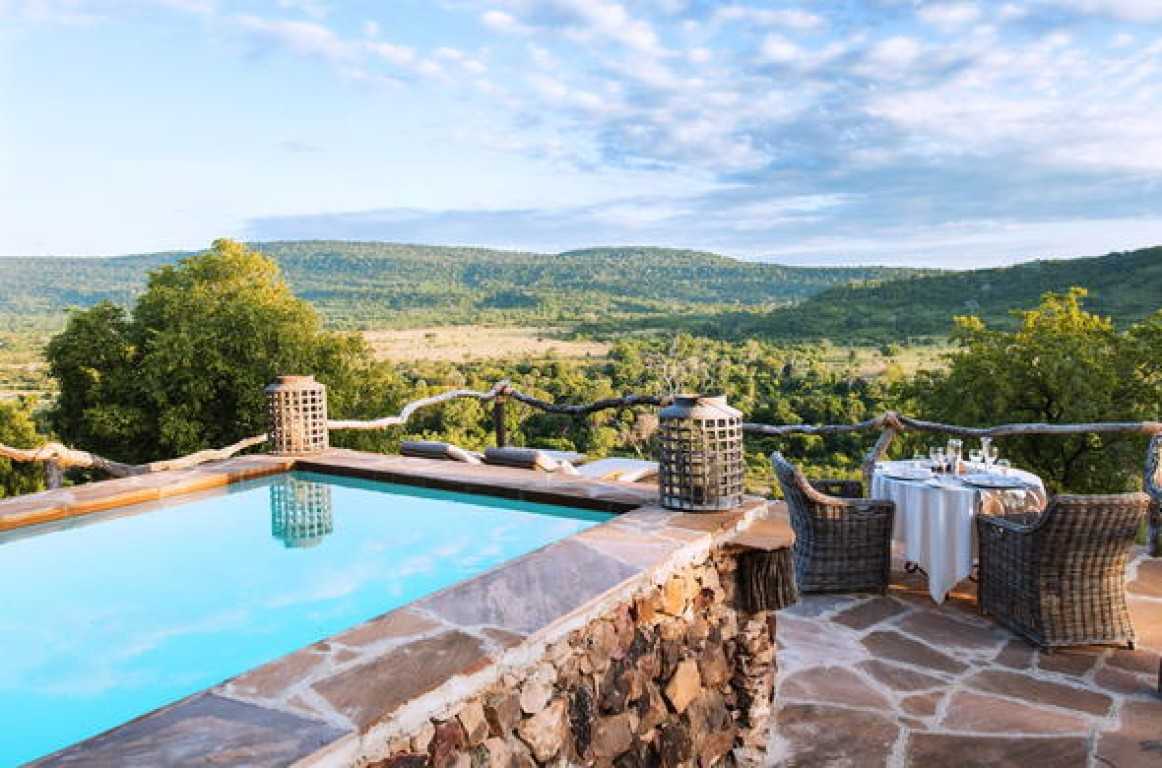
Nyerera's camps are small (typically 6–12 tents), most with direct river frontage, and all are fully inclusive. Choose based on three criteria: river or lake position (important for the boat safari atmosphere), the quality of the walking programme, and whether the camp has a fly-camping option if that interests you. Most camps close in April and May.
Combine Nyerere with…
- Ruaha National Park — the classic Southern Circuit combination.
- Mikumi National Park — transit game drives on the road transfer from Dar.
- Zanzibar — the ideal beach extension from Dar es Salaam.
- Saadani National Park — where the Indian Ocean meets the bush.
Frequently asked questions about Nyerere
Is it Nyerere or Selous?
All photographic camps are now officially in Nyerere National Park. The Selous name persists in older literature and from some operators out of habit. For booking purposes, confirm that your camp is in the photographic (Nyerere/TANAPA) sector.
How do you get to Nyerere?
A 45-minute scheduled or charter flight from Julius Nyerere International Airport (Dar es Salaam) to one of the park airstrips is the standard approach. Road transfer (6–7 hours) is possible but long.
How many days should I spend in Nyerere?
Three nights gives you two boat safaris, two walking safaris and multiple game drives. Four nights is ideal and allows for fly-camping.
Is Nyerere suitable for first-time safari travellers?
Yes — the boat safari in particular is accessible and visually spectacular for any level of safari experience. Nyerere is a good introduction to southern Tanzania before tackling more remote parks like Ruaha or Katavi.
Want to visit Nyerere National Park?
Get a free custom safari plan within 24 hours.
Nyerere National Park safari tours

Want to visit Nyerere National Park?
Get a free custom safari plan within 24 hours.
Best time to visit Nyerere National Park
June to October — Dry season (prime safari season)
As the Rufiji drops and seasonal floodplains dry out, wildlife concentrates spectacularly along the permanent waterways. This is when Nyerere delivers its signature experience: game drives combined with a morning boat safari on the river, watching elephant herds wade across, hippos jostling for pool space and crocodiles hauling themselves onto sandbanks. Wild dog packs den in fixed locations from June to August, making pup sightings possible and pack movements predictable. All camps are open and access roads are in their best condition.
November to December — Short rains (green season, good birding)
The bush greens rapidly after the first rains. Migratory birds arrive from the north. The Rufiji is rising but still navigable. Wild dog packs are more mobile as denning season ends, but sightings are still excellent. Fewer visitors and somewhat lower rates.
January to March — Warm wet season (birding peak, some camps open)
The park is lush and the river is high. Some camps close during this period but a few remain open for birding-focused visitors. The species count reaches its annual peak as resident and migratory birds overlap. Walking safaris in accessible areas remain excellent.
April to May — Long rains (most camps close)
The heaviest rains make access extremely difficult. The Rufiji floods widely, most camps close and game drives are impractical. Do not plan a Nyerere visit during April or May.
Bottom line: July to October is the definitive window. June and November–December are strong shoulder alternatives. Avoid April and May.