

Quick facts
Wildlife
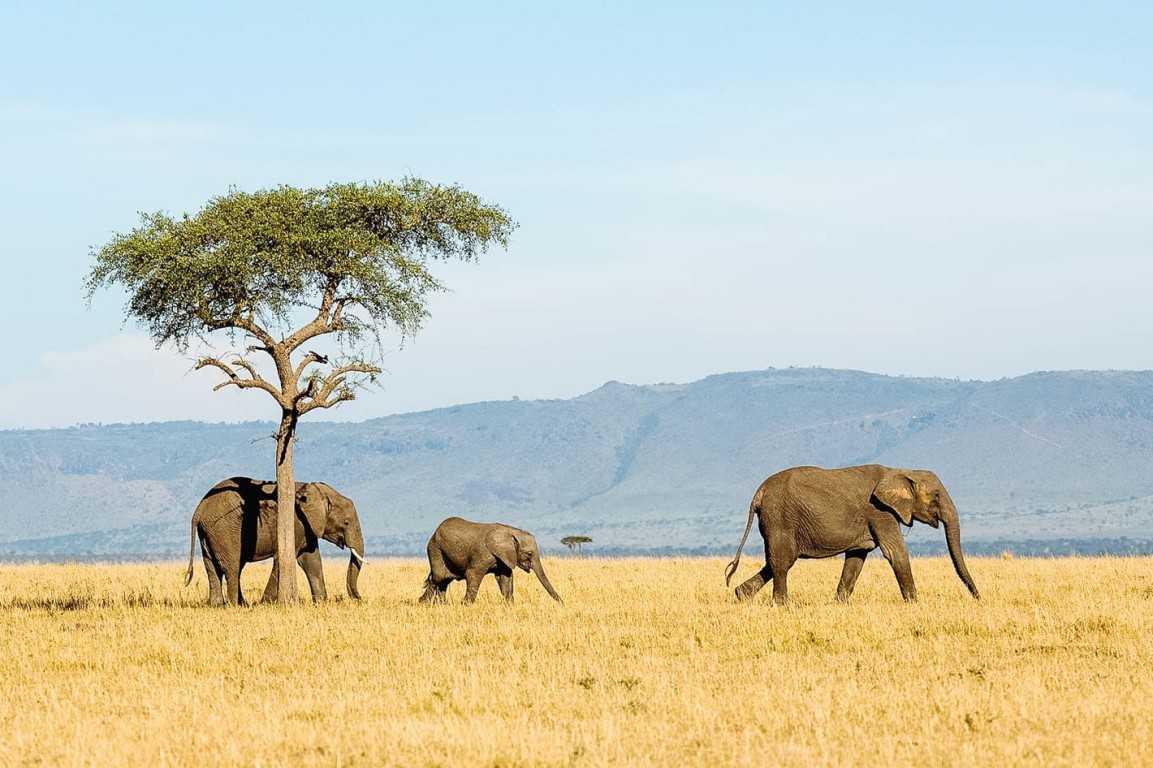
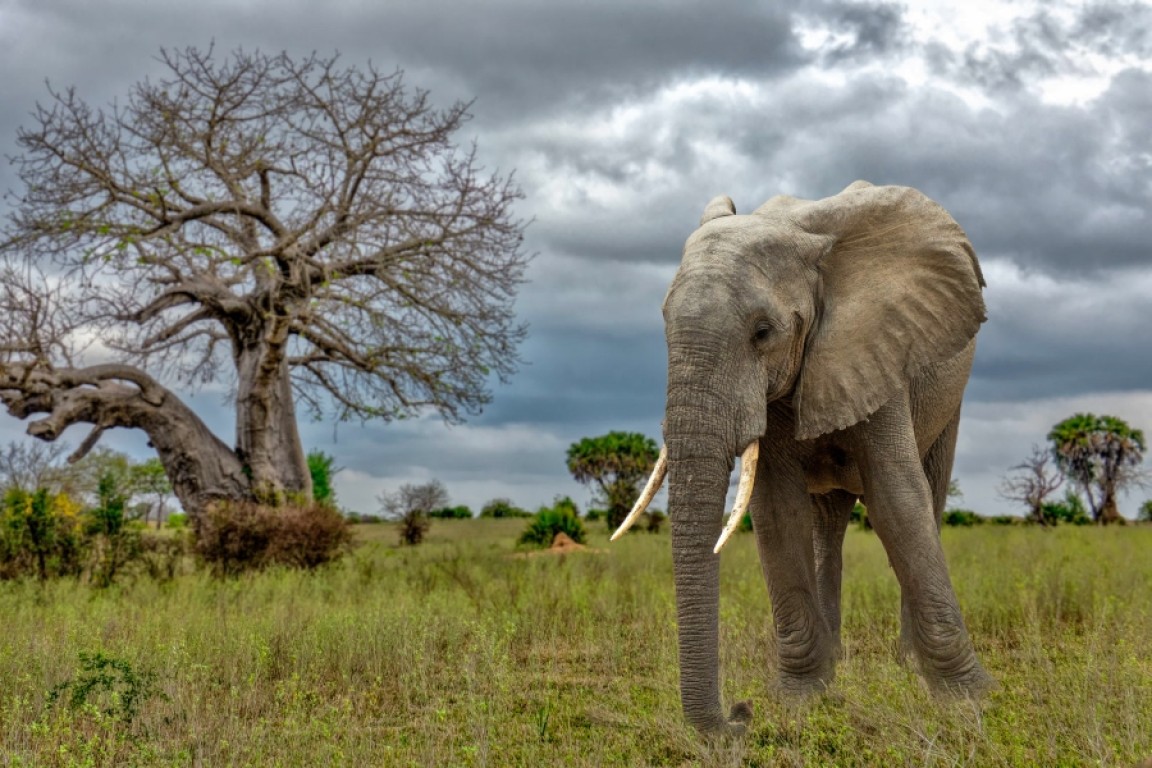
The Ngorongoro Crater floor holds the world's highest predator density: an estimated 65–70 lion inhabit the 260 sq km bowl, alongside the highest black rhino density in East Africa (20–30 individuals), leopard, spotted hyena, cheetah and African golden wolf. The crater floor supports 30,000 large mammals permanently including hippo in the Hippo Pool, flamingo on Lake Magadi, elephant bulls with extraordinary tusks, buffalo herds and wildebeest that do not migrate. The Crater Highlands above support forest elephant, colobus and buffalo. Over 500 bird species recorded in the wider conservation area.
Top activities
Crater floor game drive — full-day game drive in the crater bowl, concentrating on the predator-rich grassland around Lake Magadi and the Hippo Pool. Black rhino tracking on the crater floor — Ngorongoro is the most reliable black rhino viewing destination in Tanzania. Olmoti and Empakaai Crater walking safaris in the highlands with Maasai guides. Olduvai Gorge day trip — the cradle of mankind, 45 minutes from the crater rim. Shifting Sands dune walk in the lea of the crater. Ngorongoro Highlands hiking and Maasai community visits at Endulen and Nainokanoka. Lake Eyasi Hadzabe hunter-gatherer day trip from Karatu.
About Ngorongoro Crater
The Ngorongoro Conservation Area is one of Africa’s most extraordinary landscapes: 8,292 square kilometres of highland savanna, montane forest and volcanic geology, anchored by the great Ngorongoro Crater. A UNESCO World Heritage Site since 1979 and a UNESCO Biosphere Reserve since 1981, it is also one of the only protected areas in the world where humans (the Maasai), their livestock and wild animals share the same landscape under a multiple-use mandate.
The crater itself is the headline. Formed when a giant volcano collapsed in on itself roughly 2.5 million years ago, it is the world’s largest unbroken caldera — 19 kilometres across, 600 metres deep, and home to an astonishing concentration of wildlife. Descending the steep access roads in the early morning feels like dropping into a lost world.
Where is Ngorongoro and how do you get there?
The Ngorongoro Conservation Area sits in northern Tanzania, between Lake Manyara National Park to the east and the Serengeti to the west. From Arusha it is a 3–4 hour drive on tarmac to the Loduare main gate, with the crater rim a further 30 minutes’ climb. There is also an airstrip at Lake Manyara for fly-in safaris, with a short road transfer up to the rim.
Wildlife of the Ngorongoro Crater
The crater floor is essentially a self-contained ecosystem — year-round water from springs and the seasonal Lake Magadi, lush grazing on the central plains, and acacia woodland in the Lerai Forest. The result is a permanent wildlife population that doesn’t need to migrate, making sightings consistently reliable. You can expect:
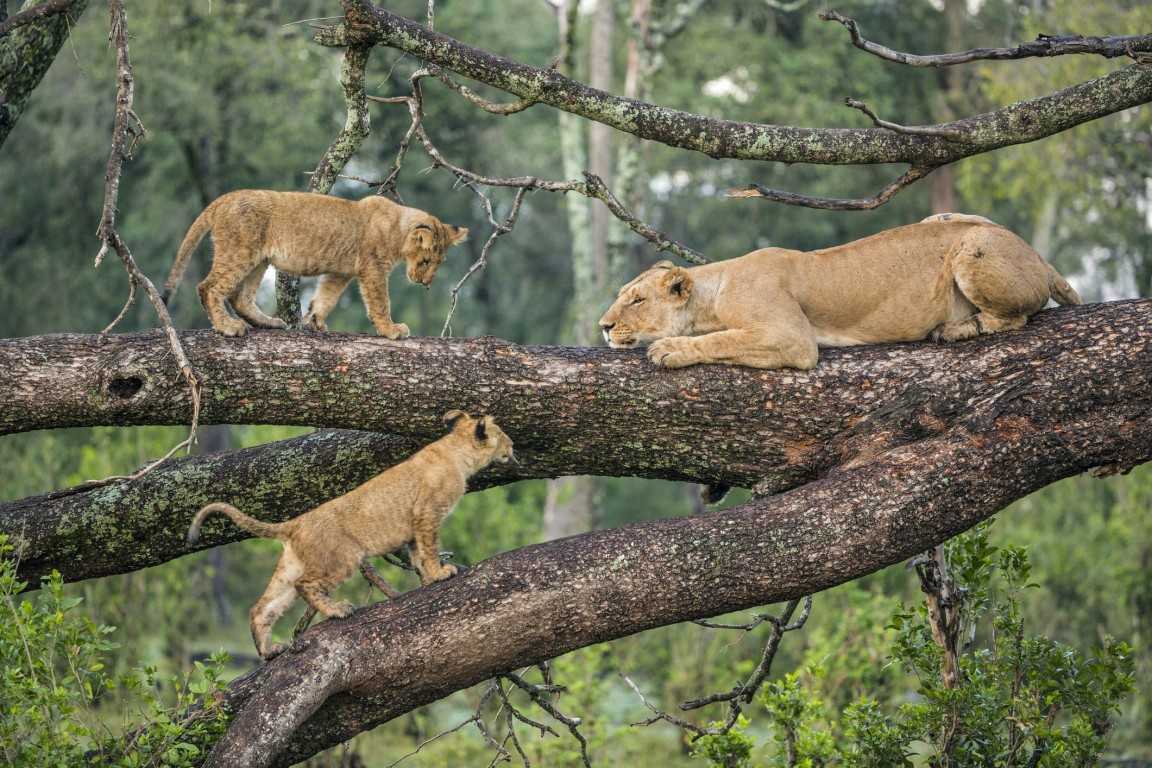
- Lion — the crater has one of the highest densities anywhere in Africa, with several well-studied prides.
- Eastern black rhino — a small but precious resident population, best spotted on the central plains in early morning.
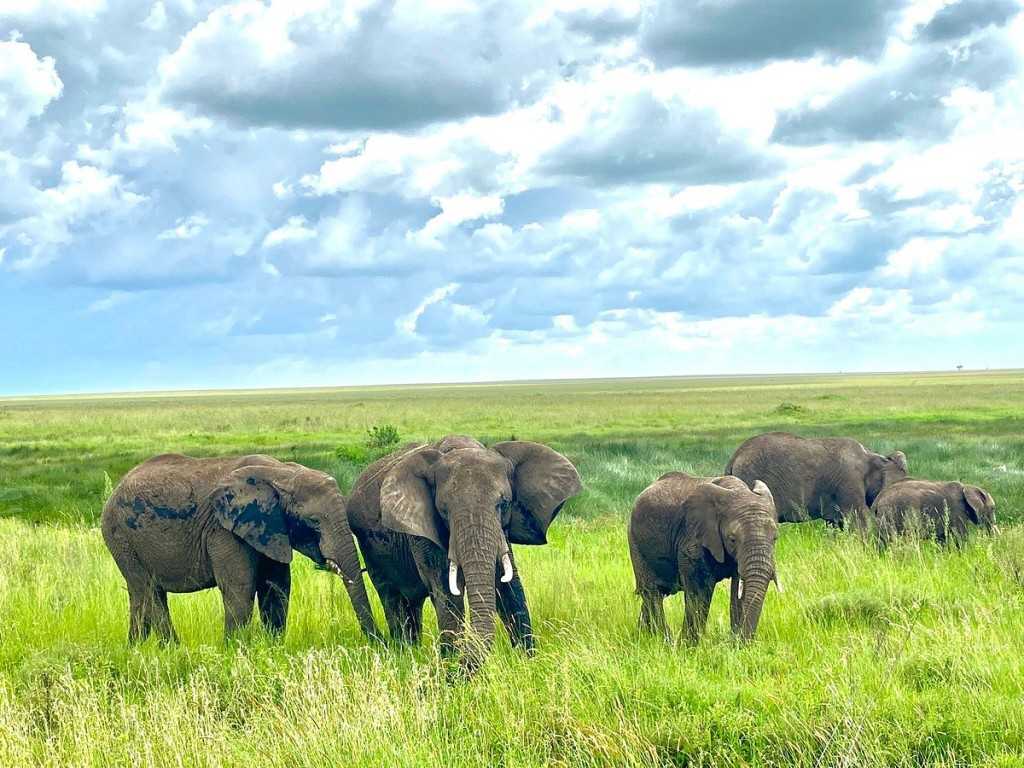
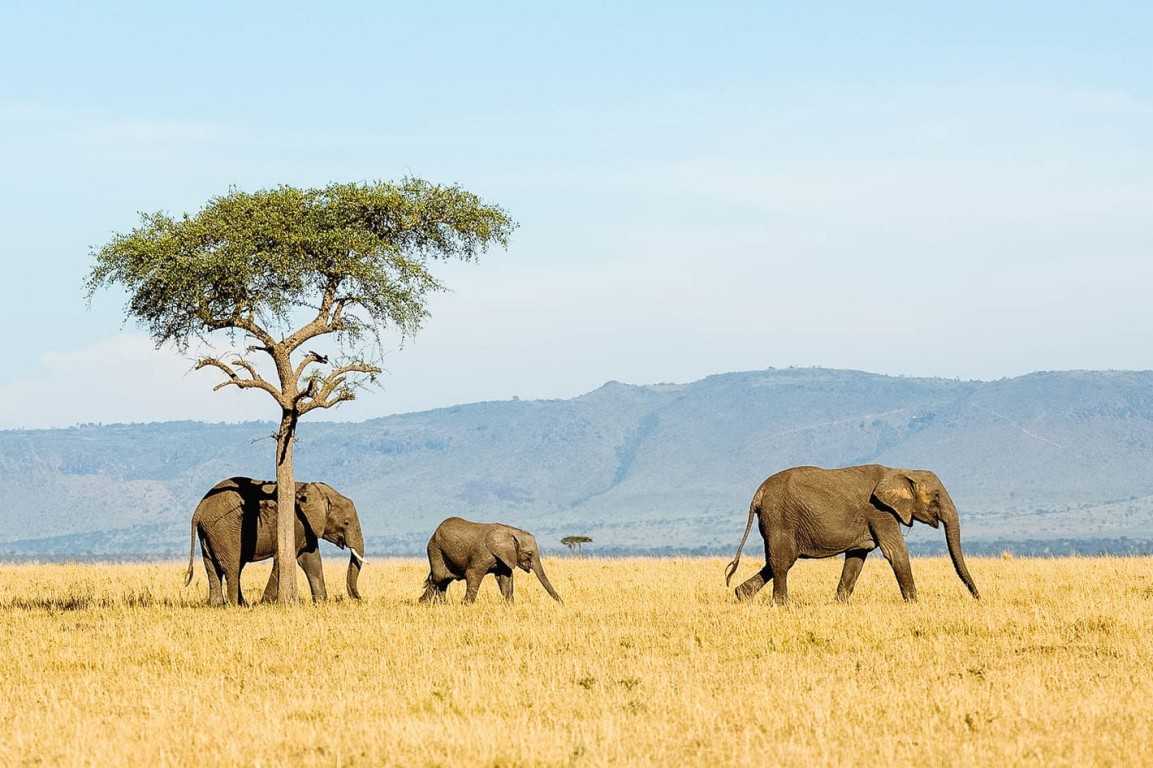
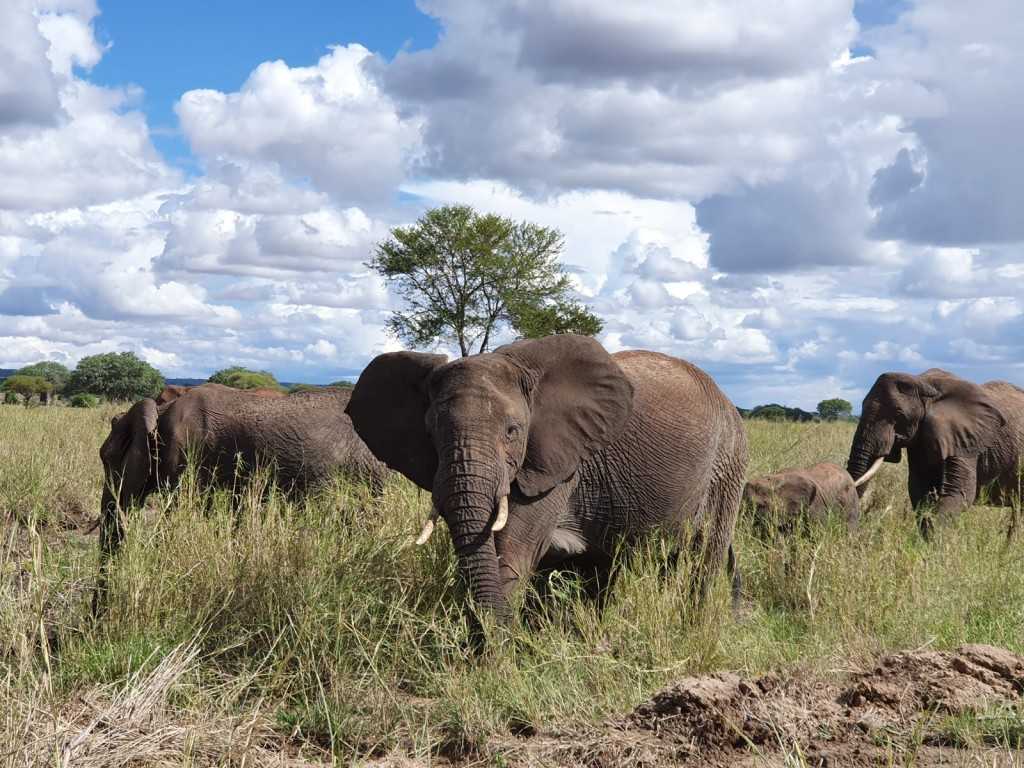
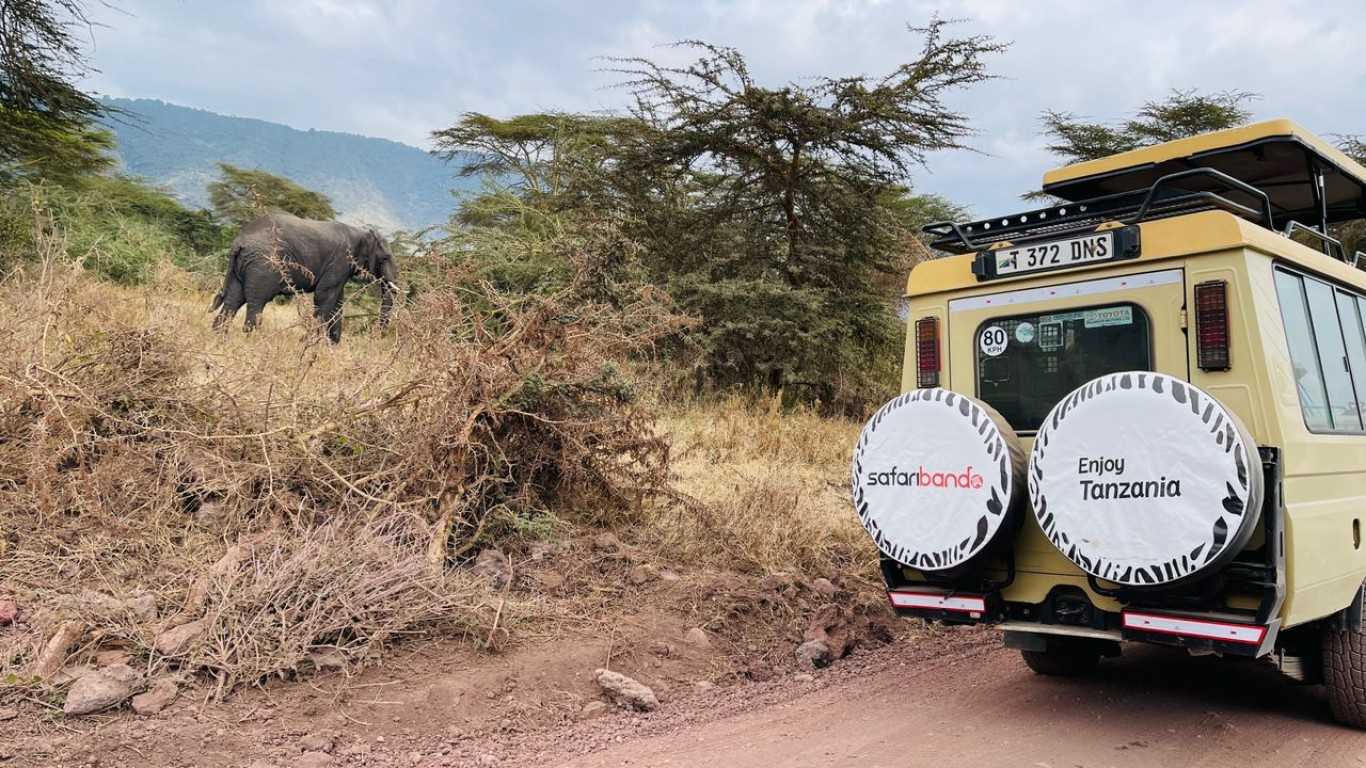
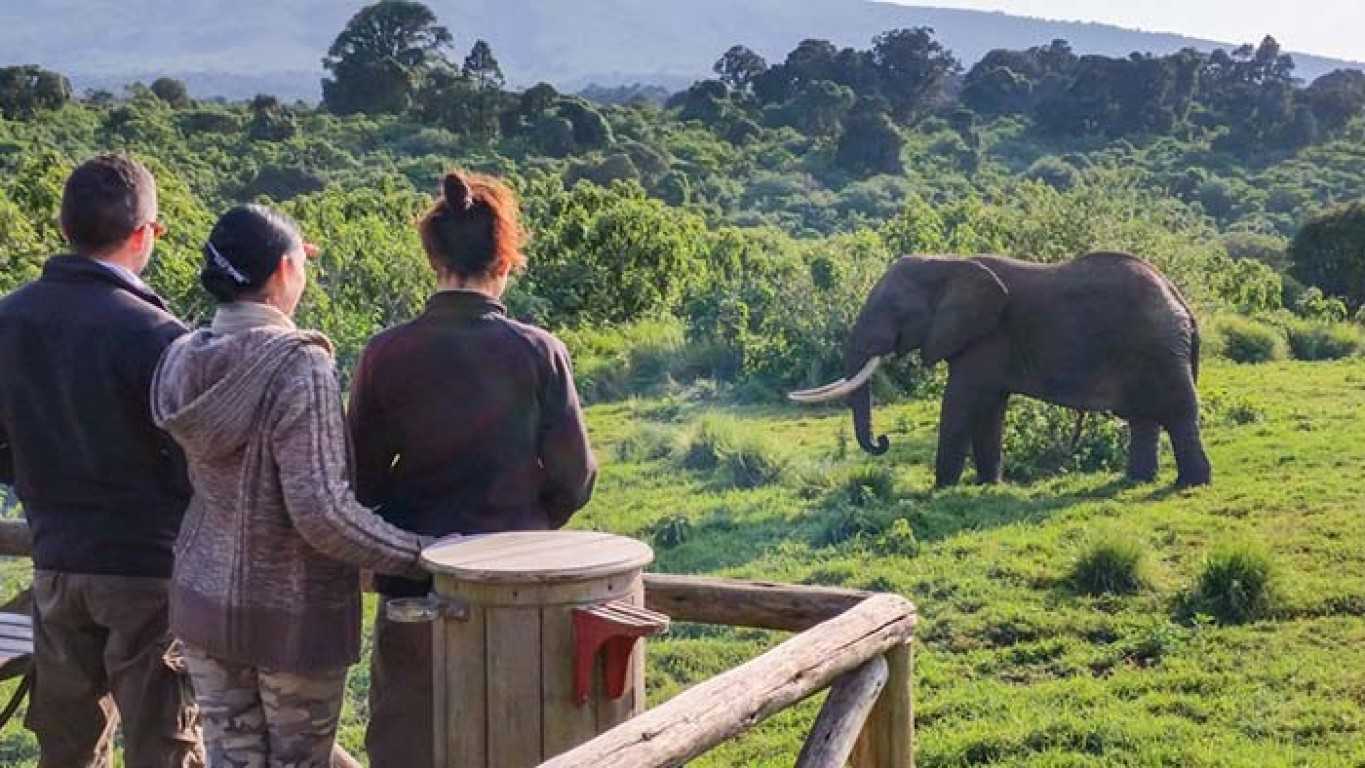
- Elephant — the bulls in the Lerai Forest are famous for their enormous tusks; breeding herds tend to stay on the rim and outer slopes.
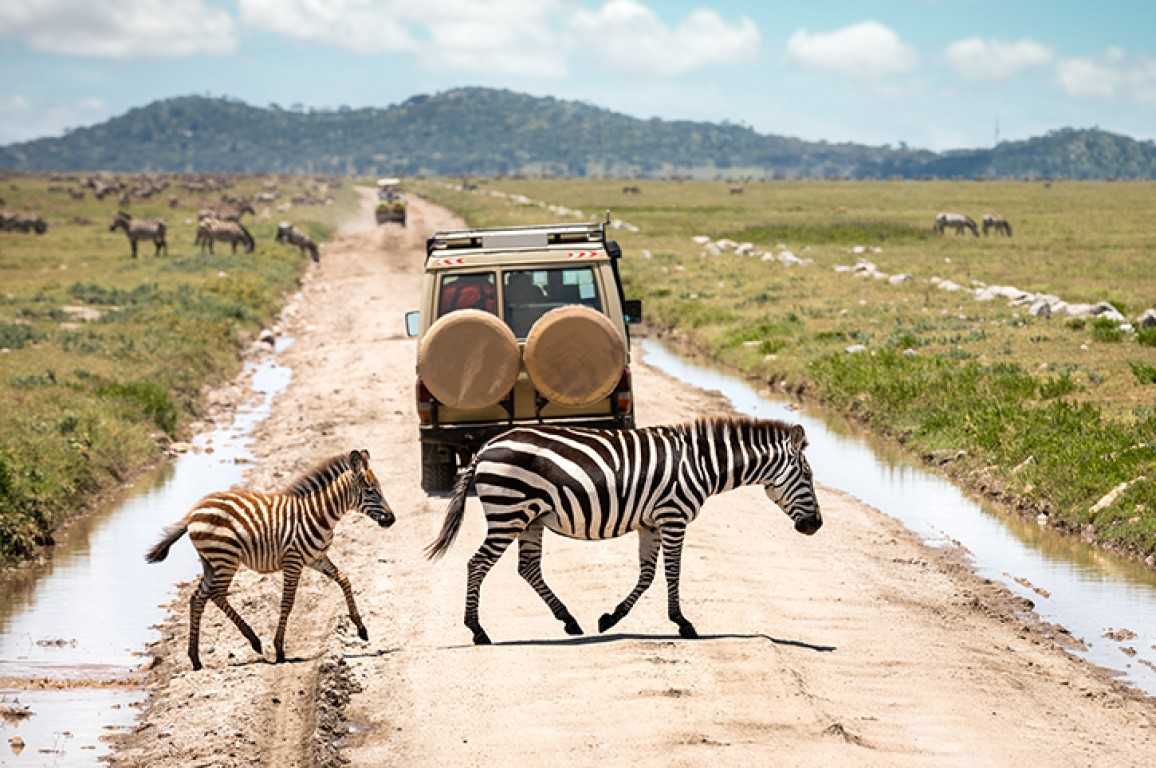
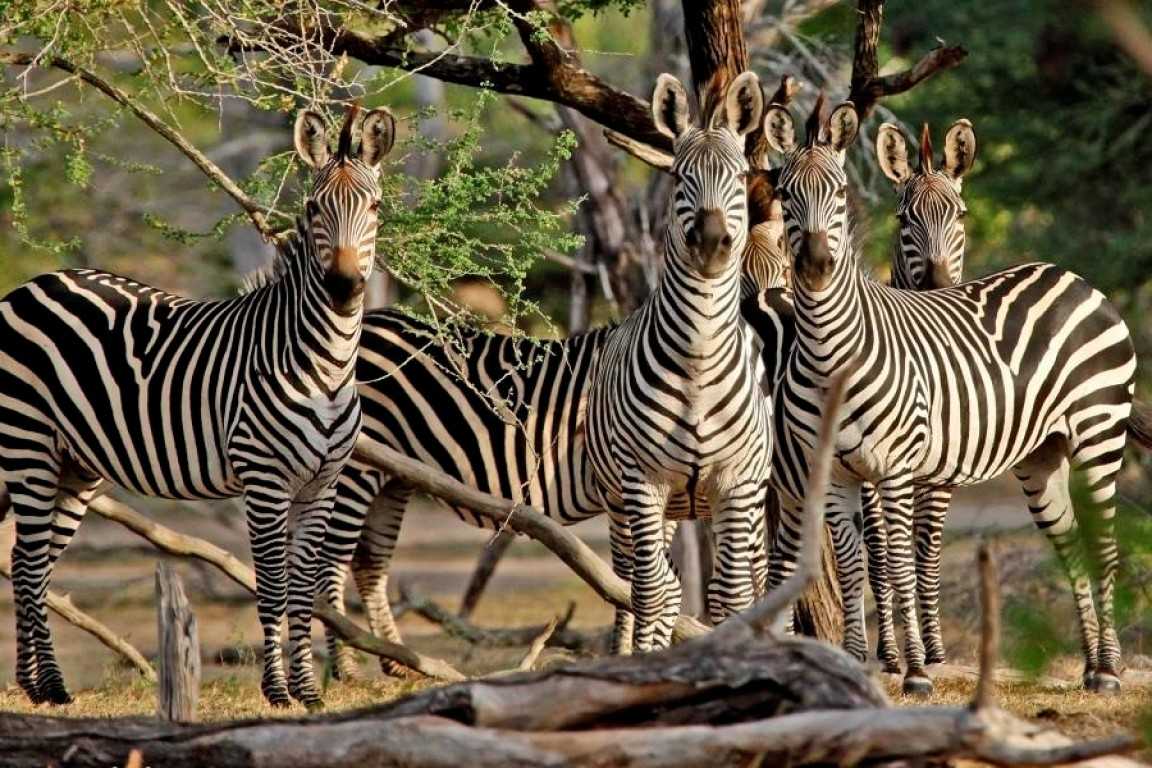
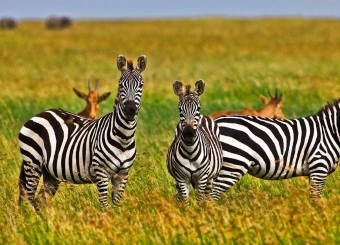
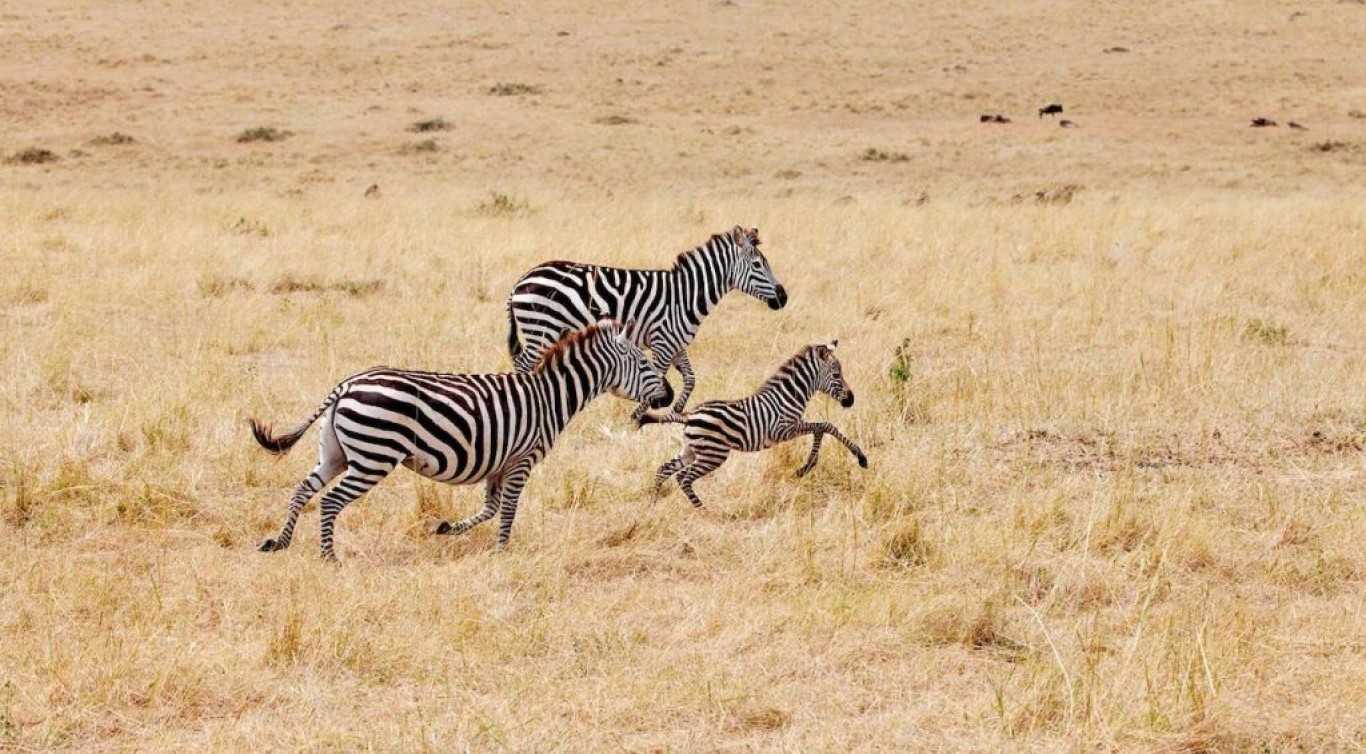
- Buffalo, hippo, wildebeest and zebra — all in abundance.
- Spotted hyena — the crater’s top predator by numbers and energy.
- Flamingo — on the soda flats of Lake Magadi, sometimes in their thousands.
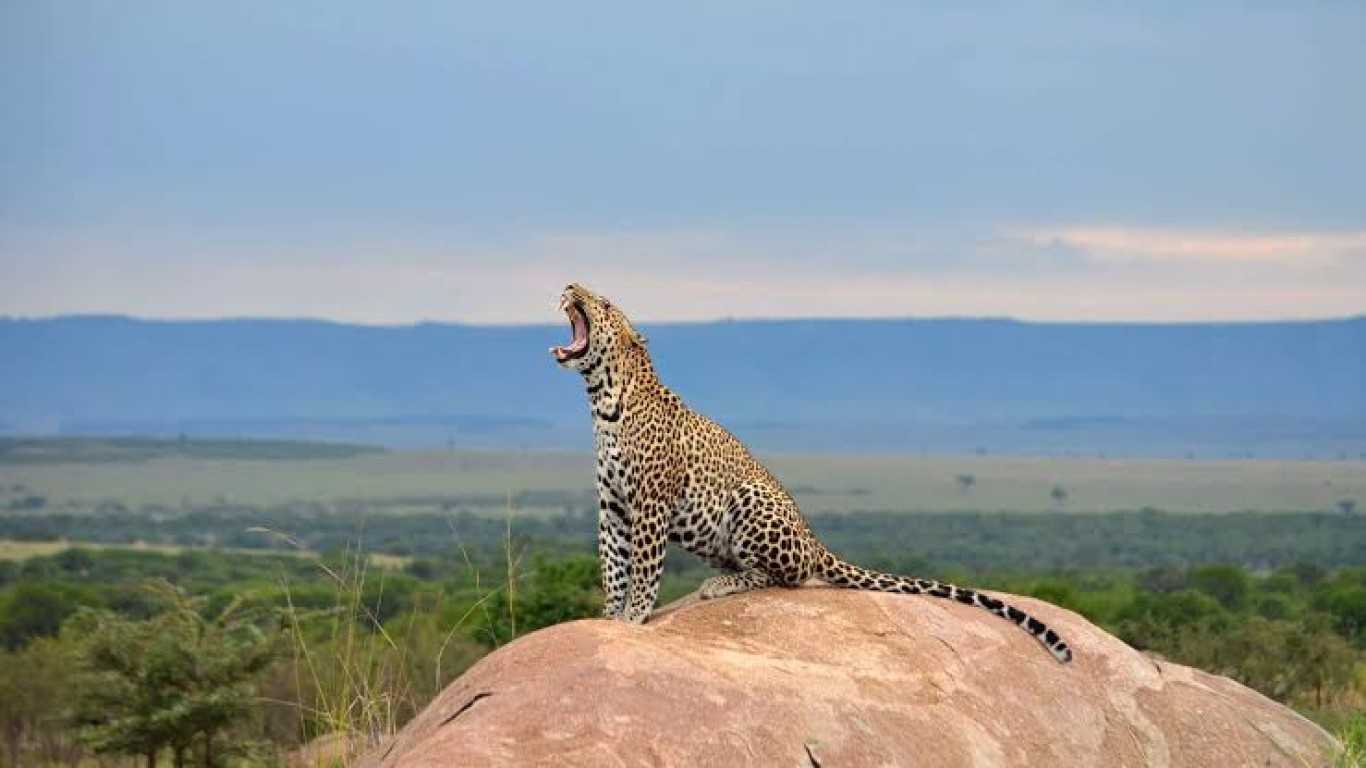
Cheetah and leopard are present but harder to spot. Giraffe, notably, are absent from the crater floor — the steep walls are too much for them.
Beyond the crater: the wider Conservation Area
Most visitors only see the crater rim and floor, but the wider Ngorongoro Conservation Area contains some of the most significant landscapes in East Africa:
Olduvai Gorge
Often called the “Cradle of Mankind”, Olduvai Gorge is where Louis and Mary Leakey unearthed some of the earliest evidence of human ancestors. The on-site museum is well worth a 90-minute stop on the route to or from the Serengeti.
Laetoli footprints
A 3.6-million-year-old trail of hominid footprints preserved in volcanic ash — some of the earliest direct evidence of bipedalism in human evolution.
Empakaai and Olmoti craters
Two smaller volcanic craters on the highlands, both accessible only on foot with a Maasai guide. Empakaai contains a deep soda lake with resident flamingos and, on a clear day, views of Ol Doinyo Lengai and the Rift Valley.
Ndutu (southern Serengeti)
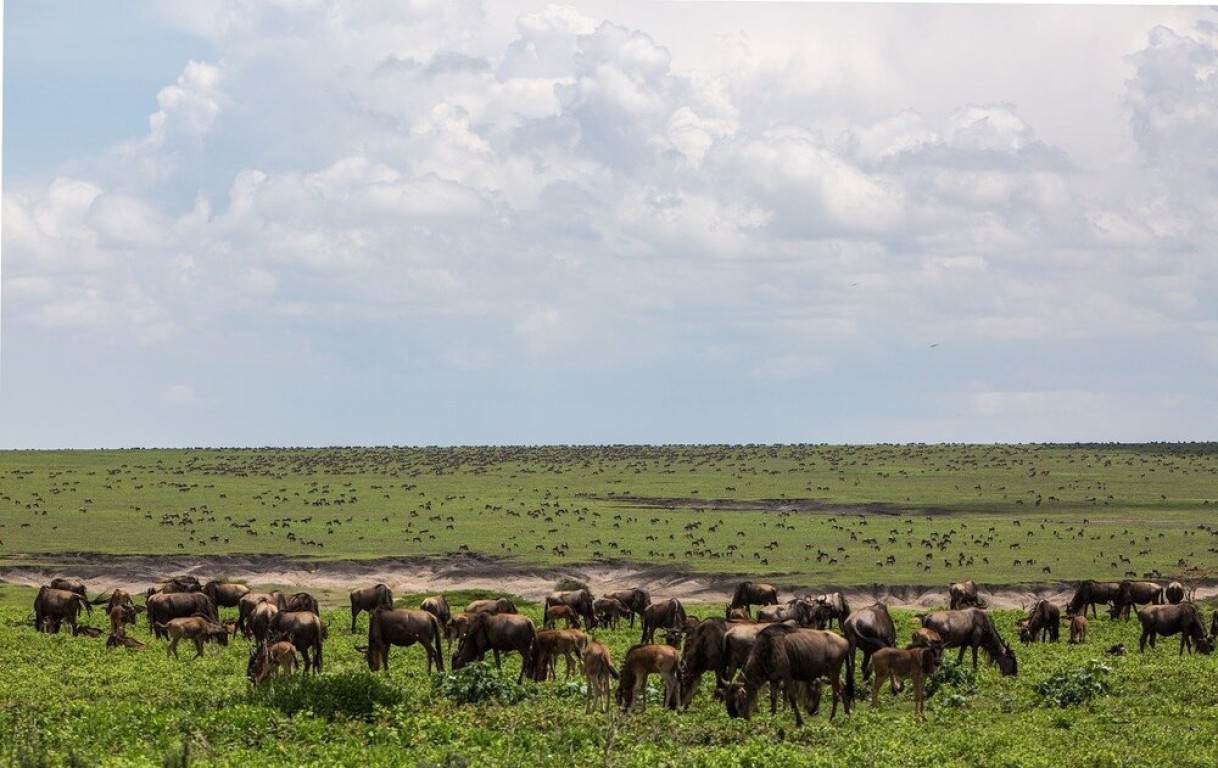
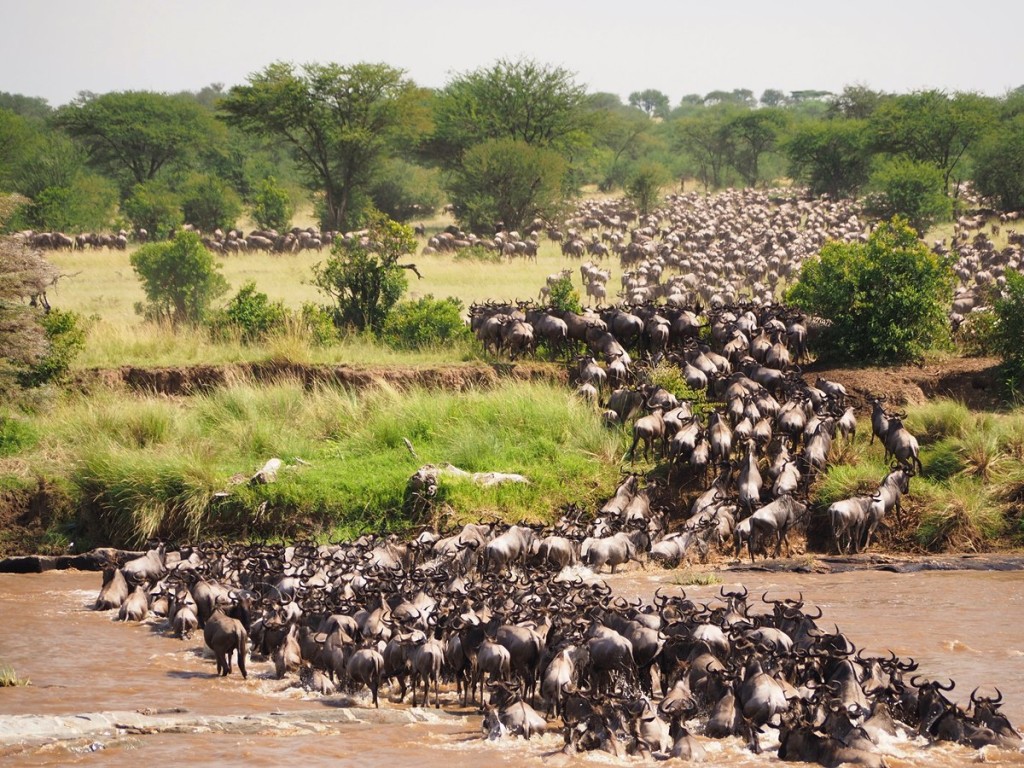
Although geographically part of the Conservation Area, the Ndutu plains function ecologically as southern Serengeti and host the wildebeest calving season from late January to March.
Maasai culture in Ngorongoro
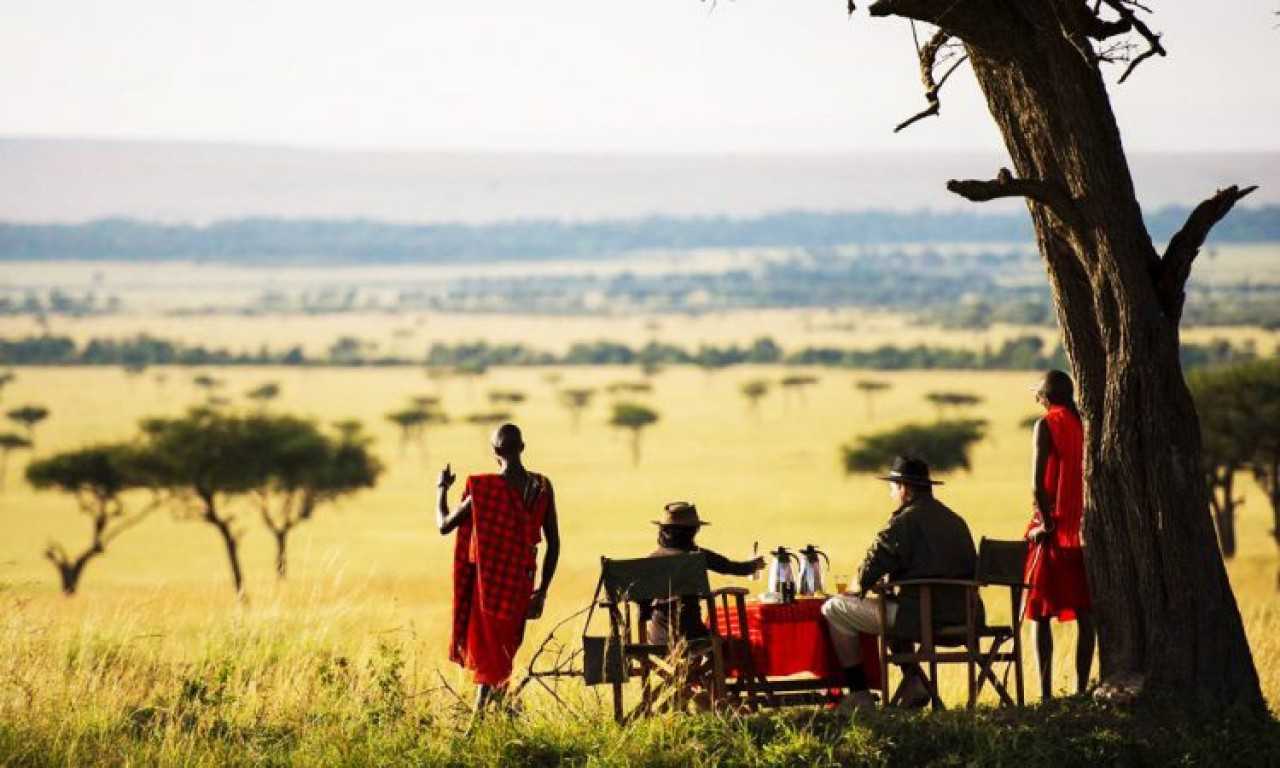
Around 80,000 Maasai live within the Conservation Area, raising cattle, sheep and goats on the highland pastures. Cultural visits to Maasai bomas can be arranged from most lodges — we recommend choosing community-managed visits where fees go transparently to households and the experience is two-way rather than performative. The relationship between conservation, tourism and the resident Maasai community is sensitive and evolving; we encourage travellers to read up before they visit.
When is the best time to visit Ngorongoro?
The crater is unusual among East African destinations in that game viewing is excellent year-round — the resident wildlife doesn’t migrate. That said:
- June to October (long dry) — the easiest months for road access and rim clarity. Busiest in July and August.
- November to early December (short rains) — brief afternoon showers, green landscapes, fewer visitors.
- Late December to March — calving season in Ndutu makes this an extraordinary combined itinerary.
- April to May (long rains) — dramatic skies and waterfalls, but the descent roads can become slippery and some lodges close.
Where to stay around Ngorongoro
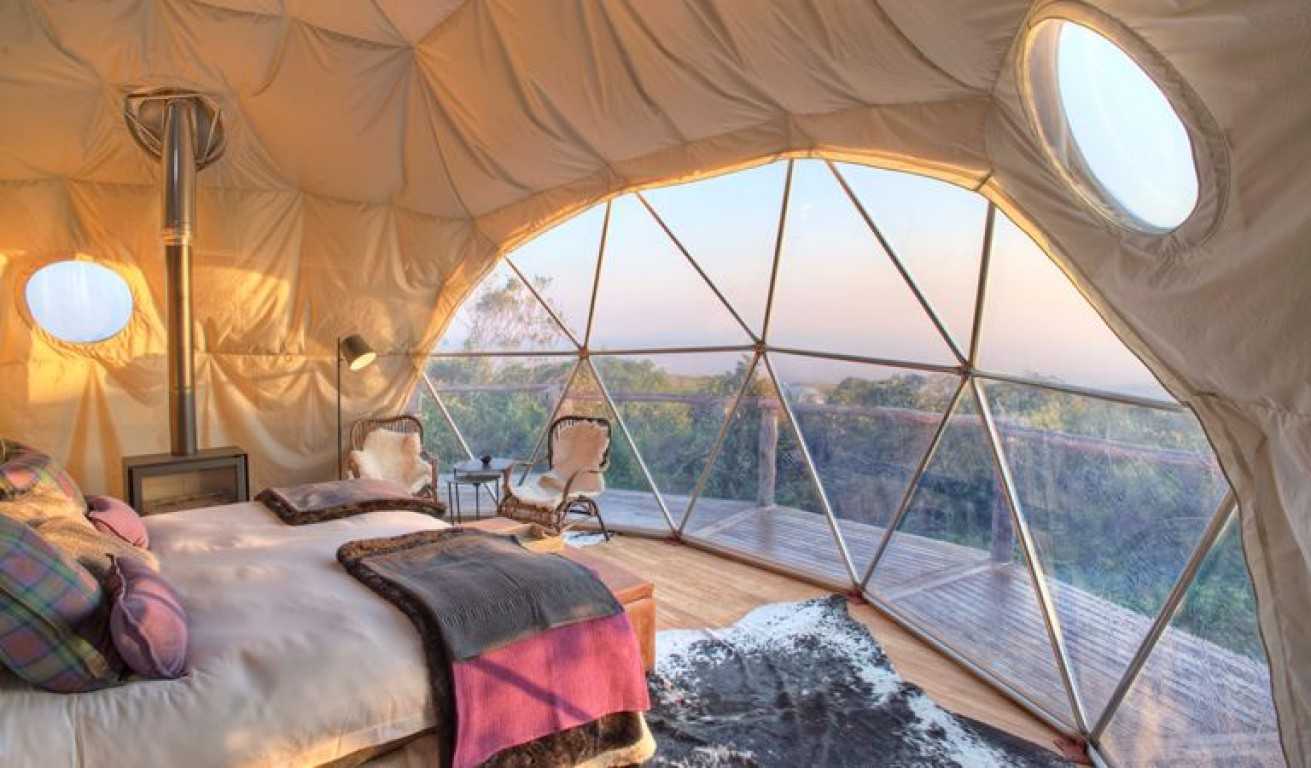
Accommodation falls into three zones:
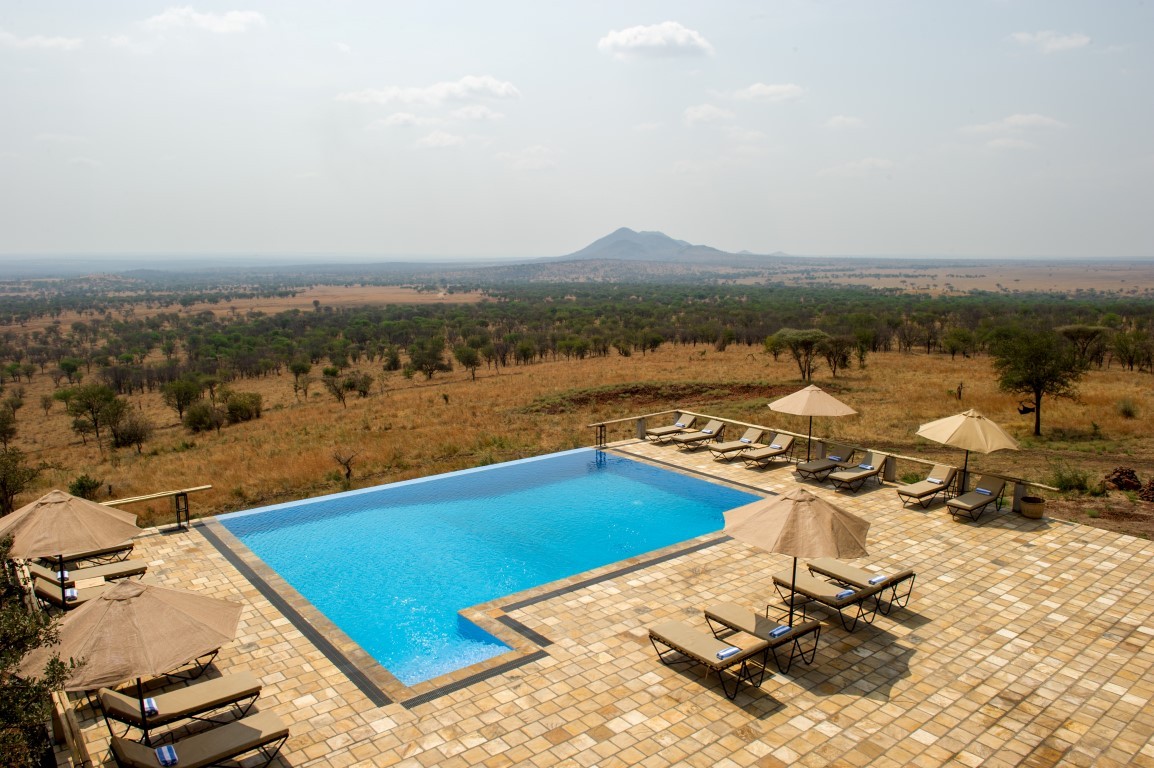
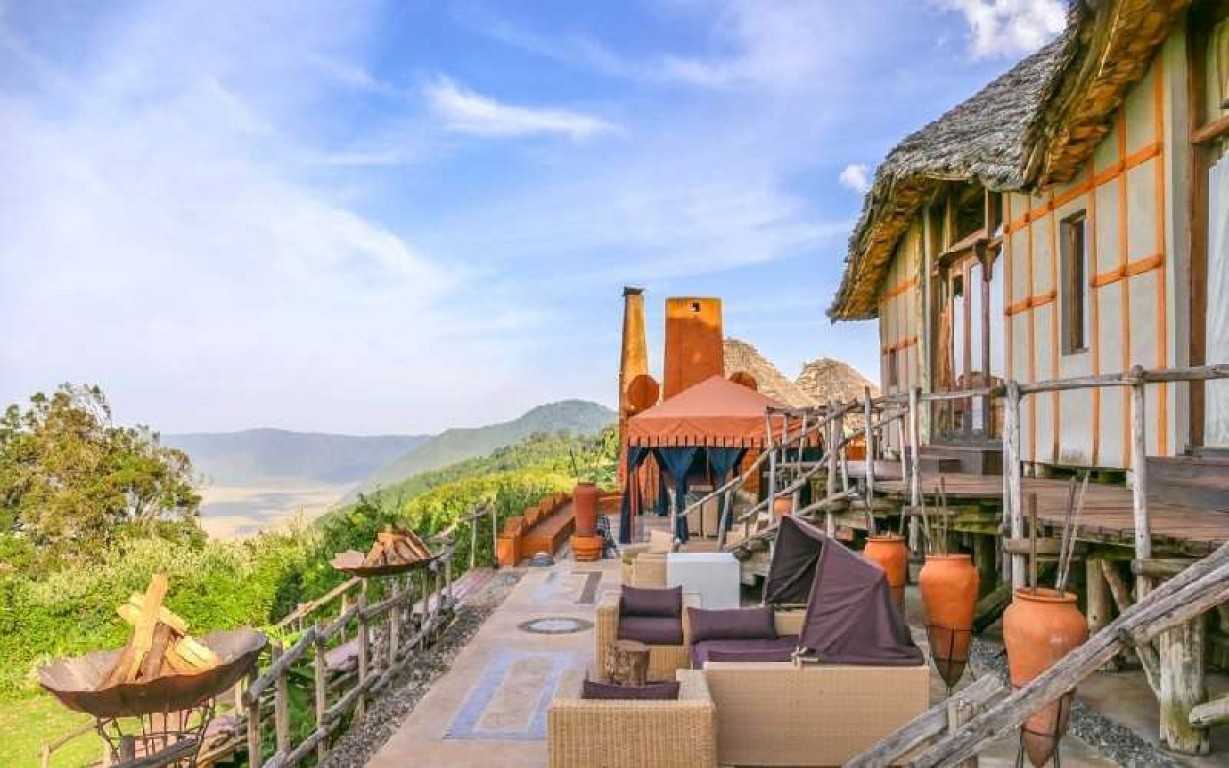
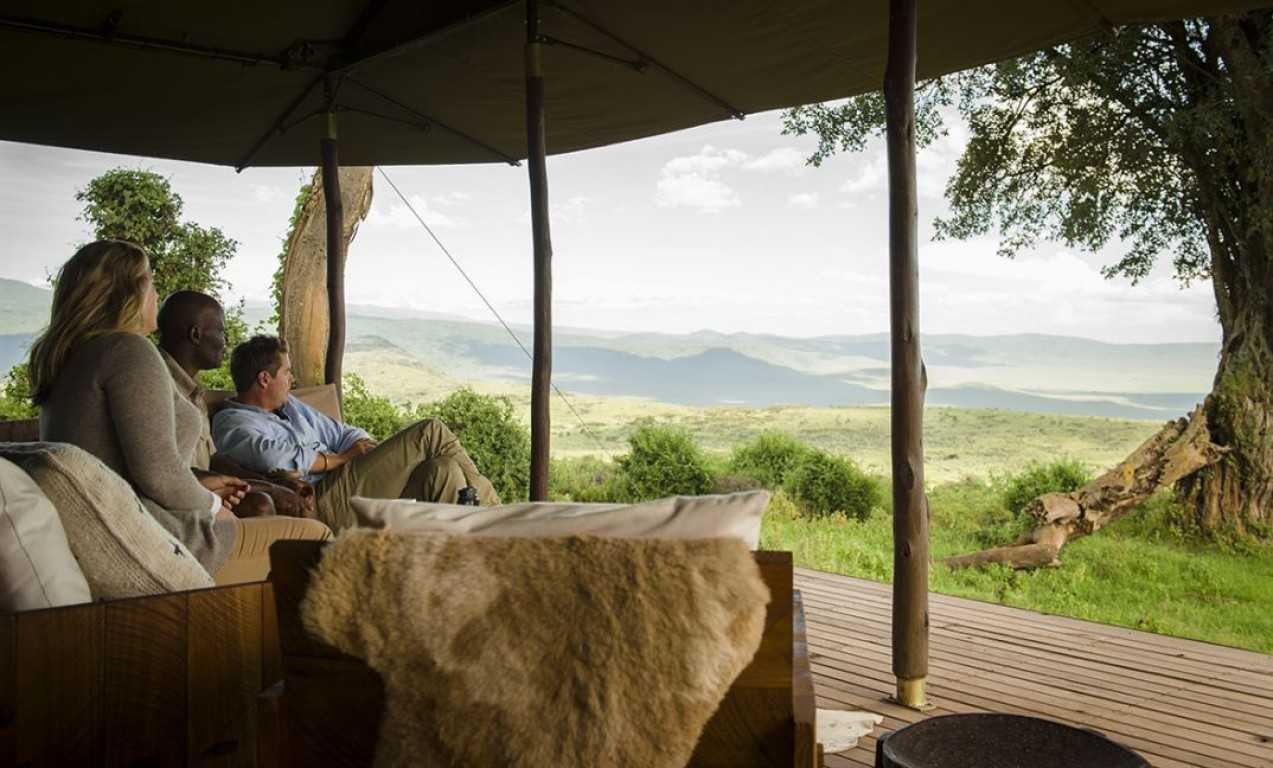
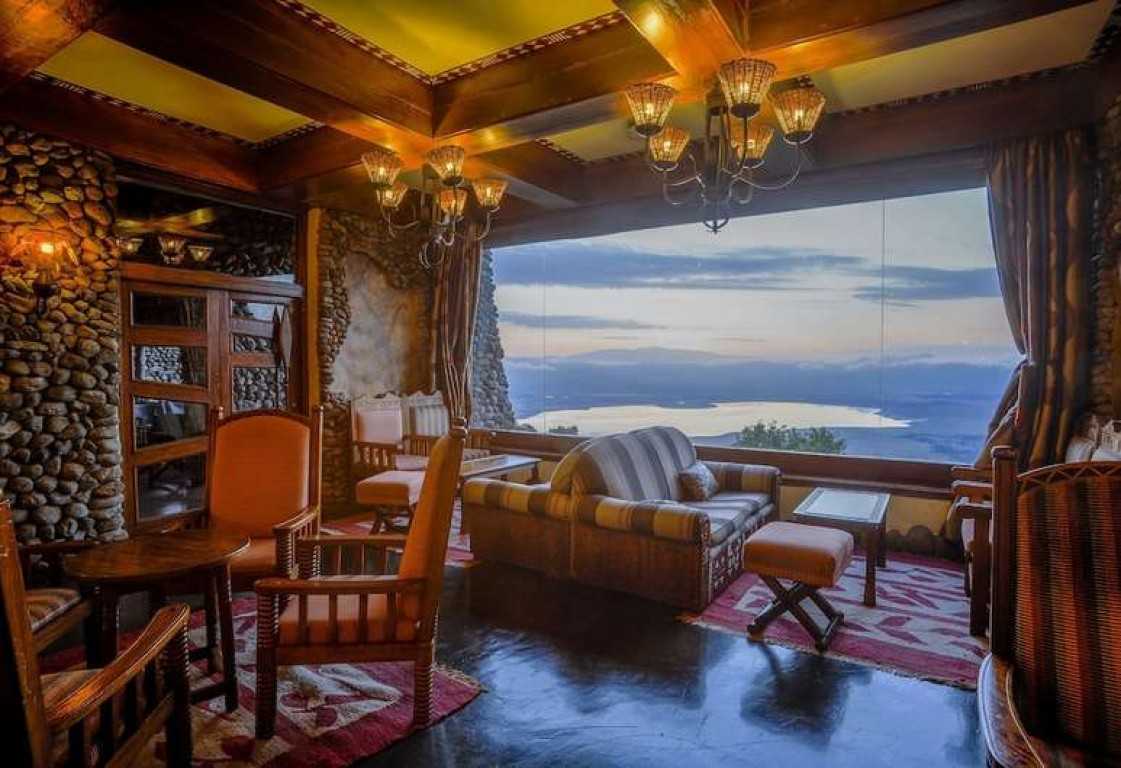
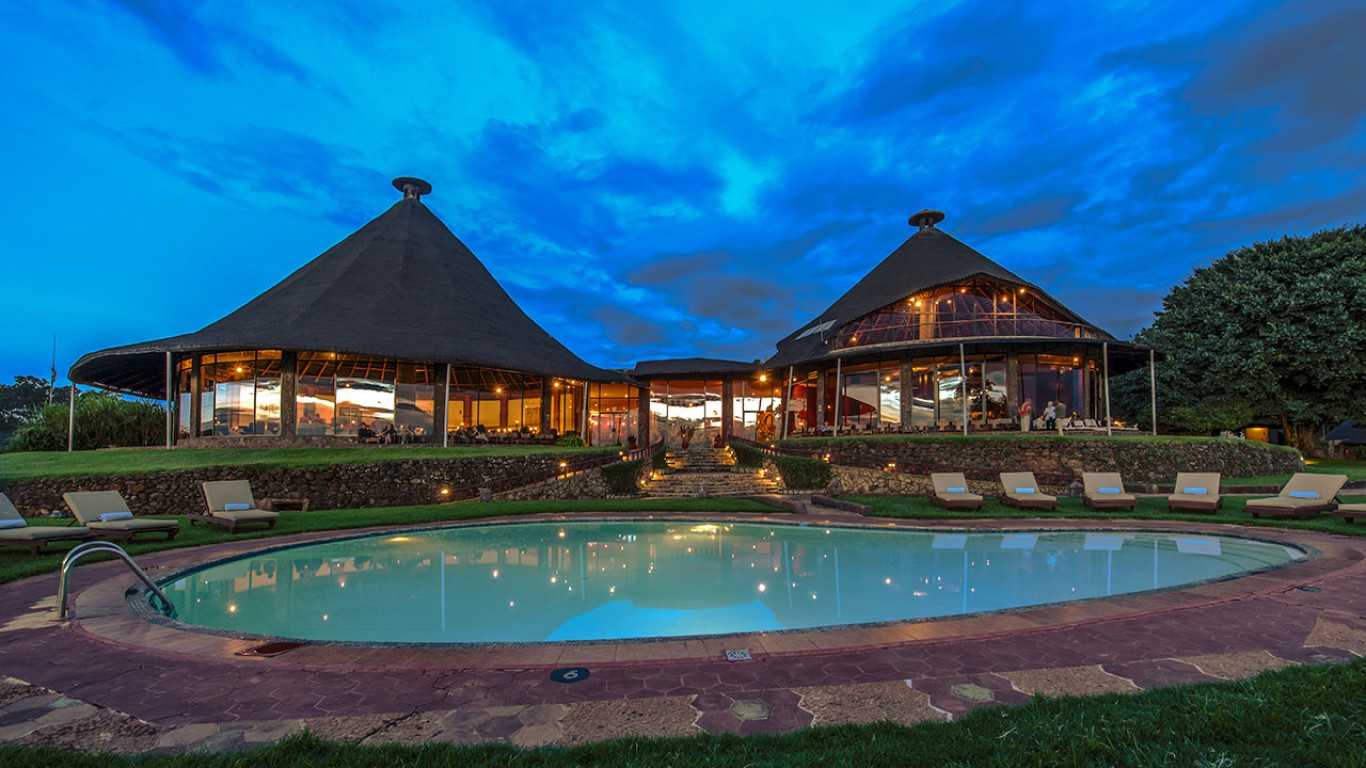
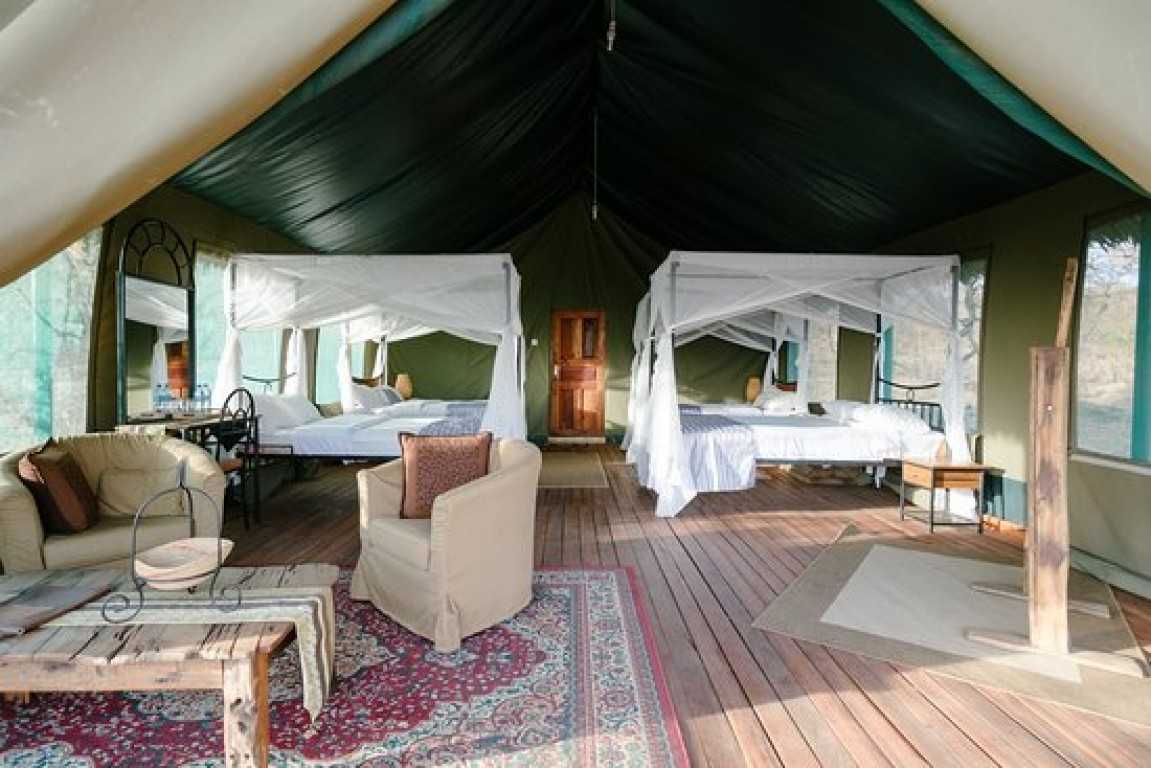
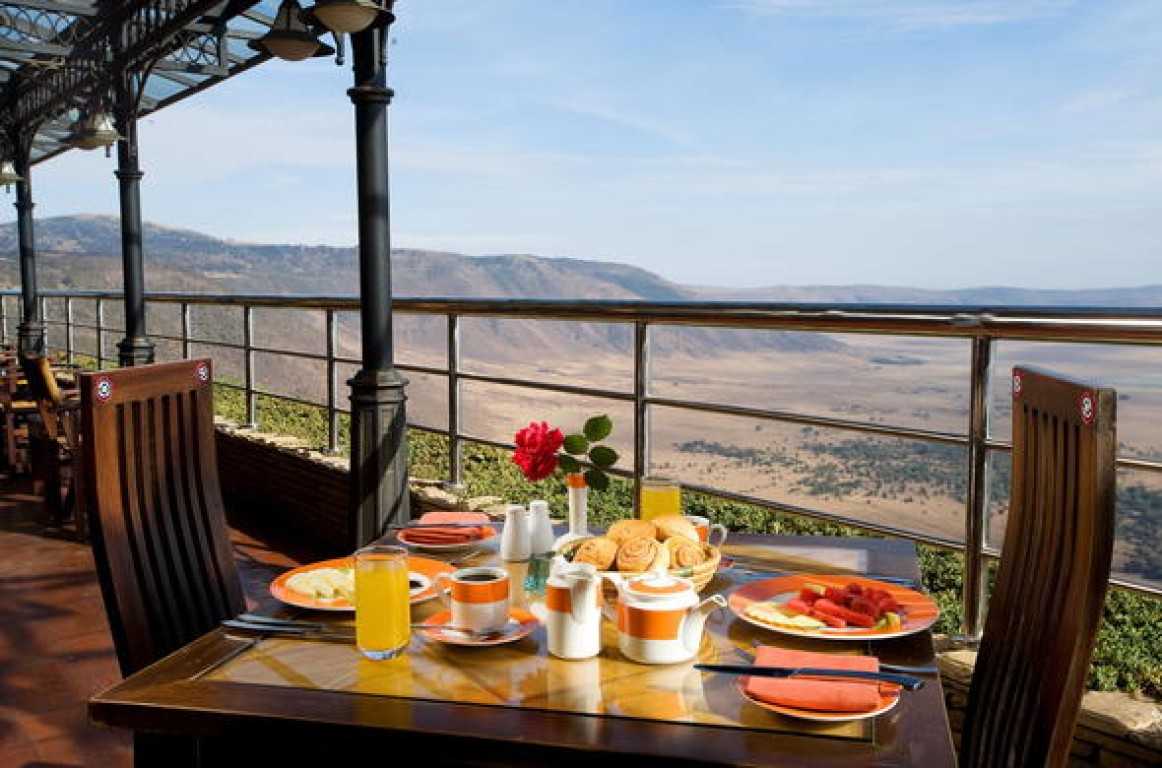
- Crater rim lodges — the most dramatic views and earliest descents. Includes Ngorongoro Crater Lodge, Sopa Lodge and Serena Lodge.
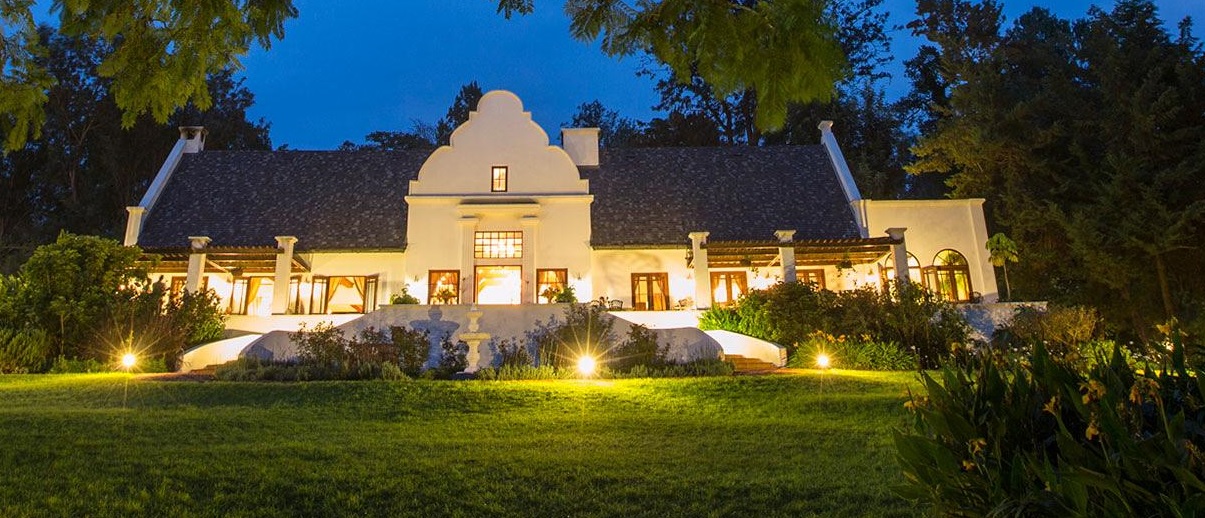
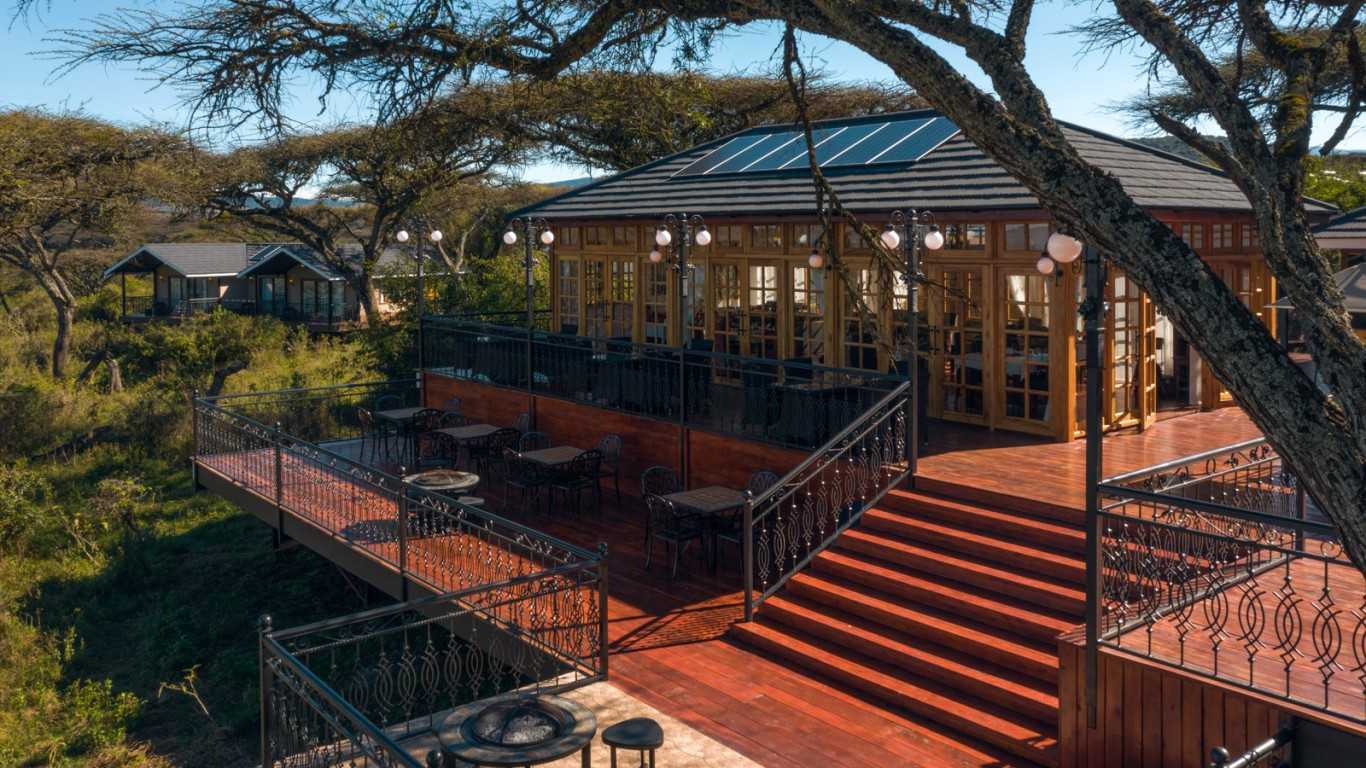
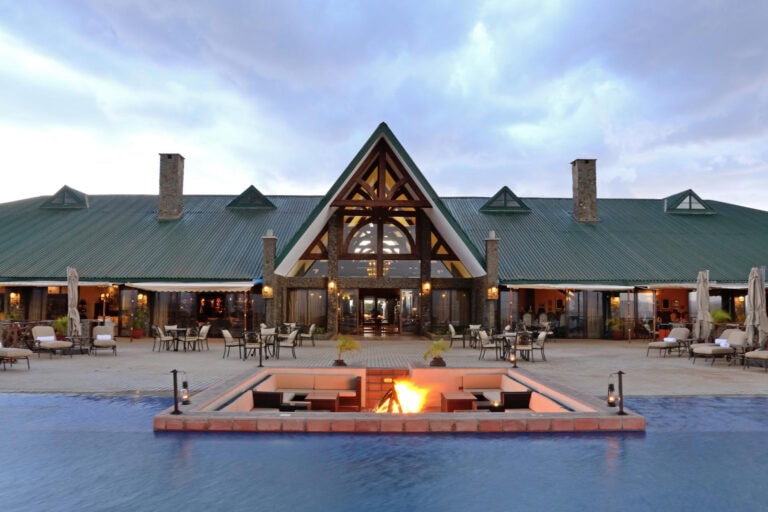
- Karatu area — just outside the gate, 30–45 minutes from the rim. Better value, with options from mid-range to luxury (Gibb’s Farm, The Manor at Ngorongoro).
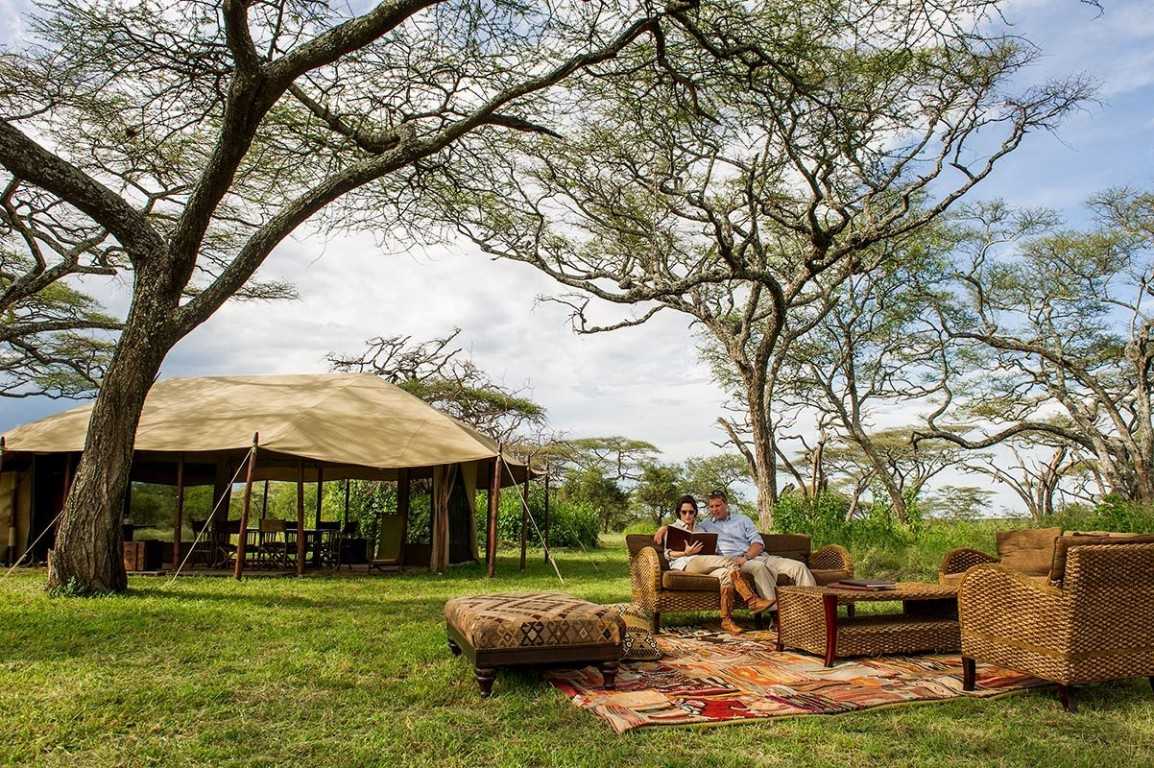
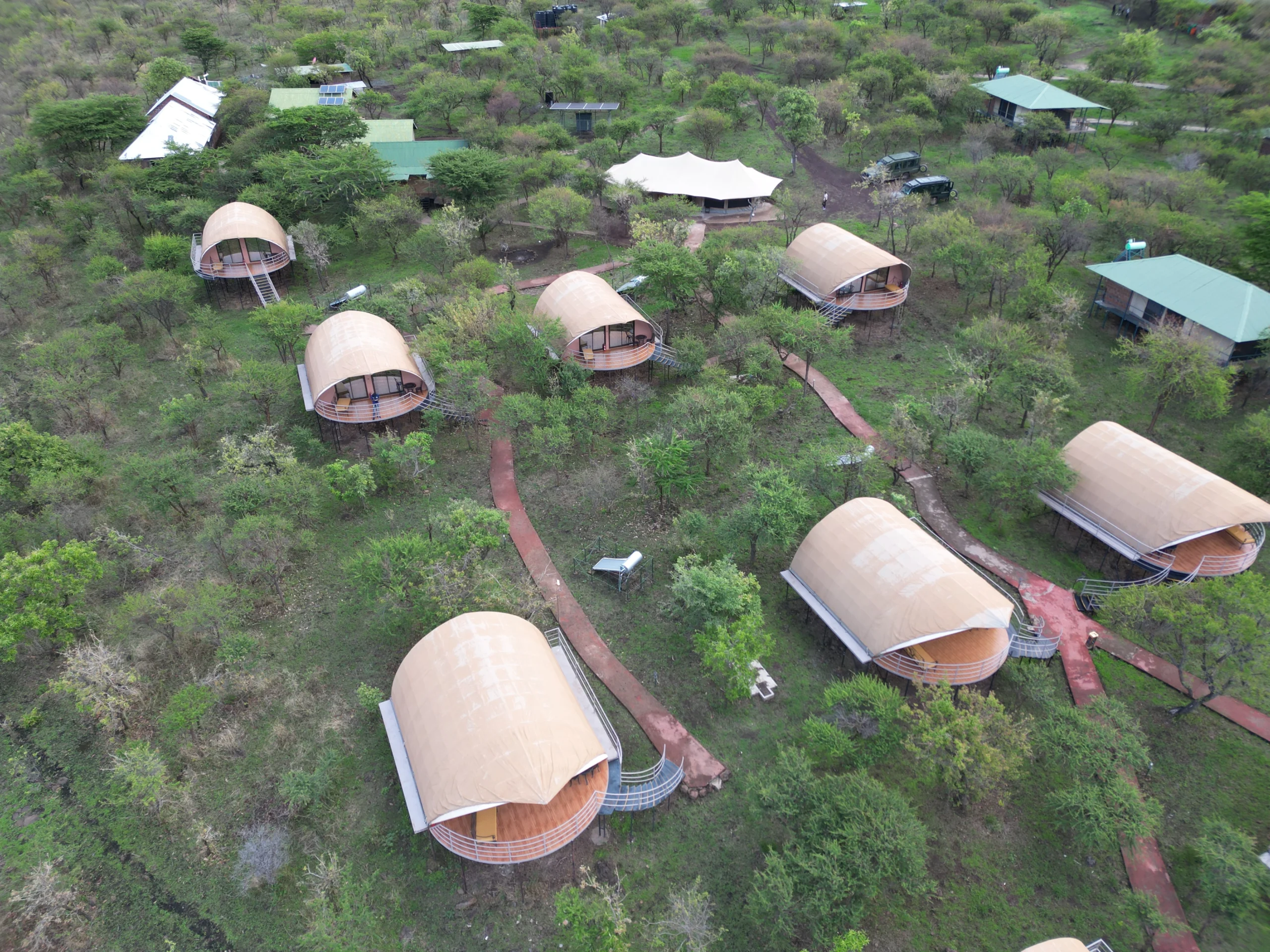
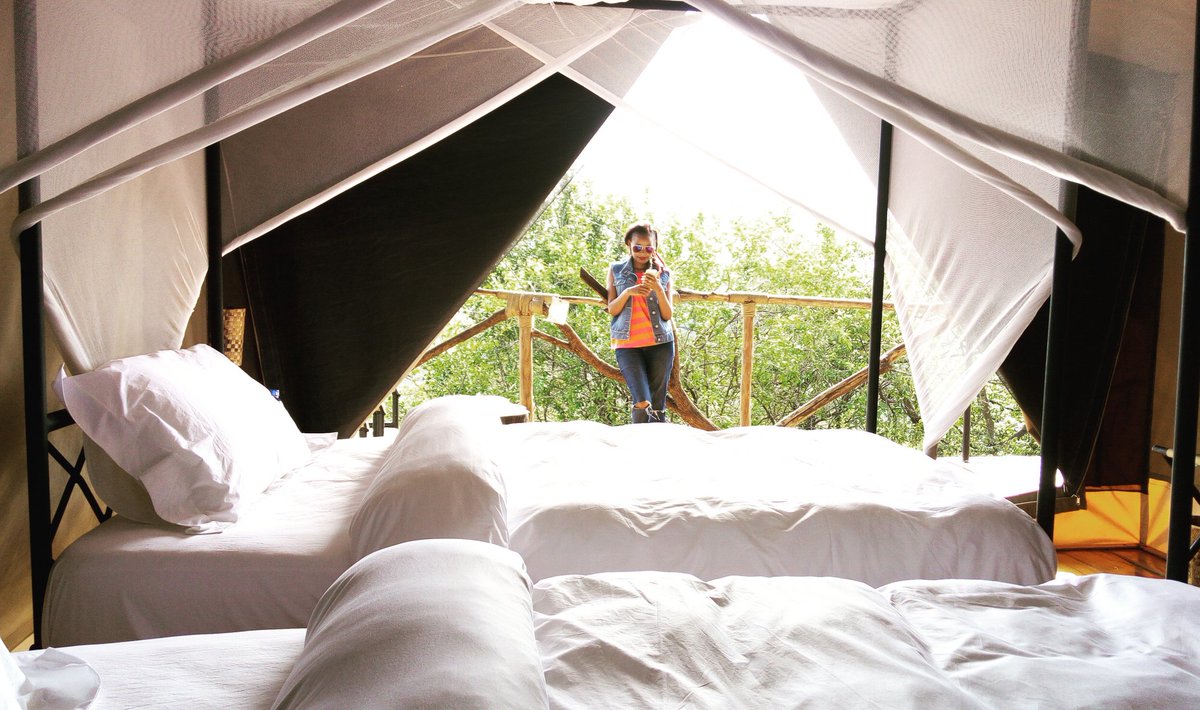
- Inside the wider Conservation Area — mobile and semi-permanent camps at Ndutu during calving season.
Practical tips for a Ngorongoro safari
- Crater descents are limited to a maximum of 6 hours per vehicle — descend early to maximise time.
- Vehicles must use designated descent and ascent roads only.
- The rim sits at 2,300–2,400 m — nights are cold. Pack a fleece even in summer.
- Fees and crater service charges are reviewed every July. See our Tanzania park fees page for current rates.
- Walking is not permitted on the crater floor; it’s a 4x4 only.
Combine Ngorongoro with…
- Serengeti National Park — the natural extension west.
- Tarangire National Park — classic on the way up from Arusha.
- Lake Manyara — just below the Rift Wall.
- Olduvai Gorge — en route to the Serengeti.
- Lake Eyasi for cultural visits to the Hadzabe and Datoga communities.
Frequently asked questions about Ngorongoro
How long do you need at the Ngorongoro Crater?
One full day in the crater is enough for most visitors. Two nights on the rim or in Karatu lets you do the crater descent on one day and a Lake Manyara or Olduvai add-on on the other.
Is Ngorongoro better than the Serengeti?
They’re complementary, not competing. The Serengeti offers vast wilderness and the migration; Ngorongoro offers extraordinary density and almost-guaranteed Big Five sightings in a single enclosed setting. Most itineraries include both.
Can you see rhinos in Ngorongoro?
Yes — the crater is one of the most reliable places in Tanzania to spot eastern black rhino. Sightings are typically at a distance; binoculars are essential.
How deep is the Ngorongoro Crater?
The crater walls are roughly 600 metres (1,968 ft) from rim to floor. The rim sits at about 2,400 m and the floor at 1,800 m above sea level.
Is the Ngorongoro Crater the same as the Conservation Area?
No — the crater is a small part of a much larger 8,292 sq km Conservation Area that also includes Olduvai Gorge, the Empakaai and Olmoti craters, and the Ndutu plains in the south.
Can children visit Ngorongoro?
Yes — the crater is one of the most child-friendly safari destinations in Tanzania because game is so easy to see in a single day. Children under 5 typically enter free.
Want to visit Ngorongoro Crater?
Get a free custom safari plan within 24 hours.
Ngorongoro Crater safari tours


10-Day Tanzania Safari Beach Holiday to Tarangire, Serengeti, Ngorongoro & Zanzibar


3-Day Tanzania Safari from Zanzibar to Tarangire, Ngorongoro Crater & Lake Manyara

4-Day Tanzania Safari from Zanzibar to Tarangire, Serengeti & Ngorongoro Crater
5-Day Tanzania Safari from Zanzibar to Tarangire, Serengeti & Ngorongoro Crater

Want to visit Ngorongoro Crater?
Get a free custom safari plan within 24 hours.
Best time to visit the Ngorongoro Crater
June to October — Dry season (best game viewing, clearest rim views)
The long dry season is the most reliable window for Ngorongoro. The crater floor vegetation is shorter, opening sightlines across the grassland to the predators that concentrate around the permanent water sources. Black rhino sightings — already more reliable here than anywhere else in Tanzania — are at their peak frequency in the dry months when the rhino move more predictably to the Lerai Forest springs. The rim viewpoints are clearest in June and July before afternoon cloud builds. The access road from the rim to the crater floor is in its best condition. Temperatures in the crater are warm (20–26°C); the rim is notably cooler (10–15°C at night).
December to March — Short rains and wildebeest calving
Unlike the Serengeti, the Ngorongoro Crater population of wildebeest does not migrate out — they remain in the crater year-round. Between December and March, a smaller calving event occurs within the crater itself, bringing predator activity very close to the Lerai Forest and the Hippo Pool area. The landscape is lush and green after the short rains; the crater walls are dramatically vivid. The Ndutu area in the adjoining conservation area (where the main Serengeti migration calving takes place) is most productive in January–February and is worth combining with a crater visit.
April to May — Long rains (crater still productive, roads can be muddy)
The long rains bring heavy daily rain that can make the steep crater access road challenging and occasionally closes it temporarily after severe downpours. The crater floor game viewing remains good — the enclosed ecosystem means wildlife doesn’t disperse like an open savanna. Flamingo numbers on Lake Magadi are highest after rain. The quietest and cheapest period, with very few tourists. Not recommended as a primary destination in this window unless combined with the cultural sites of the conservation area.
Bottom line: June to October for the finest game viewing and the clearest rim views. December to March for lush green scenery and the Ndutu calving connection. The crater is excellent year-round; no season produces poor game viewing in an ecosystem this dense.
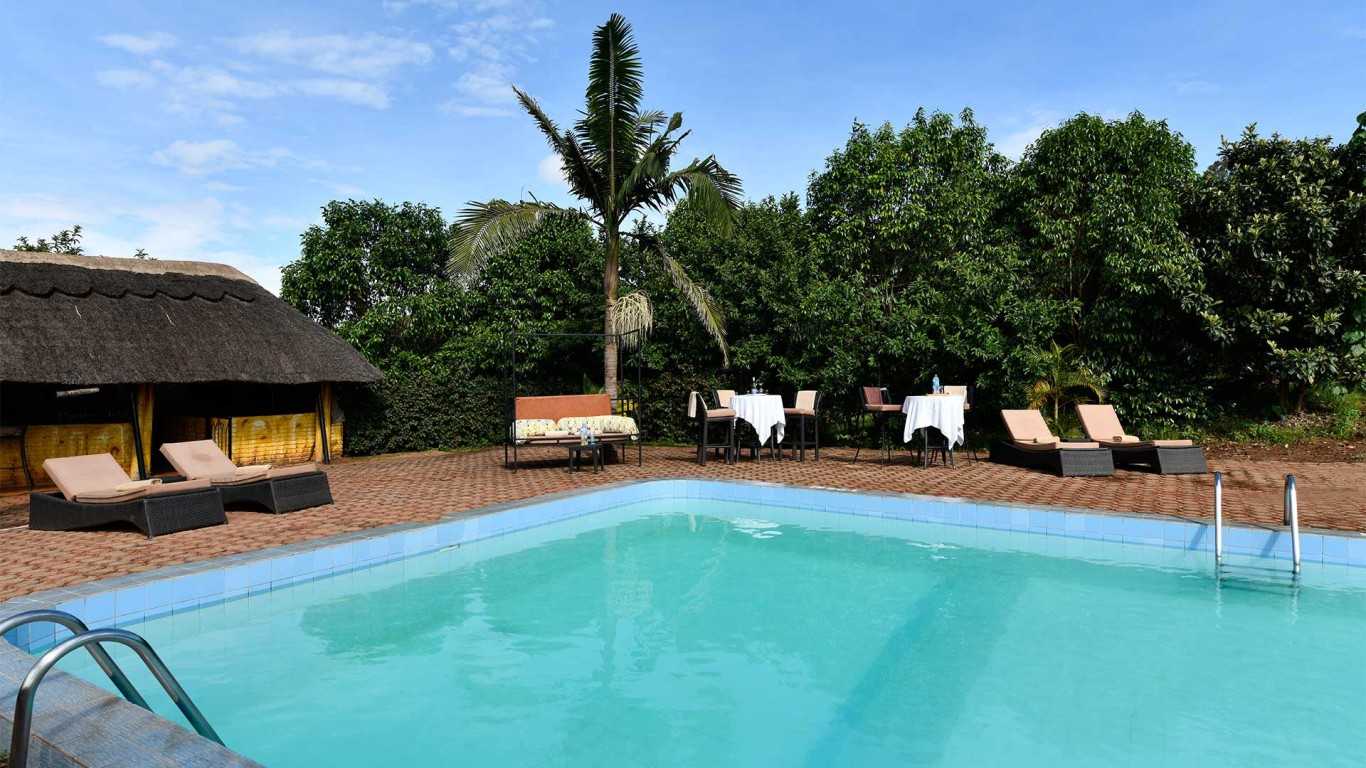
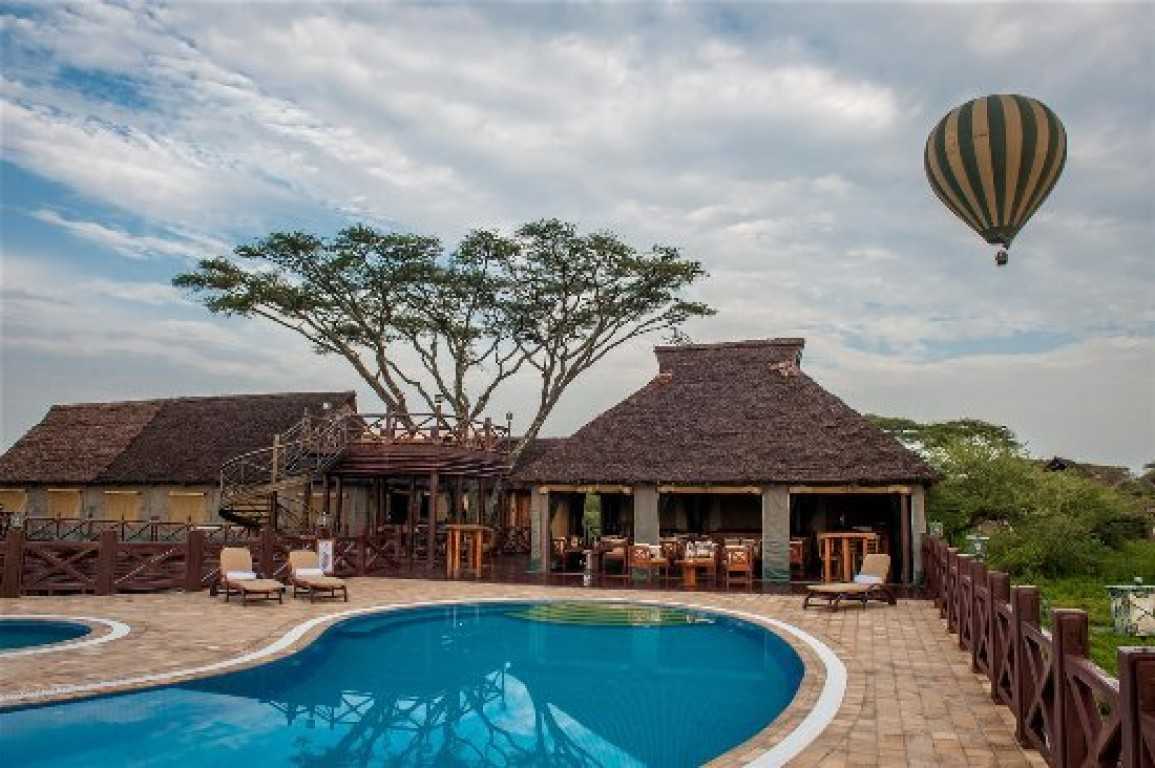
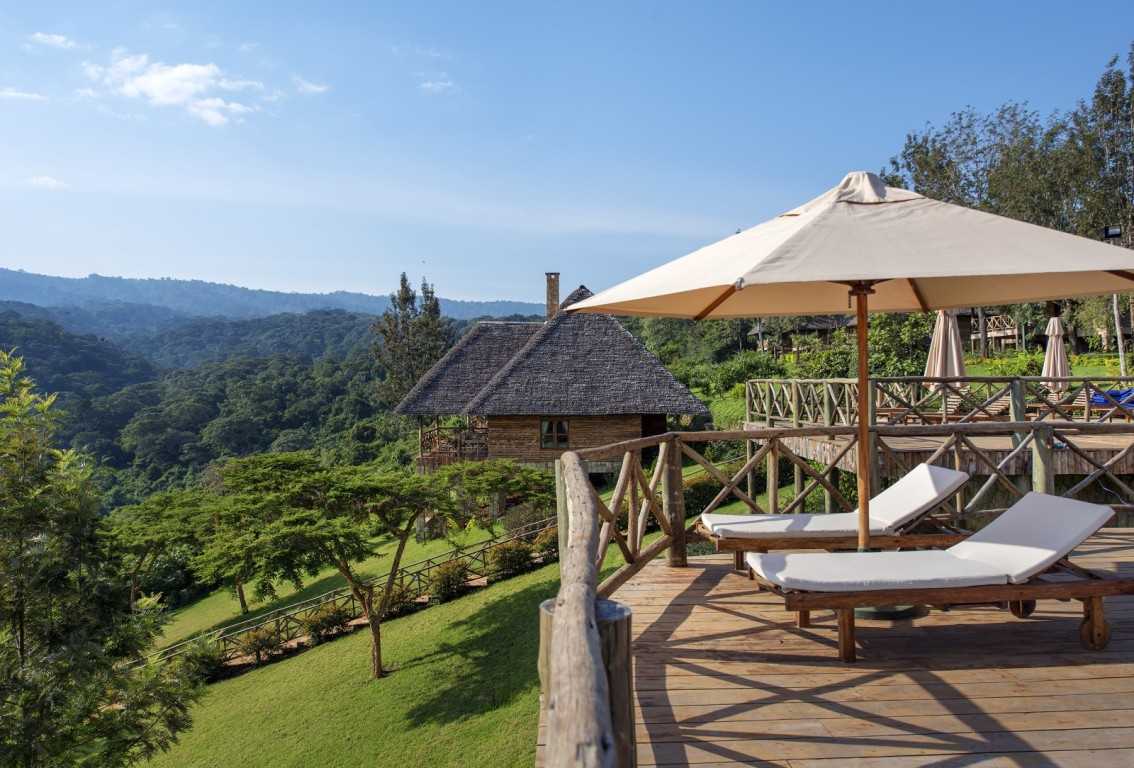
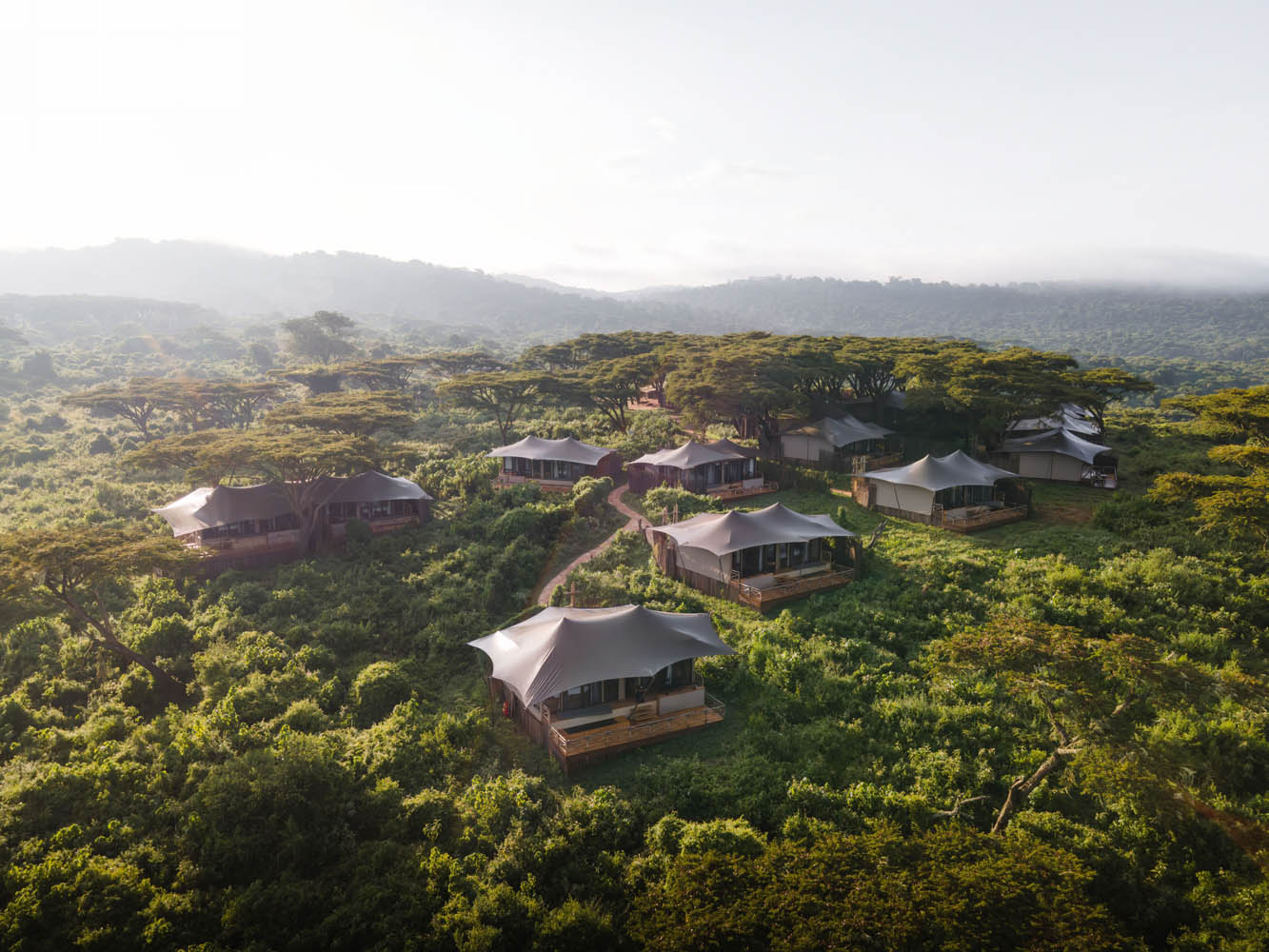
Where to stay in Ngorongoro Crater


Want to visit Ngorongoro Crater?
Get a free custom safari plan within 24 hours.
Nearby destinations
Tanzania Tanzania 


 Tanzania Tanzania