
All Tanzania Big Five Safaris


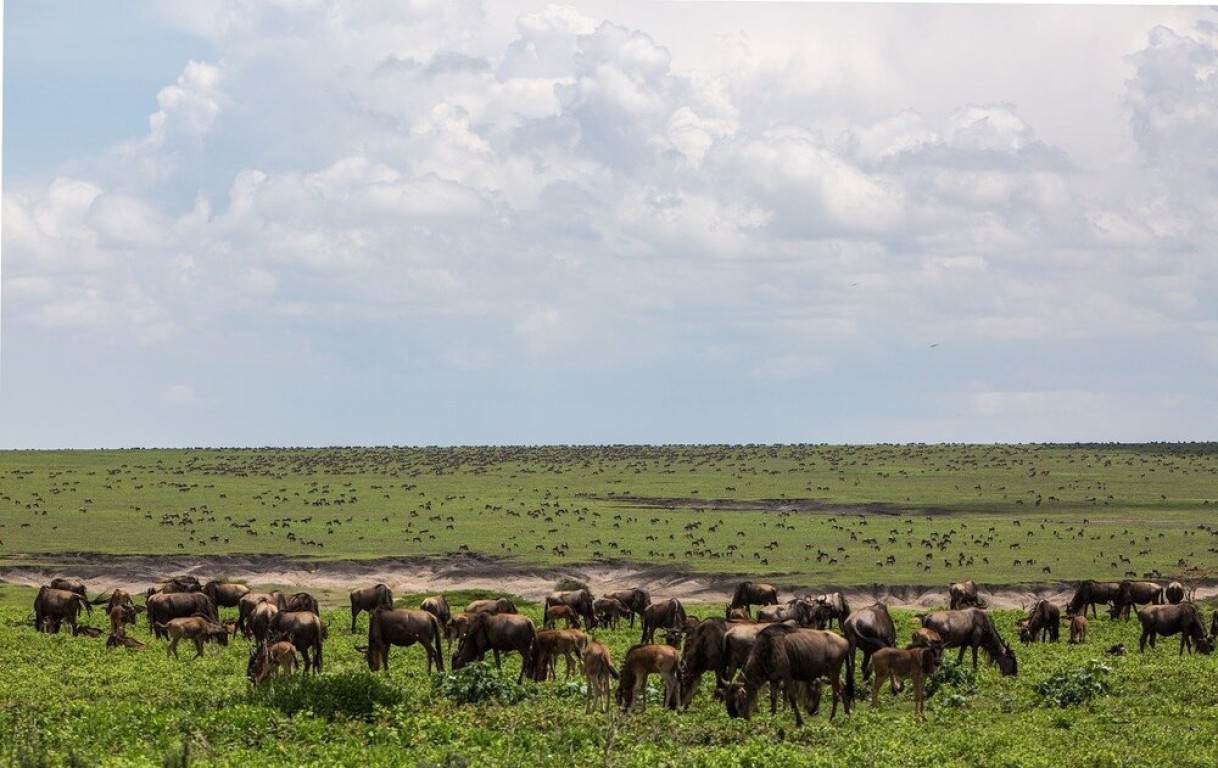


10-Day Wildebeest Migration Safari - Tarangire, Manyara, Ndutu, Serengeti & Ngorongoro
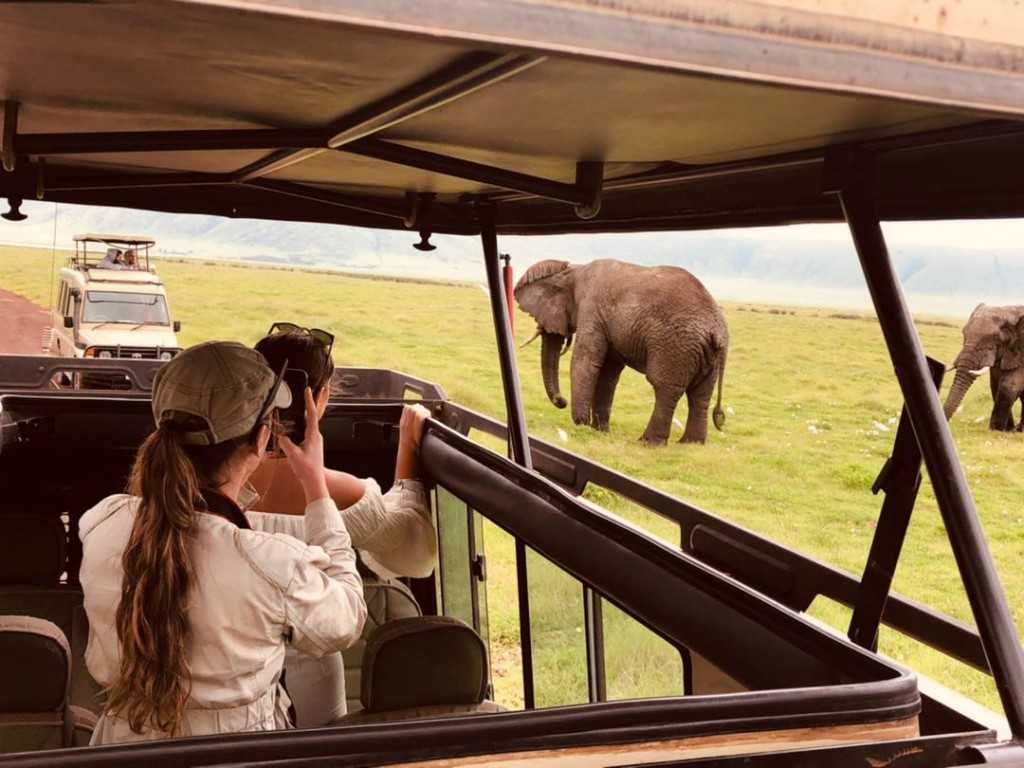
9-Day Grand Tanzania Photographic Safari - Tarangire, Serengeti, Ngorongoro & Ruaha
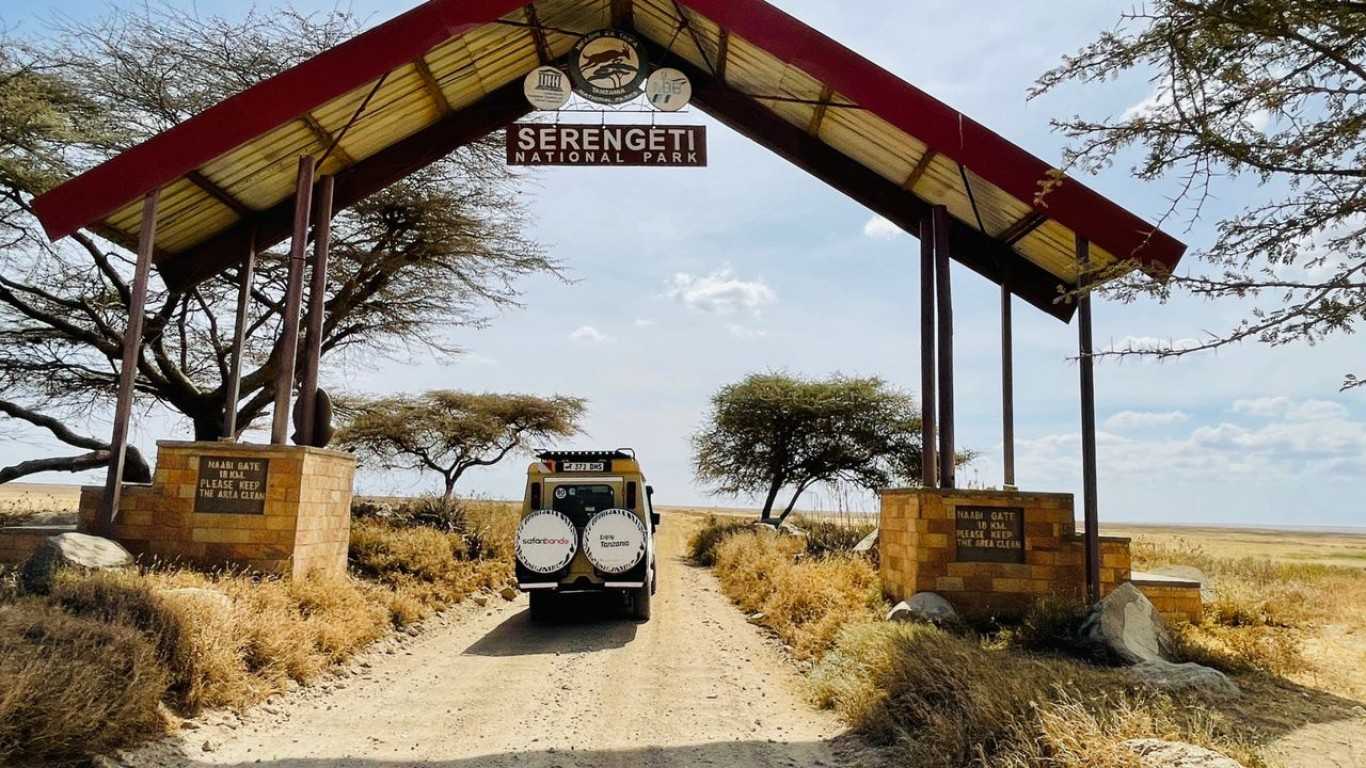
9-Day Rwanda Gorilla Trekking and Tanzania Safari - Serengeti and Ngorongoro Crater
Tanzania and the Big Five: The Context
The term "Big Five" was coined by big-game hunters in the 19th century to describe the five most dangerous animals to hunt on foot — lion, leopard, elephant, buffalo and black rhinoceros. The danger criterion (not size, not rarity, not photogenic appeal) explains what might otherwise seem like an arbitrary list. All five were chosen because each can kill a person on foot with relative ease and because each requires specific tracking and approach technique to observe safely.
Today the term describes the five species that safari travellers most specifically seek, and Tanzania is the best single country in Africa for seeing all five. The Northern Circuit alone — four interconnected parks within a 200 km radius of Arusha — contains reliable populations of every Big Five species. Adding the Southern Circuit (Nyerere, Ruaha) adds depth: larger elephant concentrations, more reliable wild dog alongside the Big Five, and a different suite of habitats that give a more complete picture of Tanzania's ecological range.
Where to Find Each of the Big Five in Tanzania
Lion — Serengeti and Ngorongoro
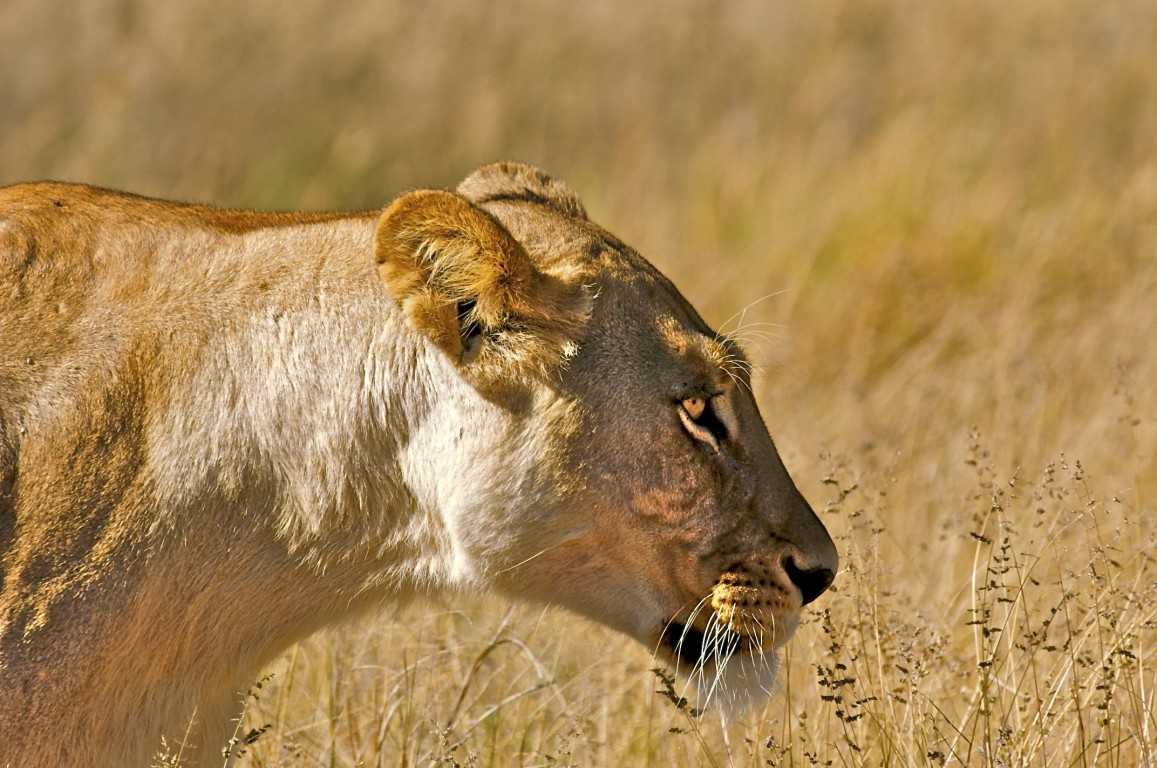
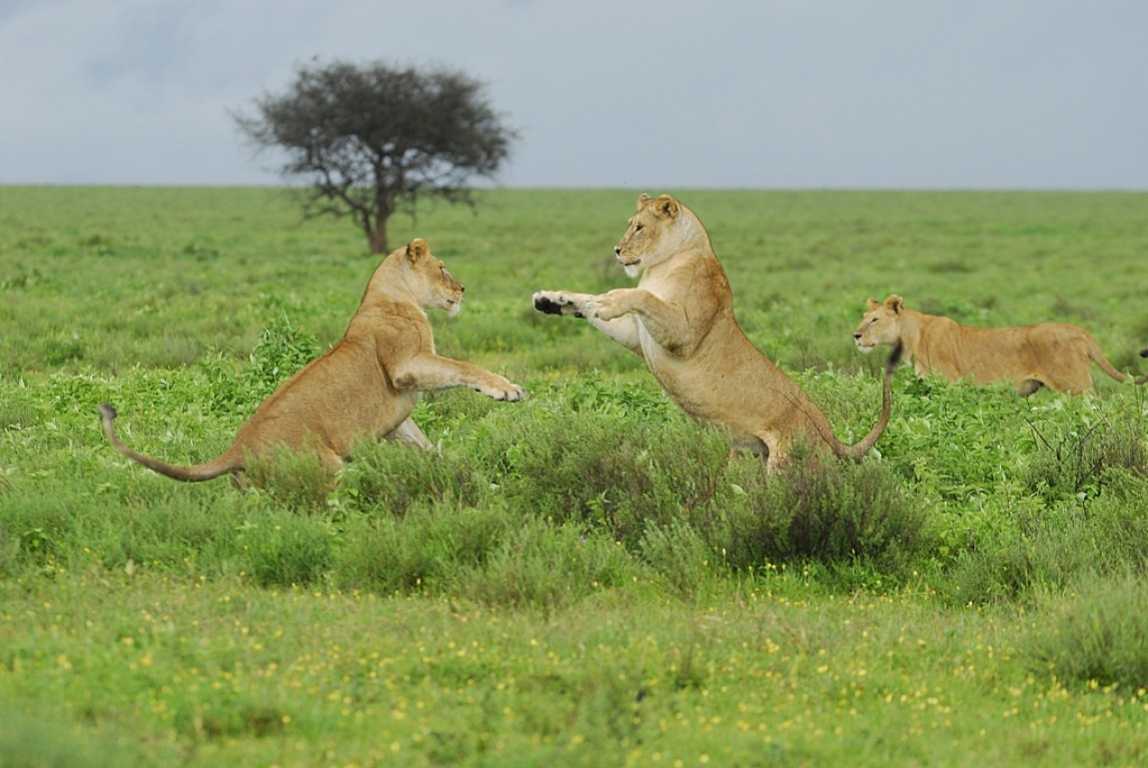
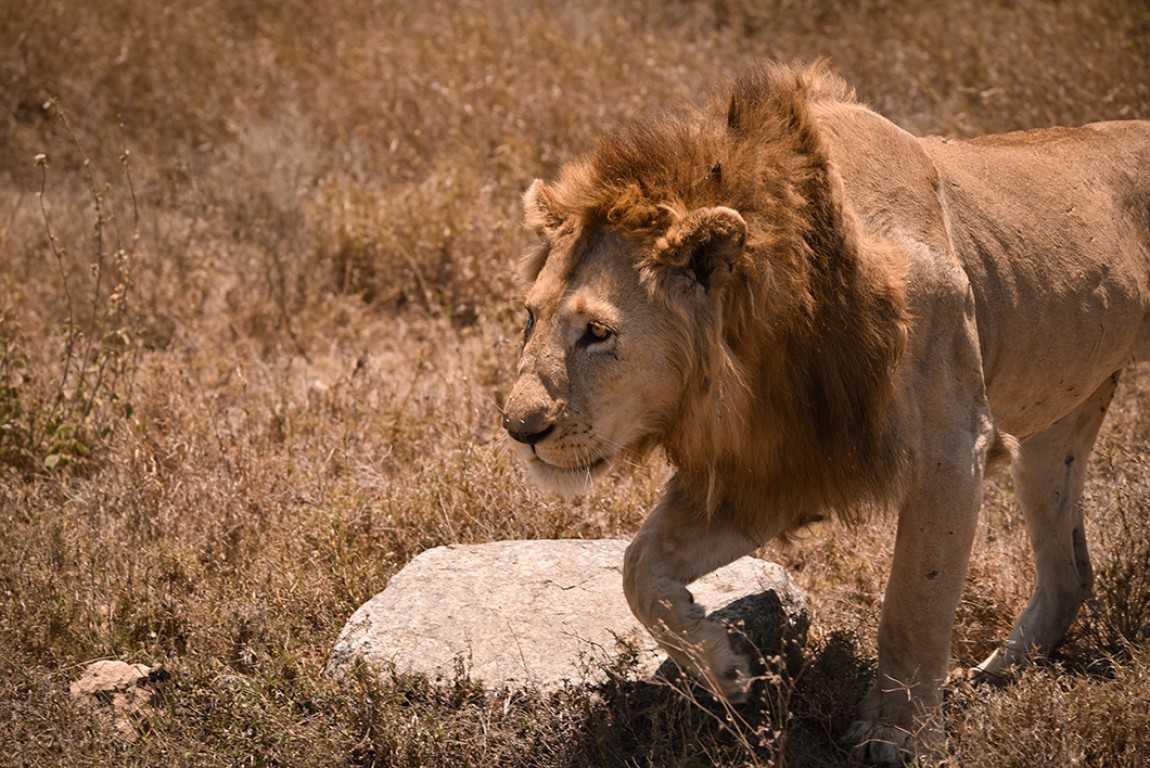
The Serengeti National Park holds the world's highest lion population density — estimated at over 3,000 individuals across the ecosystem. The Seronera Valley's resident prides are among the most studied and most reliably encountered lion populations in Africa; guides know the pride ranges and can locate them consistently. The Ngorongoro Crater floor has a resident population of 65 to 70 lions — the enclosed caldera means they cannot disperse, making crater floor lion sightings almost guaranteed on any game drive. Ruaha National Park in the south has some of Africa's largest pride groupings, with recorded groups exceeding 30 animals.
Leopard — Seronera Valley, Tarangire and Ruaha
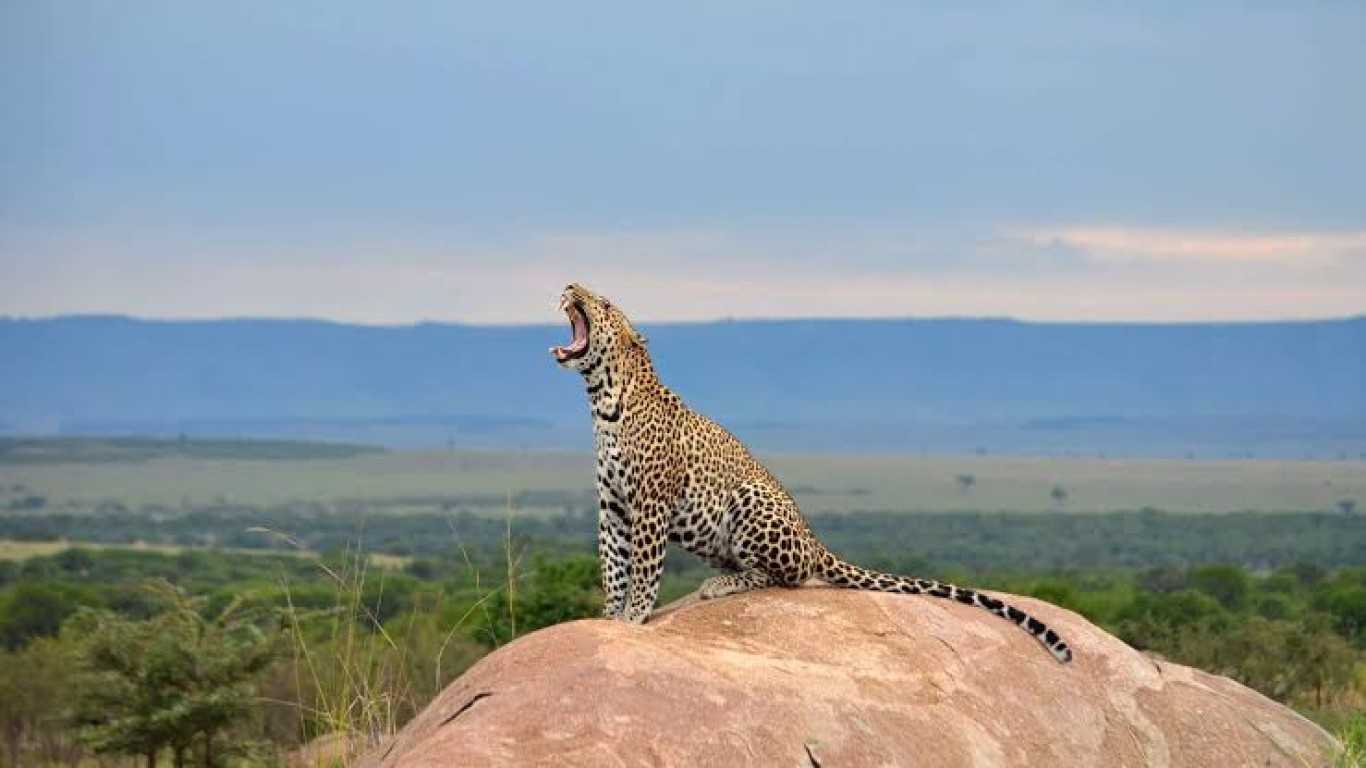
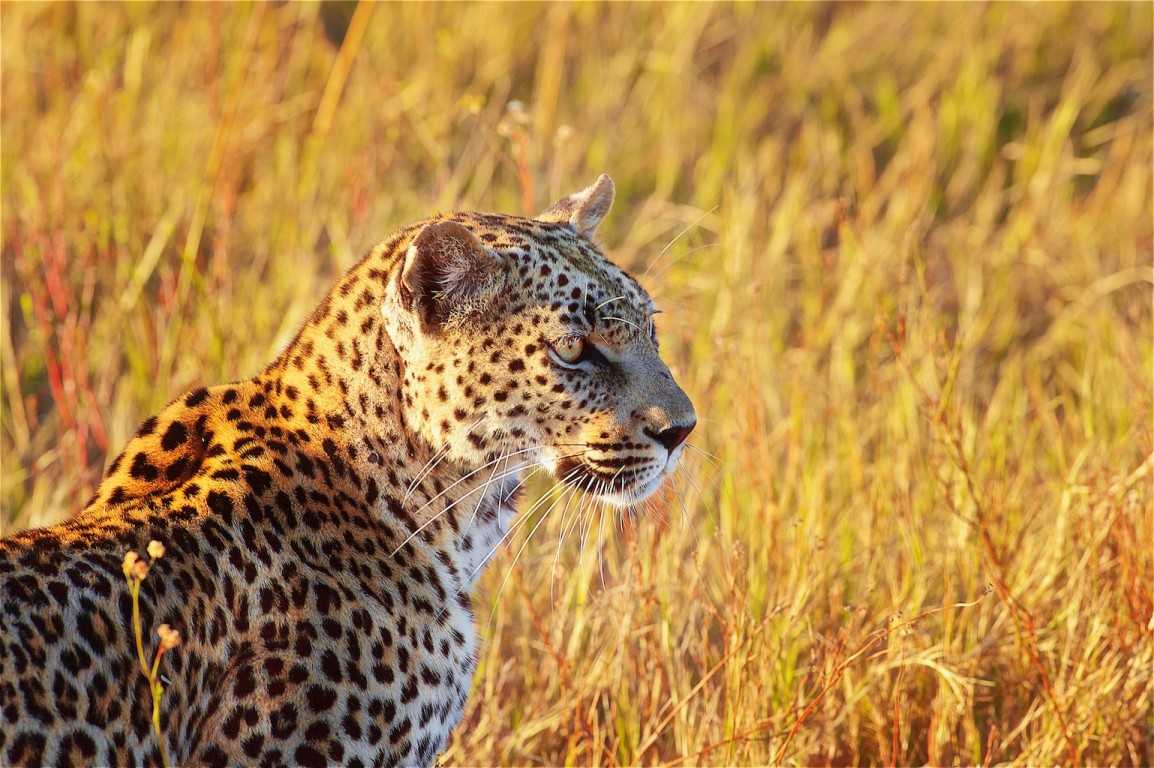
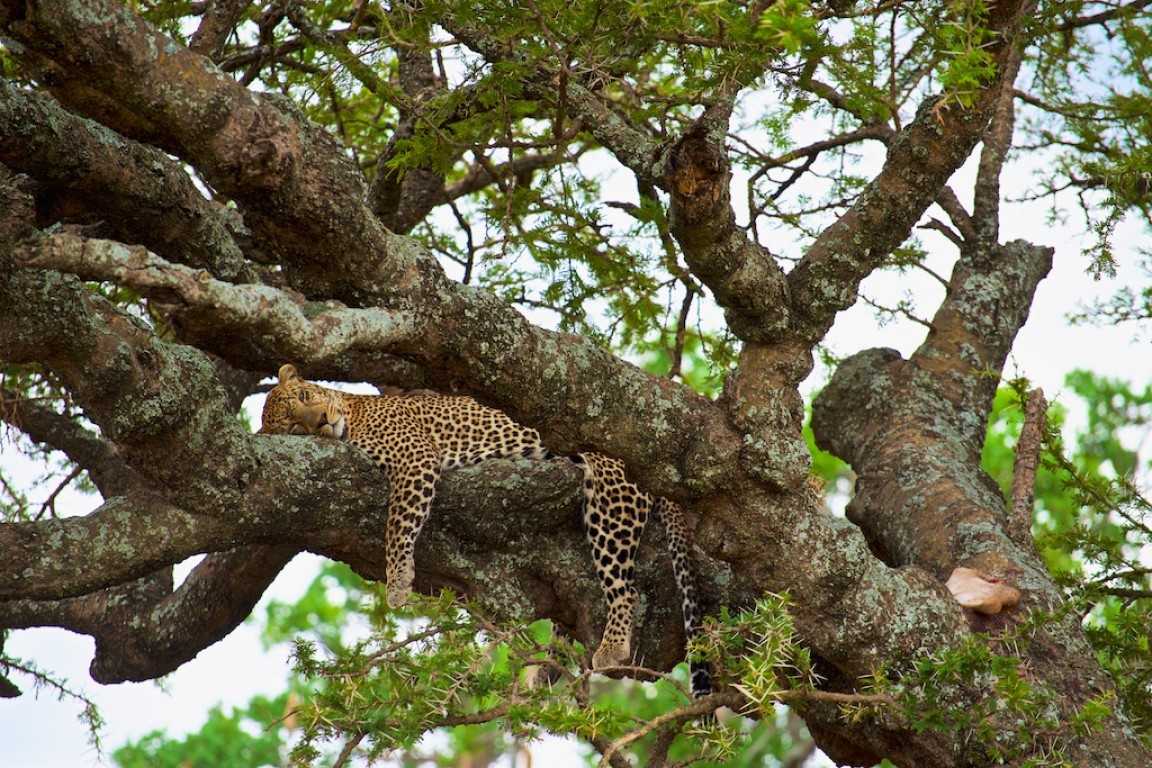
Leopard are the most elusive of the Big Five — solitary, nocturnal and reliant on cover that makes visual detection difficult. Tanzania has three areas that significantly improve sighting probability. The Seronera Valley in the central Serengeti has the highest leopard density in East Africa and the most habituated individual animals — known by camp guides, tracked daily, approached in the vehicle to within metres. Tarangire's riverine woodland is productive for leopard year-round, particularly in the tall trees of the Tarangire River corridor. Ruaha's rocky hills and river gorges support a significant southern leopard population. On a well-guided 5 to 7 day Northern Circuit safari, leopard sightings are likely but not guaranteed — this is the one Big Five species where patience and guide knowledge make the largest difference.
Elephant — Tarangire and Nyerere
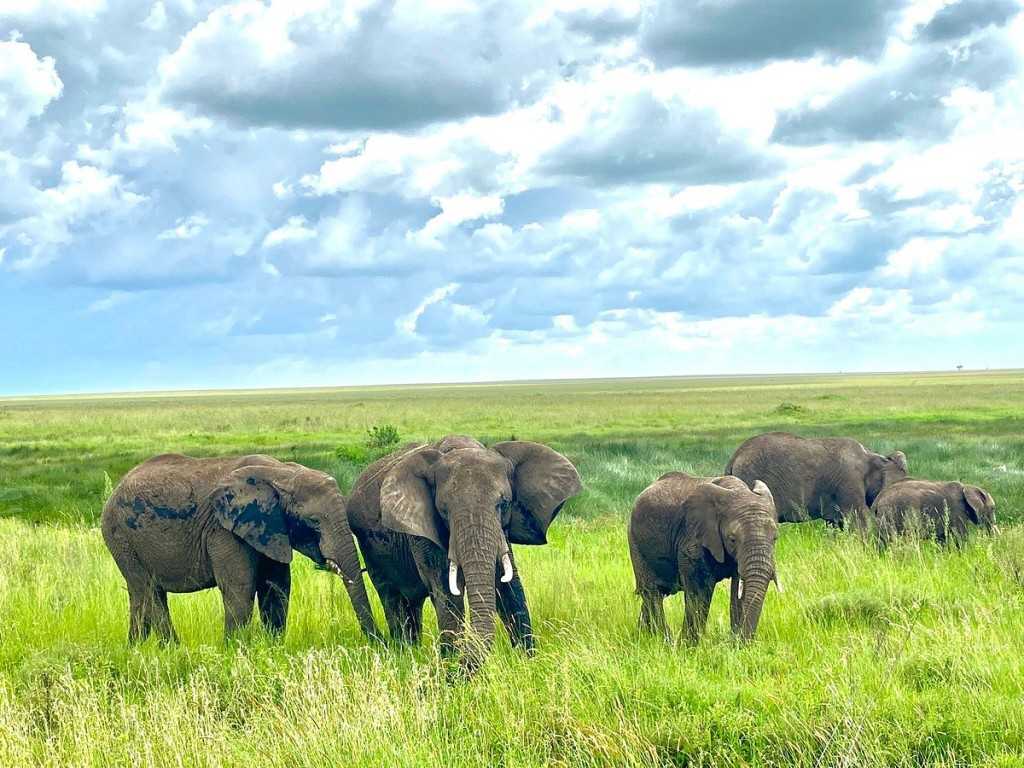
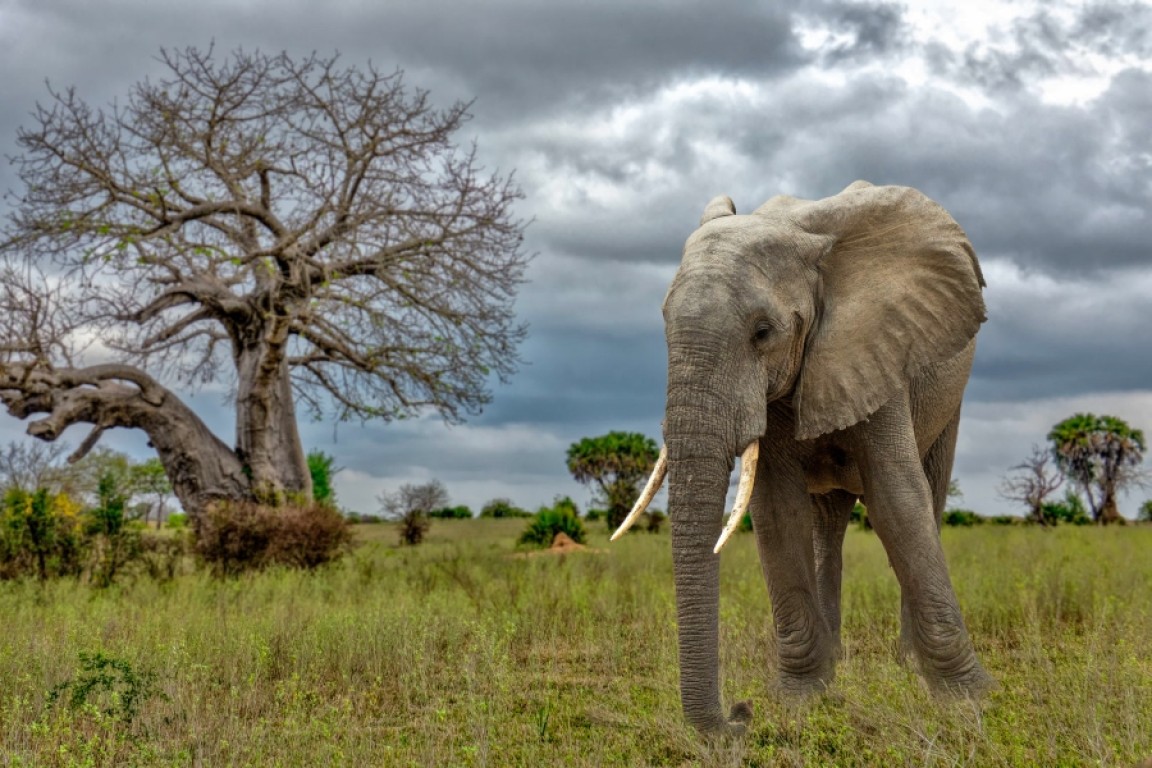
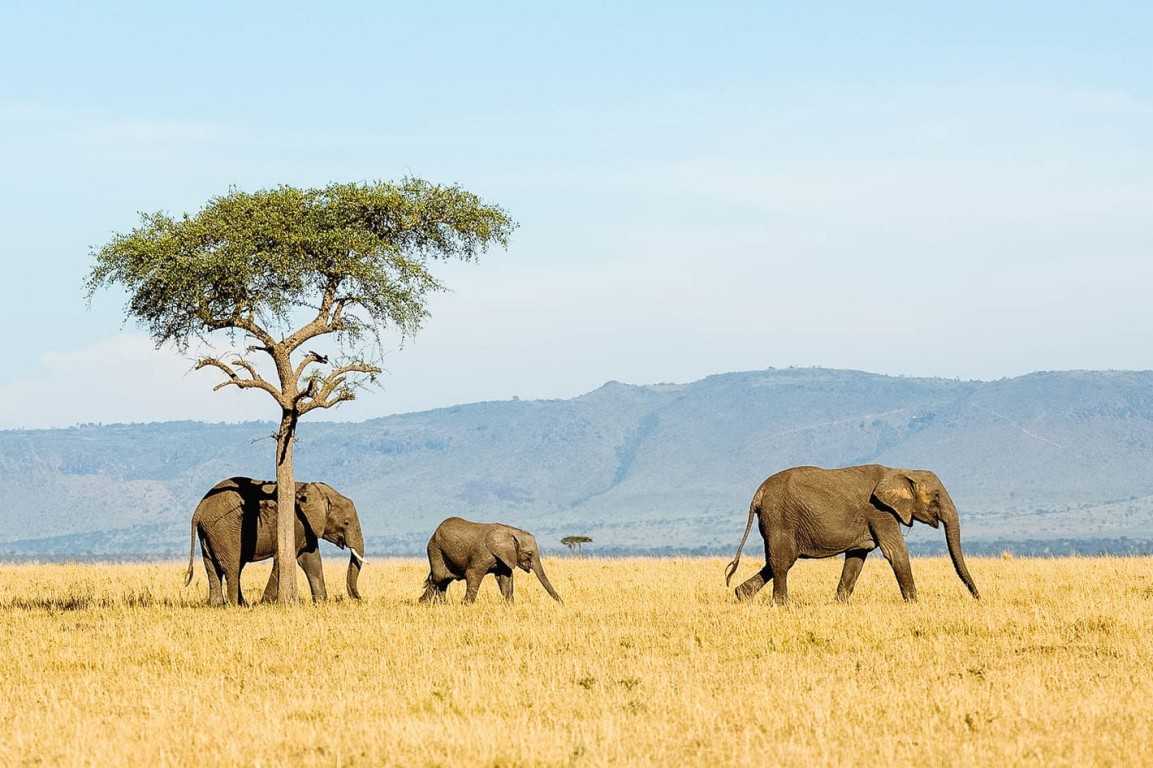
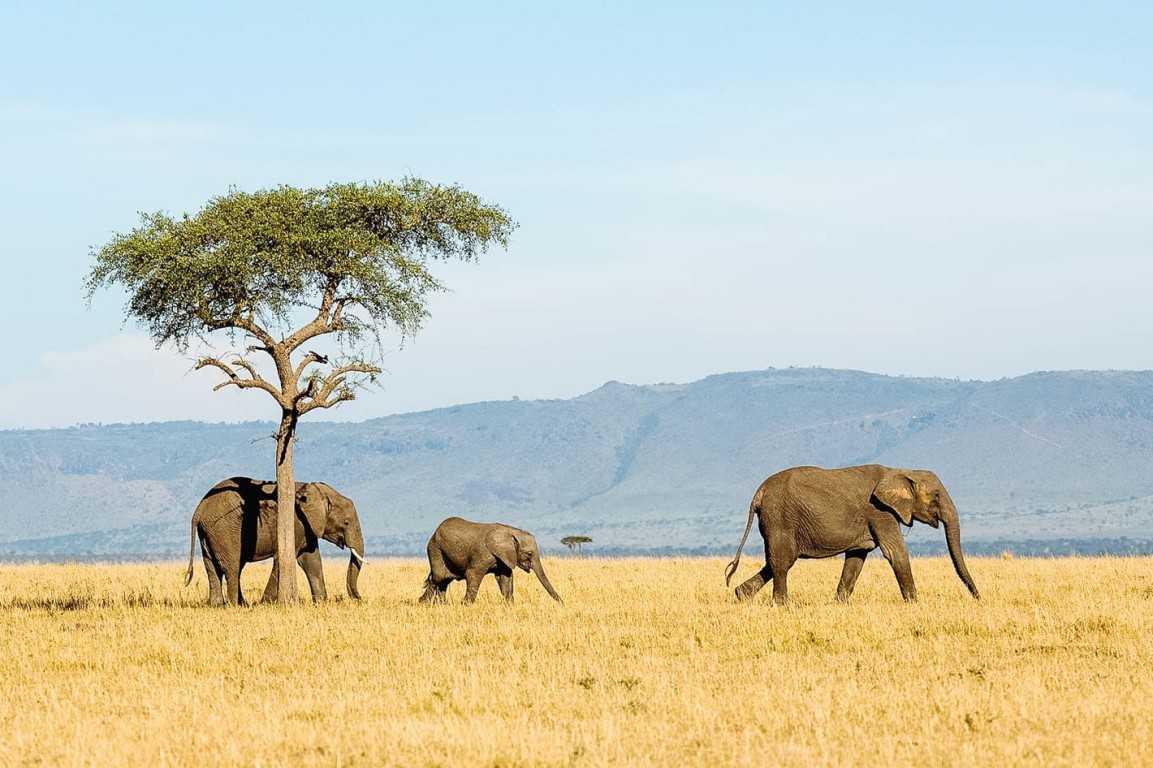
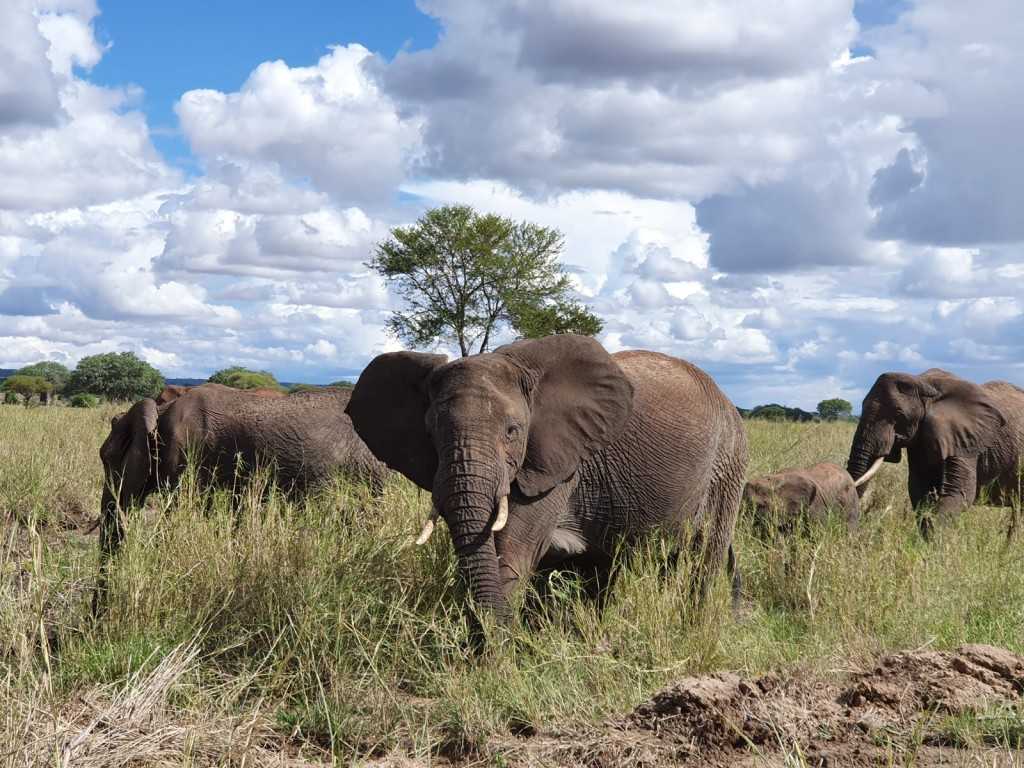
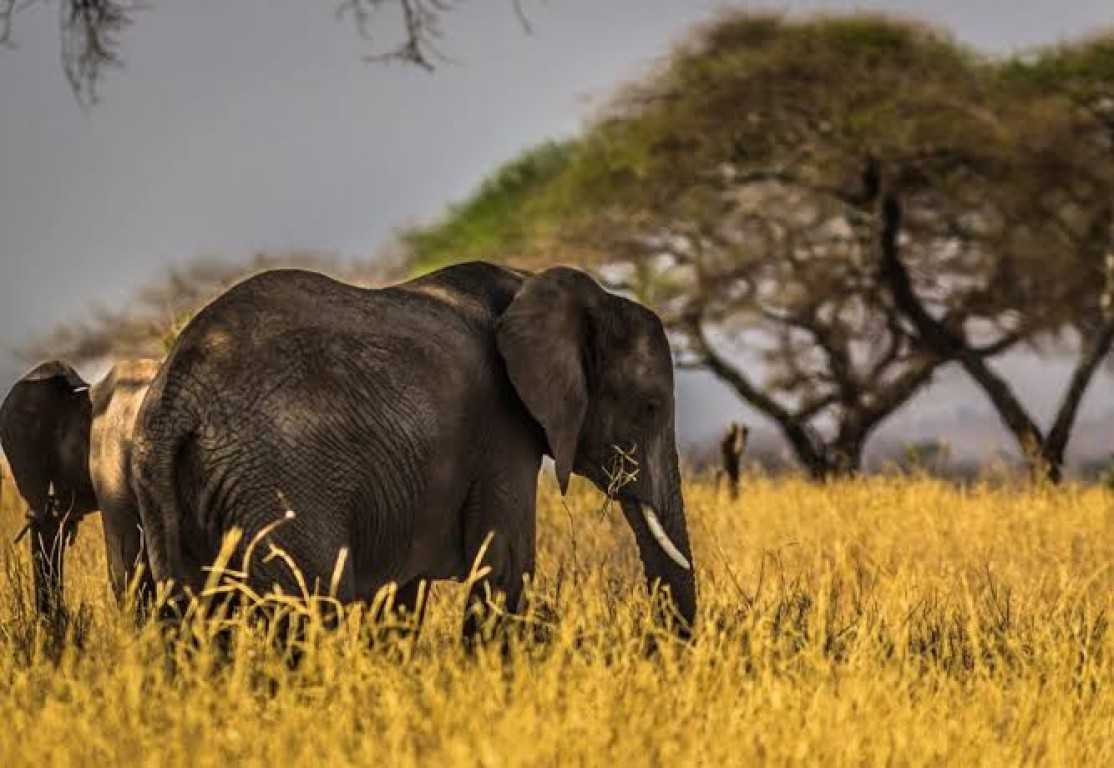
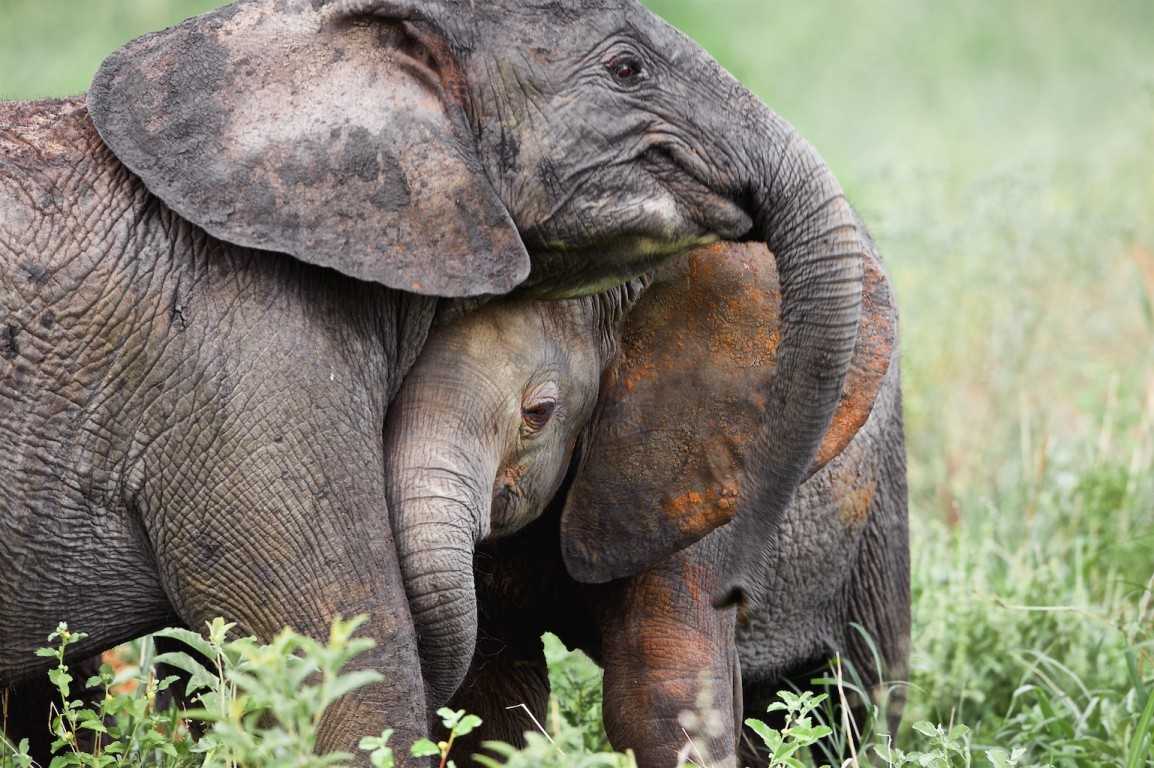
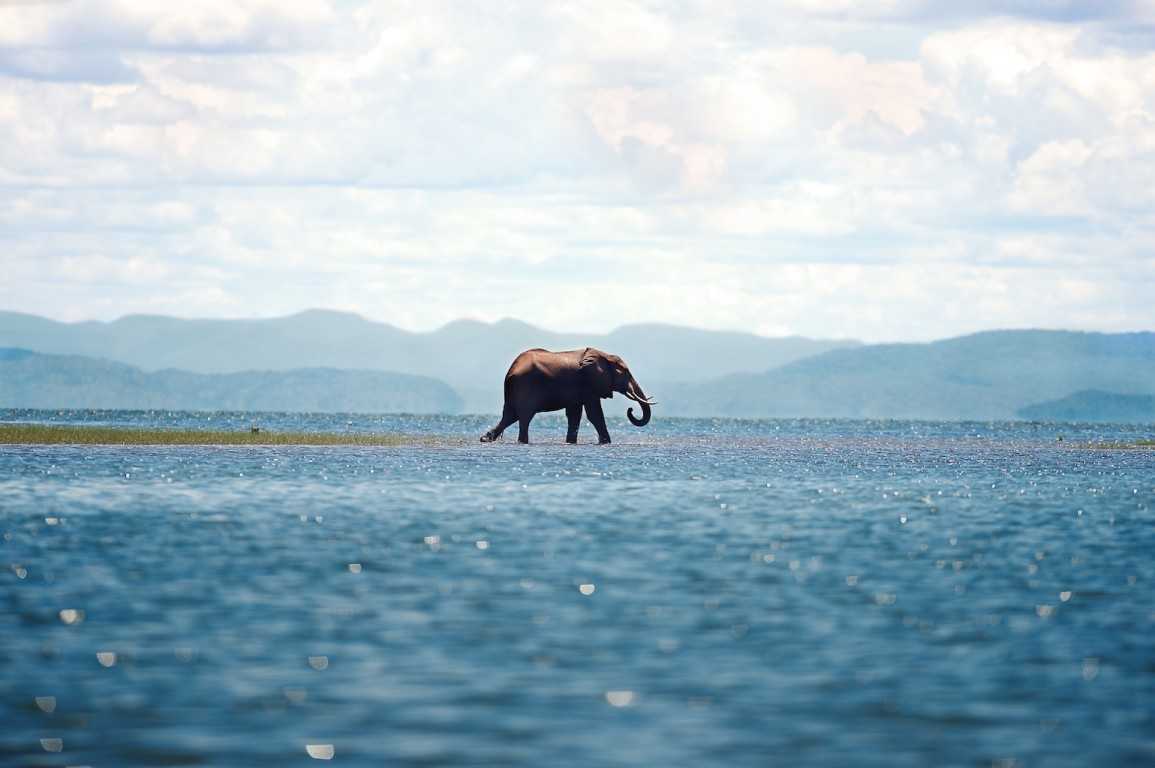
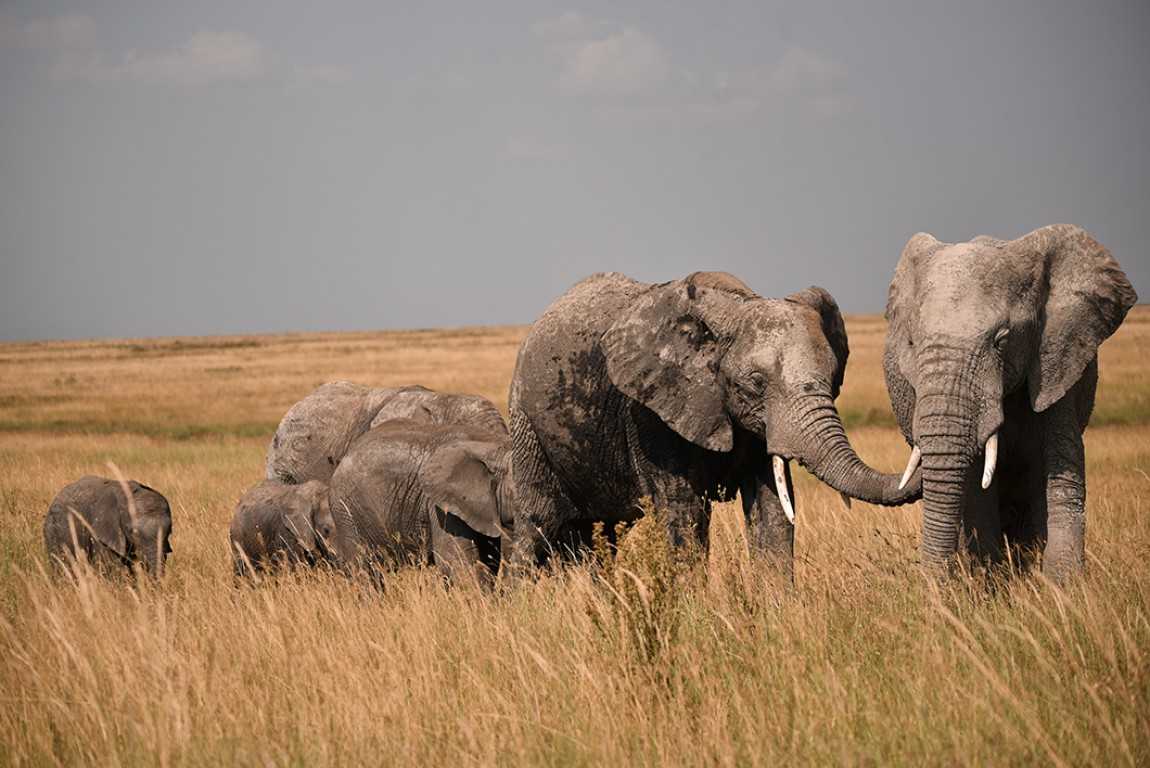
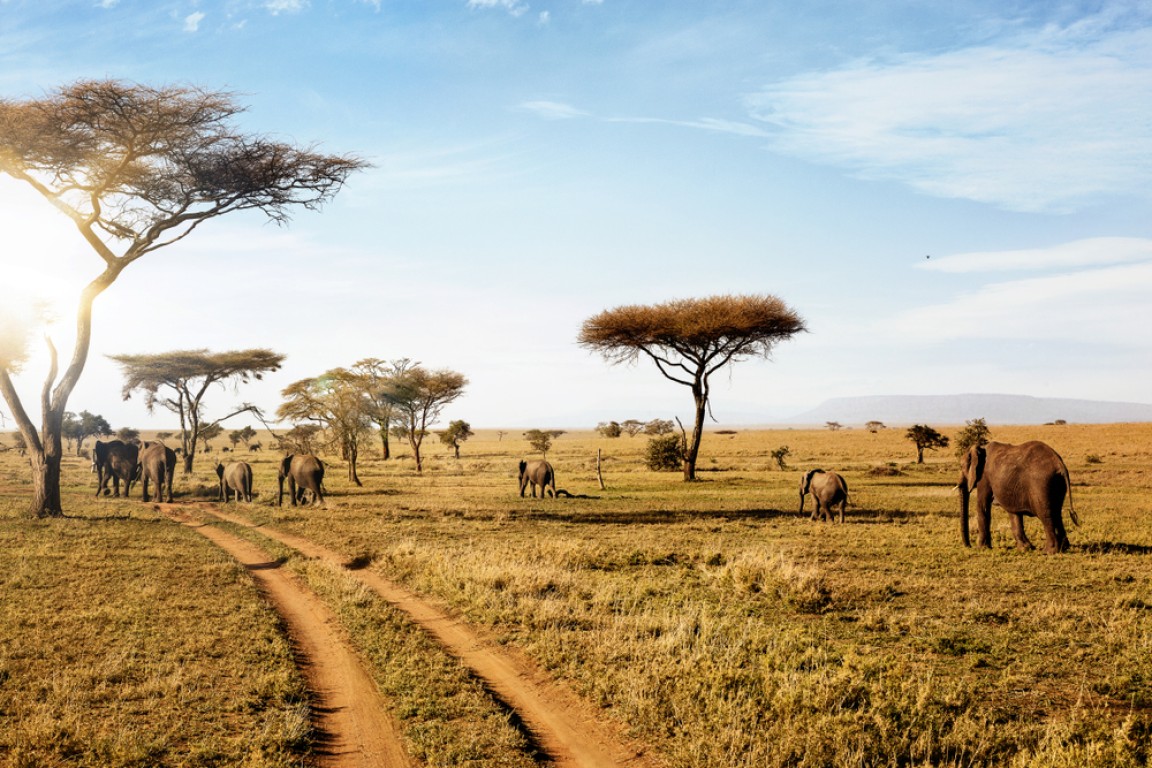
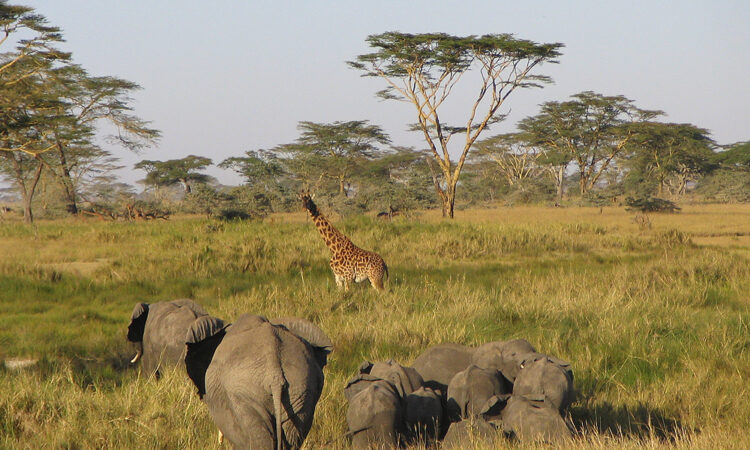
Tanzania has two of Africa's great elephant concentrations. Tarangire National Park holds the largest elephant herds in northern Tanzania — groups of 30 to 100 animals moving through ancient baobab woodland are standard in the dry season, with the Tarangire River corridor concentrating thousands of animals from the surrounding ecosystem. Nyerere National Park holds Africa's largest overall elephant population — estimated at 50,000 or more in a protected area larger than Switzerland. Elephant encounters in Tanzania are neither rare nor uncertain — on any Northern Circuit safari including Tarangire, you will see elephant. The question is how many and how close.
Buffalo — Ngorongoro Crater and Nyerere
Cape buffalo form the most massive herbivore herds in Tanzania — groups of 500 to 1,000 animals move across the Ngorongoro Crater floor and the Nyerere floodplains in aggregations rarely seen elsewhere in Africa. Buffalo in these numbers — dense, dark, moving as a coordinated mass with the calves hidden in the centre — are one of the most impressive large-mammal spectacles on the continent. Buffalo are reliable on any Northern Circuit safari; the crater and Serengeti's open plains give the best visibility for large herds.
Black Rhinoceros — Ngorongoro Crater
The black rhinoceros is Tanzania's most difficult Big Five species to see — the national population is small (estimated at 150 to 200 animals across all parks) and most individuals are in remote, low-visibility terrain. The exception is the Ngorongoro Crater, where 20 to 30 black rhino live within a 260 sq km enclosed caldera. The crater's open grassland floor gives far better visibility than the dense bush where rhino are typically found elsewhere. On a guided crater game drive, black rhino are sighted on the majority of visits — making Ngorongoro Tanzania's most reliable and, for most visitors, only realistic Big Five completion for this species.
The Best Tanzania Parks for a Complete Big Five Safari
A 5-day Northern Circuit covering Tarangire (elephant, buffalo, leopard in the woodlands), Ngorongoro Crater (lion, black rhino, buffalo, elephant) and Serengeti (lion, leopard in Seronera, cheetah, elephant) gives the highest probability of completing the Big Five in the fewest days. Leopard is the variable — the Seronera Valley is the insurance policy.
Adding the Southern Circuit (Nyerere or Ruaha) to a Tanzania Big Five safari adds depth rather than new Big Five species — both southern parks have all five — but gives a completely different ecosystem, the Rufiji River boat safari at Nyerere and the remoteness that the northern parks cannot offer at their current visitor volumes.
Beyond the Big Five: Tanzania's Extended Wildlife List
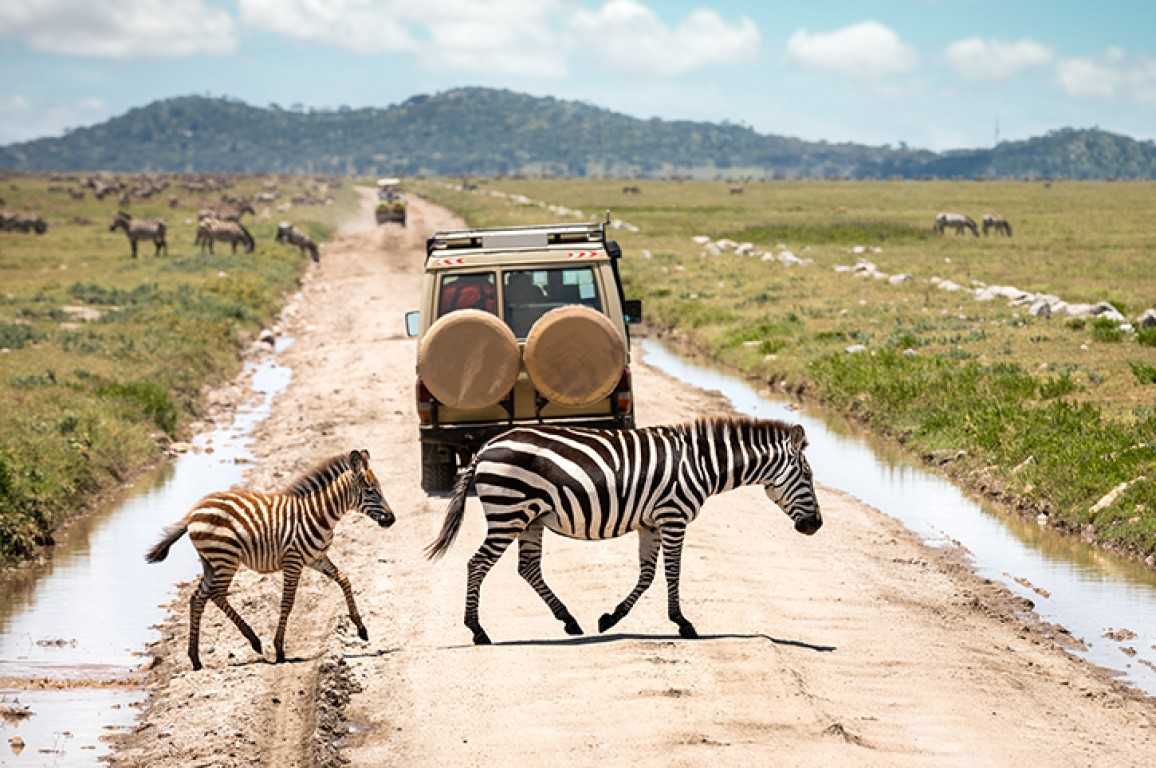
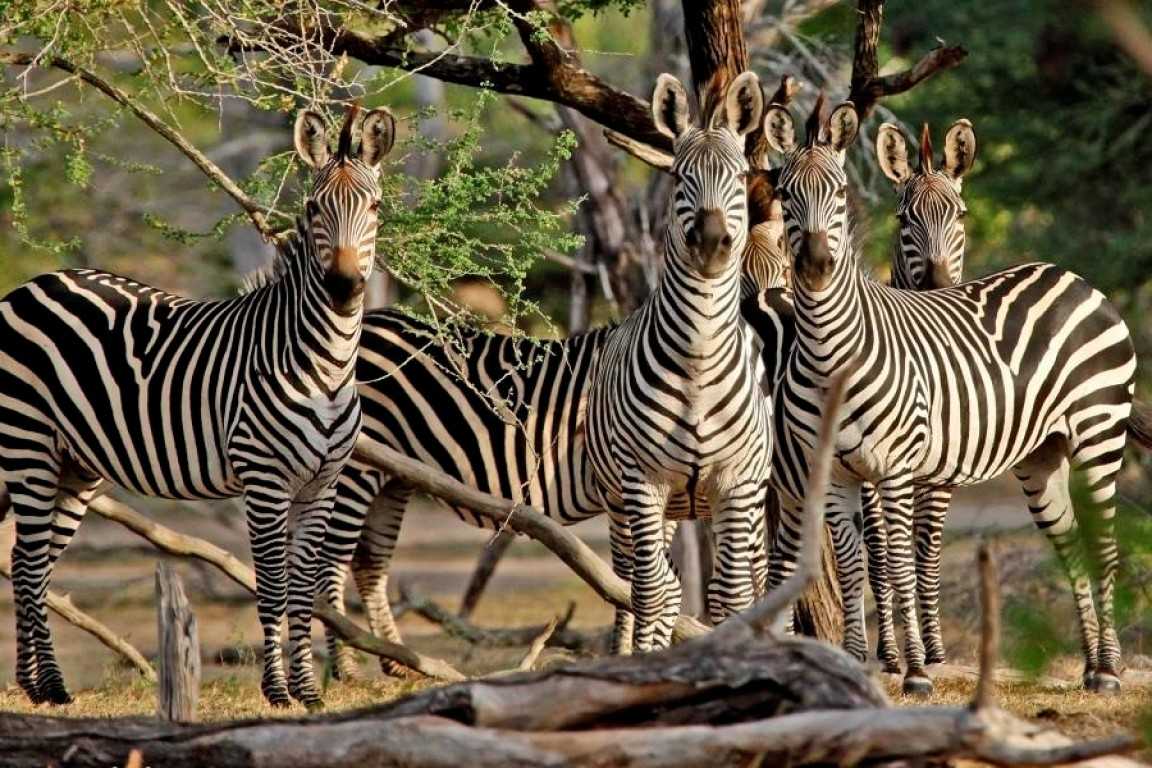
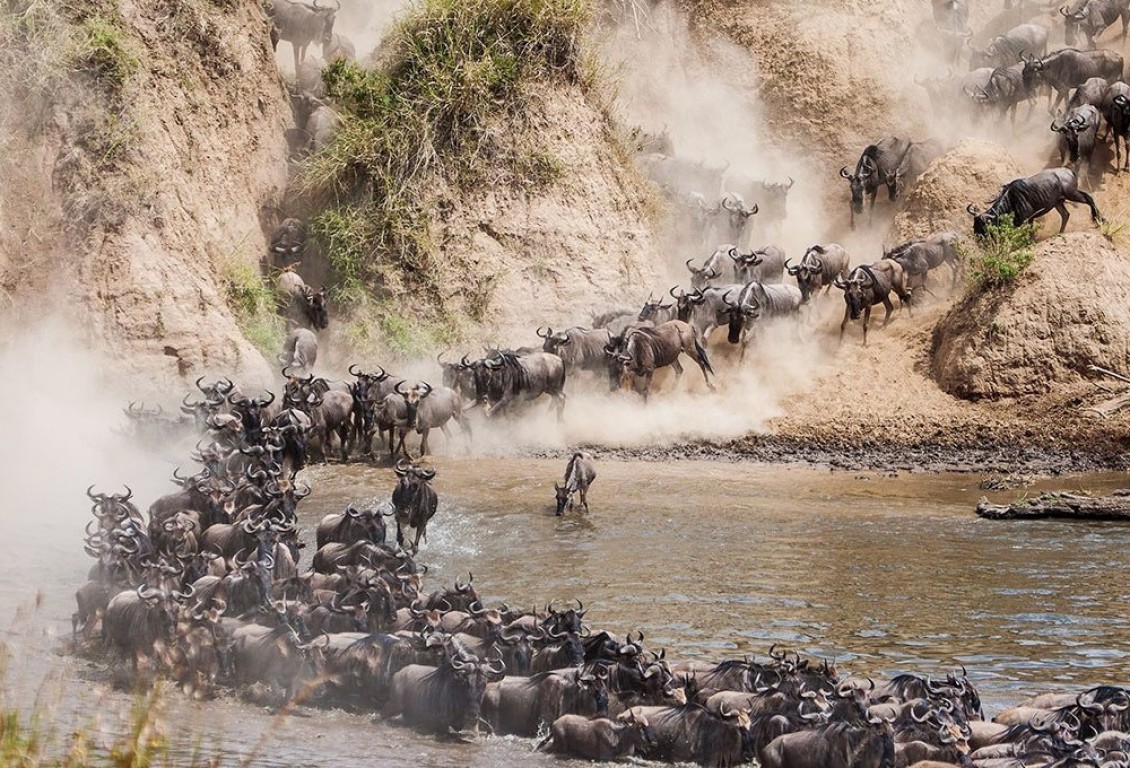
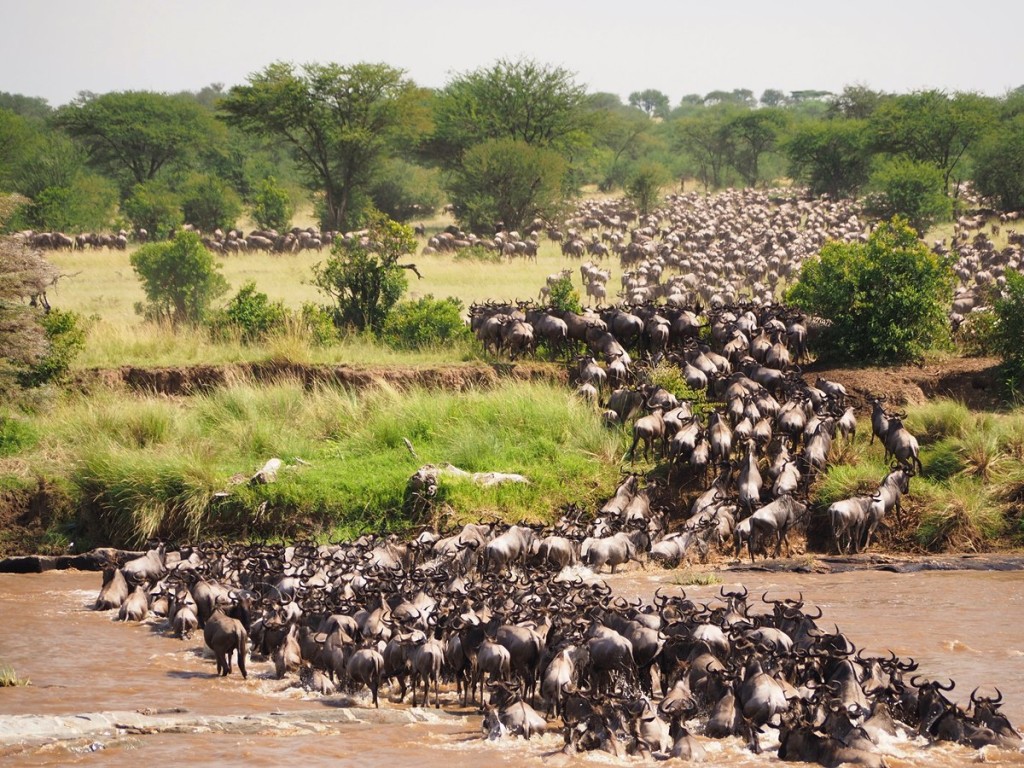
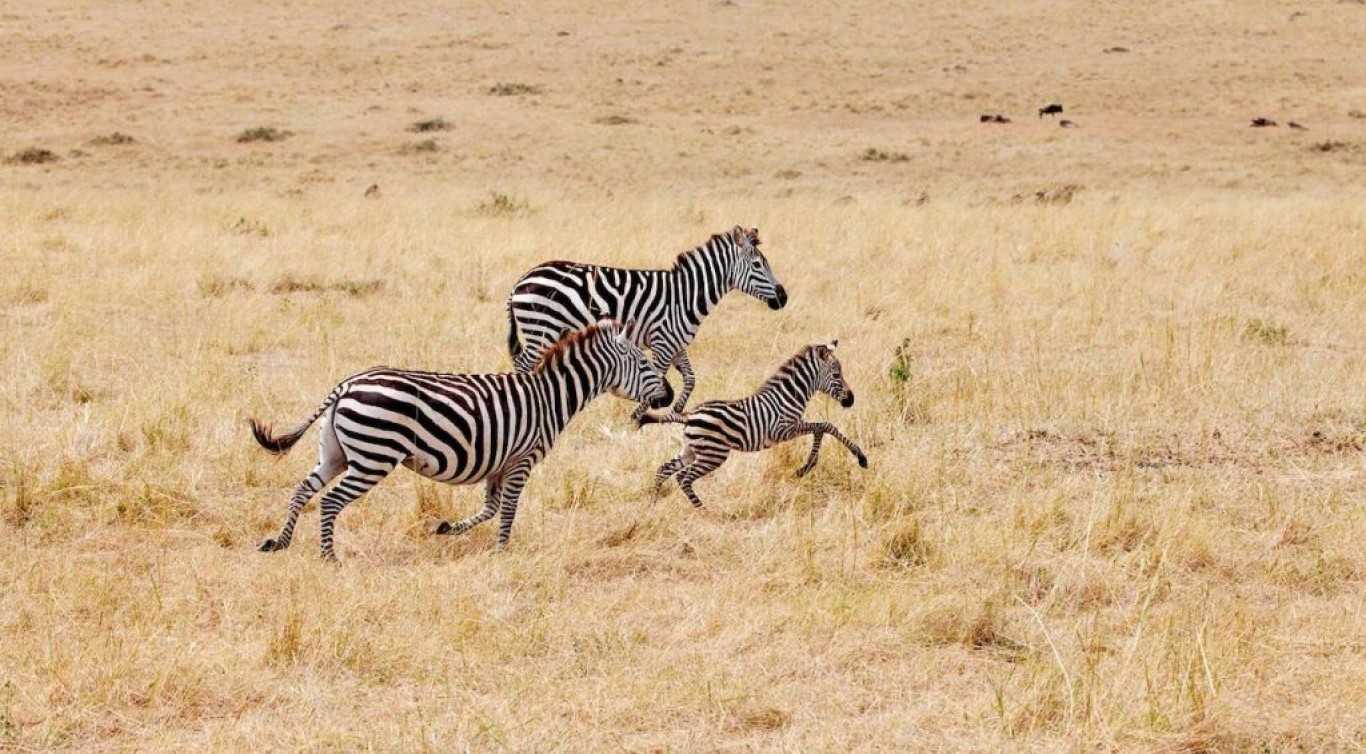
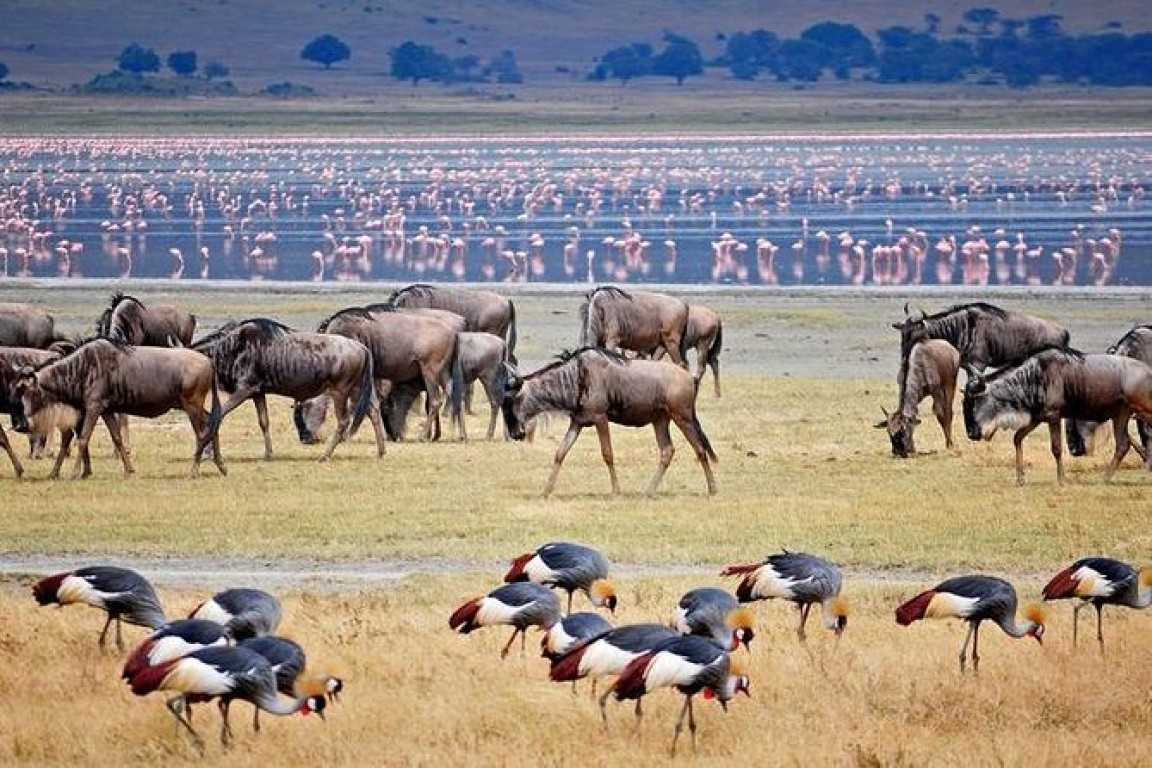
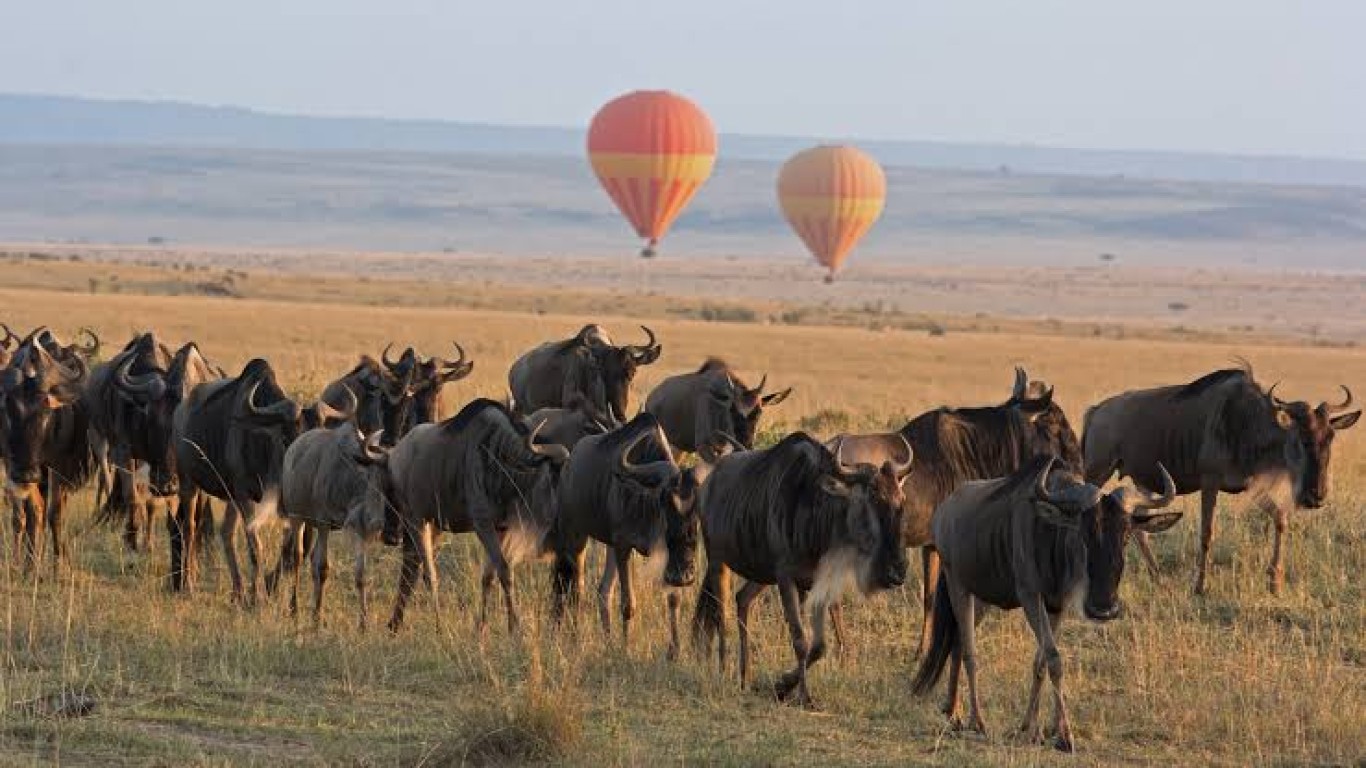
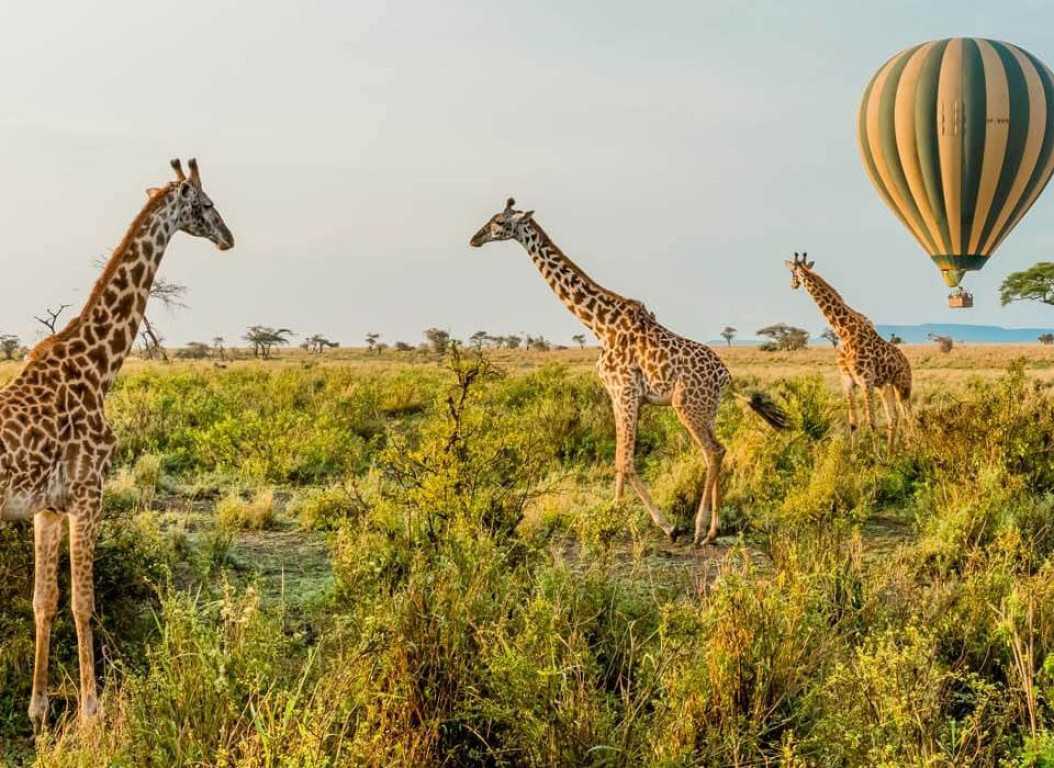
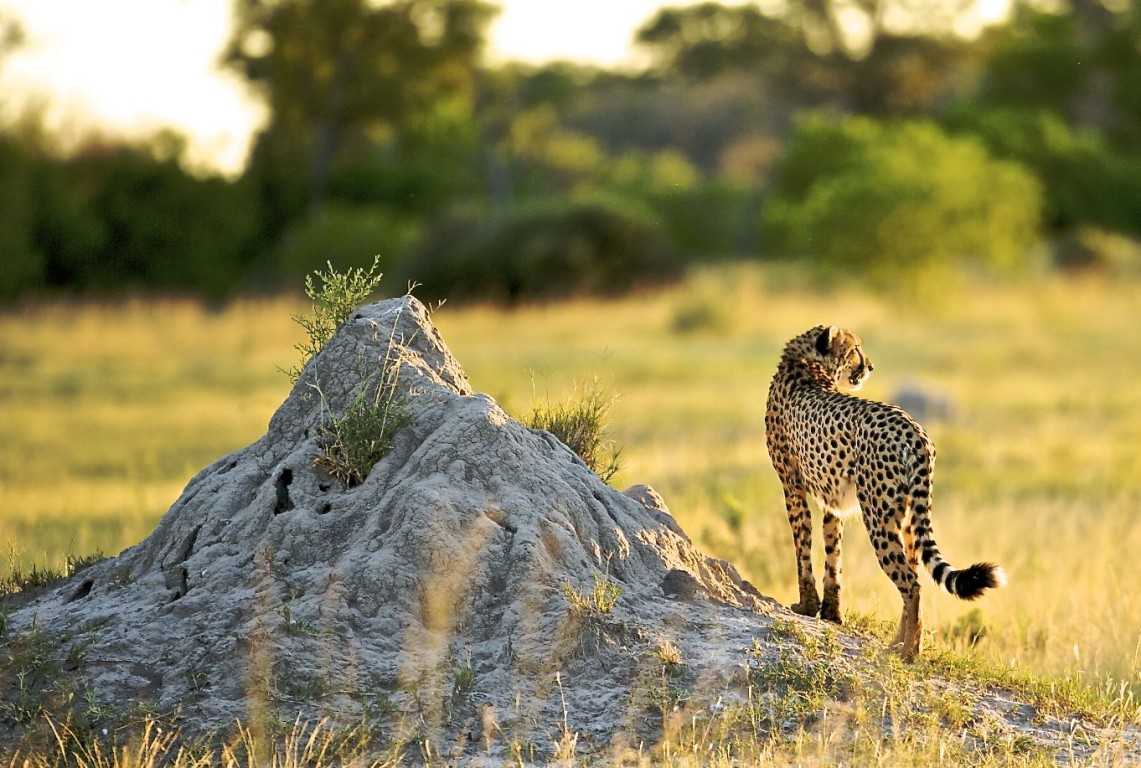
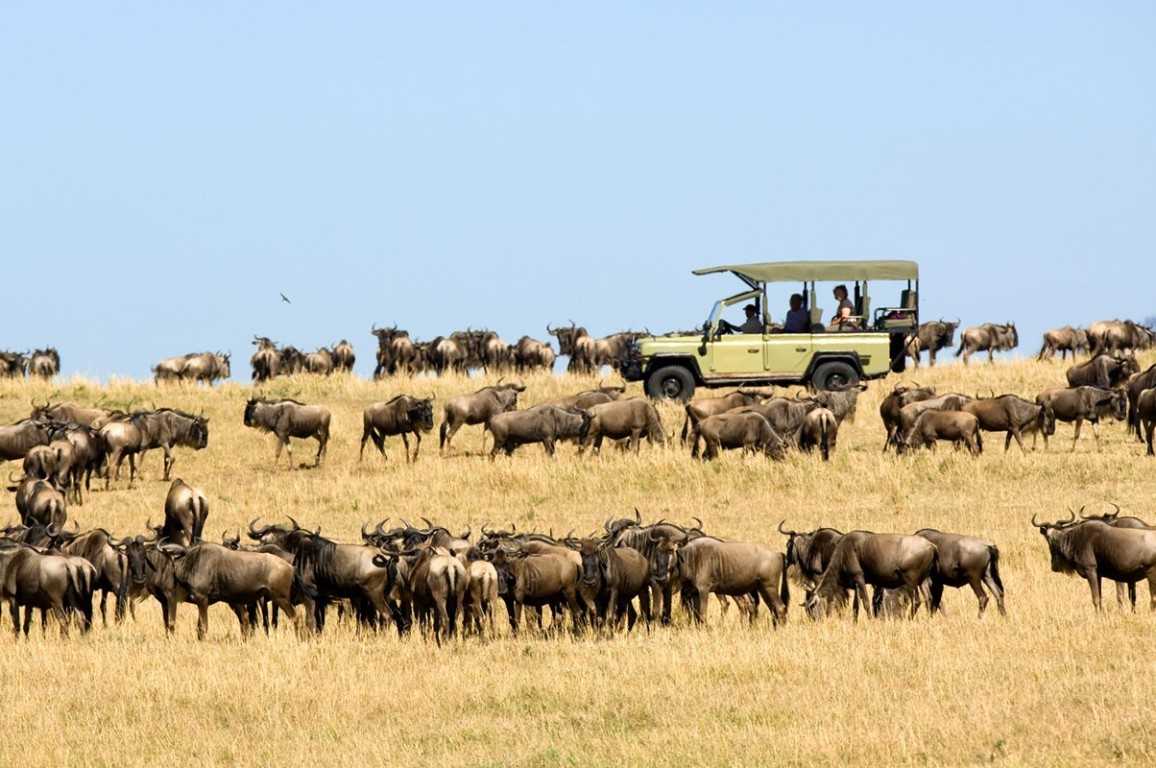
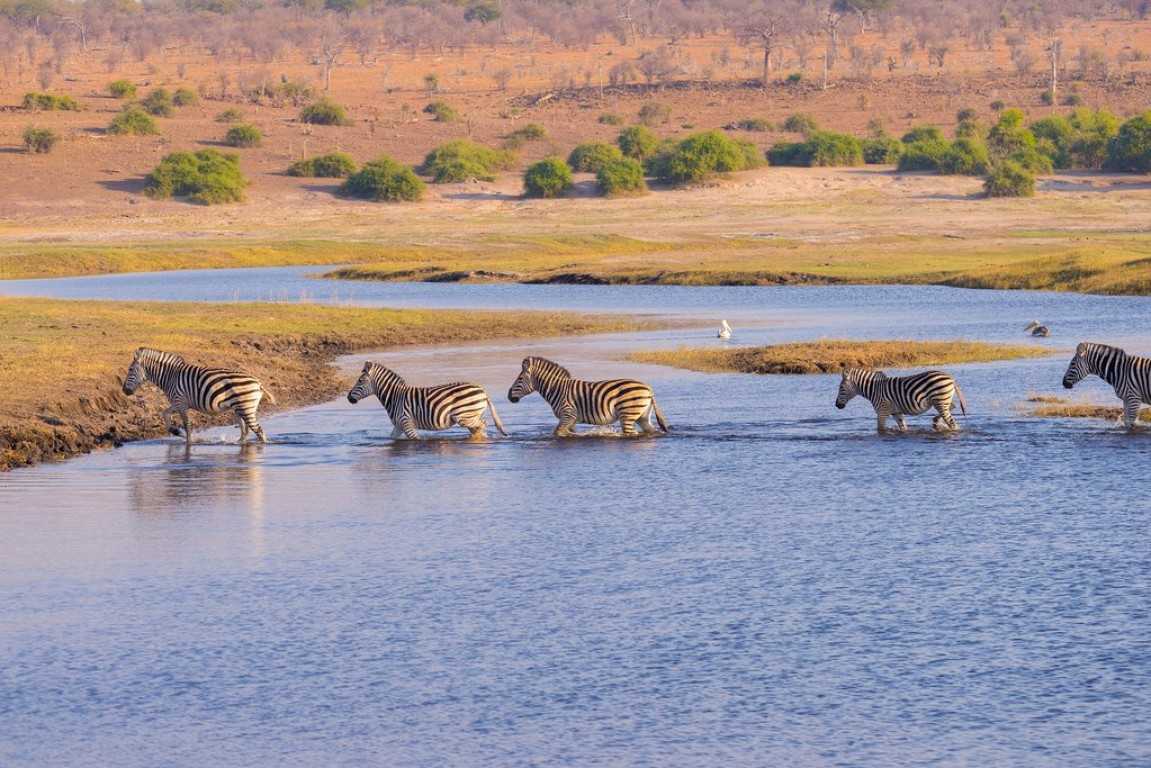
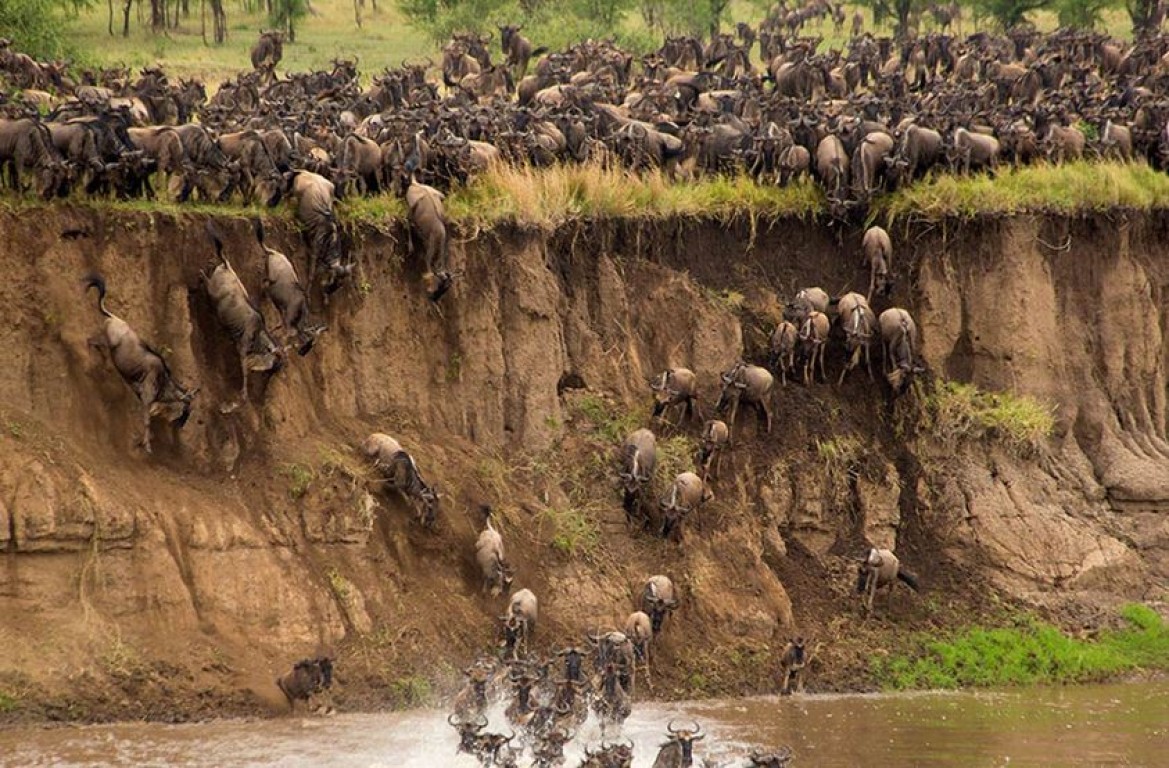
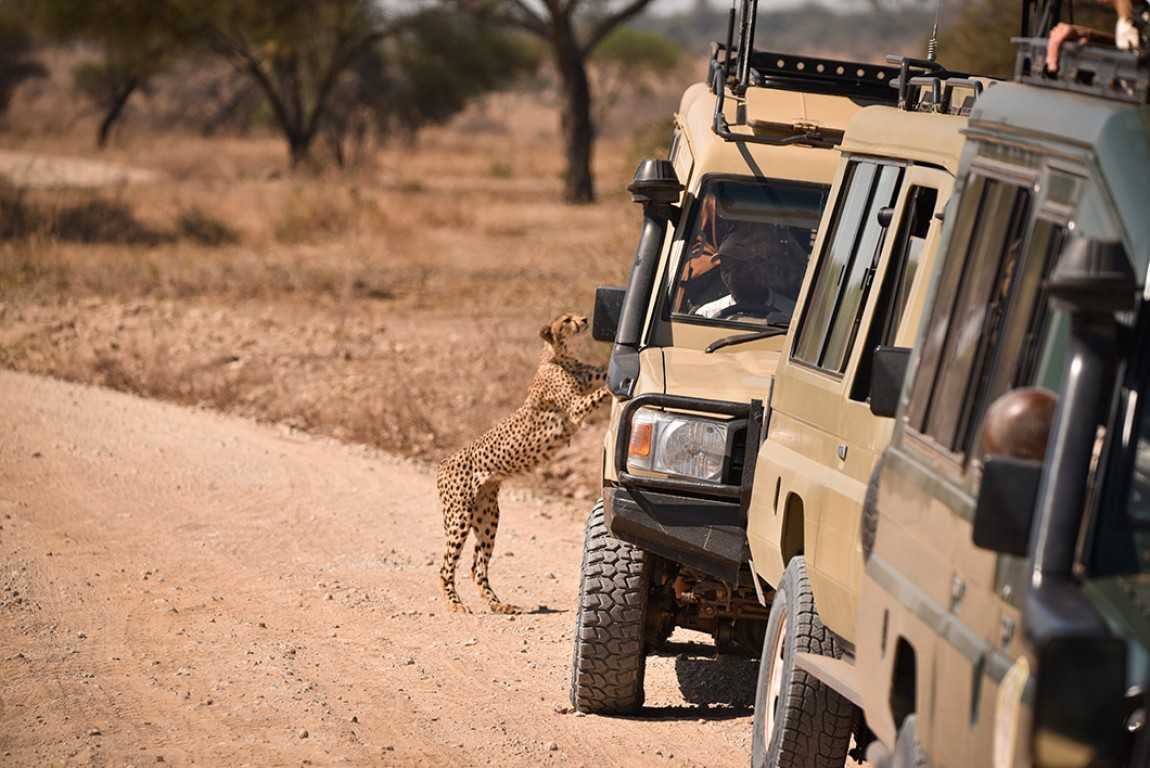
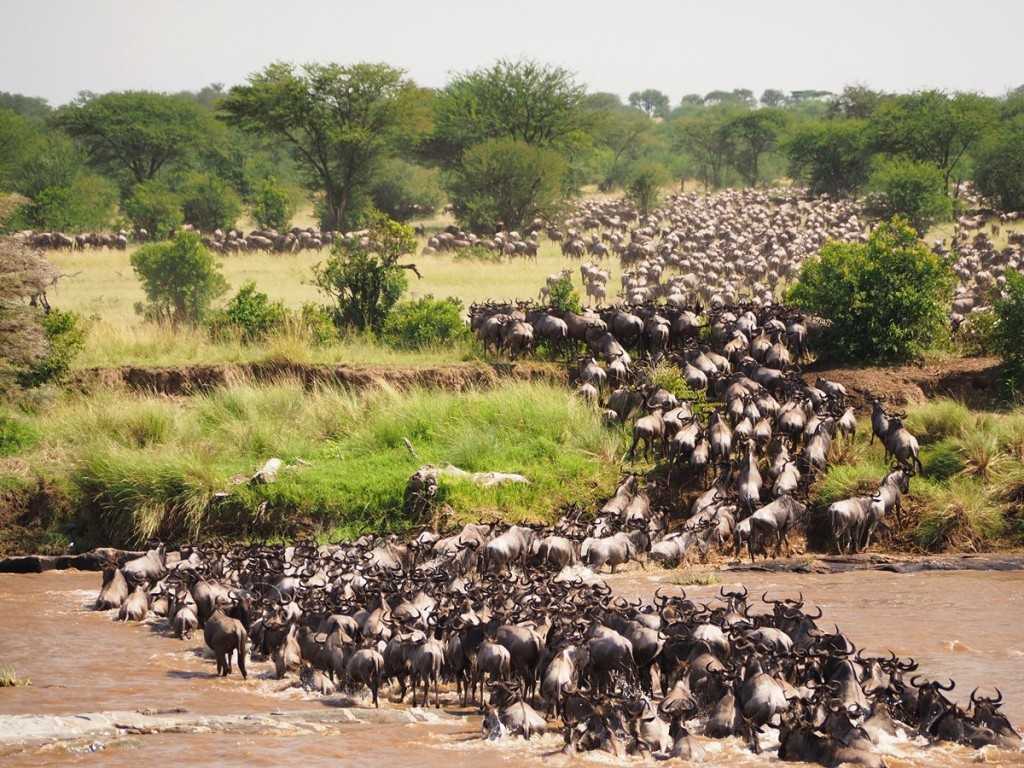
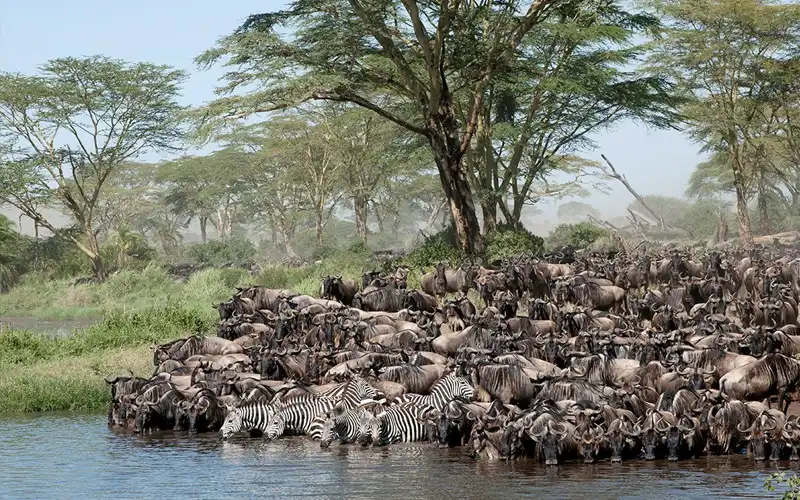
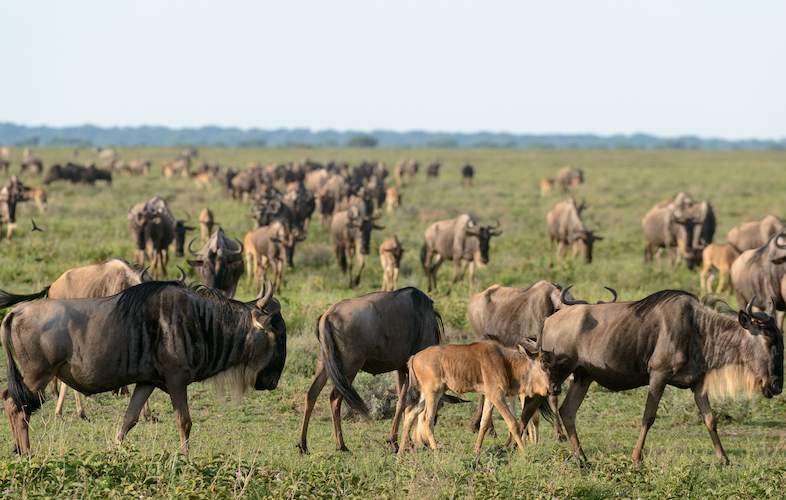
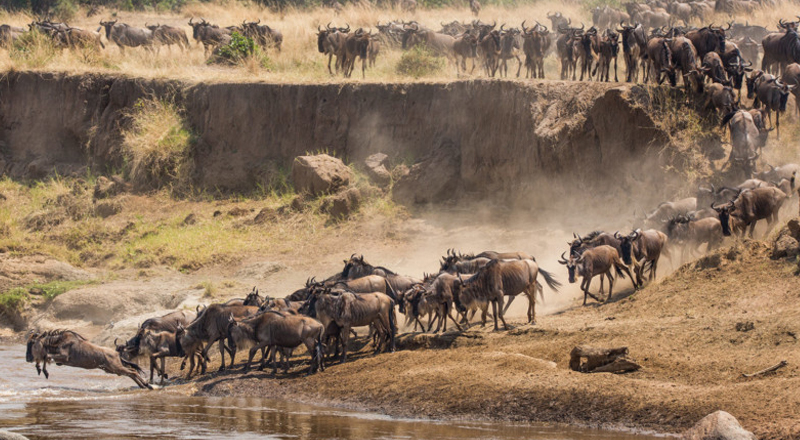
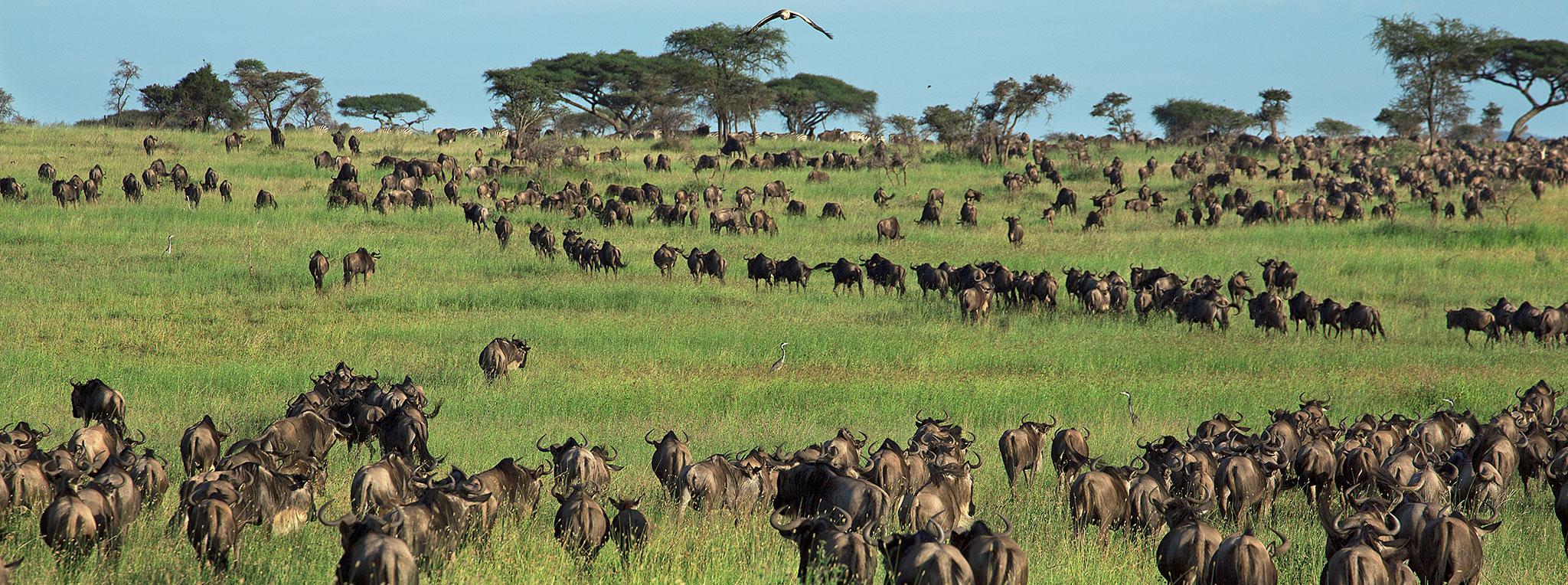
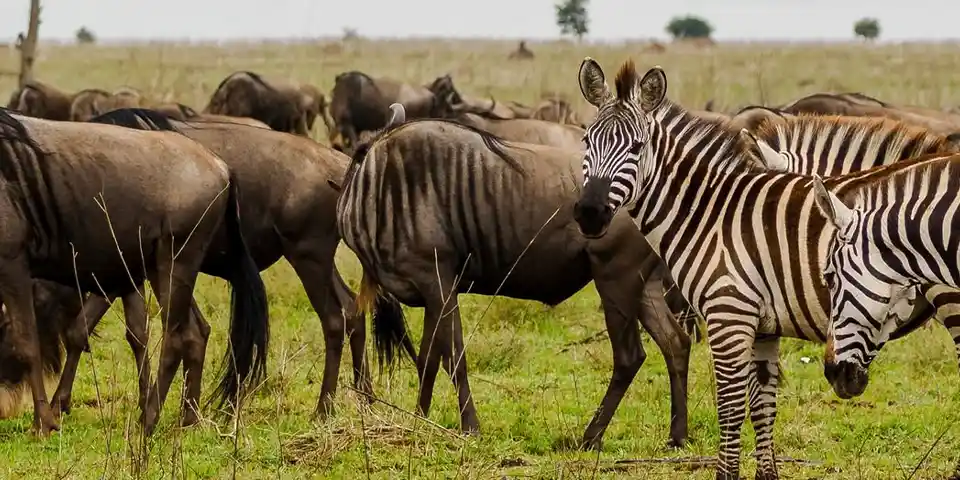
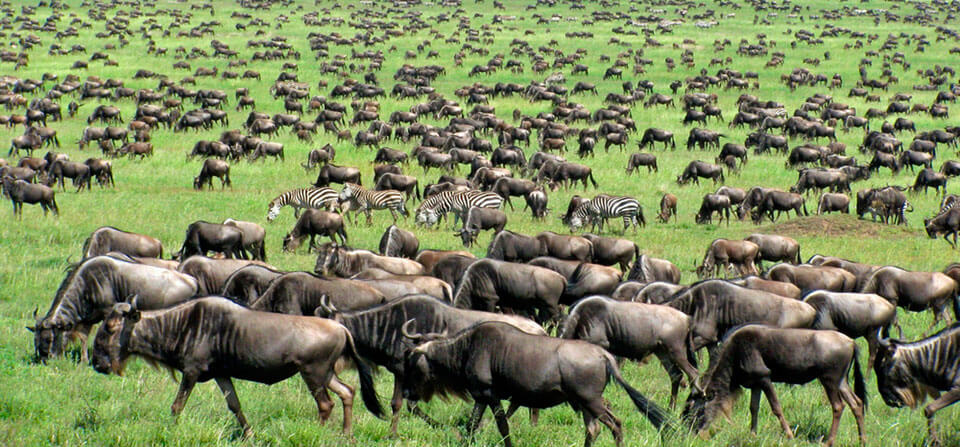
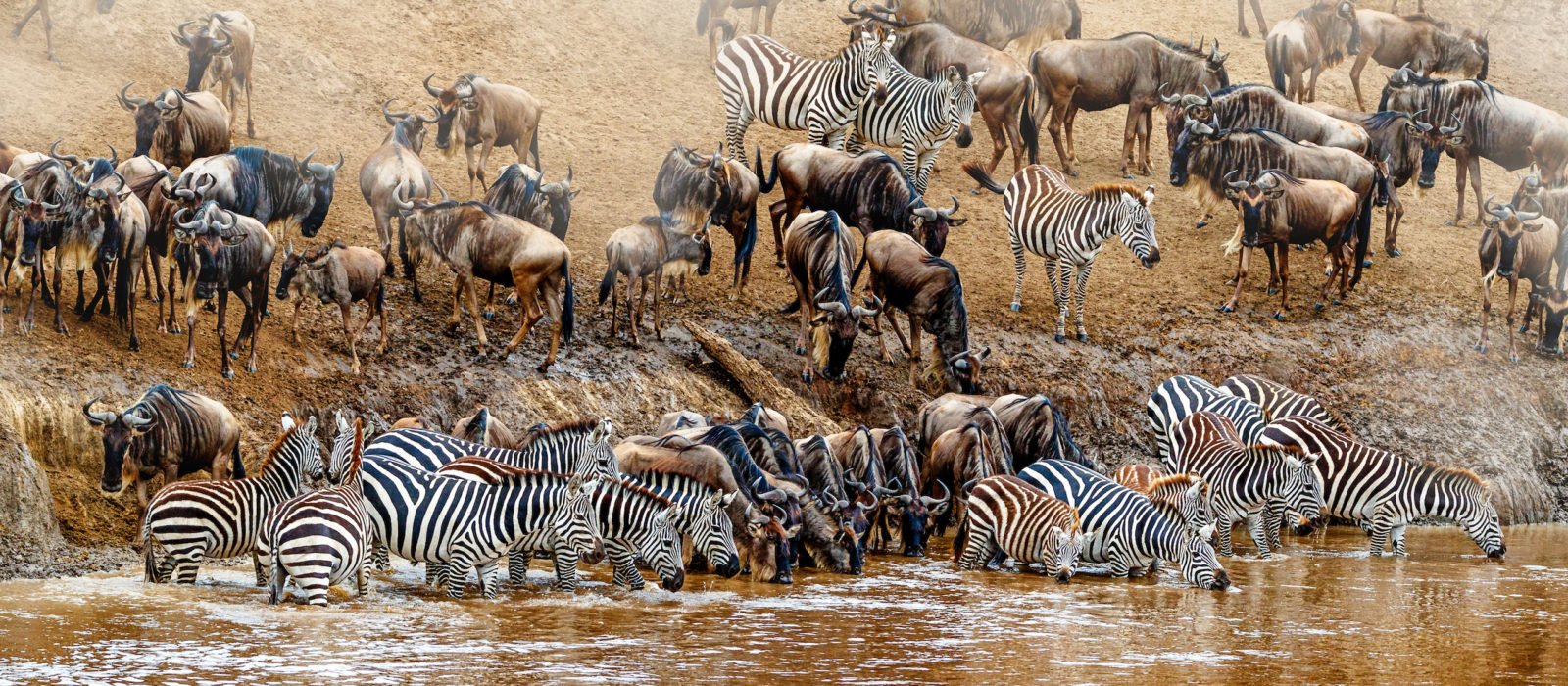
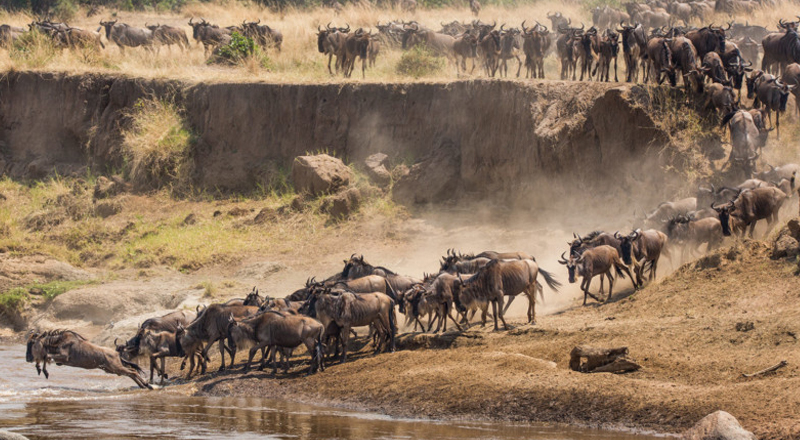
The Big Five framework captures five species but Tanzania's wildlife extends far beyond the list. The additional species that most Big Five safari travellers also encounter on a Northern Circuit safari: cheetah (Serengeti plains, highly reliable), spotted hyena (all parks, nightly activity around campsites), giraffe (all northern parks, the tallest animal on Earth at close range), zebra (Serengeti and Ngorongoro in vast herds), wildebeest (the Great Migration, 1.5 million animals), hippo (Ngorongoro Hippo Pool, Nyerere Rufiji River), Nile crocodile (Mara River in the northern Serengeti), and African wild dog (Nyerere and Ruaha in the south, occasional in the Serengeti). Over 1,100 bird species have been recorded in Tanzania — more than in Europe and North America combined.
Frequently Asked Questions
Is it guaranteed to see all five of the Big Five on a Tanzania safari?
On a well-designed 5 to 7 day Northern Circuit safari including Tarangire, Ngorongoro and the Serengeti, seeing lion, elephant and buffalo is highly likely on any visit in any season. Cheetah (not a Big Five member) is also highly likely in the Serengeti. Leopard requires patience and guide knowledge — likely but not certain. Black rhino in the Ngorongoro Crater is likely on a full crater game drive. No experienced operator guarantees specific sightings — wildlife cannot be scheduled — but the probability of a complete Big Five on a 5 to 7 day northern circuit safari with a good guide is higher in Tanzania than in any other single country in Africa.
Which park is best for completing the Big Five in Tanzania?
The Ngorongoro Crater completes the Big Five most efficiently — lion, leopard (in the Lerai Forest), elephant, buffalo and black rhino are all on the crater floor in a 260 sq km enclosed space. The crater is the single best Big Five park in Tanzania for a one-day game drive. It does not, however, give the Serengeti's scale, the Migration spectacle or the elephant density of Tarangire. A circuit that combines all three parks gives the complete Tanzania Big Five experience.
What is the best time of year to see the Big Five in Tanzania?
The Big Five are present year-round in Tanzania's major parks — they do not migrate out of the country. The dry season (June to October) produces the best visibility conditions: shorter grass, animals concentrated at water sources and clear game drive sightlines. The Ngorongoro Crater black rhino are best sighted in the dry season when they move more predictably to the Lerai Forest springs. Leopard in the Seronera Valley are viewable year-round with equal reliability in wet and dry seasons.
How many days do I need for a Tanzania Big Five safari?
Five days is the practical minimum for a meaningful Big Five safari covering Tarangire, Ngorongoro and the central Serengeti. Seven days gives more Serengeti time for leopard searching and a higher probability of a complete sighting list. Ten or more days allows a southern Tanzania extension for wild dog and the Rufiji boat safari alongside the Big Five northern circuit.
Not sure which Tanzania Big Five Safaris is right for you?
Our team designs custom itineraries — no fee, no obligation.Explore Other Safari Types

Kilimanjaro Trekking Tours
View Tours Tanzania Lodge Safaris
View Tours Tanzania Honeymoon Safaris
View Tours
Tanzania Camping Safaris
View Tours
Serengeti Migration Safaris
View Tours